



10 Best Whey Proteins in the Philippines 2026 | Buying Guide Reviewed by Nutritionist-Dietitian
Whey protein is a fast-digesting protein derived from milk that helps support muscle growth, recovery, and meet daily protein needs. While commonly associated with gym rats, it can also benefit anyone who struggles to get enough protein from their regular diet. When used appropriately, whey protein is generally safe and convenient.
In this guide, nutritionist-dietitian Jo Sebastian walks you through the types, benefits, safety tips, and common myths about whey protein. We’ll also help you choose the right product with our list of the best whey protein options available on Shopee and Lazada.

Jo Sebastian is a Registered Nutritionist-Dietitian who graduated BS Community Nutrition from the University of the Philippines, Diliman. Throughout the past year she has worked with Uniqlo, Adidas, Rebel Fitness app, and more to make nutrition fun, easy and accessible. She believes that life is not about restricting food but through simple lifestyle and dietary changes to attain our optimal health we can reach our full potential.

Jason is a content planner and writer with four years of experience across lifestyle, publishing, tech, real estate, marketing, and entertainment. Focused on consumer needs and SEO, they craft clear, engaging content that helps people make informed decisions. Jason is passionate about words that connect, empower, and resonate.
The expert oversees the Buying Guide only, and does not determine the products and services featured.
Why You Can Trust Us
Every mybest article is crafted with hours of in-depth research and interviews with experts. Each month, we are continually expanding our database of products based on our research. By emphasizing user insight and reliable information, we deliver trustworthy content to readers.
Is Whey Protein Safe? Benefits, Side Effects, and Common Myths Explained

Protein needs range from about 0.8–1.8 g per kilogram of body weight, around 0.8–1 g for sedentary individuals and 1.3 g or more for active people. Whey protein can help meet these needs, but shouldn’t replace nutrients from whole foods.
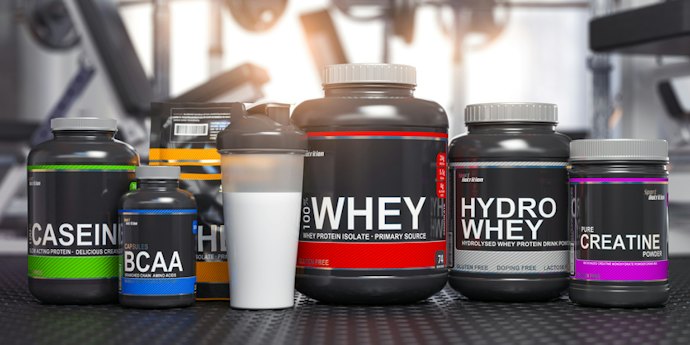
Whey protein isn’t just for gym-goers—it can help anyone who struggles to meet daily protein needs, including women, busy adults, seniors, or those with higher protein requirements. In the Philippines, diets often lean heavily on carbs, making it harder to reach recommended protein targets. Whey protein provides a convenient way to supplement protein without having to eat large amounts of meat.
When used in moderation, whey protein is generally safe for healthy individuals. Mild side effects like bloating or digestive discomfort may occur, especially for those with lactose sensitivity, so choosing isolates or powders with fewer additives can help. While it can support weight management and muscle recovery, whey protein shouldn’t replace whole meals, as a balanced diet is still essential.
Whey protein can be consumed by anyone struggling to meet their protein needs and those who want a convenient protein boost.
How to Choose Whey Protein – Buying Guide
Choosing the right whey protein depends on your goals, lifestyle, and dietary needs. Look at the type, protein per serving, ingredient quality, additives, and safety certifications. This guide will help you make an informed choice and pick a whey protein that supports your health and fitness goals.
Choose the Right Type of Whey Protein for Your Goals
Whey protein comes in three types: isolate, concentrate, and hydrolysate. Pick the right one based on your goals, budget, and protein needs, considering carbs, fat, and absorption speed.
Best for Muscle Growth: Pick Whey Isolate for Maximum Protein
Whey Isolate (WPI) contains 80-90% protein per serving, is lower in calories, and is more accessible than hydrolysates.
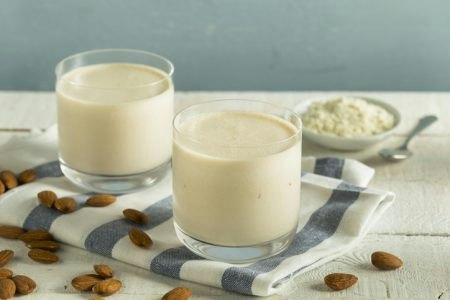
Whey isolate provides the highest protein per serving while keeping carbs and fats low, making it ideal for building muscle or hitting strict protein goals. It’s also easier on the stomach for those with mild lactose sensitivity, helping reduce bloating or discomfort.
The downside? Isolate tends to be pricier and less flavorful than other types. Consider your budget and taste preference when choosing, and pair it with your favorite mix-ins to improve palatability without adding extra carbs.
Best for Beginners: Pick Whey Concentrate for Balanced Nutrition
Because of its sweeter flavor profile and more approachable taste, whey protein concentrate (WPC) is a great choice for beginners.
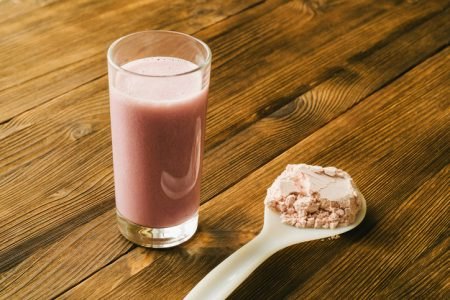
Whey concentrate offers a solid protein boost (70–80% per serving) while containing slightly more carbs and fats, making it more affordable and flavorful. It’s approachable for first-time users who want a simple, tasty way to supplement protein.
Keep in mind that the extra carbs add calories, so if you’re tracking macros or weight closely, account for them in your diet. Concentrate is a good balance of taste, cost, and protein content for everyday use.
Best for Fast Absorption: Pick Whey Hydrolysate for Recovery
Whey hydrolysates offer over 90% protein for faster absorption, but their higher cost and limited availability make them less common in the Philippines.
Whey hydrolysates are pre-digested, allowing for rapid absorption, which are perfect for post-workout recovery or when protein needs are high. They also minimize carbs and fat, supporting lean muscle goals efficiently.
However, hydrolysates are often harder to source locally and come at a higher price. Many products labeled “hydrolysate” are blends, so check the ingredient list carefully to ensure you’re getting the full benefit.
Check Ingredient Quality and Safety
Ingredients are listed in descending order, so the first ingredient has the highest concentration. Whey should be the main one, while extra additives, sweeteners, or slimming claims are usually unnecessary and may irritate sensitive stomachs.

Whey should be the first ingredient to ensure high-quality protein. Extra additives, sweeteners, or powders with slimming claims aren’t necessary and may irritate sensitive stomachs. Choose products with minimal ingredients and clean formulations for better digestion and overall effectiveness.
Also, pay attention to potential allergens or digestive triggers, like lactose or artificial sweeteners. Opting for whey isolate or products labeled as low-lactose can reduce discomfort while still delivering complete protein, making your supplementation both safe and efficient.
Ensure 19–25 g Protein Per 20–30 g Scoop
A scoop should provide at least 20 grams of protein to meet daily needs. Focus on high-quality whey with minimal ingredients, and note that excessive sweeteners like xylitol may cause digestive discomfort.
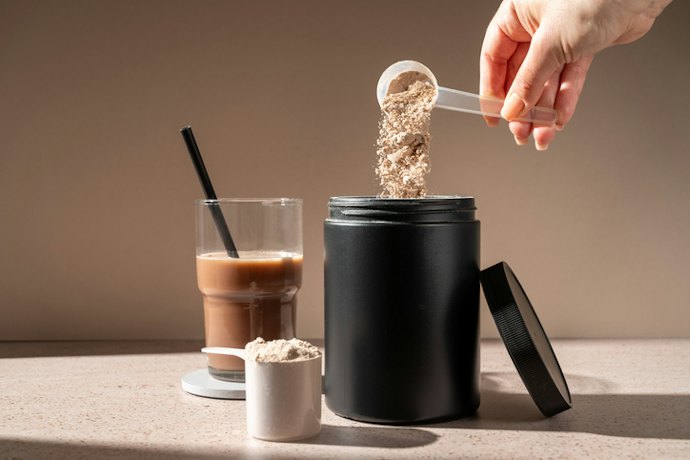
Aim for 19–25 grams of protein per 20–30 g scoop to efficiently meet daily protein goals. This supports muscle growth, recovery, or general dietary needs without requiring multiple scoops. Adjust based on age, activity level, and total dietary protein intake.
Additionally, check the scoop size and serving instructions to ensure consistency. Some products list protein content per 25 g, others per 30 g, so reading labels carefully helps you hit your target intake reliably and avoid under- or over-consuming protein.
Look for Third-Party Testing for Safety
This helps ensure quality standards are met, and no banned substances are present.

Since whey protein supplements aren’t regulated by the FDA, independent testing adds an extra layer of assurance. Look for certifications from organizations like NSF or Informed Sport, which verify quality, purity, and safety.
Third-party testing ensures the powder contains exactly what’s listed on the label, is free from contaminants, and avoids banned substances. This is especially important if you plan to consume protein daily or are training seriously, giving you confidence that your supplement supports your goals safely.
10 Best Whey Proteins to Buy Online
| Products | Image | Click to purchase | Popularity | Details | ||||||
|---|---|---|---|---|---|---|---|---|---|---|
Protein Content per Serving | Best for | Product Features | Additive-Free | Includes BCAA or Creatine | Type of Whey Protein | |||||
1 | Gold Standard 100% Whey Optimum Nutrition |  | No.1 | 24 g | Muscle Building | Low Calorie | Isolate, Concentrate, Hydrolysate | |||
2 | Active Whey Protein Athlene |  | No.2 | 24 g | Muscle Building, Weight Loss | Low Calorie | Concentrate | |||
3 | Whey Protein Promatrix7 |  | No.3 | 25 g | Muscle Building, Weight Loss | Low-Carb | Isolate, Concentrate, Hydrolysate | |||
4 | Nitrotech Whey Gold MuscleTech |  | No.4 | 24 g | Muscle Building | Low Calorie | Isolate, Concentrate, Hydrolysate | |||
5 | JUST Whey Protein Wheyl |  | No.5 | 21–23 g | Muscle Building, Weight Loss | Low Calorie | Whey Protein Blend (Concentrate, Isolate, and Hydrolysate) | |||
6 | Platinum Hydro Whey Protein Optimum Nutrition |  | No.6 | 30 g | Muscle Building | Low Calorie | Hydrolyzed Whey Protein Isolate | |||
7 | Whey Protein Powder QIUMI |  | No.7 | 24 g | Muscle Building, Weight Loss | Low Calorie | Isolate | |||
8 | Whey Protein SOFTHER |  | No.8 | 24 g | Muscle Building, Weight Loss | Sugar-Free | Isolate | |||
9 | Grass Fed 100% Whey Protein MuscleTech |  | No.9 | 20 g | Muscle Building | Sugar-Free | Concentrate | |||
10 | Whey Peptide Diet PEPTAMEN |  | No.10 | 12.9 g | Medical Nutrition and Impaired GI Function | None | Hydrolysate | |||

Optimum NutritionGold Standard 100% Whey

| Protein Content per Serving | 24 g |
|---|---|
| Best for | Muscle Building |
| Product Features | Low Calorie |
| Additive-Free | |
| Includes BCAA or Creatine | |
| Type of Whey Protein | Isolate, Concentrate, Hydrolysate |

| Protein Content per Serving | 24 g |
|---|---|
| Best for | Muscle Building, Weight Loss |
| Product Features | Low Calorie |
| Additive-Free | |
| Includes BCAA or Creatine | |
| Type of Whey Protein | Concentrate |

| Protein Content per Serving | 25 g |
|---|---|
| Best for | Muscle Building, Weight Loss |
| Product Features | Low-Carb |
| Additive-Free | |
| Includes BCAA or Creatine | |
| Type of Whey Protein | Isolate, Concentrate, Hydrolysate |
MuscleTechNitrotech Whey Gold

| Protein Content per Serving | 24 g |
|---|---|
| Best for | Muscle Building |
| Product Features | Low Calorie |
| Additive-Free | |
| Includes BCAA or Creatine | |
| Type of Whey Protein | Isolate, Concentrate, Hydrolysate |
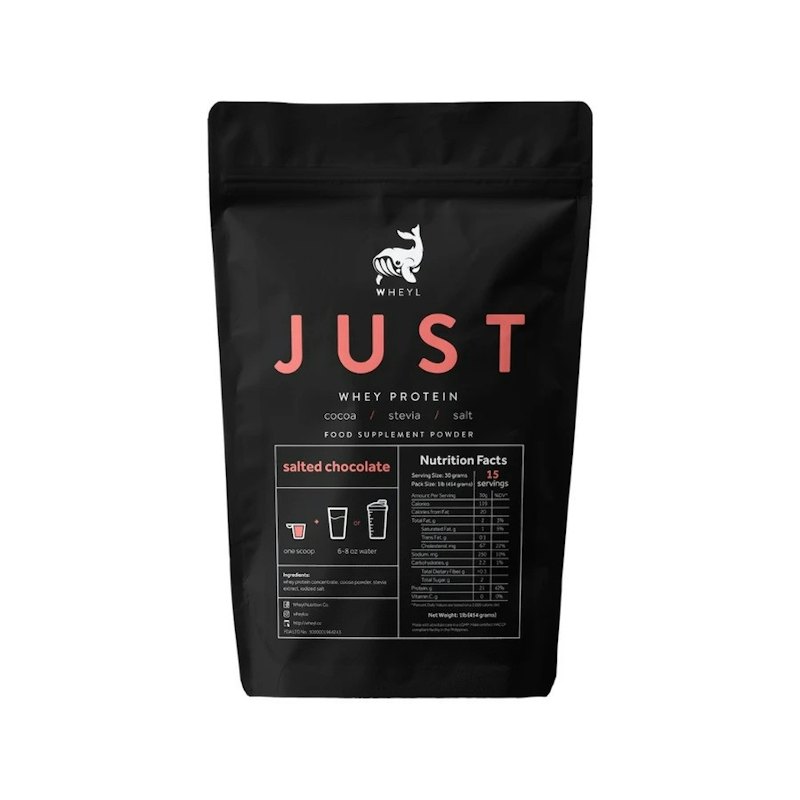
| Protein Content per Serving | 21–23 g |
|---|---|
| Best for | Muscle Building, Weight Loss |
| Product Features | Low Calorie |
| Additive-Free | |
| Includes BCAA or Creatine | |
| Type of Whey Protein | Whey Protein Blend (Concentrate, Isolate, and Hydrolysate) |
Optimum NutritionPlatinum Hydro Whey Protein

| Protein Content per Serving | 30 g |
|---|---|
| Best for | Muscle Building |
| Product Features | Low Calorie |
| Additive-Free | |
| Includes BCAA or Creatine | |
| Type of Whey Protein | Hydrolyzed Whey Protein Isolate |
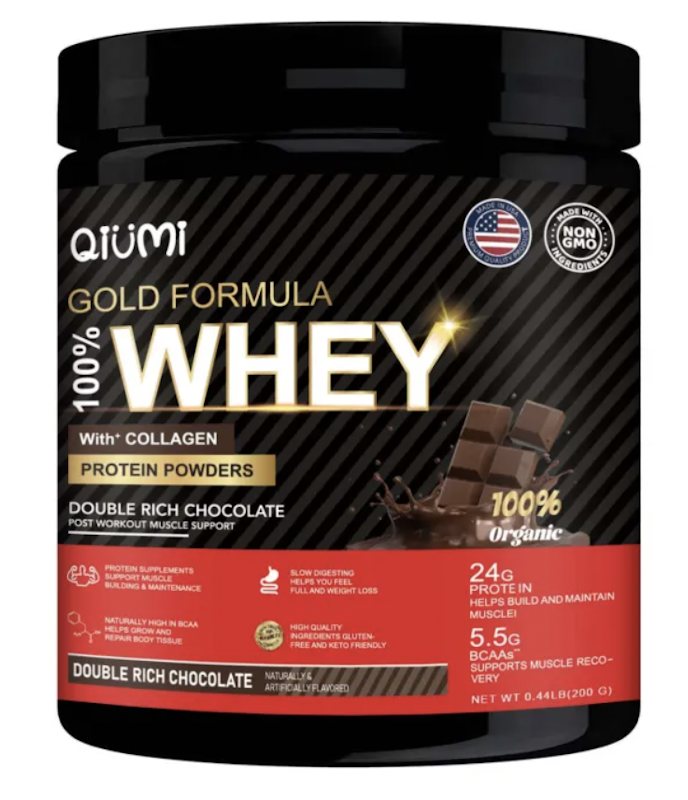
| Protein Content per Serving | 24 g |
|---|---|
| Best for | Muscle Building, Weight Loss |
| Product Features | Low Calorie |
| Additive-Free | |
| Includes BCAA or Creatine | |
| Type of Whey Protein | Isolate |

| Protein Content per Serving | 24 g |
|---|---|
| Best for | Muscle Building, Weight Loss |
| Product Features | Sugar-Free |
| Additive-Free | |
| Includes BCAA or Creatine | |
| Type of Whey Protein | Isolate |
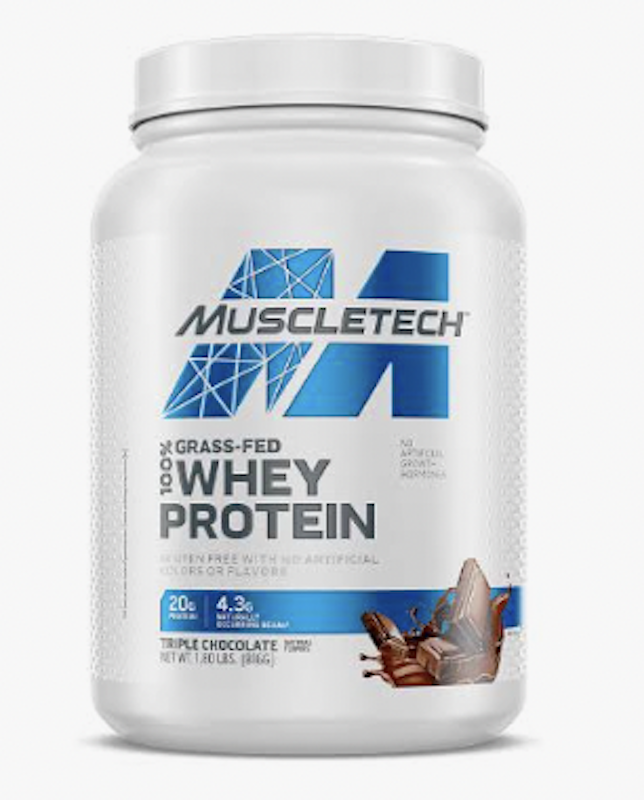
| Protein Content per Serving | 20 g |
|---|---|
| Best for | Muscle Building |
| Product Features | Sugar-Free |
| Additive-Free | |
| Includes BCAA or Creatine | |
| Type of Whey Protein | Concentrate |
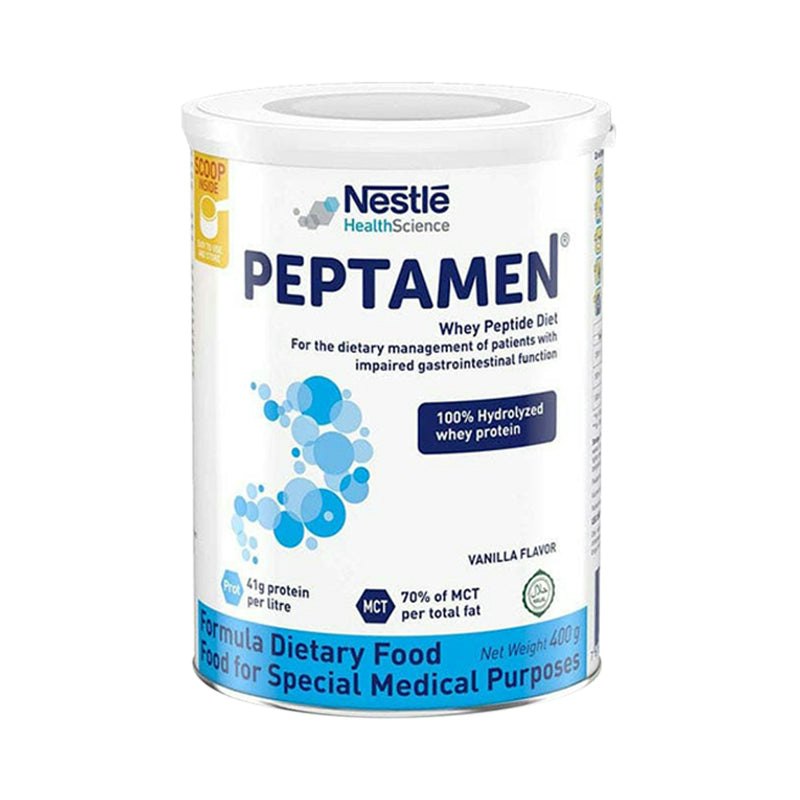
| Protein Content per Serving | 12.9 g |
|---|---|
| Best for | Medical Nutrition and Impaired GI Function |
| Product Features | None |
| Additive-Free | |
| Includes BCAA or Creatine | |
| Type of Whey Protein | Hydrolysate |
Frequently Asked Question
Below are some of the most asked questions on the web answered by the mybest team.
Is Whey Protein Safe for Kidneys and Cholesterol?
For healthy adults, whey protein is generally safe. Kidney concerns usually apply only to those with pre-existing conditions, and they do not inherently raise cholesterol.
How Much Whey Protein Should You Take Per Day?
Most adults benefit from 0.8–1.6 grams of protein per kilogram of body weight daily, including whey. One scoop (20–30g) typically contributes a significant portion, but avoid excessive intake to prevent digestive issues.
When Is the Best Time to Take Whey Protein?
Whey protein can be taken anytime, before or after workouts, or on rest days, because total daily protein intake is what matters most. Post-workout intake may slightly aid recovery, but consistency is more important than timing.
Can Whey Protein Help With Weight Loss?
Whey protein can support weight management by increasing satiety and preserving muscle mass while reducing calories from other sources. It should supplement meals, not replace them.
Whey isolate contains minimal lactose and may be tolerated by sensitive individuals, while concentrate has more lactose. Children and teens can take whey protein if needed, but portion sizes should be adjusted and a pediatrician consulted.
Upgrade Your Exercise Routine With These Items
The best time to start your journey to health and wellness is now! Check out these products that can improve your fitness regime.


How We Chose and Ranked Our Product Recommendations
Our buying guide was carefully researched and crafted by the mybest team of writers and editors. We used the buying guide as a basis for choosing and ranking the product recommendations, and we looked at reviews and ratings from different E-commerce sites like Lazada, Shopee, and more.
The descriptions of each product are referenced from content available on manufacturer, brand, and e-commerce sites.


