
10 Best Baking Yeasts in the Philippines 2026 | Buying Guide Reviewed by Baker
If you're planning to make your own light and fluffy bread at home, don't forget the yeast! This essential ingredient is used to leaven bread and other pastries. Aside from rice being our staple food, breads such as pan de sal and monay are something that we Filipinos enjoy, whether it be for breakfast or merienda.
Active yeast emits carbon dioxide as it ferments, expanding the dough so that you can serve large quantities when it's baked. There are several baking yeasts available online, and if you find it confusing, don't worry! This article aims to provide you with insightful information about the best baking yeasts to purchase through our recommended products and buying guide, fact-checked and reviewed by professional baker Alexa Versoza.

Alexa Versoza is a graduate of De La Salle-College of Saint Benilde with a major in the Culinary Arts. She has trained in the US for 2 years as a Pastry Cook at The Four Seasons Vail and The Sonnenalp Vail. She got back from her training in 2017. Since then, she has been practicing her craft in the Pastry Arts. After training under Chef Richard Manapat, she has been more inclined in baking bread. Alexa now co-owns an Artisanal Bakery in QC, Apo Baking Society, where they specialize in making artisanal bread and pastries.

Our recommendation articles are carefully researched and crafted by the mybest Philippines team of writers and editors. To stay true to our company’s mission and vision to help users’ selection process easier, we also collaborate with experts from various fields to ensure that our content stays factual and useful.
The expert oversees the Buying Guide only, and does not determine the products and services featured.
Why You Can Trust Us
Every mybest article is crafted with hours of in-depth research and interviews with experts. Each month, we are continually expanding our database of products based on our research. By emphasizing user insight and reliable information, we deliver trustworthy content to readers.
How to Choose a Baking Yeast - Buying Guide
Here are some key points to consider:
- Pick the type of baking yeast depending on the recipe
- Use specialized osmotolerant yeast for sweet bread
- Check the packaging to know the number of servings and shelf-life
For more detailed information, read through our buying guide below.
Pick the Type of Baking Yeast Depending on the Recipe
If you look carefully, whether in physical or online stores, they typically offer four different types of baking yeast, namely fresh yeast, active dry yeast, instant yeast, and natural yeast. Below, we discuss the differences between these four kinds of baking yeast.
Use Fresh Yeast for Doughs That Need Longer and Slower Proofing
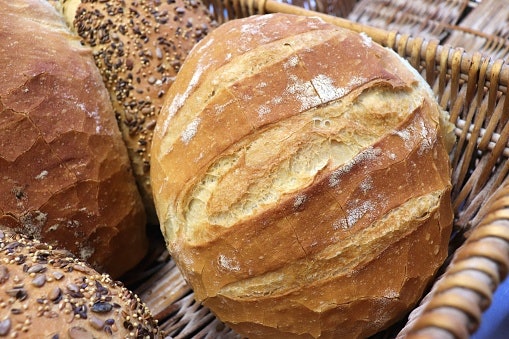
Also known as compressed yeast or cake yeast, fresh yeast is light beige in color and is sold in blocks. To use it, you just need to crumble it and add it during the mixing process. It contains more moisture compared to other types of baking yeast — around 70%.
As such, it has a shorter, two-week shelf life and needs to be stored in an airtight container and refrigerated. In addition, only selected groceries and specialty stores carry it — you'd usually find it in the dairy or refrigerated section. Though it is a rare find, fresh yeast would make your breads and pastries even tastier, especially those that require longer and slower proofing.
Bake Pastries the Traditional Way With Active Dry Yeast
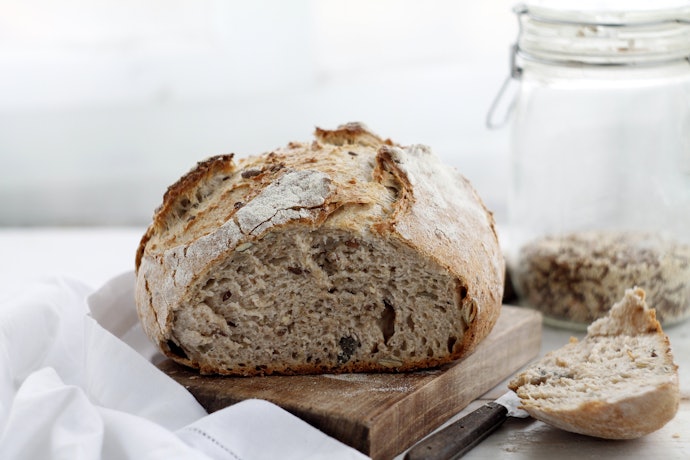
If you have been baking for a long time, you’re most likely familiar with active dry yeast. This type contains dormant yeast and has a rougher texture compared to instant yeast. It also requires a process called proofing, which is to reactivate the yeast.
To reactivate your active dry yeast, you will need a bowl with warm water, around 46°C or 115°F, and sugar. Mix your dry yeast then wait until bubbles begin to rise. If your yeast does not form any bubbles or foam, it is a clear indication that you have dead yeast.
Bake Quickly and Easily With Instant Yeast

Instant yeast is sometimes labeled as quick-rise or rapid-rise yeast. Unlike dry yeast, this type is more granular and dissolves immediately. It is very easy to use as it doesn’t require proofing, which saves you a lot of time.
However, one caveat of using instant yeast is you can't tell the difference between dead or living yeast. If you are unsure if your yeast is still fresh, you can make a small sample batch of dough using your instant yeast to see if it is still good to use.
For a Healthier Option, Go for Natural Yeast
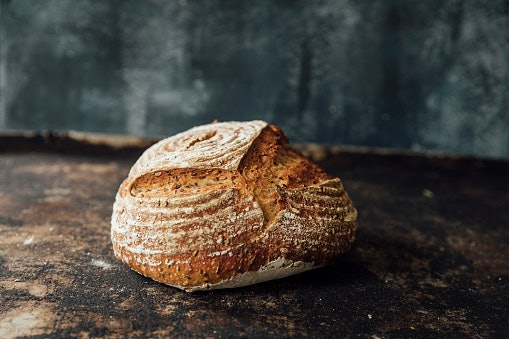
If you want to bake healthier breads and pastries, go for natural yeast—commonly known as sourdough starter. It is made from a combination of yeast and bacteria, giving your baked goods a tartier flavor and chewier texture.
And since it requires a longer fermentation process, it breaks down the gluten in bread, making it easier to digest. Plus, it makes you feel full for longer, so you can curb your carb cravings!
Use Specialized Osmotolerant Yeast for Sweet Bread
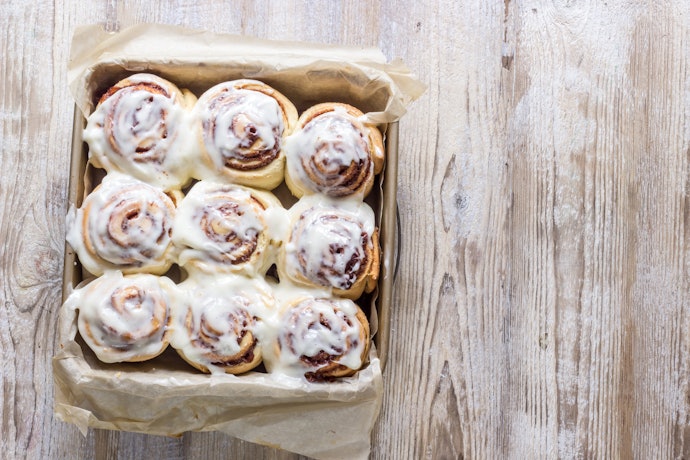
Osmotolerant yeast is a unique type of yeast. For example, if you are making cinnamon rolls, you will need this type of yeast to make your dough rise. It can handle lower moisture and a higher concentration of sugar compared to regular yeast.
You will need to use this type of yeast if you want your sweet dough to rise. Most of the time, manufacturers don't put the word osmotolerant on the label since it can be a mouthful and might be intimidating for some.
Thus, we recommend checking the product description to see if your yeast is compatible with sweet pastries. If you end up getting regular yeast, you can still use it in your sweet dough. You just have to double the amount of yeast to compensate for the amount of sugar.
Check the Packaging to Know the Number of Servings and Shelf-Life

Checking the packaging is essential and should not be overlooked, as yeast is sensitive to its environment. Yeast often comes in a large packaging; however, many packages are not resealable. Thus, you need to transfer it to an air-tight container or jar to prevent any moisture or oxygen from going in.
Other yeasts come in small individual sachets. These packets relieve you of the burden of transferring unused yeast to a different container. As for storing yeast, you can keep it in a cool, shaded place to prolong its life span. It can last up to four months in the refrigerator or six months in the freezer, depending on the type of yeast.
With regards to the shelf life, it is also crucial to buy the right amount of yeast for your baked goods. Go for bigger amounts if you are into the baking business; however, if you don't bake often, get small packs. Some yeasts can only be effective in yielding good bread loaves a month after opening.
10 Best Baking Yeasts to Buy Online
| Products | Image | Click to purchase | Popularity | Details | ||
|---|---|---|---|---|---|---|
Type | Net Weight | |||||
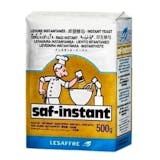
1 | Gold Instant Yeast SAF |  | No.1 | Instant | 11 g x 5 | |
2 | Instant Red Instant Dry Yeast SAF |  | No.2 | Instant | 500 g | |
3 | Instant Dry Yeast Angel |  | No.3 | Instant | 100 g | |
4 | Instant Blue Instant Dry Yeast SAF |  | No.4 | Instant | 500 g | |
5 | Instant Dry Yeast Eagle |  | No.5 | Instant | 500 g | |
6 | Instant Dry Yeast Greendahan |  | No.6 | Instant | 50 g | |
7 | Active Dry Yeast Greendahan |  | No.7 | Active Dry | 50 g | |
8 | Instant Dry Yeast Premier |  | No.8 | Instant | 500 g | |
9 | Active Dry Yeast Red Star |  | No.9 | Active Dry | 7 g x 3 Packets | |
10 | Instant Dry Yeast Prime |  | No.10 | Instant Dry Yeast | 500 g | |

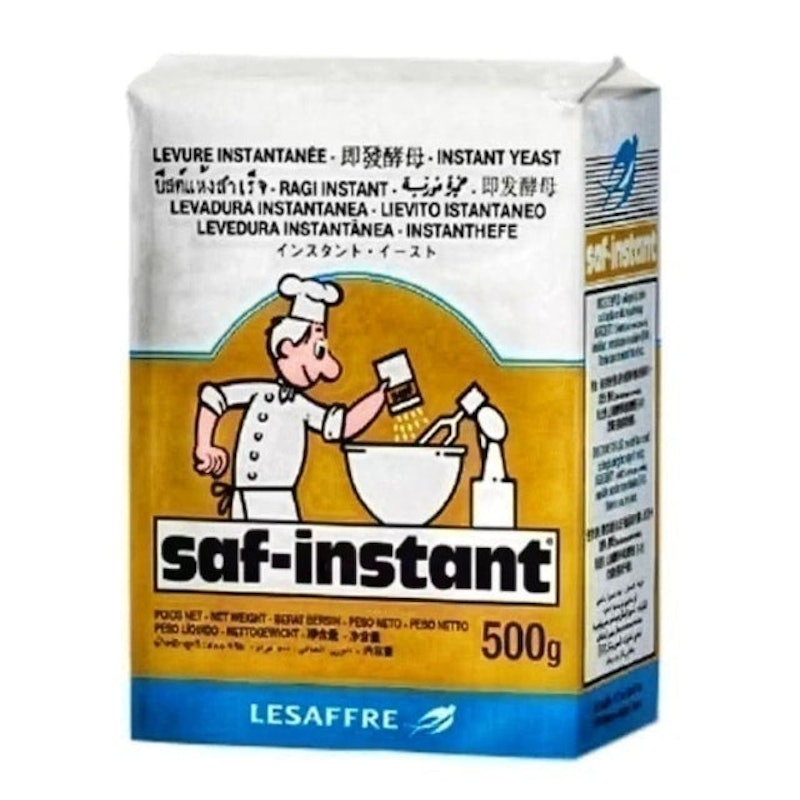
Reviews mention:
Users praise its fast activation and strong performance in enriched doughs such as pandesal and ensaymada, noting fluffier results than other yeasts. Some users mention the need to store opened sachets in the refrigerator to maintain potency beyond 48 hours. A few suggest checking expiration dates upon receipt to ensure optimal freshness.
| Type | Instant |
|---|---|
| Net Weight | 11 g x 5 |
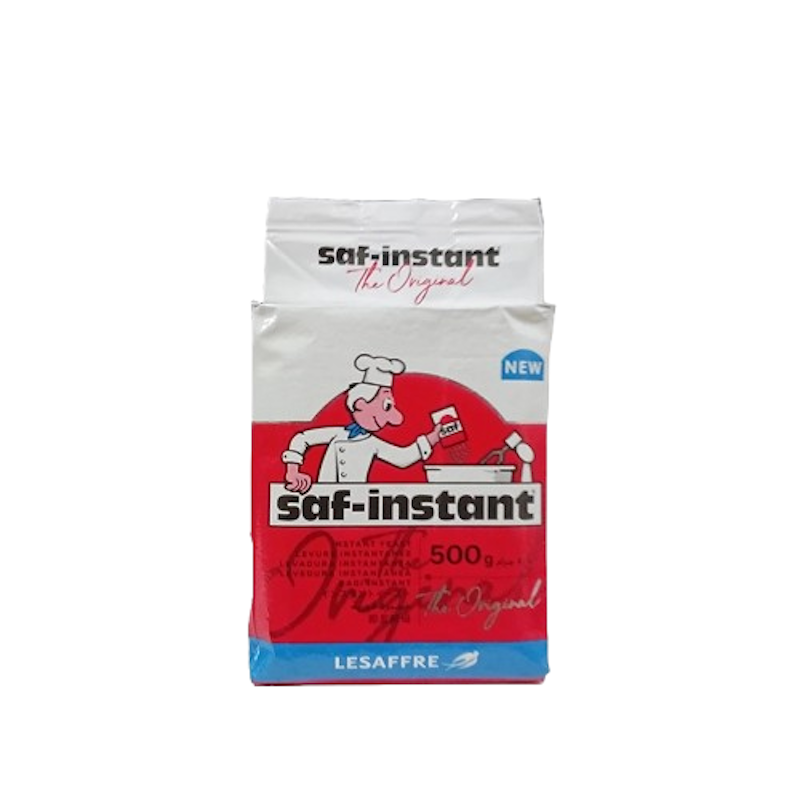
Reviews mention:
Many bakers report excellent results using this yeast for pizza dough and bagels, appreciating its ability to create a strong rise and good texture. Feedback often highlights its consistent performance and reliable fermentation, which produces a crisp crust. Several home bakers note its affordability and ease of use, especially for frequent baking sessions, while emphasizing the importance of proper storage to maintain freshness.
| Type | Instant |
|---|---|
| Net Weight | 500 g |
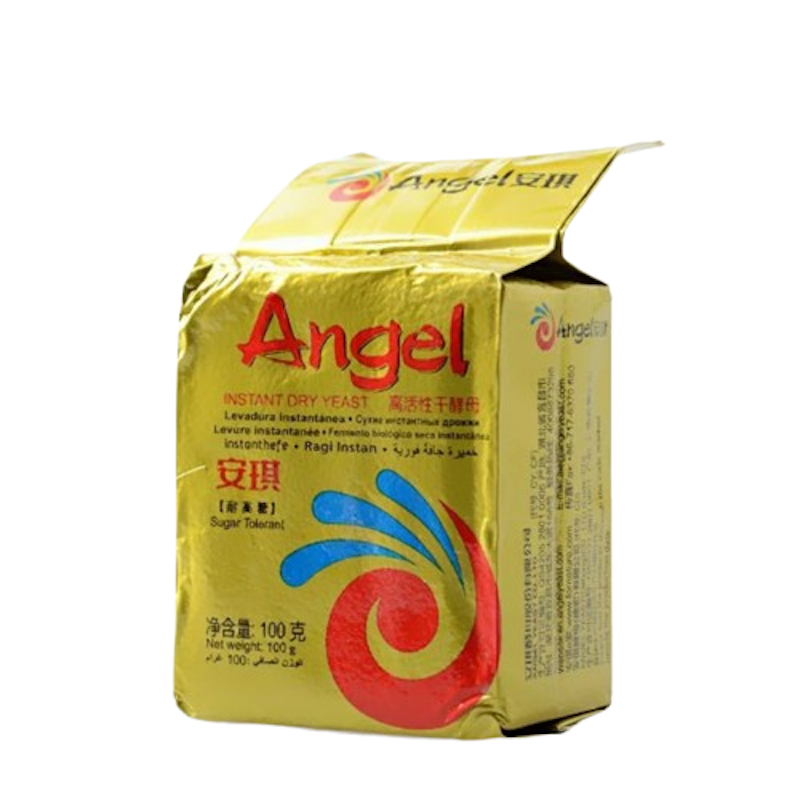
Reviews mention:
Many bakers praise its reliable rise in basic breads and pastries, noting good flavor development. Feedback highlights strong performance even in lean doughs, with a recommendation for airtight storage to preserve activity. Several bakers mention the value of larger packs for regular use while advising checks for freshness.
| Type | Instant |
|---|---|
| Net Weight | 100 g |
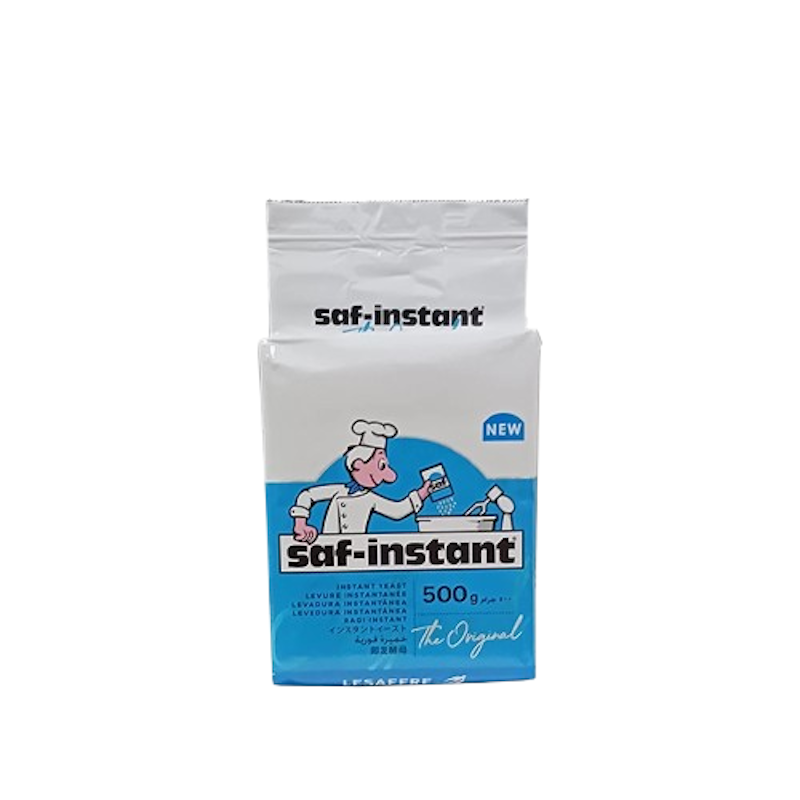
Reviews mention:
Excellent performance is noted in high-sugar recipes, with superior texture and volume. Feedback praises flavor development in Danish pastries while emphasizing proper resealing for the large pack. Consistent results are highlighted for sweet Asian breads compared with other yeasts.
| Type | Instant |
|---|---|
| Net Weight | 500 g |
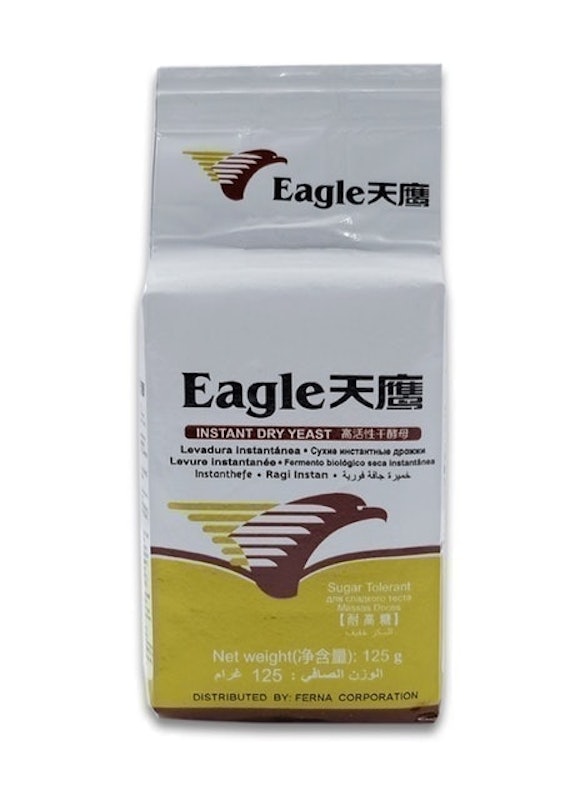
Reviews mention:
Reliable rise is noted for classic Filipino breads, with good texture development. Feedback praises ease of use while recommending airtight storage after opening. Value in bulk packs is appreciated by regular bakers, with suggestions to test for freshness.
| Type | Instant |
|---|---|
| Net Weight | 500 g |
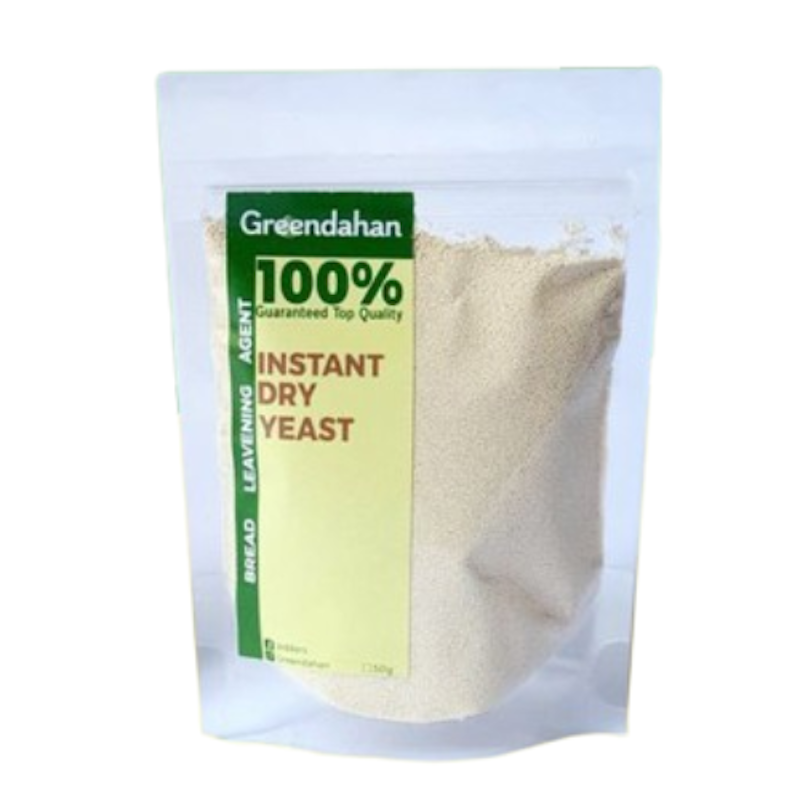
Reviews mention:
Reliable and speedy fermentation is praised for consistent bread texture and volume. Feedback notes ease of use for both novice and seasoned bakers, with good results. Several bakers highlight its value for maintaining product quality in everyday baking.
| Type | Instant |
|---|---|
| Net Weight | 50 g |
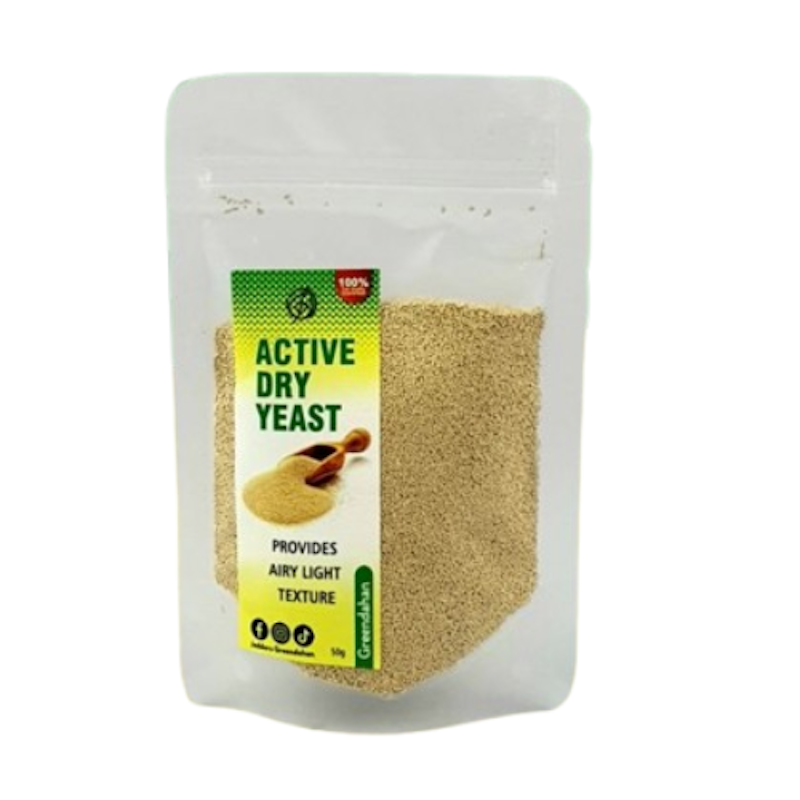
Reviews mention:
The proofing step is praised for building complex bread flavors beyond quick-rise options. Feedback notes reliable activation when fresh, with a suggestion to test viability first. Consistent texture is appreciated in slower doughs, while proper storage is recommended.
| Type | Active Dry |
|---|---|
| Net Weight | 50 g |
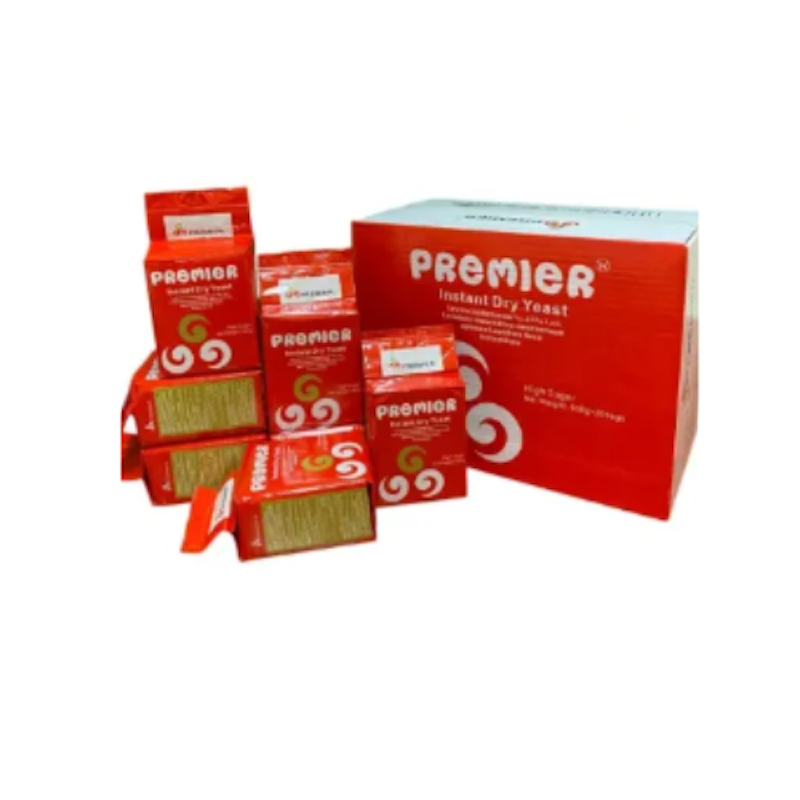
Reviews mention:
Excellent absorption is noted for streamlined baking, producing reliable results with sweet doughs. Feedback highlights strong lift in pandesal and ensaymada while recommending airtight storage. Value is praised for consistent performance across multiple baking sessions.
| Type | Instant |
|---|---|
| Net Weight | 500 g |
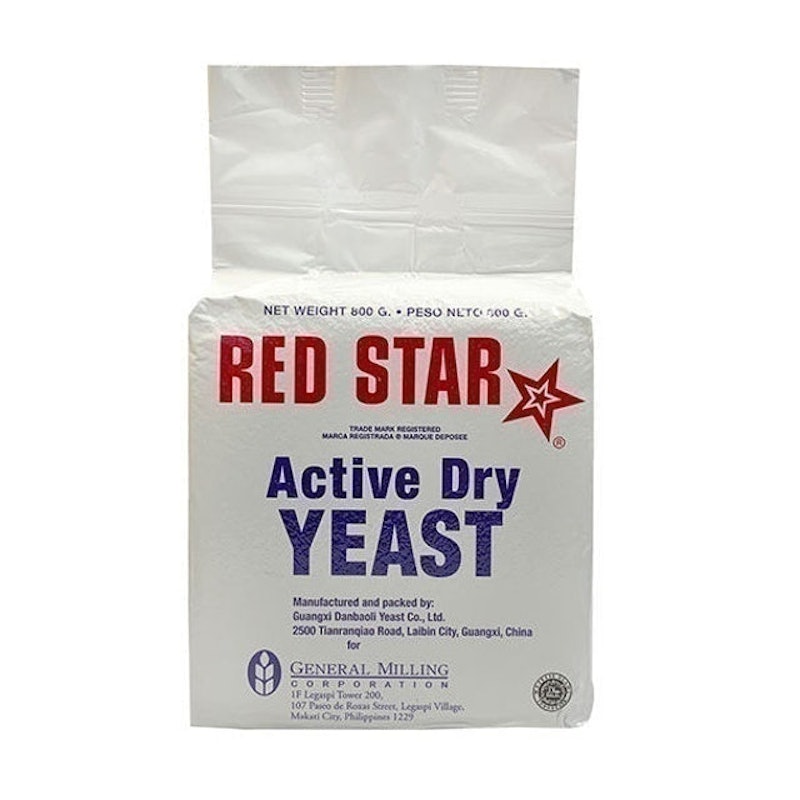
Reviews mention:
The activation process is praised for developing superior bread taste and crumb structure. Feedback notes dependable results across dough varieties, with a recommendation to test for freshness. Reliable performance is appreciated for both home and professional baking.
| Type | Active Dry |
|---|---|
| Net Weight | 7 g x 3 Packets |
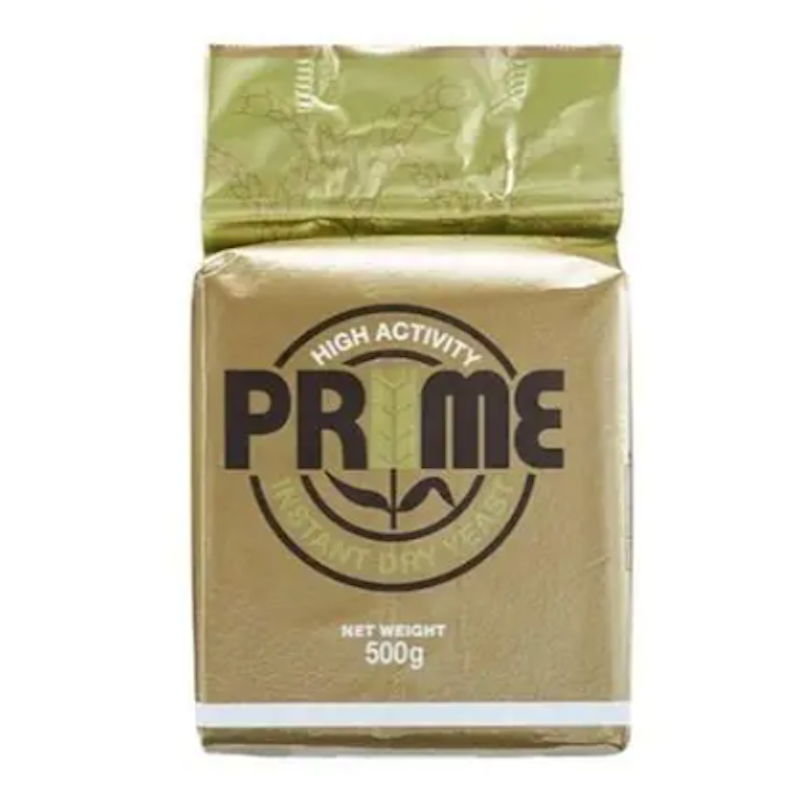
Reviews mention:
Consistent results are praised for fluffy bread texture and reliable rise. Feedback highlights value for money and ease of use for frequent bakers. Some users recommend checking expiration dates for best performance in sensitive recipes.
| Type | Instant Dry Yeast |
|---|---|
| Net Weight | 500 g |
Frequently Asked Questions
Below are some of the most asked questions on the web answered by the mybest team.
Where Does Baking Yeast Come From?
Baking yeast originated from a combination of wild strains—one of which is Saccharomyces cerevisiae. To grow new batches, previous strains are cultured in optimal conditions, as yeast needs a lot of water, food, warmth, and oxygen to thrive.
What Is the Proper Way to Store Baking Yeast?
The key to storing baking yeast is to place it in a cool, dry place and to keep moisture and air out. For unopened baking yeast, store it in your pantry or cabinet. But for opened baking yeast, you need to transfer it to an airtight container before placing it inside the ref or freezer.
However, you can only store fresh yeast in the refrigerator. Unopened baking yeast can last up to 2 years, while opened baking yeast can last up to 4 months inside the ref and 6 months inside the freezer. On the other hand, fresh yeast has a shelf life of up to 2 weeks.
Where Can I Buy Fresh Baking Yeast?
Fresh baking yeast can be bought in supermarkets and specialty bakeries, particularly in the refrigerated or dairy section. If you can't find fresh baking yeast in these places, you can try making your own using flour and water—the instructions are available online!
More Tools and Supplies for Your Next Baking Session
Improve your baking experience with these amazing tools and supplies! Click the links below and keep reading to know our recommended products for some essential baking needs.


Author: Roel Pillas Malubay
Re-editor: Aprille Jarcia
How We Chose and Ranked Our Product Recommendations
Our buying guide was carefully researched and crafted by the mybest team of writers and editors, in collaboration with the expert featured in this article. We used the buying guide as a basis for choosing and ranking the product recommendations, and we looked at reviews and ratings from different E-commerce sites like Lazada, Shopee, and more.
The descriptions of each product are referenced from content available on manufacturer, brand, and e-commerce sites.