

10 Best Budget SSDs in the Philippines 2026 | Lexar, KingSpec, and More
Looking to speed up your slow laptop or desktop without spending too much? A budget SSD can give your device a significant performance boost, making it faster to boot, open apps, and transfer files. Unlike traditional hard drives, SSDs have no moving parts, so they’re not only quicker but also more durable and energy-efficient.
In the Philippines, budget SSDs are widely available on online platforms like Lazada and Shopee, with plenty of options from trusted brands. Whether you're a student, remote worker, or casual user, this guide will help you choose the right SSD for your needs and budget.

David is a law graduate (LL.B) who has a sharp eye for details and a strong passion for helping others make smarter decisions. Since he joined mybest in 2020, he’s been working on buying guides that make it easier to find the best products—whether they’re everyday essentials or unique finds. Apart from his work at mybest, David has also written for Grotto Network, a digital platform from the University of Notre Dame, and has experience as a special educational needs assistant. These roles have helped him hone his ability to connect with people and make complex topics more relatable and easy to understand. His love for nature and moments of reflection keep him grounded, and this thoughtful perspective shines through in every article he writes for mybest.
Why You Can Trust Us
Every mybest article is crafted with hours of in-depth research and interviews with experts. Each month, we are continually expanding our database of products based on our research. By emphasizing user insight and reliable information, we deliver trustworthy content to readers.
Why Upgrade to an SSD Instead of an HDD?

If your laptop or desktop is taking too long to boot up or load files, switching from a hard disk drive (HDD) to a solid-state drive (SSD) can make a huge difference. SSDs are faster, quieter, and more energy-efficient than traditional HDDs, so you’ll notice shorter boot times, quicker file transfers, and smoother multitasking almost immediately.
Even budget-friendly SSDs can breathe new life into aging computers, making them feel new again without the need for a full system upgrade. No matter your needs, a simple SSD swap can improve your everyday experience.
How to Choose a Budget SSD - Buying Guide
With so many options available online, choosing the right budget SSD can feel overwhelming. To help you make the best decision for your needs and your device, here are some key points to consider before buying.
Check the Interface and Form Factor for Compatibility
Before buying an SSD, check if it's compatible with your device. Budget SSDs usually come in SATA or NVMe (M.2) formats, so refer to your manual or search your model online to confirm what your system supports.
Choose SATA if You’re Using an Older Laptop or Desktop

SATA SSDs are the go-to choice for most older systems. They use the same interface as traditional hard drives, which means they’re easy to install and widely compatible. While not as fast as NVMe drives, SATA SSDs still offer a significant improvement in boot times and app performance compared to HDDs.
Most budget SSDs under ₱2,000 use the SATA interface, making them a smart pick for students, casual users, or anyone upgrading a secondhand device. They're perfect for basic tasks like web browsing, typing school reports, or watching videos.
Go for NVMe (M.2) if You Have a Newer System With an M.2 Slot
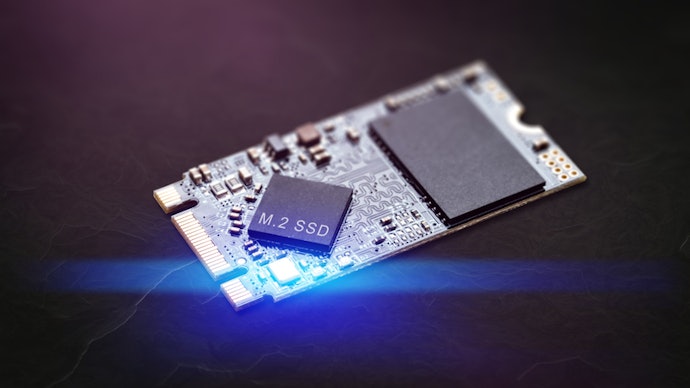
If your laptop or desktop has an M.2 slot, go for an NVMe SSD. These drives plug directly into the motherboard and offer faster read and write speeds. While NVMe SSDs are usually more expensive, some low-capacity models fall within the budget range, especially during online sales or promos.
NVMe SSDs are ideal if you use your computer for heavier tasks like video editing, gaming, or multitasking. They load programs and transfer files much faster than SATA SSDs, which can save you time in the long run.
Match the Storage Size to How You’ll Use the SSD
Storage size determines how much data you can keep, so choose a capacity that fits your needs. Too little space can be limiting, while going too big may not be worth the extra cost.
Go for 120–240GB if You Only Need Space for the OS and Light App Usage

This storage range is enough for basic users who primarily need a faster system for light tasks. A 120GB SSD can comfortably fit the operating system (Windows or Linux), a browser, and a few essential programs like Microsoft Office or Zoom. This size is a cost-effective option if you store your files in cloud storage or on an external hard drive. These smaller SSDs are great for school laptops or budget desktops only used for simple activities like research, document editing, or attending online classes.
Choose 480–512GB if You Store Games, Multimedia, or Large Files

If you often download games, store plenty of photos and videos, or handle large files like movies and design projects, a 480–512GB SSD offers enough space without feeling too limited. It strikes a good balance between storage and price, making it a practical all-around option for both work and play. For those who need extra room for heavier workloads or larger game libraries, consider upgrading to a 1TB SSD. While it usually costs more, you can often score one at a reasonable price during big sales events.
Choose SSDs With DRAM or Cache for Faster Load Times

Not all SSDs work the same way. Some include DRAM (a small, fast type of memory that helps the SSD keep track of data) or an SLC cache (a temporary storage area that speeds up file transfers). These features make your computer more responsive, especially when opening multiple apps or handling large files like photos and videos.
While many budget SSDs are DRAM-less to keep prices low, affordable models still include a cache. If you can find one within your budget, it’s worth the upgrade, particularly if you use your computer frequently for work or school.
Compare Read/Write Speeds for Better Performance
Read and write speeds show how fast an SSD can access and transfer data. Higher speeds mean better performance, especially for file transfers, gaming, or opening large programs.
Look for at Least 500 MB/s Read and 400 MB/s Write Speeds for SATA SSDs

Most SATA SSDs offer read speeds of around 500 MB/s and write speeds of 400 MB/s or more. This is already a significant improvement over HDDs, which typically only reach 80 to 120 MB/s. These speeds are enough for daily computing, light gaming, and content creation.
When comparing options online, check the product description or label for these numbers. Reputable brands usually list them clearly, and buyers often mention speed performance in reviews.
Consider NVMe SSDs With Speeds Above 1,000 MB/s if Your System Supports It

NVMe SSDs can offer blazing-fast speeds, with some budget models reaching over 1,500 MB/s. If your system supports NVMe and you want the fastest performance possible within a budget, go for these drives. They’re beneficial for transferring large files, running demanding software, or minimizing game loading times.
Just remember that these higher speeds only matter if your device is compatible with the NVMe interface. Otherwise, a fast SATA SSD will still provide a very satisfying upgrade.
10 Best Budget SSDs to Buy Online
| Products | Image | Click to purchase | Popularity | Details | ||||||
|---|---|---|---|---|---|---|---|---|---|---|
Form Factor | Interface | Storage Size | Read Speed | Write Speed | SSD With DRAM or Cache | |||||
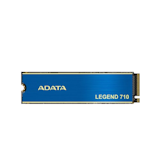
1 | Legend 710 | 256GB Adata |  | No.1 | M.2 2280 | PCIe Gen 3x4 | 256GB | 2400MB/s | 1800MB/s | ||
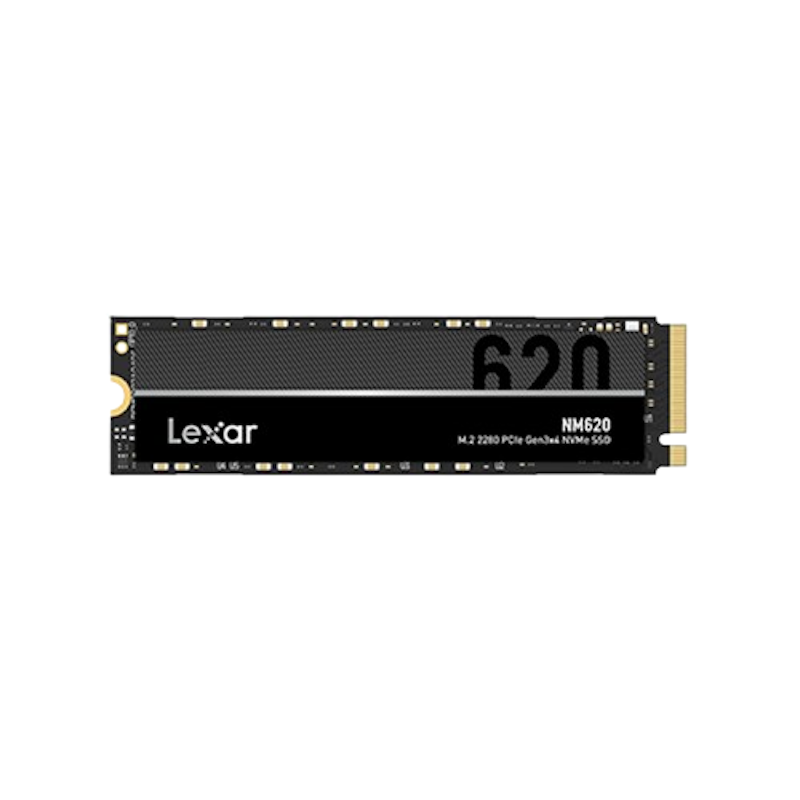
2 | NM620 M.2 2280 |256GB Lexar |  | No.2 | M.2 2280 | PCIe Gen 3x4 | 256GB | 3500MB/s | 1300MB/s | ||
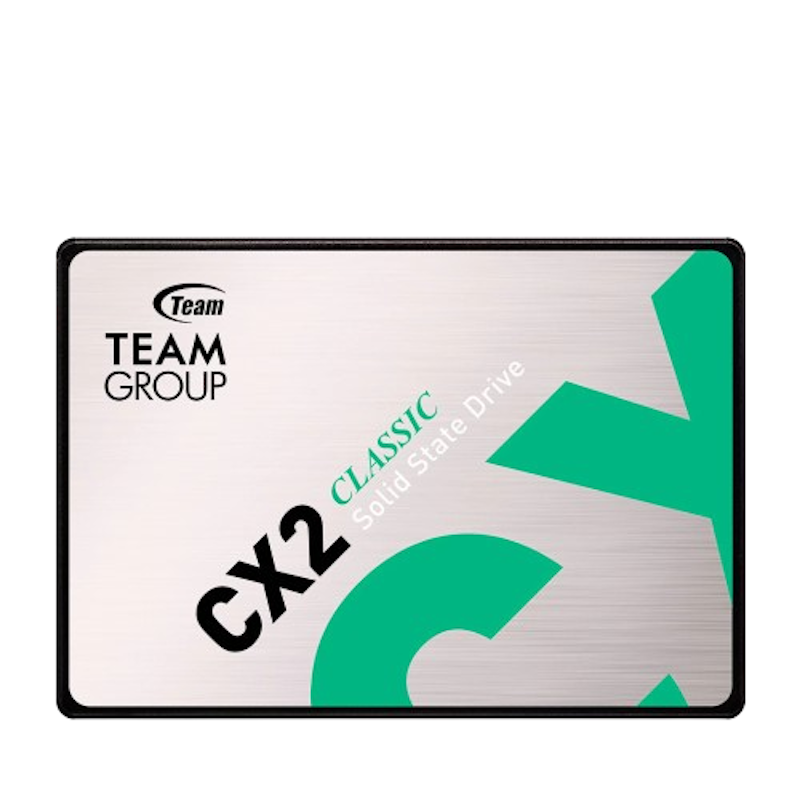
3 | SSD CX2 SATA III |256GB Team Group |  | No.3 | 2.5” | SATA III 6Gb/s | 256GB | 520MB/s | 430MB/s | ||
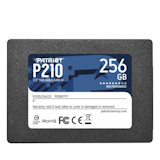
4 | P210 2.5" SATA III |P210S256G25 Patriot |  | No.4 | 2.5” | SATA III 6Gb/s | 256GB | 500MB/s | 400MB/s | ||
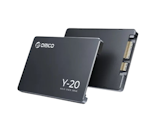
5 | Y20 2.5" SSD| 256GB Orico |  | No.5 | 2.5” | SATA III 6Gb/s | 256GB | 500MB/s | 400MB/s | ||
6 | S101 3D TLC 2.5″ SATA SSD|512GB Fanxiang |  | No.6 | 2.5” | SATA III 6Gb/s | 512GB | 550MB/s | 500MB/s | ||
7 | 2.5" SATA S800 SSD| 128GB Ramsta |  | No.7 | 2.5” | SATA III 6Gb/s | 128GB | 525MB/s | 437MB/s | ||
8 | P3Q-SSD 2.5" SATA III|256GB KingSpec |  | No.8 | 2.5” | SATA III 6Gb/s | 256GB | 550MB/s | 520MB/s | unknown | |
9 | Red Parrot 2.5" SATA3 SSD|512GB Walram |  | No.9 | 2.5” | SATA III 6Gb/s | 512GB | 550 MB/s | 500 MB/s | unknown | |
10 | T- Force Vulcan Z|256GB Team Group |  | No.10 | 2.5” | SATA III 6Gb/s | 256GB | 520MB/s | 450MB/s | ||

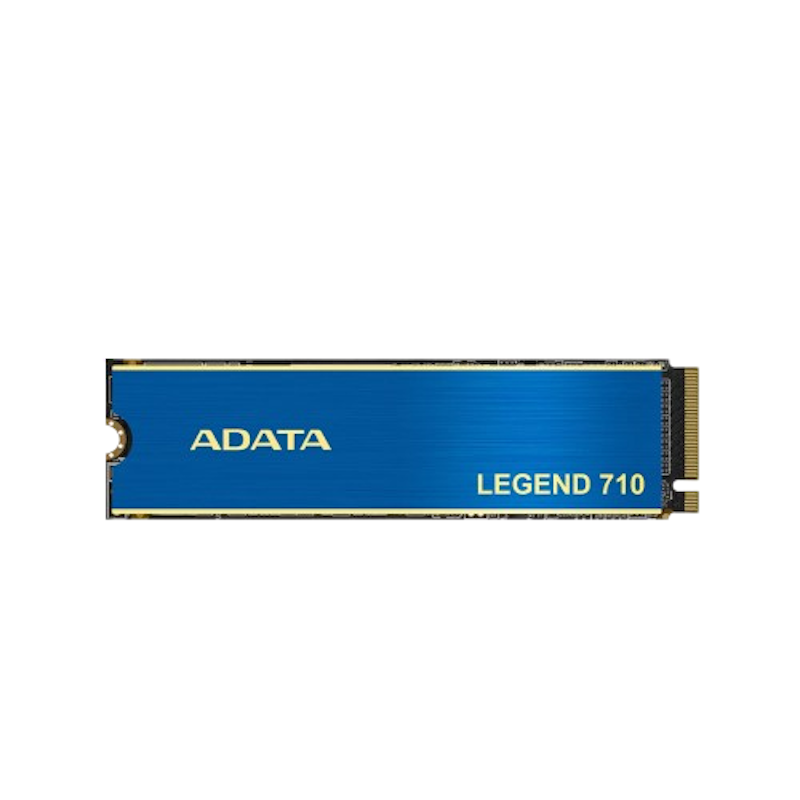
Users highlight its consistent high speed and reliability, making it suitable for gaming and creative tasks. The compact size fits well in various systems without issues. Some note that the heatsink effectively lowers temperatures, though occasional warmth under heavy load is mentioned. Overall, it is seen as a dependable and affordable NVMe SSD option.
| Form Factor | M.2 2280 |
|---|---|
| Interface | PCIe Gen 3x4 |
| Storage Size | 256GB |
| Read Speed | 2400MB/s |
| Write Speed | 1800MB/s |
| SSD With DRAM or Cache |
Reviews mention:
Customers praise its excellent speed and responsiveness, making it ideal for gaming, creative work, and fast file transfers. Many appreciate its solid build quality and easy installation. Some note occasional heat buildup under sustained heavy workloads but find the performance consistent overall.
| Form Factor | M.2 2280 |
|---|---|
| Interface | PCIe Gen 3x4 |
| Storage Size | 256GB |
| Read Speed | 3500MB/s |
| Write Speed | 1300MB/s |
| SSD With DRAM or Cache |
Reviews mention:
Many users praise the SSD’s reliable and consistent performance, noting smooth operation for general computing and upgrades from mechanical drives. Many highlight the quiet and durable build, appreciating its resilience to shocks and drops. Some mention that while it gets warm under heavy use, the performance remains stable overall.
| Form Factor | 2.5” |
|---|---|
| Interface | SATA III 6Gb/s |
| Storage Size | 256GB |
| Read Speed | 520MB/s |
| Write Speed | 430MB/s |
| SSD With DRAM or Cache |
Patriot P210 2.5" SATA III | P210S256G25

Reviews mention:
Users describe it as a dependable upgrade for general computing, praising its stable performance and broad compatibility. Many appreciate the quiet operation and straightforward installation process. While some note it can get slightly warm under heavy workloads, they agree the speed remains consistent and well-suited for everyday use.
| Form Factor | 2.5” |
|---|---|
| Interface | SATA III 6Gb/s |
| Storage Size | 256GB |
| Read Speed | 500MB/s |
| Write Speed | 400MB/s |
| SSD With DRAM or Cache |

Reviews mention:
Customers highlight its reliability and stable performance for everyday computing and storage upgrades. Many note a clear speed improvement compared to traditional hard drives, with smoother system responsiveness. While some mention it can warm up during intensive use, most consider it a durable and cost-effective upgrade.
| Form Factor | 2.5” |
|---|---|
| Interface | SATA III 6Gb/s |
| Storage Size | 256GB |
| Read Speed | 500MB/s |
| Write Speed | 400MB/s |
| SSD With DRAM or Cache |
FanxiangS101 3D TLC 2.5″ SATA SSD | 512GB

Reviews mention:
Users often note significant speed improvements compared to hard drives, with faster boot times and smoother overall performance. Many appreciate its sturdy build and quiet operation, making it ideal for everyday use and light gaming.
| Form Factor | 2.5” |
|---|---|
| Interface | SATA III 6Gb/s |
| Storage Size | 512GB |
| Read Speed | 550MB/s |
| Write Speed | 500MB/s |
| SSD With DRAM or Cache |
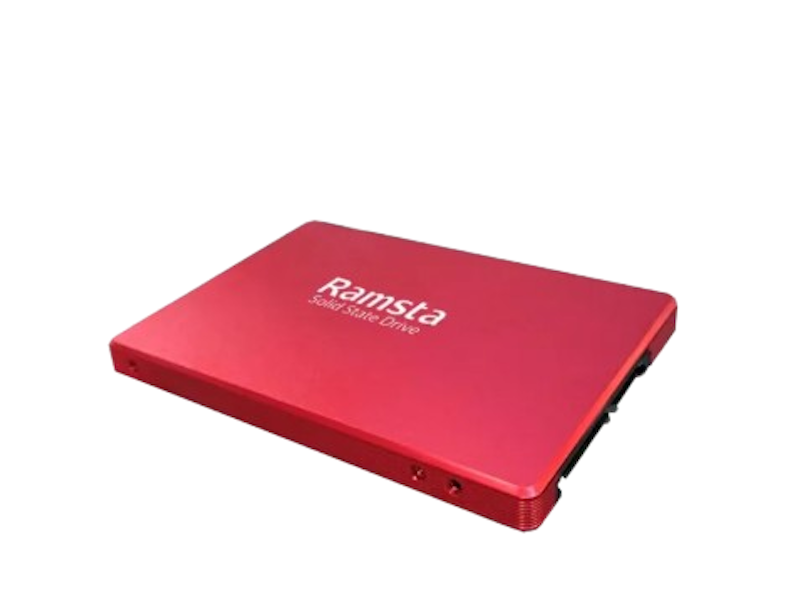
Reviews mention:
Customers appreciate the SSD’s reliable performance and compatibility with various devices, noting it as an affordable upgrade from traditional hard drives. Many highlight its quiet operation and easy installation. Some users mention it may warm slightly during heavy use but overall find it stable and efficient for general computing needs.
| Form Factor | 2.5” |
|---|---|
| Interface | SATA III 6Gb/s |
| Storage Size | 128GB |
| Read Speed | 525MB/s |
| Write Speed | 437MB/s |
| SSD With DRAM or Cache |
KingSpecP3Q-SSD 2.5" SATA III | 256GB
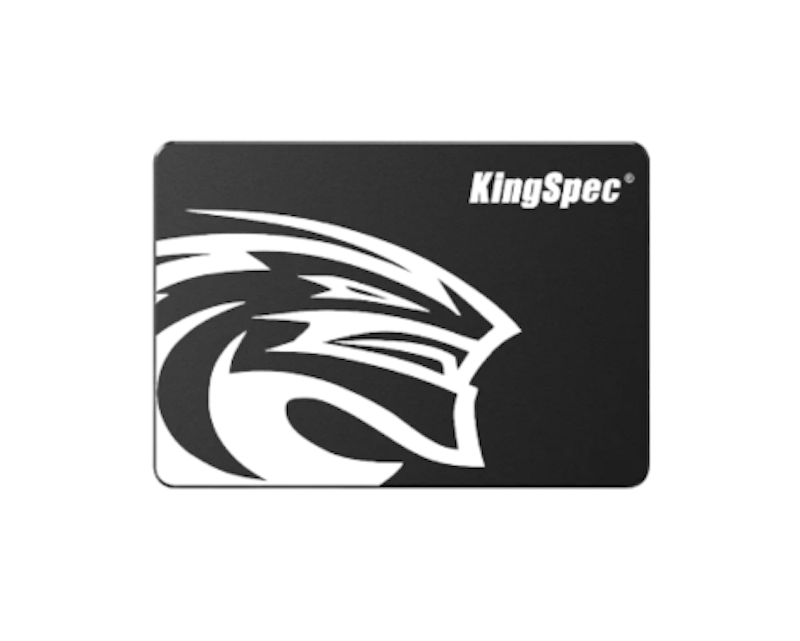
Reviews mention:
Users generally praise this SSD for stable and consistent performance in daily computing and gaming. Many highlight the noticeable improvement in speed compared to traditional hard drives and appreciate the quiet operation. Some mention slight warming under heavy use but find it reliable overall and a good value for the price.
| Form Factor | 2.5” |
|---|---|
| Interface | SATA III 6Gb/s |
| Storage Size | 256GB |
| Read Speed | 550MB/s |
| Write Speed | 520MB/s |
| SSD With DRAM or Cache | unknown |
WalramRed Parrot 2.5" SATA3 SSD | 512GB
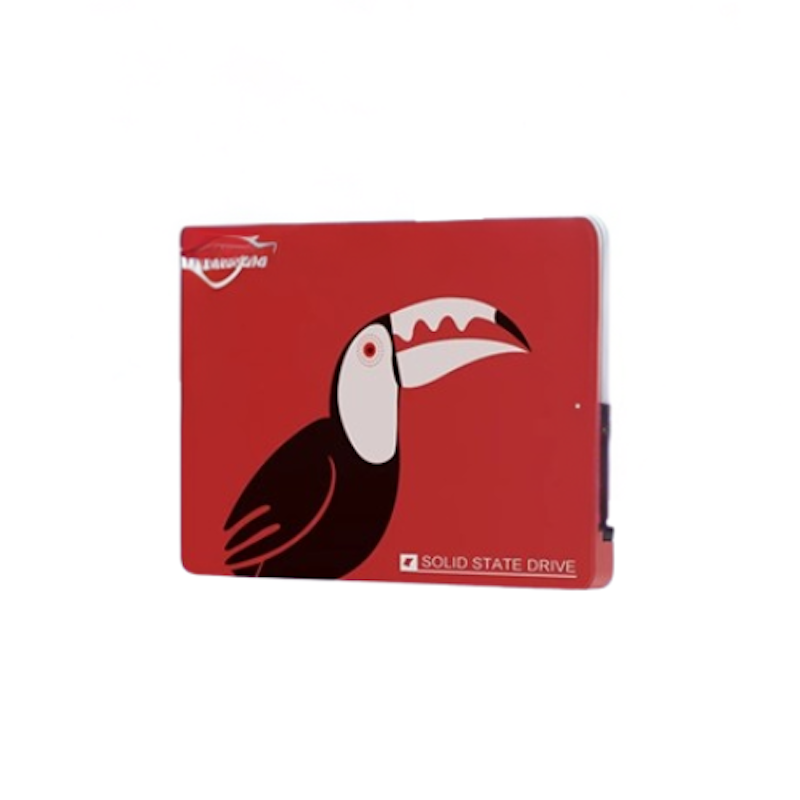
Reviews mention:
Users commend this SSD for providing noticeable speed improvements over traditional hard drives, especially in boot and load times. The durable build and quiet operation are often praised, though some users note the drive may warm slightly during heavy use. Overall, it is considered a reliable and cost-effective storage upgrade option.
| Form Factor | 2.5” |
|---|---|
| Interface | SATA III 6Gb/s |
| Storage Size | 512GB |
| Read Speed | 550 MB/s |
| Write Speed | 500 MB/s |
| SSD With DRAM or Cache | unknown |
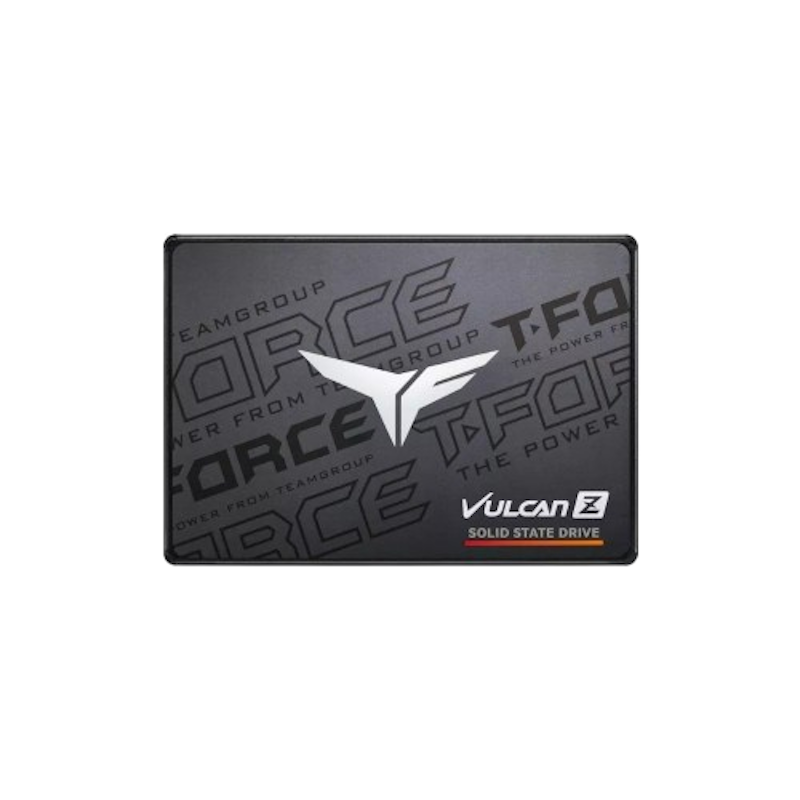
Reviews mention:
Customers love this SSD for noticeable improvements in load times and system responsiveness, particularly valuing its performance for gaming and everyday use. Many appreciate the quiet operation and durable build. Some note the absence of a DRAM cache but still find it reliable and a good value for the price.
| Form Factor | 2.5” |
|---|---|
| Interface | SATA III 6Gb/s |
| Storage Size | 256GB |
| Read Speed | 520MB/s |
| Write Speed | 450MB/s |
| SSD With DRAM or Cache |
Frequently Asked Questions
Below are some of the most asked questions on the web answered by the mybest team.
Will a Budget SSD Speed Up an Old Laptop?
Absolutely. Even a basic SSD will make a noticeable difference in performance. Old laptops that once took several minutes to boot can start up in under 30 seconds. Programs open faster, and lag becomes less of an issue, making your laptop more efficient for school, work, or casual use.
Can I Install an SSD Myself?
Yes, many people install SSDs on their own, especially with the help of online tutorials. You’ll usually need a screwdriver and some patience. Make sure to back up your files and check if your laptop or desktop uses a SATA or M.2 drive. If you’re uncomfortable doing it yourself, local technicians or repair shops can handle it for a small fee.
How Long Does a Budget SSD Last?
Most budget SSDs from trusted brands last between 3 to 5 years with regular use. They’re also less likely to fail suddenly compared to HDDs. Look for products that come with a 3-year warranty so you’re covered in case of early issues. Proper care, such as avoiding overfilling the drive, can also help extend its lifespan.
More Ways to Expand Your Storage and Screen Space


How We Chose and Ranked Our Product Recommendations
Our buying guide was carefully researched and crafted by the mybest team of writers and editors. We used the buying guide as a basis for choosing and ranking the product recommendations, and we looked at reviews and ratings from different E-commerce sites like Lazada, Shopee, and more.
The descriptions of each product are referenced from content available on manufacturer, brand, and e-commerce sites.