
10 Best Night Serums in the Philippines 2026 | Buying Guide Reviewed by Dermatologist
Night serums that are chock full of high-quality, concentrated ingredients can make wonders to your skin while you sleep. Aside from your three-step skincare routine, which is composed of cleansing, toning, and moisturizing- you can use serums and maximize their formulas to address a specific skin concern, whether it’s inflammation, discoloration, or signs of aging.
There are many serums available right now on the market, and choosing the right one for your regimen doesn’t need to be a guessing game. We will walk you through our buying guide to make sure you know what to look for in a bottle, top 10 best buys as well as helpful skincare tips for achieving healthy glowing skin. We even included some comments and tips from dermatologist Dr. Katrina Erika Habaluyas Luz!

Dr. Katrina Habaluyas Luz is the face behind Ask Your Derma. She is a board-certified dermatologist in Metro Manila. She is also an educator and digital creator on all things skin, hair, and nails. She is a Diplomate of the Philippine Dermatological Society and offers online video consultations. You can also catch her on her Instagram, Facebook, and YouTube channel.

Our recommendation articles are carefully researched and crafted by the mybest Philippines team of writers and editors. To stay true to our company’s mission and vision to help users’ selection process easier, we also collaborate with experts from various fields to ensure that our content stays factual and useful.
The expert oversees the Buying Guide only, and does not determine the products and services featured.
Why You Can Trust Us
Every mybest article is crafted with hours of in-depth research and interviews with experts. Each month, we are continually expanding our database of products based on our research. By emphasizing user insight and reliable information, we deliver trustworthy content to readers.
What Is a Night Serum?
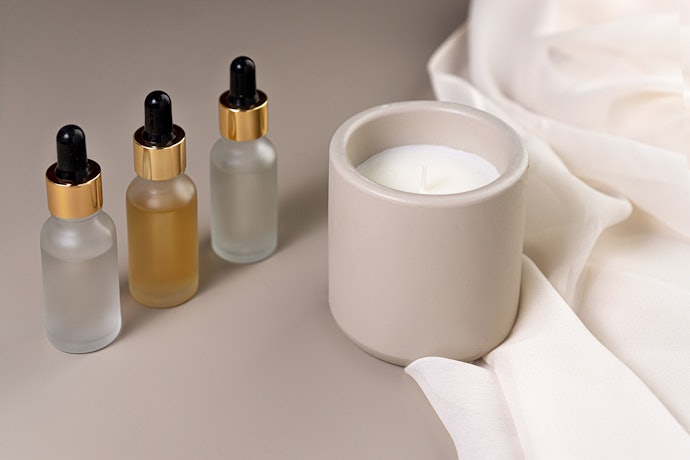
A serum is a skincare product you put on after cleansing and toning your skin before you top it off with a moisturizer. There are day and night serums, with the latter being formulated with concentrated ingredients that work best during the night.
It's best applied at night because skin cell regeneration happens between 11:00 PM and 4:00 AM, which means skin renewal doubles at night. Night serums have concentrated formulas of vitamin C, vitamin E, hyaluronic acid, glycolic acid, retinol, to name a few.
Aside from moisturizing your skin, they also tackle those fine lines and wrinkles, brown spots, hyperpigmentation, and more. So, after you end your skincare regimen with a night serum, better sleep, at the maximum, one before midnight, and wake up with refreshed and renewed skin the next day.

Serums are skincare products containing a high volume of active ingredients that target a specific concern or a combination of them. Now a night serum, in particular, typically contains active ingredients that would work best at night primarily because it is when the highest DNA repair and cell proliferation takes place.
Not to mention, certain ingredients are better at night as they may induce extra sensitivity to sunlight. These typically include your retinoids and exfoliating acids (AHAs, BHAs, and PHAs).
How to Choose a Night Serum – Buying Guide
- Decide what type of serum you want to use
- Consider the ingredients and formulations to address skin concerns
- Check the concentration of the serum
- Avoid fragrances and other harmful ingredients
- Check customer reviews and unsponsored posts or feedback
For more detailed information, read through our buying guide below.
Decide What Type of Serum You Want to Use

Serums are beneficial for the skin because they're lightweight and fast-absorbing. On top of that, it can target a specific skin issue because of the concentrated ingredients. For example, hydrating serums add moisture to your skin while brightening serums boost your skin's radiance and eliminate post-acne marks.
Antioxidants serums protect your skin from free radicals and environmental aggressors, and if you want to target those fines lines and wrinkles, the anti-aging serums are your best bet. Calming serums are ideal for folks who suffer from skin irritation and redness. And if you want to avoid target enlarged pores, pore-minimizing serums are your life-savers.
- Anti-aging serums
- Brightening serums
- Hydrating serums
- Exfoliating serums
- Firming serums
Thus, in order to get the best out of the serum, it's important to identify the specific skin concern you want to target.
Consider the Ingredients and Formulations to Address Skin Concerns
Make it a habit to inspect the ingredients of a skincare product before buying one. This way, you get to pick the product with the most appropriate formulation that will suit your skin concerns. To have a better understanding of what to look for, below are the common combinations that you can choose from.
For Hyperpigmentation: Glycolic Acid, Vitamin C, and Resveratrol
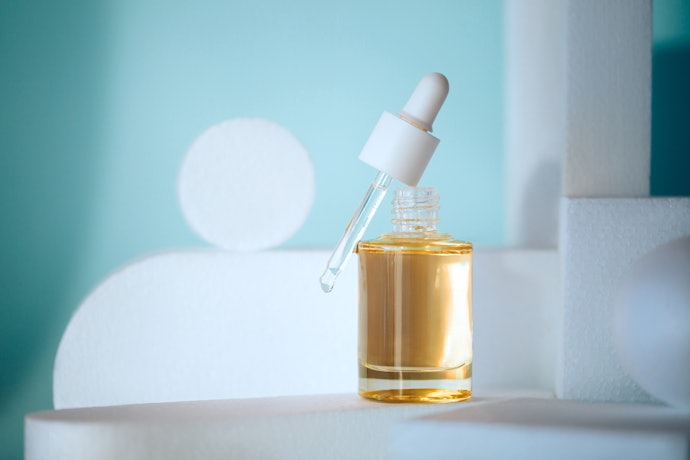
A good concentration of glycolic acid serum can reduce hyperpigmentation and improve the quality of the skin. When combined with vitamin C, it can smoothen the skin's texture, minimize the size of the pores, and is also effective in decreasing melanin production.
Meanwhile, if it's formulated with resveratrol, it can treat hyperpigmentation and melasma, and if applied consistently twice per day, both ingredients can reduce sun-induced pigmentation in a span of 6 to 8 weeks.
The best approach to hyperpigmentation would be:
- Protection with sunscreen
- Prevention with antioxidants - good choices include L-ascorbic acid, ferulic acid, niacinamide, resveratrol
- Correction - with serums containing retinoids, arbutin, kojic acid (to name a few!)
For Anti-Aging: Retinol and Niacinamide

Retinol is an anti-aging ingredient that fights wrinkles. It is a form of vitamin A that is popular for its ability to address aging and sun damage. Retinol can assist in reducing the appearance of fine lines, brighten the skin, and improve its texture, to name a few.
Meanwhile, niacinamide stimulates the skin’s production of fatty acids and ceramides. Thus when combined with retinol, it reinforces the latter to improve your skin’s surface. Both of these ingredients have the ability to boost collagen production as well.
Retinoids are considered the 'holy grail' of anti-aging primarily because it has a lot of science backing it up. It increases cell turnover, stimulates collagen synthesis, inhibits tyrosinase activity, and even controls oil production - making it an excellent choice for anti-aging.
Niacinamide also makes a good case for anti-aging as it acts as an anti-oxidant, improves skin barrier function by increasing ceramides, reduces hyperpigmentation, and reduces fine lines and wrinkles by increasing collagen and protein production.
For Hydration and Skin Renewal: Plant-Derived Antioxidants, Essential Oils, and Extracts
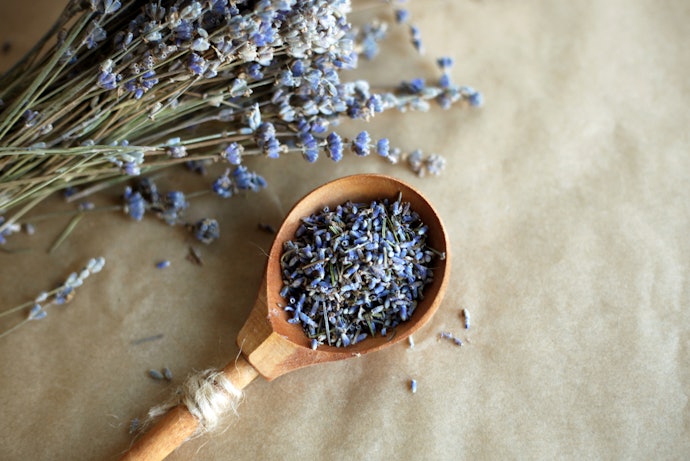
Premium brands like Estée Lauder, L'Occitane, and Kiehl's have formulated their serums based on plant extracts, essential oils, and plant-derived ingredients that go beyond the anti-aging benefits. They also focus on hydration, which is ideal for dull and dry skin. For example, evening prime rose oil moisturizes your skin and also enhances skin elasticity and improves roughness.
Lavender oil aids in lightening the skin and helps reduce discoloration and dark spots aside from its soothing and calming benefits. Herbs like marjoram extract have a high level of antioxidants that can whiten and awaken dull skin.
Meanwhile, acmella oleracea extract reduces fine lines and wrinkles and is also known for its soothing and anti-inflammatory properties. Another example is concentrated black tea extract is an antioxidant proven to be effective in skin renewal because of its potent ingredient to reset dull and dry skin.
Did you know that one of the mechanisms by which our skin ages is through oxidative stress (aka damage from free radicals)? This is why a lot of anti-aging skin care products boast of being rich in anti-oxidants. Interestingly, plants have a lot of anti-oxidants, given that they are exposed to high amounts of UV radiation.
Plant-abundant oxidants that have beneficial effects on the skin include ferulic acid, green tea, and resveratrol. Pro-tip! While, of course, you can use them at night, these anti-oxidants actually work better if used in the day, especially if applied before sun exposure. While these anti-oxidants are great, other effective options for skin renewal still include the good old retinoids and hydroxy acids.
Check the Concentration of the Serum
If this is your first time using a serum, check its concentration so you won’t be overwhelmed and get irritated. Remember, serums have active ingredients, so start with the minimum dose until your skin adapts to it.
10% to 20% Range for Vitamin C
If you have sensitive and dry skin, you might want to go for a lower dose at 5% to 8% because too much of this can cause skin irritation. But if you’re already using vitamin C through your other skincare products and you don’t have severe skin issues, you can play around with 10% or go all the way up to 20%.
Vitamin C is a crowd favorite amongst the active ingredients for the skin - and with good reason. It is actually the most abundant antioxidant in the skin.
Aside from that, it has so many other benefits - it contributes to collagen production (gives the skin its structure and elasticity), acts as a depigmenting agent, reduces inflammation, and even provides photoprotection! This is one ingredient that would benefit you as a day serum, too - because when paired with sunscreen, vitamin C actually boosts UV protection!
Retinol’s Highest Concentration Is 2.0%

Retinol has anti-aging benefits with the highest concentration of 2.0% and 0.1% being the lowest- ideal if it's your first time. Some brands might have a 2.5% formula, so check the label and start at a low dose. Too much retinol use can disrupt your skin barrier and could cause redness and breakouts.
For retinoid newbies, best to start low and slow.
- Start with less potent forms - like retinol!
- Start with lower concentrations
- Start with lower frequency (two to three times a week)
Start With 5% for Glycolic Acid

Glycolic acid in a serum form brightens and smoothens your skin. It also helps reduce fine lines and wrinkles as well as hyperpigmentation. If you haven’t used any acids, go for a low concentration at 5%, and you can work your way up to 10% to 20%. You might feel a tingling sensation upon application, but that’s normal.
Glycolic acid is an alpha-hydroxy acid that works as a great exfoliant (removes the topmost layer of skin cells), reduces unwanted discoloration, stimulates collagen production, at the same time hydrates and moisturizes the skin. Because of its wide range of benefits, it works well for anti-aging and mature skin types.
Best to consult your dermatologist on this one, as there are so many available preparations and concentrations in the market. The concentrations vary, and these can be used depending on how high or low as part of your at-home regimen and/or in-clinic procedures.
2% to 10% for an Effective Dose of Niacinamide

Niacinamide helps brighten your skin, plus it’s useful in fighting off those blemishes and red marks caused by acne. It also treats acne and regulates the oil production of your skin. Start with a dose of about 2% if it's your first time, but if you have been using niacinamide in other skincare products, you can work your way up to 10%.
Niacinamide has been the buzzworthy ingredient of the year - and with good reason! It's been dubbed as the "jack-of-all-trades" in skincare primarily because it has so many benefits! It acts as an antioxidant, improves skin barrier function, regulates sebum production, reduces hyperpigmentation, and reduces fine lines and wrinkles.
And the best thing about it is it's one of the most studied ingredients in skincare - so it's completely backed up by science. If it's your first time, best to start low. Use tests for niacinamide produced no irritation at concentrations up to 5%. So if you're a newbie, start low and definitely patch test first!
1% to 3.5% Concentration for Resveratrol Serums

Resveratrol is an antioxidant that is known for being an anti-aging powerhouse. It is also linked with skin repair, and if it's your first time trying it, you can look for serums with low concentration, like 1%, and can go as high as 3%.
Antioxidants are effective in controlling oxidative stress associated with extrinsic skin aging and pigmentation. Resveratrol is an antioxidant polyphenol from red wine that has become a subject of interest in skincare due to a range of anti-aging properties.
Scientific evidence shows that skin aging is associated with a depletion of naturally occurring antioxidants that serve as a defense mechanism against free radical damage. This is where resveratrol comes in. Interestingly, resveratrol also reduces fine lines and wrinkles and enhances skin firmness and elasticity.
Avoid Fragrances and Other Harmful Ingredients

Avoid artificial fragrances as these can cause skin irritation. Go for serums that have natural scents coming from the extracts. Also, avoid mineral oil, a petroleum by-product that can clog your pores and eliminate your skin’s ability to get rid of toxins. If they accumulate, it can cause acne and breakouts. In general, artificial or synthetic ingredients should raise a red flag, whether in scents or colorants.
Parabens have gotten quite a bit of a bad rep over the years. However, it's actually not as harmful as it's portrayed to be. In fact, parabens are one of the oldest, most effective, and most studied preservatives out there. Its role is to stop mold from growing in skincare products. Molds vs. parabens, I'd choose parabens. Fun Fact! Parabens even won the Non-Allergen of the Year in 2019!
As for fragrances, they also get a lot of bad press. Most dermatologists would recommend a fragrance-free product by habit because we see quite a handful of patients with allergic contact dermatitis secondary to fragrance. In reality, though, in the general population, it's not as common as we think. In addition, products labeled 'fragrance-free may still have fragrance ingredients if they serve an alternative function. Tricky!
Check Customer Reviews and Unsponsored Posts or Feedback

Make sure you read the reviews by previous customers who have the same skin concern as you. Your skin might react differently, so manage your expectations as a beginner.
You may also check unsponsored reviews by dermatologists and beauty influencers on YouTube and other social media channels. Lastly, don't forget to conduct a patch test before putting it all over your face.
Make sure you read the reviews by previous customers who have the same skin concern as you. Your skin might react differently, so manage your expectations as a beginner.
Moreover, you may also check unsponsored reviews by dermatologists and beauty influencers on YouTube and other social media channels. Lastly, don't forget to conduct a patch test before putting it all over your face.
10 Best Night Serums to Buy Online
| Products | Image | Click to purchase | Popularity | Details | |||||
|---|---|---|---|---|---|---|---|---|---|
Skin Concern | Skin Type | Concentration | Key Ingredients | Volume | |||||
1 | 1% Retinyl Palmitate Serum Dermorepubliq |  | No.1 | Anti-Aging | Sensitive Skin | 1% | Retinyl Palmitate | 30 mL | |
2 | Clinical Pro Retinol Radiance Serum Luxe Organix |  | No.2 | Anti-Aging, Firming | Normal Skin, Oily Skin, Dry Skin, Combination Skin, Sensitive Skin | 0.2% | Retinol | 30 mL | |
3 | The 6 Peptide Skin Booster Serum Cosrx |  | No.3 | Anti-Aging, Brightening, Hydrating | Normal Skin, Oily Skin, Dry Skin, Combination Skin, Sensitive Skin | unknown | 6 Peptides | 150 mL | |
4 | Glycolic Bright 8% [Melasyl + Glycolic + Niacinamide] Serum L'Oréal Paris | ![L'Oréal Paris Glycolic Bright 8% [Melasyl + Glycolic + Niacinamide] Serum 1](https://img.ph.my-best.com/product_images/b91ec98dcf9936231d3457433a3da82e.png?ixlib=rails-4.3.1&w=56&h=56&fit=clip&fm=webp&dpr=3&q=35&s=fcb696c269dd0ae110cc5d1b72985610) | No.4 | Brightening, Exfoliating | Normal Skin, Oily Skin, Dry Skin, Combination Skin, Sensitive Skin | 8% | Glycolic, Niacinamide | 15-30 mL | |
5 | Bakuchiol Lifting Night Serum EB Plus |  | No.5 | Firming | Normal Skin, Oily Skin, Dry Skin, Combination Skin, Sensitive Skin | unknown | Bakuchiol | 30 mL | |
6 | Regenerist Micro-Sculpting Serum Olay |  | No.6 | Anti-Aging, Firming | Normal Skin, Oily Skin, Dry Skin, Combination Skin, Sensitive Skin | unknown | Niacinamide, Amino Peptide | 50 mL | |
7 | Bright Complete 10% Vitamin C Night Serum Garnier |  | No.7 | Brightening | Normal Skin, Oily Skin, Dry Skin, Combination Skin, Sensitive Skin | 10% | Vitamin C | 30 mL | |
8 | Hydro Boost Niacinamide Serum Neutrogena |  | No.8 | Hydrating | Oily Skin | 10% | Hyaluronic Acid, Niacinamide | 30 mL | |
9 | Bright Miracle Night Serum POND'S |  | No.9 | Brightening, Hydrating | Normal Skin, Oily Skin, Dry Skin, Combination Skin, Sensitive Skin | unknown | Niacinamide, E-Resorcinol | 30 mL | |
10 | Overnight Glow Serum Pixi Beauty |  | No.10 | Brightening, Exfoliating | Normal Skin, Oily Skin, Dry Skin, Combination Skin, Sensitive Skin | 10% | Glycolic Acid, Arginine | 30 mL | |

Dermorepubliq1% Retinyl Palmitate Serum

Reviews mention:
The general consensus with this serum is it's mild and beginner friendly. E-commerce reviewers appreciate its lightweight feel, as well as how it does not sting or cause noticeable peeling when introduced slowly into a routine. It's raved for helping with texture and breakouts over time and consistent use, especially when paired with other simple, hydrating products. Some reviews point out confusion about the labeling and remind potential buyers that this is a gentler retinyl palmitate formula for sensitive skin, so results may appear more gradually compared with stronger retinoids.
| Skin Concern | Anti-Aging |
|---|---|
| Skin Type | Sensitive Skin |
| Concentration | 1% |
| Key Ingredients | Retinyl Palmitate |
| Volume | 30 mL |
Luxe OrganixClinical Pro Retinol Radiance Serum

| Skin Concern | Anti-Aging, Firming |
|---|---|
| Skin Type | Normal Skin, Oily Skin, Dry Skin, Combination Skin, Sensitive Skin |
| Concentration | 0.2% |
| Key Ingredients | Retinol |
| Volume | 30 mL |
CosrxThe 6 Peptide Skin Booster Serum
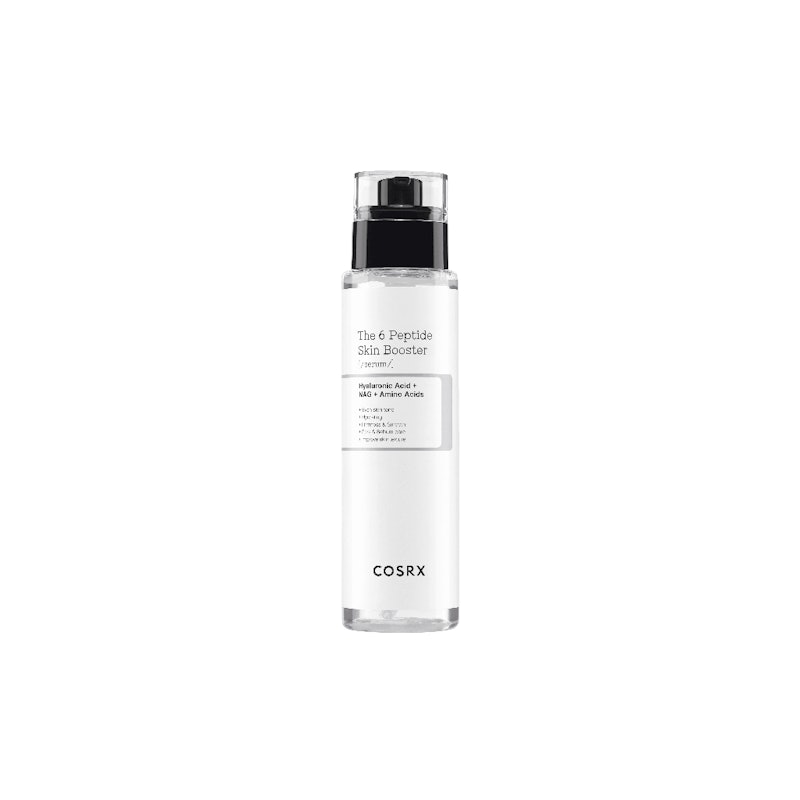
| Skin Concern | Anti-Aging, Brightening, Hydrating |
|---|---|
| Skin Type | Normal Skin, Oily Skin, Dry Skin, Combination Skin, Sensitive Skin |
| Concentration | unknown |
| Key Ingredients | 6 Peptides |
| Volume | 150 mL |
L'Oréal Paris Glycolic Bright 8% [Melasyl + Glycolic + Niacinamide] Serum
![Glycolic Bright 8% [Melasyl + Glycolic + Niacinamide] Serum 1](https://img.ph.my-best.com/product_images/b91ec98dcf9936231d3457433a3da82e.png?ixlib=rails-4.3.1&q=70&lossless=0&w=800&h=800&fit=clip&s=be37da97ec34fa5db73725f30b8ebb91)
| Skin Concern | Brightening, Exfoliating |
|---|---|
| Skin Type | Normal Skin, Oily Skin, Dry Skin, Combination Skin, Sensitive Skin |
| Concentration | 8% |
| Key Ingredients | Glycolic, Niacinamide |
| Volume | 15-30 mL |
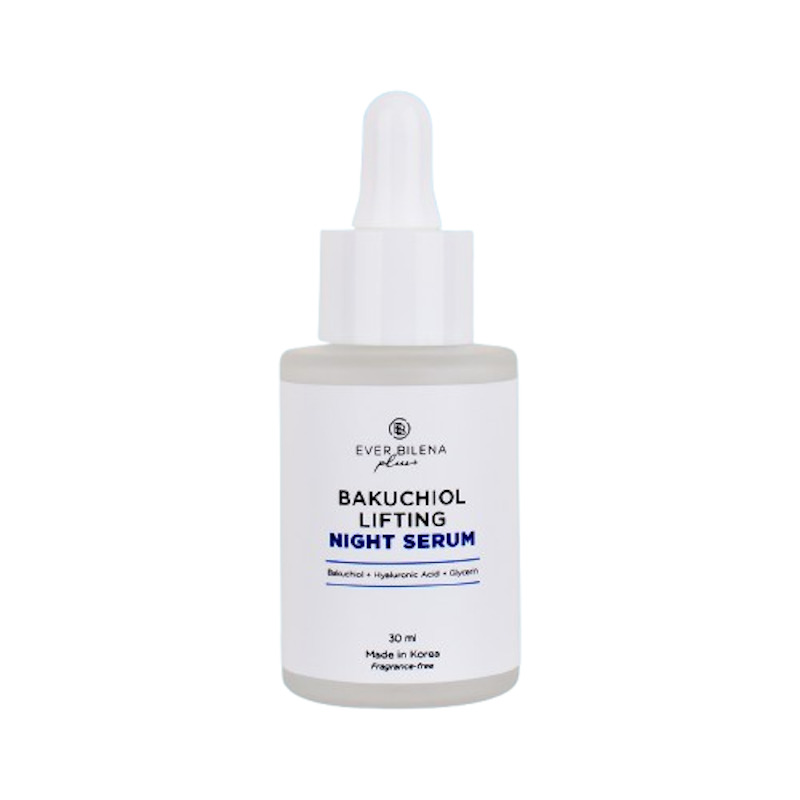
Reviews mention:
This serum, with its gentle retinol-like effects, won users' hearts. They love how it hydrates and firms without causing redness or sensitivity, especially for sensitive or acne-prone skin. Paired with hydrating toners, buyers witness smoother skin texture after consistent evening use.
| Skin Concern | Firming |
|---|---|
| Skin Type | Normal Skin, Oily Skin, Dry Skin, Combination Skin, Sensitive Skin |
| Concentration | unknown |
| Key Ingredients | Bakuchiol |
| Volume | 30 mL |

Reviews mention:
Skincare enthusiasts report smoother, more hydrated skin after consistent use over weeks. The quick absorption without greasiness under makeup or sunscreen is cited as a major win in their books. A suggestion for improvement is a milder fragrance, especially for sensitive skinned users.
| Skin Concern | Anti-Aging, Firming |
|---|---|
| Skin Type | Normal Skin, Oily Skin, Dry Skin, Combination Skin, Sensitive Skin |
| Concentration | unknown |
| Key Ingredients | Niacinamide, Amino Peptide |
| Volume | 50 mL |
GarnierBright Complete 10% Vitamin C Night Serum

| Skin Concern | Brightening |
|---|---|
| Skin Type | Normal Skin, Oily Skin, Dry Skin, Combination Skin, Sensitive Skin |
| Concentration | 10% |
| Key Ingredients | Vitamin C |
| Volume | 30 mL |
NeutrogenaHydro Boost Niacinamide Serum
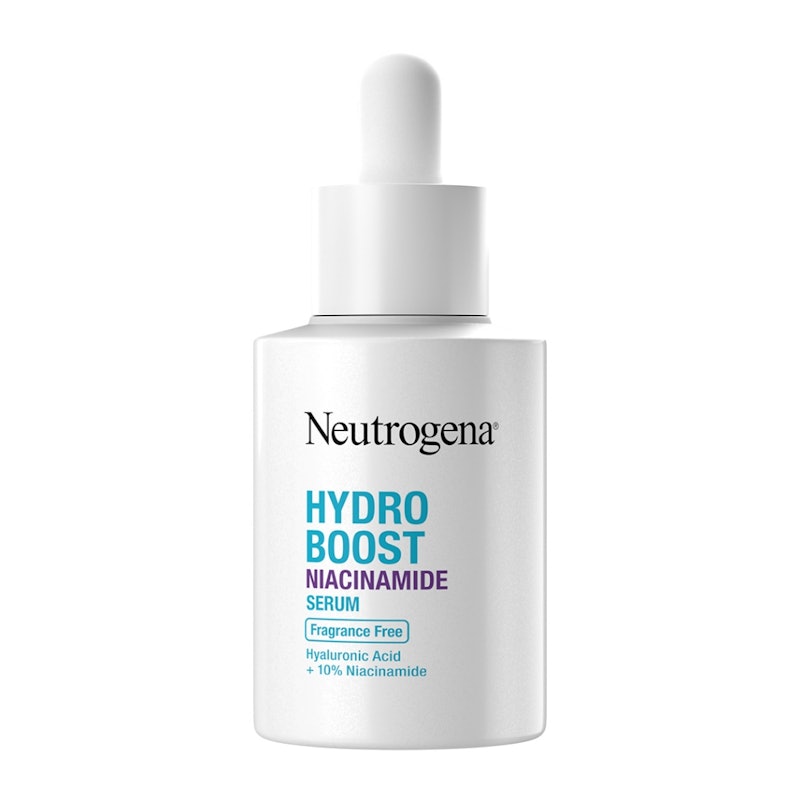
Reviews mention:
This serum is regarded by local reviewers for its hydration and smoothening effect on the skin. Application-wise, there's no greasy or sticky feeling, and users find that notable. Many note visible improvements in skin texture, pore appearance, and overall radiance within weeks of use. Some reviewers claim it works well under makeup, but a few wish for more size options or availability since it is occasionally out of stock in local e-commerce sites. This product is overall praised for being a gentle and effective addition to daily skincare routines.
| Skin Concern | Hydrating |
|---|---|
| Skin Type | Oily Skin |
| Concentration | 10% |
| Key Ingredients | Hyaluronic Acid, Niacinamide |
| Volume | 30 mL |
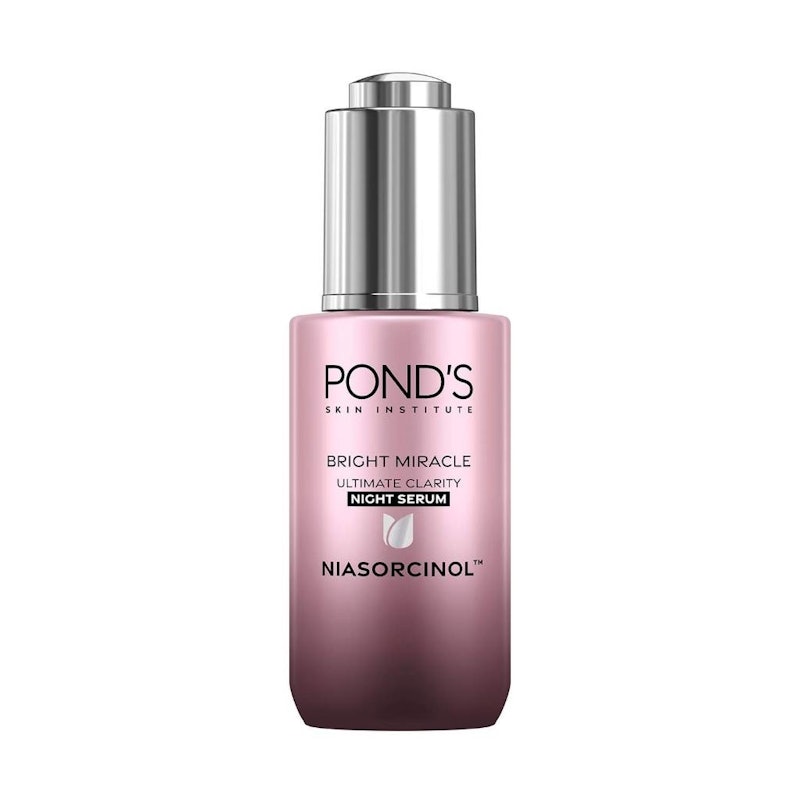
Reviews mention:
Local e-commerce reviewers rave its hydrating effect and noticeable brightening after a week, with many citing reduced tiny bumps and improved skin clarity. Not only is it non-greasy, its scent is also pleasant, and proven to not irritate consistent users. Buyers are cautioned about slight stickiness post-application, as well as mild tingling for sensitive skin.
| Skin Concern | Brightening, Hydrating |
|---|---|
| Skin Type | Normal Skin, Oily Skin, Dry Skin, Combination Skin, Sensitive Skin |
| Concentration | unknown |
| Key Ingredients | Niacinamide, E-Resorcinol |
| Volume | 30 mL |
Pixi BeautyOvernight Glow Serum

Reviews mention:
After a few uses, buyers notice not only their fresher and more glowing skin, but also softer and lighter skin with less dullness. They witness fewer visible dark spots over time. Skincare enthusiasts value its lightweight and non-drying feel, though a few with very sensitive or acne-prone skin prefer to start slowly to avoid potential tingling or irritation from the acid content.
| Skin Concern | Brightening, Exfoliating |
|---|---|
| Skin Type | Normal Skin, Oily Skin, Dry Skin, Combination Skin, Sensitive Skin |
| Concentration | 10% |
| Key Ingredients | Glycolic Acid, Arginine |
| Volume | 30 mL |
Beauty Hacks When Applying a Night Serum
Applying a night serum is different from using a moisturizer. Serums have smaller molecules, which the skin can absorb quickly, unlike creams and oils. That said, here are some tips on how you can maximize the skin benefits of a night serum.
Follow the Right Amount of Drops

Applying too much serum may cause pilling on your skin. You might think that it's an allergic reaction, or there's skin peeling going on- but the truth is your skin can only absorb a certain amount of skincare products. Any excess will be left on the outermost layer of your skin and will be rubbed off.
That said, use only one to three drops of night serum. Then pat your face, instead of rubbing the product. Make sure that the serum has been fully absorbed by the skin before moving on to the next skincare product. Also, remember to apply water formulations first before oil formulations, and use a maximum of 3 serums per regimen.
Now, what is pilling? Pilling is when a skincare or makeup product starts "balling up" after it's applied. This can be because:
- Your product is too thick. Solution: use less product and wait a few seconds for it to be absorbed before applying the next product.
- You're applying thicker products first. Solution: apply lighter consistency products before thicker ones.
Mix Your Serum With Moisturizer for the First Few Days
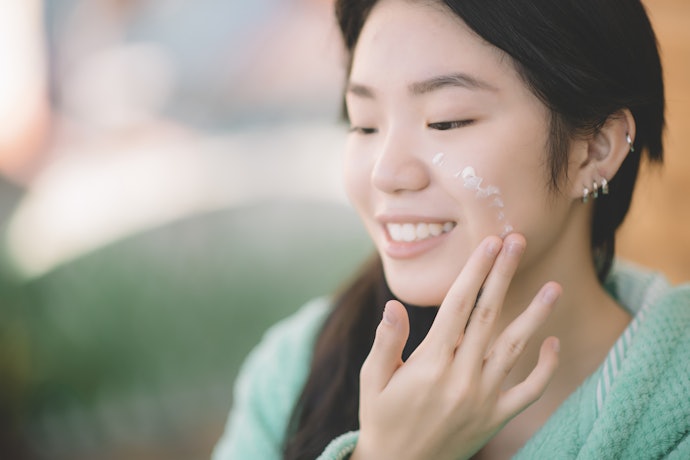
If it's your first time using a serum, you can mix it with your current moisturizer and apply it on your face, according to Dr. Anupriya Goel, medical director at Berkowits Hair and Skin Clinic. Try this for the first few days and see how your skin reacts.
If it goes well, then you may apply the serum directly moving forward. This applies to serums that contain pure retinol and vitamin C because they may cause skin irritation, especially if you buy a high percent concentration.
Mixing the serum with the moisturizer is a simple trick that can reduce the chances of irritation. This works, too, if you have sensitive or dry skin. And this shouldn't be a problem as a lot of active ingredients in serums can also be found in a lot of moisturizers.
In general, it would also be good to patch test before incorporating the product into your skincare regimen. Apply a small amount on a small area of skin, then wait for 24 to 48 hours and see how your skin reacts.
Wait for 60 Seconds for the Serum to Be Absorbed Before Moisturizing
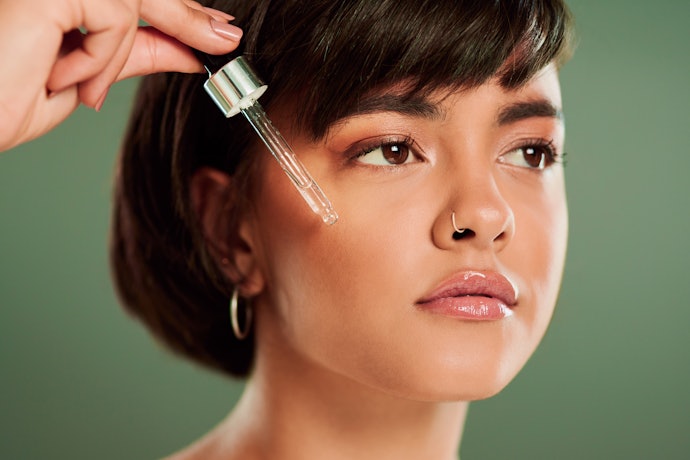
In case you only use a two-step regimen, for example, if you only cleanse and moisturize, some serums require you to apply it on a dry face. However, for hyaluronic acid serums, it's best to apply it on a damp face while your pores are open to absorb the serum.
Allow the serum to penetrate deep into your skin for about sixty seconds. You can also pat your face, and if you don't feel the stickiness, then your skin has already absorbed the product. After this, it's time to apply your moisturizer.
In general, in between skincare steps, it's good to wait a couple of minutes to ensure that the product is absorbed before moving onto the next step. This prevents pilling and also ensures that your skin maximally absorbs the product you applied.
Frequently Asked Questions Answered By Dr. Katrina Luz
If you're still unsure about some things, read on below as Dr. Katrina answered some of the most asked questions on the web!
Should You Apply a Night Serum Every Night?
There are actually no hard and fast rules for this. If you're a first-timer, then it would be good to start slow - two to three times a week to make sure that you don't develop a reaction. If your skin is able to tolerate it, then you can work your way up the frequency ladder. At the end of the day, skincare is very personal, and you should do what works for you!
Can You Use your Night Serum During the Day?
The answer is it depends. Now, there's actually a reason why they're night serums - and this will depend primarily on the active ingredients it contains. For instance, if your serum contains vitamin C, there will actually be no problem using it during the day since Vitamin C, when paired with sunscreen, actually boosts UV protection!
However, if your serum contains retinol, then these are really made for nighttime use, as they are more unstable when exposed to light. When in doubt, Ask Your Derma! They'd be more than happy to enlighten you.
Can You Use a Regular Serum as a Night Serum?
The answer is yes. A regular serum can be used during the night. If it's labeled as a day serum, then usually the added ingredient that makes it for the day is SPF. So no problem there really!
More Tips From Dr. Katrina Luz
A skincare regimen is a very personal thing! And while serums are amazing at treating targeted skin concerns, they're not a necessity. So don't let the fear of missing out pressure you into using one.
If you choose to use a serum, then it's always a good idea to check in with your dermatologist to make sure that it's a fit for your skin type, skin concern (if any), and your current skincare regimen. And of course, don't forget to patch test!
More Serum Options for Other Skin Concerns
Aside from night serums, don't forget to check out other amazing options when it comes to serums. Click the article links below for more buying guides and product recommendations on retinol, anti-aging, and vitamin C serums, as well as Korean essences.


Author: Maria Krisette Capati
How We Chose and Ranked Our Product Recommendations
Our buying guide was carefully researched and crafted by the mybest team of writers and editors, in collaboration with the expert featured in this article. We used the buying guide as a basis for choosing and ranking the product recommendations, and we looked at reviews and ratings from different E-commerce sites like Lazada, Shopee, and more.
The descriptions of each product are referenced from content available on manufacturer, brand, and e-commerce sites.