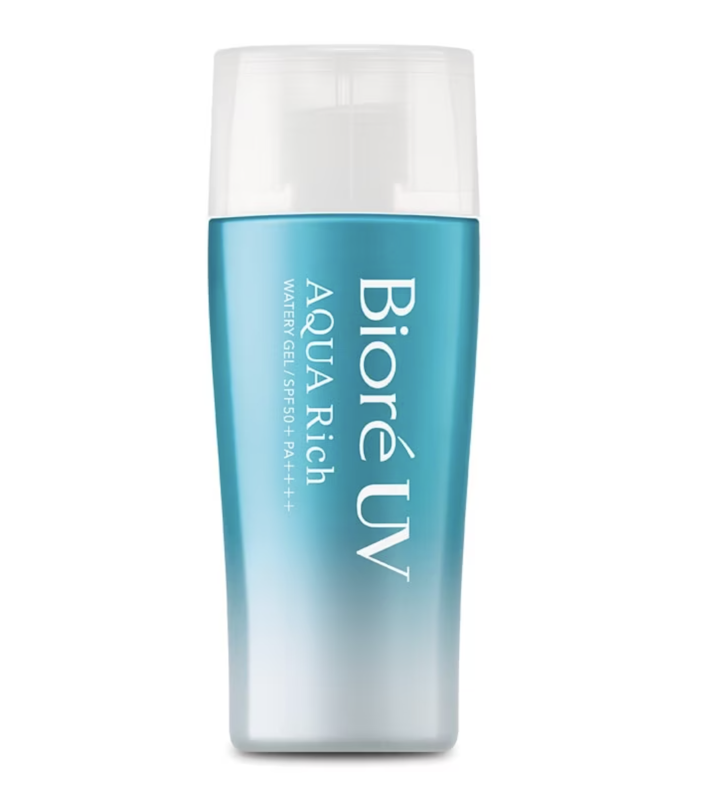
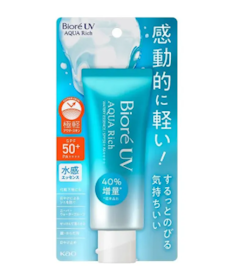
Biore UV Aqua Rich Watery Essence Review: Pros and Cons After Testing
Biore UV Aqua Rich Watery Essence is widely praised in reviews as an affordable, easy-to-use sunscreen with a lightweight feel, making it a popular choice for everyday use in hot and humid weather. Many users give it high marks for comfort on the skin. That said, some reviews mention concerns such as a shiny finish after application, which may make others hesitate before buying.
To get a clearer picture, we tested Biore UV Aqua Rich Watery Essence ourselves and reviewed its sun protection performance, resistance to friction, water repellency, ease of removal, and overall usability. If you’re considering this sunscreen for daily sun exposure, our findings may help you decide whether it suits your routine.
Biore UV Aqua Rich Watery Essence Test Review

Yurie Nishiumi spent seven years at a major cosmetics manufacturer, where she was involved in the development of new products and technologies across a wide range of categories, including skincare and makeup. She specialized in the technical development of products such as foundations, eyeshadows, and lipsticks, and has extensive experience working on products for both the Japanese market and international markets. She currently works at mybest, where she conducts comparative testing on more than 1,500 cosmetic products each year. Drawing on the knowledge she gained in product development, she creates content that explains ingredients and formulation backgrounds in a clear, accessible way, with a strong focus on helping users understand even technical details.
Conclusion: Best for Daily Use, but Not for Long Outdoor Exposure
This sunscreen is recommended for people who want a lightweight option for everyday use and need sun protection mainly during short periods outdoors, such as commuting to school or work. It’s well-suited for days when you spend most of your time indoors and want something easy to apply and comfortable to wear regularly.
The smooth, watery texture spreads easily, allowing a small amount to be applied thinly over a wide area. However, applying too much at once can leave a slightly sticky feel, so it’s best used sparingly.
On the other hand, Biore UV Aqua Rich Watery Essence isn’t recommended for the beach or long hours outdoors, as it may not provide sufficient protection in those situations.
What is Biore UV Aqua Rich Essence?
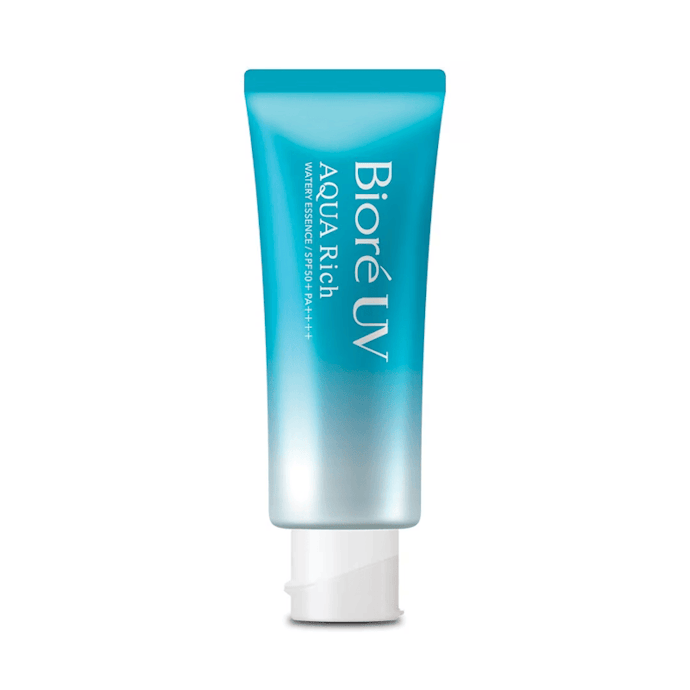
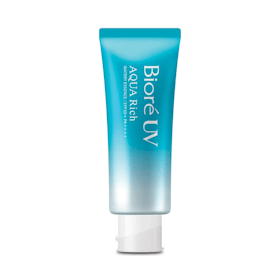
Biore UV Aqua Rich Watery Essence is a sunscreen developed and sold by Kao. It features a fresh, gel-like texture that spreads smoothly and feels lightweight on the skin.
The formula contains water capsules designed to help prevent dryness, along with hyaluronic acid, royal jelly extract, and the moisturizing agent butylene glycol (BG). It’s also free from colorants and uses an acne-prone–friendly formula, and it has undergone allergy testing. Because of this focus on skin comfort and gentleness, it’s a sunscreen that has earned strong popularity in user reviews.
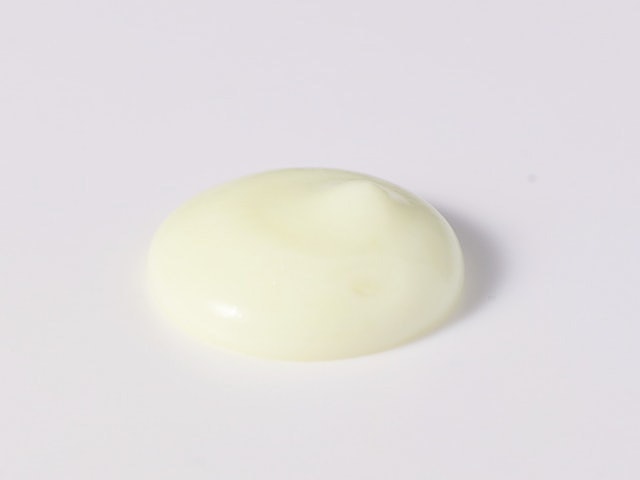
The texture isn’t thick or heavy. Instead, it has a soft, gel-like feel that’s comfortable on the skin and can be used not only on the face but also on the body. The price is also reasonable, at around ₱655 per tube of 85 g (smaller sizes are available), making it easy to repurchase for daily use.
Another plus is its availability. In the Philippines, this sunscreen can be found at major drugstores and shopping malls, as well as on popular online platforms like Watsons, Shopee, and Lazada, so it’s easy to buy even if you don’t have a physical store nearby.
What We Found After Testing Biore UV Aqua Rich Watery Essence
Online, some users say Biore UV Aqua Rich Watery Essence feels sticky after application. Still, it’s hard to know how true those claims are without actually trying it yourself.
That’s why we purchased Biore UV Aqua Rich Watery Essence and tested it firsthand. In this review, we evaluated the product based on the following five points:
Test 1: Sun Protection Performance
Test 2: Resistance to Friction
Test 3: Water Repellency
Test 4: Ease of Removal
Test 5: Overall Usability
By breaking it down this way, we aimed to see how well it performs in everyday use and whether it lives up to its reputation.
Test 1: Sun Protection Performance
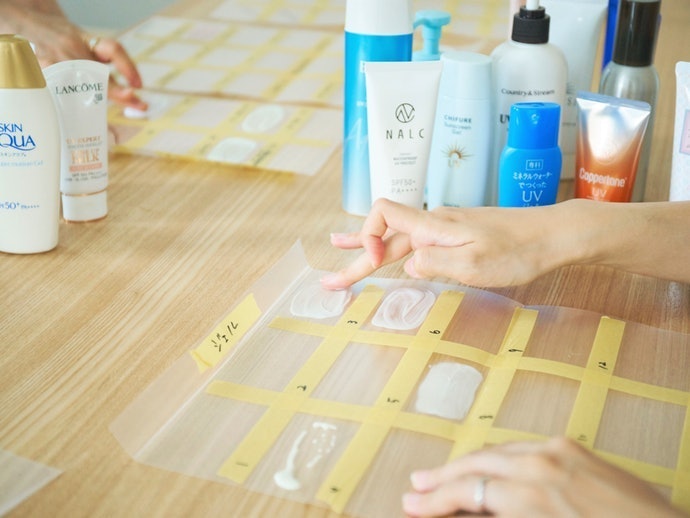
We started by testing sun protection performance, one of the most important factors when choosing a sunscreen.
To do this, we applied the sunscreen to a clear plastic sheet and placed it over a UV label that changes color when exposed to ultraviolet rays. The setup was then placed outdoors under direct sunlight, and we observed how much the color of the UV label changed to assess how effectively the sunscreen blocked UV exposure.

We also tested the sunscreen on real skin, not just with a UV label. Biore UV Aqua Rich Watery Essence was applied to the back of a male staff member at our office.
After application, he stayed under direct sunlight on the building’s rooftop for about 30 minutes. Since the skin became slightly red after sun exposure, we waited for it to calm before checking the condition and assessing the results.
Sun Protection Is Reliable with Proper Application
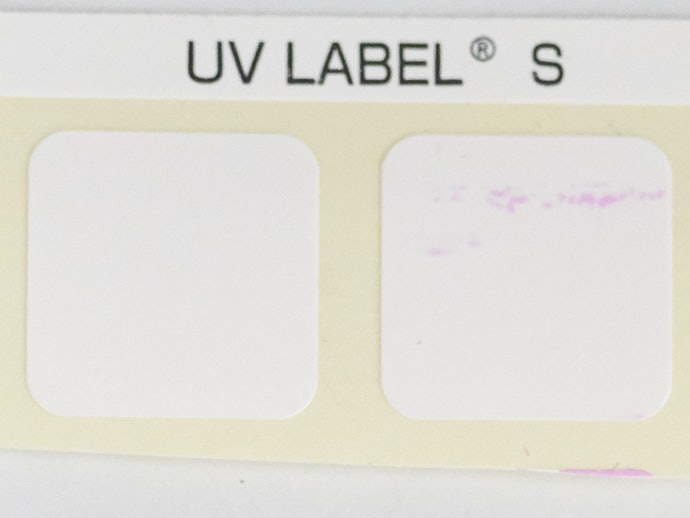
Because the sunscreen wasn’t spread evenly in some areas, parts of the skin turned a faint pink. However, it blocked most UV exposure overall, so its sun protection performance itself wasn’t a concern. With this level of protection, it should provide enough coverage even during the summer season, when sunburn is more likely.
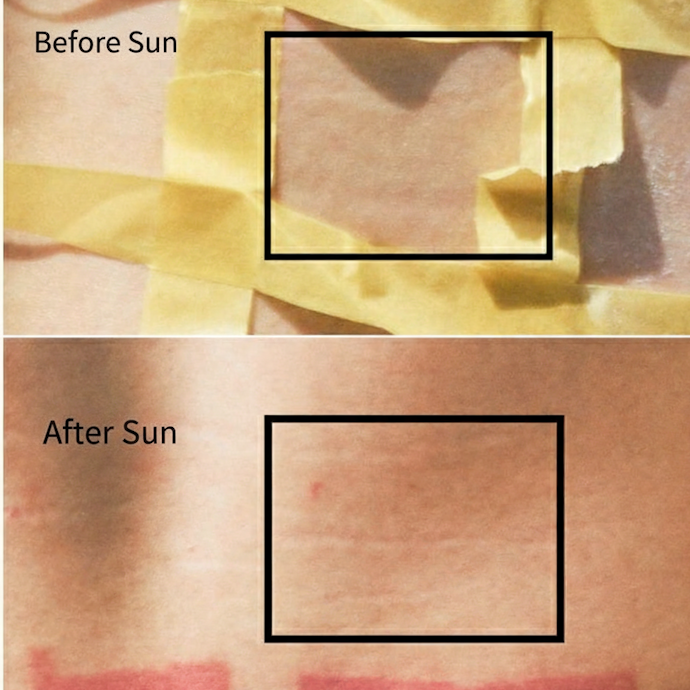
The sunscreen applied to the skin also effectively blocked direct sunlight and prevented noticeable sunburn. To avoid uneven coverage, the key is not to apply too much at once. Instead, use small amounts and spread carefully.
When applying it to the face in particular, using the pads of your fingertips to distribute the product evenly helps reduce streaking and makes it easier to achieve a smooth, uniform finish.
Test 2: Resistance to Friction
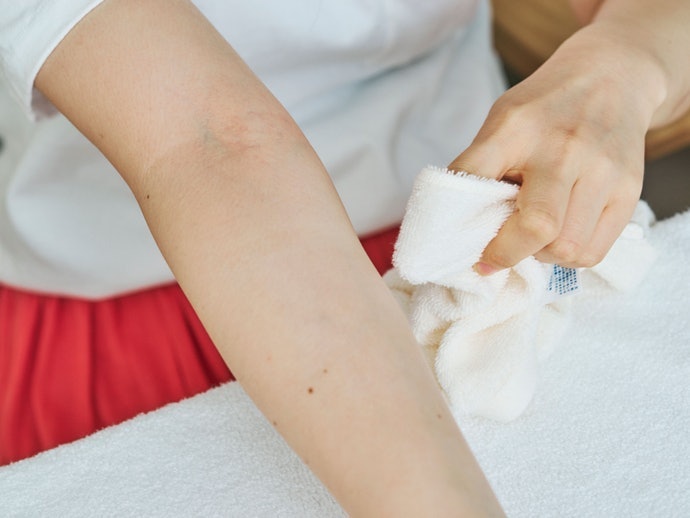
To assess resistance to friction, we tested how the sunscreen holds up when rubbed by clothing or a towel. After the product had fully settled on the skin, we rubbed the area with a towel about two times and checked how much of the sunscreen remained.
Weak Against Friction: Reapplication Needed Every 2–3 Hours
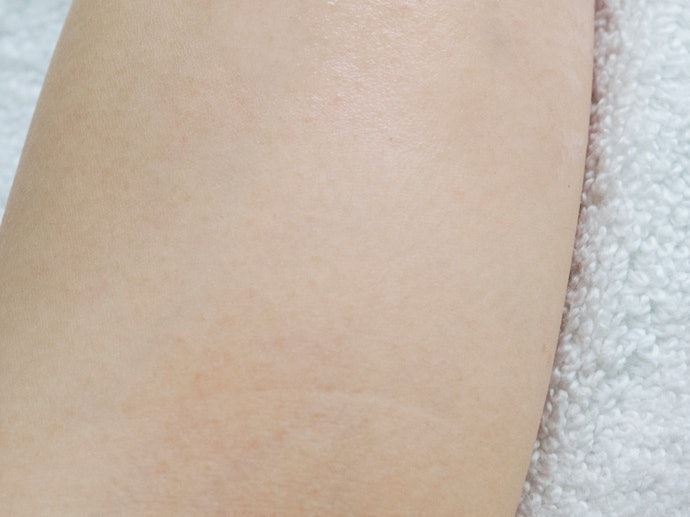
After rubbing the area with a towel, we found that most of the sunscreen had come off. Because it easily wears away when rubbed by towels or clothing, its resistance to friction is limited.
For areas like the face, which are less likely to be rubbed frequently, constant reapplication isn’t always necessary. However, if you’re spending long hours outdoors, it’s best to reapply about every two to three hours to maintain adequate sun protection.
Test 3: Water Repellency
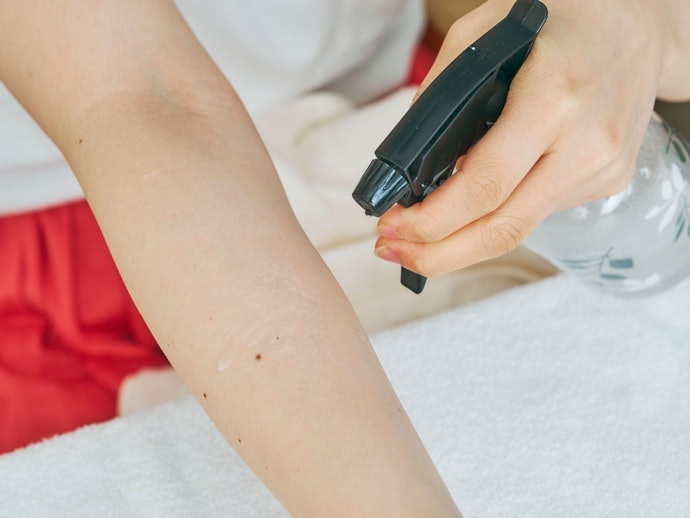
Next, we tested its water repellency to see how well it resists sweat.
We sprayed a simulated sweat mixture (horse oil and lukewarm water) onto an arm where the sunscreen had already been absorbed, then checked how well the product repelled the moisture.
Marketed as Waterproof, but Best Avoided for the Beach or Pool
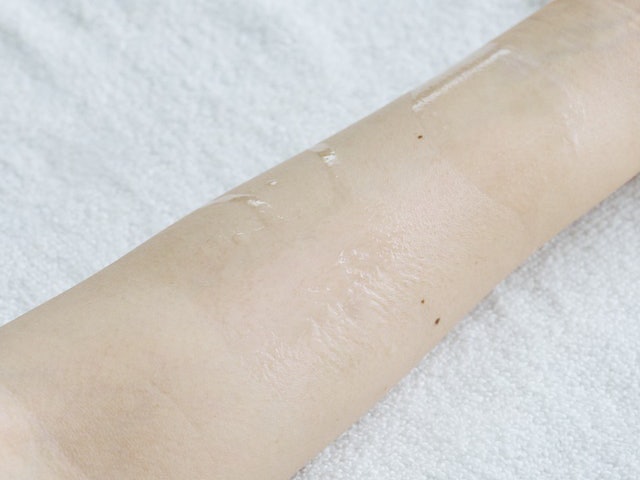
When we sprayed the simulated sweat onto the skin, the sunscreen washed off fairly easily. Although it’s labeled as waterproof, it wore away quickly, so using it at the beach or in the pool isn’t recommended.
That said, while it isn’t strong against water or sweat, its sun protection performance itself is still dependable. For this reason, it’s better suited for everyday use, where reapplication is easy and frequent touch-ups are manageable.
Test 4: Ease of Removal
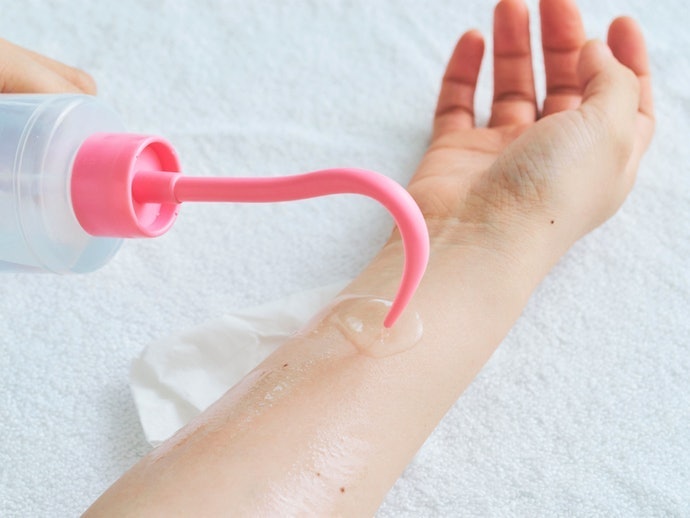
Next, we evaluated how easy it is to remove.
We applied the sunscreen to the inside of the arm and let it sit for a few minutes. Then, we placed a foaming body wash on the area and gently rubbed it two to three times before rinsing with water from a pitcher. After rinsing, we checked the skin to see whether the sunscreen had been removed cleanly.
Easy to Wash Off and Leaves No Residue
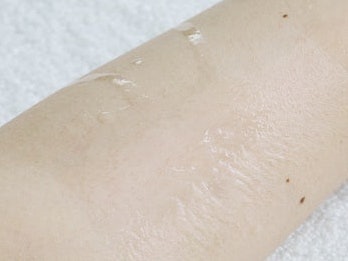
As the product claims to be easy to remove with soap, its wash-off performance was impressive. Even though it’s labeled as waterproof, most of the sunscreen came off with just a few gentle passes using a regular facial cleanser.
While it doesn’t offer strong water resistance, being able to remove it easily with your usual facial wash or body soap helps reduce stress on the skin. That said, given its UV protection level and the need for frequent reapplication, a double cleanse is a safer option to ensure no residue remains.
Test 5: Overall Usability

Finally, we evaluated how it feels to use. Since this is a sunscreen meant for everyday wear, comfort is an especially important factor.
To assess this, five staff members used the product themselves and checked how it felt on the skin, along with its scent and appearance after application.
Spreads Well Even in Small Amounts, but Can Feel Sticky if Overapplied
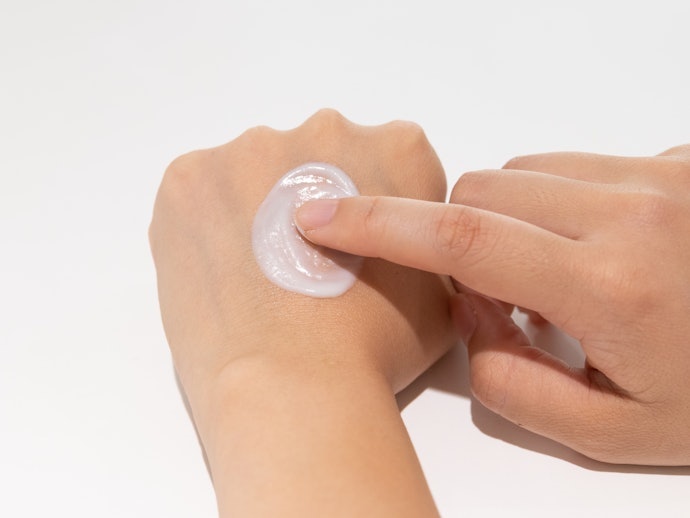
While you might expect a very light, watery feel, the texture is more gel-like and feels slightly heavier on the skin. Even a small amount spreads easily over a wide area, but a noticeable sticky feeling can remain after application, which may be a drawback for some users.
Applying too much at once tends to increase this stickiness. For best results, use a small amount and spread it thinly, gradually building coverage to keep the finish more comfortable.
Biore UV Aqua Rich Watery Essence Product Details
Features and benefits:
- Award-winning Japanese product loved by many
- Hydrates and protects with antioxidant ingredients
- Waterproof but easily rinses off with soap
- Provides strong UV protection
Reviews mention:
Many users say this sunscreen feels light and refreshing, even after hours outdoors. It’s often described as non-greasy and quick to absorb, with no white cast—something people with oily skin especially appreciate in humid weather. Some also mention they keep coming back to it because it’s reliable and comfortable to wear all day.
What’s the Difference Between Biore UV Aqua Rich Watery Essence and Gel?
The Biore UV Aqua Rich Gel has a texture that feels closer to a lightweight emulsion rather than a typical thick gel. It spreads smoothly and blends into the skin with ease. Thanks to its light-reflecting “brightening veil” effect, it helps make the skin look one tone brighter right after application, giving a more radiant finish.
If you prefer a lighter, more water-like texture, the Essence type may suit you better. On the other hand, if you want your skin to look slightly brighter and more even-toned, the Gel type is a good option. Choose based on your preferred texture and desired finish.