10 Best Retinol Serums in the Philippines 2026 | Buying Guide Reviewed by Dermatologist
Retinol is one of the most popular ingredients for addressing fine lines, uneven skin tone, and other signs of sun damage. But stronger isn't always better—using too much too soon can leave your skin dry, flaky, or irritated, especially if you're new to retinol.
In this guide, we'll explain how to choose a retinol serum based on concentration, supporting ingredients, and packaging, with insights from dermatologist Dr. Meg Sison. We've also rounded up some of the best retinol serums available on Shopee and Lazada.

Dr. Sison is a board-certified dermatologist who practices in the Philippines and sees both medical and cosmetic dermatological cases on skin, hair, and nails.

Angela is a writer, re-editor, and content planner with years of experience across different industries and formats. She has a passion for research and an eye for detail, and she puts both to work in every buying guide she writes, making sure readers walk away with honest, well-rounded recommendations they can rely on.
The expert oversees the Buying Guide only, and does not determine the products and services featured.
Why You Can Trust Us
Every mybest article is crafted with hours of in-depth research and interviews with experts. Each month, we are continually expanding our database of products based on our research. By emphasizing user insight and reliable information, we deliver trustworthy content to readers.
What Are the Benefits of Retinol?
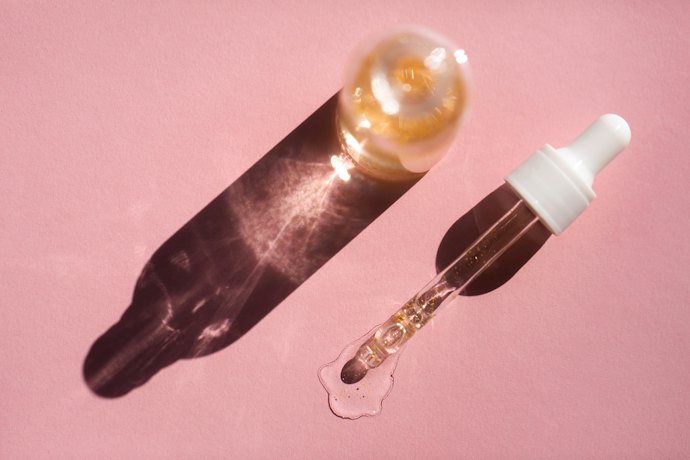
Retinol is a vitamin A derivative that can help improve fine lines, uneven skin tone, pigmentation, and skin texture. It works by increasing skin cell turnover and supporting collagen production, which can gradually improve signs of photoaging.
Results take time, so consistent use matters more than immediately choosing a high concentration.

Retinol is a type of retinoid that is an umbrella term for structural and functional analogs of vitamin A. Retinoids are classified according to first, second, or third generation. First-generation retinoids include tretinoin, isotretinoin, and alitretinoin. Second-generation retinoids are acitretin and etretinate. Third-generation retinoids include adapalene, tazarotene, and bexarotene.
Retinols (retinol esters) are over-the-counter retinoids commonly found in skin care products like moisturizers and serums. They are the least irritating among all retinoids, but they require three steps before they can be converted to tretinoin and see their benefits on the skin.
A Word of Caution: Avoid Retinol During Pregnancy; Consult Your Doctor if Breastfeeding

Retinol and other retinoids should be avoided during pregnancy. If you're pregnant or trying to conceive, check your skincare labels for retinol and other retinoids and discuss suitable alternatives with your dermatologist or obstetrician.
If you're breastfeeding, consult your doctor before using retinol. This is more accurate than broadly saying that pregnant and breastfeeding women cannot use it.
How to Choose a Retinol Serum - Buying Guide
Choose a Retinol Strength Based on Your Experience and Skin Tolerance
Now that you know what retinol can do, here's how to actually choose the right serum for your skin, including expert advice on incorporating it into your routine without irritation.
If You're New to Retinol, Start With 0.25% or Less to Build Tolerance
Higher retinol concentrations aren't automatically better. If you're new to retinol, start with 0.25% or less to give your skin time to adjust while still getting the benefits of the ingredient. Higher strengths are more likely to cause dryness, redness, and irritation.
Start by applying retinol a few nights per week, then gradually increase the frequency once your skin tolerates it well. There's no need to switch to a higher concentration unless your skin has adjusted and you feel your current formula no longer meets your needs.
For those who will be using retinol for the first time, start with the lowest concentration and use it twice a week before gradually increasing the frequency of usage.
Make sure to apply first on a small area (for example, back of ears or jawline) and observe for any reactions like stinging, burning, peeling, itching, or redness within 24 to 72 hours. You can also apply moisturizer before and after applying retinol to lessen the chances of skin irritation ("retinoid sandwich").
If You Already Tolerate Retinol Well, Consider 0.3% to 1% for More Noticeable Results
If you've been using a lower-strength retinol consistently without significant irritation, consider moving up to around 0.3%. There's no need to automatically work your way up to 1%, since stronger formulas can increase irritation without necessarily providing proportionally better results.
For those who want to use higher-strength retinol, start twice a week. You can also opt to use this 2 to three times a week instead of every night to lessen the chances of skin irritation. The retinoid sandwich technique is recommended to prevent skin irritation, redness, or peeling.
Look for Hydrating and Barrier-Supporting Ingredients to Help Minimize Dryness and Irritation
Retinol can cause dryness, peeling, and irritation, particularly when you’re first introducing it to your routine, which is why many serums are formulated with additional ingredients to make it easier to tolerate. Look for ingredients such as:
- Hyaluronic Acid: This draws water to the surface of your skin, keeping it plump and moisturized so dryness doesn't creep in.
Niacinamide: For oil control and hydration. It also helps soothe the skin and strengthen the skin barrier at the same time.
Ceramides: To lock moisture into your skin and to help with fine lines and other signs of aging.
Panthenol: This keeps the skin barrier intact, hydrates, and also has a calming effect for irritation.
For beginners, avoid introducing several potentially irritating actives at the same time. AHAs, BHAs, and benzoyl peroxide aren't universally incompatible with retinol, but using several strong actives together can increase irritation. Introduce products gradually so you can see how your skin responds.
Choose Opaque, Pump-Style Packaging to Preserve Potency
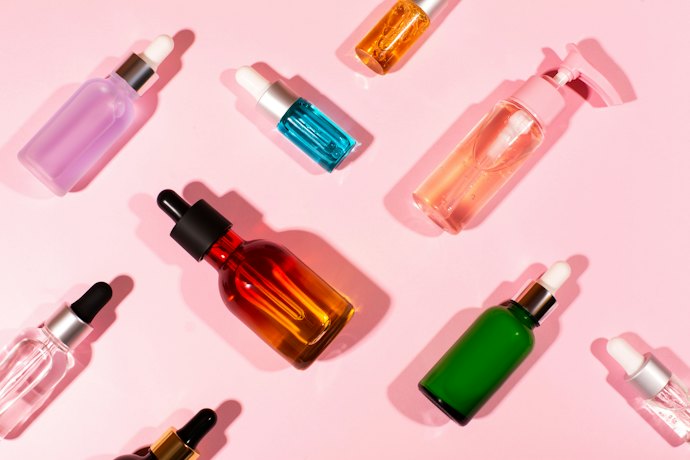
Retinol is sensitive to light and oxygen, which can gradually degrade the ingredient and reduce its stability. Look for an opaque or otherwise light-protective container rather than clear packaging that exposes the formula to light. Airless pumps or other containers that minimize repeated exposure to air are also useful.
Store the serum according to the manufacturer's directions and keep it away from excessive heat and direct sunlight. This is particularly relevant in the Philippines, where bathrooms and other storage areas can become warm and humid.
Look for retinol serums packaged in dark bottles or pumps, as they prevent the retinol from becoming unstable. Ensure that the dropper does not touch your face and neck when applying the retinol serum to prevent contamination by microorganisms. Your hands should also be clean before applying the product to your face and neck.
Disclaimer: These products are recommendations made by our team at mybest Philippines. Our expert, Dr. Meg Sison, is not affiliated with, nor is she endorsing any of the brands we mention below.
10 Best Retinol Serums to Buy Online
| Products | Image | Click to purchase | Popularity | Details | ||||||
|---|---|---|---|---|---|---|---|---|---|---|
Retinol Strength | Texture | Fragrance-Free | Non-Comedogenic | Packaging | Net Weight | |||||
1 | Retinol B3 Serum The Originote |  | No.1 | unknown | Lightweight, Fast-Absorbing, Hydrating | Pump Bottle | 20 mL | |||
2 | Clinical Pro Retinol Radiance Serum Luxe Organix |  | No.2 | 0.20% | Lightweight, Fast-Absorbing, Hydrating | Dropper Bottle | 30 mL | |||
3 | Hyper Retinol EX 1.0 Serum Isntree |  | No.3 | 0.10% | Lightweight, Fast-Absorbing, Hydrating | Dropper Bottle | 20 mL | |||
4 | 0.1 Gentle Retinol Serum Dr.Althea |  | No.4 | 0.10% | Lightweight, Fast-Absorbing, Hydrating, Non-Sticky | Pump Bottle | 30 mL | |||
5 | Retinol 24 Anti Aging Serum Olay |  | No.5 | unknown | Lightweight, Fast-Absorbing, Hydrating | Pump Bottle | 30 mL | |||
6 | Deep Repair Retinol Serum Belo Essentials |  | No.6 | 0.3% | Lightweight, Fast-Absorbing, Hydrating | Pump Bottle | 30 mL | |||
7 | Resurfacing Retinol Serum CeraVe |  | No.7 | unknown | Lightweight, Fast-Absorbing, Hydrating | Pump Bottle | 30 mL | |||
8 | Retinol + Ceramide Serum Dr. Sensitive |  | No.8 | unknown | Lightweight, Fast-Absorbing, Hydrating | Sachet | 10 mL | |||
9 | 0.3% Microencapsulated Retinol + Backuchiol + Ceramide Dermorepubliq |  | No.9 | 0.30% | Lightweight, Fast-Absorbing, Hydrating | Pump Bottle | 30 mL | |||
10 | Gentle 0.3% Retinol Serum Glow Glass |  | No.10 | 0.30% | Lightweight, Fast-Absorbing, Hydrating, Non-Sticky | Dropper Bottle | 30 mL | |||

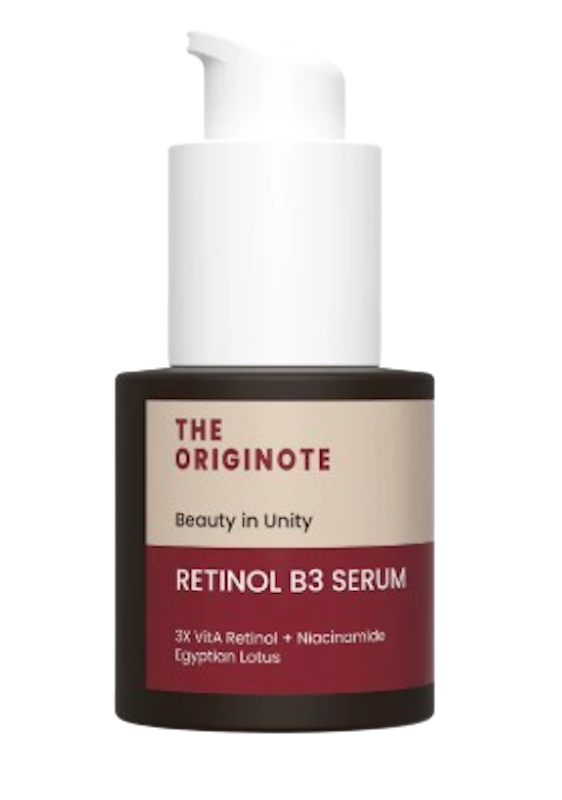
| Retinol Strength | unknown |
|---|---|
| Texture | Lightweight, Fast-Absorbing, Hydrating |
| Fragrance-Free | |
| Non-Comedogenic | |
| Packaging | Pump Bottle |
| Net Weight | 20 mL |
Luxe OrganixClinical Pro Retinol Radiance Serum

| Retinol Strength | 0.20% |
|---|---|
| Texture | Lightweight, Fast-Absorbing, Hydrating |
| Fragrance-Free | |
| Non-Comedogenic | |
| Packaging | Dropper Bottle |
| Net Weight | 30 mL |
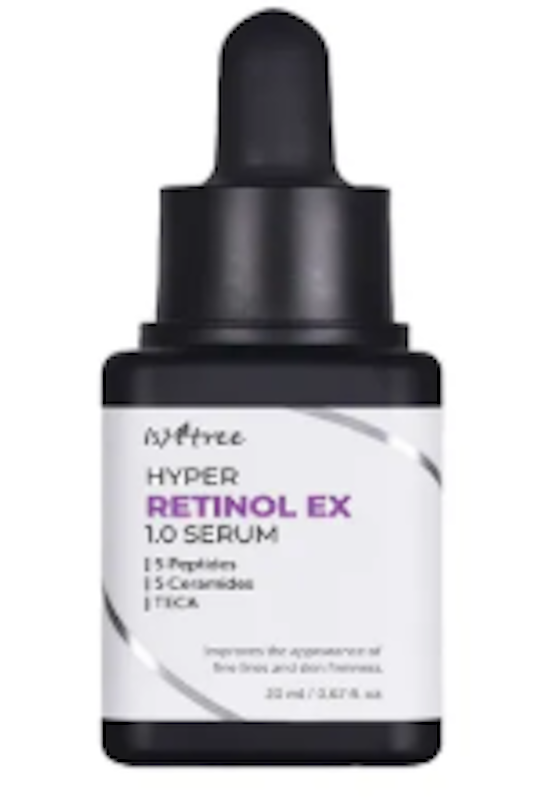
| Retinol Strength | 0.10% |
|---|---|
| Texture | Lightweight, Fast-Absorbing, Hydrating |
| Fragrance-Free | |
| Non-Comedogenic | |
| Packaging | Dropper Bottle |
| Net Weight | 20 mL |
Dr.Althea 0.1 Gentle Retinol Serum
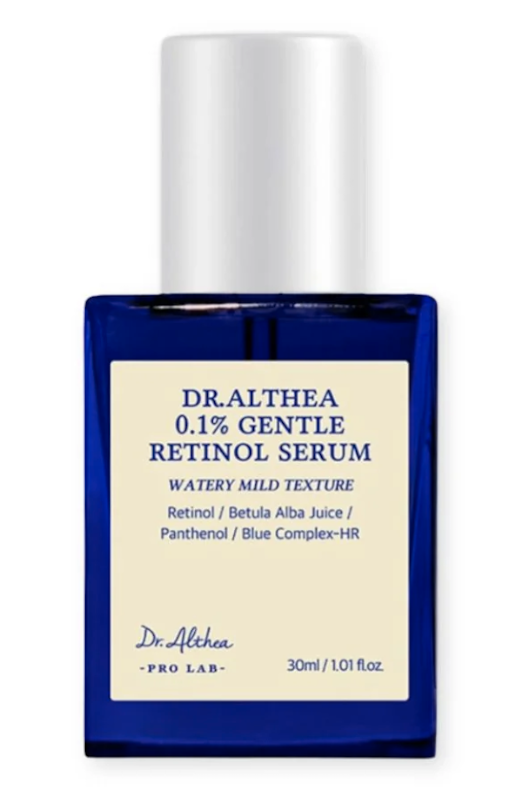
| Retinol Strength | 0.10% |
|---|---|
| Texture | Lightweight, Fast-Absorbing, Hydrating, Non-Sticky |
| Fragrance-Free | |
| Non-Comedogenic | |
| Packaging | Pump Bottle |
| Net Weight | 30 mL |
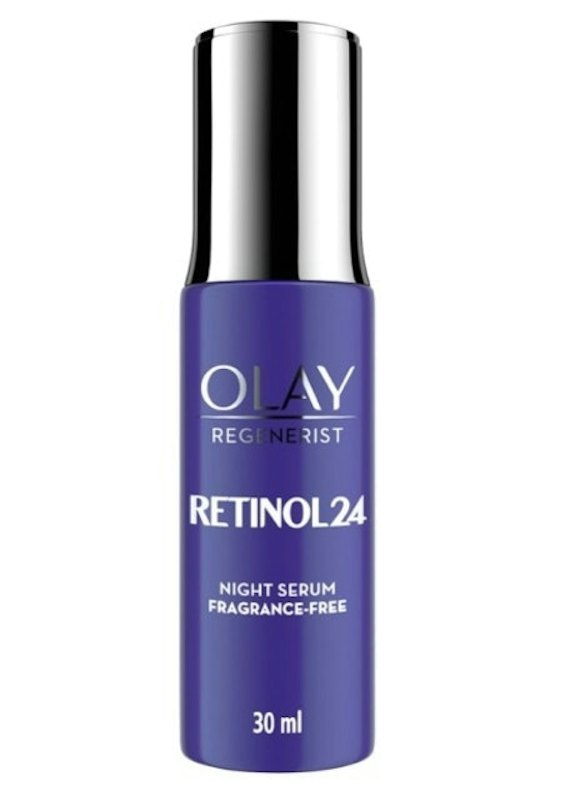
| Retinol Strength | unknown |
|---|---|
| Texture | Lightweight, Fast-Absorbing, Hydrating |
| Fragrance-Free | |
| Non-Comedogenic | |
| Packaging | Pump Bottle |
| Net Weight | 30 mL |
Belo EssentialsDeep Repair Retinol Serum
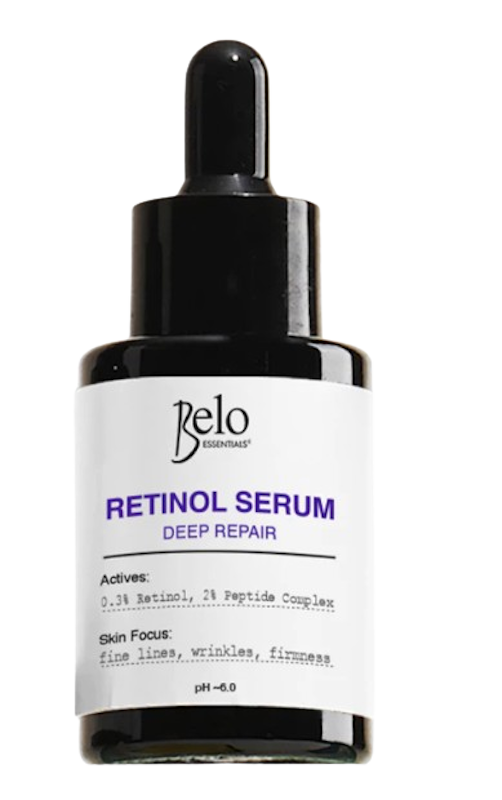
| Retinol Strength | 0.3% |
|---|---|
| Texture | Lightweight, Fast-Absorbing, Hydrating |
| Fragrance-Free | |
| Non-Comedogenic | |
| Packaging | Pump Bottle |
| Net Weight | 30 mL |
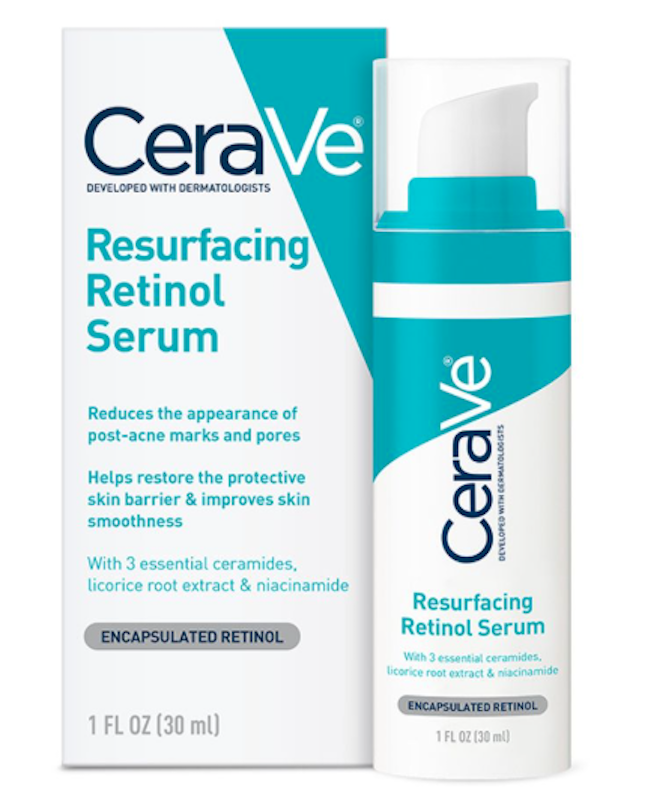
| Retinol Strength | unknown |
|---|---|
| Texture | Lightweight, Fast-Absorbing, Hydrating |
| Fragrance-Free | |
| Non-Comedogenic | |
| Packaging | Pump Bottle |
| Net Weight | 30 mL |
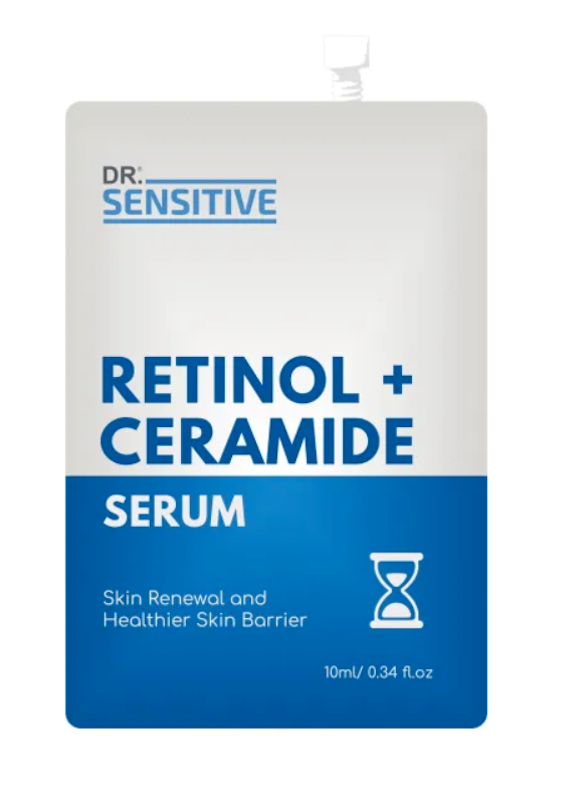
| Retinol Strength | unknown |
|---|---|
| Texture | Lightweight, Fast-Absorbing, Hydrating |
| Fragrance-Free | |
| Non-Comedogenic | |
| Packaging | Sachet |
| Net Weight | 10 mL |
Dermorepubliq0.3% Microencapsulated Retinol + Backuchiol + Ceramide
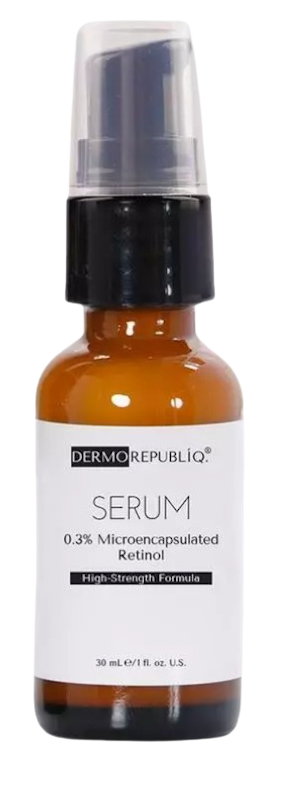
| Retinol Strength | 0.30% |
|---|---|
| Texture | Lightweight, Fast-Absorbing, Hydrating |
| Fragrance-Free | |
| Non-Comedogenic | |
| Packaging | Pump Bottle |
| Net Weight | 30 mL |
Glow GlassGentle 0.3% Retinol Serum
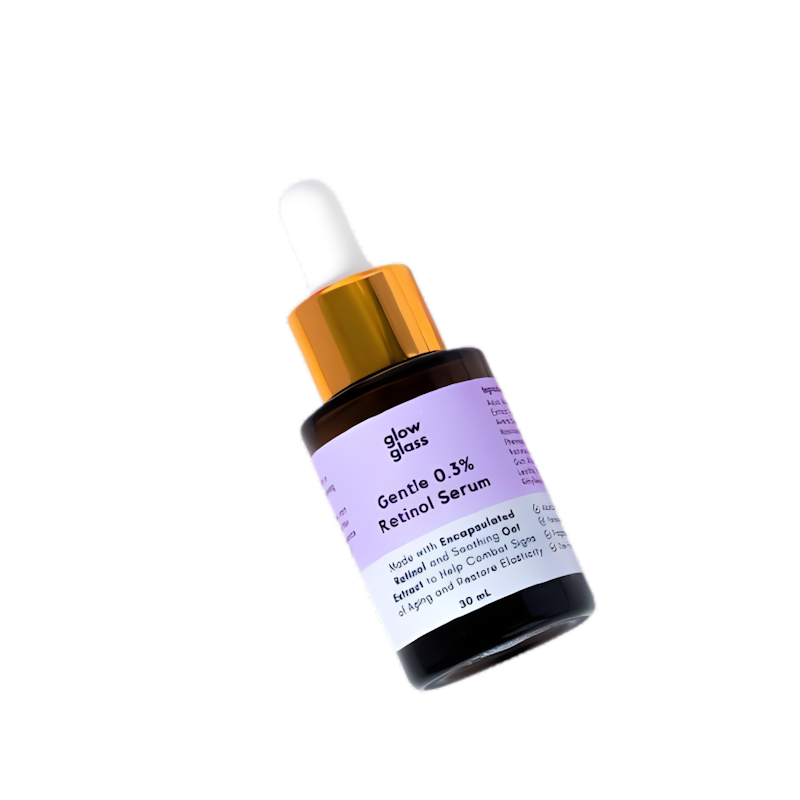
| Retinol Strength | 0.30% |
|---|---|
| Texture | Lightweight, Fast-Absorbing, Hydrating, Non-Sticky |
| Fragrance-Free | |
| Non-Comedogenic | |
| Packaging | Dropper Bottle |
| Net Weight | 30 mL |
Frequently Asked Questions Answered By Dr. Meg Sison
To jumpstart your journey to younger-looking skin, here are some of Dr. Meg SIson's answers to the most asked questions on the web!
What Other Skincare Can I Use Alongside Retinol Serum?
Retinol works best as part of a routine, not on its own. Pair it with a gentle, hydrating moisturizer to help offset dryness, especially while your skin is still adjusting. During the day, broad-spectrum sunscreen isn't optional, retinol increases your skin's sensitivity to the sun, so skipping sunscreen can undo the progress you're making and lead to further irritation or pigmentation. If your skin still feels tight or flaky despite moisturizing, consider applying retinol every other night instead of daily until your skin adjusts.
Does Retinol Serum Cause Purging?
Retinol can cause a temporary increase in breakouts for some people, though not everyone experiences this. This happens because retinol speeds up cell turnover, which can bring underlying congestion to the surface faster than usual. True purging typically shows up in areas where you already tend to break out, and it usually settles within a few weeks as your skin adjusts.
Dryness, redness, and peeling are also common when first introducing retinol, and these are different from purging, they're signs your skin is still acclimating to the ingredient itself. If irritation is severe, persistent, or continues to worsen instead of improving over time, stop using the product and consult a dermatologist rather than assuming every reaction is normal purging. Breakouts that show up in new areas, or that come with intense burning or swelling, are also worth having a dermatologist take a look at rather than waiting it out.
When Is The Best Time to Use Retinol Serum?
Retinol is generally best incorporated into your nighttime skincare routine. Retinol itself can be unstable when exposed to light, so nighttime application also helps protect the formula from unnecessary light exposure.
Apply it as directed by the product, then use moisturizer if needed. During the day, wear broad-spectrum sunscreen to protect your skin from UV damage.
All You Need for Glowing Skin
Retinol isn't the only skincare ingredient to maintain youthful-looking and glowing skin. If you're not a fan of retinol or want a much gentler alternative, here are other skincare products you could use!


Re-editor: Danielle Trinidad
How We Chose and Ranked Our Product Recommendations
Our buying guide was carefully researched and crafted by the mybest team of writers and editors, in collaboration with the expert featured in this article. We used the buying guide as a basis for choosing and ranking the product recommendations, and we looked at reviews and ratings from different E-commerce sites like Lazada, Shopee, and more.
The descriptions of each product are referenced from content available on manufacturer, brand, and e-commerce sites.