10 Best Exfoliators in the Philippines 2026 | Buying Guide Reviewed By Dermatologist
Exfoliation sloughs away dead skin cells, resulting in a much-improved appearance of the skin. Fortunately, with these wonder products called physical and chemical exfoliators, the glowing and smoother skin we all dream of is now easier to achieve. What's more, is that some exfoliators can be used on the face, neck, body, and underarms!
However, with the plethora of options available in the market, it can be tricky to pick one. Hence, we have crafted a top 10 list of recommendations to help you score the most suitable exfoliator for your skin. We also included a buying guide and some tips to help you narrow down your choices—with insights and tips from board-certified dermatologist Dr. Aznaida L. Tawagon-Pandapatan!

Graduated Dermatology Residency from the University of the Philippines-Philippine General Hospital (UP-PGH), Dr. Aznaida L. Tawagon-Pandapatan is a Fellow of the Philippine Dermatological Society. She is the co-founder of Pandapatan Dermatology Clinic in Marawi City. She is also a part-time faculty of Xavier University-JPRSM in Cagayan de Oro. She is passionate about skin health and skincare, and dreams of world peace.

Our recommendation articles are carefully researched and crafted by the mybest Philippines team of writers and editors. To stay true to our company’s mission and vision to help users’ selection process easier, we also collaborate with experts from various fields to ensure that our content stays factual and useful.
The expert oversees the Buying Guide only, and does not determine the products and services featured.
Why You Can Trust Us
Every mybest article is crafted with hours of in-depth research and interviews with experts. Each month, we are continually expanding our database of products based on our research. By emphasizing user insight and reliable information, we deliver trustworthy content to readers.
Benefits of Exfoliation
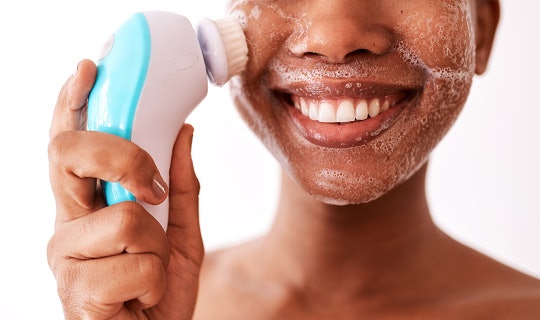
The skin naturally exfoliates on its own, but this process tends to slow down as we age. There are also instances when dead skin cells do not shed fully, leaving your skin with dry and flaky patches. Using an exfoliator, especially for rough and bumpy skin, can help speed up the shedding of dead skin cells and encourage the turnover of new ones for smoother and more radiant skin.
Exfoliation can also improve the efficacy of other skincare products you're using, as it can let them penetrate your skin deeper without being hindered by any barrier. On top of that, it can also offer deeper cleansing. It can wash away deep-seated grime and dirt that your cleanser might have missed, and it improves blackheads as well.

The keratinocytes in our epidermis have a cell turnover of about 40-50 days. This process slows down as we grow older. Also, due to some factors (hormones, environmental), some of the keratinocytes do not separate from their neighboring cells properly, thus giving us rough, dull skin. And this is where exfoliants can help us to get healthier, smoother skin.
How to Choose an Exfoliator - Buying Guide
Here are some key points to consider:
- Select active ingredients based on your skin concerns and skin type
- Physical and chemical: choose from the two types of exfoliators
- Face or body: check the scope of the exfoliator
For more detailed information, read through our buying guide below.
Select Active Ingredients Based on Your Skin Concerns and Skin Type
When choosing an exfoliator, it is necessary to take your skin type into account. This way, you can minimize the risk of irritation, and it can let you achieve your desired result. Whether you have dry, oily, or combination skin, or if you have specific concerns, know which type of exfoliator is best for you in the section below.
Dark Spots: Look for Exfoliators With Vitamin C, Honey, and Other Lightening Ingredients
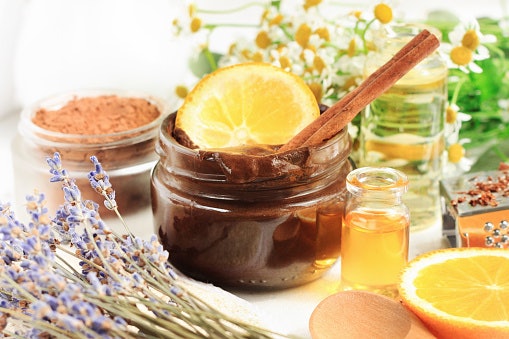
If one of your aims is to reduce dark spots and blemishes and achieve a glowing complexion, opt for exfoliants with ingredients like honey, vitamin C, vitamin E, ground almond, and cornmeal. These ingredients are packed with antioxidants that help fight free radical damage. They also have anti-inflammatory properties that can aid in wound healing and lightening of acne scars and dark spots.
Other beneficial ingredients are ginseng and Tasmanian pepperberry, which help with circulation in your skin's blood vessels, leading to an even and radiant skin tone. Aside from that, they have the added advantage of being able to stimulate collagen production.
Dry Skin: Go for Chemical Exfoliators With Glycolic Acid, Avoid Physical Exfoliators
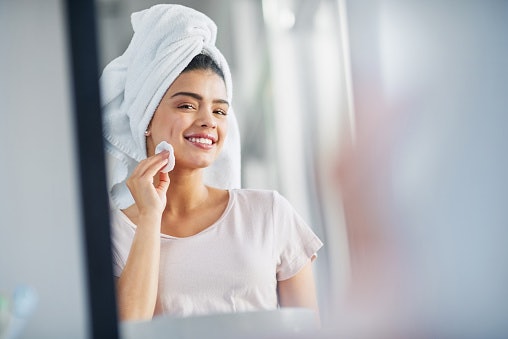
If your skin is leaning more on the dry side, it is ideal to look for gentle chemical exfoliators with glycolic acid. Among all alpha-hydroxy acids, glycolic acid has the tiniest molecules that allow them to deeply penetrate and exfoliate the skin effectively. It's also good to try exfoliants with nourishing ingredients like vitamin B, shea butter, ceramides, coconut extract, and aloe vera.
These ingredients help boost the hydration levels in your skin and add extra value for those with dry skin or those who are prone to developing dry and flaky patches. It's also best to avoid physical exfoliators that can be too harsh and cause microtears in your skin.
AHAs like lactic and glycolic acids in low percentages can be good for home use. For those with dry skin, it is still best to find a formula with moisturizers incorporated in them to avoid getting irritated. Look for shea butter, glycerine, avocado oil, and the like in the ingredient list.
Oily and Acne-Prone Skin: Try Salicylic-Infused Exfoliators and Grain-Based Scrubs, Avoid Comedogenic Ingredients

Overproduction of sebum clogs the pores and has the tendency to cause acne and blackheads. Hence, your best bet is to avoid exfoliants with comedogenic ingredients like lanolin or argan oil. Instead, look for exfoliators that are infused with salicylic acid. This beta-hydroxy acid does not just get rid of dead skin cells but also deeply penetrates and unclog pores.
Stronger exfoliators are more recommended to people with oily skin than those with dry skin. So if you have oily skin, you can also use physical exfoliants like grain-based scrubs, as long as they're used gently and within the right frequency.
The BHA salicylic acid is great in penetrating sebum, thus best used by people with oily or combination skin (oily T-zone) or those who have acne. As a beginner, you may opt for short-contact products like wash-off masks or cleansers with salicylic acid. Once you have established that you can tolerate it, you may shift to leave-on toners or moisturizers with salicylic acid content.
Combination Skin: Pick Ones With AHA and BHA, Avoid Those That Contain Alcohol

If you both have oily and dry sections on your face, you have a combination skin type. Thus, you can look for chemical exfoliators infused with both AHA and BHA. Salicylic acid can help unclog pores, while glycolic acid can hydrate skin.
It can be tricky to manage combination skin, as you have to deal with the specific concerns of both dry and oily skin. However, one thing is for sure - avoid products that contain alcohol, which can irritate both skin types. Always go for gentle formulations to prevent causing areas of sensitivity.
Combination AHA-BHA exfoliators are best for those who have resilient skin. If you have sensitive skin, best to stick with a single type of exfoliant as these combination types have the potential to irritate your skin. Even for those with resilient skin, go slow. Also, don't forget to do a patch test first prior to using these on your face.
Physical and Chemical: Choose From the Two Types of Exfoliators
Exfoliators can be classified as either physical or chemical. Physical exfoliants require manual scrubbing of the skin to get rid of dead skin cells, while chemical exfoliants use acids to break the bonds between the cells in the top layer of the skin. As discussed above, the kind of formulation you choose will depend on your skin concerns.
For Physical Exfoliators, Choose Ones With Fine Grains, and Avoid Plastic Microbeads
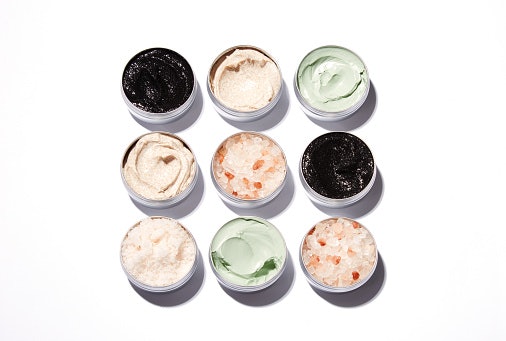
While physical exfoliants deliver quicker results, they can be harsh on the skin. If you do decide to go for a physical type, make sure it is fine-grained and gentle. It's best to avoid those with plastic microbeads, as they tend to be more abrasive on the skin, as well as more harmful for the environment. Natural grains like sugar, strawberry seeds, and bamboo granules are a better option.
Physical exfoliators like beads, sugar, oatmeal, washcloths, and others, need to be scrubbed to the skin to dislodge epidermal cells manually. But this type of exfoliation is not ideal for those with sensitive skin.
Chemical Exfoliators for Gentler Exfoliation
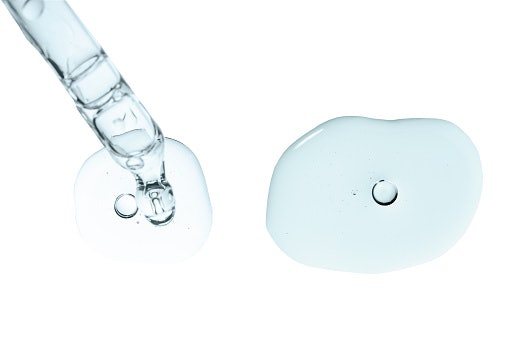
On the other hand, chemical exfoliants work without the need for physical scrubbing. They’re considered the gentler option between the two. They are usually composed of chemicals like alpha or beta hydroxy acids that dissolve dead skin cells to reveal the new layer of skin underneath.
Chemical exfoliants at home include fruit enzymes, AHAs, and BHAs. There are other chemicals that are commonly used in dermatological clinics such as phenol, which should never be used at home.
Face or Body: Check the Scope of the Exfoliator
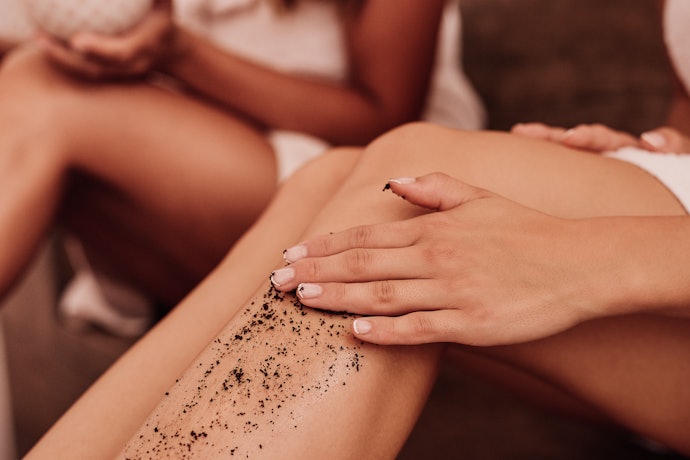
While it may seem convenient and economical to just use the same exfoliator for your entire body and face, it might cause more harm than good. Exfoliators formulated for the body tend to contain stronger chemical concentrations that may be too harsh for your face.
The skin in your face is also more delicate than the other parts of your body, so using harsh products may cause irritations and even breakouts. On the other hand, using a face exfoliator for your body may not cause harm, but it might not be that effective as well.
Face exfoliants generally contain lower percentages of chemical exfoliants or finer beads. So always check if the exfoliator you are purchasing is for the body or for the face. Body exfoliators should never be used for the face unless specified in the product to be safe for face use.
10 Best Exfoliators to Buy Online
| Products | Image | Click to purchase | Popularity | Details | ||||
|---|---|---|---|---|---|---|---|---|
Type | Best for | Key Ingredients | Net Weight | |||||
1 | Skin Perfecting 2% BHA Liquid Exfoliant Paula's Choice |  | No.1 | Chemical | Oily Skin, Combination Skin, Acne-Prone Skin | Salicylic Acid, Green Tea Extract, Methylpropanediol | 118 mL | |
2 | Dermo Duo for Exfoliation Dermorepubliq |  | No.2 | Chemical | Oily Skin, Combination Skin, Acne-Prone Skin, Not for Sensitive | 5% Glycolic Acid, Niacinamide, Glycerin | 30 mL | |
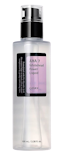
3 | AHA 7% Whitehead Power Liquid COSRX |  | No.3 | Chemical | Oily Skin, Combination Skin, Dry Skin, Not for Sensitive | 7% Glycolic Acid, Apple Fruit Water, Niacinamide, Panthenol | 100 mL | |
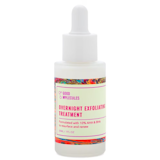
4 | Overnight Exfoliating Treatment Good Molecules |  | No.4 | Chemical | All Skin Types, Combination Skin, Oily Skin, Acne-Prone Skin | Glycolic Acid, Lactic Acid, Salicylic Acid, Hyaluronic Acid, Glycerin | 30 mL | |
5 | 2% BHA Exfoliating Toner Klued |  | No.5 | Chemical | Oily Skin, Acne-Prone Skin, Combination Skin | 2% Salicylic Acid, Panthenol, Glycerin | 100 mL | |
6 | B5 Peeling Solution The Originote |  | No.6 | Chemical | All Skin Types, Combination Skin, Oily Skin | AHA, BHA, PHA, Vitamin B5, Glycerin | 30 mL | |
7 | Purifying Facial Scrub Human Nature |  | No.7 | Physical | All Skin Types, Oily Skin, Combination Skin | Bamboo Beads, Bamboo Charcoal, Glycerin, Coconut-Derived Cleansers | 50 g | |
8 | Skin Purifying Peeling Gel Hello Glow |  | No.8 | Physical | All Skin Types, Sensitive Skin | Cellulose, Aloe Vera Extract, Glycerin | 200 mL | |
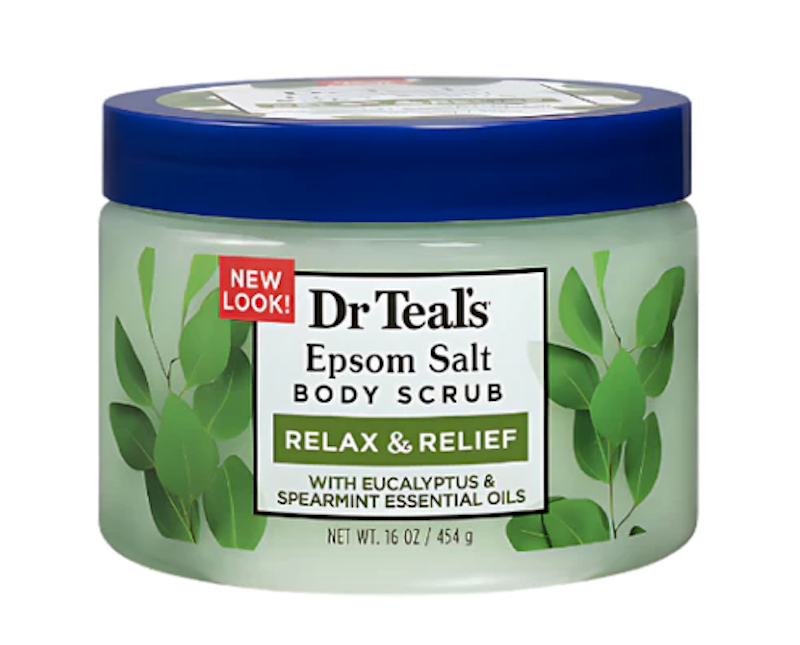
9 | Epsom Salt Body Scrub, Relax & Relief With Eucalyptus & Spearmint Dr Teal's |  | No.9 | Physical | All Skin Types, Dry Skin | Epsom Salt, Eucalyptus Essential Oil, Spearmint Essential Oil, Aloe Vera, Shea Butter, Vitamin E | 454 g | |
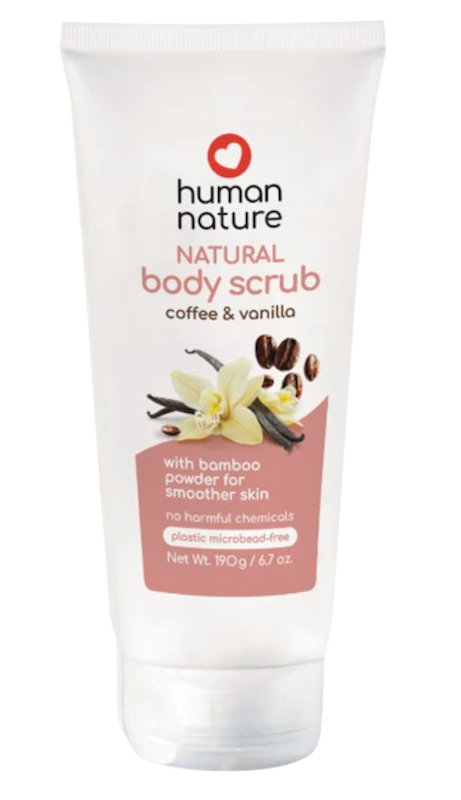
10 | Coffee & Vanilla Body Scrub Human Nature |  | No.10 | Physical | All Skin Types, Dry Skin | Coffee Grounds, Coconut Oil, Sunflower Oil, Vanilla Extract | 190 g | |

Paula's Choice Skin Perfecting 2% BHA Liquid Exfoliant

| Type | Chemical |
|---|---|
| Best for | Oily Skin, Combination Skin, Acne-Prone Skin |
| Key Ingredients | Salicylic Acid, Green Tea Extract, Methylpropanediol |
| Net Weight | 118 mL |
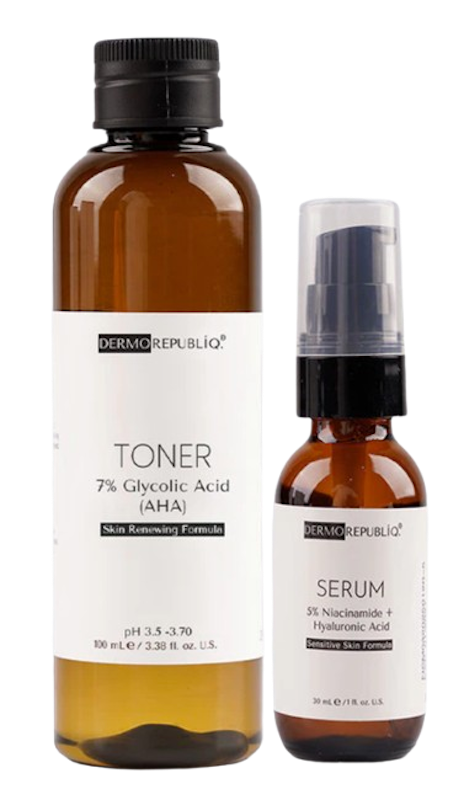
| Type | Chemical |
|---|---|
| Best for | Oily Skin, Combination Skin, Acne-Prone Skin, Not for Sensitive |
| Key Ingredients | 5% Glycolic Acid, Niacinamide, Glycerin |
| Net Weight | 30 mL |
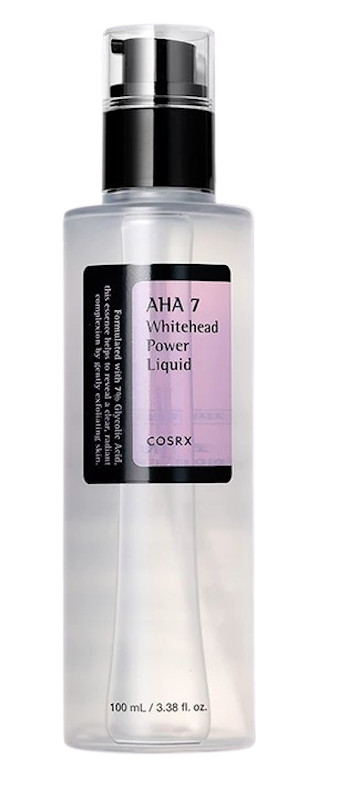
| Type | Chemical |
|---|---|
| Best for | Oily Skin, Combination Skin, Dry Skin, Not for Sensitive |
| Key Ingredients | 7% Glycolic Acid, Apple Fruit Water, Niacinamide, Panthenol |
| Net Weight | 100 mL |
Good Molecules Overnight Exfoliating Treatment

| Type | Chemical |
|---|---|
| Best for | All Skin Types, Combination Skin, Oily Skin, Acne-Prone Skin |
| Key Ingredients | Glycolic Acid, Lactic Acid, Salicylic Acid, Hyaluronic Acid, Glycerin |
| Net Weight | 30 mL |
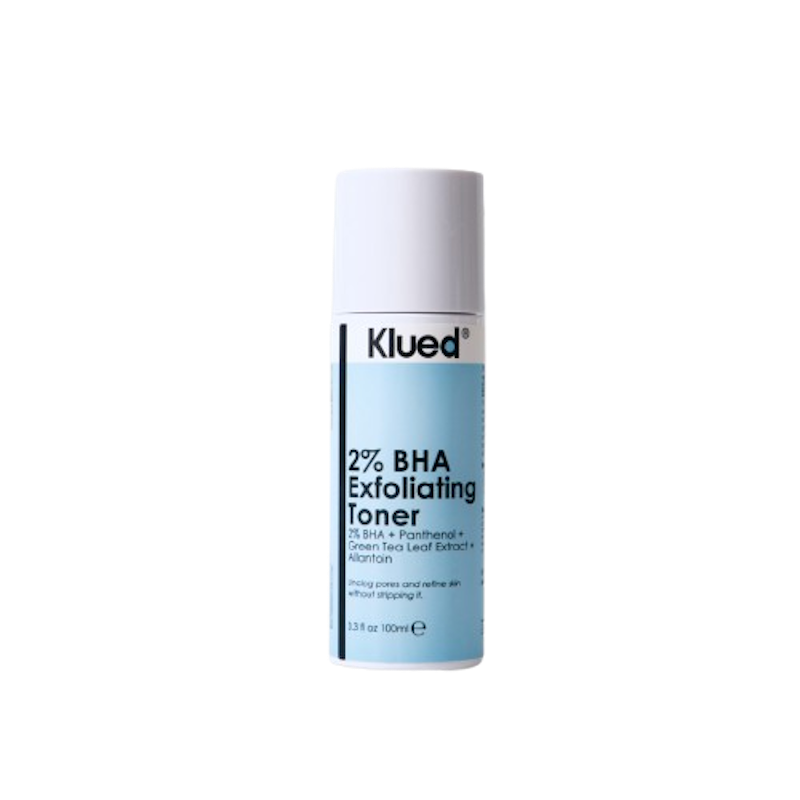
| Type | Chemical |
|---|---|
| Best for | Oily Skin, Acne-Prone Skin, Combination Skin |
| Key Ingredients | 2% Salicylic Acid, Panthenol, Glycerin |
| Net Weight | 100 mL |
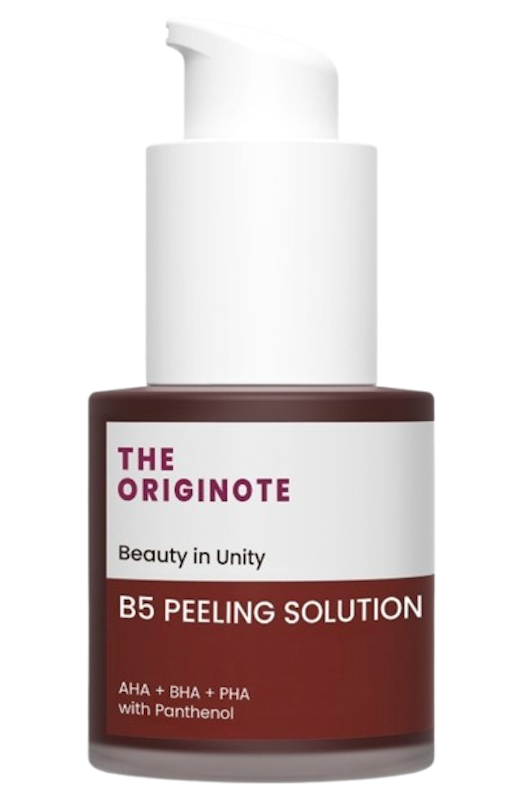
| Type | Chemical |
|---|---|
| Best for | All Skin Types, Combination Skin, Oily Skin |
| Key Ingredients | AHA, BHA, PHA, Vitamin B5, Glycerin |
| Net Weight | 30 mL |
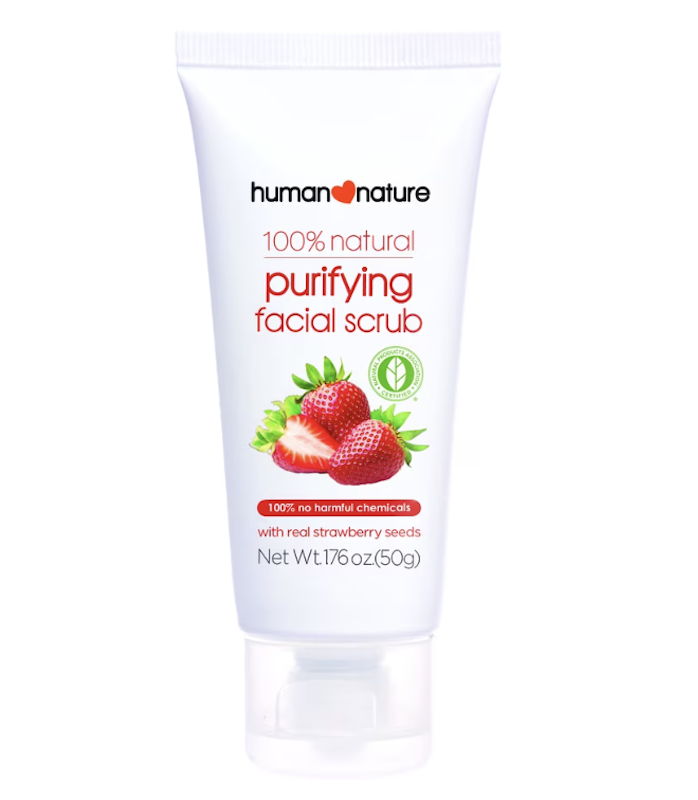
| Type | Physical |
|---|---|
| Best for | All Skin Types, Oily Skin, Combination Skin |
| Key Ingredients | Bamboo Beads, Bamboo Charcoal, Glycerin, Coconut-Derived Cleansers |
| Net Weight | 50 g |
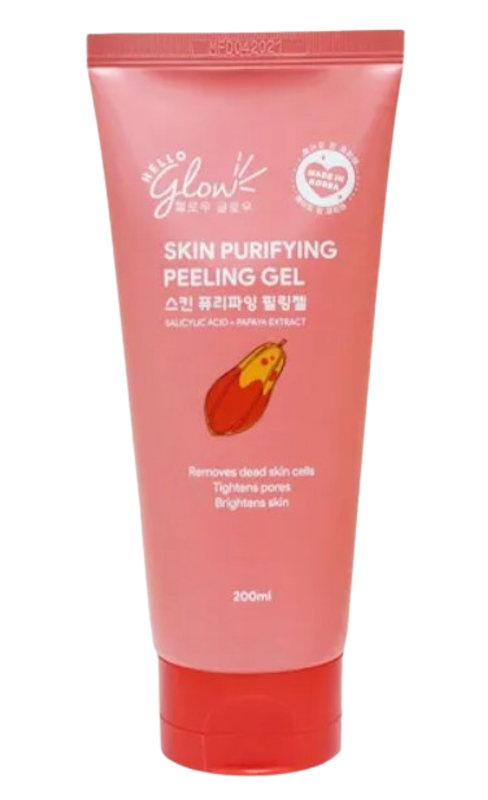
| Type | Physical |
|---|---|
| Best for | All Skin Types, Sensitive Skin |
| Key Ingredients | Cellulose, Aloe Vera Extract, Glycerin |
| Net Weight | 200 mL |
Dr Teal'sEpsom Salt Body Scrub, Relax & Relief With Eucalyptus & Spearmint
| Type | Physical |
|---|---|
| Best for | All Skin Types, Dry Skin |
| Key Ingredients | Epsom Salt, Eucalyptus Essential Oil, Spearmint Essential Oil, Aloe Vera, Shea Butter, Vitamin E |
| Net Weight | 454 g |
Human NatureCoffee & Vanilla Body Scrub
| Type | Physical |
|---|---|
| Best for | All Skin Types, Dry Skin |
| Key Ingredients | Coffee Grounds, Coconut Oil, Sunflower Oil, Vanilla Extract |
| Net Weight | 190 g |
Exfoliating Tips from Dr. Aznie
While exfoliation can provide benefits to your skin, it may also cause harm when done incorrectly. Below are some things to keep in mind to make the most out of your exfoliator.
Consider the Existing Skin Products You Use
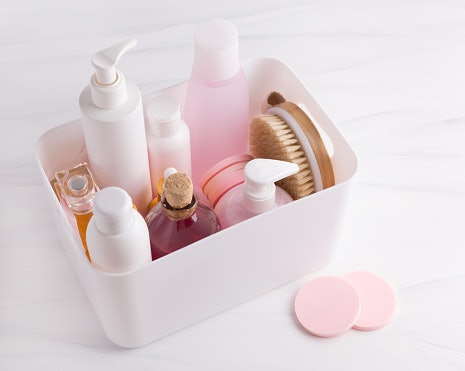
If you have acne or are on an anti-aging regimen, you most likely have either benzoyl peroxide or retinoids (adapalene, tretinoin, retinol, retinal) in your regimen. These will already give you good cell turn-over and there is no need to use additional exfoliants, as these can result in irritations and even erosions. If you think you will still benefit from exfoliants, talk to a dermatologist first.
Do: Best Exfoliation Practices
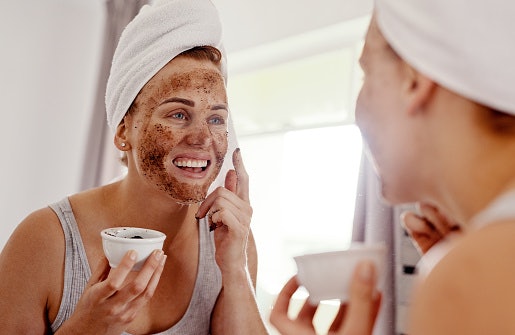
It is always best to do a patch test prior to using chemical or physical exfoliants. Make sure to wash them off completely with every use. Bland moisturizers are a must after each exfoliation session—look for a good balance of humectants and occlusives.
If you have tried your own regimen and you feel it is not working for you, it is always best to consult a board-certified dermatologist. There could be other important factors that the derm will be able to help you with. The derm will be able to find these out upon complete physical examination (in person or online) and upon complete medical history.
Dont's: What Habits Should Be Avoided
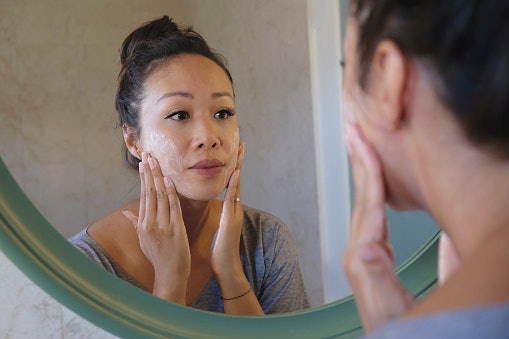
If you have sensitive skin, stick to low-percentage, wash-off, chemical exfoliants and avoid leaving them on for more than 10 minutes. You should also avoid physical exfoliants. If you find a chemical exfoliant that works for you, stick with it. Do not experiment with using physical and chemical exfoliants at the same time.
If you have retinoids and benzoyl peroxide in your regimen, ask a board-certified dermatologist first if you can still benefit from exfoliants and which exfoliant can be safe to add to your regimen.
Only Use One Exfoliant
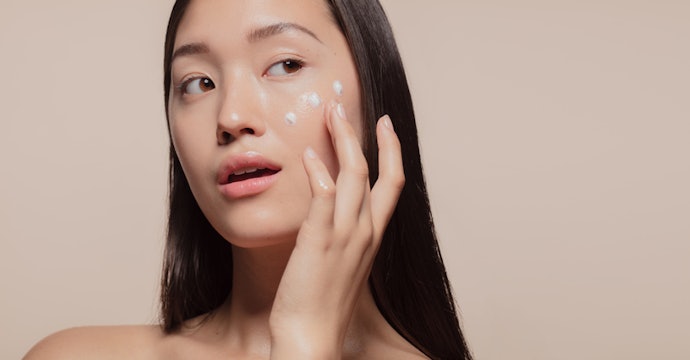
Exfoliants do help our epidermal keratinocytes to shed off effortlessly, but we should always be careful in using too many exfoliants on our skin. Check your current regimen—it is best to have just one exfoliant in there.
For example, if you have a cleanser with glycolic acid, a sunscreen with salicylic acid, and a moisturizer with lactic acid, chances are you might be over-stripping your skin, and this may lead to irritation, flaking, itchiness, or even hyperpigmentation. Ideally, keep only one and drop the other two. If you cannot decide which one to keep, consult a board-certified dermatologist, we have your best interests at heart!
Frequently Asked Questions Answered By Dr. Aznaida L. Tawagon-Pandapatan
Learn more about exfoliators as Dr. Aznaida answers some of the most asked questions on the internet!
When and How Often to Exfoliate the Face?
Exfoliants are best used at night, twice a week. For those with resilient skin, they can tolerate exfoliants every other night or even nightly.
When in the Skincare Routine is It Best to Exfoliate the Skin?
- Remove make-up and use a mild cleanser first.
- Pat dry face with towel.
- Apply chose exfoliant, avoid the sensitive eye areas, nasal mucosa, and lips.
- Leave on for 5-10 minutes or as advised by your dermatologist.
- Once time is up, use a soft cotton sheet to gently remove the product from the face, avoiding the eye areas, before washing it off completely with mild soap and water.
What to Do After Exfoliating?
Always apply a bland moisturizer. Do not apply other harsh products such as those containing alcohol, other acids (in toners), benzoyl peroxide, or retinoids. You may apply your retinoids the 1-2 days after.
More Recommendations for Your Skincare Routine
Whether you have normal, oily, dry, combination, or sensitive skin, there are skincare products that are specifically formulated for you. Check out these articles featuring various skincare items, such as moisturizers, toners, sunscreens, and Korean eye creams, which you can add to your routine!


Author: R. Victoriano
Editor: A. Mangulabnan
How We Chose and Ranked Our Product Recommendations
Our buying guide was carefully researched and crafted by the mybest team of writers and editors, in collaboration with the expert featured in this article. We used the buying guide as a basis for choosing and ranking the product recommendations, and we looked at reviews and ratings from different E-commerce sites like Lazada, Shopee, and more.
The descriptions of each product are referenced from content available on manufacturer, brand, and e-commerce sites.