10 Best Moisturizers for Acne-Prone Skin in the Philippines 2026 | Buying Guide Reviewed by Dermatologist
You might think you could skip moisturizers to avoid aggravating acne, but in skincare, moisturizers are a must, no matter what your skin type is! Acne is a bummer, especially if you're well past the age of puberty.
We're pretty sure you have conducted countless trials and errors on skincare products to find one that you would be hiyang to. If you still haven't found the right one for you, we're here to help! Check out our buying guide with tips and comments from a board-certified dermatologist, plus our picks for the best moisturizers for acne-prone skin you can get in Lazada and Shopee!

Dr. Katrina Habaluyas Luz is the face behind Ask Your Derma. She is a board-certified dermatologist in Metro Manila. She is also an educator and digital creator on all things skin, hair, and nails. She is a Diplomate of the Philippine Dermatological Society and offers online video consultations. You can also catch her on her Instagram, Facebook, and YouTube channel.

Our recommendation articles are carefully researched and crafted by the mybest Philippines team of writers and editors. To stay true to our company’s mission and vision to help users’ selection process easier, we also collaborate with experts from various fields to ensure that our content stays factual and useful.
The expert oversees the Buying Guide only, and does not determine the products and services featured.
Why You Can Trust Us
Every mybest article is crafted with hours of in-depth research and interviews with experts. Each month, we are continually expanding our database of products based on our research. By emphasizing user insight and reliable information, we deliver trustworthy content to readers.
How to Choose a Moisturizer for Acne-Prone Skin - Buying Guide
There are several important factors that influence how well a moisturiser works for acne-prone skin. Let our guide below walk you through the key points to consider when choosing the best moisturiser to keep your skin hydrated and clear.
Look for Ingredients Beneficial for Acne
Having acne-prone skin does not mean you skip out on skincare entirely in hopes of avoiding a breakout. You just have to look for ingredients that could soothe acne instead of irritating it.
Exfoliants May Help Improve Acne

Exfoliating ingredients could be used to improve the appearance of skin as it removes dead skin cells with a fresh layer. Notable ones include salicylic acid, a type of beta hydroxy acid, or BHA, which is beneficial for acne-prone skin. It helps exfoliate skin and unclog pores to prevent the buildup of excess sebum and blackheads.
Alpha hydroxy acid, or AHA, is also helpful, as it helps remove dead skin, which can gently remove excess sebum and clogged pores. It is also great for improving fine lines and wrinkles. Glycolic acid or lactic acid are common types of this acid.
Retinol, touted as an anti-aging ingredient, is also helpful for acne. This helps in reducing breakouts by promoting cell turnover and preventing acne. It also cleans pores, which reduces the onset of blackheads and whiteheads.

Acne tends to definitely be quite stubborn! In order to understand what ingredients would work for it, here's a little summary of the mechanism behind acne. Acne is formed by a complex process following 4 factors:
- The buildup of oil or sebum
- Hyperkeratinization or development of clogged skin pores
- Bacteria (Cutibacterium acnes) in the skin
- Inflammation
Exfoliants, particularly chemical exfoliants, target factor #2, hyperkeratinization. Moisturizers have now been incorporated with ingredients such as salicylic acid, glycolic acid, and even retinol. Salicylic acid is particularly popular given it has comedolytic effects and anti-inflammatory capability. In addition, moisturizing ingredients reduce local adverse effects, such as irritation and dryness associated with topical acne medications.
Opt for Moisturizing Ingredients That Won't Aggravate Your Skin
Hyaluronic acid and glycerin are great humectant ingredients, which means they pull moisture to the surface of your skin. They moisturize the skin without irritating it or making it feel greasy.
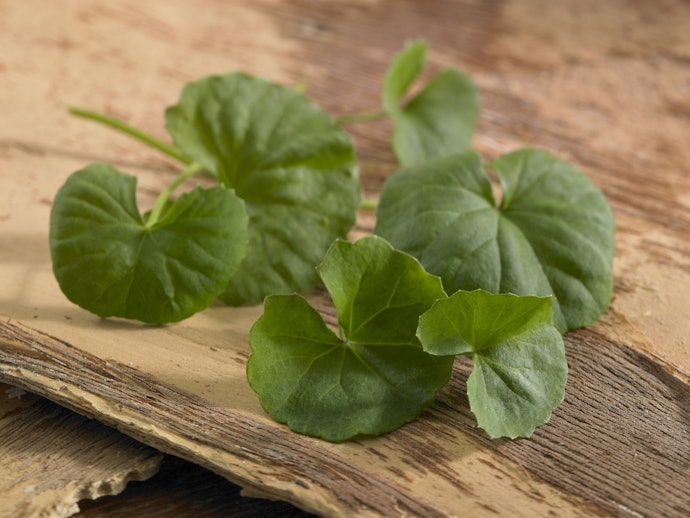
Cica or Centella Asiatica is an ingredient known for its wound-healing properties. It also works as an excellent moisturizer for those with skin sensitivities such as eczema and psoriasis. It won’t irritate your acne while still offering moisturizing capabilities.
Good options for acne-prone and/or oily skin include water-based ingredients like hyaluronic acid, which hydrates the skin but also aids in skin healing and soothes inflammation, or glycerin, which draws in water from the deeper layers of the skin, keeping the skin hydrated.
Other options include emollients such as ceramides, which prevent transepidermal water loss and strengthen the skin barrier or linoleic acid. Some studies have shown that people with oily skin are deficient in linoleic acid in their sebum, so adding them to the regimen improves skin barrier function.
Check Its Texture: Go for Oil and Fragrance-Free Formulas
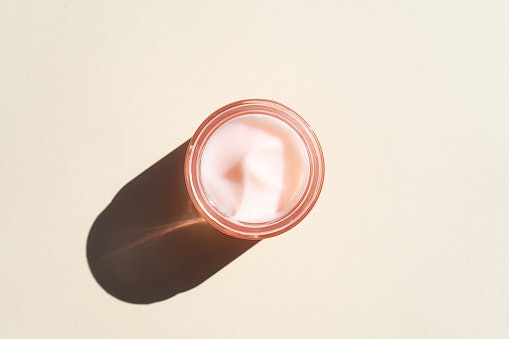
If you have acne-prone skin, you should avoid using anything too heavy as it could clog your pores and make you more prone to breakouts. In this regard, we advise you to opt for lightweight, non-comedogenic formulas and avoid ointment-type ones, as they are too heavy. Gel and lotion-based textures work best since they can be lightweight yet provide your skin with moisture.
Furthermore, avoid oil-based ingredients such as petrolatum and coconut oil, which can leave a greasy feeling on your skin. Go for fragrance-free products if you can, as fragrance could be a potential irritant and trigger acne, as well as parabens and sulfates.
Aside from the ingredients, it’s also important to choose the right texture spectrum: gel → hybrid → lotion → cream. Each serves a different purpose due to its substances, as well as the ratios of water and oil.
For acne-prone and/or oily skin, best to choose a gel moisturizer because you will get the hydration you need without any residue that will leave excess oil on your skin. They’re lightweight and don’t create that barrier on the skin (which isn’t needed since your skin produces enough of its own barrier with oil).
Simplify Your Routine With Moisturizers Containing SPF 30 or Higher
Sunscreen is an essential part of your daily skincare routine, but what if you could simplify your routine even further? Moisturizers with SPF offer a convenient solution – you can get the hydration your skin needs and sun protection in one step! Gone are the days when sunscreen meant a greasy mess; today's formulas are lightweight and comfortable to wear.
For optimal sun protection, choose a moisturizer with SPF 30 or higher. Dermatologists recommend this level of SPF because anything lower offers inadequate protection against harmful UV rays. If your moisturizer doesn't have SPF, be sure to layer a separate sunscreen on top for complete sun defense.
Sunscreen is a key part of the acne skincare regimen. If you're worried it might break you out more, the key lies in choosing the correct one. Sunscreen is important, especially for some treatments for acne, as these can predispose to photosensitivity. Not to mention, sunscreen can also assist in the prevention of residual hyperpigmentation.
A lot of moisturizers have been incorporated with SPF for added protection, making it dual-purpose: moisturizing and protecting. But make sure to take a look at that SPF amount; you need at least SPF 30 or up to protect yourself sufficiently.
10 Best Moisturizers for Acne-Prone Skin to Buy Online
| Products | Image | Click to purchase | Popularity | Details | ||||
|---|---|---|---|---|---|---|---|---|
Artificial Fragrance-Free | Texture | SPF | Net Weight | |||||
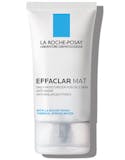
1 | Effaclar Mat Sebo-Controlling Moisturizer La Roche-Posay |  | No.1 | Cream | 40 mL | |||
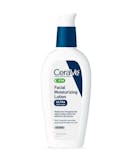
2 | Facial Moisturizing Lotion PM CeraVe |  | No.2 | Cream | 89 mL | |||
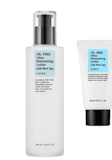
3 | Oil-Free Ultra Moisturizing Lotion with Birch Sap COSRX |  | No.3 | Cream | 100 mL | |||
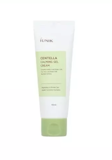
4 | Centella Calming Gel Cream IUNIK |  | No.4 | Gel | 60 mL | |||
5 | Hydro Boost Hyaluronic Acid Water Gel Neutrogena |  | No.5 | Gel | 15 mL | |||
6 | Cica Gel Moisturizer Face Republic |  | No.6 | Gel | 50 mL | |||
7 | Clear Oil-Free Moisturizer Paula's Choice |  | No.7 | Cream | 60 mL | |||
8 | BALANCEFUL Cica Cream Torriden |  | No.8 | Cream | 80 mL | |||
9 | True Dew Brightening Gel Cream Saipo |  | No.9 | Gel | 60 mL | |||
10 | Toleriane Double Repair Face Moisturizer La Roche-Posay |  | No.10 | Cream | 100 mL | |||

La Roche-PosayEffaclar Mat Sebo-Controlling Moisturizer

| Artificial Fragrance-Free | |
|---|---|
| Texture | Cream |
| SPF | |
| Net Weight | 40 mL |
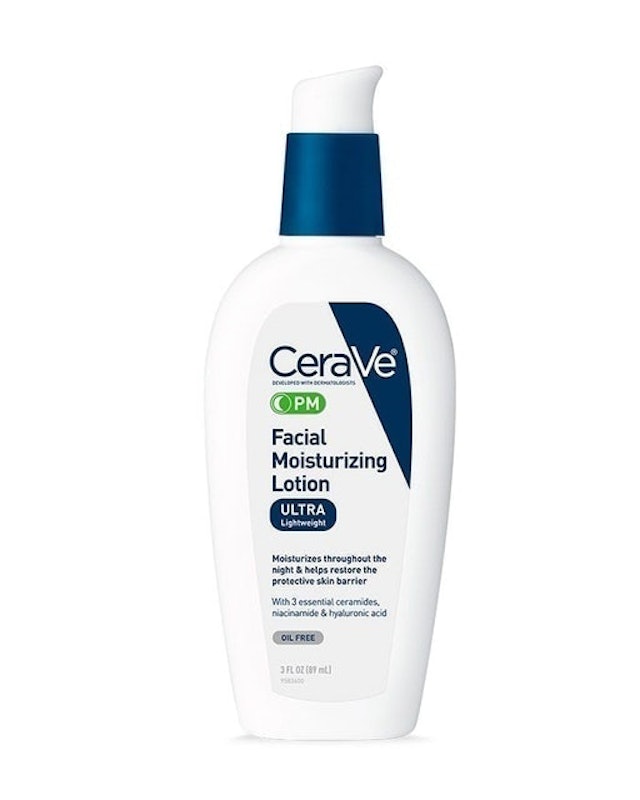
| Artificial Fragrance-Free | |
|---|---|
| Texture | Cream |
| SPF | |
| Net Weight | 89 mL |
COSRXOil-Free Ultra Moisturizing Lotion with Birch Sap
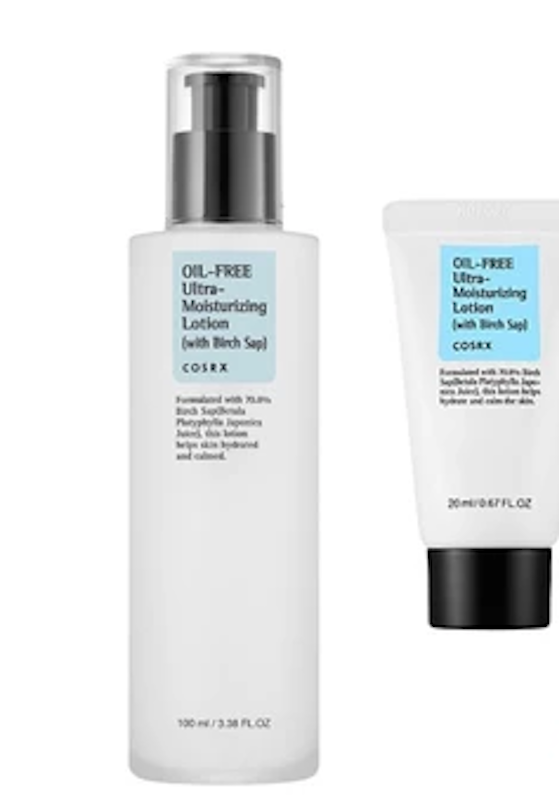
| Artificial Fragrance-Free | |
|---|---|
| Texture | Cream |
| SPF | |
| Net Weight | 100 mL |
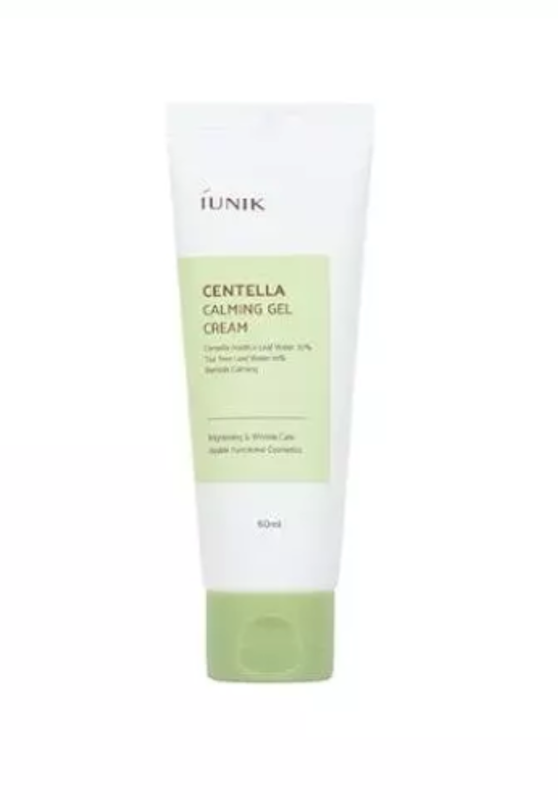
| Artificial Fragrance-Free | |
|---|---|
| Texture | Gel |
| SPF | |
| Net Weight | 60 mL |
NeutrogenaHydro Boost Hyaluronic Acid Water Gel
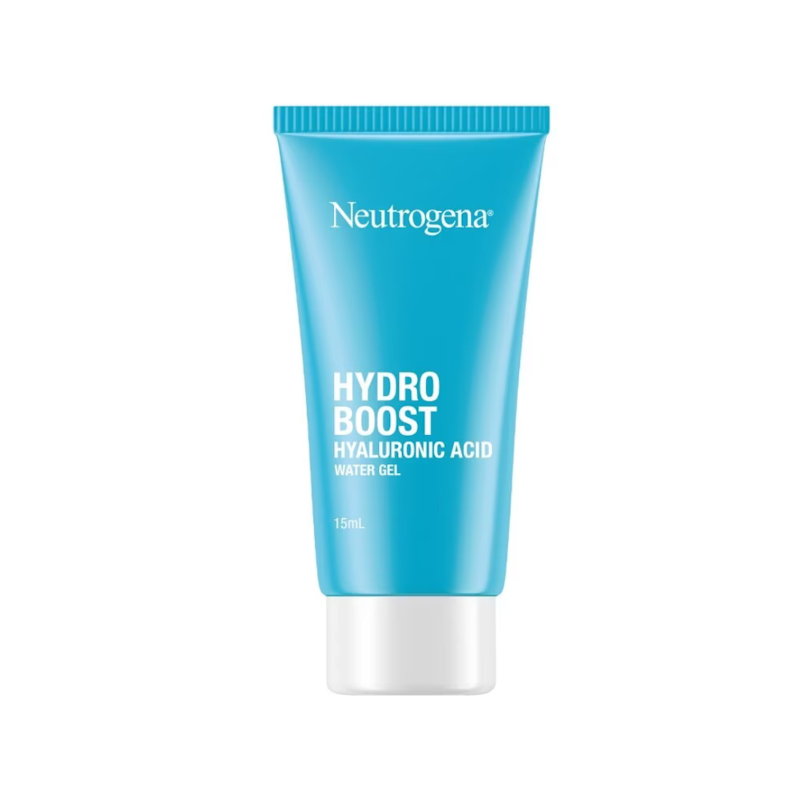
| Artificial Fragrance-Free | |
|---|---|
| Texture | Gel |
| SPF | |
| Net Weight | 15 mL |
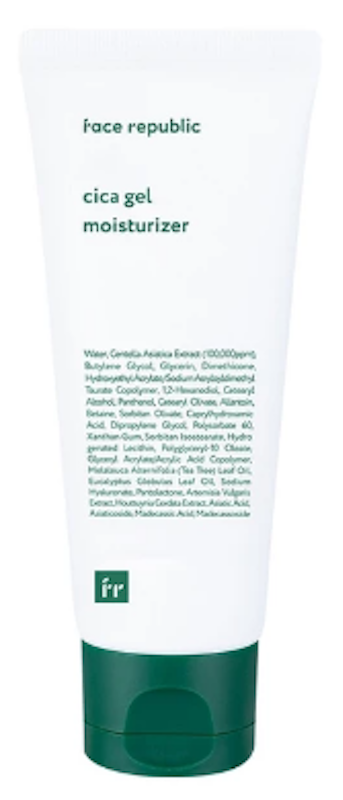
| Artificial Fragrance-Free | |
|---|---|
| Texture | Gel |
| SPF | |
| Net Weight | 50 mL |
Paula's ChoiceClear Oil-Free Moisturizer

| Artificial Fragrance-Free | |
|---|---|
| Texture | Cream |
| SPF | |
| Net Weight | 60 mL |
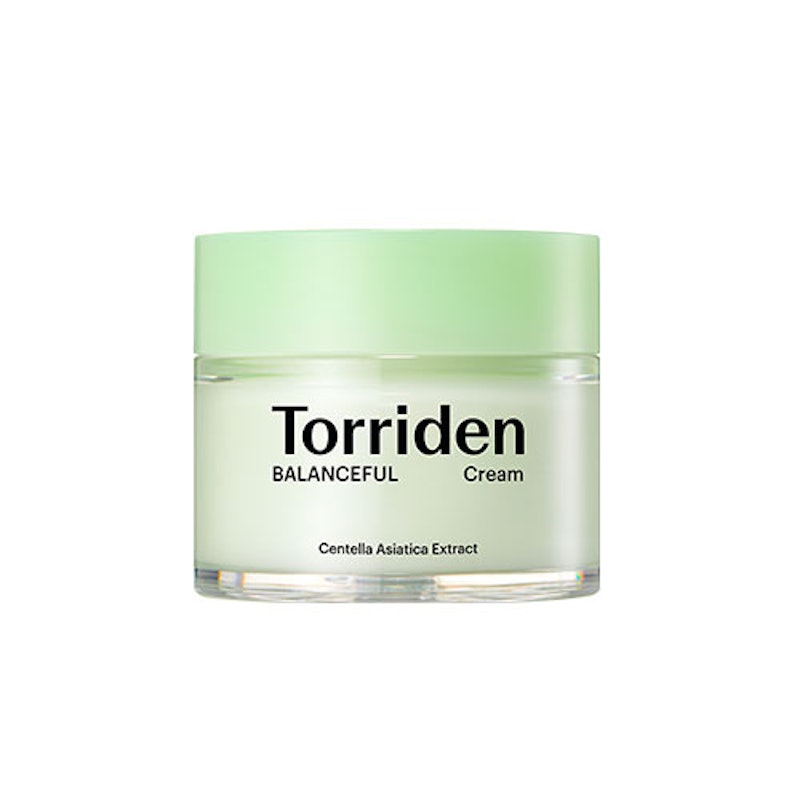
| Artificial Fragrance-Free | |
|---|---|
| Texture | Cream |
| SPF | |
| Net Weight | 80 mL |
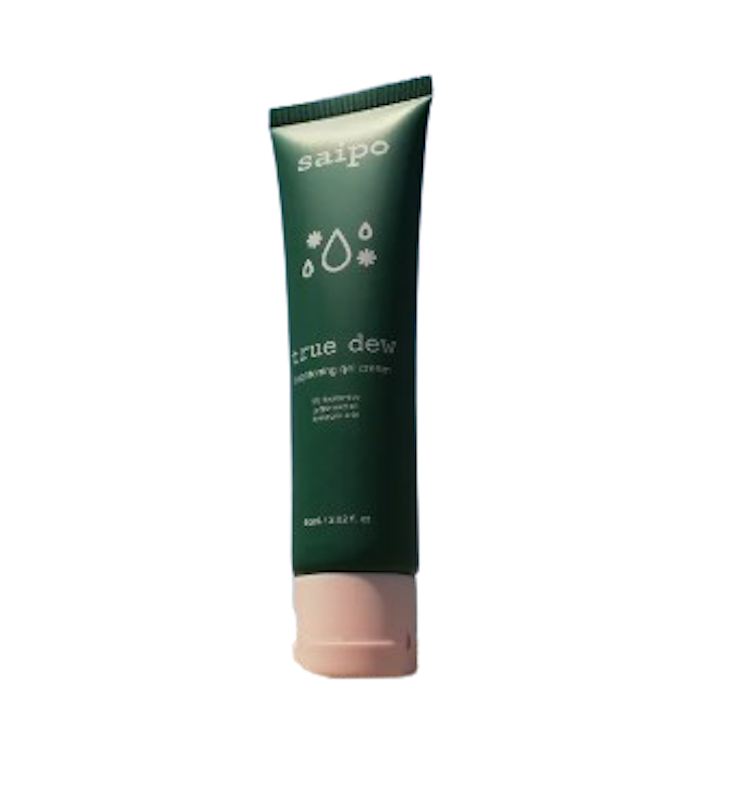
| Artificial Fragrance-Free | |
|---|---|
| Texture | Gel |
| SPF | |
| Net Weight | 60 mL |
La Roche-PosayToleriane Double Repair Face Moisturizer

| Artificial Fragrance-Free | |
|---|---|
| Texture | Cream |
| SPF | |
| Net Weight | 100 mL |
Apply Moisturizer the Right Way
Make the most out of your moisturizer by following these application tips to ensure its effectivity.
Use Gentle Tapping Motions
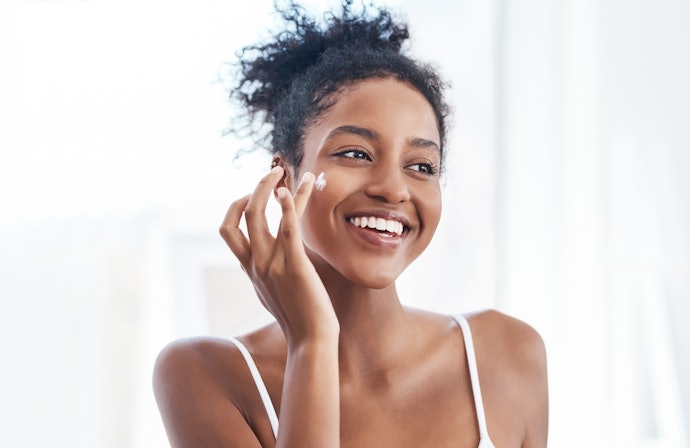
Too often, we forget to be gentle with our skin, especially when it comes to applying skincare products. Remember to use gentle tapping motions when applying moisturizer. This is because harsh tugging can cause your skin to sag. The tapping motion also lets you ensure the product is absorbed well into your face.
The key is being gentle with our skin. Best to avoid rubbing or scrubbing motions as the friction can irritate the skin. This is the concept behind maskne or acne mechanica, after all, where the friction with the mask leads to irritation and development of acne. Cotton pads and face wipes aren't necessary too. All the more avoid rubbing your face with a towel. Just pat dry, and tap in the moisturizer.
Apply in Upward Strokes
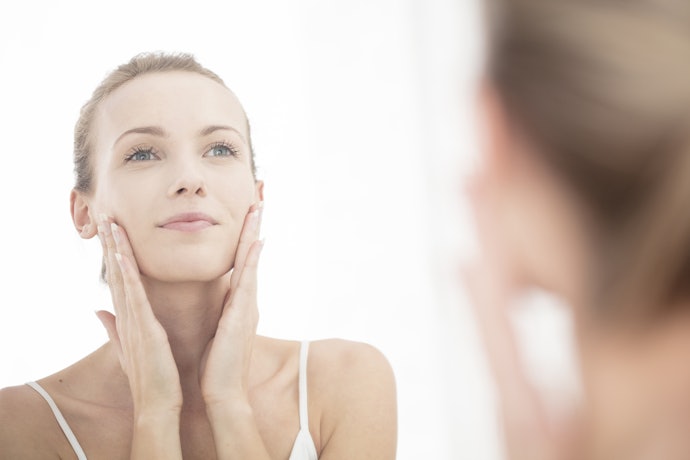
This is in connection to our first tip, as we age, gravity can cause our skin to sag. When applying your moisturizer, it is better to apply them in light, upward strokes. This is to help your skin absorb the product better as well.
As we age, gravity pulls our skin downward, causing sagging and wrinkles. To combat this, some experts suggest applying moisturizer in upward strokes. Now, there definitely aren't any studies to validate this claim, however, doing it doesn't hurt anyway.
Apply It Last to Seal in Moisture
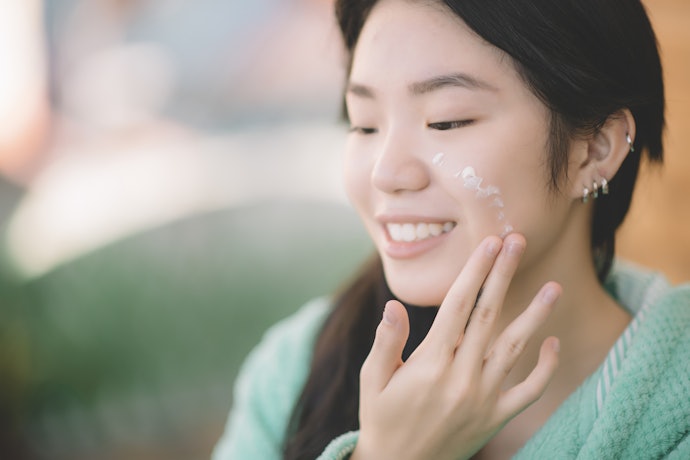
Besides having the right products, it is also imperative to apply them in the right order to increase their efficacy. We're talking about layering your skincare products.
Moisturizer is usually applied last to seal in all the products that you have previously applied. However, if you are using actives in your skincare, such as a specific acne treatment, you could apply a moisturizer first to act as a cushion and prevent your skin from drying out.
Applying moisturizers last definitely will aid in sealing in the moisture. However, it would be good to talk to your dermatologist about this, especially if he/she has started you on medications for acne.
There are definitely no hard and fast rules when it comes to this. But for instance, have you heard of the sandwich technique? Some dermatologists can choose to advise their patients to apply the moisturizer first before, for instance, a retinoid (especially if it's your first time), as this can limit penetration and thus, limit chances of irritation.
Frequently Asked Questions Answered By Dr. Katrina Luz
If you still have some unanswered questions, you need not worry! Dr. Katrina is here to answer some of the internet's most asked questions.
Do Moisturizers Cause Acne or Do They Help Treat Acne?
Moisturizers help treat acne more than cause it. The key is finding the right one! First and foremost, moisturizers help restore the disrupted skin barrier typically present in acne. In addition, moisturizers enhance the efficacy of medications, alleviate dryness that may develop secondary to the medication, and improve skin comfort.
How Often Should You Moisturize if You Have Acne?
Ideally, I advise my patients to moisturize twice a day, especially if they are just at home. Practically speaking, once a day application of a moisturizer at night would suffice. Then in the morning, I suggest they apply a moisturizer with SPF of at least 30.
How Much Moisturizer Should You Apply if You Have Acne-Prone Skin?
Usually, a pea-sized amount of moisturizer is enough to cover the entire face. However, the goal really is to ensure that all areas of the face are equally applied with the moisturizer, without leaving out areas such as around the eyes and sides of the nose and mouth (where topical acne meds can deposit and cause drying or irritation).
Acne-Prone Skincare Products for You to Try
Do you still struggle with acne? Is your skin easily irritated? Don't worry! These items are geared towards acne-prone skin. This way, you don't have to worry about your face breaking out.


How We Chose and Ranked Our Product Recommendations
Our buying guide was carefully researched and crafted by the mybest team of writers and editors, in collaboration with the expert featured in this article. We used the buying guide as a basis for choosing and ranking the product recommendations, and we looked at reviews and ratings from different E-commerce sites like Lazada, Shopee, and more.
The descriptions of each product are referenced from content available on manufacturer, brand, and e-commerce sites.