10 Best Sunscreens for Acne-Prone Skin in the Philippines 2026 | Buying Guide Reviewed By Dermatologist
Finding a sunscreen that protects your skin without triggering breakouts can be challenging, especially if you have oily or acne-prone skin. Fortunately, there are plenty of lightweight, non-comedogenic formulas available, with options ranging from ₱300 to ₱1,500 on Lazada and Shopee.
This guide covers what to look for when choosing a sunscreen for acne-prone skin, with insights from board-certified dermatologist Dr. Katrina Habaluyas Luz of Ask Your Derma. We’ve also rounded up 10 tried-and-tested sunscreens that provide reliable sun protection without clogging pores.

Dr. Katrina Habaluyas Luz is the face behind Ask Your Derma. She is a board-certified dermatologist in Metro Manila. She is also an educator and digital creator on all things skin, hair, and nails. She is a Diplomate of the Philippine Dermatological Society and offers online video consultations. You can also catch her on her Instagram, Facebook, and YouTube channel.

Angela is a writer, re-editor, and content planner with years of experience across different industries and formats. She has a passion for research and an eye for detail, and she puts both to work in every buying guide she writes, making sure readers walk away with honest, well-rounded recommendations they can rely on.
The expert oversees the Buying Guide only, and does not determine the products and services featured.
Why You Can Trust Us
Every mybest article is crafted with hours of in-depth research and interviews with experts. Each month, we are continually expanding our database of products based on our research. By emphasizing user insight and reliable information, we deliver trustworthy content to readers.
Can Sunscreens Cause Acne?
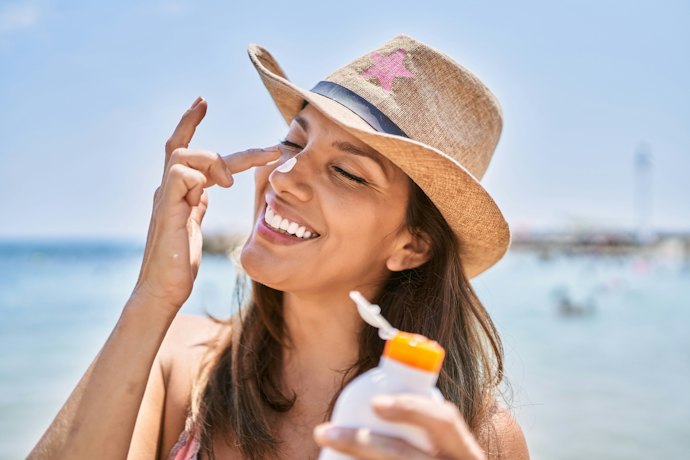
According to Dr. Katrina Habaluyas Luz, sunscreen itself doesn't cause acne. Acne develops from a combination of excess sebum, clogged pores, bacteria, and inflammation, but certain sunscreen ingredients can contribute to some of these factors, particularly pore-clogging, which is why choosing the right formula matters for acne-prone skin.

How to Choose a Sunscreen for Acne-Prone Skin – Buying Guide
Choosing a sunscreen for acne-prone skin comes down to the formula, ingredients, and SPF level. Lightweight, non-water-resistant formulas work well for mostly indoor use, while water-resistant options are better for outdoor activities, sweating, or swimming, although they may feel slightly heavier on the skin. Here’s what else to check before buying:
Go for Oil-free, Lightweight Gel or Water-Based Sunscreens That Are Less Likely to Clog Pores
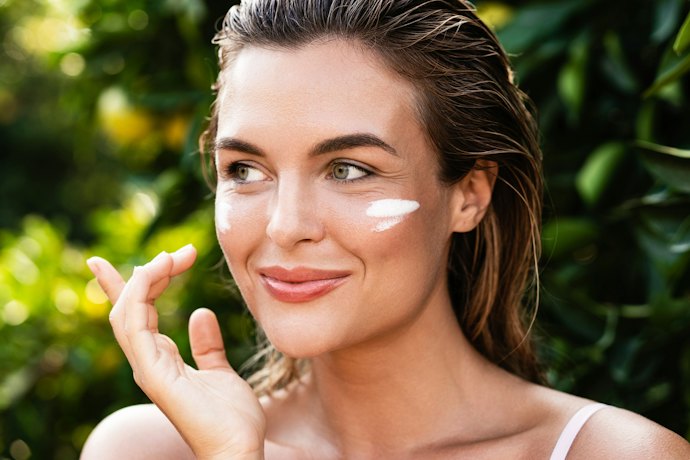
According to board-certified dermatologist Dr. Katrina Habaluyas Luz, the key to minimizing breakouts caused by the sunscreen you use is choosing the right one. For acne-prone skin, gel- or water-based formulas are the safer choice since they absorb quickly without leaving a heavy, greasy residue that can clog pores. Look for products labeled "oil-free" or "non-comedogenic" as a quick shortcut when scanning product labels.
Although the choice of a sunscreen is a very personal one, I do recommend going for sunscreens with a thinner, gel-like, or liquid consistency rather than the heavy ones. That type of texture is also more suitable for our climate.
Know Which Ingredients to Look for and Avoid for Your Skin Type
Not all sunscreen ingredients are created equal for acne-prone skin. Some help calm inflammation and control oil, while others can clog pores and trigger breakouts, so checking the ingredients list before buying is worth the extra minute.
Cica and Tea Tree Oil to Soothe Irritated Skin
Centella Asiatica is an ingredient that has both anti-inflammatory and hydrating properties and can help soothe and calm redness and irritation associated with acne.
Tea tree oil, on the other hand, has been shown to have both antibacterial and anti-inflammatory capabilities that can help combat the growth of acne-causing bacteria.
Ingredients, such as cica, are soothing and can definitely aid in calming down the inflammation associated with acne.
Niacinamide to Control Excess Oil
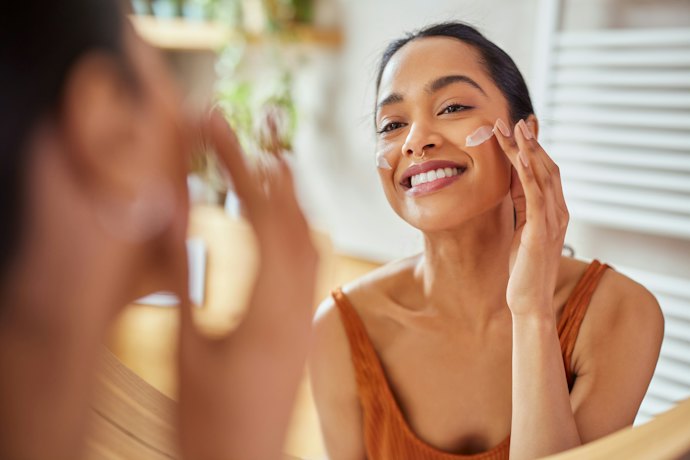
Niacinamide can be a beneficial ingredient for acne-prone skin because of its anti-inflammatory properties, which may help reduce redness and calm irritated skin. It may also help control excess sebum, which can contribute to clogged pores and breakouts.
In addition, niacinamide may help improve the appearance of uneven skin tone with regular use, making it a useful ingredient to look for in a sunscreen for acne-prone skin.
Hyaluronic Acid and Other Moisturizing Ingredients to Prevent Dryness
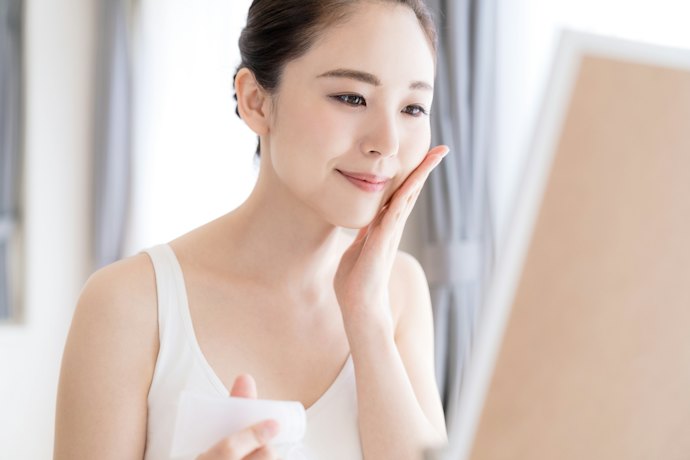
Hyaluronic acid and ceramides aren't dealbreakers, but they're worth prioritizing if acne treatments like retinoids or benzoyl peroxide dry out or irritate your skin. These ingredients help restore the skin barrier and reduce the dryness and irritation that often come with prescription acne topicals.
It is a plus but not really a requirement primarily because a moisturizer would be a key part of one’s routine anyway.
Avoid Fragrances and Heavy Occlusive Ingredients That Can Irritate and Clog Pores

Occlusives like petroleum jelly, beeswax, shea butter, and certain plant oils help seal in moisture and prevent water loss. However, their thicker textures may feel heavy on oily, acne-prone skin and potentially contribute to clogged pores and breakouts.
You may also want to avoid fragrances, especially if you have sensitive skin. These ingredients contain complex chemical mixtures that can trigger irritation, allergic reactions, or other unwanted skin responses.
Heavy ingredients, such as oils and petrolatum, that act as occlusives should be avoided, as they tend to clog pores more often than others.
Pick a Broad-Spectrum Sunscreen With at Least an SPF 30 for Better Sun Protection
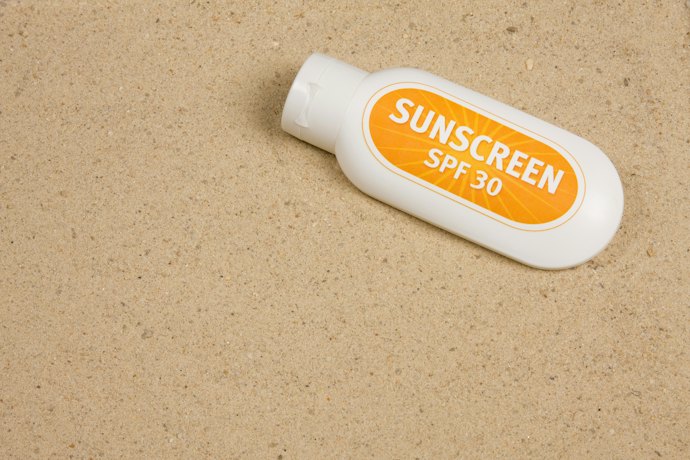
Look for "broad-spectrum" on the label, which means the sunscreen protects against both UVB rays (which cause sunburn) and UVA rays (which cause skin aging and pigmentation). SPF 30 is the minimum, blocking about 97% of UVB rays, and is sufficient for everyday indoor and outdoor use.
If you're spending extended time in the sun, SPF 50 or higher gives you extra coverage. A PA rating (PA+, PA++, PA+++) indicates additional UVA protection, which is worth looking for given the Philippines' year-round sun exposure.
SPF basically measures protection against erythema (or redness) after exposure to the sun. Now, you would need at least an SPF 30 as this would filter ~97% of UVB rays. If you can get one with SPF 50, even better, as it can filter ~98% of UVB rays.
Remember though, the amount of sunscreen specified for SPF testing is 2 mg/cm2, equal to 30 mL of sunscreen to cover the entire body surface. So if you didn't apply the right amount of sunscreen, you definitely would not be as protected as you think!
Consider Mineral and Tinted Sunscreens
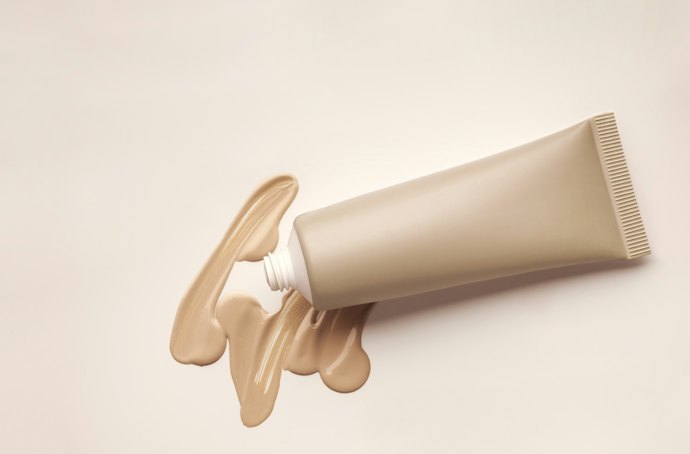
Mineral sunscreens contain zinc oxide or titanium dioxide, which help protect the skin from UV rays. They may be a good option for acne-prone skin because they are generally well-tolerated and less likely to irritate sensitive skin. However, they can still contain ingredients that clog pores, so check the label for oil-free or non-comedogenic formulas.
Tinted sunscreens are also worth considering if you want light coverage to conceal minor imperfections without applying a separate foundation. They can provide a more even-looking complexion while helping reduce the number of products you layer on your skin. You can also check out our roundup of the best tinted sunscreens to find an option that suits your needs.
In general, those with acne are better off with mineral sunscreen as it's been found to be less irritating. However, this doesn't necessarily equate to less breakouts. It still boils down to the overall formulation and texture of the sunscreen and your skin's reaction to it.
Look for Water-Resistant Sunscreens for Prolonged Protection
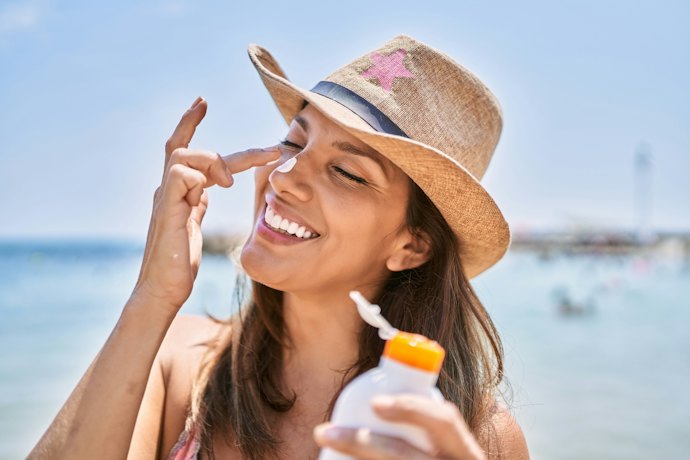
If you sweat heavily, exercise outdoors, or spend time at the beach or pool, water-resistant sunscreen is worth prioritizing. These formulas are designed to stay on longer when exposed to sweat or water, with most lasting between 40 and 80 minutes before reapplication is needed. If you mostly use sunscreen for daily commuting or indoor use, a non-water-resistant formula is fine and often lighter on the skin.
Water resistance in sunscreen is part of the minimum checklist you need for a good sunscreen.
Disclaimer: These products are recommendations made by our team at mybest Philippines. Our expert, Dr. Katrina Habaluyas Luz, is not affiliated with, nor is she endorsing any of the brands we mention below.
10 Best Sunscreens for Acne-Prone Skin to Buy Online
| Products | Image | Click to purchase | Popularity | Details | ||||||
|---|---|---|---|---|---|---|---|---|---|---|
Acne Skin-Friendly Ingredients | Broad-Spectrum Protection | SPF/PA | Chemical/Mineral | Other Features | Volume | |||||
1 | Relief Sun: Rice + Probiotics SPF50+ PA++++ Beauty of Joseon |  | No.1 | Niacinamide, Tocopherol, Rice Extract, Lactobacillus/Rice Ferment, Lactobacillus/Pumpkin Ferment Extract | SPF50+ PA++++ | Chemical | Lightweight, Dewy Finish, Hydrating, Non-Sticky | 50 mL | ||
2 | Madagascar Centella Hyalu-Cica Water-Fit Sun Serum SPF50+ PA++++ Skin1004 |  | No.2 | Niacinamide, Centella Asiatica Extract, Sodium Hyaluronate, Hyaluronic Acid | SPF50+ PA++++ | Chemical | Hydrating, Soothing, Water-Fit Serum Texture, Plumping, Dewy Finish | 50 mL | ||
3 | Ultralight ++ Matte Sunscreen SPF50 PA +++ Hello Glow |  | No.3 | Niacinamide, Hyaluronic Acid | SPF50 PA+++ | Chemical | Matte Finish, Ultralight Texture, Oil-Control | 50 mL | ||
4 | Anthelios UVMune 400 SPF50+ Invisible Fluid La Roche-Posay |  | No.4 | Tocopherol, Glycerin | SPF50+ | Chemical | Ultra Lightweight, Non-Perfumed, Matte/Invisible Finish, Contains Mexoryl 400 | 50 mL | ||
5 | Premium Brightening Sunscreen SPF50 PA++++ Fairy Skin |  | No.5 | Niacinamide, Centella Asiatica, Rosemary Leaf Extract | SPF50 PA++++ | Hybrid | Tone-Up, Primer, Brightening, Hydrating, Fragrance-Free | 50 mL | ||
6 | Complete No-Stress Physical Sunscreen SPF50+ PA++++ Axis-Y |  | No.6 | Niacinamide, Squalane | SPF50+ PA++++ | Mineral | Minimal White Cast, Lightweight Finish, Suitable for Sensitive Skin, Certified Vegan, No Animal Ingredients | 50 mL | ||
7 | Super Sunscreen Dr. Sensitive |  | No.7 | Niacinamide, Allantoin, Sodium Ascorbyl Phosphate | SPF50+ PA++++ | Hybrid | Matte Finish, Lightweight, Non-Greasy, No White Cast, Face and Body | 50 mL | ||
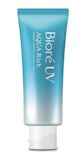
8 | UV Aqua Rich Watery Essence SPF50+ PA++++ Bioré |  | No.8 | Silica, Sodium Hyaluronate | SPF50+ PA++++ | Chemical | Watery Essence, Lightweight, Makeup Base, Water/Sweat Resistant | 85 mL | ||
9 | Sun Protection Oil Control Dry Touch SPF50+ Eucerin |  | No.9 | Licochalcone A, Glycyrrhetinic Acid, L-Carnitine | SPF50+ | Chemical | Oil Control, Dry Touch, Anti-Shine, Non-Comedogenic, Fragrance | 50 mL | ||
10 | Aloe Soothing Sun Cream SPF50+ PA+++ COSRX |  | No.10 | Aloe Arborescens Leaf Extract | SPF50+ PA+++ | Chemical | Soothing, Moisturizing, No White Cast, Dewy Finish, Lightweight, Fast-Absorbing | 50 mL | ||

Beauty of JoseonRelief Sun: Rice + Probiotics SPF50+ PA++++
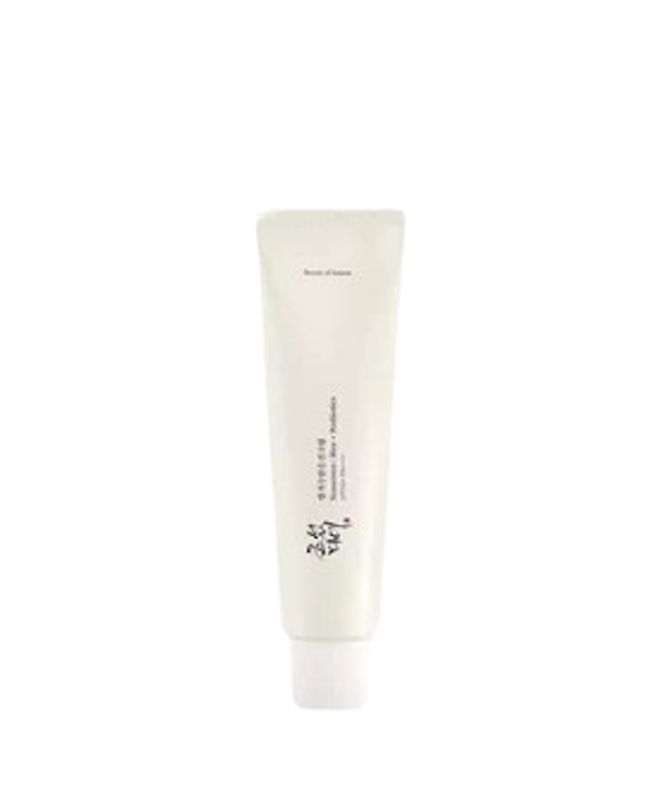
| Acne Skin-Friendly Ingredients | Niacinamide, Tocopherol, Rice Extract, Lactobacillus/Rice Ferment, Lactobacillus/Pumpkin Ferment Extract |
|---|---|
| Broad-Spectrum Protection | |
| SPF/PA | SPF50+ PA++++ |
| Chemical/Mineral | Chemical |
| Other Features | Lightweight, Dewy Finish, Hydrating, Non-Sticky |
| Volume | 50 mL |
Skin1004Madagascar Centella Hyalu-Cica Water-Fit Sun Serum SPF50+ PA++++
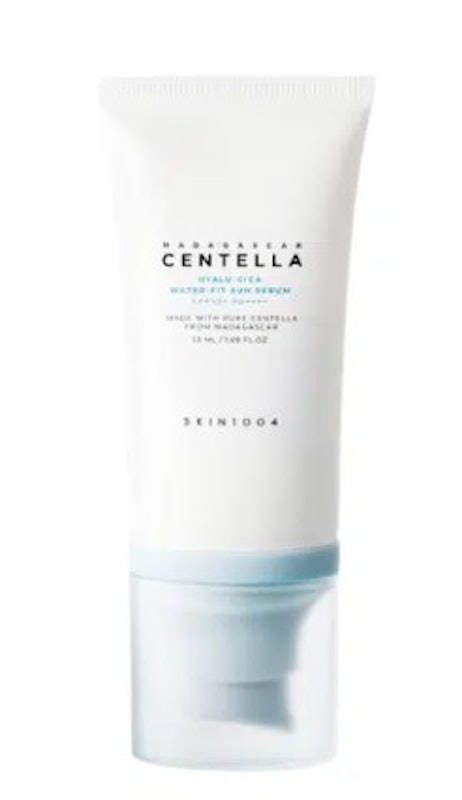
| Acne Skin-Friendly Ingredients | Niacinamide, Centella Asiatica Extract, Sodium Hyaluronate, Hyaluronic Acid |
|---|---|
| Broad-Spectrum Protection | |
| SPF/PA | SPF50+ PA++++ |
| Chemical/Mineral | Chemical |
| Other Features | Hydrating, Soothing, Water-Fit Serum Texture, Plumping, Dewy Finish |
| Volume | 50 mL |
Hello Glow Ultralight ++ Matte Sunscreen SPF50 PA +++
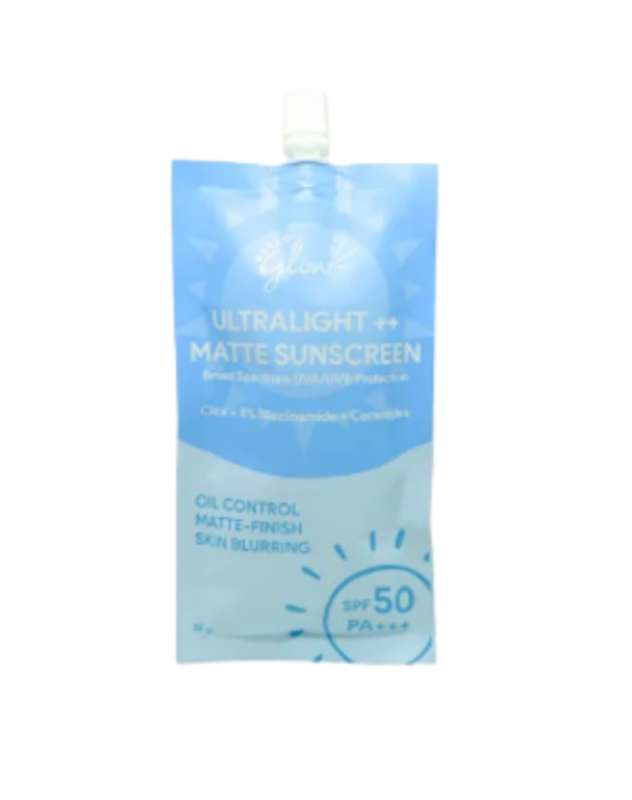
| Acne Skin-Friendly Ingredients | Niacinamide, Hyaluronic Acid |
|---|---|
| Broad-Spectrum Protection | |
| SPF/PA | SPF50 PA+++ |
| Chemical/Mineral | Chemical |
| Other Features | Matte Finish, Ultralight Texture, Oil-Control |
| Volume | 50 mL |
La Roche-Posay Anthelios UVMune 400 SPF50+ Invisible Fluid

| Acne Skin-Friendly Ingredients | Tocopherol, Glycerin |
|---|---|
| Broad-Spectrum Protection | |
| SPF/PA | SPF50+ |
| Chemical/Mineral | Chemical |
| Other Features | Ultra Lightweight, Non-Perfumed, Matte/Invisible Finish, Contains Mexoryl 400 |
| Volume | 50 mL |
Fairy Skin Premium Brightening Sunscreen SPF50 PA++++

| Acne Skin-Friendly Ingredients | Niacinamide, Centella Asiatica, Rosemary Leaf Extract |
|---|---|
| Broad-Spectrum Protection | |
| SPF/PA | SPF50 PA++++ |
| Chemical/Mineral | Hybrid |
| Other Features | Tone-Up, Primer, Brightening, Hydrating, Fragrance-Free |
| Volume | 50 mL |
Axis-YComplete No-Stress Physical Sunscreen SPF50+ PA++++

| Acne Skin-Friendly Ingredients | Niacinamide, Squalane |
|---|---|
| Broad-Spectrum Protection | |
| SPF/PA | SPF50+ PA++++ |
| Chemical/Mineral | Mineral |
| Other Features | Minimal White Cast, Lightweight Finish, Suitable for Sensitive Skin, Certified Vegan, No Animal Ingredients |
| Volume | 50 mL |

| Acne Skin-Friendly Ingredients | Niacinamide, Allantoin, Sodium Ascorbyl Phosphate |
|---|---|
| Broad-Spectrum Protection | |
| SPF/PA | SPF50+ PA++++ |
| Chemical/Mineral | Hybrid |
| Other Features | Matte Finish, Lightweight, Non-Greasy, No White Cast, Face and Body |
| Volume | 50 mL |
BioréUV Aqua Rich Watery Essence SPF50+ PA++++
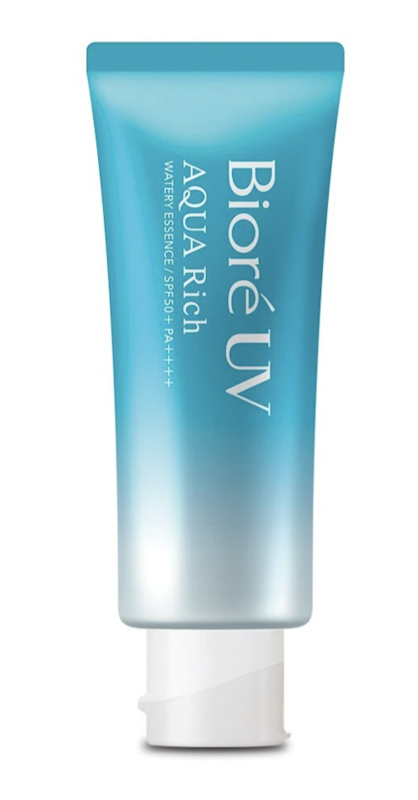
| Acne Skin-Friendly Ingredients | Silica, Sodium Hyaluronate |
|---|---|
| Broad-Spectrum Protection | |
| SPF/PA | SPF50+ PA++++ |
| Chemical/Mineral | Chemical |
| Other Features | Watery Essence, Lightweight, Makeup Base, Water/Sweat Resistant |
| Volume | 85 mL |
EucerinSun Protection Oil Control Dry Touch SPF50+
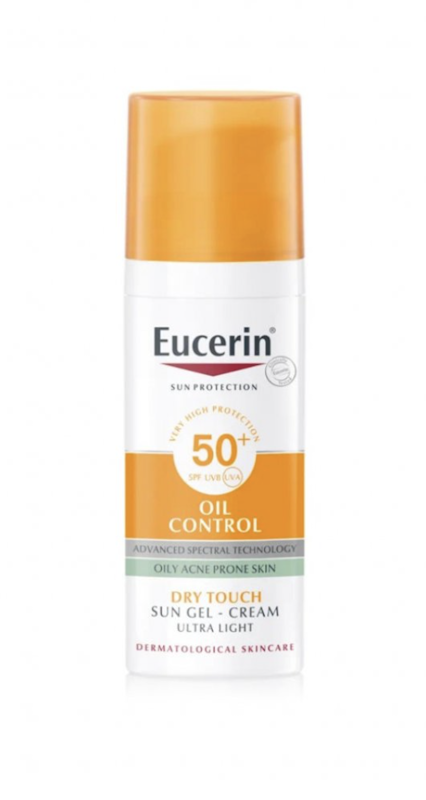
| Acne Skin-Friendly Ingredients | Licochalcone A, Glycyrrhetinic Acid, L-Carnitine |
|---|---|
| Broad-Spectrum Protection | |
| SPF/PA | SPF50+ |
| Chemical/Mineral | Chemical |
| Other Features | Oil Control, Dry Touch, Anti-Shine, Non-Comedogenic, Fragrance |
| Volume | 50 mL |
COSRXAloe Soothing Sun Cream SPF50+ PA+++
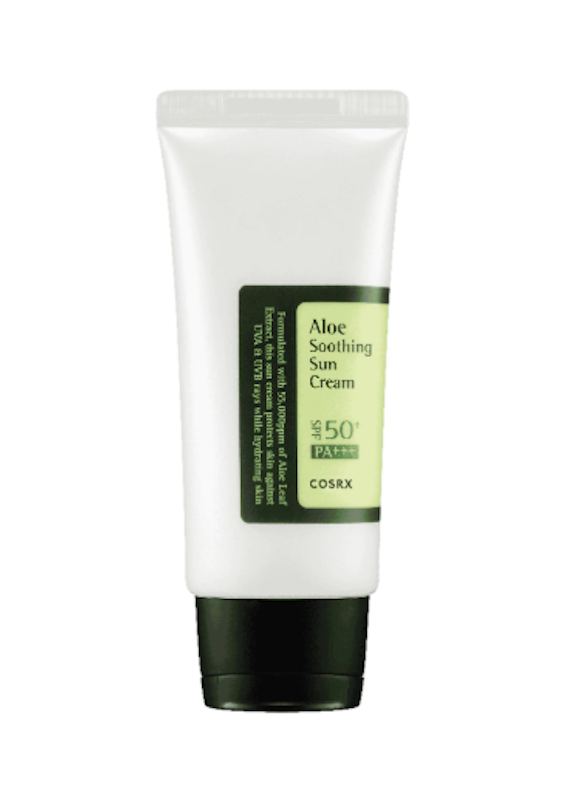
| Acne Skin-Friendly Ingredients | Aloe Arborescens Leaf Extract |
|---|---|
| Broad-Spectrum Protection | |
| SPF/PA | SPF50+ PA+++ |
| Chemical/Mineral | Chemical |
| Other Features | Soothing, Moisturizing, No White Cast, Dewy Finish, Lightweight, Fast-Absorbing |
| Volume | 50 mL |
How to Apply Sunscreen Properly, According to a Board-Certified Dermatologist
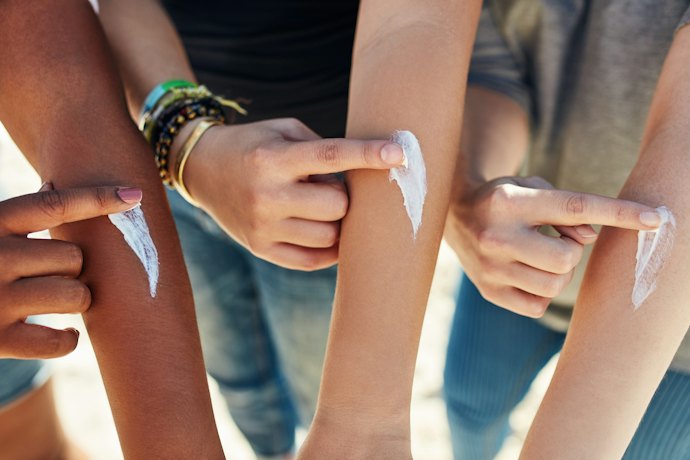
Now that you know how to select your sunscreen and have familiarized yourself with the best sunscreens for acne-prone skin, here are some tips from board-certified dermatologist Dr. Katrina Habaluyas Luz on how to apply sunscreen the correct way!
- Sunscreen should be worn daily.
- Ideally, 2.0 mg per square centimeter of skin should be applied. For easy reference, that's equivalent to two fingerbreadths.
- It's important to slather it on, making sure that the skin is covered.
- Don't forget the eyelids and the ears, too!
Frequently Asked Questions Answered by Dr. Katrina Luz
If you still have some unanswered questions in your mind, let Dr. Katrina Luz educate you and answer some of the internet's most asked questions.
How to Properly Apply Sunscreen on Areas With Inflamed Acne?
Apply as normal. Make sure to apply and reapply your sunscreen and the right amount which is 2 finger lengths for the face.
How Often to Re-apply Sunscreen for Those With Acne-Prone Skin?
Same as per usual - apply and reapply sunscreen at least every 2-3 hours.
Is There a Limit to How High the SPF Level Should Be for Acne-Prone Skin?
The SPF level is irrelevant for acne-prone skin. Make sure to use at least an SPF 30 and apply and reapply your sunscreen.
Step-Up Your Skincare Routine
Want to improve your skincare routine? Head over to these articles featuring skincare products that will help you achieve that healthy and glowing skin!


How We Chose and Ranked Our Product Recommendations
Our buying guide was carefully researched and crafted by the mybest team of writers and editors, in collaboration with the expert featured in this article. We used the buying guide as a basis for choosing and ranking the product recommendations, and we looked at reviews and ratings from different E-commerce sites like Lazada, Shopee, and more.
The descriptions of each product are referenced from content available on manufacturer, brand, and e-commerce sites.