10 Best PC Speakers in the Philippines 2026 | Buying Guide Reviewed by a Sound Engineer
If your computer or laptop’s built-in audio isn’t enough for your needs, a dedicated set of PC speakers can give you louder, more immersive sound for music, movies, gaming, and everyday use. Depending on the model, you can also connect them to other devices, such as smartphones, tablets, and gaming consoles.
With many brands offering different types and features, choosing the right PC speakers can be tricky. In this article, sound engineer Jojo Ariola reviews our buying guide to help you compare key features and find the right pair. We’ll also share our top 10 PC speakers available on online shopping platforms like Shopee and Lazada.

Jojo Ariola has been working as a front-of-house live sound engineer for almost 20 years. He also has trained several students regarding the field. He has worked with famous local bands, and he has also worked as a DJ in bars and clubs around the metro. He is the audio engineer for music videos of artists like Miguel Escueta and Leanne & Naara. Lastly, he is also a vendor of sound and lights system rentals.

Our recommendation articles are carefully researched and crafted by the mybest Philippines team of writers and editors. To stay true to our company’s mission and vision to help users’ selection process easier, we also collaborate with experts from various fields to ensure that our content stays factual and useful.
The expert oversees the Buying Guide only, and does not determine the products and services featured.
Why You Can Trust Us
Every mybest article is crafted with hours of in-depth research and interviews with experts. Each month, we are continually expanding our database of products based on our research. By emphasizing user insight and reliable information, we deliver trustworthy content to readers.
How to Choose PC Speakers – Buying Guide
When choosing PC speakers, consider the audio channels, power output, frequency response, and connectivity options to find a setup that suits your needs. You should also check the speaker type and size to make sure it fits your desk and devices. Read our buying guide below for more details.
Choose Between 2.0 and 2.1 Speakers Based on Your Needs

When choosing PC speakers, consider whether a 2.0 or 2.1 channel setup better suits your needs. A 2.0 system has two satellite speakers that handle the audio without a separate subwoofer. Its compact setup works well for everyday activities like listening to music, video calls, watching videos, and office work.
A 2.1 system has two satellite speakers and a dedicated subwoofer for low-frequency sounds. This setup can produce stronger bass, making it a good option for gaming, movies, and bass-heavy music. However, the added subwoofer also takes up more desk or floor space.
Consider Key Audio Specs for Your Preferred Sound
Another thing you should do when choosing PC speakers is to evaluate their core technical specifications so they can match your preferred acoustic performance. Key metrics like RMS wattage, frequency range, and driver configuration can help you pick a system capable of delivering clean and room-filling sound.
Opt for Multiple Drivers for More Detailed Sound
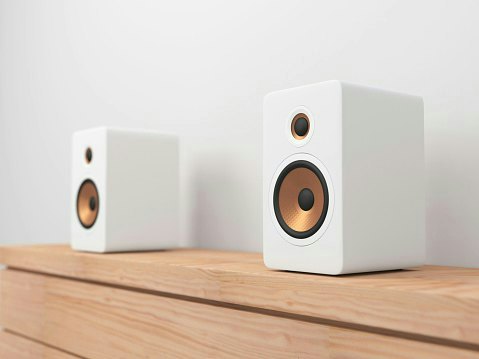
While single full-range drivers are common in budget models, PC speakers with multiple dedicated drivers, like a woofer for mid-to-low bass and a tweeter for high frequencies, can deliver far superior audio.
Dividing the frequency workload across two or more cones can then prevent sound muddying. This gives you richer acoustic layers, clearer voice tracks, and better overall sound separation.
Check the Power Output of the PC Speakers

Power output determines how loud your speakers can play based on room size. However, you should specifically check continuous RMS wattage instead of peak power. RMS measures the speaker’s ability to deliver clean, sustained volume without audio distortion.
While 10W-20W RMS is sufficient for close-up desktop listening in small rooms, average-sized bedrooms benefit from 40W-60W RMS, and larger gaming setups require 100W RMS or higher to fill the space effortlessly without straining the drivers.
Look for the Right Frequency Response for a Wider Sound Range
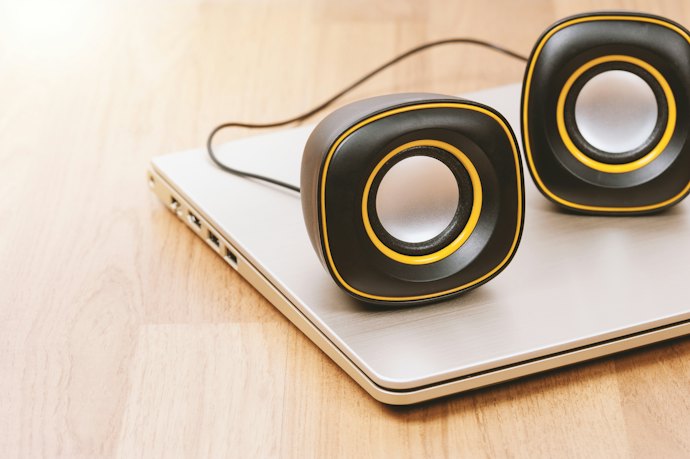
Frequency response, measured in Hertz (Hz), represents the total range of audio frequencies a speaker can reproduce, from deep bass to high treble. Most standard PC speakers cover a spectrum from 50 Hz up to 20,000 Hz (20 kHz).
A lower starting limit, such as 20 Hz to 40 Hz, generates deeper, punchier low-end bass for movies and gaming, while a higher top end ensures clear vocal performance and crisp instrumental highs.
Check Connectivity Options for a Seamless Device Pairing
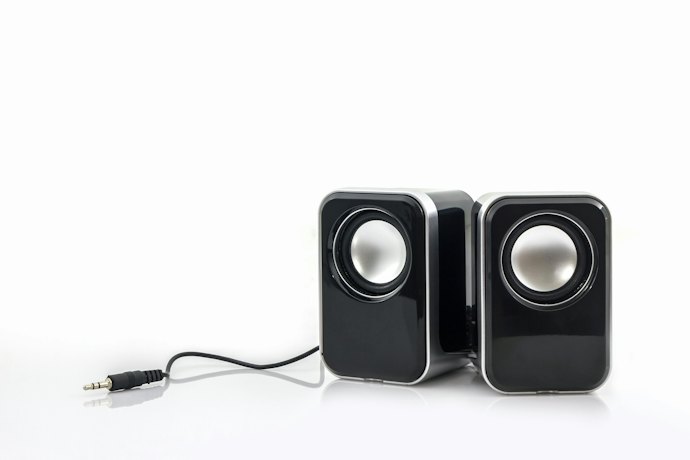
Check the available connections to make sure the speakers work with your computer and other devices. Common wired options include 3.5mm audio, RCA, and USB. USB speakers can also draw power from the same cable, while other models may require a separate power adapter.
For more flexibility, consider speakers with Bluetooth or Wi-Fi. Bluetooth lets you connect wirelessly to devices like smartphones, tablets, and laptops, while Wi-Fi can support multi-room audio and streaming over your home network.
Match the Speaker Size and Design to Your Desk Space
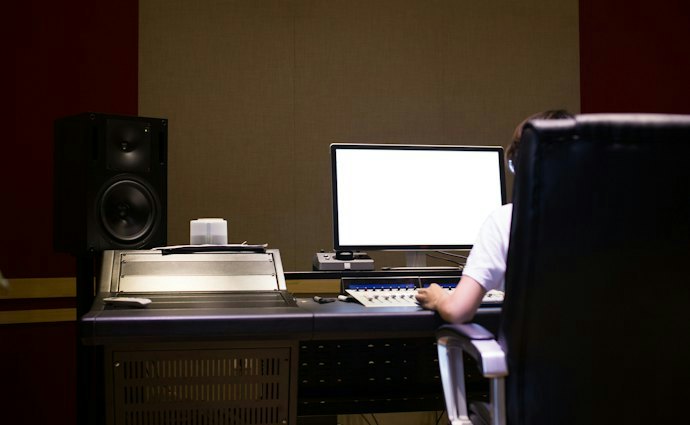
The size of your speakers should match your desk real estate. PC speakers come in several distinct form factors designed to balance footprint with acoustic depth:
- Soundbars & Mini/Pebble Style: Ultra-compact options that fit under monitors or on small desks, ideal for casual audio and video calls
- Bookshelf Speakers (2.0): Larger speakers that need side clearance but deliver richer, room-filling sound and warm bass without a subwoofer
- 2.1 Satellite + Subwoofer: Compact satellite speakers paired with a bulky subwoofer, saving desk space while delivering deeper bass for gaming and movies
Matching your speaker form factor to your workspace ensures you achieve the ideal balance between desktop organization and rich, room-filling sound.
Look for Additional Features to Enhance Daily Convenience
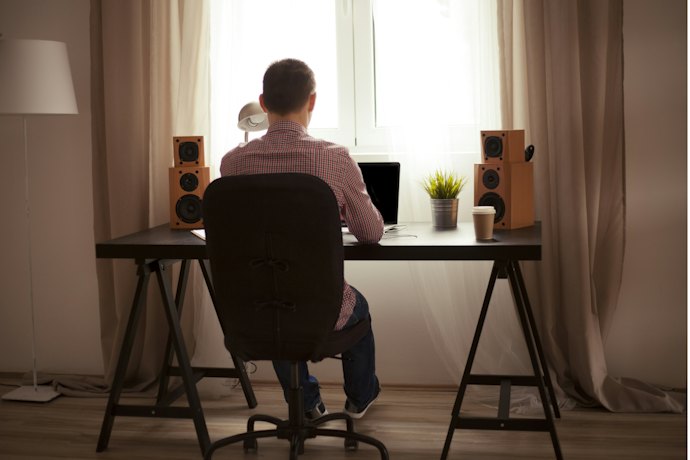
Aside from core sound performance, extra functionality can significantly improve your daily user experience and desk setup aesthetics:
- Accessible Controls: Front-panel knobs or a remote make it easy to adjust volume, bass, and headphone output
- Lighting & Indicators: LED indicators show input modes, while customizable RGB lighting can match gaming setups
- Build Quality & Cabinets: MDF enclosures can reduce resonance for warmer sound, while matte plastic keeps speakers durable and compact
Choosing PC speakers with thoughtful hardware features ensures seamless control over your audio while elevating your overall workstation setup.
10 Best PC Speakers to Buy Online
| Products | Image | Click to purchase | Popularity | Details | ||||||
|---|---|---|---|---|---|---|---|---|---|---|
Speaker Type | Frequency | Driver Type | Input Connection | Audio Channels | Power Output | |||||
1 | Powered Bluetooth Bookshelf Speakers |R1280DB Edifier |  | No.1 | Active Speakers | 55 Hz - 20 kHz | 0.5-inch tweeter + 4-inch woofer | Bluetooth, Optical, Coaxial, and Dual RCA inputs | 2 | 42 W RMS | |
2 | 2.1 Speaker System|Z625 Logitech |  | No.2 | Active Speakers | 35 Hz - 20 kHz | Full Range Drivers, Subwoofers | 3.5 mm, RCA, and Toslink Optical Inputs | 2.1 | 200 W RMS | |
3 | Bluetooth Wireless Speakers|Z407 Logitech |  | No.3 | Active Speakers | 40 Hz – 20 kHz | Full Range Drivers, Subwoofers | 3.5 mm, Bluetooth, USB | 2.1 | 40 W RMS | |
4 | Nommo V2 Pro Razer |  | No.4 | Active Speakers | 40 Hz - 20 kHz | Full Range Drivers, Subwoofers | Bluetooth, USB | 2.1 | 200 W | |
5 | Mini Digital Speaker |MS246 Inplay |  | No.5 | Active Speakers | 100 Hz – 18 kHz | Full Range Drivers | 3.5 mm, USB | 2 | 6 W | |
6 | Orpheus Stereo Gaming Speaker/ Sound Bar|GS550 Redragon |  | No.6 | Active Speakers | 300 Hz – 20 kHz | Full Range Drivers | 3.5 mm, USB | 2 | 6 W | |
7 | Mobile Gaming & Music Speakers|GS202 Fantech |  | No.7 | Active Speakers | 130 Hz – 180 kHz | Full Range Drivers | 3.5 mm, USB, Bluetooth | 2 | 6 W RMS | |
8 | Leviathan V2 X Soundbar Razer |  | No.8 | Active Speakers | 85 Hz – 20 kHz | Full Range Drivers, Passive Radiator | Bluetooth, USB-C | 2 | unknown | |
9 | V3 Desktop Speakers Creative |  | No.9 | Active Speakers | 100 Hz - 17 kHz | Full Range Drivers, Passive Radiator | USB-C, 3.5 mm, Bluetooth, AUX | 2 | 8 W RMS | |
10 | Stage Air V2 Creative |  | No.10 | Active Speakers | 80 Hz - 20 kHz | Full Range Drivers | USB-C, 3.5 mm, Bluetooth | 2 | 10 W RMS | |

Edifier Powered Bluetooth Bookshelf Speakers | R1280DB
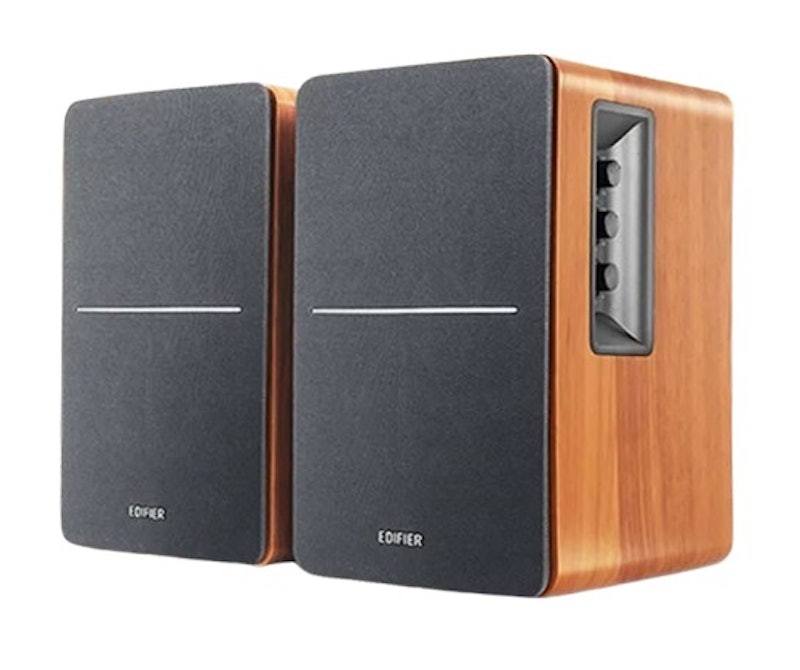
| Speaker Type | Active Speakers |
|---|---|
| Frequency | 55 Hz - 20 kHz |
| Driver Type | 0.5-inch tweeter + 4-inch woofer |
| Input Connection | Bluetooth, Optical, Coaxial, and Dual RCA inputs |
| Audio Channels | 2 |
| Power Output | 42 W RMS |
Logitech2.1 Speaker System | Z625
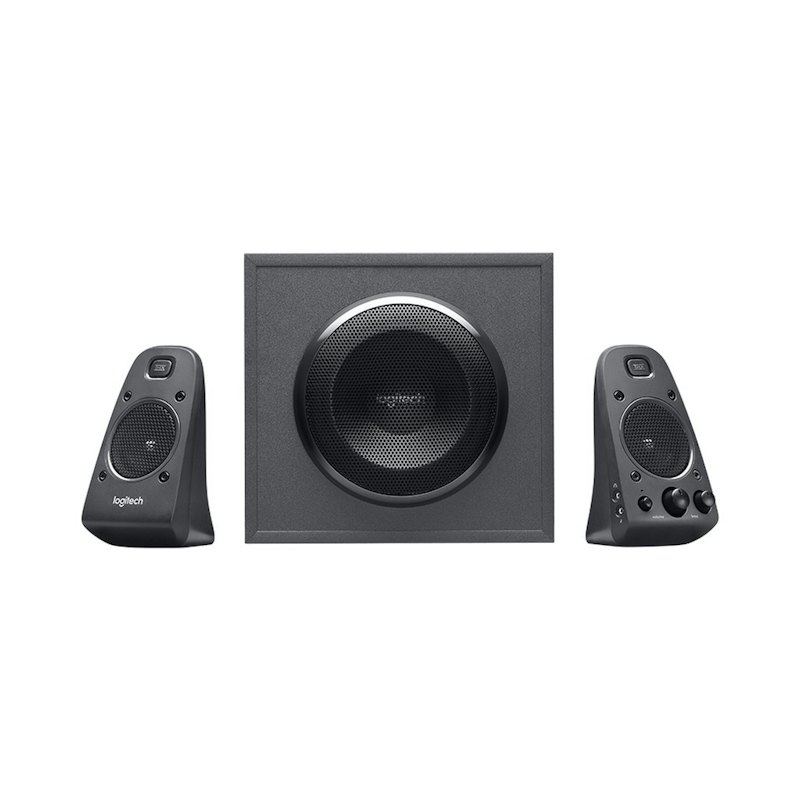
| Speaker Type | Active Speakers |
|---|---|
| Frequency | 35 Hz - 20 kHz |
| Driver Type | Full Range Drivers, Subwoofers |
| Input Connection | 3.5 mm, RCA, and Toslink Optical Inputs |
| Audio Channels | 2.1 |
| Power Output | 200 W RMS |
Logitech Bluetooth Wireless Speakers | Z407
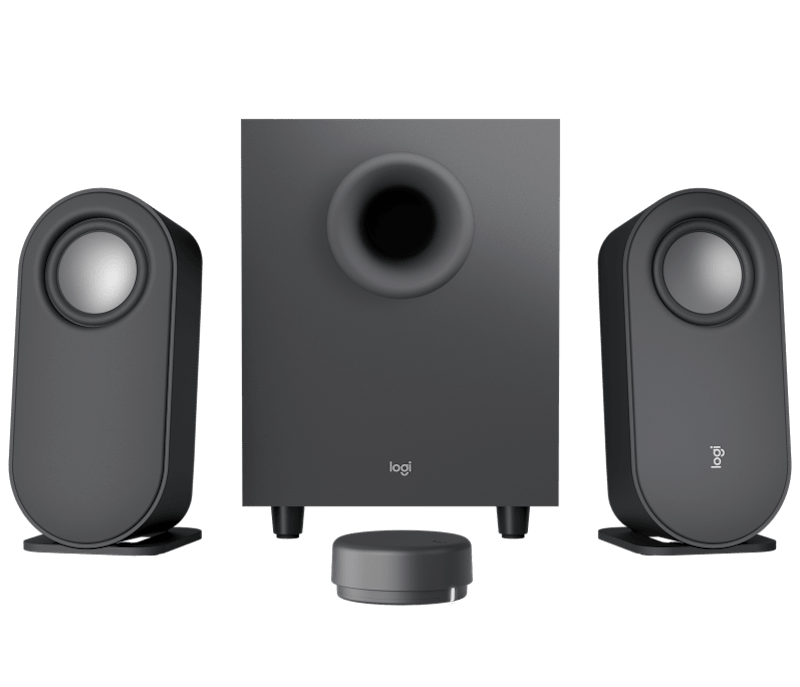
| Speaker Type | Active Speakers |
|---|---|
| Frequency | 40 Hz – 20 kHz |
| Driver Type | Full Range Drivers, Subwoofers |
| Input Connection | 3.5 mm, Bluetooth, USB |
| Audio Channels | 2.1 |
| Power Output | 40 W RMS |
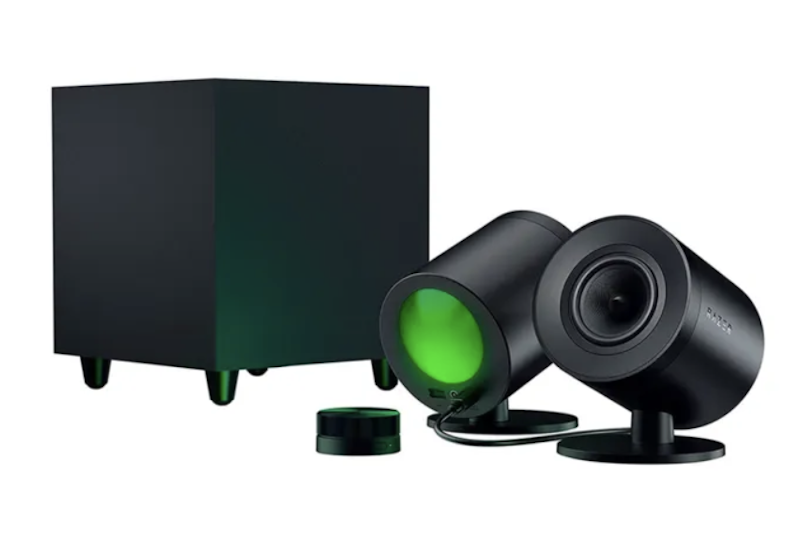
| Speaker Type | Active Speakers |
|---|---|
| Frequency | 40 Hz - 20 kHz |
| Driver Type | Full Range Drivers, Subwoofers |
| Input Connection | Bluetooth, USB |
| Audio Channels | 2.1 |
| Power Output | 200 W |
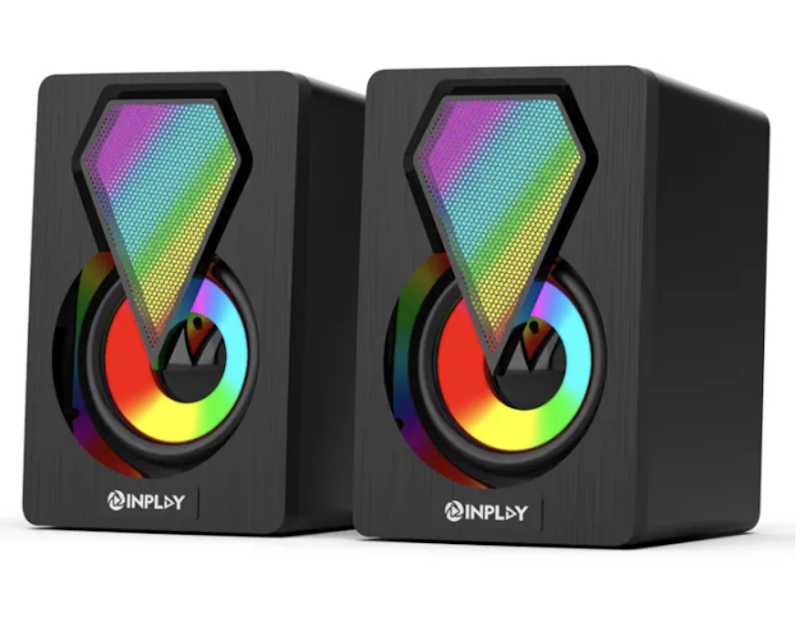
| Speaker Type | Active Speakers |
|---|---|
| Frequency | 100 Hz – 18 kHz |
| Driver Type | Full Range Drivers |
| Input Connection | 3.5 mm, USB |
| Audio Channels | 2 |
| Power Output | 6 W |
Redragon Orpheus Stereo Gaming Speaker/ Sound Bar | GS550

| Speaker Type | Active Speakers |
|---|---|
| Frequency | 300 Hz – 20 kHz |
| Driver Type | Full Range Drivers |
| Input Connection | 3.5 mm, USB |
| Audio Channels | 2 |
| Power Output | 6 W |
FantechMobile Gaming & Music Speakers | GS202

| Speaker Type | Active Speakers |
|---|---|
| Frequency | 130 Hz – 180 kHz |
| Driver Type | Full Range Drivers |
| Input Connection | 3.5 mm, USB, Bluetooth |
| Audio Channels | 2 |
| Power Output | 6 W RMS |
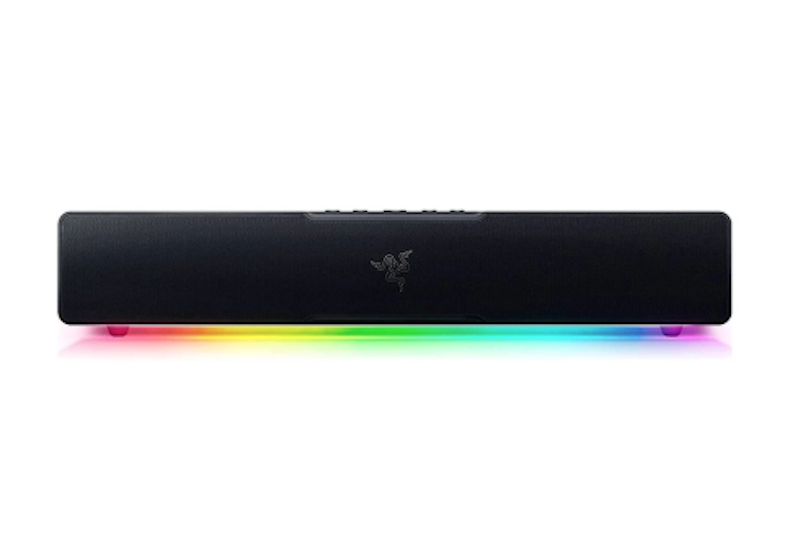
| Speaker Type | Active Speakers |
|---|---|
| Frequency | 85 Hz – 20 kHz |
| Driver Type | Full Range Drivers, Passive Radiator |
| Input Connection | Bluetooth, USB-C |
| Audio Channels | 2 |
| Power Output | unknown |

| Speaker Type | Active Speakers |
|---|---|
| Frequency | 100 Hz - 17 kHz |
| Driver Type | Full Range Drivers, Passive Radiator |
| Input Connection | USB-C, 3.5 mm, Bluetooth, AUX |
| Audio Channels | 2 |
| Power Output | 8 W RMS |
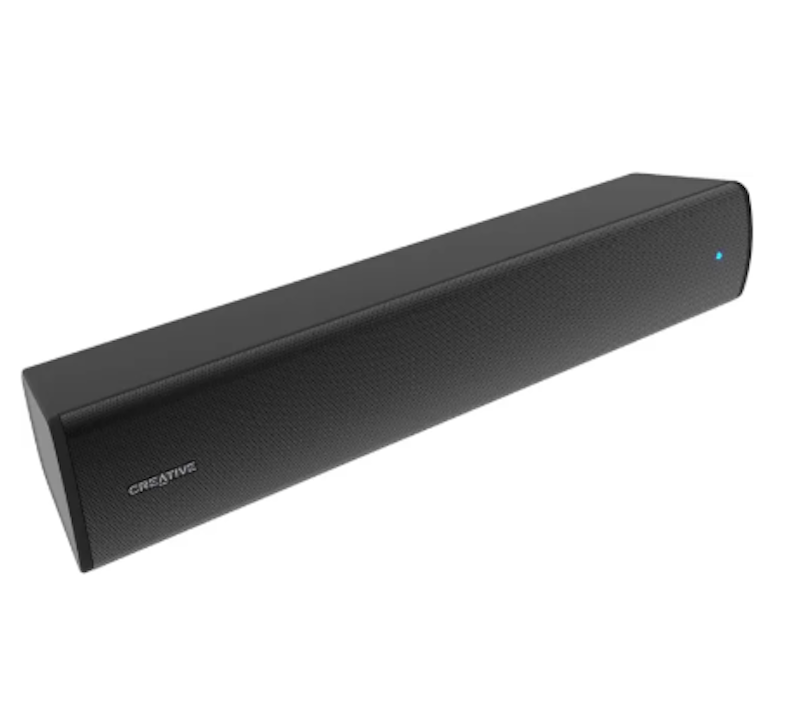
| Speaker Type | Active Speakers |
|---|---|
| Frequency | 80 Hz - 20 kHz |
| Driver Type | Full Range Drivers |
| Input Connection | USB-C, 3.5 mm, Bluetooth |
| Audio Channels | 2 |
| Power Output | 10 W RMS |
Expert's Comment About the Top 10 Products

Since the magnet of the speakers can damage the hard disk of your PC, be sure to get speakers that are shielded.
How to Connect Speakers to Your Computer
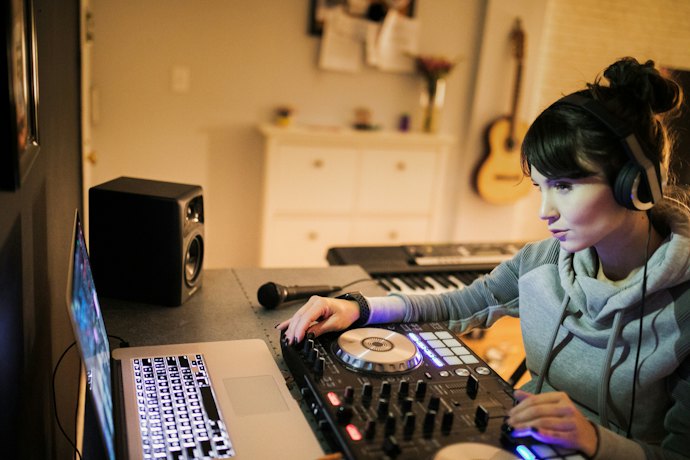
After plugging the input jack, turn on the computer and speakers. Check if you hear a tune when your computer starts up. This is a sign that your speaker is recognized and is working properly. If not, there is no need to worry yet. Your computer might run into a short setup process. Click "Yes" to allow the changes that have been made.
Finally, you can check if the speaker is working properly by playing music or a movie. You can insert a CD or play videos on YouTube to check if you can hear the sound. If you can clearly hear the music being played, then your setup is successful. If not, you can try to download or update your computer's audio driver.
Frequently Asked Questions
Below are some of the most asked questions on the web answered by the mybest team.
Do I Need a Subwoofer for PC Speakers?
A 2.0 speaker setup is usually enough for office work, video calls, watching videos, and everyday music. If you enjoy gaming, movies, or bass-heavy music, a 2.1 setup with a dedicated subwoofer can provide stronger low-frequency sound and more pronounced bass.
What’s the Difference Between 2.1 and 5.1 PC Speakers?
A 2.1 system has two satellite speakers and one subwoofer, while a 5.1 system has five speakers plus a subwoofer. The additional speakers in a 5.1 setup can provide surround sound with more directional audio, but they also require more space and cables. A 2.1 system has a simpler and more compact setup for most computer desks.
Can PC Speakers Be Used for Gaming?
Yes. PC speakers can be used for gaming, particularly if you prefer not to wear a headset. For gaming, consider models with clear stereo or surround sound, low-latency connectivity, and convenient volume controls. Some models also include features such as equalizer presets or RGB lighting.
Improve Your Gaming Setup for a Better Gaming Experience
PC gaming has been a way for most people to relieve stress. Having a good gaming setup can help you have a more enjoyable gaming experience. Take a look at these products that you can buy if you want to upgrade your gaming setup.


How We Chose and Ranked Our Product Recommendations
Our buying guide was carefully researched and crafted by the mybest team of writers and editors, in collaboration with the expert featured in this article. We used the buying guide as a basis for choosing and ranking the product recommendations, and we looked at reviews and ratings from different E-commerce sites like Lazada, Shopee, and more.
The descriptions of each product are referenced from content available on manufacturer, brand, and e-commerce sites.