10 Best Sunscreens for Sensitive Skin in the Philippines 2026 | Buying Guide Reviewed by Dermatologist
Discover the ultimate protection for your sensitive skin under the Philippine sun with our picks for the best sunscreens in the Philippines! We've teamed up with board-certified dermatologist Dr. Angelie Chua to bring you expert advice in our buying guide, so you can confidently choose the right sunscreen for your needs.
Whether you're hitting the beach or exploring the city, our carefully curated list of the best sunscreens for sensitive skin, available on Lazada and Shopee, has got you covered. Say goodbye to irritation and hello to a radiant glow as you shield your skin from harmful UV rays!

Dr. Angelie Chua is a dedicated Thomasian physician specializing in dermatology, with board certification from the Philippine Dermatological Society. She completed her residency at UST Hospital and is currently pursuing a fellowship in Trichology (hair disorders). Passionate about beauty, health, history, music, and travel, she fosters continuous learning and expertise in diverse fields. Dr. Chua is committed to providing exceptional care and staying at the forefront of dermatological advancements for the benefit of her patients.

Our recommendation articles are carefully researched and crafted by the mybest Philippines team of writers and editors. To stay true to our company’s mission and vision to help users’ selection process easier, we also collaborate with experts from various fields to ensure that our content stays factual and useful.
The expert oversees the Buying Guide only, and does not determine the products and services featured.
Why You Can Trust Us
Every mybest article is crafted with hours of in-depth research and interviews with experts. Each month, we are continually expanding our database of products based on our research. By emphasizing user insight and reliable information, we deliver trustworthy content to readers.
How to Choose a Sunscreen for Sensitive Skin - Buying Guide
Whether shopping in-store or online, you are faced with numerous sunscreen options. How do you know which one is best for your sensitive skin? This buying guide will give you the lowdown on what to look for and avoid.
Check the Type of Sunscreen
The type of sunscreen, whether mineral or chemical, plays a crucial role in determining its suitability for sensitive skin. Below, we'll walk you though their pros and cons.
Mineral Sunscreen: Better Pick for Sensitive Skin

Mineral sunscreens containing zinc oxide or titanium dioxide are less likely to cause irritation. They create a physical barrier on the skin that reflects UV rays.

Mineral or physical sunscreens are highly recommended for individuals with sensitive skin due to their gentle nature. These sunscreens use physical blockers like zinc oxide and titanium dioxide to deflect UV rays away from the skin. They also offer immediate protection!
Unlike chemical sunscreens, which absorb UV rays and can penetrate the skin, mineral sunscreens sit on the surface, reducing the risk of irritation and allergic reactions. They are ideal for those with conditions like rosacea or eczema, as they minimize the potential for adverse reactions.
While mineral sunscreens have historically been associated with leaving a white cast on the skin, many new formulations have addressed this issue, providing a more seamless finish.

Chemical Sunscreen: No White Cast But Could Potentially Cause Allergic Reactions
Chemical sunscreens can blend into the skin more easily, but they may contain ingredients that can cause irritation or allergic reactions in sensitive skin.
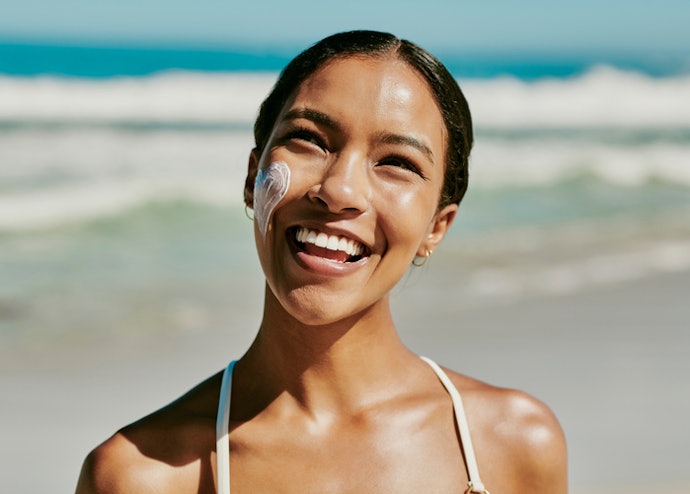
Chemical sunscreens, which contain organic compounds like oxybenzone, avobenzone, and octocrylene, work by absorbing UV rays and converting them into heat energy. While these sunscreens are less likely to leave a white cast on the skin, they may be more likely to cause allergic reactions or irritation in individuals with sensitive skin.
The active ingredients in chemical sunscreens are absorbed into the skin, increasing the risk of adverse reactions for those with sensitive skin types. If you opt for a chemical sunscreen, it's crucial to carefully check the ingredients list and avoid products containing fragrances, dyes, or other potential irritants.
Compared to mineral/physical sunscreens that are absorbed by the skin immediately, chemical sunscreens take about 20-30 minutes to absorb. That's why dermatologists and brands recommend applying sunscreen 30 minutes before going outside.
Hybrid Sunscreen: Combination of Mineral and Chemical for a More Balanced Approach
Hybrid sunscreens combine mineral and chemical filters to provide broad-spectrum protection with minimized irritation potential.
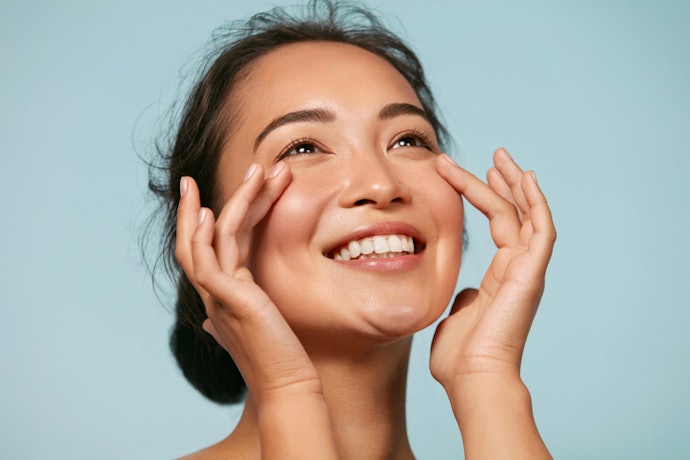
Hybrid sunscreens combine both mineral ingredients like zinc oxide or titanium dioxide and chemical filters like avobenzone or octocrylene. This combination allows for comprehensive UVA and UVB protection, often with a more pleasant texture and less visible residue than mineral-only sunscreens.
Hybrid sunscreens can be a good middle ground since the mineral components provide immediate protection and reduce the risk of irritation, while the chemical components help the sunscreen blend more seamlessly into the skin.
Skin sensitivity varies from one person to another. For some people, chemical filters could pose no problems, so choosing a hybrid or a purely chemical sunscreen would be all right. Conducting a patch test can also help ensure the product is suitable for your skin type.
Read the Ingredients List
As with any skincare product, it pays to read the ingredients list to know what you're putting on your skin and avoid potential irritants or allergens.
Avoid Fragrances, Dyes, and Alcohols
These ingredients are known to cause allergic reactions, irritation, and inflammation in individuals with sensitive skin types.

Fragrances, in particular, are a common culprit for allergic contact dermatitis, a skin reaction characterized by redness, itching, and swelling. Dyes and alcohols can also strip the skin of its natural oils, leading to dryness, irritation, and a compromised skin barrier.
As mentioned previously, chemical UV filters like octocrylene, oxybenzone, and avobenzone can also trigger allergic reactions, so remember to always check the ingredients list and do a patch test.
Look for Soothing Ingredients Like Aloe Vera and Hyaluronic Acid
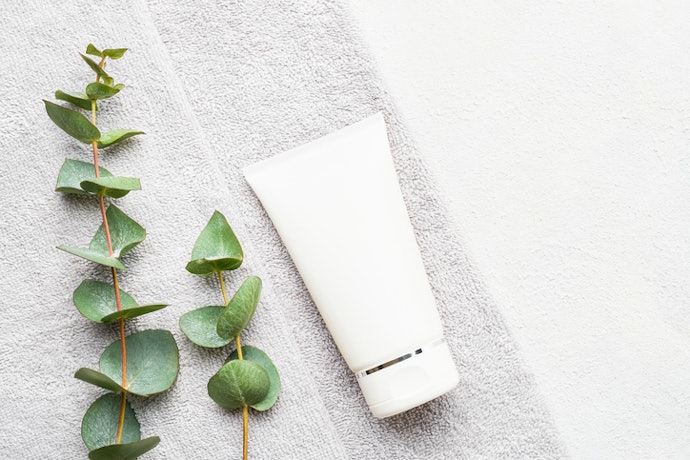
To enhance the comfort and safety of your sunscreen, look for products that include soothing and hydrating ingredients. Aloe vera is renowned for its anti-inflammatory and healing properties, making it an excellent choice for sensitive skin types.
Chamomile is another natural ingredient with soothing and anti-inflammatory benefits. Hyaluronic acid is a powerful humectant that helps to hydrate and plump the skin, while natural plant oils like jojoba and argan oil can nourish and protect the skin's barrier.
Aloe vera and hyaluronic acid soothe and hydrate sensitive skin, reducing the risk of irritation.
Go for Broad-spectrum SPF 50 or Higher for Optimal Sun Protection
Broad-spectrum SPF 30 is sufficient, but SPF 50 is more advisable because the recommended application and reapplication guidelines are often not followed.
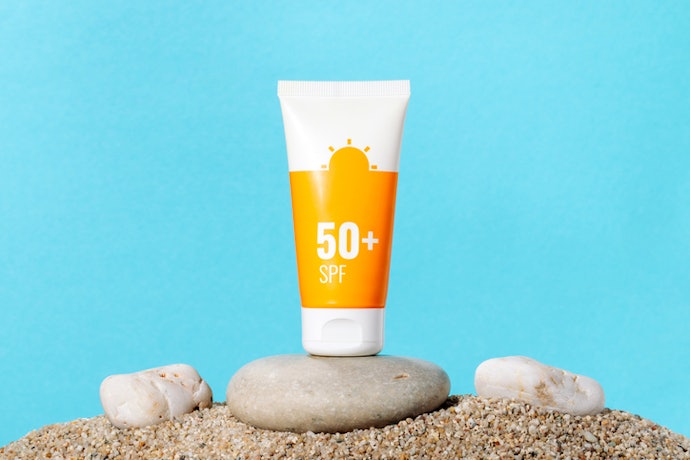
Broad-spectrum sunscreens protect against both UVA rays, which can cause premature aging and other skin damage, and UVB rays, which are primarily responsible for sunburn. An SPF of 50 blocks approximately 98% of UVB rays, providing higher protection levels compared to lower SPF ratings.
Ensuring your sunscreen meets these criteria is crucial for safeguarding your skin from the harmful effects of the sun, especially for those with sensitive skin who may be more susceptible to sun damage.
The Food and Drug Administration regulates the use of the "broad-spectrum" label. Hence, when choosing a sunscreen, it is a must to look for one with this label. Additionally, if there's a PA rating along with the SPF, although not a must, you may reach for that.
Lightweight and Non-Greasy Texture for Comfortable Wear
Lightweight and non-greasy sunscreen formulas are often preferred, as they are less likely to clog pores or worsen existing skin conditions like acne or rosacea.

Look for sunscreens labeled as "non-comedogenic" (won't clog pores), "oil-free," or "lightweight" on the packaging. These formulations are designed to provide sun protection without leaving a heavy or greasy residue on the skin.
Lightweight sunscreen formulas often come in gel, serum, or fluid textures, which tend to be more easily absorbed and less occlusive than thicker creams or lotions. However, it's important to note that individual preferences may vary, and some individuals with dry or dehydrated skin may prefer a more moisturizing formula.
Different sunscreen formulations may be suitable for sensitive skin. The most important factors to consider are the additional ingredients (such as fragrance and alcohol) and the type of sunscreen (organic vs. inorganic).
Those with sensitive but oily skin would benefit from using gel types, while those with sensitive but dry skin would be better off using cream or lotion forms of sunscreen.

For Those With a Lot Outdoor Exposure and Prone to Sweating, Look for Water-Resistant Sunscreens
These formulas ensure the sunscreen stays effective even when exposed to water or sweat.

Water-resistant sunscreens are formulated to remain effective for up to 40 or 80 minutes of swimming or sweating, ensuring continuous protection. Look for labels indicating "water-resistant" or "very water-resistant," along with the duration of protection.
Remember to reapply water-resistant sunscreen as directed, typically every two hours, and immediately after swimming, sweating, or towel drying. This ensures that your skin remains protected from UV rays even under intense outdoor conditions.
10 Best Sunscreens for Sensitive Skin to Buy Online
| Products | Image | Click to purchase | Popularity | Details | ||||
|---|---|---|---|---|---|---|---|---|
Sunscreen Type | SPF | PA | Fragrance-free | |||||
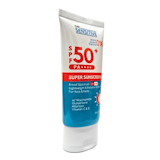
1 | Super Sunscreen Face and Body SPF50+ PA++++ Dr. Sensitive |  | No.1 | Hybrid | SPF 50+ | PA++++ | ||
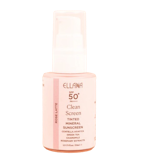
2 | Clean Screen SPF 50 Oil Control Mineral Sunscreen with Centella Asiatica, Green Tea & Chamomile Ellana Cosmetics |  | No.2 | Mineral / Physical | 50 | PA++++ | ||
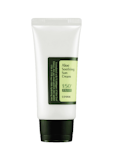
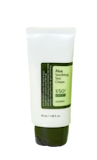
3 | Aloe Soothing Sun Cream SPF50+ PA+++ COSRX |  | No.3 | Chemical | 50 | PA++++ | ||
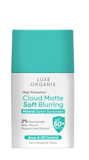
4 | High Protection Cloud Matte Soft Blurring Mineral Serum Sunscreen SPF 50+ PA++++ Luxe Organix |  | No.4 | Mineral / Physical | 50 | PA++++ | ||
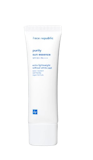
5 | Purity Sun Essence SPF50+ PA++++ Face Republic |  | No.5 | Chemical | 50 | PA++++ | ||
6 | Tinted Mattifying Mineral Sunscreen SPF 50 PA++++ Camou |  | No.6 | Mineral / Physical | 50 | PA++++ | ||
7 | Relief Sun: Rice + Probiotics SPF50+ PA++++ Beauty of Joseon |  | No.7 | Chemical | 50 | PA++++ | ||
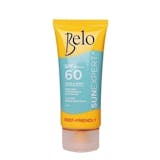
8 | SunExpert Reef-Friendly Sunscreen SPF60 PA++++ Belo |  | No.8 | Hybrid | 60 | PA++++ | ||
9 | Ultra Sheer Dry-Touch Sunscreen SPF50+ PA+++ Neutrogena |  | No.9 | Chemical | 50 | PA++++ | ||
10 | Houttuynia Cordata Calming Moisture Sun Cream SPF50+ PA++++ Goodal |  | No.10 | Chemical | 50 | PA++++ | ||

Dr. SensitiveSuper Sunscreen Face and Body SPF50+ PA++++
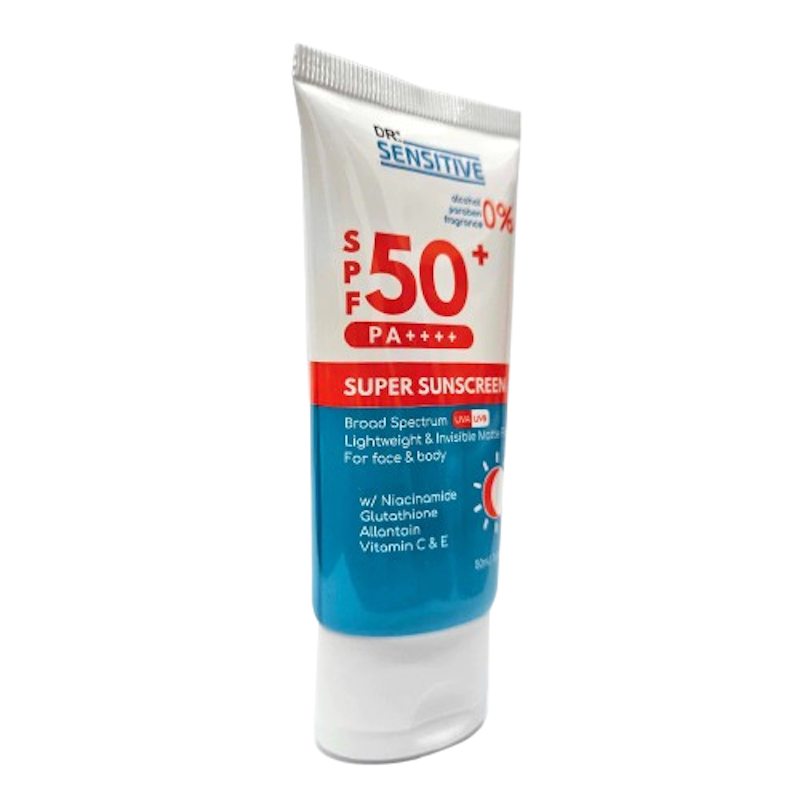
| Sunscreen Type | Hybrid |
|---|---|
| SPF | SPF 50+ |
| PA | PA++++ |
| Fragrance-free |
Ellana CosmeticsClean Screen SPF 50 Oil Control Mineral Sunscreen with Centella Asiatica, Green Tea & Chamomile
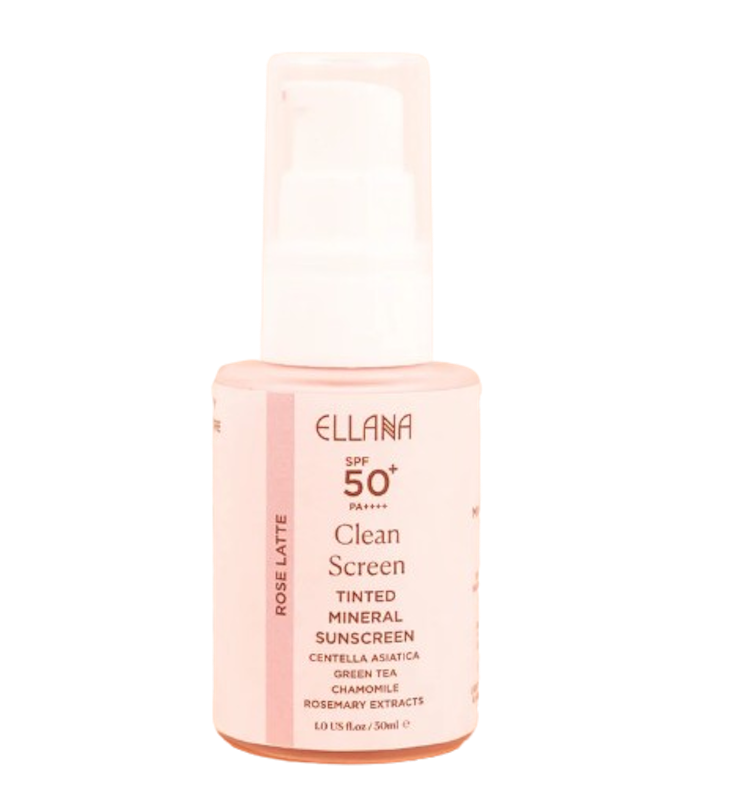
| Sunscreen Type | Mineral / Physical |
|---|---|
| SPF | 50 |
| PA | PA++++ |
| Fragrance-free |
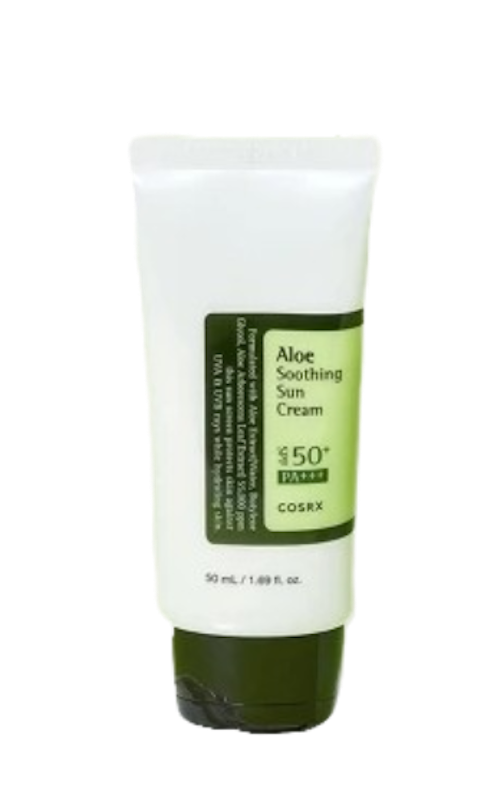
| Sunscreen Type | Chemical |
|---|---|
| SPF | 50 |
| PA | PA++++ |
| Fragrance-free |
Luxe OrganixHigh Protection Cloud Matte Soft Blurring Mineral Serum Sunscreen SPF 50+ PA++++
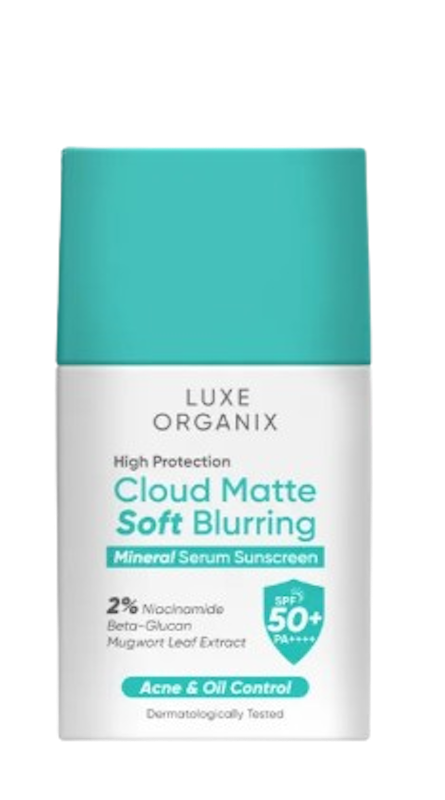
| Sunscreen Type | Mineral / Physical |
|---|---|
| SPF | 50 |
| PA | PA++++ |
| Fragrance-free |
Face RepublicPurity Sun Essence SPF50+ PA++++
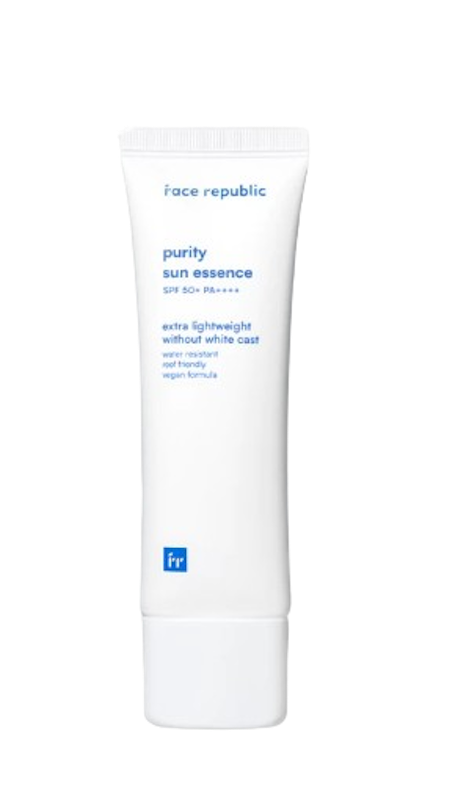
| Sunscreen Type | Chemical |
|---|---|
| SPF | 50 |
| PA | PA++++ |
| Fragrance-free |
CamouTinted Mattifying Mineral Sunscreen SPF 50 PA++++
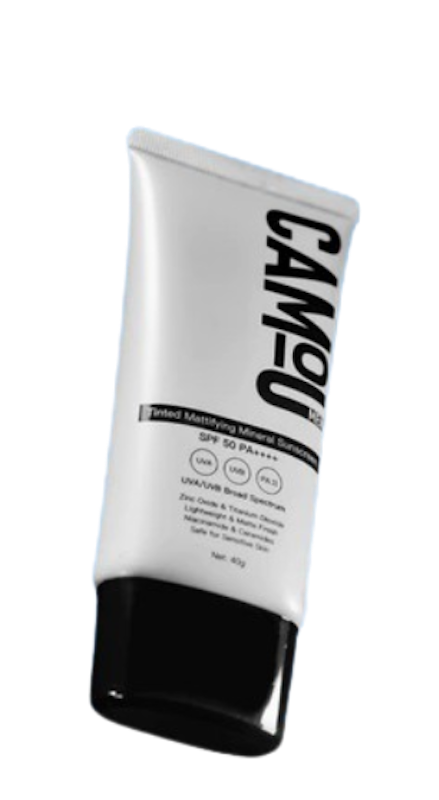
| Sunscreen Type | Mineral / Physical |
|---|---|
| SPF | 50 |
| PA | PA++++ |
| Fragrance-free |
Beauty of JoseonRelief Sun: Rice + Probiotics SPF50+ PA++++
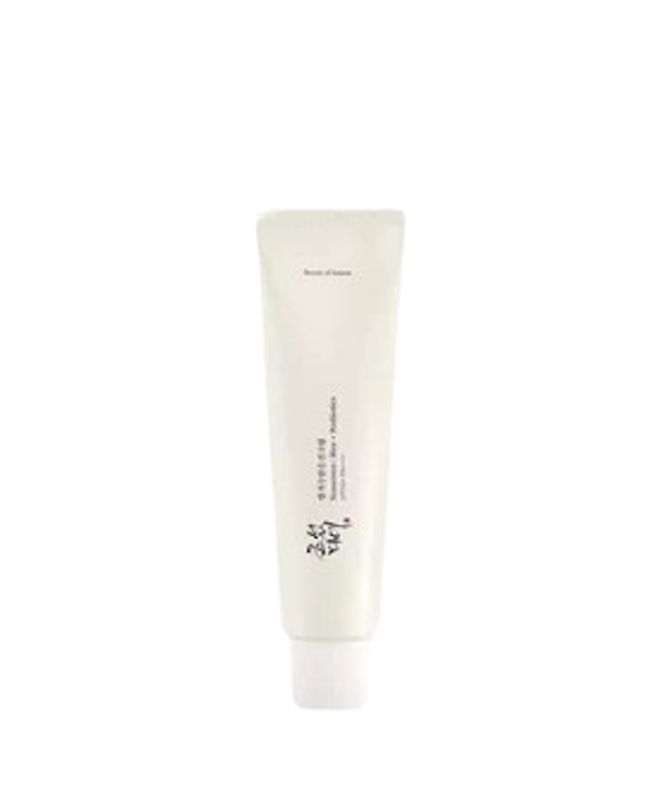
| Sunscreen Type | Chemical |
|---|---|
| SPF | 50 |
| PA | PA++++ |
| Fragrance-free |
BeloSunExpert Reef-Friendly Sunscreen SPF60 PA++++
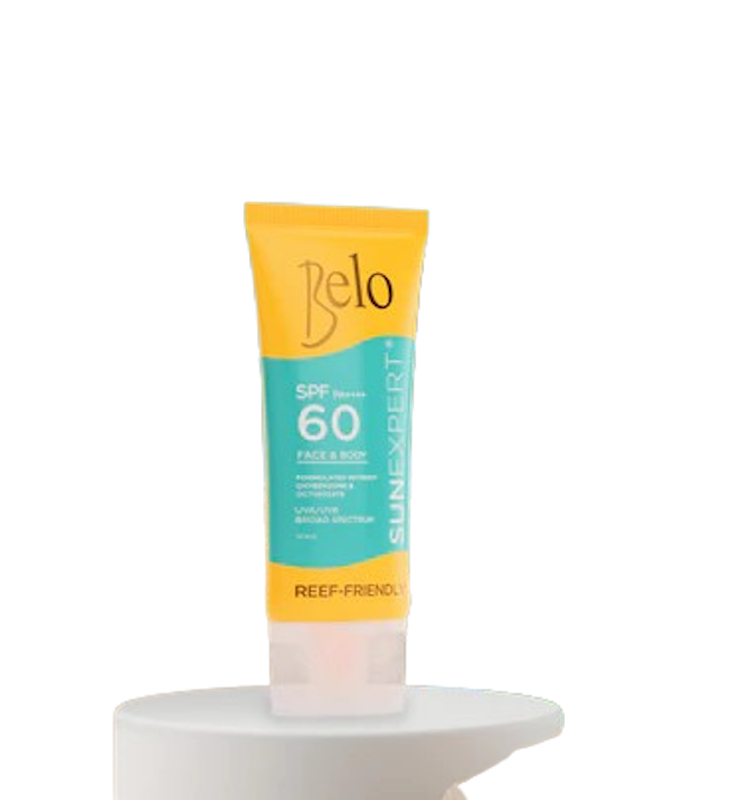
| Sunscreen Type | Hybrid |
|---|---|
| SPF | 60 |
| PA | PA++++ |
| Fragrance-free |
NeutrogenaUltra Sheer Dry-Touch Sunscreen SPF50+ PA+++
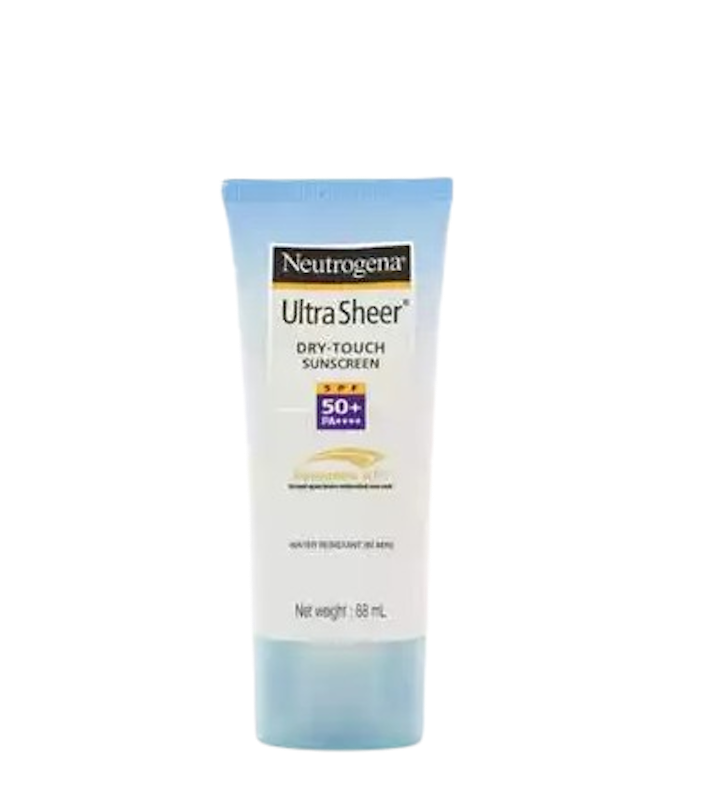
| Sunscreen Type | Chemical |
|---|---|
| SPF | 50 |
| PA | PA++++ |
| Fragrance-free |
GoodalHouttuynia Cordata Calming Moisture Sun Cream SPF50+ PA++++
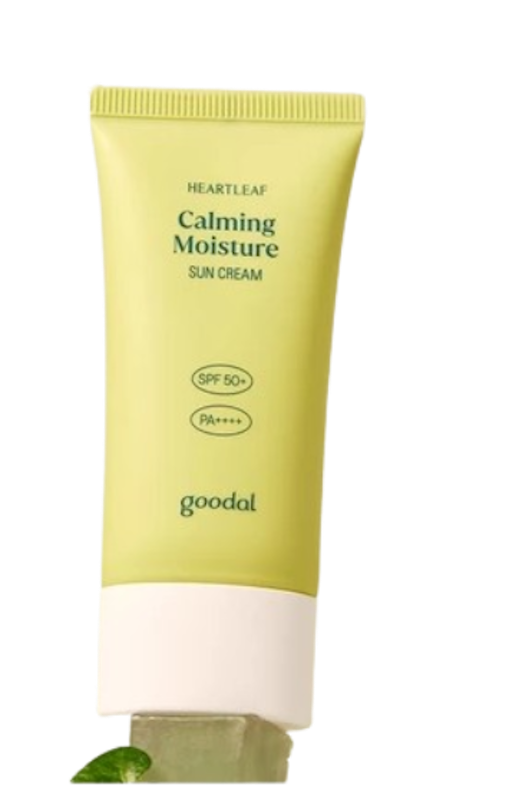
| Sunscreen Type | Chemical |
|---|---|
| SPF | 50 |
| PA | PA++++ |
| Fragrance-free |
How to Properly Apply Sunscreen According to a Board-certified Dermatologist
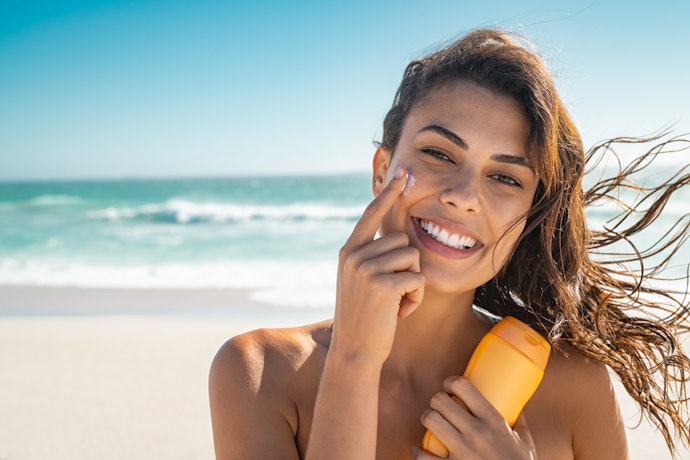
Here's what you should follow, according to Dr. Angelie:
- Apply Before Exposure: Apply sunscreen 30 minutes before sun exposure to allow it to absorb and provide protection.
- Shake Well: Shake the sunscreen container to mix any settled particles for an even application.
- Use Enough Product: Use a generous amount of sunscreen. A good rule of thumb is a shot glass (about 1 ounce) for the face and body.
- Apply Evenly: Spread the sunscreen evenly and thickly over all exposed skin using gentle, circular motions.
- Reapply Regularly: Reapply every two hours, or immediately after swimming, sweating, or towel drying to maintain protection.
- Cover All Areas: Don’t forget often-missed spots like the ears, back of the neck, tops of the feet, and the scalp if the hair is thin or parted.
- Layer Correctly: Apply sunscreen after all other skincare products but before makeup to ensure proper absorption and effectiveness.
Following these tips will help ensure you get the maximum protection and benefits from your sunscreen.
Frequently Asked Questions
Board-certified dermatologist Dr. Angelie Chua shares her knowledge even more in the section below! We asked her some of the frequently asked questions online, and here are her answers!
Should PA Rating Also Be Considered When Choosing a Sunscreen?
Generally, there are two systems used to measure sunscreen protection against UV rays: SPF and PA. Sun Protection Factor (SPF) is more commonly used and is seen in products from North America and Europe. The PA system is used in Asia and is based on the Persistent Pigment Darkening test (PPD test).
Consumers can consider a sunscreen's PA rating to determine the level of protection from UVA rays it can provide. However, a downside of the PA system is that it is based on the PPD test. These PPD values are not standardized and vary depending on the region. Hence, it is better to rely on the SPF rather than the PA. However, if the product you are using only has a PA rating and not SPF, it is best to choose one with a high PA rating.
How Do I Identify If I Have Sensitive Skin, and What Signs Should I Look For?
Sensitive skin shows signs of inflammation frequently. The four types are:
- Acne type: Look for comedones (blackheads and whiteheads), papules, and pustules.
- Rosacea type: Watch for flushing or redness, especially on the central face.
- Stinging type: Feelings of burning, stinging, or itching after applying products.
- Allergic type: Allergic reactions when exposed to various products.
How Can I Incorporate Sunscreen Into My Skincare Routine for Sensitive Skin?
Start by applying skincare products with the lightest consistency and work your way up to the heaviest. Apply sunscreen after other skincare products and before makeup. Ensure all other products are completely dry before applying sunscreen to minimize reactions. This layering method helps prevent interactions between different products and sunscreen.
More Sun Protection Products
For overall sun protection for your face and body, you're probably searching for more products to keep your skin healthy. Allow us to help you by checking out our other articles below where you can find more skin protection items.


How We Chose and Ranked Our Product Recommendations
Our buying guide was carefully researched and crafted by the mybest team of writers and editors, in collaboration with the expert featured in this article. We used the buying guide as a basis for choosing and ranking the product recommendations, and we looked at reviews and ratings from different E-commerce sites like Lazada, Shopee, and more.
The descriptions of each product are referenced from content available on manufacturer, brand, and e-commerce sites.