10 Best Body Sunscreens in the Philippines 2026 | Buying Guide Reviewed by Dermatologist
Daily commuters, beachgoers, and anyone who spends time outdoors in the Philippines can benefit from using body sunscreen every day. It helps protect your skin from sunburn, dark spots, premature aging, and other signs of UV damage while remaining comfortable to wear in the country's hot and humid climate.
In this guide, we'll explain how to choose a body sunscreen based on SPF, sunscreen type, texture, and other important features. Reviewed by board-certified dermatologist Dr. Angelie Chua, it also includes some of the best body sunscreens available on Shopee and Lazada.

Dr. Angelie Chua is a dedicated Thomasian physician specializing in dermatology, with board certification from the Philippine Dermatological Society. She completed her residency at UST Hospital and is currently pursuing a fellowship in Trichology (hair disorders). Passionate about beauty, health, history, music, and travel, she fosters continuous learning and expertise in diverse fields. Dr. Chua is committed to providing exceptional care and staying at the forefront of dermatological advancements for the benefit of her patients.

Mary is a content writer who has been writing professionally for around a decade. As a self-proclaimed Renaissance woman, her interests include music, fashion, sports, and cooking. She’s also the proud mom of two cats.
The expert oversees the Buying Guide only, and does not determine the products and services featured.
Why You Can Trust Us
Every mybest article is crafted with hours of in-depth research and interviews with experts. Each month, we are continually expanding our database of products based on our research. By emphasizing user insight and reliable information, we deliver trustworthy content to readers.
Can I Use the Same Sunscreen on My Face and Body?
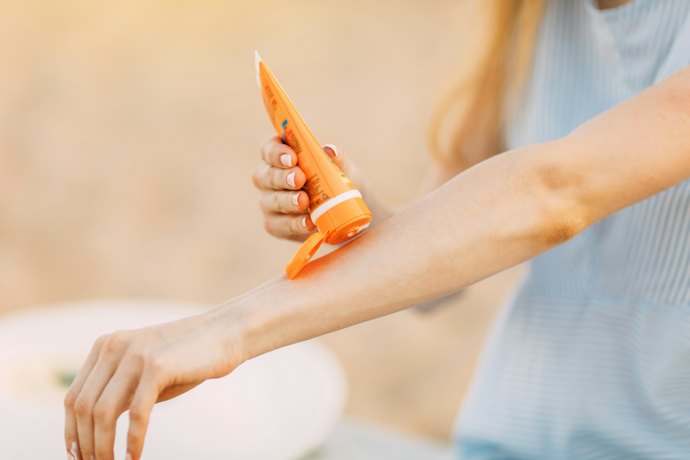
Yes, but facial and body sunscreens are usually designed for different needs.
Facial sunscreens are often lighter, non-comedogenic, and formulated to layer comfortably under skincare or makeup. Body sunscreens, on the other hand, are designed for larger areas of skin and typically offer better value per milliliter.
If you're in a pinch, it's perfectly fine to use one sunscreen for both. However, if you have oily, acne-prone, or sensitive facial skin, you may need a formula that matches your skin's needs.
How to Choose a Body Sunscreen - Buying Guide
The best body sunscreen depends on your skin type, daily routine, and how much time you spend outdoors. Here are the most important features to compare before buying.
Choose SPF 30–50 for Everyday Use or SPF 50+ for Long Hours Outdoors
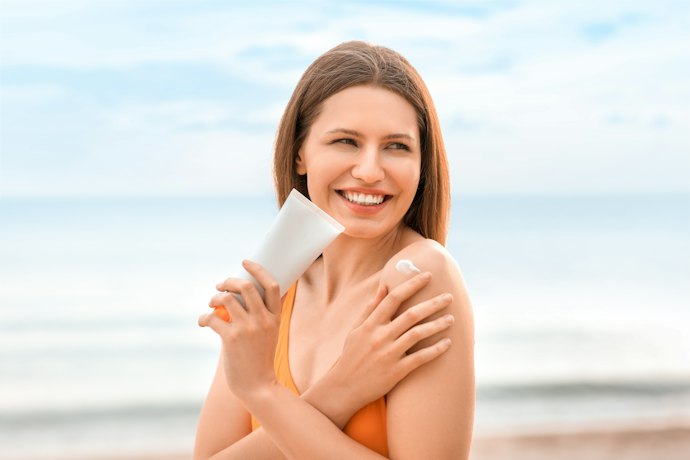
A broad-spectrum sunscreen protects against both UVA rays, which contribute to premature skin aging, and UVB rays, which cause sunburn. Dermatologists generally recommend using at least SPF 30 for everyday protection.
Choose your SPF based on your typical outdoor activities:
- SPF 30–50: Best for commuting, school, office work, errands, and other everyday outdoor exposure.
- SPF 50+ PA++++: Better for beach trips, hiking, outdoor sports, swimming, construction work, and other activities with prolonged sun exposure.
Although higher SPF blocks slightly more UVB rays, no sunscreen blocks 100% of UV radiation. Reapply every two hours, or more often after swimming or heavy sweating, and wear protective clothing whenever possible.

Aside from sunscreen, sun protection works best when used together with protective clothing, hats, sunglasses, and seeking shade during peak hours.
Go for Mineral Sunscreen for Sensitive Skin, Chemical for Lightweight Wear, or Hybrid for Both
The type of UV filters used affects how a sunscreen feels on the skin and how well it suits different skin types.
Physical (Mineral) Sunscreens: Best for Sensitive Skin
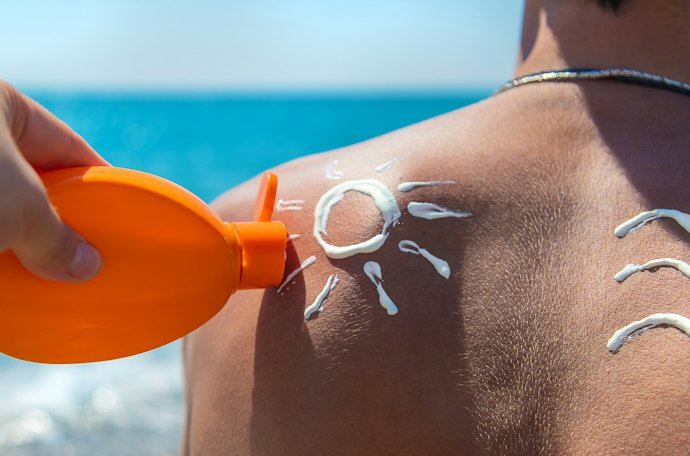
Mineral sunscreens contain filters such as zinc oxide and titanium dioxide, which protect the skin by reflecting and scattering UV rays. They begin working as soon as they're applied and are generally less likely to irritate sensitive skin or sting the eyes.
Their main drawback is that they may leave a slight white cast, although many newer formulations blend more easily than older products.
Mineral sunscreens are a good option for swimming because they're less likely to sting your eyes if they run into your eyes.
Chemical Sunscreens: Best for Lightweight Everyday Wear

Chemical sunscreens use UV filters that absorb UV rays before they can damage the skin. They usually feel lighter, spread more easily, and don't leave a noticeable white cast, making them popular for daily use.
Most chemical sunscreens should be applied 15–30 minutes before sun exposure so the UV filters have time to form an even protective layer. However, some people with very sensitive skin may find certain chemical filters irritating.
I recommend applying chemical sunscreen 15-30 minutes before leaving home so it has enough time to become fully effective.
Hybrid Sunscreens: Best if You Want a Balance of Comfort and Protection
Hybrid sunscreens combine mineral and chemical UV filters, offering a balance between gentle protection and a lightweight finish.
Compared with purely mineral formulas, they're usually easier to blend and less likely to leave a white cast. They're also often gentler than fully chemical sunscreens, making them a practical everyday choice for many people.
Although hybrid sunscreens are generally less irritating than chemical ones, they still contain chemical filters that may cause sensitivity, so it’s best to do a patch test before full application.
Select a Gel Formula for Oily Skin, a Lotion for Dry Skin, or a Spray for Easy Reapplication
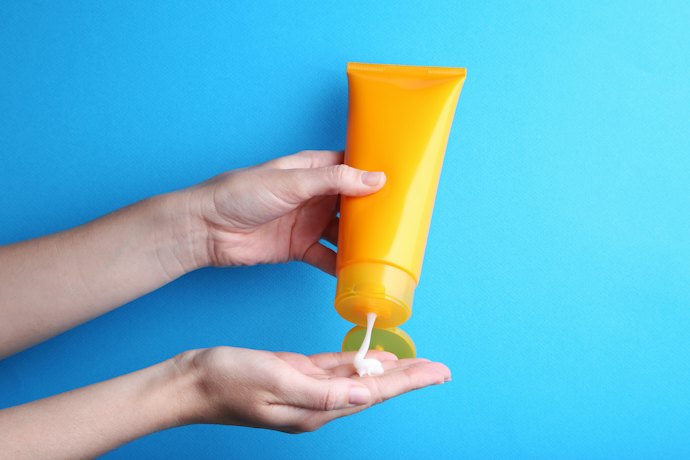
Once you've chosen a sunscreen type, selecting the right formulation can make daily application more comfortable and convenient.
- Gel: This type absorbs quickly and leaves little to no greasy residue, making it a comfortable option for oily or combination skin in the Philippines' hot and humid climate.
- Lotion or Cream: These provide added moisture while protecting against UV rays, making them a better choice for dry or normal skin. Their richer texture also makes them easy to spread evenly across larger areas of the body.
- Spray: Convenient for covering large areas quickly, making them useful for beach trips, outdoor sports, and other activities where frequent reapplication is needed.
Choose the texture that feels most comfortable on your skin. The more enjoyable it is to wear, the more likely you'll apply and reapply it consistently.
To ensure adequate protection, spray generously and rub the product into the skin unless the product instructions state otherwise. Avoid spraying directly onto your face or using sprays in enclosed spaces.
Pick a Water-Resistant Sunscreen if You'll Swim, Exercise, or Sweat Heavily

If you'll be swimming, exercising, or spending long periods outdoors, choose a water-resistant sunscreen.
Most water-resistant formulas remain effective for either 40 or 80 minutes while swimming or sweating before they should be reapplied. Since no sunscreen is completely waterproof, regular reapplication is still essential to maintain protection.
Even water-resistant sunscreen should be reapplied after towel drying or prolonged water exposure.
10 Best Body Sunscreens to Buy Online
| Products | Image | Click to purchase | Popularity | Details | ||||||
|---|---|---|---|---|---|---|---|---|---|---|
SPF Rating | Sunscreen Type | Texture | Water Resistant | Broad Spectrum | Net Weight | |||||
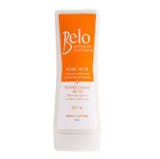
1 | SunExpert Body Shield Belo |  | No.1 | SPF 60, PA+++ | Hybrid | Lotion | 100 mL | |||
2 | UV Body Care Serum Refresh Bright Biore |  | No.2 | SPF 50+ | Hybrid | Lotion | 150 mL | |||
3 | Sun SPF 50+ Light Gel Cetaphil |  | No.3 | SPF 50+ | Chemical | Gel | 50 mL | |||
4 | Natural Mineral Sunscreen Human Nature |  | No.4 | SPF 60 | Physical (Mineral) | Cream | 100 mL | |||
5 | Sunblock Max SPF 100 Beach Hut |  | No.5 | SPF 100 | Hybrid | Lotion | 50 mL | |||
6 | Sun Protect & Moisture Sunblock Lotion Nivea |  | No.6 | SPF 50 | Hybrid | Lotion | 75 mL | |||
7 | Super Sunscreen Dr. Sensitive |  | No.7 | SPF 50+ | Hybrid | Cream | unknown | 50 mL | ||
8 | Sunscreen Lotion Banana Boat |  | No.8 | SPF 110 | Chemical | Lotion | 90 mL | |||
9 | UV Protection Sunblock Everwhite |  | No.9 | SPF 50, PA+++ | Chemical | Cream | 50 mL | |||
10 | Cooling Sun Shield Camou |  | No.10 | SPF 100, PA++++ | Chemical | Lotion | 100 mL | |||

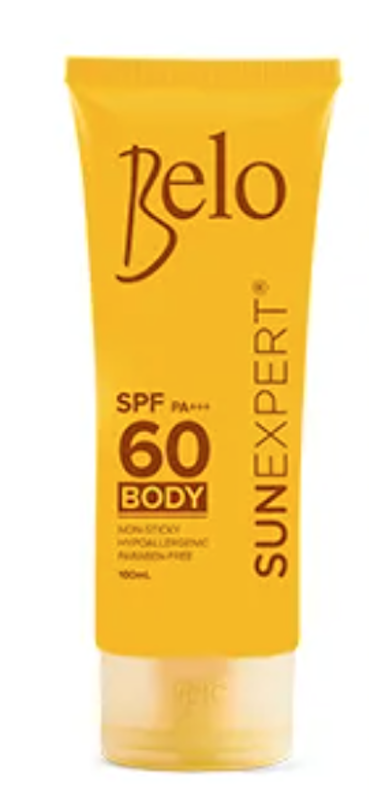
| SPF Rating | SPF 60, PA+++ |
|---|---|
| Sunscreen Type | Hybrid |
| Texture | Lotion |
| Water Resistant | |
| Broad Spectrum | |
| Net Weight | 100 mL |
BioreUV Body Care Serum Refresh Bright
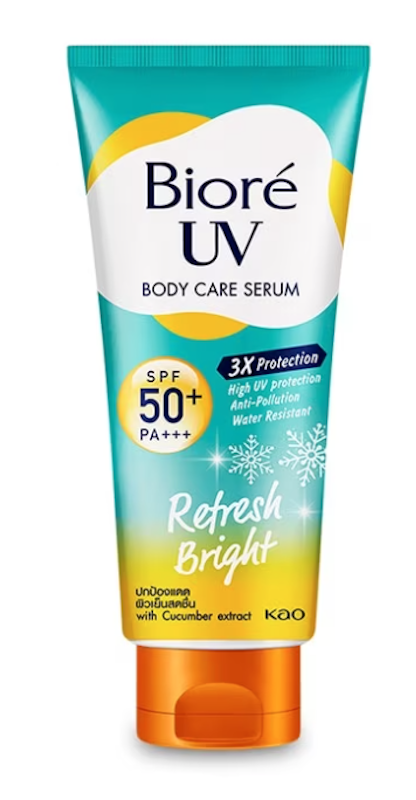
| SPF Rating | SPF 50+ |
|---|---|
| Sunscreen Type | Hybrid |
| Texture | Lotion |
| Water Resistant | |
| Broad Spectrum | |
| Net Weight | 150 mL |
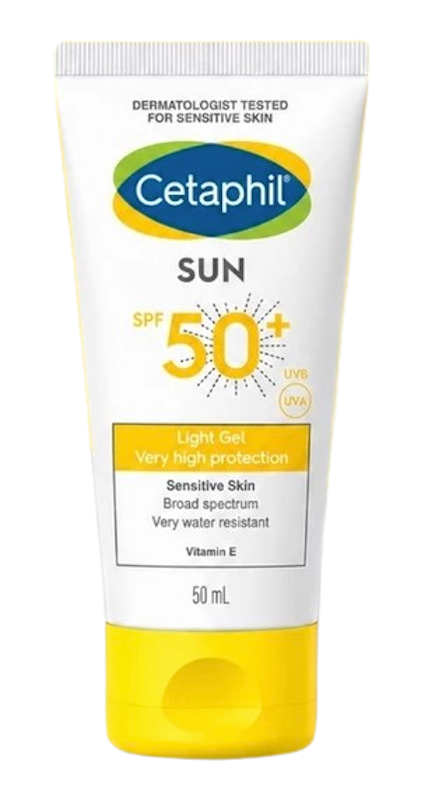
| SPF Rating | SPF 50+ |
|---|---|
| Sunscreen Type | Chemical |
| Texture | Gel |
| Water Resistant | |
| Broad Spectrum | |
| Net Weight | 50 mL |
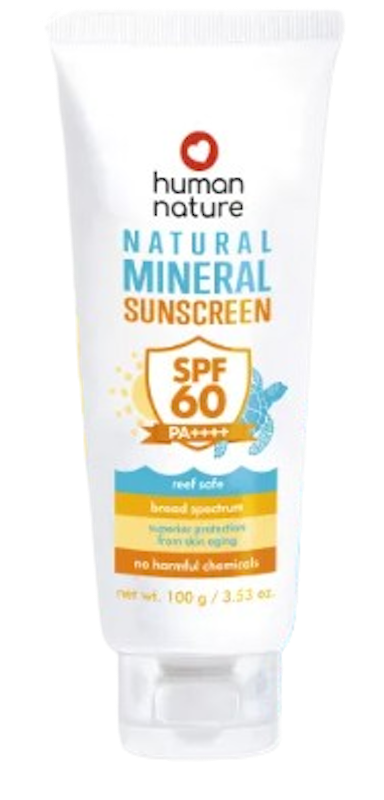
| SPF Rating | SPF 60 |
|---|---|
| Sunscreen Type | Physical (Mineral) |
| Texture | Cream |
| Water Resistant | |
| Broad Spectrum | |
| Net Weight | 100 mL |
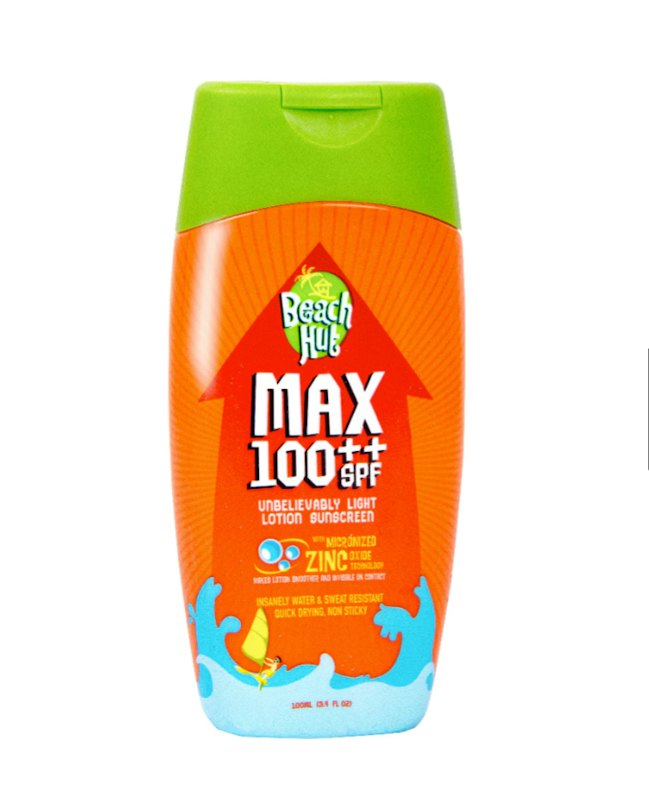
| SPF Rating | SPF 100 |
|---|---|
| Sunscreen Type | Hybrid |
| Texture | Lotion |
| Water Resistant | |
| Broad Spectrum | |
| Net Weight | 50 mL |
NiveaSun Protect & Moisture Sunblock Lotion
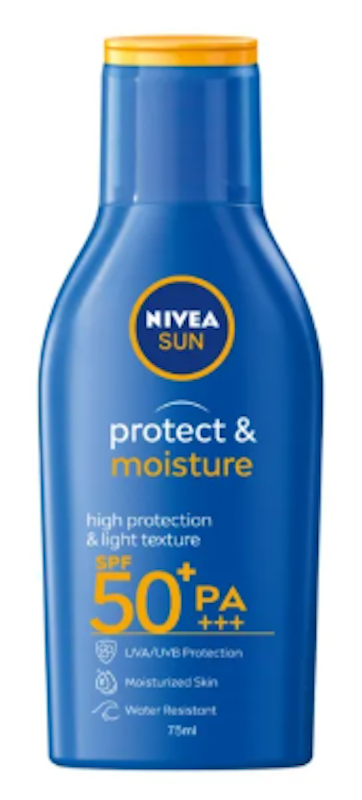
| SPF Rating | SPF 50 |
|---|---|
| Sunscreen Type | Hybrid |
| Texture | Lotion |
| Water Resistant | |
| Broad Spectrum | |
| Net Weight | 75 mL |

| SPF Rating | SPF 50+ |
|---|---|
| Sunscreen Type | Hybrid |
| Texture | Cream |
| Water Resistant | unknown |
| Broad Spectrum | |
| Net Weight | 50 mL |
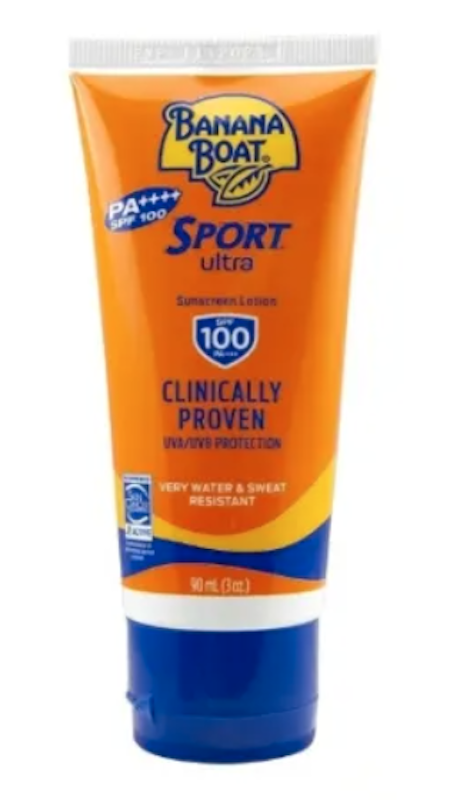
| SPF Rating | SPF 110 |
|---|---|
| Sunscreen Type | Chemical |
| Texture | Lotion |
| Water Resistant | |
| Broad Spectrum | |
| Net Weight | 90 mL |
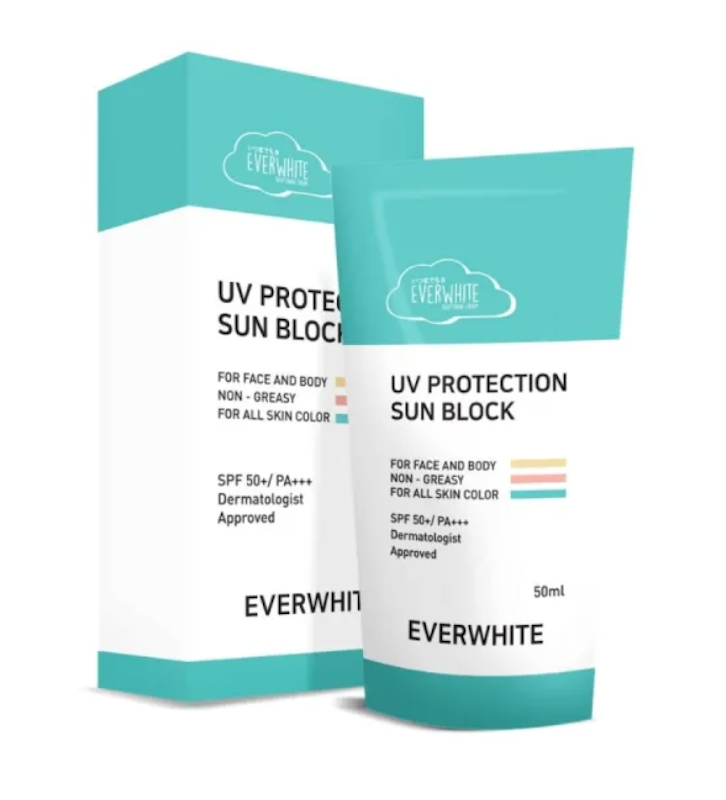
| SPF Rating | SPF 50, PA+++ |
|---|---|
| Sunscreen Type | Chemical |
| Texture | Cream |
| Water Resistant | |
| Broad Spectrum | |
| Net Weight | 50 mL |
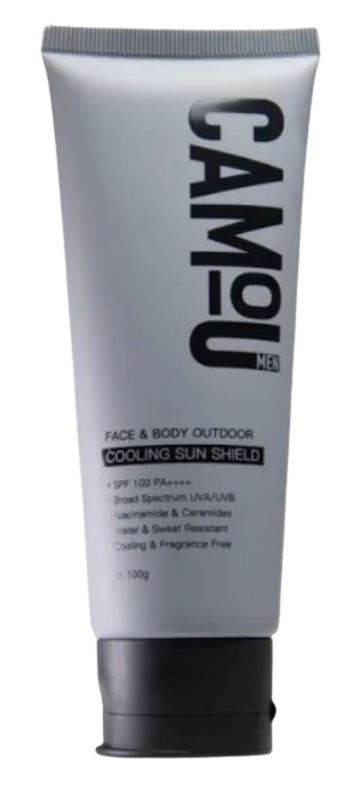
| SPF Rating | SPF 100, PA++++ |
|---|---|
| Sunscreen Type | Chemical |
| Texture | Lotion |
| Water Resistant | |
| Broad Spectrum | |
| Net Weight | 100 mL |
Frequently Asked Questions Answered by Dr. Angelie Chua
Even if you know some of the main points to consider before purchasing a body sunscreen, you might still have some unanswered questions on your mind. To answer those, read Dr. Angelie Chua's thoughts on some of the internet's most asked questions regarding body sunscreens.
How Much Sunscreen Should You Use on the Body?
Make sure that you apply the correct amount of sunscreen to fully reap its benefits! The recommended amount of sunscreen for an entire adult body is 1 shot glass (equivalent to 1 ounce or 30 mL). For easy reference, that's 〜1 entire palm.
Are Higher SPF Sunscreens Better?
While a higher SPF does offer more protection, the difference isn’t as dramatic as you might think. For example, SPF 30 blocks about 97% of UVB rays, while SPF 50 blocks about 98%. This small increase can be beneficial for those with fair skin, a history of skin cancer, or for anyone spending extended time in intense sunlight.
However, no sunscreen can block 100% of UV rays, so it’s essential to apply it thoroughly and reapply it regularly, regardless of the SPF. So, while higher SPF can offer slightly more protection, proper application and reapplication are what really count in keeping your skin safe from the sun’s harmful rays.
Is It Necessary to Wear Sunscreen Indoors?
UV rays can penetrate through windows, exposing your skin to potential damage even when you’re inside. This is particularly true for UVA rays, which can cause premature aging and contribute to the risk of skin cancer.
If you spend a lot of time near windows, whether at home, in the office, or in the car, applying sunscreen can help protect your skin from these harmful rays. Using a broad-spectrum sunscreen daily, even indoors, ensures that your skin remains protected from the cumulative effects of UV exposure.
Can Body Sunscreen Be Used Every Day?
Is Body Sunscreen Safe During Pregnancy?
Other Skin Products to Protect Yourself From the Sun
After learning more about sunscreens, purchasing one, and following the tips, you are basically good to go. However, in case you are still not satisfied, here are more links to other skincare products for sun protection that may help.


How We Chose and Ranked Our Product Recommendations
Our buying guide was carefully researched and crafted by the mybest team of writers and editors, in collaboration with the expert featured in this article. We used the buying guide as a basis for choosing and ranking the product recommendations, and we looked at reviews and ratings from different E-commerce sites like Lazada, Shopee, and more.
The descriptions of each product are referenced from content available on manufacturer, brand, and e-commerce sites.