10 Best Nonstick Frypans in the Philippines 2026 | Buying Guide Reviewed by Chef
A nonstick frypan is an indispensable kitchen tool, whether you're cooking delicate eggs on low heat or need something tough enough for daily high-heat stir-fries. A nonstick coating eliminates the scraping and sticking, and it's also great for those cutting back on oil and fat.
With so many options out there, it's easy to feel overwhelmed. That's why we've put together this buying guide, fact-checked by Chef Terence Fereday Jr., alongside the top 10 nonstick frypans you can shop right now on Shopee and Lazada.

Chef Terrence has 30 years of experience working in the professional kitchen. He graduated from the Professional Culinary Institute in California, USA, and he was a former Culinary Instructor, Corporate Chef, and Executive Chef. He also won several awards in culinary competitions and is the founder and owner of Zilla Pizza.

Our recommendation articles are carefully researched and crafted by the mybest Philippines team of writers and editors. To stay true to our company’s mission and vision to help users’ selection process easier, we also collaborate with experts from various fields to ensure that our content stays factual and useful.
The expert oversees the Buying Guide only, and does not determine the products and services featured.
Why You Can Trust Us
Every mybest article is crafted with hours of in-depth research and interviews with experts. Each month, we are continually expanding our database of products based on our research. By emphasizing user insight and reliable information, we deliver trustworthy content to readers.
How to Choose a Nonstick Frypan - Buying Guide
Looking for your next kitchen essential? We’ve rounded up the key things to look for before buying your next nonstick frypan! From coating types to handle comfort, here’s what to keep in mind before you hit “add to cart."
Check Cooktop Compatibility Before Buying

Start by choosing a pan that's compatible with your cooktop to ensure proper and efficient heating. Those with induction cooktops should look for pans labeled "induction-compatible." While aluminum pans are lightweight, only models with a stainless steel base can be used on induction stoves.
Conversely, gas and electric (coil or ceramic) stoves are compatible with most nonstick pans, giving you more flexibility to choose based on the coating and pan material instead.
Choose the Pan Size Based on Your Cooking Volume and Cooktop
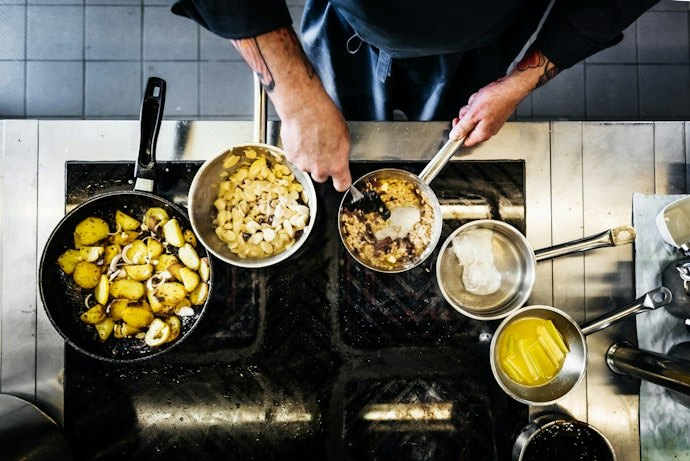
If you want to prevent uneven heating, consider the pan's base diameter and match it to your cooktop surface measurements. For solo home cooks or those preparing small side portions, a compact pan around 8 inches in diameter heats up quickly and handles single-serving meals efficiently.
On the other hand, if you regularly prepare food for large households or gatherings, opting for a wider size, such as a 12-inch model, provides ample surface area to prevent overcrowding and ensure your food crisps perfectly rather than steaming.

Match the Nonstick Coating to Your Cooking Habits and Durability Needs
A nonstick pan's surface chemical composition directly governs its lifespan and high-heat tolerance. To maximize your investment, select a coating compound that aligns with your household cooking techniques and maintenance habits.
PTFE or Xylan for Everyday Cooking and Easy Food Release
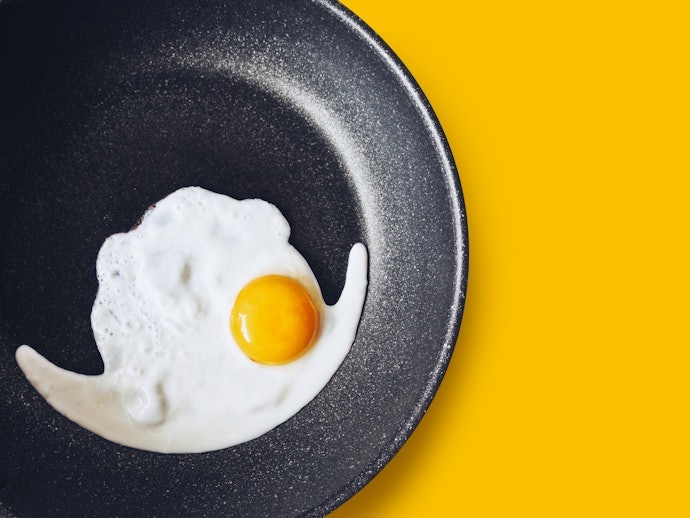
If you primarily cook delicate foods like eggs or fish and prefer minimal clean-up effort, opt for a traditional PTFE or Xylan fluoropolymer coating. This material provides an incredibly slick surface that lets ingredients slide out effortlessly without tearing.
However, you must limit its use to low-to-medium heat settings to protect the structural integrity of the chemical bond and prevent premature degradation.
It's best to replace a nonstick pan with a broken Teflon surface, even if PTFE is classified as non-toxic. The bottom line is that only food items should be ingested.
Ceramic Coating for a More Natural Nonstick Option
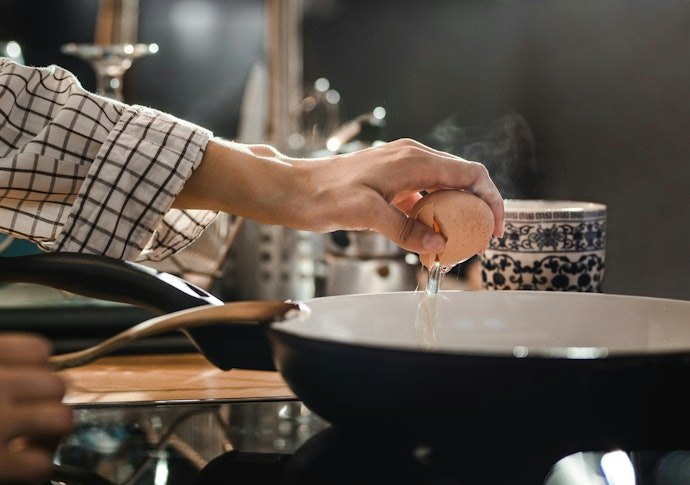
For users who regularly cook at slightly higher temperatures or prefer cooking tools completely free of PFAS, PFOA, and heavy metals, a ceramic nonstick surface is your best match. Derived from natural silica minerals, it safely withstands cooking heat without releasing fumes.
Keep in mind that while it offers premium environmental peace of mind, its natural nonstick slide properties will require gentler handling and degrade slightly more quickly than fluoropolymers.
If you're planning to get a ceramic pan, I suggest you get a branded one with good reviews. They usually have a multi-ceramic coating that lasts longer than the unbranded ones. In the long run, this would be a wiser buy than buying the cheaper brands over and over again.
Granite or Marble for a More Durable Stone-Finish Surface
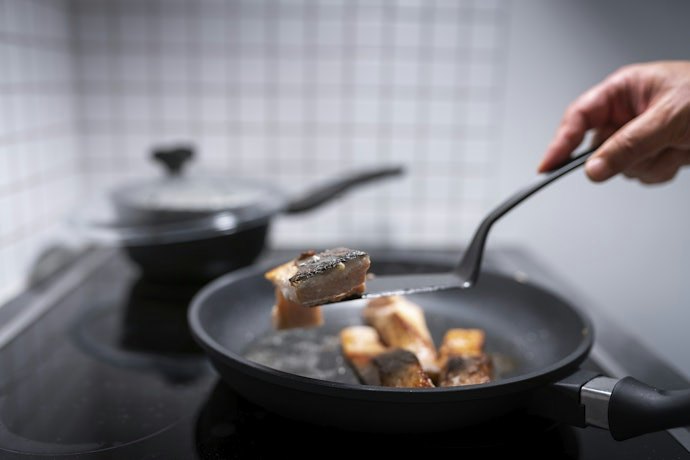
If you need a resilient, heavy-duty pan that tolerates frequent, active family cooking without scratching easily, choose a stone-particle reinforced option like marble or granite coating.
These models feature core nonstick surfaces embedded with real mineral particles to resist surface abrasions from everyday utensils. This textured reinforcement ensures excellent long-term structural durability while safely retaining its slick food-release performance.
Stone-coated pans work well for quick sautéing or small-batch pan-frying. However, this type of pan does not work well with high-temperature cooking like searing and stir-frying.
Choose a Pan Material That Matches Your Cooking Style
Most nonstick frying pans are made with aluminum, stainless steel, and carbon steel. Below are their characteristics and what you can expect with each one.
Aluminum: For Everyday Home Cooking
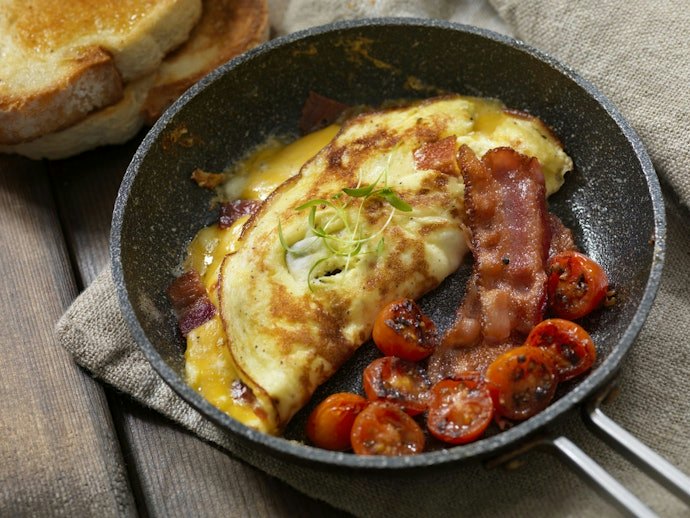
If you need a budget-friendly pan that's easy to lift, aluminum is the best place to start. It heats up quickly, and because it's lightweight, it's comfortable to use. That said, some models distribute heat less evenly unless they include an induction-compatible stainless steel base.
It's best to get a pan with an induction option if you shift cooking mediums from time to time. And with the price of LPG soaring at times, it might be a good idea to be induction ready.
Stainless Steel: For Better Heat Control
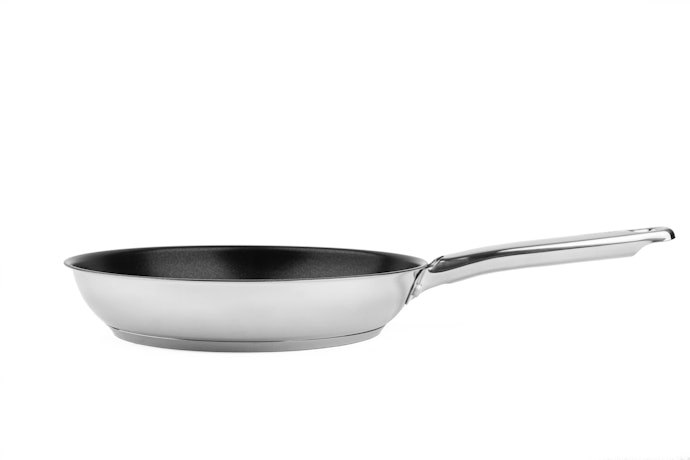
For those who frequently cook meat, sauces, or recipes that benefit from even heating, stainless steel is worth considering. Many quality pans include an aluminum or copper core to improve heat distribution while maintaining excellent durability.
Durability and heat conduction/retention—you'll have the best of both worlds with this type of multi-clad pan.
Carbon Steel: For Faster Heating Without Extra Weight
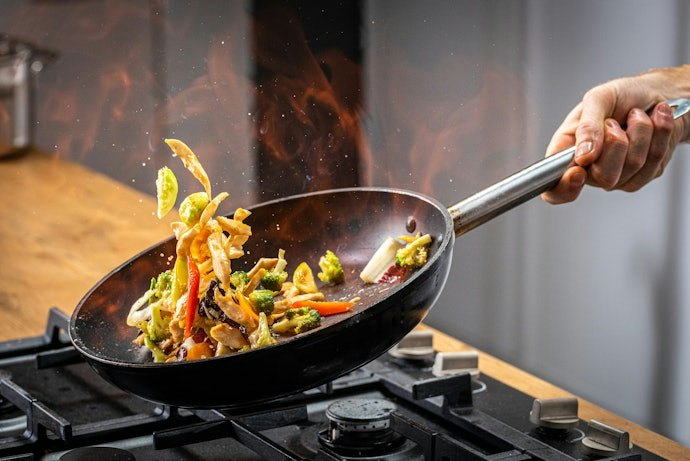
If you want a pan that heats quickly but remains lighter than cast iron, carbon steel is a practical option. It reaches cooking temperature rapidly and handles high heat well, making it suitable for fast-paced everyday cooking.
This type of pan is ideal for people on a budget. Though heat retention is not that good, it can still get the job done. You just have to make sure you're prepped well, so you cook continuously and not lose heat by stopping midway through the process.
Go For a Handle That's Safe and Comfortable to Use
If you frequently lift, toss, or transfer food while cooking, don't overlook the handle. A comfortable, securely attached handle gives you better control and makes cooking safer, especially when the pan is full.
Heat-Resistant Handles Provide More Comfortable Handling
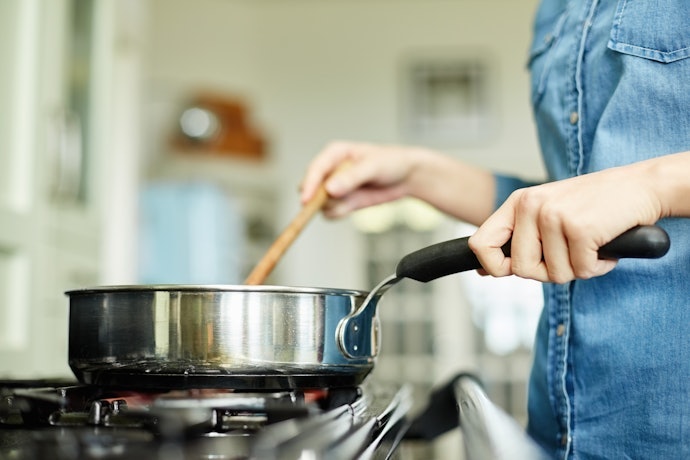
Choose a pan with a heat-resistant handle made from Bakelite, silicone, or stainless steel. Bakelite and silicone help reduce heat transfer during stovetop cooking, while all-metal or hollow stainless steel handles are better if you plan to use the pan in the oven. For added safety and durability, look for a securely attached or riveted handle.
In my experience, pans with Bakelite handles work well. You have a lesser chance of holding a hot pan handle due to its heat-resistant properties that can withstand temperatures of up to 350°F before the handle actually gets hot. That's a huge window.
Check the Handle Attachment for Better Durability
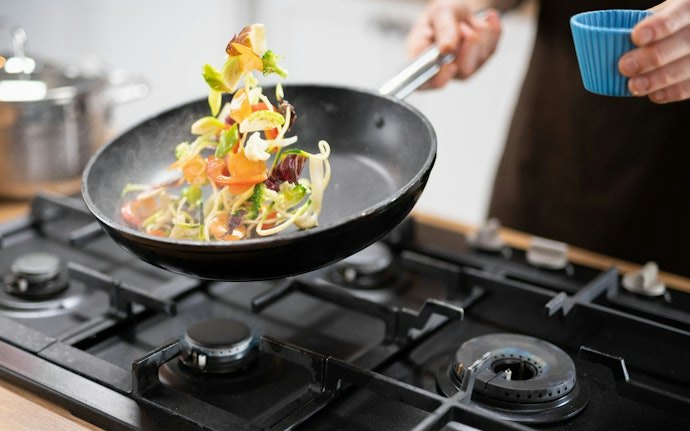
If you want a pan that can withstand years of regular use, pay attention to how the handle is attached. Riveted handles are generally more durable, while welded handles create a smoother interior that's easier to clean.
If you often cook outdoors or have limited kitchen storage, a foldable or removable handle can also be a practical space-saving option.
Get a pan from a trusted brand name. They're definitely worth the investment. Moreover, riveted handles are more durable. You just need to clean around that area where there can be food build-up not a bad trade-off for its durability.
10 Best Nonstick Frypans Ranking
| Products | Image | Click to purchase | Popularity | Details | ||||||
|---|---|---|---|---|---|---|---|---|---|---|
Coating | Material | Handle | Compatibility | Diameter | Dimensions | |||||
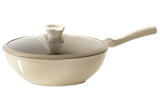
1 | 20cm Nonstick Ceramic Stir-Fry Pan Redchef |  | No.1 | Ceramic | Aluminum | Bakelite | Gas, Electric, Ceramic, Induction | 20 cm | 4.5 x 20 cm | |
2 | Nonstick Frying Pan JEETEE |  | No.2 | PFOA-Free Non-Stick Coating | Aluminum | Wood | All Stove Types | 26 cm | 7.5 x 26 cm | |
3 | Daisy Plus Non-Stick Frypan Chef's Classics |  | No.3 | Teflon | Aluminum | Bakelite | Gas | 20 cm | 4 x 20 cm | |
4 | Marble Frying Pan 24cm Chef's Gallery |  | No.4 | PFOA-Free Non-Stick Coating | Aluminum | Bakelite | All Stove Types | 24 cm | 24 x 5 cm | |
5 | Open Fry Pan Metro Cookwares |  | No.5 | unknown | Stainless Steel | Stainless Steel | Gas, Electric, Induction | 28 cm | unknown | |
6 | Non Stick Frying Pan Simplus |  | No.6 | PFOA-Free Nonstick Coating | Aluminum | Wood | All Stove Types | 26 cm | 26 x 5 cm | |
7 | Avotech Marble Fry Pan 24cm SLIQUE |  | No.7 | Marble | Stainless Steel | Wood | All Stove Types | 24 cm | 44.5 x 5.1 cm | |
8 | Tessa 28cm Aluminum Non-Stick Fry Pan Omega Houseware |  | No.8 | 2-Layer Non-Stick Inner Coating | Aluminum | Bakelite | All Stove Types | 28 cm | 47 x 6 cm | |
9 | INOX Stainless Steel 20cm Fry Pan CRYSALIS |  | No.9 | Honeycomb | Stainless Steel | Stainless Steel | All Stove Types | 28 cm | unknown | |
10 | Cookware - Ceramic Mandaue Foam |  | No.10 | Ceramic | Aluminum | Wood | All Stove Types | 20 cm | 20 x 4.3 cm | |

Redchef20cm Nonstick Ceramic Stir-Fry Pan
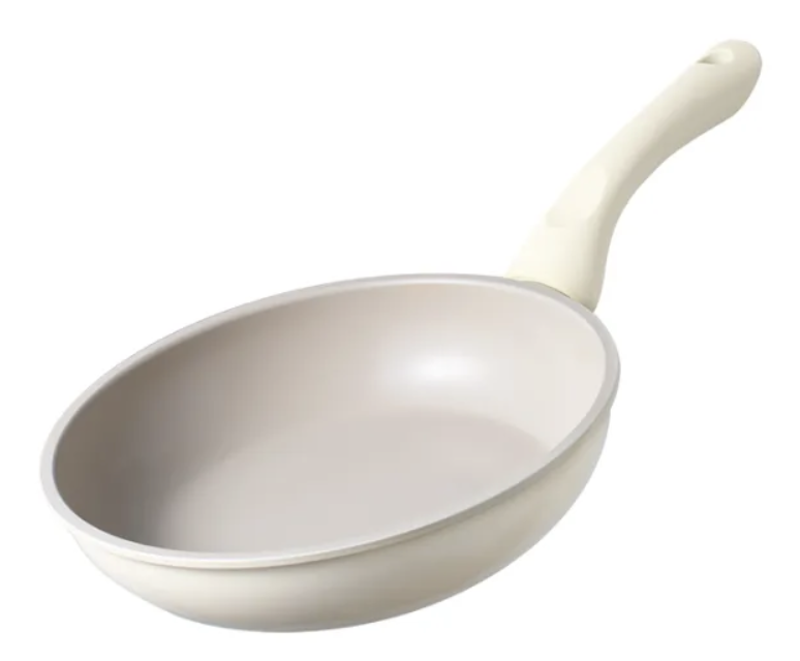
| Coating | Ceramic |
|---|---|
| Material | Aluminum |
| Handle | Bakelite |
| Compatibility | Gas, Electric, Ceramic, Induction |
| Diameter | 20 cm |
| Dimensions | 4.5 x 20 cm |
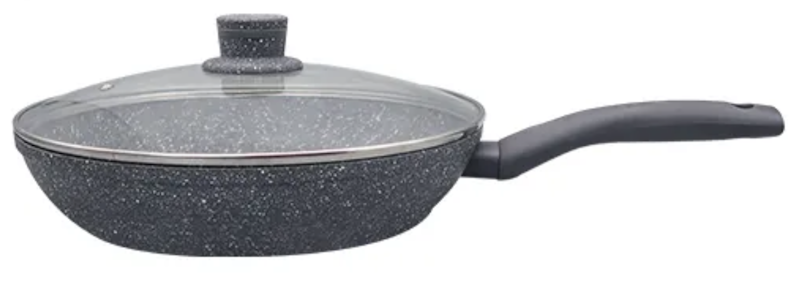
| Coating | PFOA-Free Non-Stick Coating |
|---|---|
| Material | Aluminum |
| Handle | Wood |
| Compatibility | All Stove Types |
| Diameter | 26 cm |
| Dimensions | 7.5 x 26 cm |
Chef's Classics Daisy Plus Non-Stick Frypan
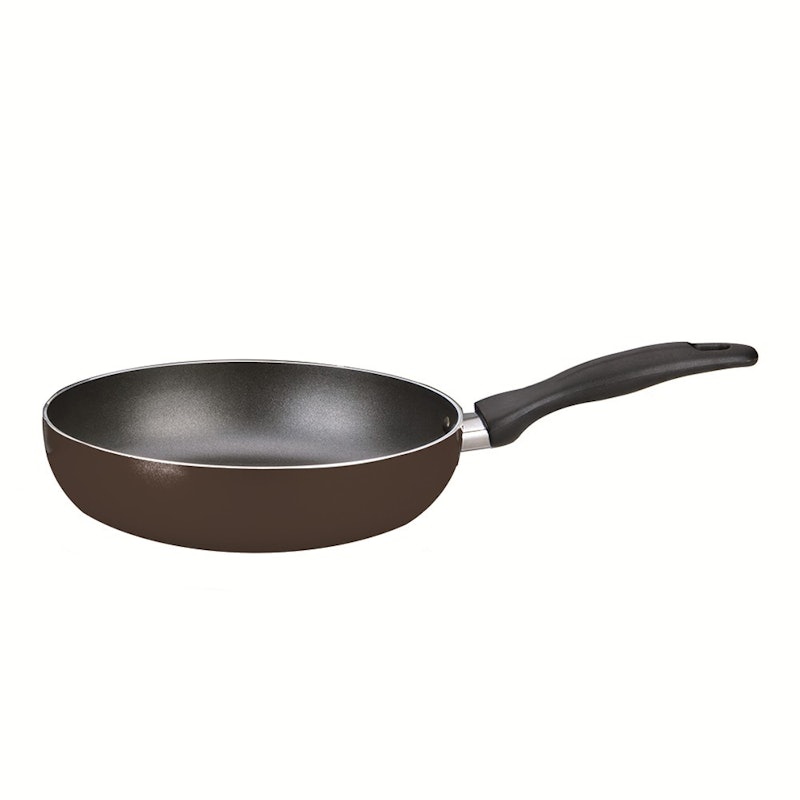
| Coating | Teflon |
|---|---|
| Material | Aluminum |
| Handle | Bakelite |
| Compatibility | Gas |
| Diameter | 20 cm |
| Dimensions | 4 x 20 cm |
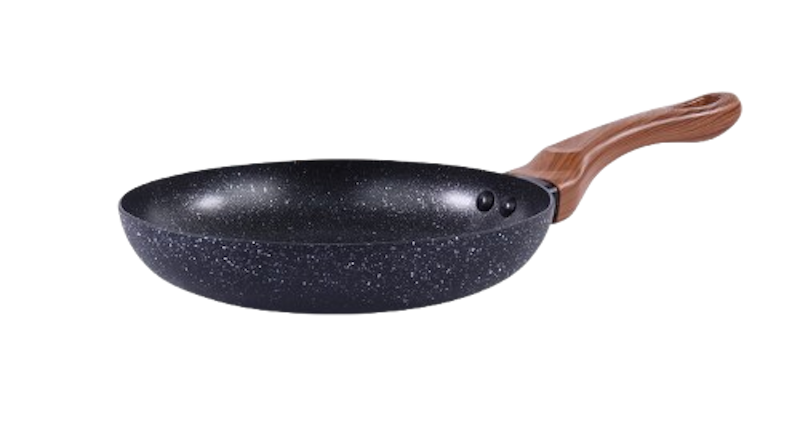
| Coating | PFOA-Free Non-Stick Coating |
|---|---|
| Material | Aluminum |
| Handle | Bakelite |
| Compatibility | All Stove Types |
| Diameter | 24 cm |
| Dimensions | 24 x 5 cm |
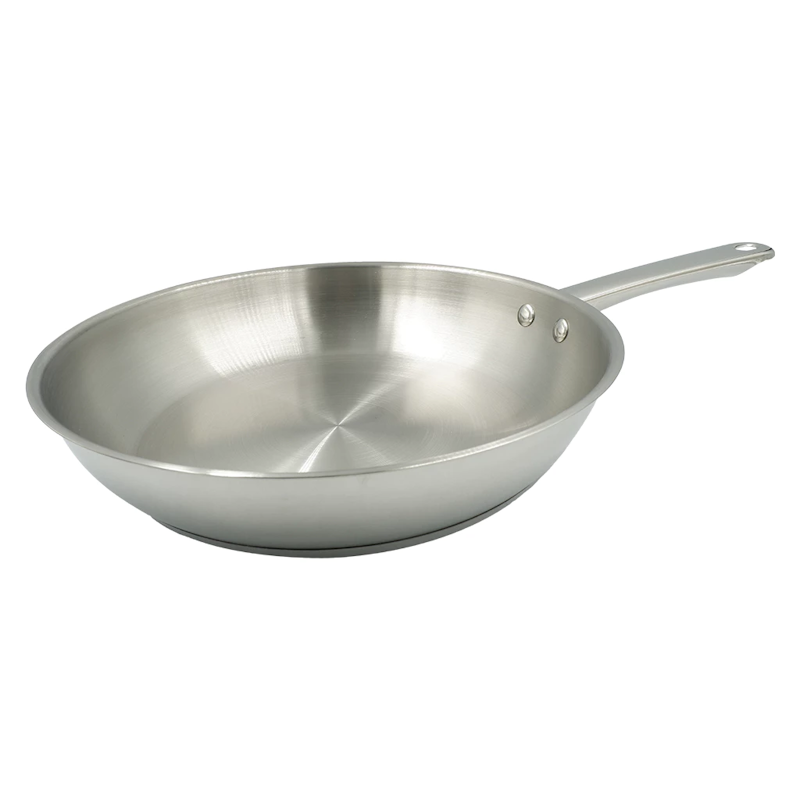
| Coating | unknown |
|---|---|
| Material | Stainless Steel |
| Handle | Stainless Steel |
| Compatibility | Gas, Electric, Induction |
| Diameter | 28 cm |
| Dimensions | unknown |
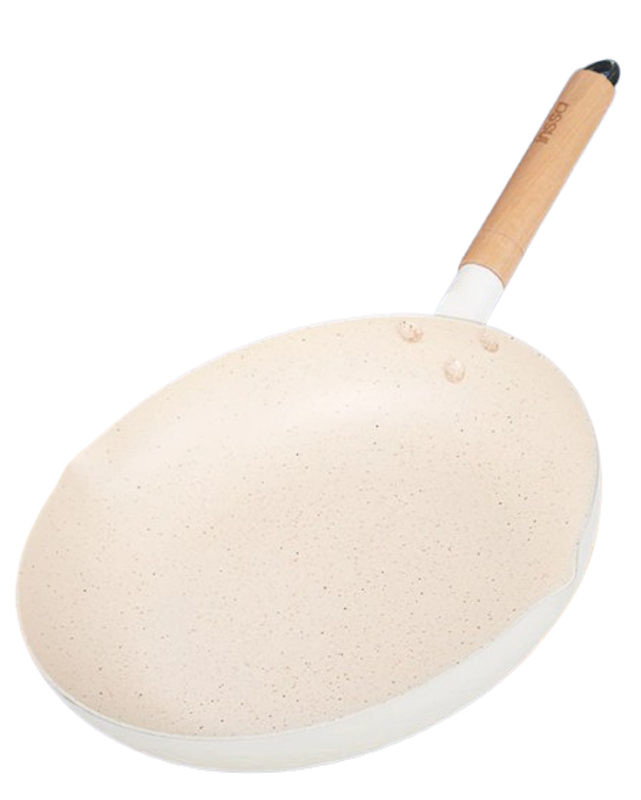
| Coating | PFOA-Free Nonstick Coating |
|---|---|
| Material | Aluminum |
| Handle | Wood |
| Compatibility | All Stove Types |
| Diameter | 26 cm |
| Dimensions | 26 x 5 cm |

| Coating | Marble |
|---|---|
| Material | Stainless Steel |
| Handle | Wood |
| Compatibility | All Stove Types |
| Diameter | 24 cm |
| Dimensions | 44.5 x 5.1 cm |
Omega HousewareTessa 28cm Aluminum Non-Stick Fry Pan
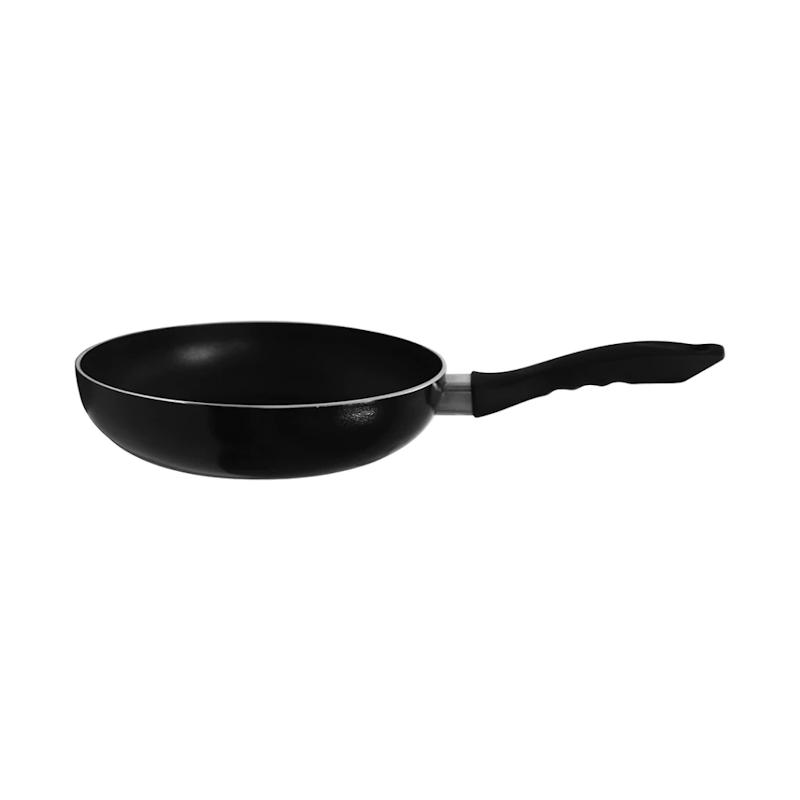
| Coating | 2-Layer Non-Stick Inner Coating |
|---|---|
| Material | Aluminum |
| Handle | Bakelite |
| Compatibility | All Stove Types |
| Diameter | 28 cm |
| Dimensions | 47 x 6 cm |
CRYSALISINOX Stainless Steel 20cm Fry Pan
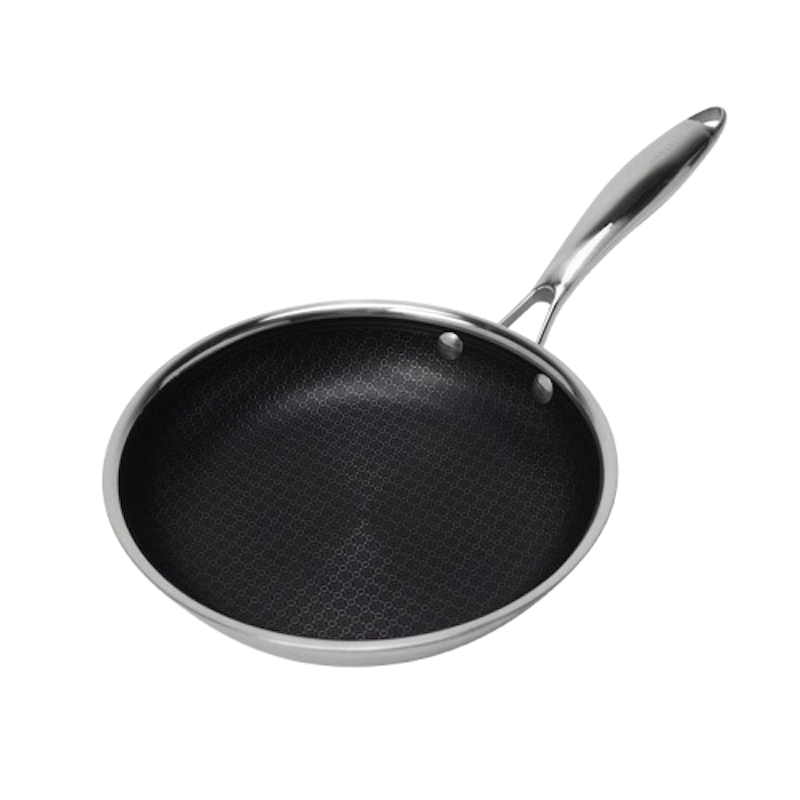
| Coating | Honeycomb |
|---|---|
| Material | Stainless Steel |
| Handle | Stainless Steel |
| Compatibility | All Stove Types |
| Diameter | 28 cm |
| Dimensions | unknown |
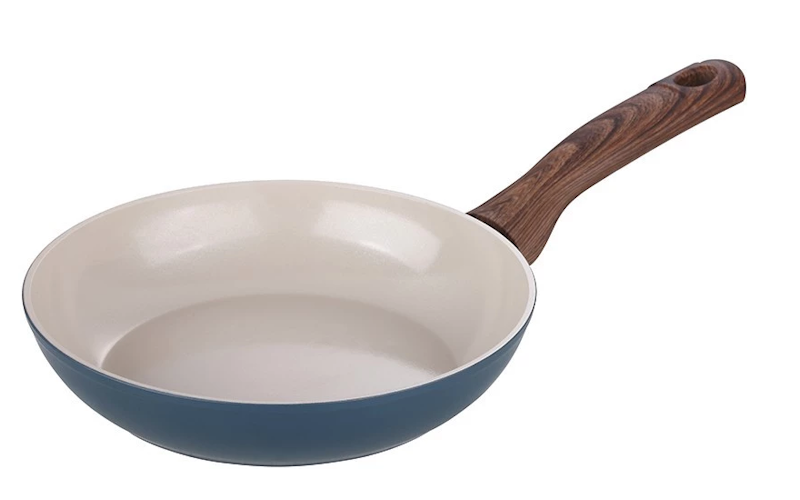
| Coating | Ceramic |
|---|---|
| Material | Aluminum |
| Handle | Wood |
| Compatibility | All Stove Types |
| Diameter | 20 cm |
| Dimensions | 20 x 4.3 cm |
Frequently Asked Questions Answered by Chef Terence Fereday
Below are some of the most asked questions on the web answered by professional chef Terence Fereday.
How to Clean a Nonstick Frypan?
Cool the pan first before you apply water to avoid warping. Use dishwashing soap on a sponge. Make sure to avoid abrasive items like scouring pads on this type of pan.
Should a Non-Stick Fry Pan Still Be Seasoned?
No need to season this type of pan just add a little oil prior to cooking.
Is There a Nonstick Frypan That Doesn't Scratch?
Unfortunately, there isn't any. You just need to use non-abrasive utensils made of wood or silicone to protect the non-stick surface and clean with a sponge with dish soap after use.
Other Cooking Essentials to Level Up Your Cooking
Ready to take your kitchen to the next level? Check out the articles below for more fabulous cookware options!


Author: Mara Joy Camunao
Re-editor: R. Umlas
How We Chose and Ranked Our Product Recommendations
Our buying guide was carefully researched and crafted by the mybest team of writers and editors, in collaboration with the expert featured in this article. We used the buying guide as a basis for choosing and ranking the product recommendations, and we looked at reviews and ratings from different E-commerce sites like Lazada, Shopee, and more.
The descriptions of each product are referenced from content available on manufacturer, brand, and e-commerce sites.