10 Best Food Containers in the Philippines 2026 | Buying Guide Reviewed by Baker
Coming home to a fridge full of leftovers but having no proper containers to store them in is a common household dilemma. While food containers may seem like a simple kitchen essential, the right one can help keep food fresh, prevent spills, and make reheating and meal prep more convenient.
To help you choose, we created a comprehensive guide covering the key features to look for in a food container, fact-checked and reviewed by professional baker Alexa Versoza. We’ve also rounded up our top 10 food container picks from Shopee and Lazada, making it easy to find an option that suits your needs and budget.

Alexa Versoza is a graduate of De La Salle-College of Saint Benilde with a major in the Culinary Arts. She has trained in the US for 2 years as a Pastry Cook at The Four Seasons Vail and The Sonnenalp Vail. She got back from her training in 2017. Since then, she has been practicing her craft in the Pastry Arts. After training under Chef Richard Manapat, she has been more inclined in baking bread. Alexa now co-owns an Artisanal Bakery in QC, Apo Baking Society, where they specialize in making artisanal bread and pastries.

Gicel is a content writer passionate about helping readers make confident, well-informed decisions. With a background in communication and over three years of professional writing experience, she brings both clarity and care to every buying guide she creates, ensuring each one is something readers can truly trust.
The expert oversees the Buying Guide only, and does not determine the products and services featured.
Why You Can Trust Us
Every mybest article is crafted with hours of in-depth research and interviews with experts. Each month, we are continually expanding our database of products based on our research. By emphasizing user insight and reliable information, we deliver trustworthy content to readers.
How to Choose a Food Container – Buying Guide
When choosing a food container, consider its material, how securely it seals, and how you plan to use it. A container for freezing and reheating meals needs different features from one used mainly for storing snacks or dry goods.
Pick the Right Material for Your Storage Needs
The material of your food container affects its durability, weight, and how well it handles heat and cold. Plastic, glass, and stainless steel are the most common options today, each suited to different storage needs.
Choose Food-Grade Plastic for Lightweight, Budget-Friendly Storage
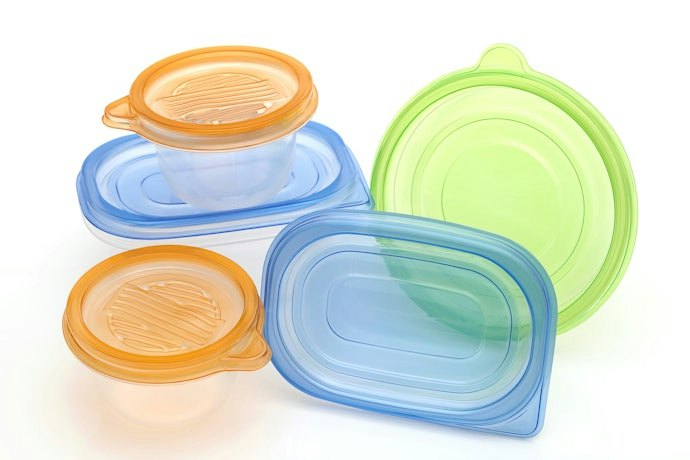
Plastic containers are a practical choice for everyday food storage because they are lightweight, affordable, and available in a wide range of sizes and designs. They are also less likely to break when dropped, making them convenient for packed lunches and everyday handling.
When shopping, look for food-grade, BPA-free plastic and check its temperature resistance if you plan to use it for hot food or reheating.

Be careful storing greasy food in plastic containers, as oil tends to stick to the material and can be difficult to wash off. Soak it in hot water with a little dishwashing liquid for at least 30 minutes before scrubbing and rinsing it off.
Pick Glass for Reheating and Storing Hot Food
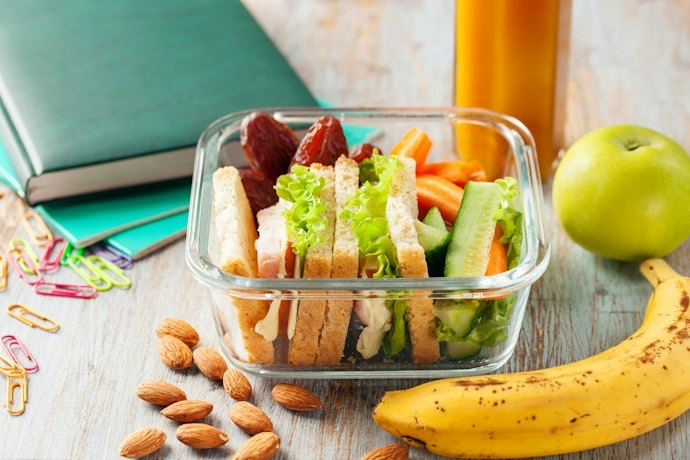
Glass containers have high resistance to heat, making them ideal for reheating and storing hot food without needing to let it cool down first. They also don't retain odors or stains, so your container stays looking fresh after use. The main drawback is that glass is fragile, so handle it carefully to avoid breakage.
Better to buy glass containers that come with airtight covers to avoid using plastic wrap. Some plastic wrap brands do not adhere completely to glass, which may cause unnecessary accidents in the kitchen.
Go for Stainless Steel for Durable, Everyday Storage
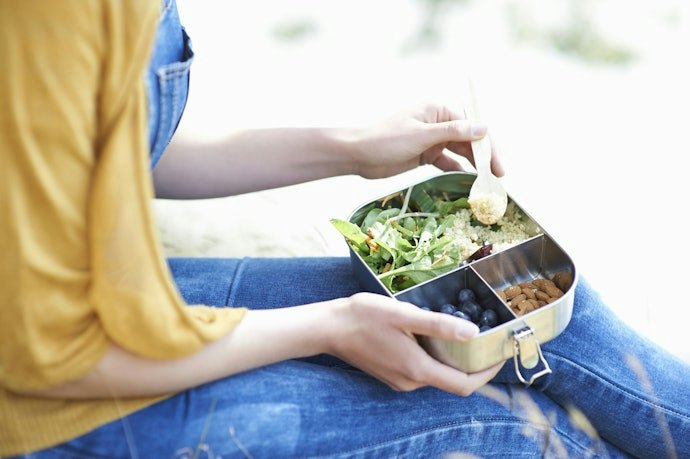
Stainless steel containers are known for their durability and resistance to rust, dents, and stains, making them a reliable choice for everyday use. They're also lightweight compared to glass and can withstand higher temperatures, making them well-suited for hot foods like soups and stews.
However, stainless steel containers are generally not microwave-safe, so check the product specifications before purchasing if you regularly reheat leftovers.
Research the item to be placed in a metal container first to avoid unwanted chemical reactions.
Opt for a Lid With a Secure, Leakproof Seal
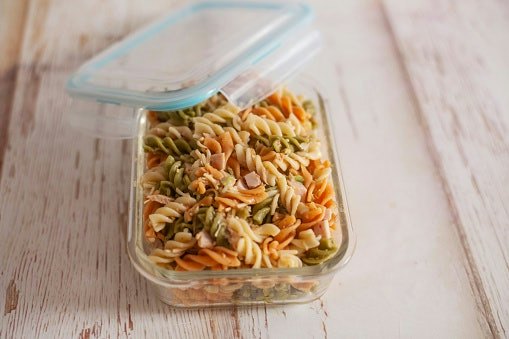
A secure lid prevents spills that could ruin your food and make a mess in the kitchen or your bag. Several lid designs on the market are built specifically for this, each using a different method to lock in freshness and keep liquids from escaping.
- Four-Side Locking Lids: Use four hinged flaps and a silicone gasket for a tight seal.
- Screw-Top Lids: Twist onto a threaded rim with a silicone or rubber O-ring, ideal for liquids.
- Press-and-Seal Snap Lids: Snap onto the rim with a rubberized edge for a secure fit.
- Silicone Stretch Lids: Stretch over the opening and grip containers of different shapes.
Whichever lid type you choose, always remove it before microwaving your food. Keeping the lid on can trap pressure inside the container, which may cause it to burst open unexpectedly.
Choose a Capacity, Size, and Shape That Fits Your Needs
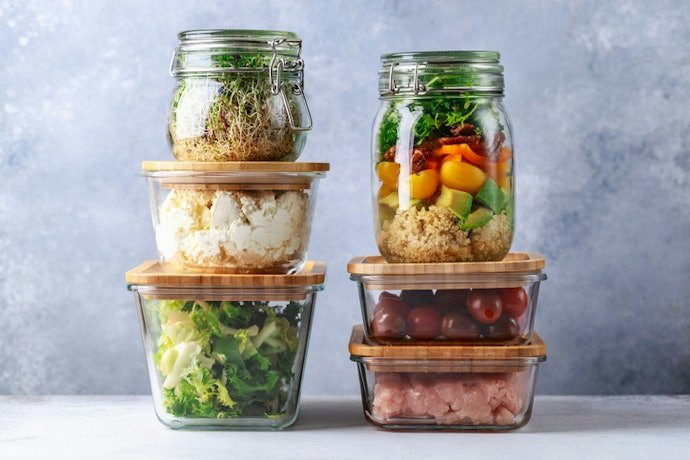
Choose a capacity that matches the amount of food you usually store without taking up unnecessary fridge space. Small containers are useful for sauces, dips, and side dishes, while 12- to 16-ounce containers work well for individual portions of rice, pasta, or leftovers. For family-sized portions or batch-cooked meals, opt for larger containers over 24 ounces.
Also consider the shape based on the food you store. Wide, shallow containers work well for salads, pastries, and other delicate foods, while deeper containers are better for soups, stews, and other liquid-based dishes. Stackable shapes can also help maximize space in your refrigerator.
Check the Container's Appliance Compatibility
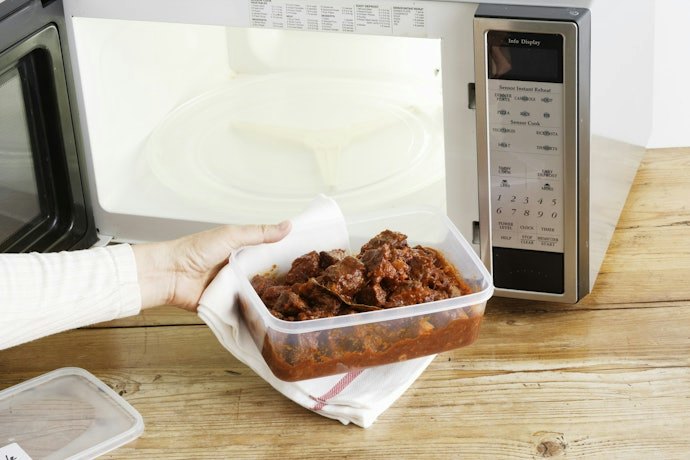
A food container should be able to handle the temperatures you typically expose it to, whether you're reheating meals in the microwave or storing them in the freezer. Look for microwave-safe and freezer-safe labels to make sure the container is suitable for these uses.
For food safety, the National Nutrition Council recommends keeping hot food at or above 140°F (60°C) and cold food at or below 40°F (5°C), while refrigerating perishable food within two hours. Choosing a container that can handle your intended temperatures can help prevent cracking, warping, or other damage.
Consider Food Containers in Sets for Easier Kitchen Organization
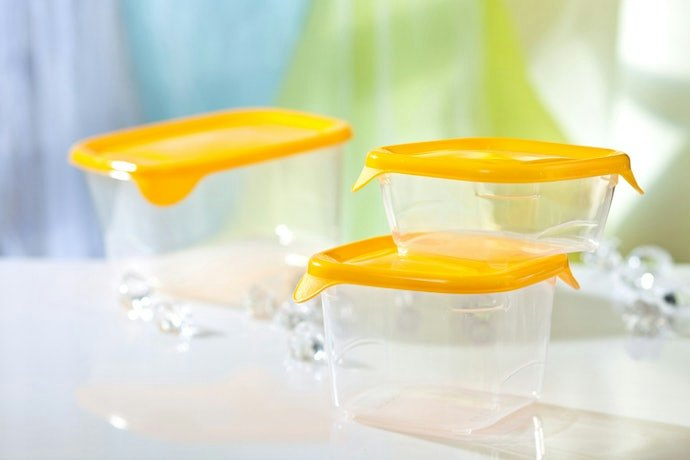
Consider buying food containers in sets to build a more organized selection with less guesswork. Sets with different sizes can cover everyday needs, from storing sauces and snacks to packing individual meals and keeping batch-cooked food. You can also look for stackable or nestable designs to maximize fridge and pantry space.
10 Best Food Containers to Buy Online
| Products | Image | Click to purchase | Popularity | Details | ||||
|---|---|---|---|---|---|---|---|---|
Material | Capacity | Leakproof Lid | Microwavable | |||||
1 | Glass Crisper Airtight Food Keeper |  | No.1 | Borosilicate Glass | 1,040 mL | |||
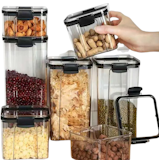
2 | Plastic Storage Jars 460/700/1300/1800 mL |  | No.2 | Plastic | 460 mL, 700 mL, 1,300 mL, 1,800 mL | unknown | ||
3 | Microwavable Container 3,200 mL Belle |  | No.3 | Plastic | 3,200 mL | unknown | ||
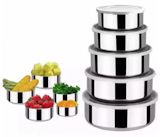
4 | 5-Piece Sealed Crisper Stainless Steel Food Storage |  | No.4 | Stainless Steel | unknown | |||
5 | 5-Piece Microwavable Container |  | No.5 | Plastic | 3,200 mL | unknown | ||
6 | Microwavable Plastic Container |RE 1000 |  | No.6 | Plastic | 1,000 mL | unknown | ||
7 | Thick Rectangular Food Keeper (S, M, L, XL) Unidas |  | No.7 | Plastic | unknown | unknown | unknown | |
8 | 304 Stainless Steel Lunch Box |  | No.8 | 304 Stainless Steel / Food-Grade Plastic | unknown | |||
9 | 10-Piece Round Microwavable Food Container |  | No.9 | Polypropylene (PP) Plastic | 946.353 mL | |||
10 | Plastic Bento Box Food Container |  | No.10 | Polypropylene (PP) / Plastic | 1,000 mL | |||

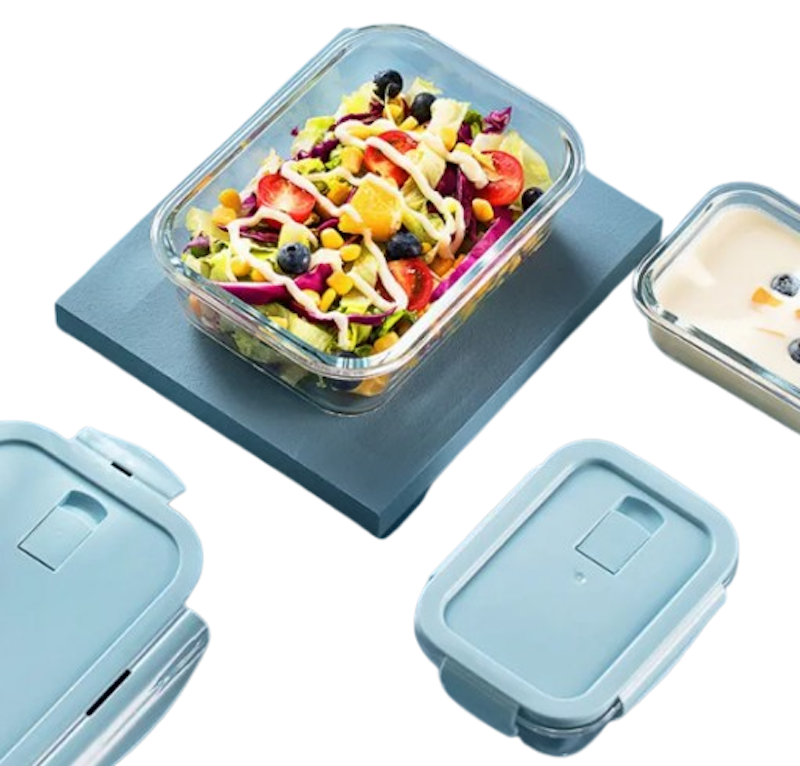
| Material | Borosilicate Glass |
|---|---|
| Capacity | 1,040 mL |
| Leakproof Lid | |
| Microwavable |
Plastic Storage Jars 460/700/1300/1800 mL
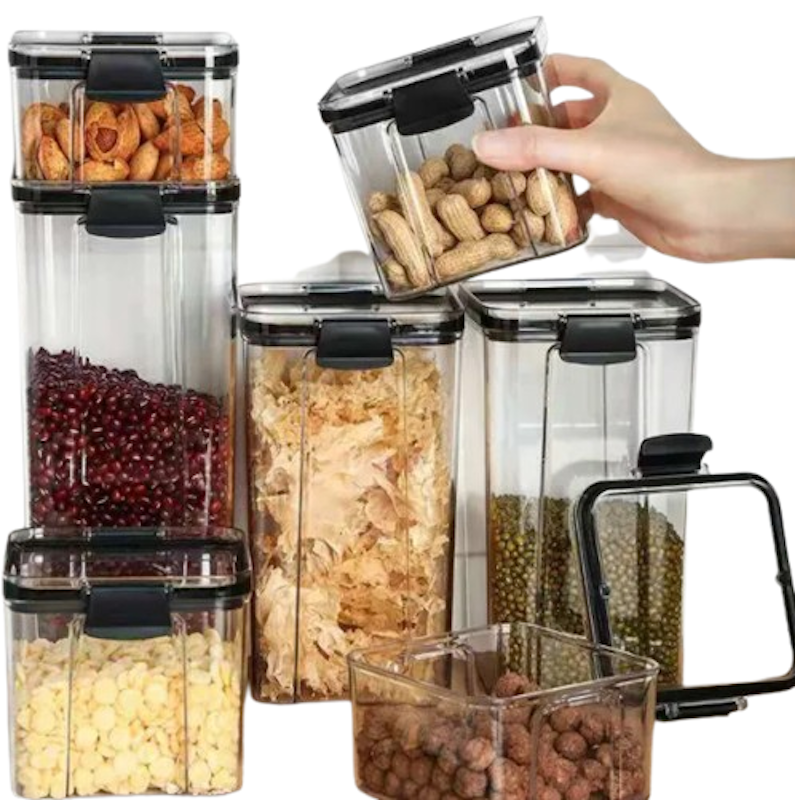
| Material | Plastic |
|---|---|
| Capacity | 460 mL, 700 mL, 1,300 mL, 1,800 mL |
| Leakproof Lid | |
| Microwavable | unknown |
Belle Microwavable Container 3,200 mL
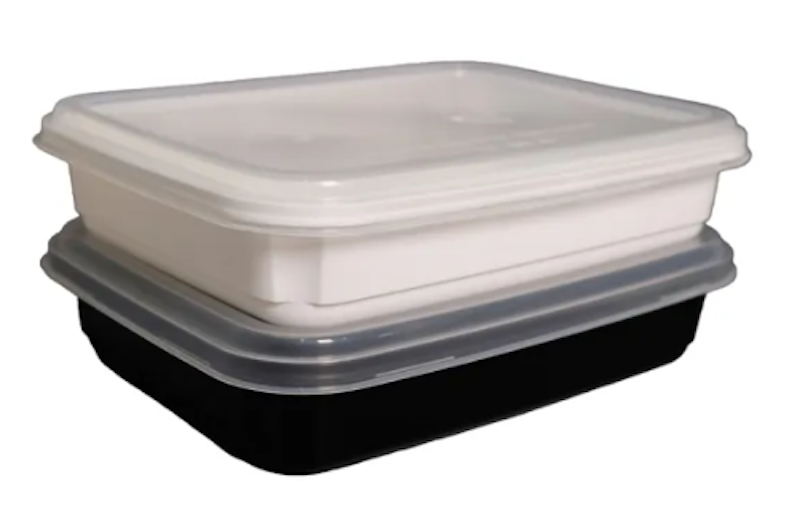
| Material | Plastic |
|---|---|
| Capacity | 3,200 mL |
| Leakproof Lid | unknown |
| Microwavable |
5-Piece Sealed Crisper Stainless Steel Food Storage
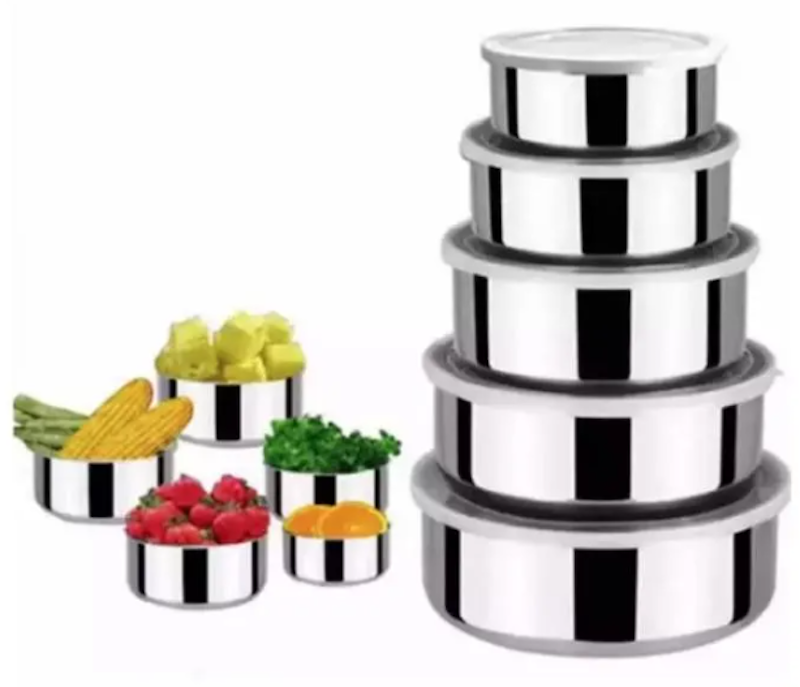
| Material | Stainless Steel |
|---|---|
| Capacity | unknown |
| Leakproof Lid | |
| Microwavable |
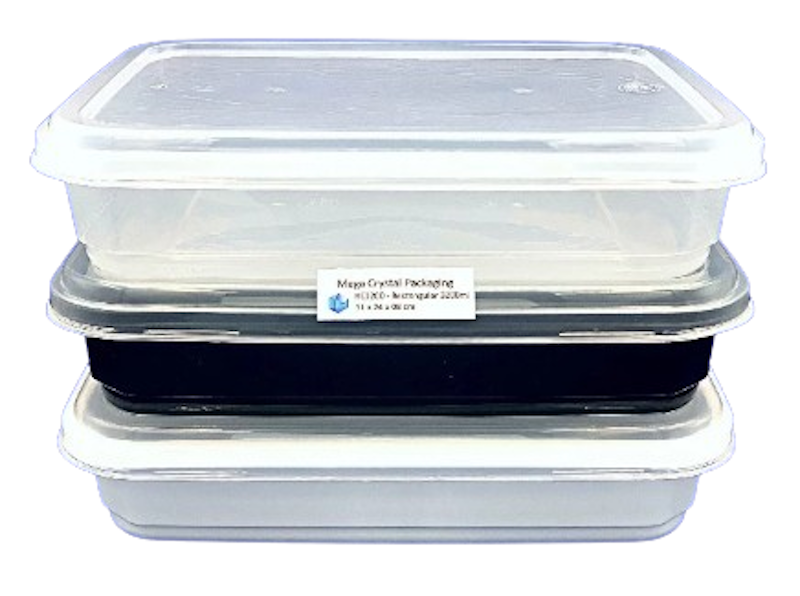
| Material | Plastic |
|---|---|
| Capacity | 3,200 mL |
| Leakproof Lid | unknown |
| Microwavable |
Microwavable Plastic Container | RE 1000
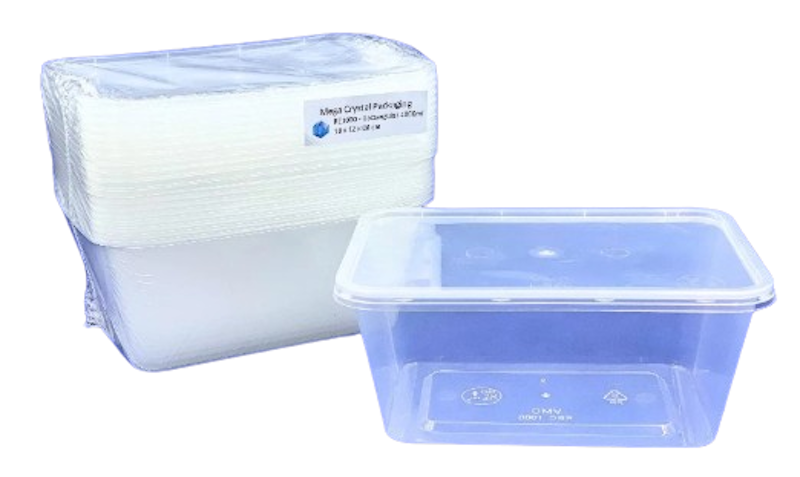
| Material | Plastic |
|---|---|
| Capacity | 1,000 mL |
| Leakproof Lid | unknown |
| Microwavable |
UnidasThick Rectangular Food Keeper (S, M, L, XL)
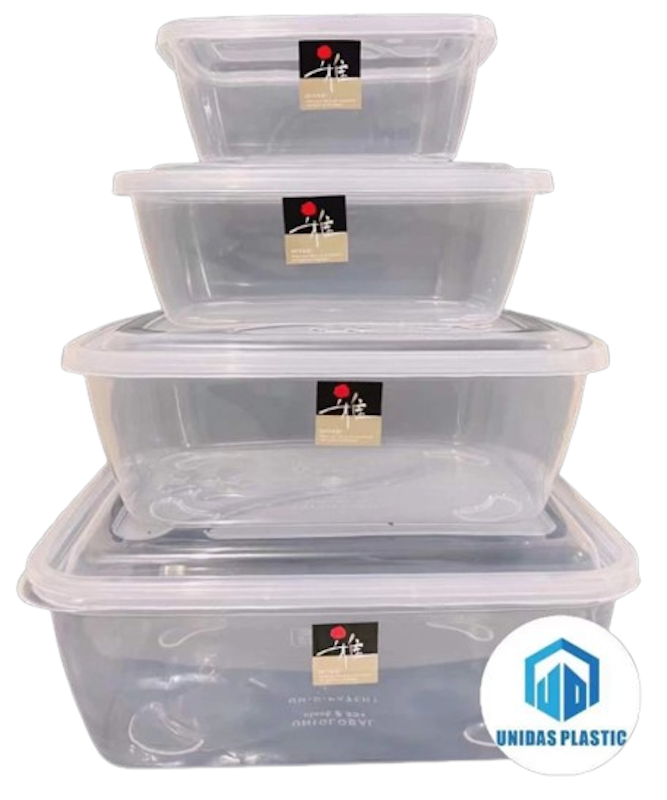
| Material | Plastic |
|---|---|
| Capacity | unknown |
| Leakproof Lid | unknown |
| Microwavable | unknown |
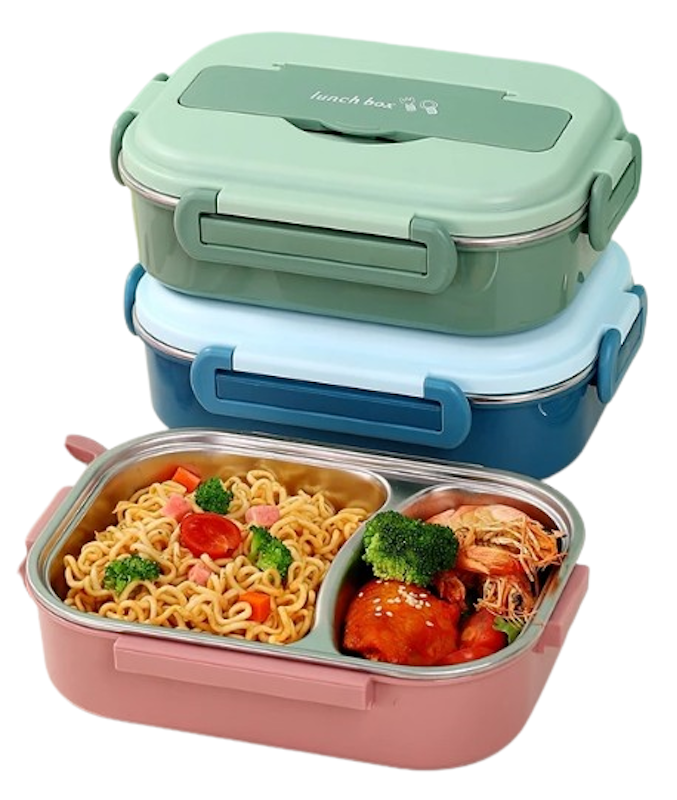
| Material | 304 Stainless Steel / Food-Grade Plastic |
|---|---|
| Capacity | unknown |
| Leakproof Lid | |
| Microwavable |
10-Piece Round Microwavable Food Container
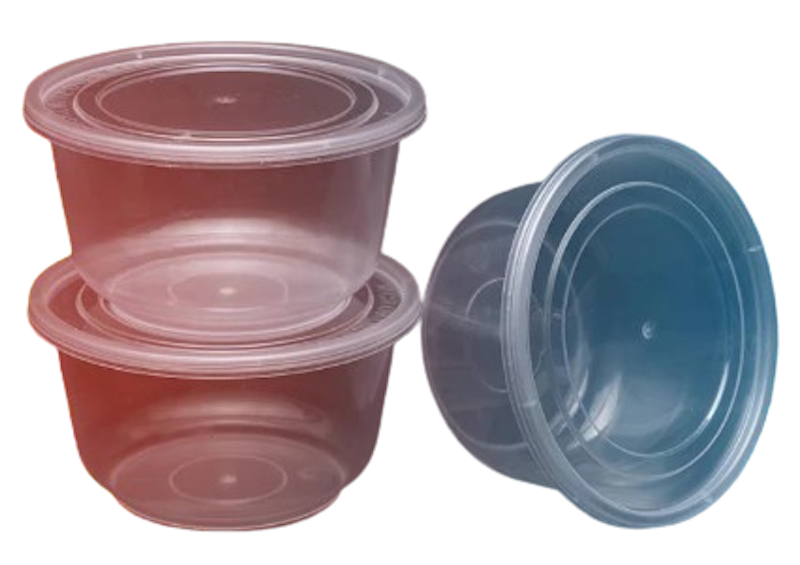
| Material | Polypropylene (PP) Plastic |
|---|---|
| Capacity | 946.353 mL |
| Leakproof Lid | |
| Microwavable |
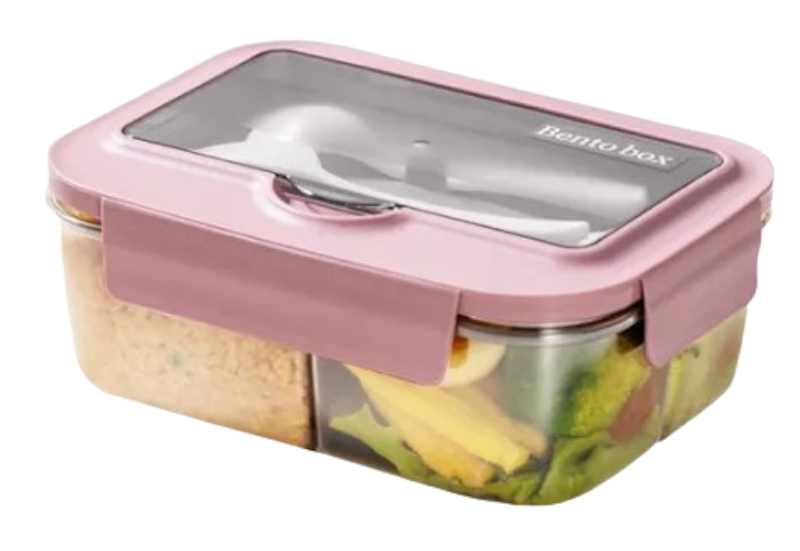
| Material | Polypropylene (PP) / Plastic |
|---|---|
| Capacity | 1,000 mL |
| Leakproof Lid | |
| Microwavable |
Frequently Asked Questions
Below are some of the most asked questions on the web answered by the mybest team.
Which Food Container Material Is Best for Long-Term Storage?
Glass is a good choice for long-term storage because it doesn't easily absorb odors, stains, or flavors and can withstand repeated use. Stainless steel is another durable option, while plastic is more affordable and lightweight. Choose based on how you plan to use and store your containers.
How Do I Keep a Leakproof Lid From Losing Its Seal Over Time?
Food residue can build up around the gasket and prevent the lid from sealing properly. To extend its longevity, clean the lid and gasket after every use and regularly check the seal for signs of wear or damage. If the gasket eventually loosens or becomes damaged, make sure to replace it to restore the container’s seal.
How Do I Properly Clean and Maintain Food Containers?
Wash containers thoroughly after each use and pay extra attention to lids, seals, and other hard-to-reach areas. For containers with persistent stains or odors, soaking them in warm water with baking soda before washing can help. Let the containers dry completely before storing to help prevent lingering smells and moisture buildup.
Keep Your Kitchen Clean and Organized
The kitchen can get quite messy, especially for foodies who spend most of their time there. Here are other kitchen organizers for you to start organizing your pantry:


How We Chose and Ranked Our Product Recommendations
Our buying guide was carefully researched and crafted by the mybest team of writers and editors, in collaboration with the expert featured in this article. We used the buying guide as a basis for choosing and ranking the product recommendations, and we looked at reviews and ratings from different E-commerce sites like Lazada, Shopee, and more.
The descriptions of each product are referenced from content available on manufacturer, brand, and e-commerce sites.