
10 Best Multimeters in the Philippines 2026 | Tolsen, Ingco, and More
Electrical components play a big role in our everyday life. In order to keep it functioning within its intended specifications, electricians and electrical engineers have conducted tests to ensure its reliability. To aid them with that task, they have multimeters that can provide accurate measurement of a circuit’s electrical output.
A multimeter is likened to a weapon in an electrician’s hand. It can help him wield his years of education and make an accurate assessment of which part of the device needs to be serviced. It can also be used to fine-tune a project, making it perform to specifications. Read on as we will discuss the factors in choosing one are plus, we have a list of the top picks available here in the Philippines.

Our recommendation articles are carefully researched and crafted by the mybest Philippines team of writers and editors. To stay true to our company’s mission and vision to help users’ selection process easier, we also collaborate with experts from various fields to ensure that our content stays factual and useful.
Why You Can Trust Us
Every mybest article is crafted with hours of in-depth research and interviews with experts. Each month, we are continually expanding our database of products based on our research. By emphasizing user insight and reliable information, we deliver trustworthy content to readers.
A Crash Course on Multimeters
Before delving into the considerations in choosing a Multimeter, let's go over what is it and the basic know-how of using it.
What Is a Multimeter?
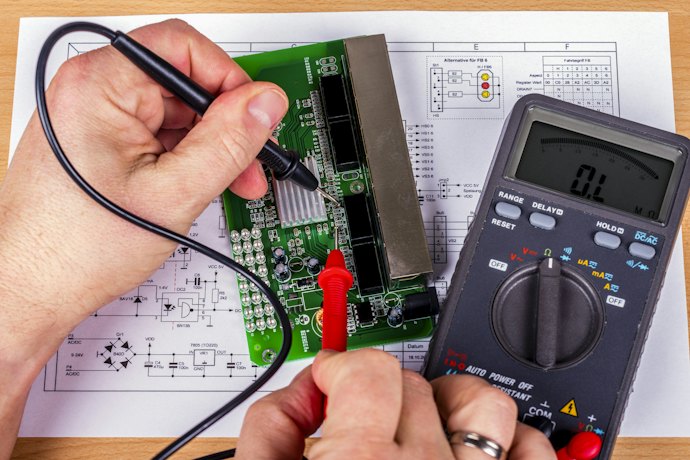
A multimeter is a tester, operable by hand, which is used to test a multitude of electrical outputs. It is commonly used to test voltage, current, and resistance. The first versions of multimeters came in analog, with a needle indicating the value; however, newer versions now come in digital, which offer a more accurate reading.
The electrical reading can be used to diagnose any underlying problem in the electronics. If used by a capable hand, it can troubleshoot problems precisely and offer possible solutions. It can also be used to test any projects or homemade electronics to determine if they perform to your intended specifications.
Know Some Basic Steps on Using a Multimeter
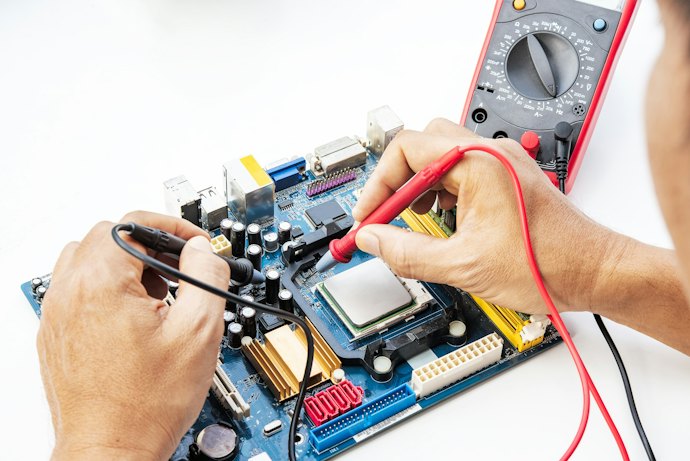
A multimeter has two connectors, usually denoted by red and black color wires. The black lead connects to a port which is the base or the starting point, while the red probe is inserted into the intended electrical output you need to cover. The opposite ends of both probes are then placed onto the leads that you want to measure.
You then select the function that you want to be measured. There are different functions that you can use; the most common are resistance, capacity, or voltage, which can either be direct current or alternating current.
Touch the leads on the circuit that you want to take a reading, and take note that it must be the bare metal. The reading will then display on the multimeter either digitally or through an analog reader.
How to Choose Best Multimeters - Buying Guide
An electrician is only as good as his tools allow him to. To give the most accurate reading and to diagnose problems the best way possible, he must have the perfect multimeter for his specialty. Let’s check below how an electrician should go about choosing his multimeter.
Choose a Type of Multimeter Based on Your Experience
There are two main types of multimeter available in the market. The first one is a remnant of old technology that some still use today. The other one is a culmination of new technologies leading to a much simpler way of measuring electrical readings. Let’s go over the differences.
Analog Multimeters Are Still Used by Experts
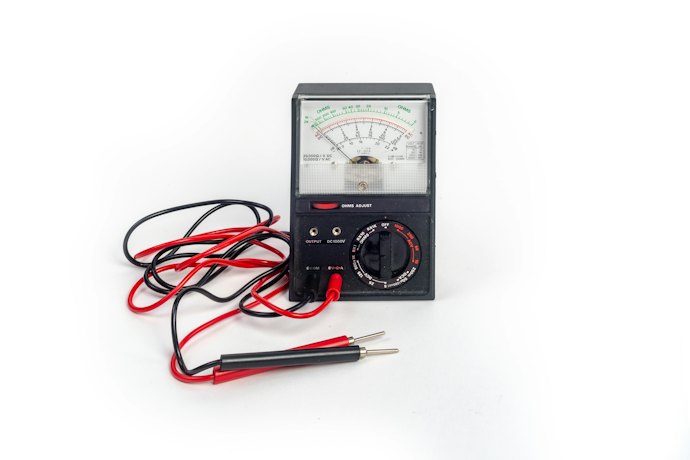
Back in the olden days, people used to measure simple things such as voltage and current. To display the readings, analog multimeters were built. The readings are displayed using a moving coil meter. The minute changes in the electrical output move the coil meter to the corresponding value by deflecting the indicator needle.
This type of meter show changes in the reading in real-time, making it useful to track any changes in the electrical system due to a switch or a surge in electricity. However, the reading must be done at a right angle, often leading to inaccurate readings when read at the wrong position. Therefore, experience and expertise are needed to maximize an analog multimeter.
Digital Multimeters Provide More Convenience
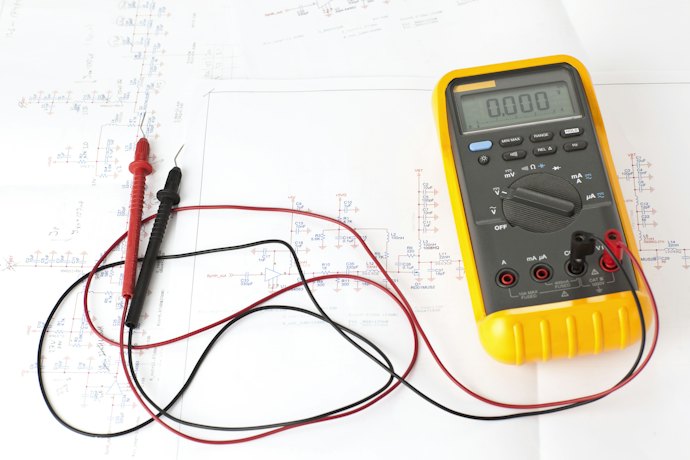
Advances in technology have made it easier for multimeters to read electrical values. The main difference between a digital and an analog is the display is the use of an LCD. This removes any possible mistakes that may happen from reading from an analog multimeter.
Digital multimeters are also added with other electrical measurements previously unavailable on analog testers. This becomes more versatile. However, a digital multimeter needs to stabilize first to give an accurate reading. It is therefore not suited for giving out readings in real-time.
Check Which Ranging Capability Fits Your Skill Level

There is a special setting that you need to check on your multimeter, which can make life easier or harder for you. Depending on the application, you may want your multimeter to set a range for the test you are doing. This is called auto-ranging. For some applications, you need to set the range to get results. Multimeters that are manual-ranging fit this scenario.
Manual-ranging is a bit fiddly, but it offers precision that is usually not adjustable on an auto-ranging multimeter only. For those with more experience with multimeters, going for a manual-ranging model can offer accuracy to their work. Some models offer manual and auto-ranging, so look into those if you want the flexibility.
Opt for Probes That Matches the Intended Task
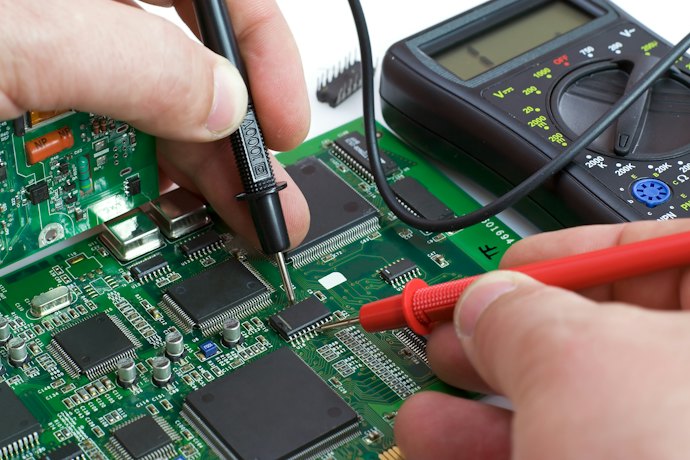
To do a measurement, you should be able to connect the multimeter firmly to the circuit. There are different ways to attach the multimeter by the use of probes.
Some probes can provide a secure grip, such as grabbers and alligator clips. For a tight fit or for spaces that need a little fiddling, hook probes or tweezer leads will make it easier to have a secure connection.
See if the Maximum Capacity of Multimeter Fits the Job
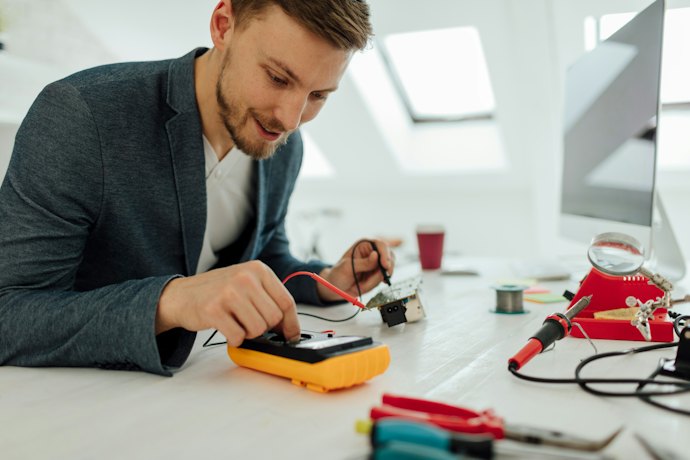
A multimeter can be used in several ways. Some use it for science projects, while some use it for industrial applications. For those scenarios, there are various ranges of maximum load a multimeter can accommodate.
Industrial applications need a higher maximum capacity due to the higher electrical load in the circuitry so check if the multimeter you are getting is within that range.
For the common usage of multimeter such as voltage, the usual maximum limit is around 600 volts. For current, a limit of 10 amperes is seen on good multimeters. Lastly, the resistance, which is denoted by ohms (Ω), can be measured up to 20 MΩ.
Additional Sensors Can Detect Brightness, Temperature, Humidity, and More
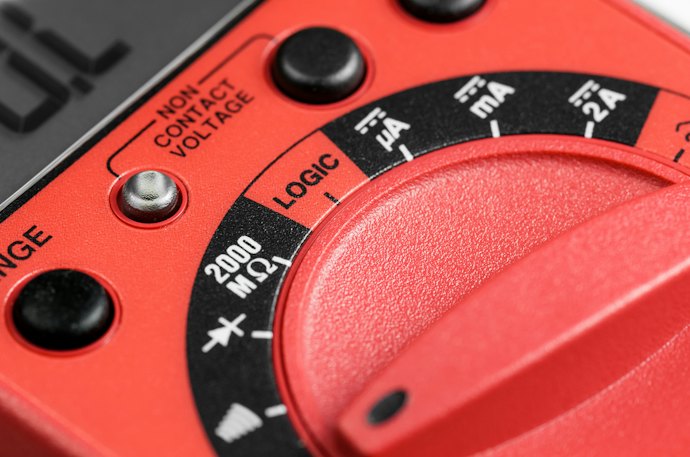
Multimeters were originally made to measure voltage, amperage, and resistance. But as technology discovered ways to use electrical signals, the development of sensors has progressed, with multimeters now able to measure various environmental outputs.
Some of the measurements that can be done without any additional attachments are voltage and amperage for alternating and direct currents, resistance, capacity, decibels, inductance, and even the temperature!
With the use of additional sensors that can be attached to the multimeter, other measurements such as brightness, PH level, and relative humidity can be acquired as well.
10 Best Multimeters to Buy Online
| Products | Image | Click to purchase | Popularity | Details | ||||||
|---|---|---|---|---|---|---|---|---|---|---|
Type | Auto-Ranging | Voltage Range | Current Range | Resistance Range | Additional Measurments | |||||
1 | Portable Digital Multimeter|ZT-102A ZOYI |  | No.1 | Digital | Up to 1000 V DC, Up to 700 V AC | 10 A | 60 MΩ | Capacitance, Temperature, Frequency, Duty Cycle, Diode, Continuity | ||
2 | Digital Multimeter |HT123 HABOTEST |  | No.2 | Digital | unknown | 0.8-600 v DC, 0.8-600 v AC | 40 MΩ | Continuity Buzzer, NCV | ||
3 | Digital Multimeter |DM110004, DM16004 Ingco |  | No.3 | Digital | 0-1000 v DC, 0-750 v AC | 10 A | 999.99 MΩ | Capacitance, Diode, Frequency, Temperature, Continuity, NCV | ||
4 | Digital Multimeter|DMT-99 FNIRSI |  | No.4 | Digital | Up to 999.9 V DC, Up to 750 V AC | 9 A | 99.9 MΩ | Capacitance, Frequency, Temperature, Diode, Continuity, NCV | ||
5 | True RMS Digital Multimeter|SZ304 ANENG |  | No.5 | Digital | Up to 1000 V DC, Up to 750 V AC | 10 A | 200 MΩ | Capacitance, Frequency, Diode, Transistor, Battery Detection | ||
6 | Digital Multimeter |38033 Tolsen |  | No.6 | Digital | 0.06-1000 v DC, 6-750 v AC | 10 A | 600 MΩ | Capacitance, Frequency, Non-Contact Voltage (NCV) Detection | ||
7 | Digital Multimeter Wadfow |  | No.7 | Digital | 200 mV-600 V DC, 20-600 V AC | 10 A | 20 MΩ | |||
8 | Analog Multimeter|360TRNA Greenfield |  | No.8 | Analog | 0.1 V-1000 V DC, 10-750 V AC | 0.25 A | 2 MΩ | Capacitance, Continuity, Decibel,Transistor | ||
9 | Digital Multimeter|A830L Greenfield |  | No.9 | Digital | 200 mV-600 V DC, 200-600 V AC | 10 A | 2 MΩ | Continuity, Diode, Transistor, Temperature, Capacitance, Frequency | ||
10 | Analog Multimeter|YX360TRD Sanwai |  | No.10 | Analog | 0.1 V-1000 V DC, 10-750 V AC | 0.25 A | 200 MΩ | Capacitance, Decibel | ||

ZOYIPortable Digital Multimeter | ZT-102A
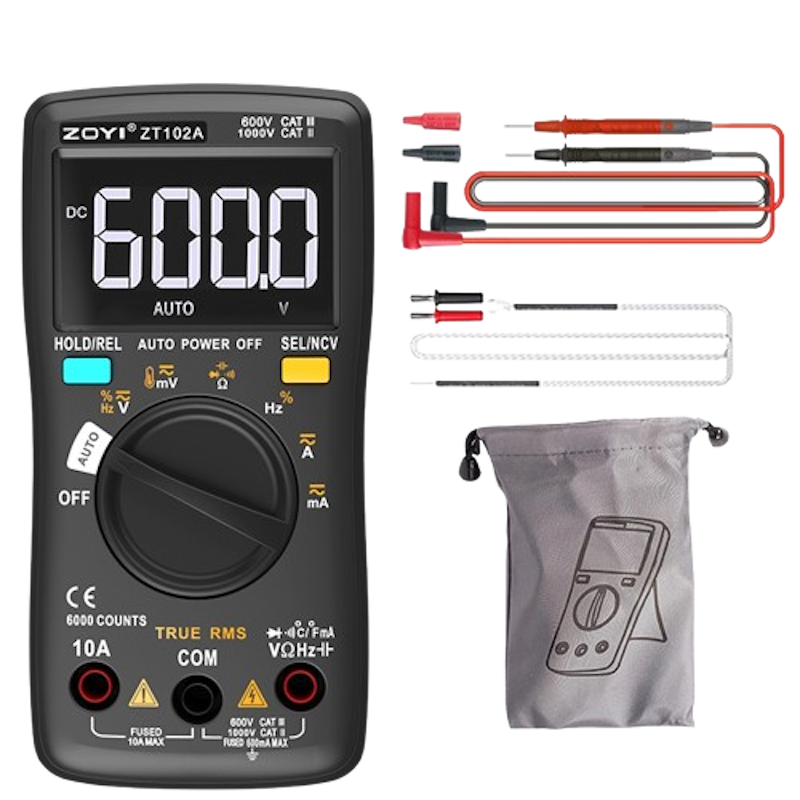
| Type | Digital |
|---|---|
| Auto-Ranging | |
| Voltage Range | Up to 1000 V DC, Up to 700 V AC |
| Current Range | 10 A |
| Resistance Range | 60 MΩ |
| Additional Measurments | Capacitance, Temperature, Frequency, Duty Cycle, Diode, Continuity |
HABOTEST Digital Multimeter | HT123

| Type | Digital |
|---|---|
| Auto-Ranging | unknown |
| Voltage Range | 0.8-600 v DC, 0.8-600 v AC |
| Current Range | |
| Resistance Range | 40 MΩ |
| Additional Measurments | Continuity Buzzer, NCV |
Ingco Digital Multimeter | DM110004, DM16004

| Type | Digital |
|---|---|
| Auto-Ranging | |
| Voltage Range | 0-1000 v DC, 0-750 v AC |
| Current Range | 10 A |
| Resistance Range | 999.99 MΩ |
| Additional Measurments | Capacitance, Diode, Frequency, Temperature, Continuity, NCV |
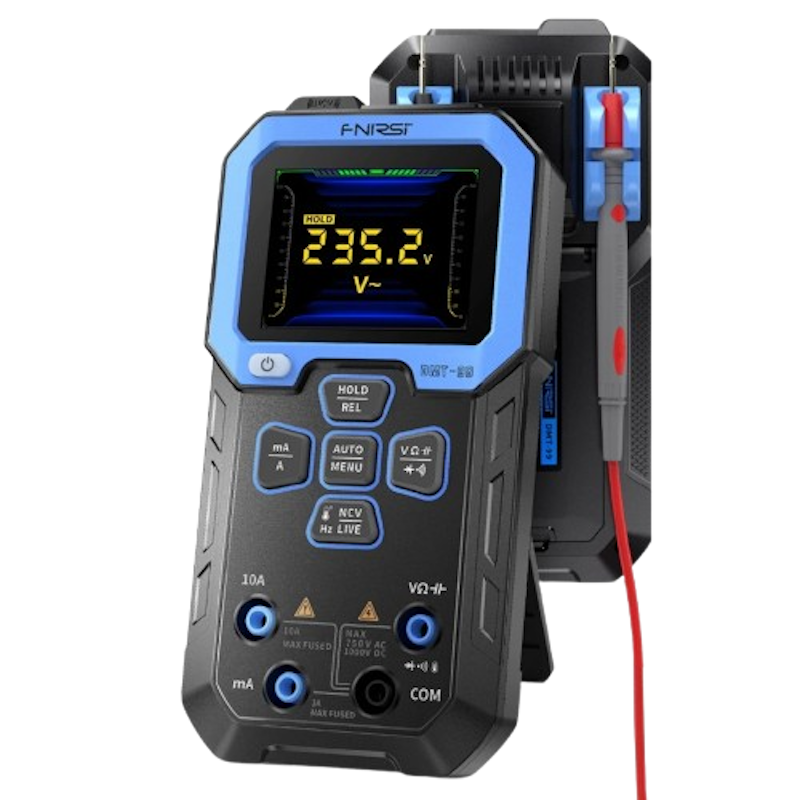
| Type | Digital |
|---|---|
| Auto-Ranging | |
| Voltage Range | Up to 999.9 V DC, Up to 750 V AC |
| Current Range | 9 A |
| Resistance Range | 99.9 MΩ |
| Additional Measurments | Capacitance, Frequency, Temperature, Diode, Continuity, NCV |
ANENGTrue RMS Digital Multimeter | SZ304
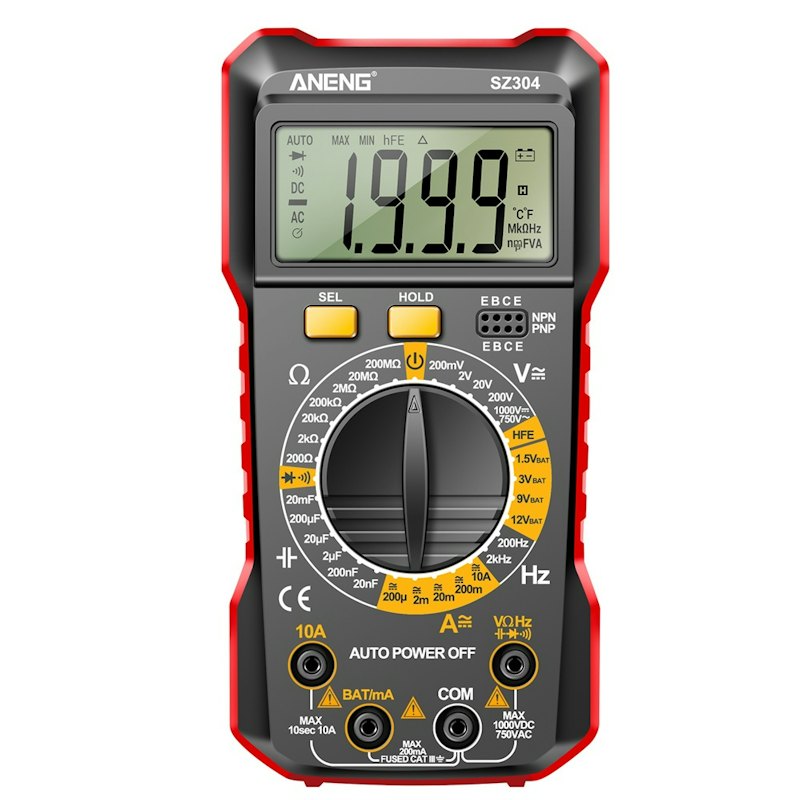
| Type | Digital |
|---|---|
| Auto-Ranging | |
| Voltage Range | Up to 1000 V DC, Up to 750 V AC |
| Current Range | 10 A |
| Resistance Range | 200 MΩ |
| Additional Measurments | Capacitance, Frequency, Diode, Transistor, Battery Detection |
Tolsen Digital Multimeter | 38033
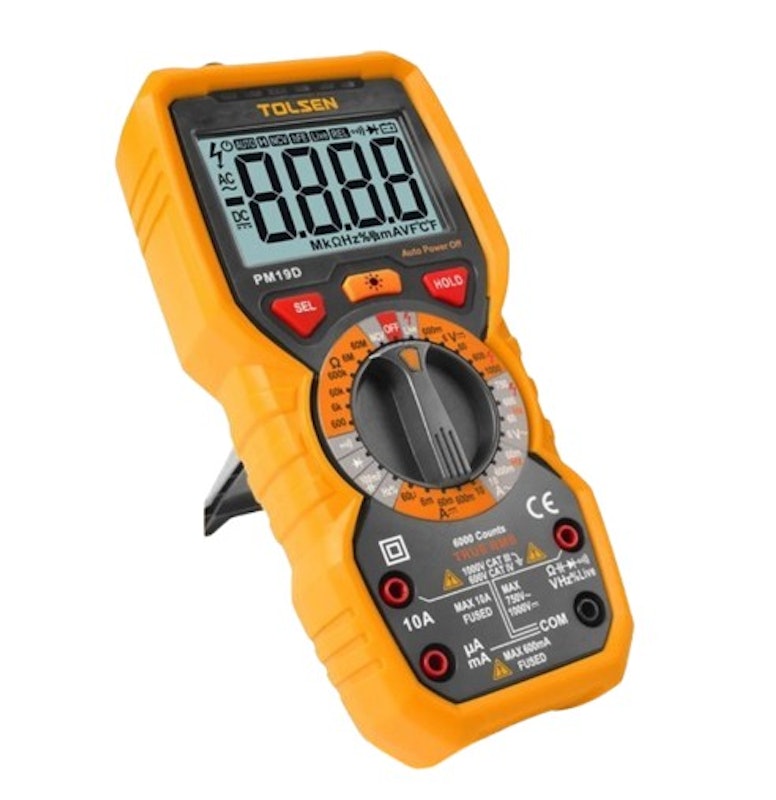
| Type | Digital |
|---|---|
| Auto-Ranging | |
| Voltage Range | 0.06-1000 v DC, 6-750 v AC |
| Current Range | 10 A |
| Resistance Range | 600 MΩ |
| Additional Measurments | Capacitance, Frequency, Non-Contact Voltage (NCV) Detection |
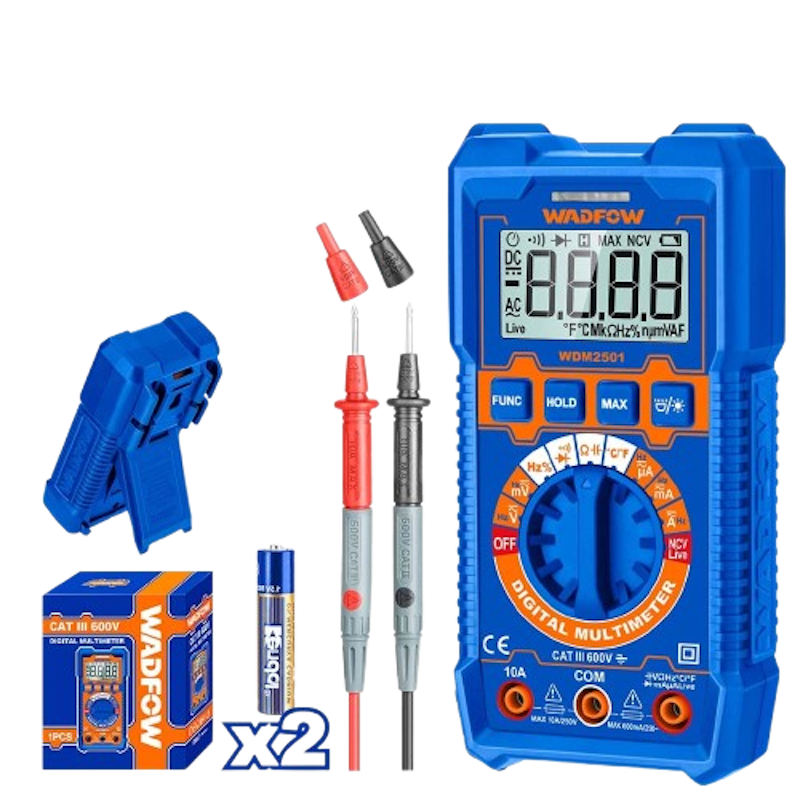
| Type | Digital |
|---|---|
| Auto-Ranging | |
| Voltage Range | 200 mV-600 V DC, 20-600 V AC |
| Current Range | 10 A |
| Resistance Range | 20 MΩ |
| Additional Measurments |
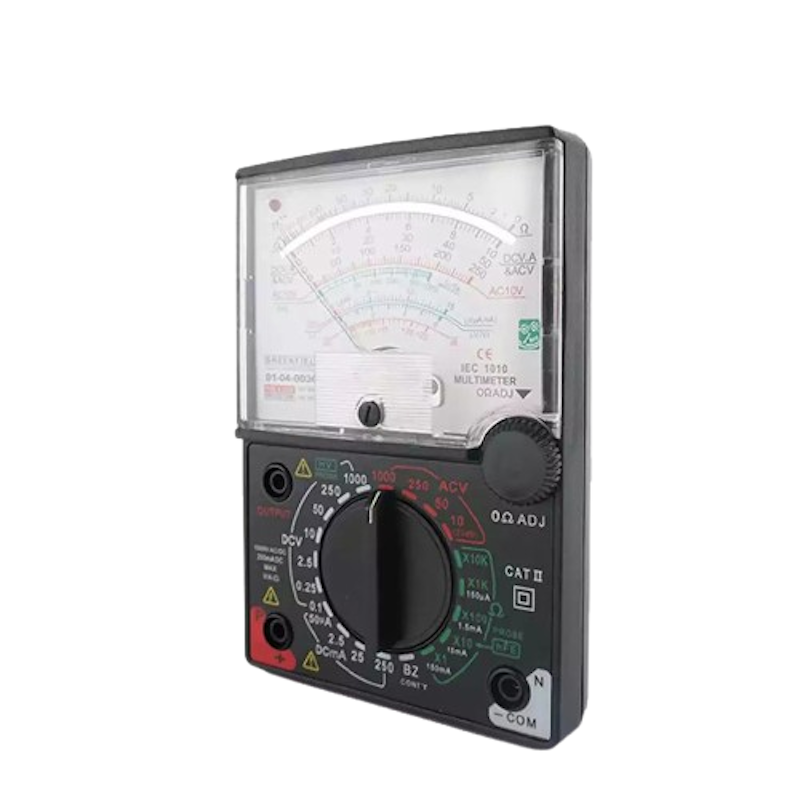
| Type | Analog |
|---|---|
| Auto-Ranging | |
| Voltage Range | 0.1 V-1000 V DC, 10-750 V AC |
| Current Range | 0.25 A |
| Resistance Range | 2 MΩ |
| Additional Measurments | Capacitance, Continuity, Decibel,Transistor |
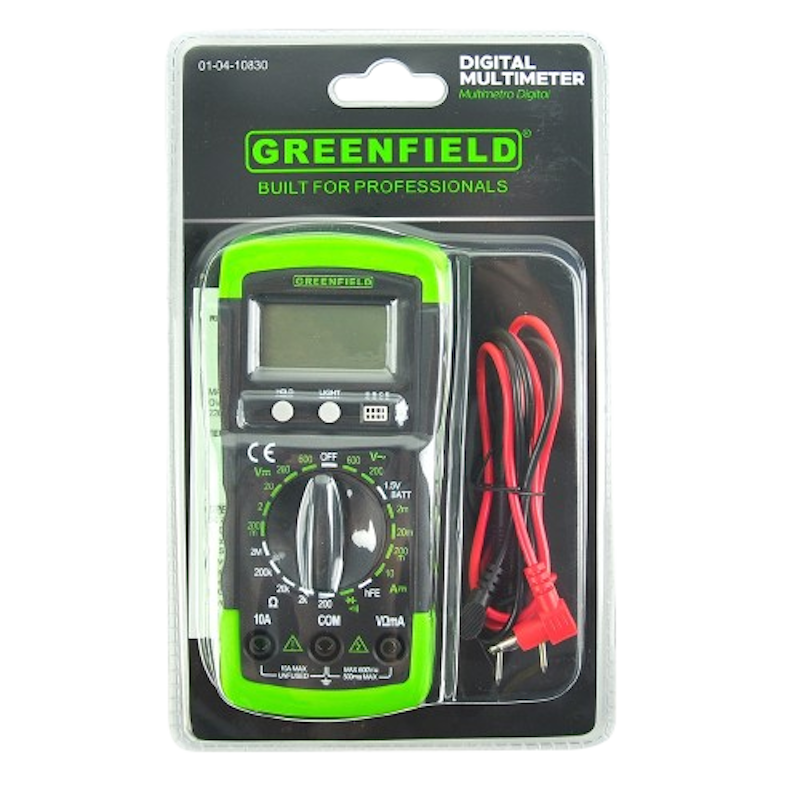
| Type | Digital |
|---|---|
| Auto-Ranging | |
| Voltage Range | 200 mV-600 V DC, 200-600 V AC |
| Current Range | 10 A |
| Resistance Range | 2 MΩ |
| Additional Measurments | Continuity, Diode, Transistor, Temperature, Capacitance, Frequency |
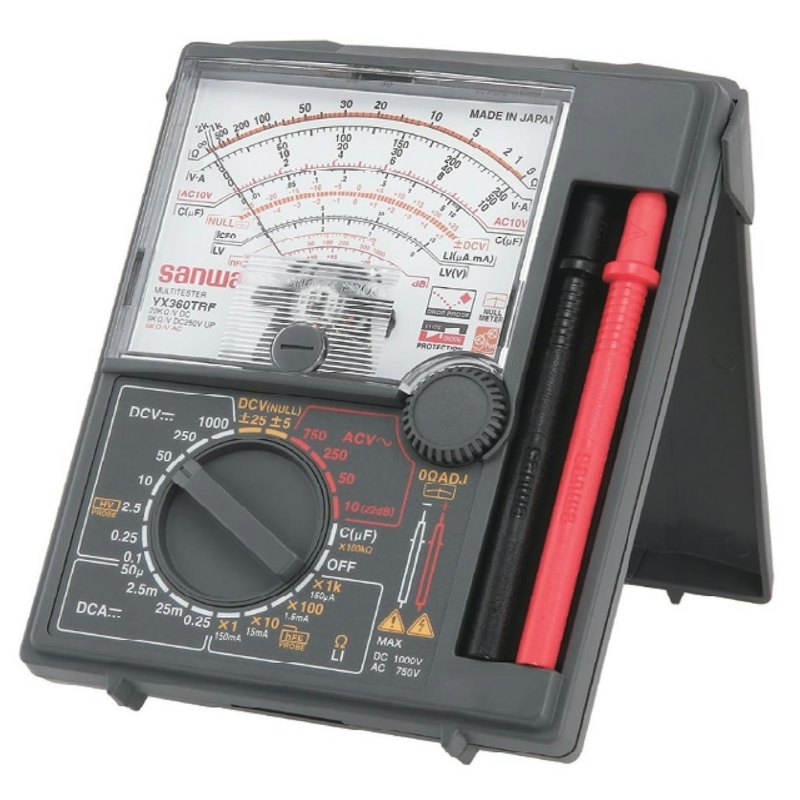
| Type | Analog |
|---|---|
| Auto-Ranging | |
| Voltage Range | 0.1 V-1000 V DC, 10-750 V AC |
| Current Range | 0.25 A |
| Resistance Range | 200 MΩ |
| Additional Measurments | Capacitance, Decibel |
Improve Your DIY Capabilities With Our Recommendations
The joy of creating something from the confines of your imagination into reality is a beautiful feeling. It gives you a sense of accomplishment and progresses you in your specialty. In order to help you realize your creative freedom, we have reviewed some of the best tools used by DIYers in their quest for perfection. Have a look below and see if we are of help to your DIY projects.


Author: Richard Martin
The descriptions of each product are referenced from content available on manufacturer, brand, and e-commerce sites.