10 Best Solar Panels in the Philippines 2026 | EcoPower, Bosca, and More
A solar panel converts sunlight into usable electricity, helping Filipino households reduce their electricity bills and stay powered during brownouts. With the Philippines’ abundant sunshine and rising Meralco rates, homeowners are turning to solar power for backup and long-term savings. Options range from compact 20 W panels for charging phones to 300 W panels for power stations, with prices starting around PHP 1,000.
This guide covers what to check before buying, from wattage and panel type to certifications and build quality. You’ll also find our top 10 picks on Lazada and Shopee, chosen for reliable output, durability, and value across different budgets.

Hazel is a content planner and writer dedicated to simplifying your online shopping experience. With a passion for research and a keen eye for quality, she digs into the details to bring you trustworthy and insightful buying guides you can rely on.
Why You Can Trust Us
Every mybest article is crafted with hours of in-depth research and interviews with experts. Each month, we are continually expanding our database of products based on our research. By emphasizing user insight and reliable information, we deliver trustworthy content to readers.
Why Choosing the Best Solar Panel in the Philippines Can Save You Money
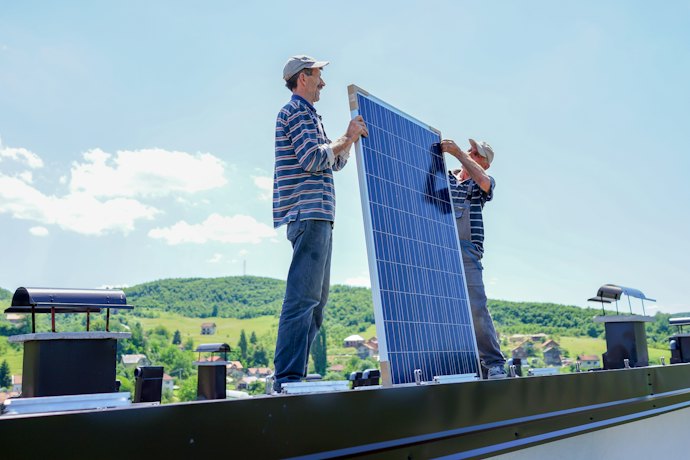
Solar panels save Filipino households money in two ways, depending on what you need. Some buyers want backup power for gadgets and appliances during brownouts, while others build a full home solar system to lower monthly Meralco bills through net metering. Portable panels start at PHP 1,000 to PHP 2,000 for 100 W, an affordable option before a full installation.
Before choosing either path, it helps to understand how a solar panel works. It uses photovoltaic cells to convert sunlight into electricity, powering small devices instantly. A home setup includes a controller, an inverter, and a battery for energy storage.
How to Choose a Solar Panel - Buying Guide
This guide covers everything you need to know, from understanding your energy needs to choosing the right type of solar panel. With these tips, you will be able to make the most out of the Philippines’ sunny weather and find the perfect solar solution for your budget!
Match the Solar Panel Wattage to What You Need and What You'll Pay
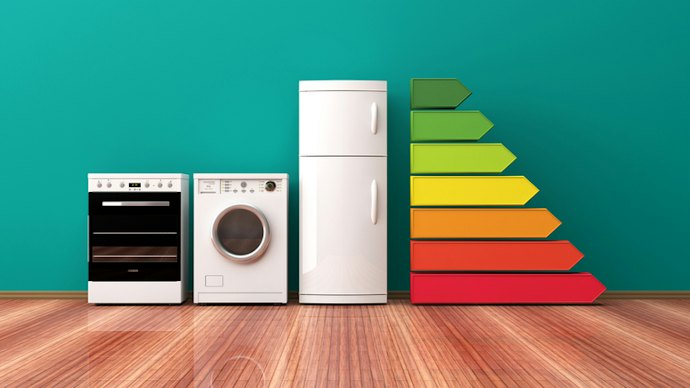
Lower-wattage solar panels are budget-friendly and perfect for small daily needs, while higher-wattage panels cost more but handle larger loads, such as appliances or whole-home backup.
- 20 W–100 W (cost: PHP 1,000–PHP 2,000) for phones, lights, and small gadgets
- 100 W–200 W (cost: PHP 2,000–PHP5,000) for charging power stations and 12 V batteries
- 200 W–300 W (cost: PHP 5,000–PHP 8,000+) for running a 1 HP aircon or home backup setups
Once you know your budget range, it is easier to narrow down your solar panel options.


Choose a Solar Panel Type Based on Efficiency and Space
There is more than one way to harness the sun, and choosing the right solar panel type depends on how much space you have and how much efficiency you need. Some solar panels squeeze more power out of a small area, while others prioritize flexibility and portability over raw output.
Monocrystalline Solar Panels for Maximum Efficiency in Limited Space
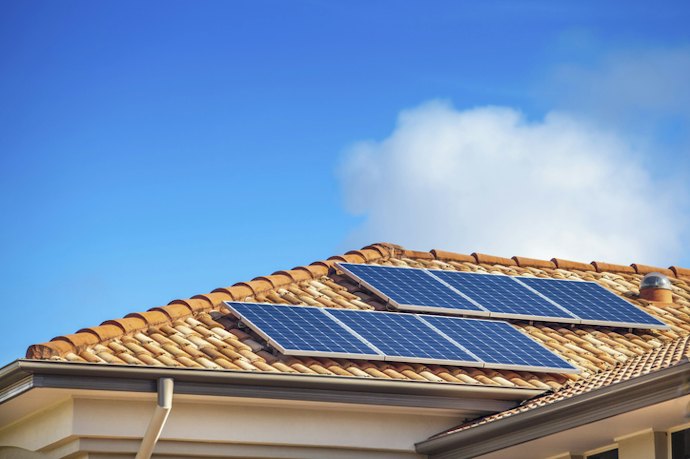
If your roof or storage space is limited, monocrystalline solar panels are worth the extra peso. Made from a single silicon crystal, monocrystalline solar panels convert sunlight into electricity more efficiently than other solar panel types, so you get more power without needing a bigger solar panel.
Monocrystalline solar panels are also known for holding up well under the Philippines' intense heat and humidity. While typically PHP 200 to PHP 500 more than polycrystalline solar panels of the same wattage, the higher output and durability of monocrystalline solar panels make them a solid pick for homeowners who want dependable power without sacrificing space.
Flexible or Thin-Film Solar Panels for Curved Surfaces and Lightweight Carrying
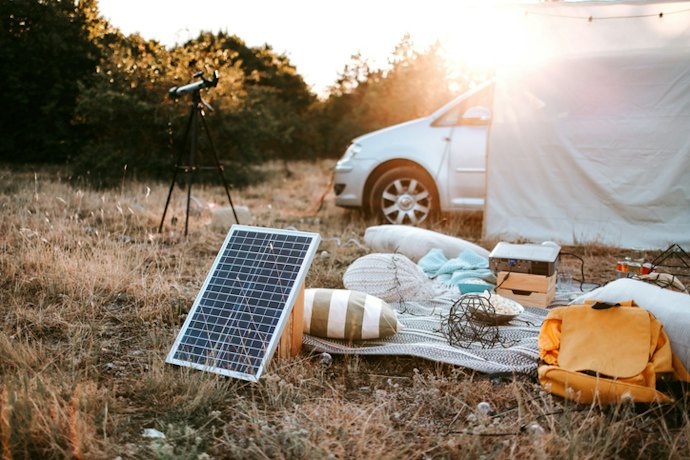
Flexible, thin-film solar panels bend to fit curved surfaces like a bangka, and their lightweight design makes them easy to carry on hikes or out-of-town trips.
Flexible and thin-film solar panels are not as efficient as monocrystalline solar panels watt for watt, but their adaptability and portability more than make up for it if you are always on the go. For campers, anyone dealing with frequent brownouts, or anyone who needs solar power away from home, this type of solar panel offers convenience that rigid panels cannot match.
Check the Solar Panel's Certifications and Weatherproof Ratings for Philippine Conditions
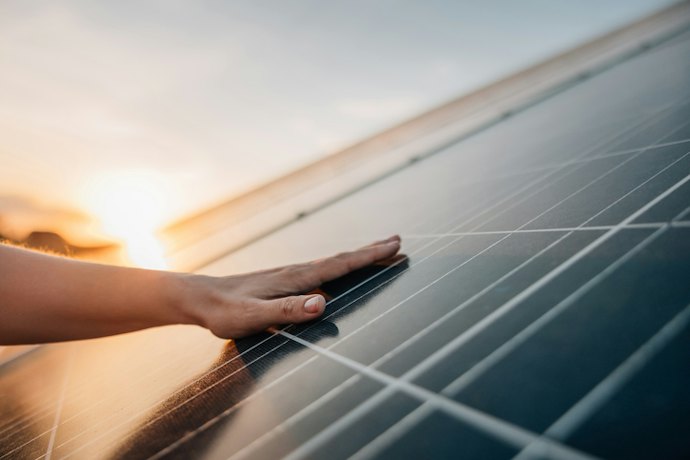
Take a moment to check the fine print before adding a solar panel to your cart. Certifications like IEC 61215 and IEC 61730 confirm that a panel has passed international testing for performance, durability, and safety, so you are not gambling on an untested product.
Just as important in our climate is the solar panel's IP rating. Look for IP65 or IP67, which means the solar panel can withstand heavy rain, humidity, and dust, which are all common conditions in the Philippines. A certified, weatherproof panel may cost a little more, but it saves you from having to replace it down the line.
Match the Solar Panel's Output Ports and Connectors to Your Devices
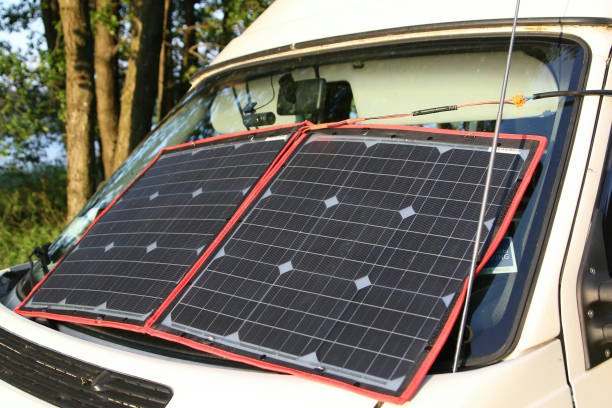
A powerful solar panel will not help much if it cannot connect to what you are charging. Before buying, check the solar panel’s output ports to make sure they are compatible with your devices or setup.
- USB or DC output for phones and small electronics
- MC4 connectors for power stations and 12 V battery charging
If you are charging gadgets on the go, USB ports offer everyday convenience. But if you are pairing the solar panel with a power station or battery bank, MC4 connectors are the standard for a secure, efficient connection.


Check the Solar Panel's Mounting Hardware and Portability Features Before You Buy
It is easy to focus on wattage and forget the hardware that comes with it, but this part affects how comfortable the solar panel is to actually use. The right solar panel mounting setup makes daily handling smoother, whether you are leaving your solar panel installed for months or packing up after a hike
Check for Mounting Brackets, Clamps, and Frame Durability for a Permanent Setup
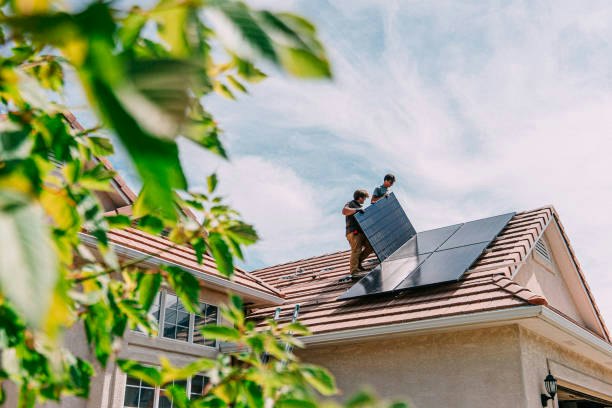
For a setup that stays put, the mounting hardware matters just as much as the solar panel itself. Look for sturdy Z-brackets or clamps designed for rooftops, walls, or fixed stands, along with an aluminum frame and tempered glass that can withstand long-term outdoor exposure.
A well-built frame protects the solar panel from wind, rain, and daily wear over the years. If you are installing a permanent solar panel setup, it is worth asking a professional installer to confirm that the mounting hardware is suitable for your specific roof type.
Look for Adjustable Kickstands and Lightweight Frames for Easy Carrying
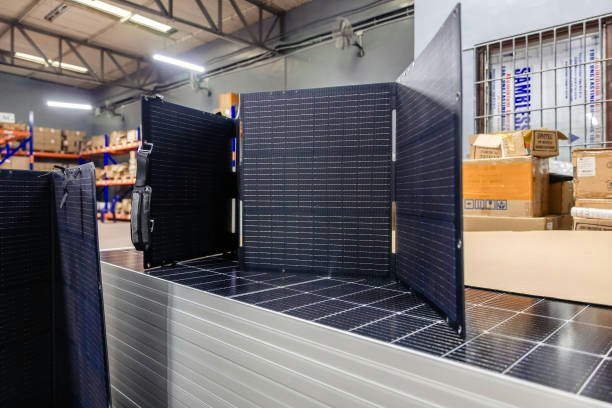
If you are always on the move, check the little details that make a big difference. Adjustable kickstands let you angle the solar panel toward the sun for better charging, while a lightweight frame and included carrying case make the solar panel easier to pack for camping or travel.
Some solar panels also come with reinforced handles or hinges built to survive repeated folding. These small features add convenience without adding bulk, so look out for them if portability is your main priority.
Look for a 5-Year Warranty to Ensure Your Solar Panel's Lifespan and Easy Maintenance
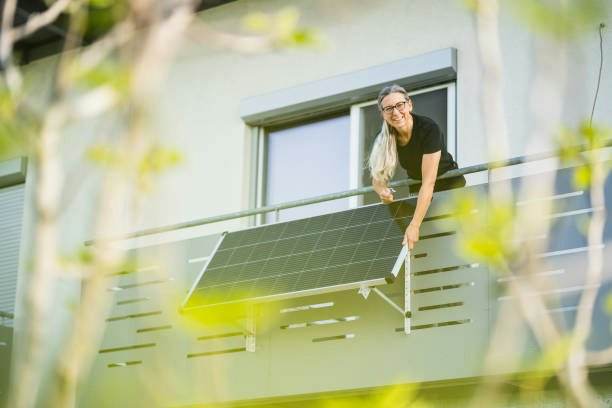
A solar panel is a long-term investment, so it pays to know what you are signing up for. Quality solar panels can last well over a decade with proper care, but that depends on the warranty coverage and how well you maintain them.
Look for solar panels with at least a five-year warranty for added peace of mind. Solar panel maintenance is usually simple. Wiping off dust and debris every so often keeps output consistent, especially during the dry season. A little upkeep now means better performance and fewer surprises later on.
10 Best Solar Panels to Buy Online
| Products | Image | Click to purchase | Popularity | Details | ||||||
|---|---|---|---|---|---|---|---|---|---|---|
Maximum Power | Panel Type | Certifications | Installation Options | Smart Monitoring | Energy Storage | |||||
1 | 20 W Flexible Solar Panel PowMr |  | No.1 | 20 W | Monocrystalline | unknown | Portable, Roof-Mounted, Ground-Mounted | Panel Only | ||
2 | 50/100/200 W 18BB Monocrystalline Solar Panel |  | No.2 | 50 W, 100 W, 200 W | Monocrystalline | IP67 | Roof-Mounted, Ground-Mounted, Fixed Mount | Panel Only | ||
3 | 200 W 4-Fold Portable Solar Panel |NSP200W Tylex |  | No.3 | 200 W | Monocrystalline | IP65 | Portable | Panel Only | ||
4 | Portable Foldable Monocrystalline Solar Panel for AC2P/AC50P/AC70P/AC180P |PV130 SORA130 Bluetti |  | No.4 | 130 W | Monocrystalline | IP67 | Portable | Panel Only | ||
5 | Flexible and Foldable Solar Panel Dokio |  | No.5 | 80 W / 100 W / 160 W / 200 W / 300 W | Monocrystalline | CE, FCC, RoHS | Portable, Roof-Mounted, Ground-Mounted | Panel Only | ||
6 | 100 W/150 W/200 W Monocrystalline Solar Panels EcoPower |  | No.6 | 100 W / 150 W / 200 W | Monocrystalline | IP67 | Roof-Mounted, Ground-Mounted, Fixed Mount | Panel Only | ||
7 | 30 W/60 W/120 W Foldable Solar Panels |SP60F Promate |  | No.7 | 30 W / 60 W / 120 W | Monocrystalline | unknown | Portable, Roof-Mounted, Ground-Mounted | Panel Only | ||
8 | 200 Watts Monocrystalline 12BB Solar Panel Asolar |  | No.8 | 200 W | Monocrystalline | IP67 | Roof-Mounted, Ground-Mounted, Fixed Mount | Panel Only | ||
9 | 5 Year Warranty Mono Solar Panels Bosca |  | No.9 | 10 W / 25 W / 35 W / 60 W / 120 W / 160 W / 200 W / 220 W / 320 W | Monocrystalline | unknown | Roof-Mounted, Ground-Mounted, Fixed Mount | Panel Only | ||
10 | 30 W Solar Panel Good Light Plus |  | No.10 | 30 W | Monocrystalline | unknown | Roof-Mounted, Ground-Mounted, Portable | Panel Only | ||

PowMr 20 W Flexible Solar Panel
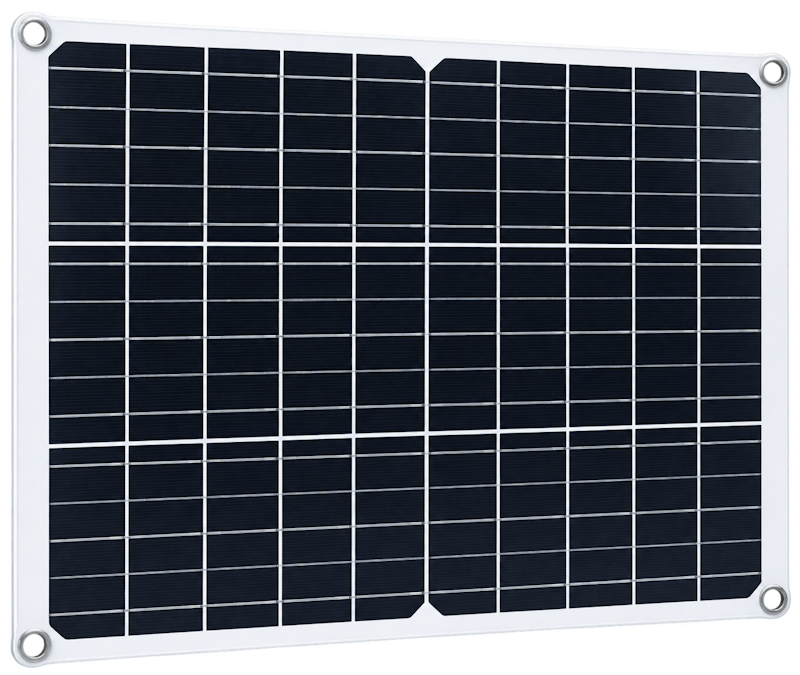
The panel features a lightweight and flexible construction that conforms easily to curved surfaces such as RV roofs or boat decks when heading to locations without grid access
| Maximum Power | 20 W |
|---|---|
| Panel Type | Monocrystalline |
| Certifications | unknown |
| Installation Options | Portable, Roof-Mounted, Ground-Mounted |
| Smart Monitoring | |
| Energy Storage | Panel Only |
50/100/200 W 18BB Monocrystalline Solar Panel
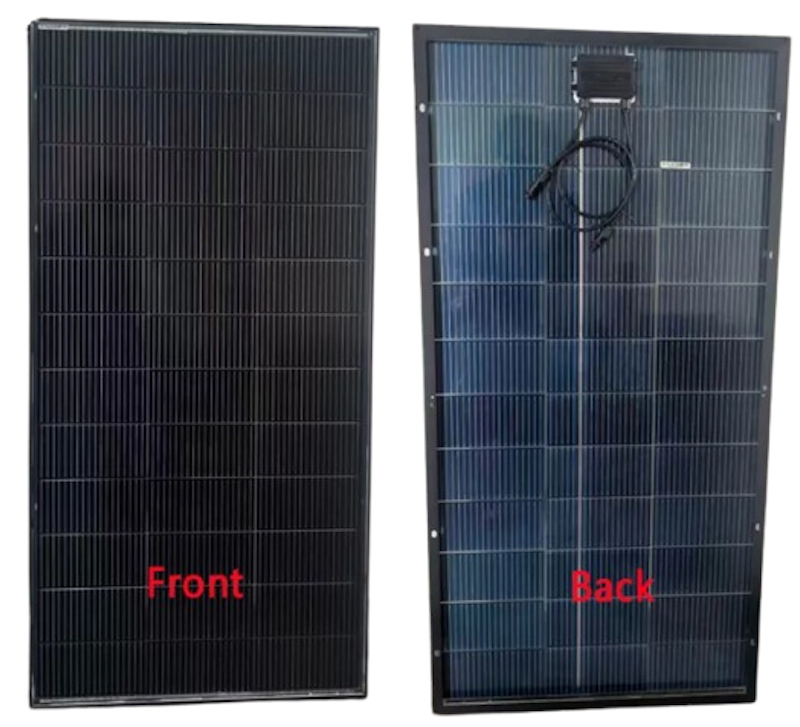
| Maximum Power | 50 W, 100 W, 200 W |
|---|---|
| Panel Type | Monocrystalline |
| Certifications | IP67 |
| Installation Options | Roof-Mounted, Ground-Mounted, Fixed Mount |
| Smart Monitoring | |
| Energy Storage | Panel Only |
Tylex 200 W 4-Fold Portable Solar Panel | NSP200W
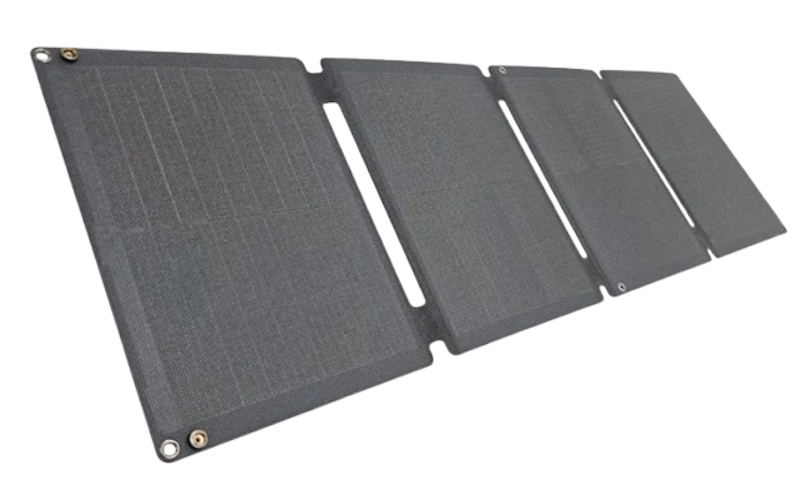
| Maximum Power | 200 W |
|---|---|
| Panel Type | Monocrystalline |
| Certifications | IP65 |
| Installation Options | Portable |
| Smart Monitoring | |
| Energy Storage | Panel Only |
Bluetti Portable Foldable Monocrystalline Solar Panel for AC2P/AC50P/AC70P/AC180P | PV130 SORA130
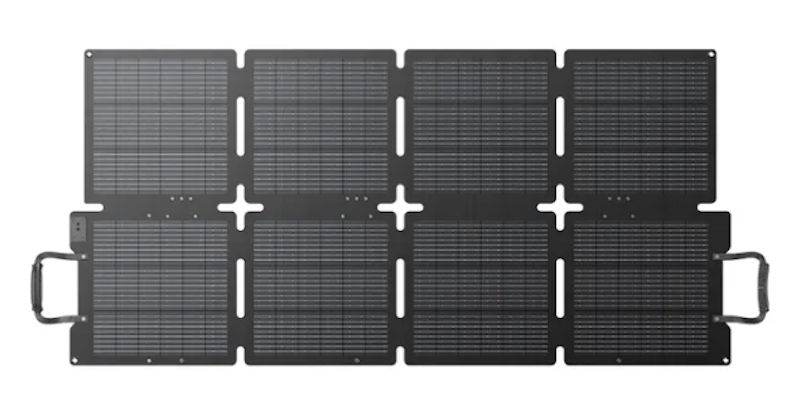
| Maximum Power | 130 W |
|---|---|
| Panel Type | Monocrystalline |
| Certifications | IP67 |
| Installation Options | Portable |
| Smart Monitoring | |
| Energy Storage | Panel Only |
Dokio Flexible and Foldable Solar Panel
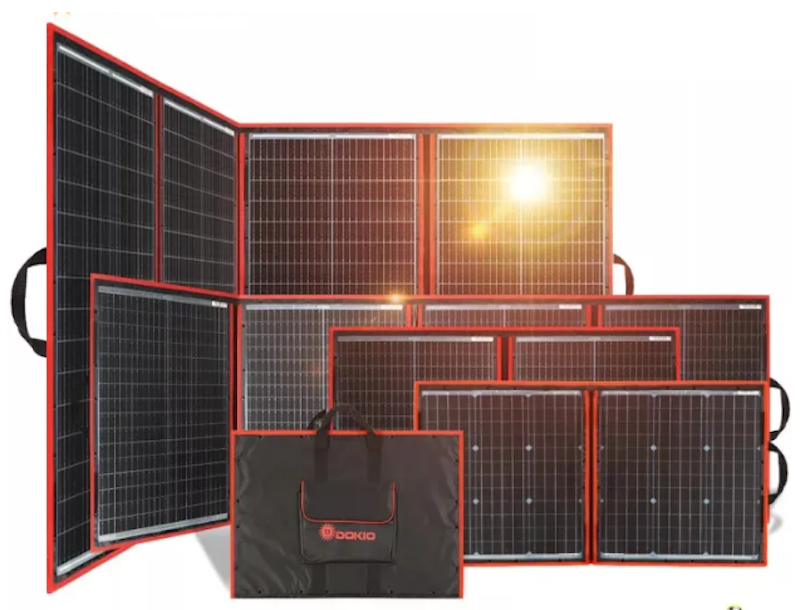
| Maximum Power | 80 W / 100 W / 160 W / 200 W / 300 W |
|---|---|
| Panel Type | Monocrystalline |
| Certifications | CE, FCC, RoHS |
| Installation Options | Portable, Roof-Mounted, Ground-Mounted |
| Smart Monitoring | |
| Energy Storage | Panel Only |
EcoPower 100 W/150 W/200 W Monocrystalline Solar Panels
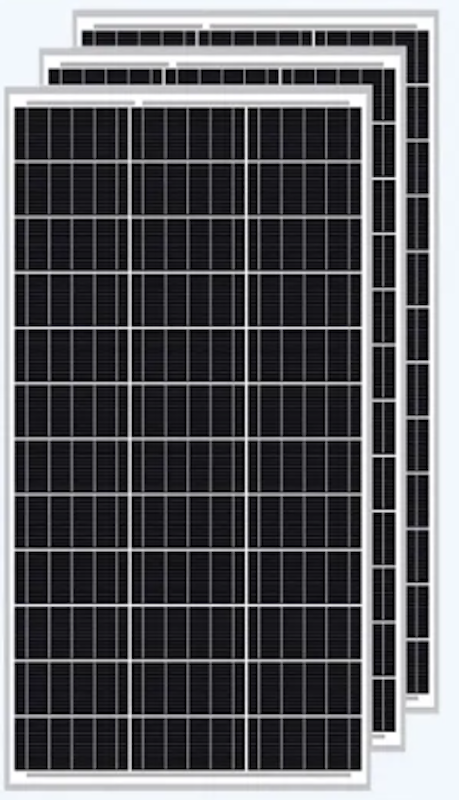
| Maximum Power | 100 W / 150 W / 200 W |
|---|---|
| Panel Type | Monocrystalline |
| Certifications | IP67 |
| Installation Options | Roof-Mounted, Ground-Mounted, Fixed Mount |
| Smart Monitoring | |
| Energy Storage | Panel Only |
Promate 30 W/60 W/120 W Foldable Solar Panels | SP60F
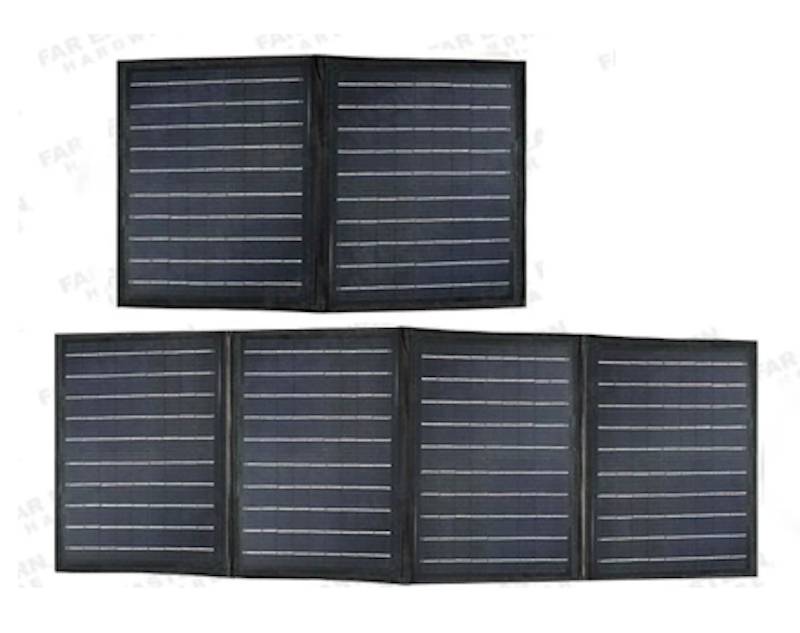
| Maximum Power | 30 W / 60 W / 120 W |
|---|---|
| Panel Type | Monocrystalline |
| Certifications | unknown |
| Installation Options | Portable, Roof-Mounted, Ground-Mounted |
| Smart Monitoring | |
| Energy Storage | Panel Only |
Asolar200 Watts Monocrystalline 12BB Solar Panel
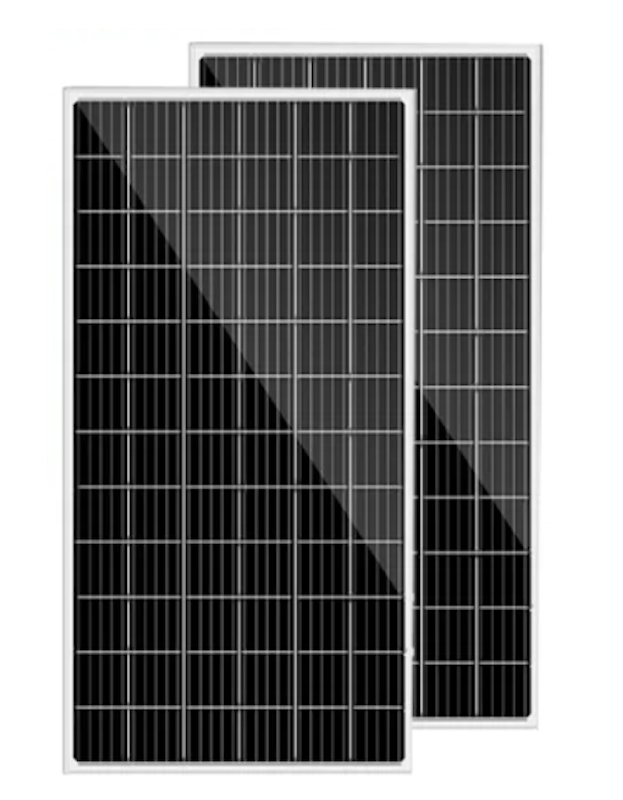
| Maximum Power | 200 W |
|---|---|
| Panel Type | Monocrystalline |
| Certifications | IP67 |
| Installation Options | Roof-Mounted, Ground-Mounted, Fixed Mount |
| Smart Monitoring | |
| Energy Storage | Panel Only |
Bosca 5 Year Warranty Mono Solar Panels
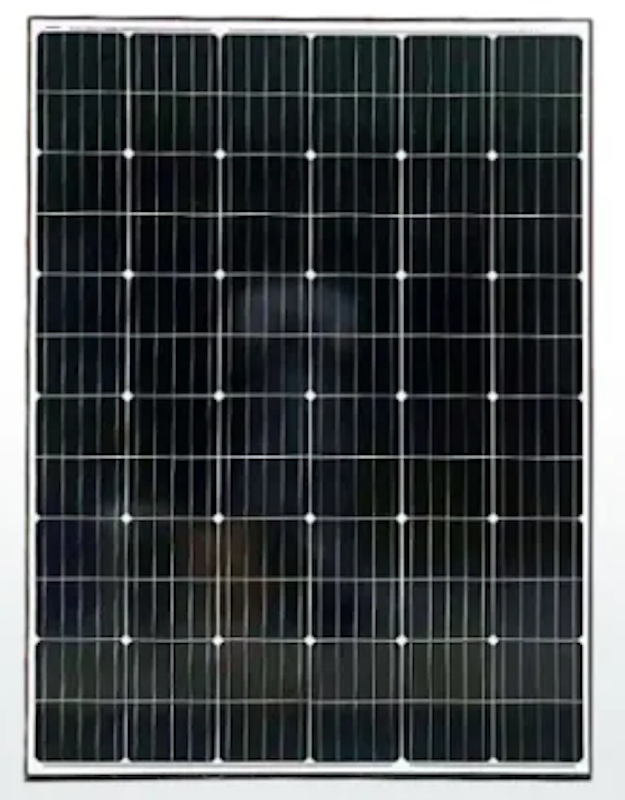
| Maximum Power | 10 W / 25 W / 35 W / 60 W / 120 W / 160 W / 200 W / 220 W / 320 W |
|---|---|
| Panel Type | Monocrystalline |
| Certifications | unknown |
| Installation Options | Roof-Mounted, Ground-Mounted, Fixed Mount |
| Smart Monitoring | |
| Energy Storage | Panel Only |
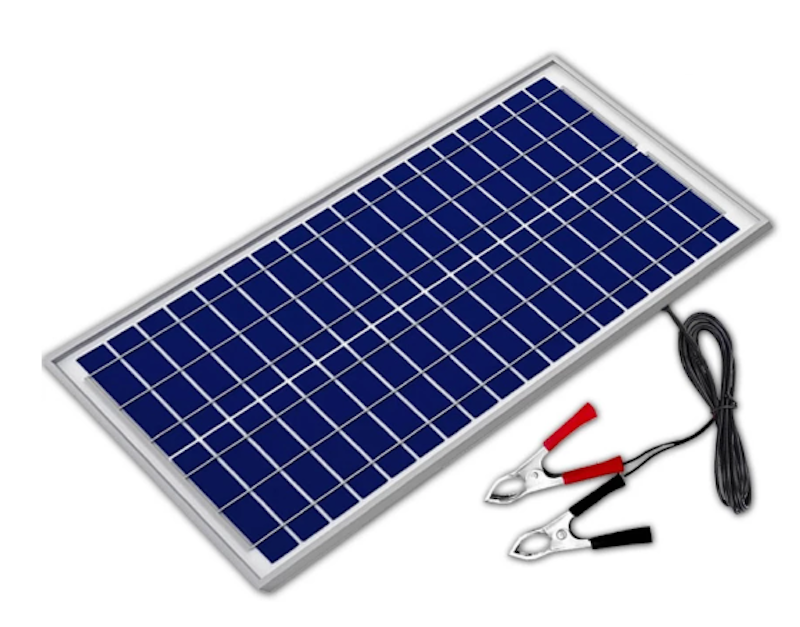
| Maximum Power | 30 W |
|---|---|
| Panel Type | Monocrystalline |
| Certifications | unknown |
| Installation Options | Roof-Mounted, Ground-Mounted, Portable |
| Smart Monitoring | |
| Energy Storage | Panel Only |
Frequently Asked Questions
Below are some of the most asked questions on the web answered by the mybest team.
Can I Uninstall and Reinstall My Solar Panels if I Move to a New Home?
Yes, portable and rooftop solar panels can both be reinstalled, though the process looks different for each. Foldable and portable solar panels can simply be packed up and brought along, no professional help needed. Fixed rooftop solar panels, on the other hand, require a professional installer to safely remove them and assess whether your new home's roof orientation and space are suitable for solar. If you are using a portable solar panel, moving is simple. If you have a fixed installation, book a professional installer ahead of your move to avoid delays.
What Is the Average Cost of a Solar Panel System?
Entry-level 20W to 100W solar panels typically run PHP 1,000 to PHP 2,000, ideal for phones and small gadgets. Mid-range 100W to 200W solar panels cost around PHP 2,000 to PHP 5,000, enough for power stations and 12V batteries. Larger 200W to 300W solar panels range from PHP 5,000 to PHP 8,000 or more and are suited for running appliances like a 1HP aircon or providing home backup power. Match your budget to the wattage tier that fits your actual power needs, then get quotes from at least two solar panel providers before committing to a full system.
Can Solar Panels Work Without Sun?
Yes, but do not expect full power on a cloudy day. Solar panels can still generate electricity from diffused sunlight even without direct sunlight, though output drops noticeably on overcast or rainy days and stops almost entirely at night without a battery. This is why pairing your solar panel with a battery or power station matters if you need reliable electricity around the clock. If brownouts or inconsistent weather are a concern, choose a solar panel with a higher wattage rating so it still produces enough power even on days with weaker sunlight.
Why Isn't My Solar Panel Charging?
A few common culprits are usually behind this: dust or debris blocking the solar panel's surface, a loose or damaged MC4 connector, poor sun angle, or an aging solar panel battery that can no longer hold a charge. Solar panels placed in partial shade or angled away from direct sunlight also lose efficiency fast. Start by wiping the solar panel clean and checking that all connections are secure. If the solar panel is still not charging properly, test it with a different device or battery to rule out a faulty unit before assuming the panel itself is defective.
Be Ready in the Darkest Times
The worst-case scenario we could imagine is not that we don't have solar panels over our roofs yet. It's when there isn't even electricity to get us through the day. In times of emergency, readiness is king and it pays to check out these items.


How We Chose and Ranked Our Product Recommendations
Our buying guide was carefully researched and crafted by the mybest team of writers and editors. We used the buying guide as a basis for choosing and ranking the product recommendations, and we looked at reviews and ratings from different E-commerce sites like Lazada, Shopee, and more.
The descriptions of each product are referenced from content available on manufacturer, brand, and e-commerce sites.