10 Best Welding Machines in the Philippines 2026 | Kawasaki, Mitsushi, and More
If you're looking for a welding machine for home repairs, metal fabrication, or professional workshop use, choosing the right model depends on the type of welding you'll do, the materials you'll work with, and how often you'll use it.
With many welding machines from brands like Kawasaki, Mitsushi, and Powerhouse available on Shopee and Lazada, comparing a few key features can help you narrow down your options more quickly. This guide explains how to choose the right welding process, amperage, and machine type to help you find the best welding machine for your needs and budget.

Mary is a content writer who has been writing professionally for around a decade. As a self-proclaimed Renaissance woman, her interests include music, fashion, sports, and cooking. She’s also the proud mom of two cats.
Why You Can Trust Us
Every mybest article is crafted with hours of in-depth research and interviews with experts. Each month, we are continually expanding our database of products based on our research. By emphasizing user insight and reliable information, we deliver trustworthy content to readers.
How to Choose a Welding Machine - Buying Guide
Before comparing specific models, it's helpful to understand the key features that affect welding performance, ease of use, and the types of projects a machine can handle.
Choose a Welding Process That Matches Your Projects
Different welding processes are designed for different materials, skill levels, and applications. Identifying the type of work you'll do most often is the easiest way to narrow down your options.
SMAW (Stick/Arc) Welding Is Best for Home Repairs and Outdoor Projects
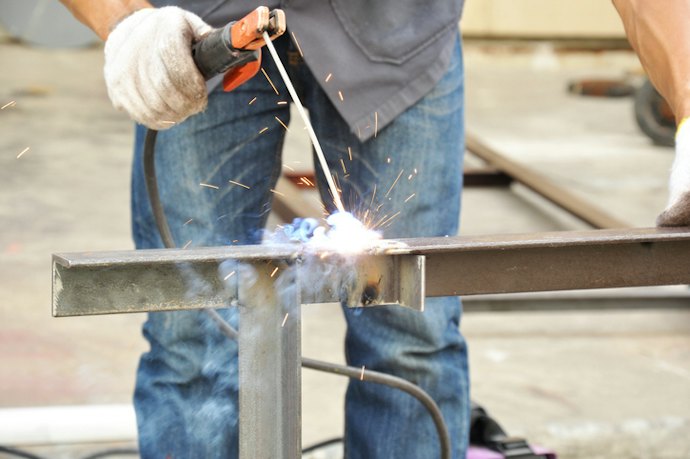
SMAW (Shielded Metal Arc Welding), also called stick or arc welding, is one of the most common welding methods in the Philippines. It performs well on thicker metals and produces reliable welds in outdoor or windy conditions, making it suitable for repairing gates, window grills, steel frames, roof supports, farm equipment, and general household repairs.
It is also one of the easiest and most affordable welding processes to start with, making it a practical choice for beginners, DIY users, and small workshops.
MIG Welding Is Better for Faster, Cleaner Fabrication Work
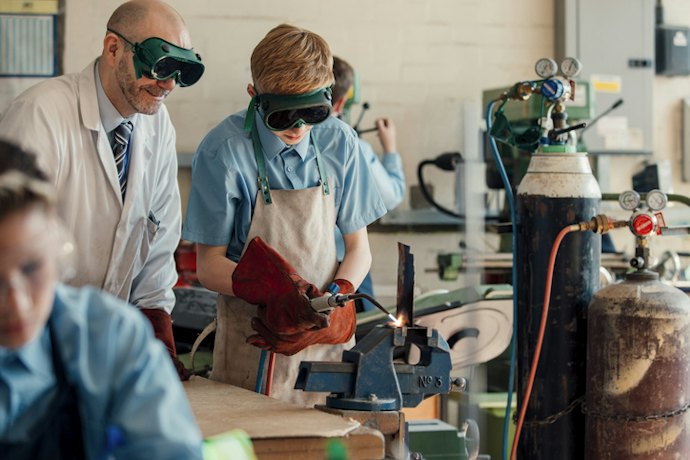
If you regularly fabricate steel furniture, automotive panels, or metal frames, MIG welding (Metal Inert Gas) is often the more convenient option. It uses a continuously fed wire, allowing faster welding and cleaner welds with less spatter than stick welding.
Although MIG machines generally cost more and require shielding gas, they are a good choice for users who prioritize speed, cleaner finishes, and higher productivity.
TIG Welding Is Best for Precision and Specialty Metals
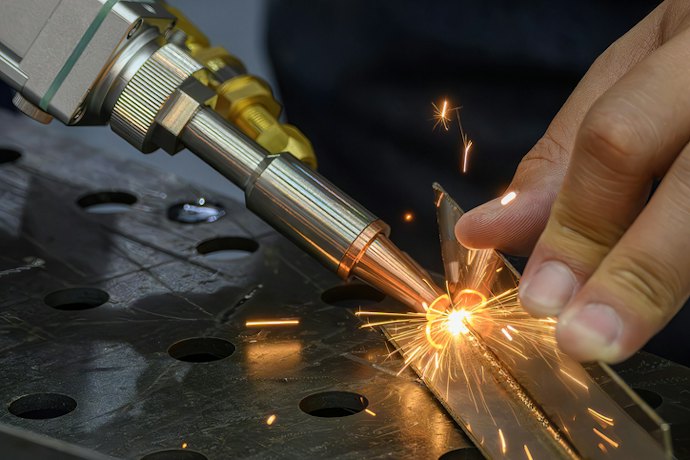
TIG welding (Tungsten Inert Gas) is ideal for users working with stainless steel, aluminum, titanium, and other specialty metals that require clean, precise welds. It produces some of the highest-quality welds but also demands greater skill and control than other welding methods.
Because of its slower welding speed and steeper learning curve, TIG welding is generally more suitable for experienced users, professional fabricators, and projects where appearance and precision are especially important.
Multi-Process Machines Offer Greater Flexibility
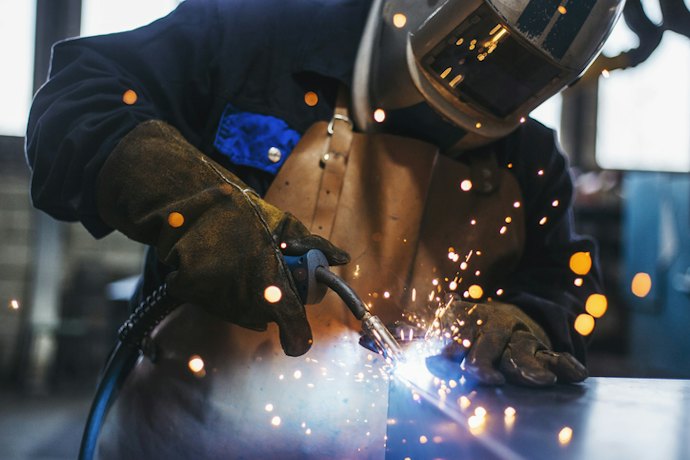
If you'll be working on different types of projects, a multi-process welding machine lets you switch between Stick, MIG, TIG, and sometimes flux-cored welding with a single unit.
Although these machines usually cost more than single-process models, they can offer better long-term value to users who want the flexibility to handle a wider range of welding jobs.
Consider the Difference Between an Inverter and a Transformer Welding Machine
Inverter Welding Machines Are Better for Most Home and Portable Use
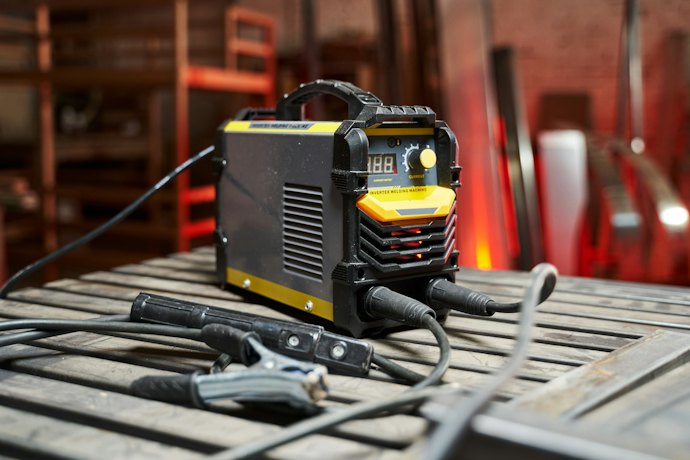
Most modern portable welding machines use inverter technology because they're lighter, more energy-efficient, and easier to transport than traditional transformer models. They also produce a more stable welding arc, making them easier to use for beginners and hobbyists.
If you'll be doing home repairs, fabrication projects, or moving between different job sites, an inverter welding machine is usually the more practical choice.
Transformer Welding Machines Are Better for Heavy-Duty Workshop Use
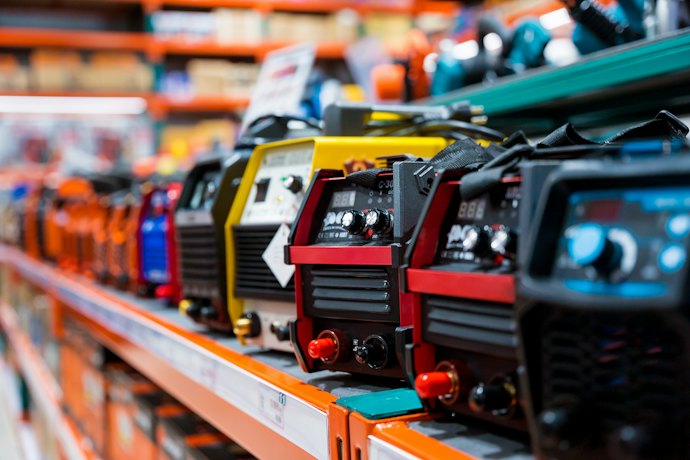
While they consume more power and are less convenient to transport, they remain a reliable option for users who need a machine for demanding, long-term welding applications.
Match the Power Requirements to Your Typical Work
The right power specifications determine what your welding machine can handle and how well it performs during different workloads. The two most important specifications to compare are amperage and duty cycle, which are usually listed in the product specifications or user manual. If you're shopping online, you can also find them in the product description.
Choose the Right Amperage for the Materials You'll Weld
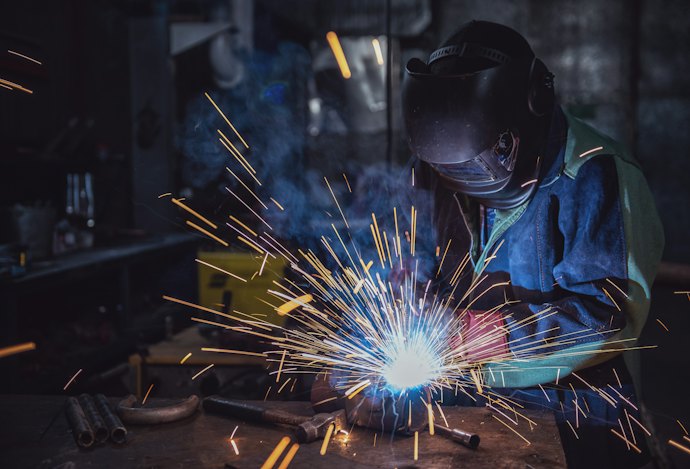
Amperage determines how much welding power the machine delivers. Choosing the right amperage helps ensure it can handle the thickness of the materials you'll typically weld.
100–140 A: Suitable for DIY repairs, thin steel, light fabrication, and household maintenance.
160–200 A: A good all-around range for fabricating gates, window grills, fences, steel frames, trailers, and most workshop projects.
200 A or higher: Better suited for heavy-duty fabrication, structural steel, thicker materials, and frequent professional use.
Rather than choosing the highest amperage available, select a machine that provides enough power for the materials you commonly work with.
Match the Duty Cycle to How Often You'll Weld
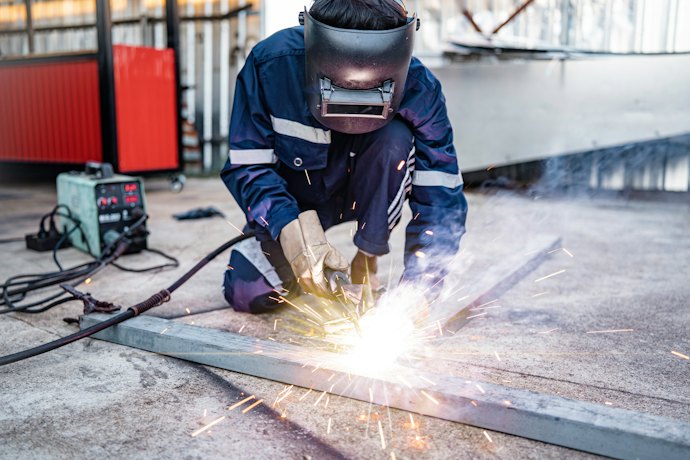
The duty cycle indicates how long a welding machine can operate continuously within a 10-minute period before it needs to cool down.
20–40%: Suitable for occasional DIY repairs and small projects.
40–60%: Ideal for regular fabrication work and small workshops.
60–100%: Recommended for professional welders or industrial applications that require extended welding sessions.
If you'll only be welding occasionally, a lower duty cycle is usually sufficient. Higher-duty-cycle machines become more worthwhile for users who weld frequently throughout the day.
Look for Safety and Convenience Features That Improve Everyday Use
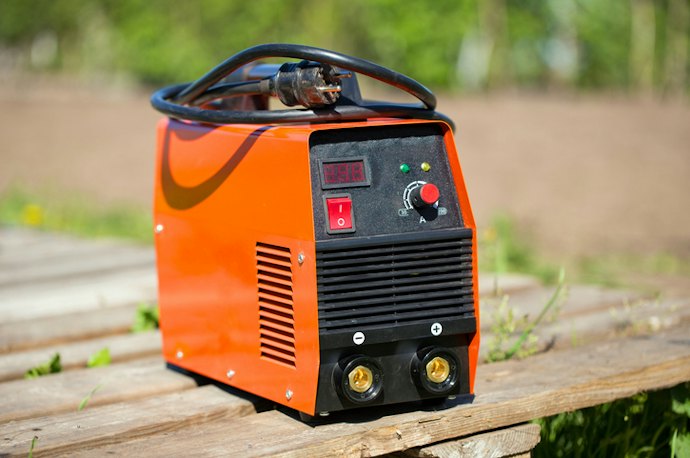
Beyond welding performance, certain features can enhance ease of use, consistency, and safety. Focus on features that align with your experience level and the types of projects you'll tackle most often.
Hot Start: Provides a temporary boost in current at arc strike, making it easier to start welding and reducing electrode sticking. This is especially helpful for beginners.
Arc Force: Automatically adjusts the current when the arc becomes too short, helping maintain a stable weld and reducing the chances of the electrode sticking to the workpiece.
Anti-Stick Function: Lowers the welding current if the electrode sticks, making it easier to remove without damaging either the electrode or the material.
Built-In Cooling System: Cooling fans or improved airflow help reduce heat buildup during extended welding sessions.
Thermal Overload Protection: Automatically shuts down the machine if it overheats, helping protect internal components and extend the machine's lifespan.
Digital Display: Makes it easier to monitor and accurately adjust amperage, especially when switching between materials or electrode sizes.
Choose the features you'll use regularly, rather than simply buying the model with the longest list of functions. For occasional home repairs, basic safety features are often enough, while frequent users may benefit from additional controls that improve welding consistency.
Go for a Portable Machine if You'll Frequently Move Between Job Sites
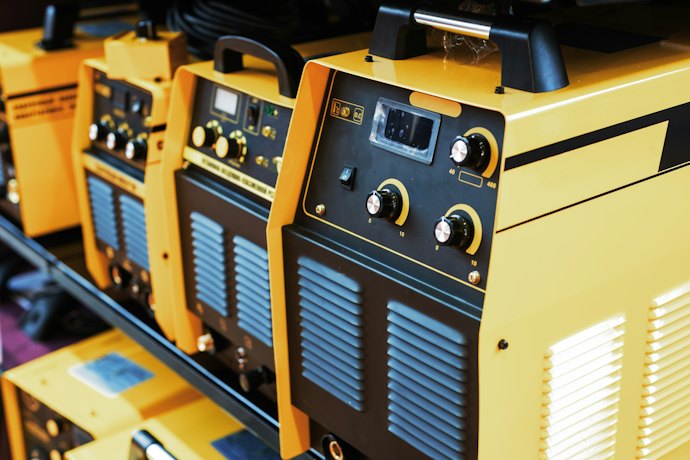
Look for features such as a carrying handle, shoulder strap, or compact design if you'll often load the machine into a vehicle or carry it around a job site. For fixed workshop use, portability becomes less important, allowing you to prioritize power and duty cycle instead.
Check the Warranty and Availability of After-Sales Service
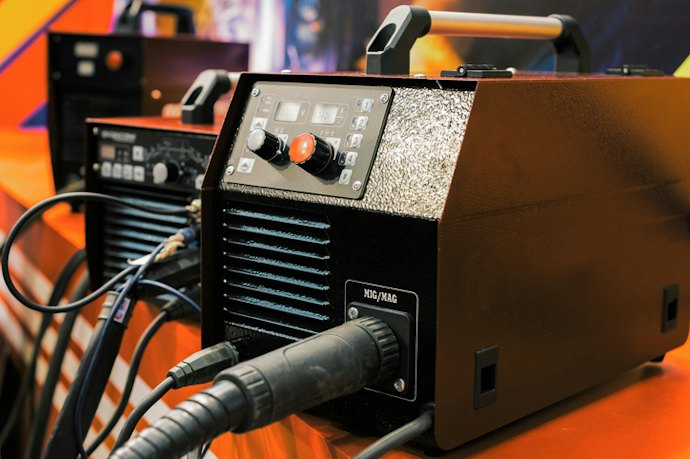
A welding machine is a long-term investment, so it's worth checking the warranty and after-sales support before buying. Look for models that include at least a 1-year warranty; some manufacturers may provide longer coverage on selected components.
Before making your purchase, verify whether the brand has authorized service centers or readily available replacement parts in the Philippines. Reading customer reviews about warranty claims and after-sales service can also give you a better idea of how easy repairs and maintenance will be if problems arise.
10 Best Welding Machines to Buy Online
| Products | Image | Click to purchase | Popularity | Details | ||||||||
|---|---|---|---|---|---|---|---|---|---|---|---|---|
Welding Process Type | Best For | Multi-Process Machine | Duty Cycle | Portable | Input Voltage | Safety Features | Output Current | |||||
1 | Welding Machine 6 in 1 |Flux Reactor 6 Predator |  | No.1 | MIG, TIG, MMA (Stick), Gasless MIG, Mag | Various Projects and Process Requirements | 60% | 220 V | F Class Insulation System, IP21 Protection Class | 20–300 A | |||
2 | Inverter Welding Machine |LT200MGX, LT200FCX Buildmate Lotus |  | No.2 | MIG (Gasless/Flux-Cored) | Mild Steel | 60% | 220 V | H Class Insulation System, IP21 Protection Class | 40–200 A | |||
3 | Inverter Welding Machine |MIGTECH-250TECH Powerhouse |  | No.3 | MIG, TIG, MMA (3-in-1) | Various Projects and Process Requirements | 60% | 220 V | IP21 Protection Class | 20–250 A | |||
4 | Welding Machine |DDIW-300 Daiden |  | No.4 | Stick (MMA) | Outdoor Work and Heavy-Duty Repairs | 60% | 220 V | F Class Insulation, IP21S Protection | 20–300 A | |||
5 | Welding Machine |Mini-200A Kawasaki |  | No.5 | Stick (MMA) | Small Projects With Thin Metal Sheets | 60% | 220 V | F Class Insulation System, IP21 Protection Class | 20–200 A | |||
6 | Welding Machine |08-03-10200M Greenfield |  | No.6 | MIG (Gasless) | Consistent but Mid-Volume Work | 60% | 220 V | F Class Insulation System, IP21 Protection Class | 40–200 A | |||
7 | Welding Machine |MIG-950 Nanwei |  | No.7 | MIG, TIG, MMA (3-in-1) | Various Projects and Process Requirements | 40% | 200 V | F Class Insulation System, IP21 Protection Class | Up to 200–300 A | |||
8 | Welding Machine |MINI 300AMP Yamato |  | No.8 | MMA (Stick/Arc) | Outdoor Work and Heavy-Duty Repairs | 60% | 220 V | F Class Insulation System, IP21 Protection Class | 20–300 A | |||
9 | Welding Machine |MIT-400NI Mitsushi |  | No.9 | MMA (Stick/Arc) | Outdoor Work and Heavy-Duty Repairs | 60% | 220–240 V | F Class Insulation System, IP21 Protection Class | 30–400 A | |||
10 | Welding Machine |MMA-250/350/400/500 |  | No.10 | MMA (Stick/Arc) | Various Projects and Process Requirements | 60% | 220 V | F Class Insulation System, IP21 Protection Class | 250 A, 350 A, 400 A, 500 A | |||

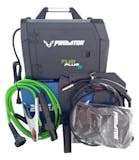
Predator Welding Machine 6 in 1 | Flux Reactor 6
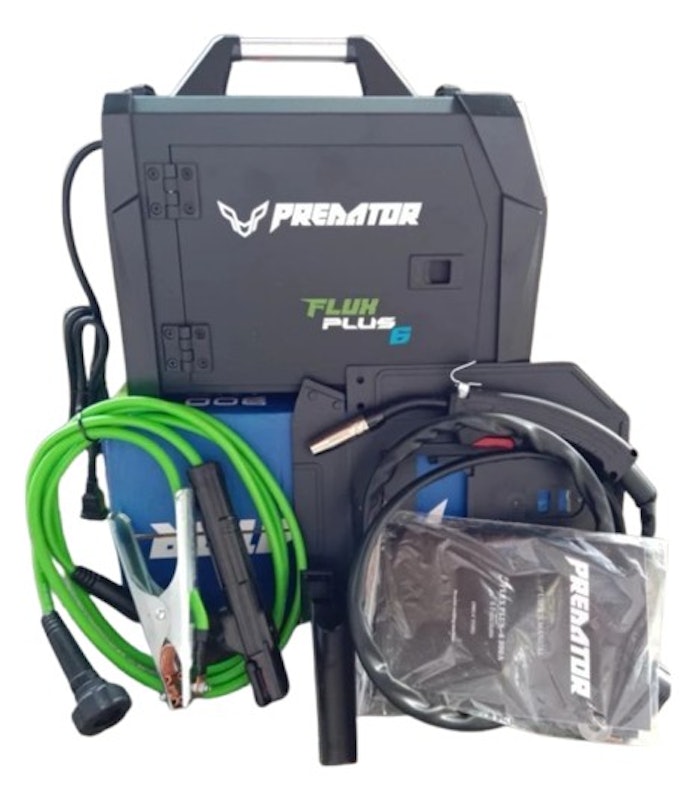
| Welding Process Type | MIG, TIG, MMA (Stick), Gasless MIG, Mag |
|---|---|
| Best For | Various Projects and Process Requirements |
| Multi-Process Machine | |
| Duty Cycle | 60% |
| Portable | |
| Input Voltage | 220 V |
| Safety Features | F Class Insulation System, IP21 Protection Class |
| Output Current | 20–300 A |
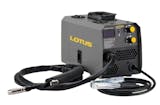
Buildmate Lotus Inverter Welding Machine | LT200MGX, LT200FCX
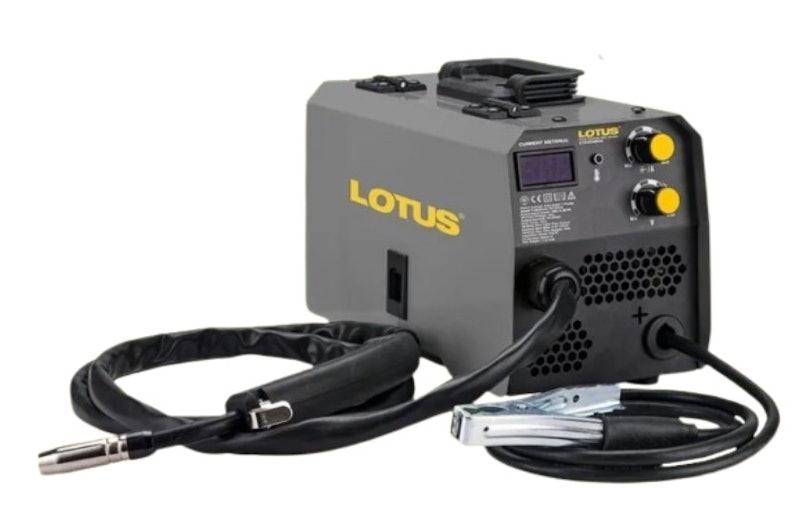
| Welding Process Type | MIG (Gasless/Flux-Cored) |
|---|---|
| Best For | Mild Steel |
| Multi-Process Machine | |
| Duty Cycle | 60% |
| Portable | |
| Input Voltage | 220 V |
| Safety Features | H Class Insulation System, IP21 Protection Class |
| Output Current | 40–200 A |
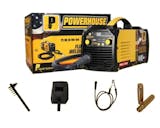
Powerhouse Inverter Welding Machine | MIGTECH-250TECH
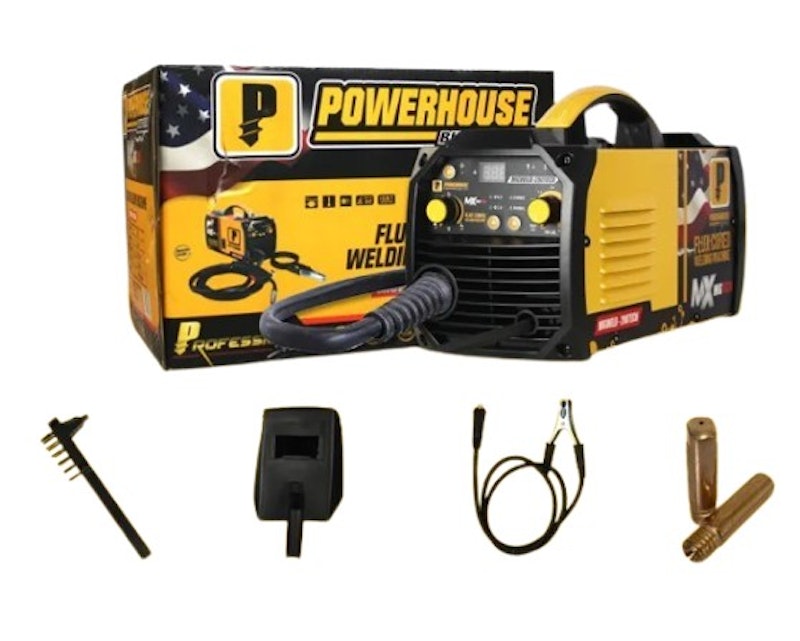
| Welding Process Type | MIG, TIG, MMA (3-in-1) |
|---|---|
| Best For | Various Projects and Process Requirements |
| Multi-Process Machine | |
| Duty Cycle | 60% |
| Portable | |
| Input Voltage | 220 V |
| Safety Features | IP21 Protection Class |
| Output Current | 20–250 A |
Daiden Welding Machine | DDIW-300
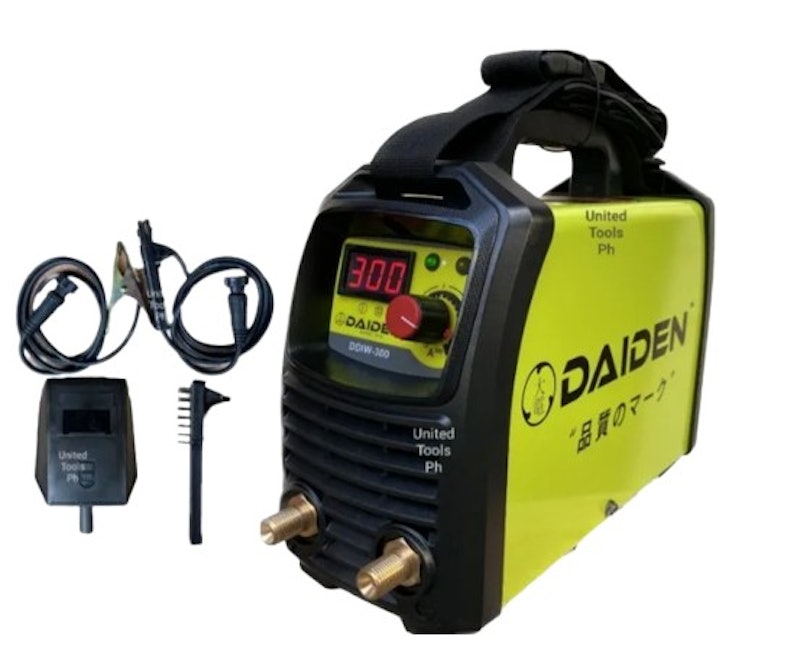
| Welding Process Type | Stick (MMA) |
|---|---|
| Best For | Outdoor Work and Heavy-Duty Repairs |
| Multi-Process Machine | |
| Duty Cycle | 60% |
| Portable | |
| Input Voltage | 220 V |
| Safety Features | F Class Insulation, IP21S Protection |
| Output Current | 20–300 A |
Kawasaki Welding Machine | Mini-200A
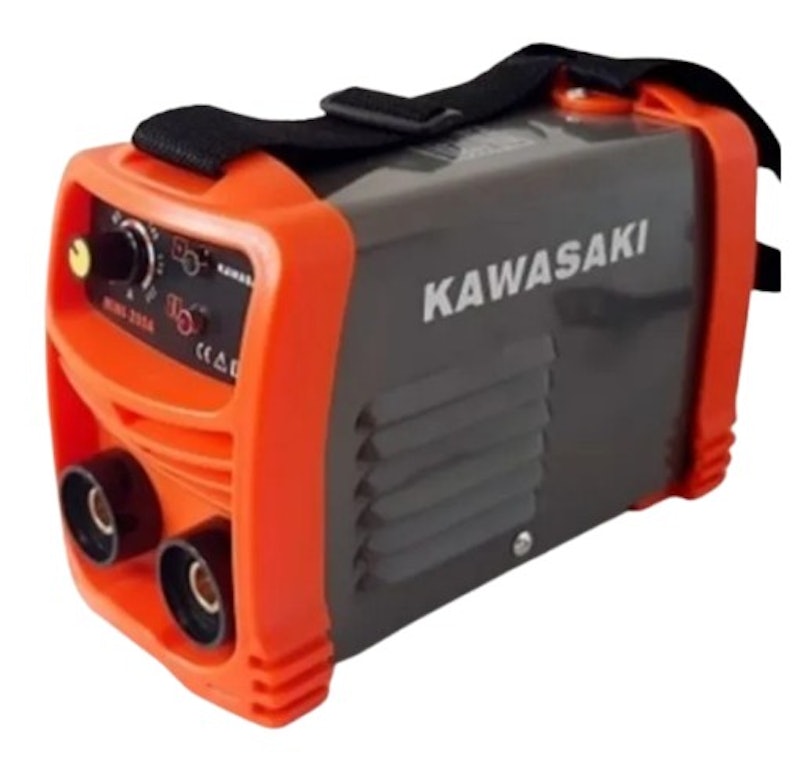
| Welding Process Type | Stick (MMA) |
|---|---|
| Best For | Small Projects With Thin Metal Sheets |
| Multi-Process Machine | |
| Duty Cycle | 60% |
| Portable | |
| Input Voltage | 220 V |
| Safety Features | F Class Insulation System, IP21 Protection Class |
| Output Current | 20–200 A |
Greenfield Welding Machine | 08-03-10200M
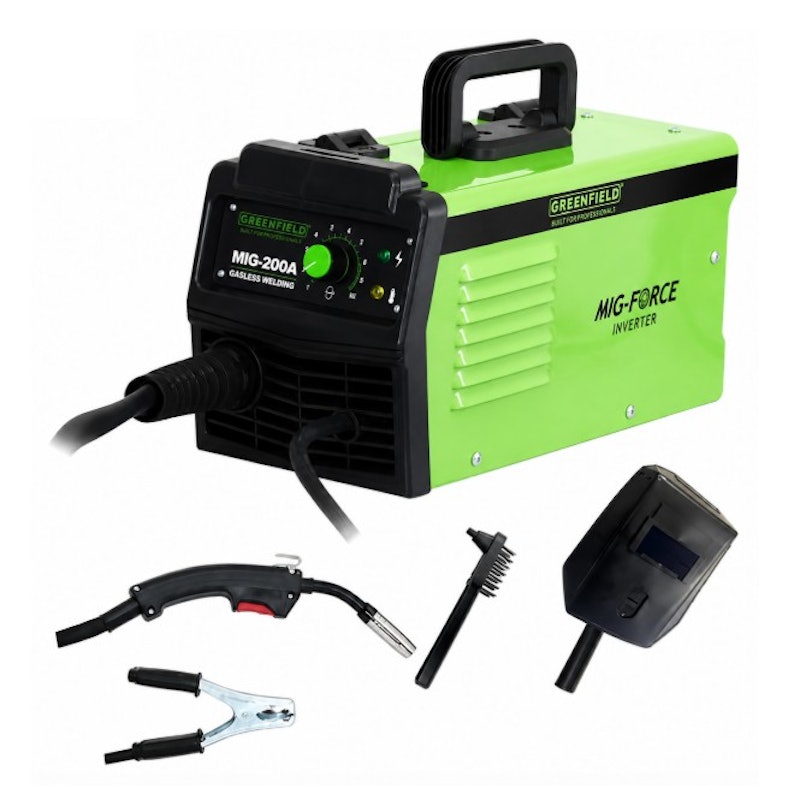
| Welding Process Type | MIG (Gasless) |
|---|---|
| Best For | Consistent but Mid-Volume Work |
| Multi-Process Machine | |
| Duty Cycle | 60% |
| Portable | |
| Input Voltage | 220 V |
| Safety Features | F Class Insulation System, IP21 Protection Class |
| Output Current | 40–200 A |
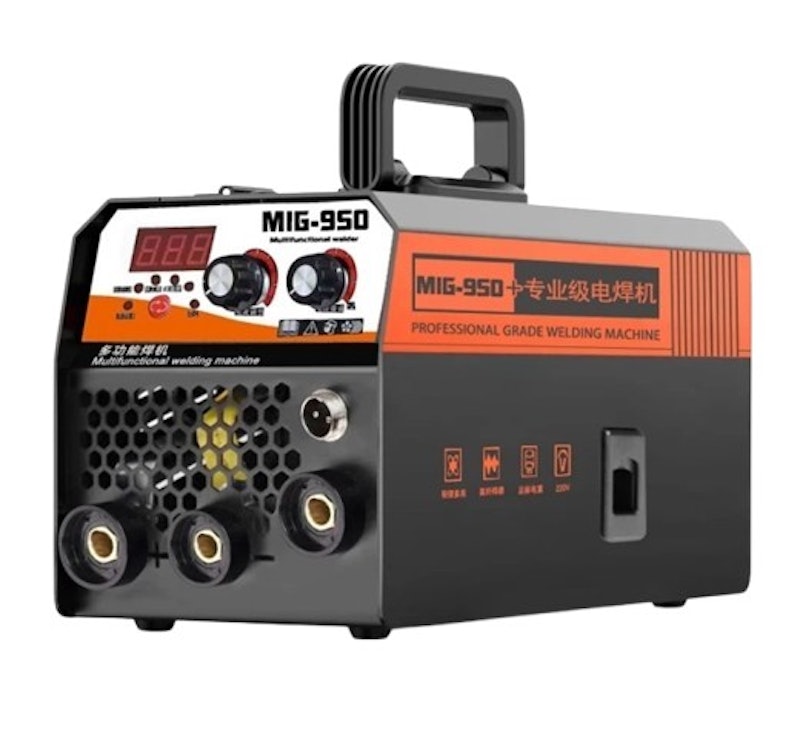
| Welding Process Type | MIG, TIG, MMA (3-in-1) |
|---|---|
| Best For | Various Projects and Process Requirements |
| Multi-Process Machine | |
| Duty Cycle | 40% |
| Portable | |
| Input Voltage | 200 V |
| Safety Features | F Class Insulation System, IP21 Protection Class |
| Output Current | Up to 200–300 A |
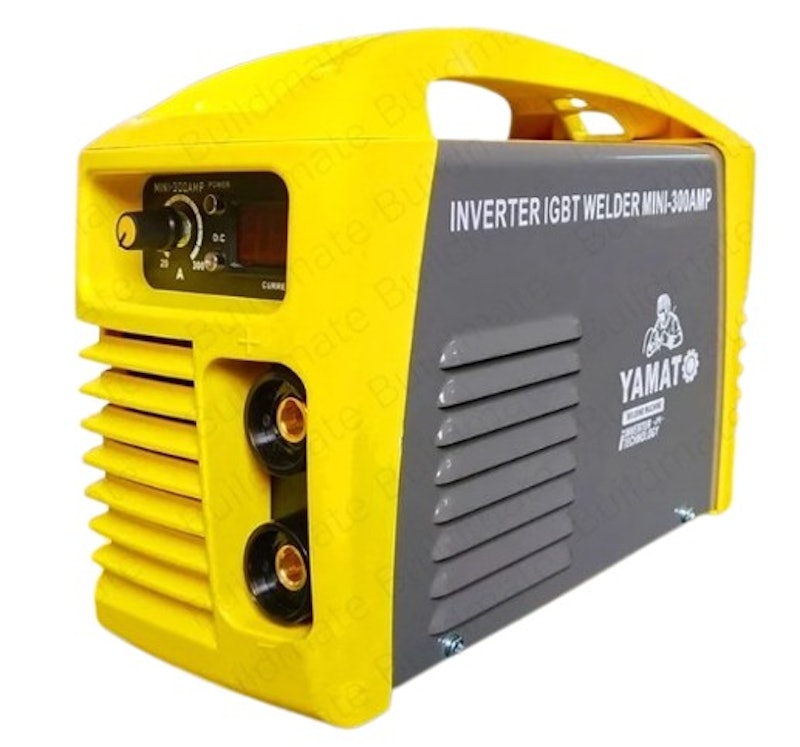
| Welding Process Type | MMA (Stick/Arc) |
|---|---|
| Best For | Outdoor Work and Heavy-Duty Repairs |
| Multi-Process Machine | |
| Duty Cycle | 60% |
| Portable | |
| Input Voltage | 220 V |
| Safety Features | F Class Insulation System, IP21 Protection Class |
| Output Current | 20–300 A |
Mitsushi Welding Machine | MIT-400NI
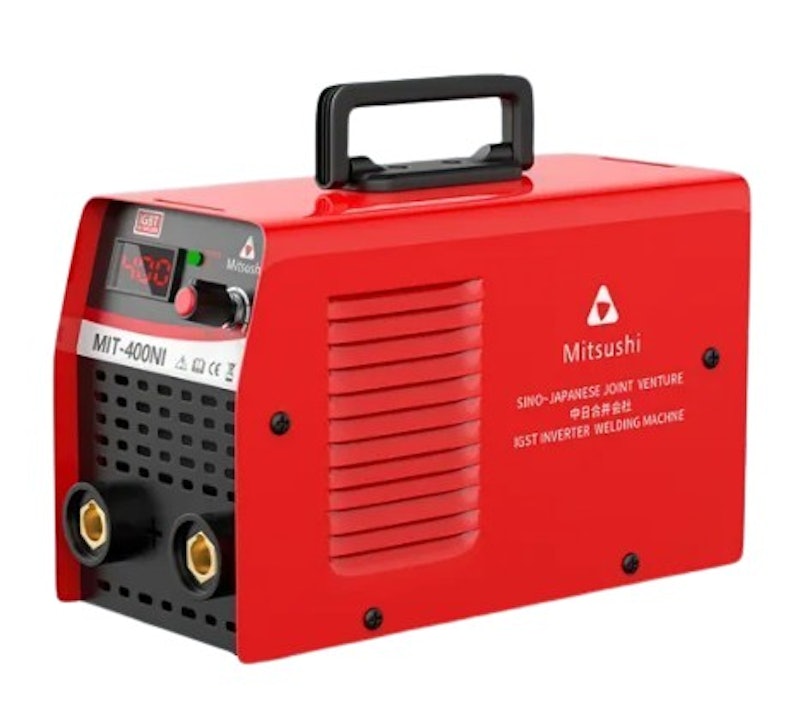
| Welding Process Type | MMA (Stick/Arc) |
|---|---|
| Best For | Outdoor Work and Heavy-Duty Repairs |
| Multi-Process Machine | |
| Duty Cycle | 60% |
| Portable | |
| Input Voltage | 220–240 V |
| Safety Features | F Class Insulation System, IP21 Protection Class |
| Output Current | 30–400 A |
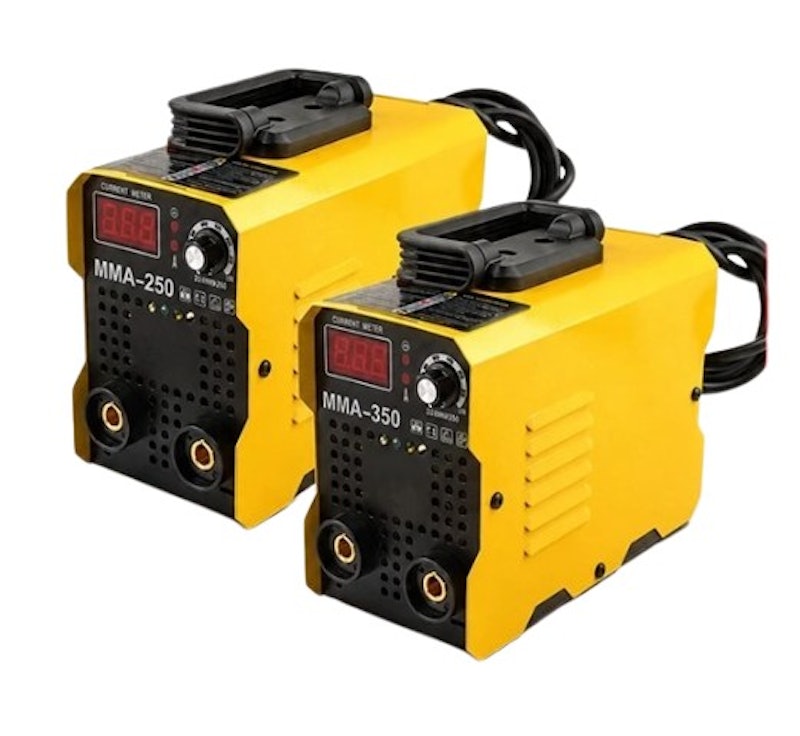
| Welding Process Type | MMA (Stick/Arc) |
|---|---|
| Best For | Various Projects and Process Requirements |
| Multi-Process Machine | |
| Duty Cycle | 60% |
| Portable | |
| Input Voltage | 220 V |
| Safety Features | F Class Insulation System, IP21 Protection Class |
| Output Current | 250 A, 350 A, 400 A, 500 A |
Frequently Asked Questions
Below are some of the most asked questions on the web answered by the mybest team.
How Much Does a Welding Machine Cost in the Philippines?
Basic portable welding machines suitable for home repairs typically start at around ₱2,500 to ₱5,000. Mid-range inverter welders for regular fabrication generally cost ₱5,000 to ₱12,000, while professional or multi-process machines can exceed ₱20,000, depending on their power output, features, and welding capabilities.
What Is the Best Welding Machine for Beginners?
For most beginners, a portable inverter welding machine that supports SMAW (Stick/Arc) welding is the easiest place to start. These machines are generally more affordable, lightweight, and easier to operate. They also provide enough power for common home repairs, gates, fences, and basic fabrication projects.
Can One Welding Machine Weld Different Types of Metal?
Yes, but it depends on the welding process. SMAW (Stick/Arc) welders can handle many types of steel, while TIG welding is generally preferred for stainless steel and aluminum because it offers greater precision. Some multi-process machines allow you to switch between different welding methods for greater versatility.
What Are Some Well-Known Welding Machine Brands in the Philippines?
Several brands offer reliable welding machines in the Philippines, including INGCO, Mitsushi, Powerhouse, Daiden, Yamato, Kawasaki, and ESAB. Rather than choosing based on brand alone, compare each model's welding process, amperage, duty cycle, portability, and safety features to find one that best suits your welding needs and budget.
Take Charge of Your Household with Highly-Rated Items
Take a look at other helpful tools that will help you do the work to make your house feel like home!


How We Chose and Ranked Our Product Recommendations
Our buying guide was carefully researched and crafted by the mybest team of writers and editors. We used the buying guide as a basis for choosing and ranking the product recommendations, and we looked at reviews and ratings from different E-commerce sites like Lazada, Shopee, and more.
The descriptions of each product are referenced from content available on manufacturer, brand, and e-commerce sites.