

10 Best Baby Foods in the Philippines 2026 | Buying Guide Reviewed by Pediatrician
Introducing your little bundle of joy to solids is a major milestone. First impressions last, so with the best baby food, you can ensure that the very first bite is delicious and nutritious. Baby foods are the first step in your little one's solid food journey until they are ready for table foods. They are either soft or pureed for easy consumption. They are also a huge help for on-the-go parents as they save time and effort in preparing.
Additionally, since they come in portable containers, you can bring them during your travels. As parents, the learning process never ends, so for this article, we asked Dr. Cristal Ann Laquindanum-Tan, a board-certified pediatrician, for some of her comments and tips. Plus, we've provided a buying guide and a list of yummy and healthy baby foods you can buy online.

Cristal Ann Laquindanum-Tan, MD, MBA, DPPS, is a board-certified pediatrician, particularly interested in nutrition, especially guiding first-time parents on how to start solid food for their babies. She posts health information content in her Instagram and Facebook account @millennialpedia. Most of her followers are millennial parents and first-time parents. Since almost everyone is using social media already, why not make health information accessible to parents, right? She's a practicing pediatrician in Metro Manila doing home vaccinations and teleconsultation during this pandemic.

Our recommendation articles are carefully researched and crafted by the mybest Philippines team of writers and editors. To stay true to our company’s mission and vision to help users’ selection process easier, we also collaborate with experts from various fields to ensure that our content stays factual and useful.
The expert oversees the Buying Guide only, and does not determine the products and services featured.
Why You Can Trust Us
Every mybest article is crafted with hours of in-depth research and interviews with experts. Each month, we are continually expanding our database of products based on our research. By emphasizing user insight and reliable information, we deliver trustworthy content to readers.
How to Choose Baby Food - Buying Guide
With tons of options in the market, it can be daunting to choose which baby food is the best for your little one. Fret not, as we prepared a list of things to consider when choosing baby food. For more detailed information, read through our buying guide below.
Align the Baby Food’s Stage to Your Baby’s Age
Baby food stages can help parents determine the right type to give their little ones. Also, these indicate which type of food the child is ready to eat or consume at their age.
Stage 1: Introducing Your Baby to Solids Like a Finely-Pureed Single Ingredient
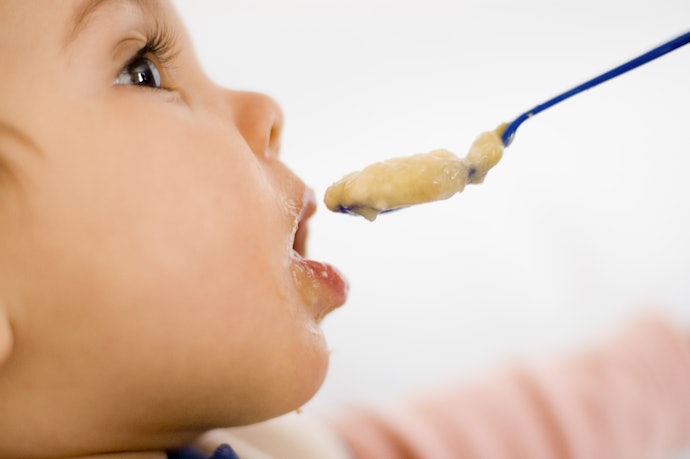
Stage 1 foods are for babies that are 4 to 6 months old. These foods have a thin and drippy consistency which allows the baby to eat without the need for chewing. Also, the texture isn't too thick and similar to breast milk or baby formula as they're slowly switching from it.
This type of baby food is made from a finely pureed single ingredient, usually vegetable or fruit. It is recommended for babies who are in the process of learning to open their mouths for spoon-feeding and those who are learning to swallow without choking.

You can start solid food for your baby at around 4-6 months old. Starting too early and too late may cause potential harm to your child. Although age is a good predictor of when to start solid food, you should also check their developmental milestones if they're showing food readiness cues.
By doing this, you're focusing on the need and readiness of each child, particularly if they're born prematurely. Check for the following:
- Can they hold their head on their own?
- Can they sit with or without support?
- Do they show interest in food, like putting things into their mouth?
Stage 2: Exploring New Flavors and Textures With a Combination of Two Ingredients

Stage 2 foods are ideal for babies that are 7 to 8 months old. If your baby has been eating Stage 1 foods without spitting them out, you can take this as a sign to move up to Stage 2 foods.
These have a slightly thicker texture than Stage 1 foods and contain a combination of two to three ingredients to create a whole new flavor. Some flavors include banana and bean, carrot, apple, sweet potato, and more.
Does baby food have to be bland? Of course not! You can try different flavors, so your child is exposed to different tastes. You can use herbs and spices in your baby's food! You can put crushed nuts and seeds rolled on fruit for easy grasp. Just avoid foods that are too salty or sweet.
Stage 3: Chewing and Mashing Chunky Food to Prepare for Table Food
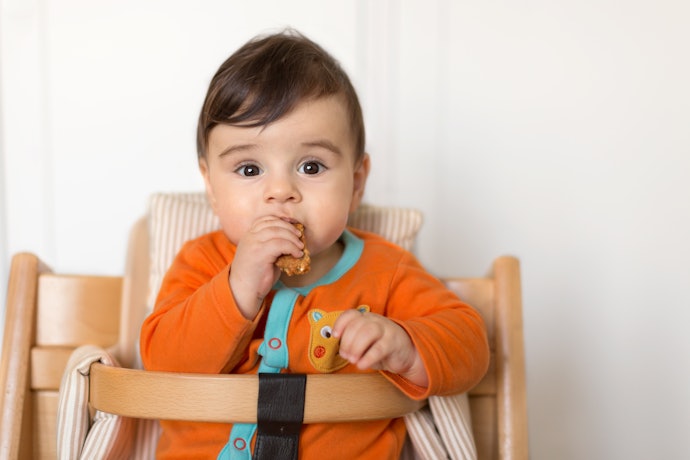
Stage 3 foods are soft chunks or a larger portion of finger foods for 9 to 12-month-old babies. This is the stage where parents prepare babies to eat table foods that the rest of the family is eating by teaching them to chew with their gums or baby teeth.
To determine if your baby is ready for Stage 3, place a portion of finger food on the table then observe if they can pick it up and bring it to their mouth using their fingers and thumb. If they can bite it without struggling, then you can start giving them Stage 3 foods, but always watch and guide them while eating to ensure safety.
Whether you started introducing solid food via the traditional way (purée feeding) or baby-led weaning, the more important thing is the progression of textures as they get older. By 8-10 months old, babies begin to refine their fine motor skills by eating independently. Therefore, their food should be lumpier and in bite-size portions that they can pick up with their fingers.
Even with the absence of teeth, they can already munch and start to chew food. If by 10 months old, they haven't progressed with more textures, it might increase the chances of them becoming picky eaters.
Avoid Foods That Are High in Sugar and Sodium
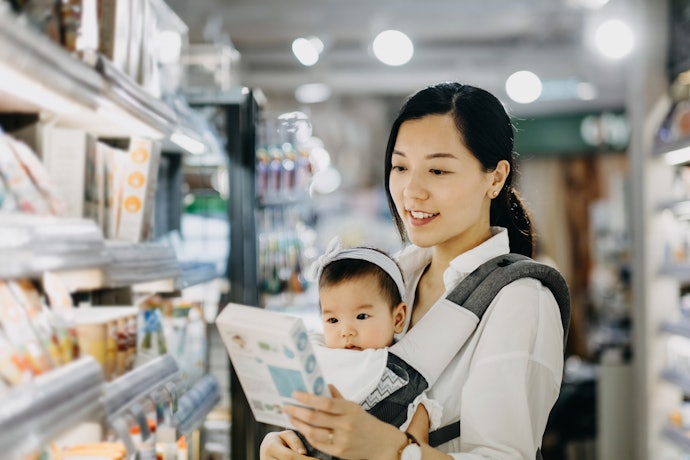
To make sure that your baby is going to eat safe and healthy food, opt for those that are organically made and have all-natural ingredients. Organic baby foods are those that contain organic crops and are grown without the use of synthetic herbicides, pesticides, and fertilizers.
Meanwhile, all-natural baby foods do not contain preservatives and thickeners that could affect your baby's health. Plus, most baby foods do not contain allergens such as peanuts, eggs, and shellfish. Still, make sure that they do not contain any ingredients that your baby is allergic to.
Also, avoid sugary foods as these can develop your baby's sweet tooth and later on and lead to obesity and other health issues. In addition to that, avoid foods that are high in sodium since your baby's kidneys are not yet strong enough to process a high amount of salt.
Your child is responsible for how much and whether or not to eat while parents/caregivers are responsible for what, when, and where the baby can eat. That means you are responsible for what food to give your child—it must be safe to eat and contain healthy ingredients.
Since your baby's immune system is not that robust yet and they're prone to food poisoning, avoid food or drinks that are unpasteurized and also raw or partially cooked food. Do not give honey to children less than one year old because it can cause botulism, which is dangerous for babies.
Let Your Baby Try Out Different Flavors
The real challenge in buying baby food is figuring out what will match your little one's taste or preference, so giving them a variety of flavors will make feeding time easier. Also, this will be a huge help in preventing your baby from becoming a picky eater since they will become familiar with a wide variety of tastes at an early age.
Fruits and Vegetables for a Sweeter Taste
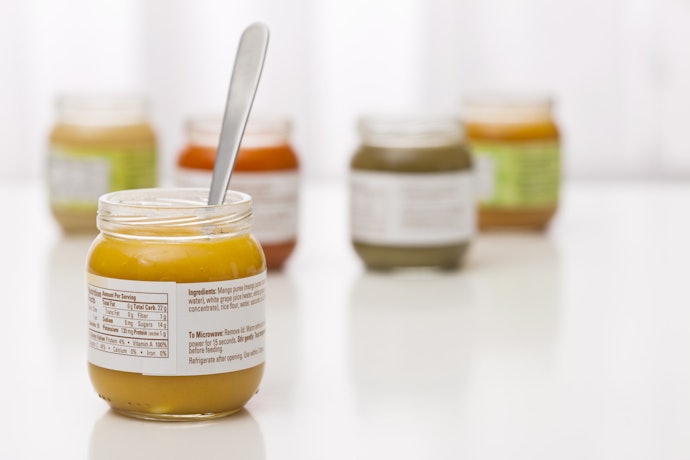
Most of the baby foods in the market are fruit and vegetable-flavored. The most common fruit flavors are apple and banana. Both contain potassium, vitamin B6, and C which are good for your baby's heart and digestive system.
For vegetables, carrots and sweet potatoes are the most common ones. They are both rich in vitamins A and C, potassium, calcium, and iron which support your baby's immune system and eye health.
With baby food, balance is the key. This is because your child needs all the nutrients from different food groups. Whole foods are ideal and preferred over packaged baby food, but of course, practicality-wise, you can sometimes include these in your little one's diet. Just make sure they're made from healthy ingredients.
Chicken and Beef-Flavored Baby Food to Explore Savory Tastes
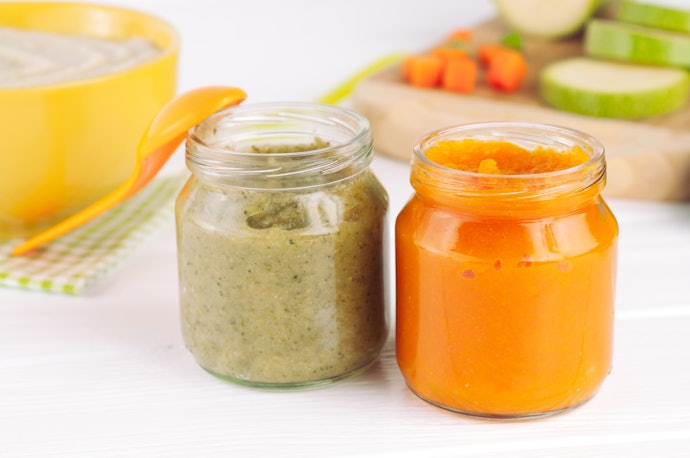
There are also a few meat purees offered in the market such as chicken and beef purees. They are a good source of protein to strengthen your baby's bones and muscles.
It might take a bit of trial and error to satisfy your little one's taste buds, so getting more flavor options would be practical. Fortunately, some brands offer three to five flavors of baby food in bulk which is a great choice when exploring different flavors.
Exploring new food and flavors will require patience on your end. They will not like everything you give them right away. It takes 15 to 20 times of trying food at different times and with different preparations for babies to establish their food preferences.
Consult Your Baby’s Pediatrician for More Information

Making an appointment with your baby's pediatrician is not required before introducing them to solids. A basic gesture like leaning forward when food is offered or showing interest when seeing someone eat indicates that your little one is ready.
However, since each baby is different, consulting with your child's pediatrician is important to ensure that they are getting the right nutrition from their food, especially when they are lacking in some nutrients. Also, your little one's pediatrician can suggest the best baby food that will fit their needs.
It's important to have a conversation with your pediatrician before you start complementary food for your baby. If you have concerns about what, when, and how to start solid food, your pediatrician can guide you and correct any misconception you might have.
Your baby's growth pattern and developmental milestones should also be assessed in your well-baby visits. This information will help guide parents if their child is already ready for solid food. Also, if you have a family history of allergies, it's best to talk to your pediatrician about introducing allergenic food.
10 Best Baby Foods to Buy Online
| Products | Image | Click to purchase | Popularity | Details | ||||||
|---|---|---|---|---|---|---|---|---|---|---|
Recommended Age | Flavor | Notable Ingredients | Nutrients | Net Weight | Notable Features | |||||
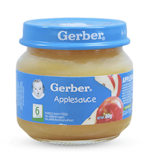
1 | Applesauce Puree Gerber |  | No.1 | 6 Months | Apple | Apple Purée, Water, Ascorbic Acid (Vitamin C) | Vitamin C, Dietary Fiber | 8 g | No Added Sugar, Smooth Puree Texture, Made With Real Fruit | |
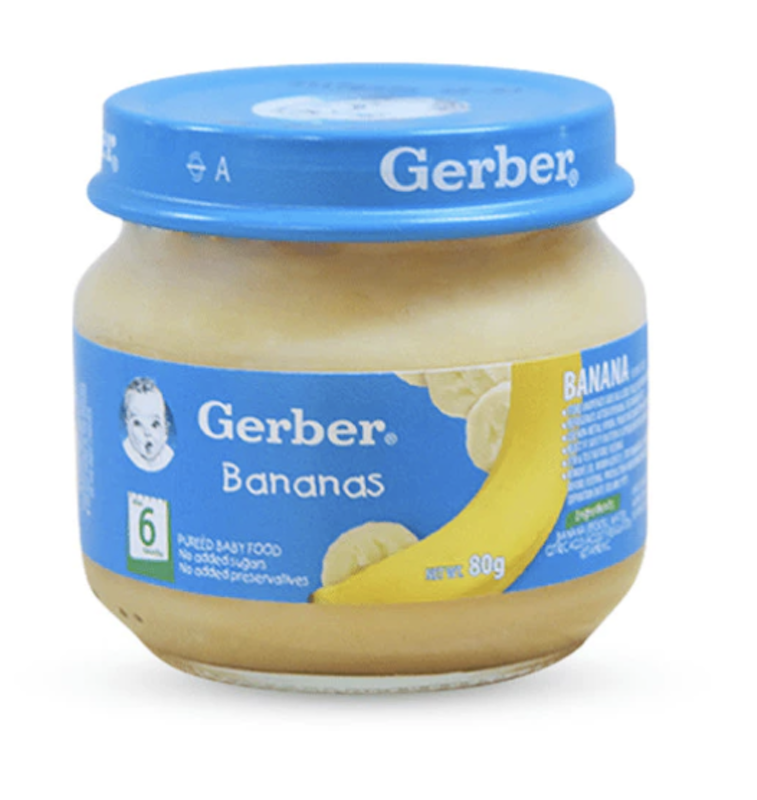
2 | Banana Puree Gerber |  | No.2 | 6 Months | Banana | Banana Purée, Water, Ascorbic Acid (Vitamin C) | Vitamin C, Dietary Fiber | 80 g | Single-Ingredient Recipe, No Added Sugar, Smooth Puree Texture | |
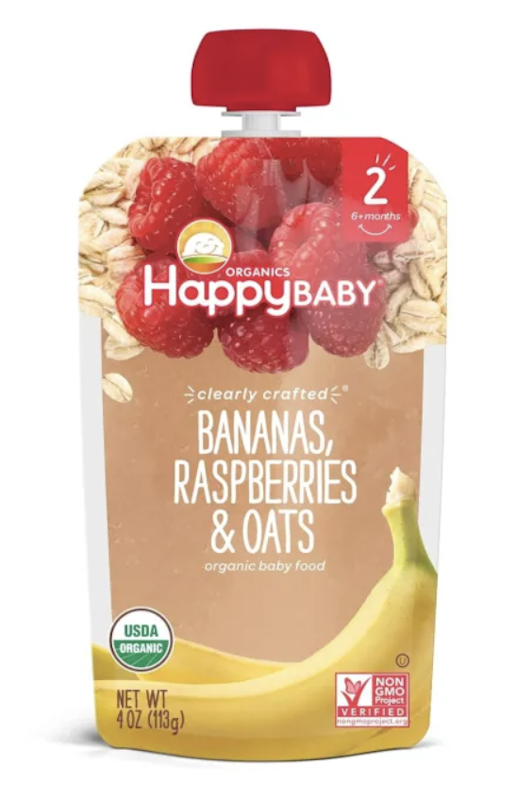
3 | Clearly Crafted Stage 2 Happy Baby Organics |  | No.3 | 6 Months | Apples & Blueberries, Sweet Potatoes & Mangoes & Carrots, Bananas & Sweet Potatoes & Papaya, Apples & Pumpkin & Carrots | Organic Fruit and Vegetable Purees, Water, Milled Whole Grains, Ascorbic Acid (Vitamin C) | Vitamin C, Dietary Fiber, Vitamin A, Potassium | 113 g | USDA Organic, Non‑GMO, Gluten Free, No Artificial Flavors, Clearly Crafted Transparency | |
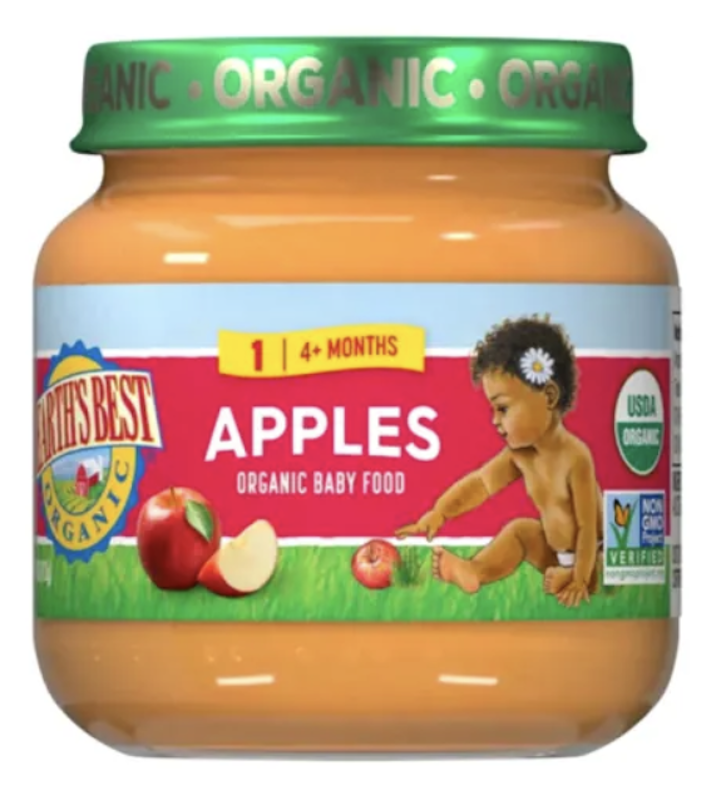
4 | Organic Apples Stage 1 Earth's Best |  | No.4 | 4 Months | Apple | Organic Apple Puree | Vitamin C, Dietary Fiber | 113 g | USDA Organic, No Added Sugar, Smooth Puree Texture | |
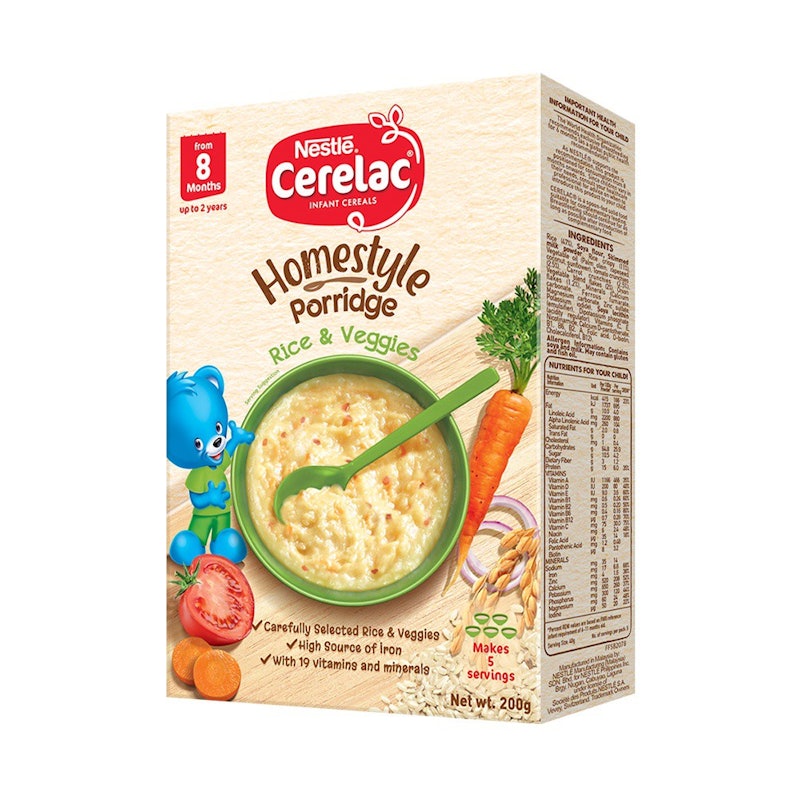
5 | Homestyle Meals Rice and Veggies Porridge Cerelac |  | No.5 | 8 Months | Rice & Mixed Vegetables | Rice Flour, Vegetable Powder (Carrot, Peas), Milk Solids, Sugar, Palm Oil, Minerals, Vitamins | Vitamin A, Vitamin D, Calcium, Iron, Protein | 200 g | Fortified with Vitamins & Minerals, Smooth Texture, Easy-to-Digest, Convenient Preparation | |
6 | Banana Berries & Yoghurt Brekkie Only Organic |  | No.6 | 8 Months | Banana & Mixed Berries | Organic Banana Puree, Organic Berry Puree, Water, Ascorbic Acid (Vitamin C) | Vitamin C, Dietary Fiber, Potassium | 120 g | USDA Organic, No Added Sugar, Slightly Thicker Texture | |
7 | Rice and Soya Cerelac |  | No.7 | 6 Months | Rice and Soya | Rice Flour, Soya Flour, Minerals, Vitamins | Protein, Iron, Calcium, Vitamin D | 250 g | Fortified with Vitamins & Minerals, Smooth Texture, Easy-to-Digest | |
8 | Apple, Banana & Blueberry Puree Rudolfs Organic |  | No.8 | 4 Months | Apple, Banana & Blueberry | Organic Apple Puree, Organic Banana Puree, Organic Blueberry Puree, Water, Ascorbic Acid (Vitamin C) | Vitamin C, Dietary Fiber, Potassium | 110 g | USDA Organic, No Added Sugar, Smooth Puree Texture | |
9 | Freeze‑Dried Banana & Avocado Cubbe Baby |  | No.9 | 8 Months | Banana & Avocado | Freeze-Dried Banana, Freeze-Dried Avocado | Potassium, Dietary Fiber, Healthy Fats | 21 g | 100% Real Fruit, Freeze-Dried, No Added Sugar | |
10 | Baby Cereal Chicken Soup and Sweet Corn Milna |  | No.10 | 6 Months | Chicken & Sweet Corn | Rice Flour, Corn Flour, Chicken Powder, Minerals, Vitamins | Protein, Iron, Calcium, Vitamin D | 120 g | Fortified with Vitamins & Minerals, Smooth Texture, Easy-to-Digest, Quick Preparation | |

Reviews mention:
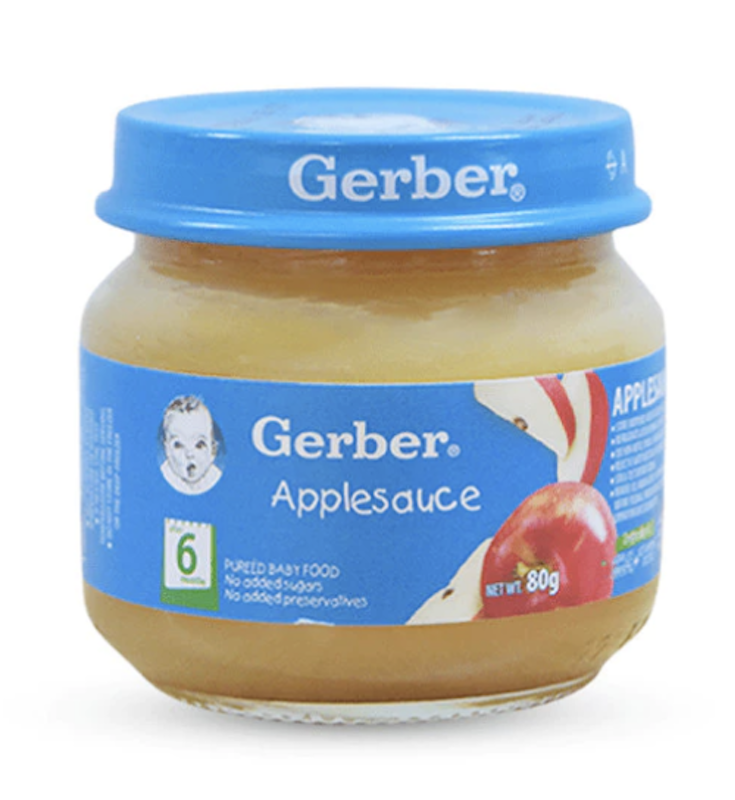
Users often describe this applesauce as a dependable first fruit option for babies starting solids. Its smooth consistency is frequently appreciated for easy swallowing and mess-free feeding. Parents note that the mild apple flavor is well accepted without being overly sweet.
| Recommended Age | 6 Months |
|---|---|
| Flavor | Apple |
| Notable Ingredients | Apple Purée, Water, Ascorbic Acid (Vitamin C) |
| Nutrients | Vitamin C, Dietary Fiber |
| Net Weight | 8 g |
| Notable Features | No Added Sugar, Smooth Puree Texture, Made With Real Fruit |
Features and benefits:
Reviews mention:
Known for its smooth texture and naturally sweet banana flavor, this purée is often chosen as a go-to option for introducing fruits. Parents frequently highlight how easily it’s accepted during early feeding stages. The simple ingredient list is also appreciated by caregivers looking for straightforward baby food options.
| Recommended Age | 6 Months |
|---|---|
| Flavor | Banana |
| Notable Ingredients | Banana Purée, Water, Ascorbic Acid (Vitamin C) |
| Nutrients | Vitamin C, Dietary Fiber |
| Net Weight | 80 g |
| Notable Features | Single-Ingredient Recipe, No Added Sugar, Smooth Puree Texture |
Happy Baby OrganicsClearly Crafted Stage 2
Reviews mention:
This organic Stage 2 baby food is often praised for its wholesome and transparent ingredient list. Caregivers appreciate the variety of fruit and vegetable combinations that help little ones explore new flavors. It's easy to feed without compromising on nutritious content. Many mention how well the texture suits babies transitioning from smooth purees to thicker blends.
| Recommended Age | 6 Months |
|---|---|
| Flavor | Apples & Blueberries, Sweet Potatoes & Mangoes & Carrots, Bananas & Sweet Potatoes & Papaya, Apples & Pumpkin & Carrots |
| Notable Ingredients | Organic Fruit and Vegetable Purees, Water, Milled Whole Grains, Ascorbic Acid (Vitamin C) |
| Nutrients | Vitamin C, Dietary Fiber, Vitamin A, Potassium |
| Net Weight | 113 g |
| Notable Features | USDA Organic, Non‑GMO, Gluten Free, No Artificial Flavors, Clearly Crafted Transparency |
Earth's BestOrganic Apples Stage 1
Reviews mention:
Popular among parents introducing their babies to solid foods, this applesauce is praised for its gentle and smooth texture. The naturally sweet apple flavor is frequently highlighted as well-accepted by infants. Caregivers appreciate the clean ingredient list, providing reassurance about quality and nutrition.
| Recommended Age | 4 Months |
|---|---|
| Flavor | Apple |
| Notable Ingredients | Organic Apple Puree |
| Nutrients | Vitamin C, Dietary Fiber |
| Net Weight | 113 g |
| Notable Features | USDA Organic, No Added Sugar, Smooth Puree Texture |
CerelacHomestyle Meals Rice and Veggies Porridge
Reviews mention:
This porridge is often admired for its comforting taste and smooth texture that babies enjoy. Parents highlight the added vitamins and minerals as a convenient way to support early growth. The mix of rice and vegetables is praised for introducing infants to varied flavors. Many note that the easy-to-prepare formula makes mealtime quick, simple, and fuss-free.
| Recommended Age | 8 Months |
|---|---|
| Flavor | Rice & Mixed Vegetables |
| Notable Ingredients | Rice Flour, Vegetable Powder (Carrot, Peas), Milk Solids, Sugar, Palm Oil, Minerals, Vitamins |
| Nutrients | Vitamin A, Vitamin D, Calcium, Iron, Protein |
| Net Weight | 200 g |
| Notable Features | Fortified with Vitamins & Minerals, Smooth Texture, Easy-to-Digest, Convenient Preparation |
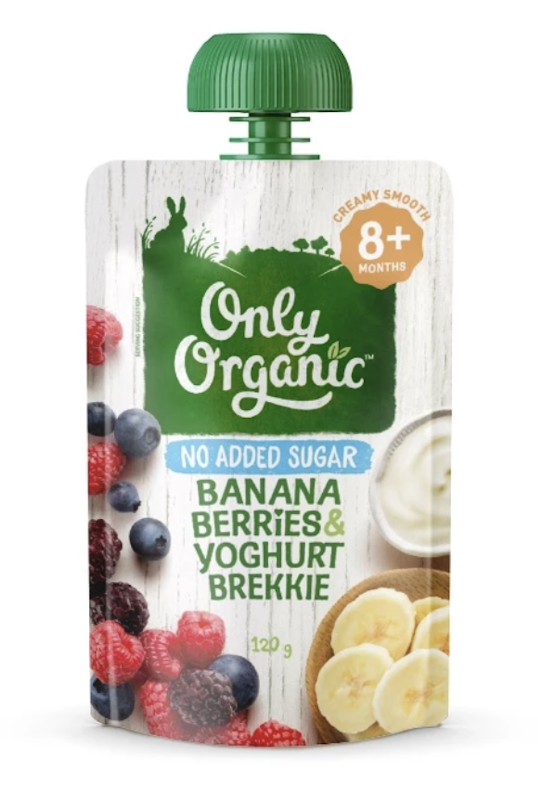
Only OrganicBanana Berries & Yoghurt Brekkie
Reviews mention:
Buyers note the naturally sweet combination of banana and berries, making it a hit with little ones. The texture is regarded as perfect for babies transitioning to thicker foods. Caregivers highlight the simple, organic ingredients as reassuring for early nutrition.
| Recommended Age | 8 Months |
|---|---|
| Flavor | Banana & Mixed Berries |
| Notable Ingredients | Organic Banana Puree, Organic Berry Puree, Water, Ascorbic Acid (Vitamin C) |
| Nutrients | Vitamin C, Dietary Fiber, Potassium |
| Net Weight | 120 g |
| Notable Features | USDA Organic, No Added Sugar, Slightly Thicker Texture |
Reviews mention:
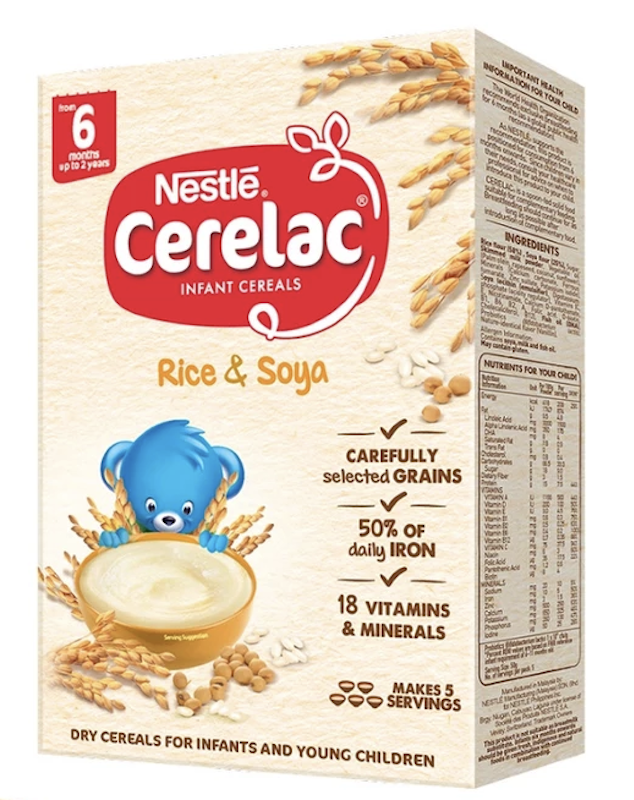
Admired for its rich protein content and smooth texture, this cereal is often chosen by parents seeking balanced nutrition. The rice and soya combination is praised for helping babies transition to more filling meals. The fortification with vitamins and minerals is highlighted as a practical boost for growth. The easy-to-prepare formula is appreciated as a timesaver during busy mornings.
| Recommended Age | 6 Months |
|---|---|
| Flavor | Rice and Soya |
| Notable Ingredients | Rice Flour, Soya Flour, Minerals, Vitamins |
| Nutrients | Protein, Iron, Calcium, Vitamin D |
| Net Weight | 250 g |
| Notable Features | Fortified with Vitamins & Minerals, Smooth Texture, Easy-to-Digest |
Rudolfs OrganicApple, Banana & Blueberry Puree

Reviews mention:
This puree is often praised for its naturally sweet blend of apple, banana, and blueberry, making it a favorite first fruit option. The smooth texture is often mentioned as ideal for infants starting solids. Parents also commend the organic ingredients and simple recipe for providing reassurance about quality.
| Recommended Age | 4 Months |
|---|---|
| Flavor | Apple, Banana & Blueberry |
| Notable Ingredients | Organic Apple Puree, Organic Banana Puree, Organic Blueberry Puree, Water, Ascorbic Acid (Vitamin C) |
| Nutrients | Vitamin C, Dietary Fiber, Potassium |
| Net Weight | 110 g |
| Notable Features | USDA Organic, No Added Sugar, Smooth Puree Texture |
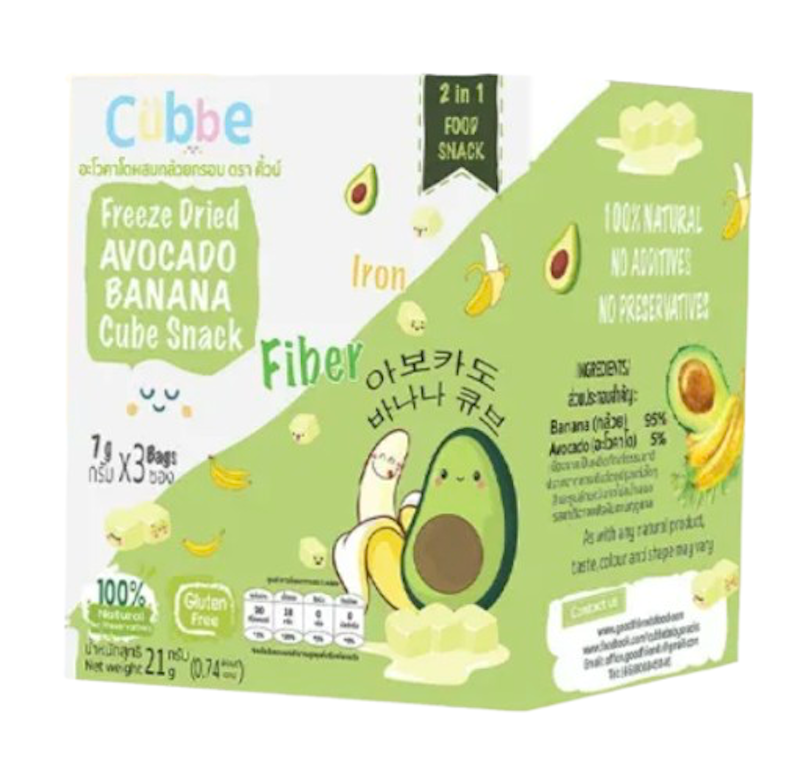
Cubbe BabyFreeze‑Dried Banana & Avocado
Reviews mention:
A favorite among families exploring solids, this snack is admired for its natural taste and easy-to-manage pieces. The freeze-dried process helps retain flavor while keeping the texture baby-friendly. The banana and avocado pairing feels both familiar and nourishing.
| Recommended Age | 8 Months |
|---|---|
| Flavor | Banana & Avocado |
| Notable Ingredients | Freeze-Dried Banana, Freeze-Dried Avocado |
| Nutrients | Potassium, Dietary Fiber, Healthy Fats |
| Net Weight | 21 g |
| Notable Features | 100% Real Fruit, Freeze-Dried, No Added Sugar |
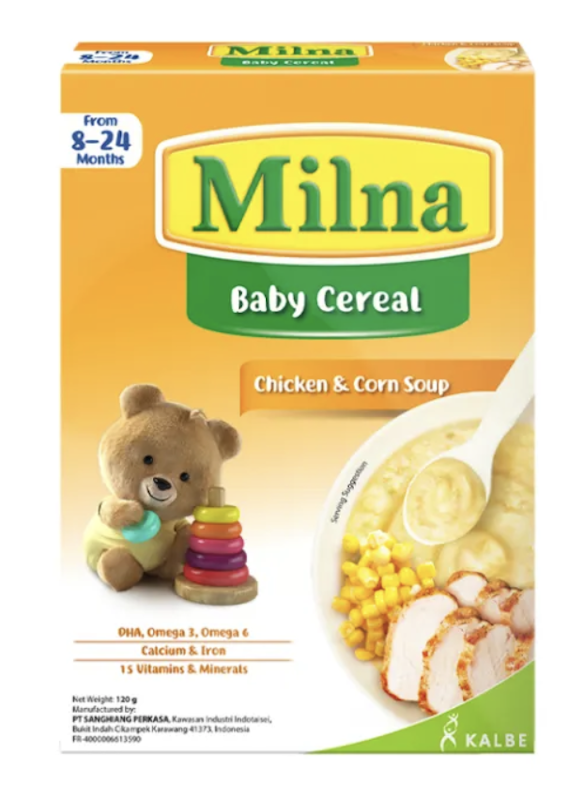
MilnaBaby Cereal Chicken Soup and Sweet Corn
Features and benefits:
Reviews mention:
Popular as a savory alternative, this cereal offers variety beyond fruit-based meals. The combination of chicken soup and sweet corn introduces new flavors without being overwhelming. Its consistency is noted as smooth and easy to mix. The added vitamins and minerals support everyday feeding routines.
| Recommended Age | 6 Months |
|---|---|
| Flavor | Chicken & Sweet Corn |
| Notable Ingredients | Rice Flour, Corn Flour, Chicken Powder, Minerals, Vitamins |
| Nutrients | Protein, Iron, Calcium, Vitamin D |
| Net Weight | 120 g |
| Notable Features | Fortified with Vitamins & Minerals, Smooth Texture, Easy-to-Digest, Quick Preparation |
Tips From Dr. Cristal Laquindanum-Tan: How to Make Your Baby Eat Well
If you've spent hours preparing and cooking your baby's food, you expect them to eat it, right? Nope! Not all the time, and don't take it personally. They're still exploring new tastes and textures and haven't established their food preferences during the first few months.
How do you make them eat well? Make mealtimes enjoyable! No force-feeding, no gadget distractions. Talk to them, narrate what they're eating, and engage with them. Observe and respond to their hunger and fullness cues.
Allow age-appropriate messy eating! This will help with food exploration. Let them use all their senses because before they taste and swallow the food, they must first see, touch, and smell it.
Frequently Asked Questions Answered by Dr. Cristal Laquindanum-Tan
The wait is over! In this section, Dr. Cristal Laquindanum-Tan answers some of the web's most-asked questions, so be sure to take notes!
Can Baby Food Be Microwaved?
When used properly, a microwave is an amazing tool that can help cut down heating and cooking time. There are just some safety precautions we need to take note of when using it to reheat baby food.
Don't microwave baby foods in the jar. Instead, transfer the food to a dish before microwaving it. This is to prevent uneven heating, which could cause scald burn. Also, do the heat-stir-taste technique. Microwave small portions at a time for about 15 seconds, stir the food, and taste test first before serving it to your baby.
What Baby Food Should I Introduce First?
Single-ingredient food should be introduced first and given a few days at a time. However, there's no specific order of giving veggies first over fruits. The most important thing is to eventually offer a variety of foods from different food groups.
This ensures that you are giving food with different vitamins and minerals. Allergenic foods like eggs, fish, and nuts can also be given right away, but it's best to talk with your pediatrician about how and when to introduce these.
When Is the Best Time to Start Giving Baby Food?
The best time to introduce solid food to your little one is when they're showing interest in food already. Are they grabbing the food from your hands? Are they playing with it? If they're interested, you can make mealtimes more enjoyable.
Knowing your child's hunger and fullness cues will teach them to listen to their body, and these will teach us to trust that they will eat. This will create a positive feeding experience and lessen the chances of having a picky eater child. No need to pressure them to eat, and no food battles at the table. Win-win for all!
Mealtime Essentials for Your Little One
To make mealtimes fun and easy for you and your little one, you might need to purchase some essential items like snacks, bibs, plates, and a high chair. Check out our recommendations below!


Author: Erika Nollora Ceguerra
Re-editor: JAusa
How We Chose and Ranked Our Product Recommendations
Our buying guide was carefully researched and crafted by the mybest team of writers and editors, in collaboration with the expert featured in this article. We used the buying guide as a basis for choosing and ranking the product recommendations, and we looked at reviews and ratings from different E-commerce sites like Lazada, Shopee, and more.
The descriptions of each product are referenced from content available on manufacturer, brand, and e-commerce sites.