10 Best Baby Books in the Philippines 2026 | Buying Guide Reviewed by Pediatrician
Baby books are one of the best ways to bond with your adorable baby as a new parent. They are full of vivid colors, wonderful stories and come in different sizes and materials. Reading to your baby offers a host of benefits at an early age. The skill itself is essential not just for newborns but will serve your child at school, the workplace, and in life as an adult.
When you start early, you improve your baby's language skills like forming words, identifying colors and body parts, and recognizing objects. Make choosing easier by looking at our recommended products that are all available in online stores like Lazada and Shopee. Following the recommendations is our buying guide, which includes insights and tips from board-certified pediatrician Dr. Cristal Ann Laquindanum-Tan!

Cristal Ann Laquindanum-Tan, MD, MBA, DPPS, is a board-certified pediatrician, particularly interested in nutrition, especially guiding first-time parents on how to start solid food for their babies. She posts health information content in her Instagram and Facebook account @millennialpedia. Most of her followers are millennial parents and first-time parents. Since almost everyone is using social media already, why not make health information accessible to parents, right? She's a practicing pediatrician in Metro Manila doing home vaccinations and teleconsultation during this pandemic.

Our recommendation articles are carefully researched and crafted by the mybest Philippines team of writers and editors. To stay true to our company’s mission and vision to help users’ selection process easier, we also collaborate with experts from various fields to ensure that our content stays factual and useful.
The expert oversees the Buying Guide only, and does not determine the products and services featured.
Why You Can Trust Us
Every mybest article is crafted with hours of in-depth research and interviews with experts. Each month, we are continually expanding our database of products based on our research. By emphasizing user insight and reliable information, we deliver trustworthy content to readers.
How to Choose a Baby Book - Buying Guide
Reading to your baby sparks the early development of language skills and spurs a love for reading. It unleashes your little one's creativity and communication skills, too. Let's get started on the important things that you should look for when buying a baby book.
Explore Categories That Will Cultivate Your Baby’s Reading Skills
There are endless ways to learn, and children also respond to these different methods and concepts differently. Below, we discuss some of the main kinds of books and how you can use them to engage and let your baby learn while having fun.
Classic Books and Bedtime Books to Convey Lessons About Life and Have Fun Before Sleep
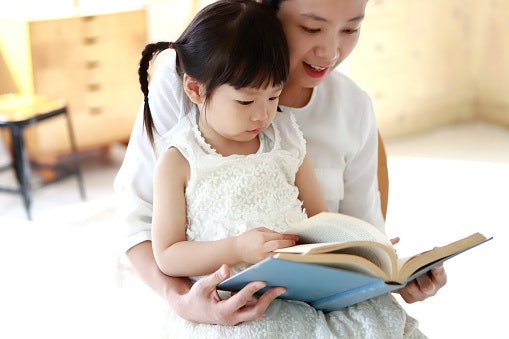
Classic books have been around for many years. Some already exist for about 50 years, giving you timeless stories full of learning and wisdom. They convey lessons about life, personal development, and adventures.
Meanwhile, bedtime baby books are the perfect companion for your night routine filled with cute rhymes and silly characters that a baby or toddler will surely enjoy and remember as well. These are great books to help you bond with your little one before sleeping.

While reading at an early age can improve cognitive skills, your baby books at home don't have to be very academic all the time. Of course, they are very important too and can help with learning their alphabet or counting numbers, or naming colors.
Development Baby Books to Engage Your Baby While Learning and Expanding Their Vocabulary
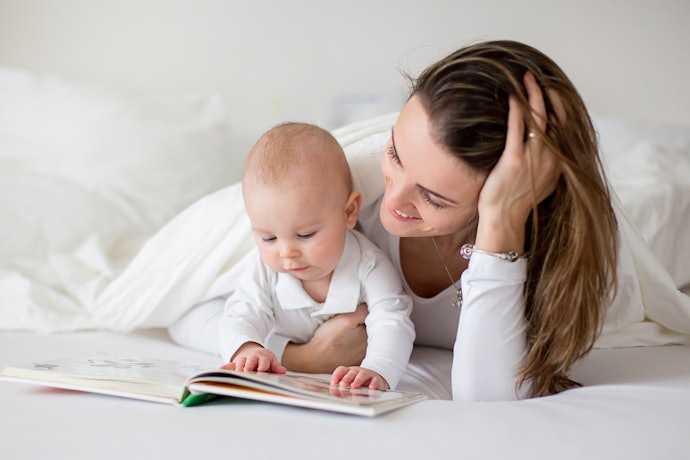
Development baby books are engaging and educational where your little one expands their vocabulary and learns about alphabets, sounds, words, numbers, to name a few. These books help your baby identify letters, animals, and other illustrations. Have fun and teach your baby while young as you read together about the body parts, from eyes, nose, to toes.
There are a lot of book themes that can help with other domains of development too. You can turn baby books with songs into playtime where you can move your body and will develop motor development.
Make Reading Entertaining and Fun With Interactive Baby Books That Stimulate Their Senses
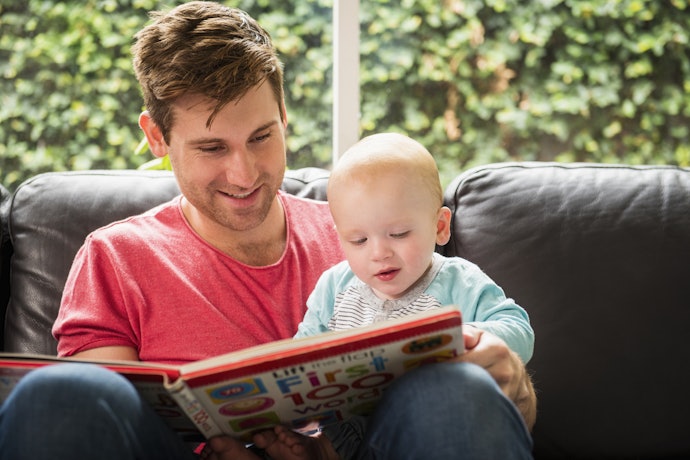
Interactive baby books engage your baby to participate during the storytelling. These books have themes of pointing to objects, body parts, pressing buttons, shaking the book.
These are entertaining and fun, and the best examples are cloth books equipped with flaps and interactive elements to grab, touch, and hold. These are great ways to stimulate their senses and spark their creativity.
Books with faces showing different facial expressions can help you show different emotions and will help develop their socio-emotional skills. Language skills improve by copying sounds, recognizing pictures, and learning words from the baby book.
Pick a Baby Book Suited for Your Baby's Age
Baby books are not created equally. Authors and publishers also consider the reader's age and customize the theme and content that best suits your little one's appreciation and reading level. When buying books for your little one, it's best to get familiar with the common characteristics of the books that are perfect for his age.
From Birth to 3 Months: A High Contrast Book With Graphics to Stimulate Newborn’s Senses
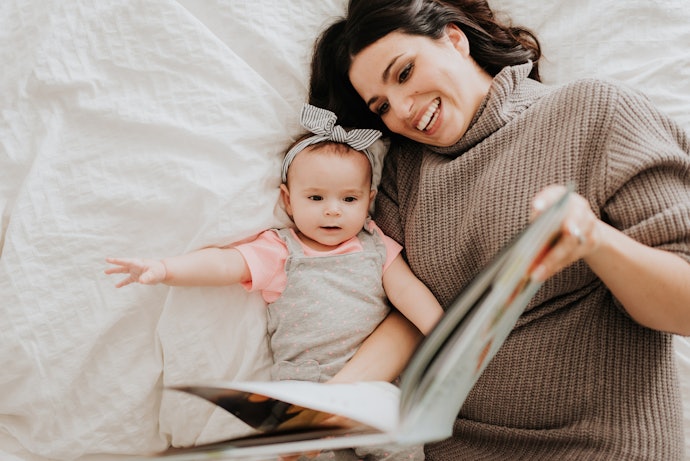
Even if your baby doesn't understand words and phrases yet, an early start to reading is beneficial to your newborn. Black and white images and illustrations of a high contrast book strongly register to your baby's brain. According to research, your little one's eyes, particularly the retina, aren't fully developed yet. In short, they still have poor eyesight.
A newborn can only detect large contrasts between light and dark or, specifically, black and white. Showing high contrast colors filled with graphics, lines, and patterns helps in visual stimulation because it also develops the baby's nerve optic growth.
The best learning tool for your baby at this age is you, the parent! Babies can learn a lot just by listening, looking, and touching you. So enjoy everyday simple moments with your child reading, talking, singing, and learning. When reading books to your baby, read slowly with a singsong voice or a musical tone. Exaggerate your facial expressions and show emotions because your baby is already learning from those actions.
From 4 to 6 Months: Look for Tactile Books to Touch, Grab, and Chew
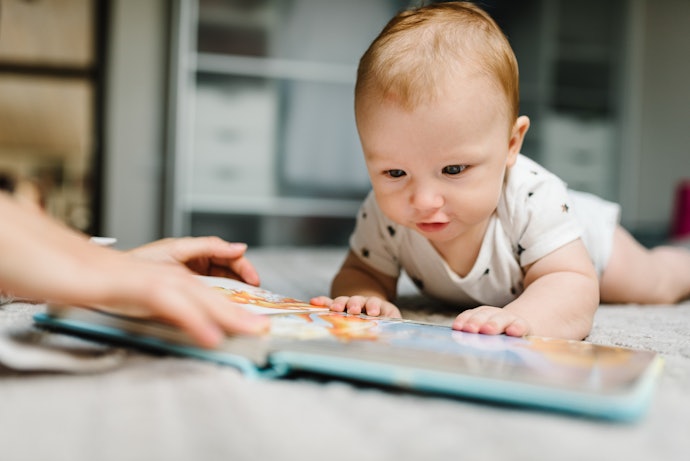
Your little one enjoys the company of sounds, voices, and objects that they can touch, grab, or chew. Even if words and phrases are still not understood, your baby can play and engage with tactile books at this stage where they love touching everything and anything.
Cloth books are the best examples of tactile books that feature different shapes, colors, and stitched stuffed toys. Some books have audio or sound effects where the baby presses a button, and it stirs excitement and laughter. Avoid paperbacks as they get easily ripped off. Opt for sturdy board and vinyl books that can withstand chewing.
At 4 to 6 months old, your baby is now more expressive and responds to the sounds you're making. Make funny voices and different sounds while reading a story. Don't be afraid to be silly! At this age, they're laughing more, and they're more interactive.
You can have them sit on your lap while reading a story so they can hold the book too. They'll probably grab, chew, or throw the book, and that's okay too! You can point out objects on the books and narrate what they're doing. You don't necessarily have to follow what's written in the book.
From 6 to 12 Months: Rhyme Time, Colorful Illustrations, and Stories in Board Books to Improve Cognitive Skills
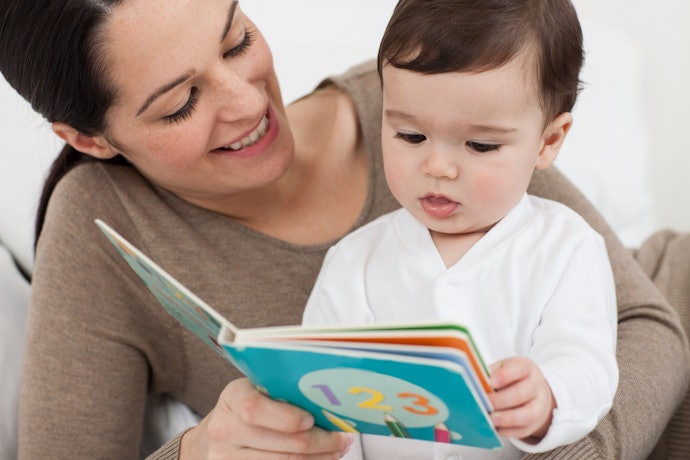
At 6 to 12 months old, babies' motor and communication skills are more developed. They can start to sit with support then on their own, so playtime with their books can be more frequently spent on their own. At this age range, you can switch to board books that their little fingers can play and can't rip off. Look for rhyming books to help your baby identify simple patterns in phrases and words.
At this stage, they can already learn the sounds of vowels and consonants. Rhymes help babies easily recall or memorize words and phrases because they can see and hear patterns and sequences, improving cognitive skills. From six to nine months, babies begin to explore books by touching - opening and closing them, so having colorful illustrations with simple stories is useful at this stage.
At 6 to 12 months, babies might not read on their own yet but give them the independence to explore books by holding, turning the page, and looking at the colorful illustrations. Talk back and forth with your baby when reading a book with them. Again, you don't have to follow all the words in the book. You can stop in between and expand more on the story or point out objects in the book.
Example: "This is a ball! A blue ball. Look the boy is holding the ball. Yes, that's a ball.. B-b-ba-aah--l, ball!" then proceed with the rest of the story. Avoid making every reading time as quiz bee time. "What's this? What's that? What color is that?" You may insert 1 question for every 3 statements on the character, story or illustration.
Decide the Best Book Format for Your Little One
Baby books are available in physical and digital versions. Physical books can be in the form of board books, cloth, and fabrics like polyester, while digital ones are in eBook and audiobook formats. There are pros and cons as well if you choose either.
Physical Books Are Timeless and Your Baby Can Play With Them
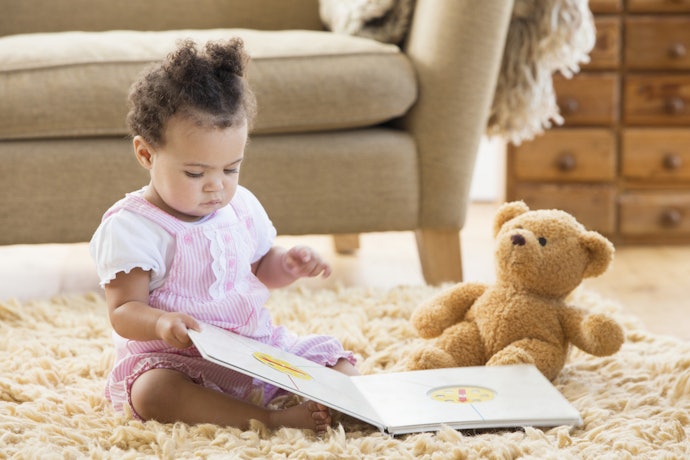
Physical books are timeless and tangible because your baby can grab, chew, touch, and interact with them. Your little one can start at a high-contrast book while crawling and do anything and everything with it. However, for physical books, you must also consider storage and space in your room.
If you buy a plentiful of these and have enough storage space, then this won't be a problem. Otherwise, if you are renting a small apartment, make sure you have enough room. If you take care of the books properly, you can still use them if you plan to get pregnant again.
Every bookworm knows that a physical book gives a different experience from an electronic book. Aside from reading the story for every page, your baby can already learn a lot from touching a physical book, turning the pages, or even smelling the book. Of course, we also want to limit the screen time of young children, so physical books are preferred at this age.
However, this doesn't mean buying every book you see because we also don't want the child to be overly stimulated that they won't be able to decide which one to read. Start with a few books, then as they're growing older, you'll notice which ones they take more interest in.
Audiobooks Offer Convenience and Can Be Played Anywhere

There are baby books in audiobook format, making them useful as you can play them in the nursery room using your smartphone or tablet. Your baby can listen to the words, rhymes, and songs and use them as bedtime stories as part of your night routine. When inside the car, you can play the audiobook while on the go.
However, with digital versions, your baby can't play and interact with them—no more chewing and touching for them. In case you plan to use audiobooks, keep in mind that your voice is still his favorite voice to listen to. Strike a balance between audiobooks and your real voice for storytelling as well.
Audiobooks are effective, especially for stories that have songs, animal sounds, or rhymes. Children can also memorize certain parts of the book faster when exposed to it, not just by reading it but also by listening to it. While listening to an audiobook of a children's story, you can interact more with your child by singing with them or making dance steps or funny body movements.
Standalone Books for More Variety, While a Series or a Set Can Make Your Child Guess for What's Next
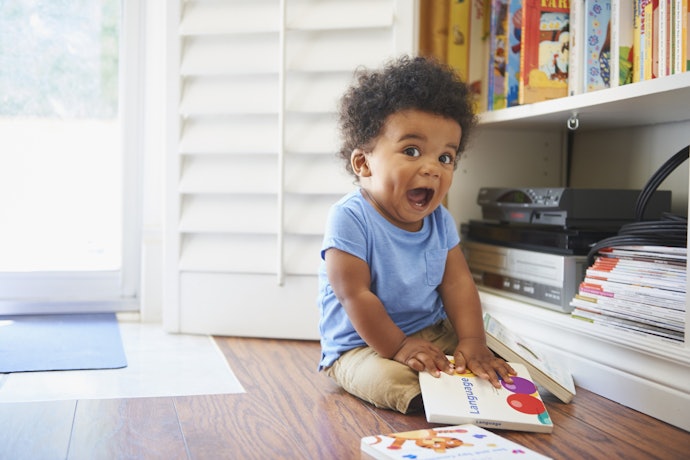
Single books are standalone, which means it only contains a specific story and plot from the beginning until the end and they don't have series of stories. There are many options out there for single books as they come in different categories and formats that best suit your baby's interests or favorites.
On the other hand, there are book series for babies available in bundles or sets, which you can enjoy reading for your little one. The stories and plots are intertwined, making the experience more fun as you bond with your baby.
You may start with standalone books with different stories or categories. In that way, you can have different learning experiences in reading with your baby. As your baby grows older and shows more interest in reading books, you can now assess which kinds of books they are more inclined to and you can get similar books or books in series. The more important thing is to expose your baby to reading as early as possible.
Check the Dimensions and Materials
Children tend to chew, tear, and throw books. To make sure that they don't get harmed in the process, be sure to check the label of the book and see if they're safe for your baby. You can also consider the size if you will read to your baby while cuddling or carrying them.
Make Sure the Materials Are Baby-Safe
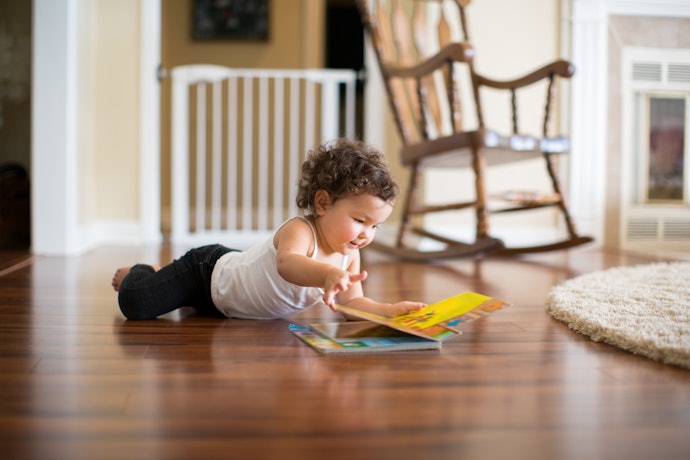
Always look into the material as most baby books are made of laminated boards, while others are made of cloths and soft polyester fabric. Others have special elements attached that are made of plastic, which the baby can play with. Check if the books are free from lead, BPA, phthalates, and other chemical materials that can be harmful to your little one.
Avoid small removable objects that can be easily swallowed when babies play with them, resulting in choking. If there are interactive and detachable elements, they should be more than two inches, which are big enough that they can't swallow them.
Since babies develop their skills by interacting with their environment, it won't be surprising if initially, they won't use books the way they're intended to be. They'll throw, tear, chew their books and these are part of their learning experience with reading. So it is up to the adults in the house to make sure that the available books for your baby are safe for them.
You can also buy age-appropriate books to guide you in buying like board and cloth books for babies 0-12 months old. The material of board and cloth books can tolerate throwing, tearing, and chewing so your baby can enjoy these more.
Check the Dimensions—When Reading While Carrying or Cradling Your Baby, Smaller Ones Are Recommended
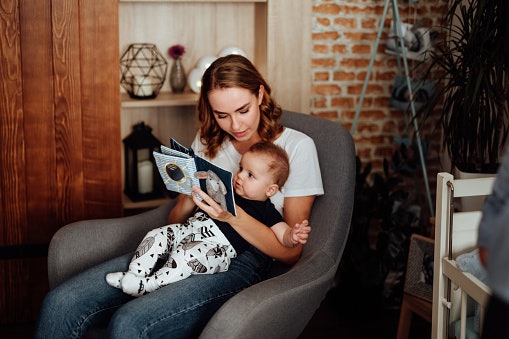
Baby books vary in sizes—some are bigger to make reading more stimulating and engaging, while some are smaller to make them easier for babies to hold and turn. Smaller books are also easier to store since they don't take up much space, so you can easily store them.
While the best practice is to train your baby to read while sitting or laying down, they still sometimes would want to read books while being cradled. In this situation, you may opt for smaller and lighter books that you can easily hold and turn the pages with one hand.
10 Best Baby Books to Buy Online
| Products | Image | Click to purchase | Popularity | Details | |||||||
|---|---|---|---|---|---|---|---|---|---|---|---|
Recommended Age | Format | Category | Single or Set | Baby-Safe Materials | Dimensions | Best For | |||||
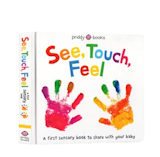
1 | Roger Priddy See, Touch, Feel: A First Sensory Book Milumilu |  | No.1 | 0–2 Years Old | Physical | Interactive | Single | 8.1 x 9.1 Inches | Sensory Development | ||
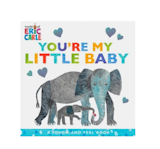
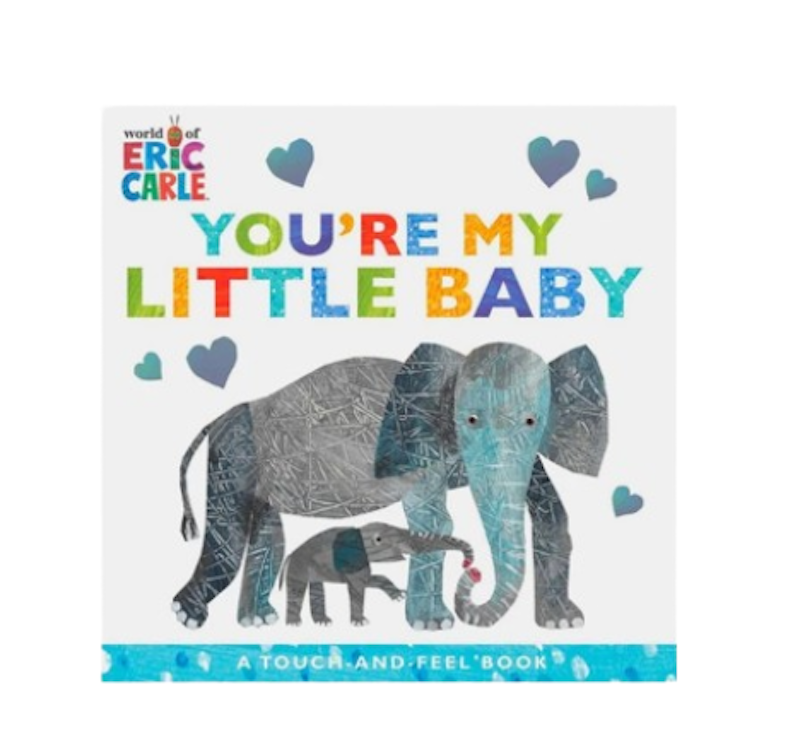
2 | You're My Little Baby: A Touch-And-Feel Book Fully Booked |  | No.2 | 0–3 Years Old | Physical | Bedtime Books | Single | 7 x 7 Inches | Parent-Baby Bonding | ||
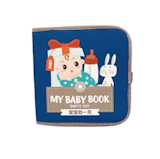
3 | Baby Soft Cloth Book NIKO |  | No.3 | 0–1 Year Old | Physical | Interactive | Single | 8.5 × 5.1 Inches | Teething Phase | ||
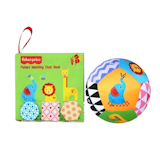
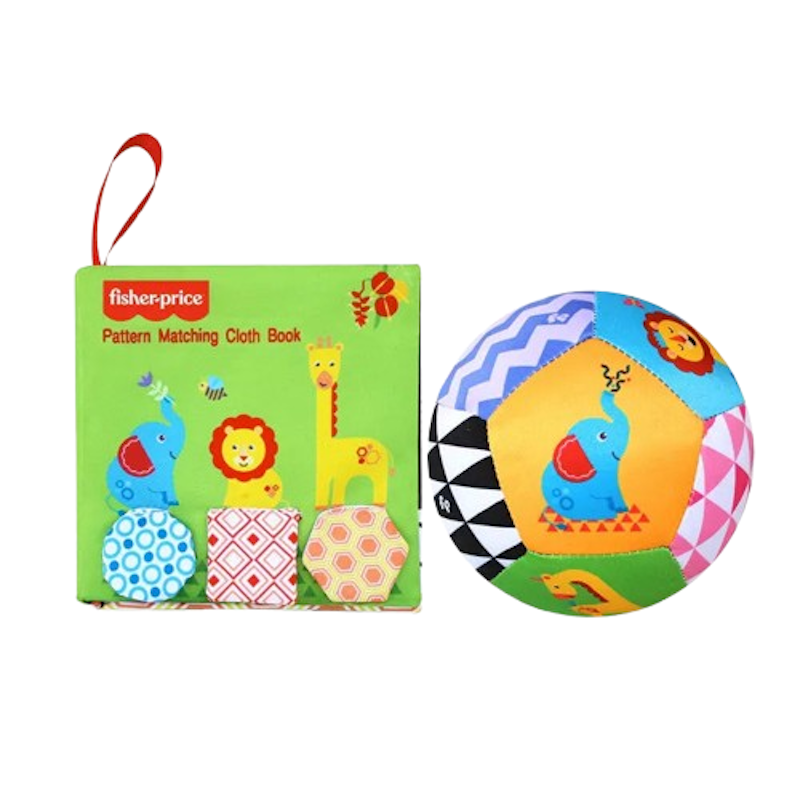
4 | Pattern Matching Cloth Book + Ball Set Fisher-Price |  | No.4 | 3–6 Months | Physical | Development | Set | 8 x 8 Inches | Fine Motor Skills | ||
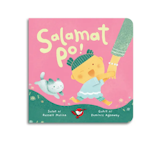
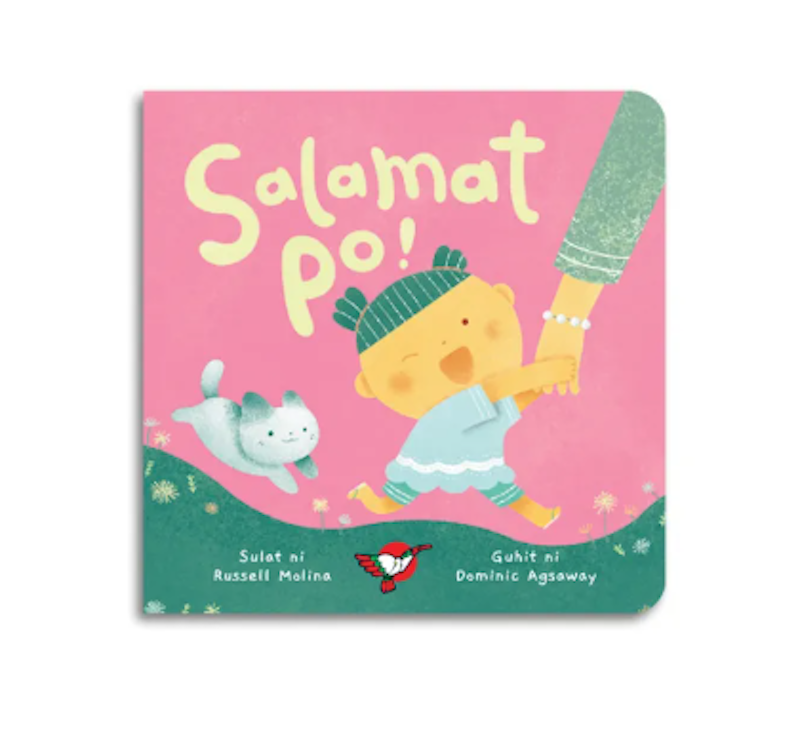
5 | Salamat Po! Board Book Adarna House |  | No.5 | 0+ Months | Physical | Development | Single | 5.1 × 5.1 Inches | Cultural Learning | ||
6 | Baby Cloth Book Enfant |  | No.6 | 3–6 Months | Physical | Interactive | Single | 7 x 7 Inches | Crib Play | ||
7 | Busy Board Niko |  | No.7 | 1–3 Years Old | Physical | Development | Single | 12 x 10 Inches | Fine Motor Practice | ||
8 | Smart Sprout Kids Busy Book BabyPro |  | No.8 | 1–4 Years Old | Physical | Interactive | Single | 8.3 × 5.5 Inches | Independent Play | ||
9 | First 100: Words Board Book Fully Booked |  | No.9 | 0–3 Years Old | Physical | Development | Single | 4.8 × 5.6 Inches | Word Recognition | ||
10 | Baby's Very First Noisy Book|By Fiona Watt Fully Booked |  | No.10 | 1–3 Years Old | Physical | Development | Single | 12 x 10 Inches | Fine Motor Practice | ||

MilumiluRoger Priddy See, Touch, Feel: A First Sensory Book
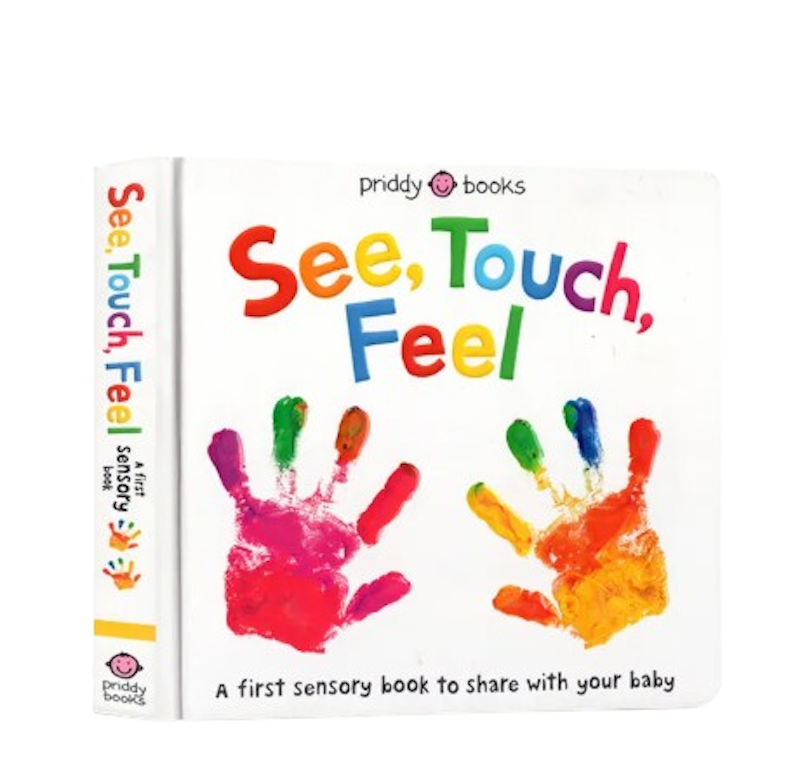
Reviews mention:
Many find the varied textures keep babies engaged with shiny, fuzzy, and bumpy surfaces during reading. People note the thick board pages withstand drooling and rough grabbing by tiny hands. Several appreciate the simple concepts, building early vocabulary through multi-sensory exploration.
| Recommended Age | 0–2 Years Old |
|---|---|
| Format | Physical |
| Category | Interactive |
| Single or Set | Single |
| Baby-Safe Materials | |
| Dimensions | 8.1 x 9.1 Inches |
| Best For | Sensory Development |
Fully BookedYou're My Little Baby: A Touch-And-Feel Book
Reviews mention:
People find the soft fur and silky ribbons create calming bedtime rituals with gentle rhymes. Many note Eric Carle's collage art paired with textures captivates babies visually and tactilely. Several appreciate the durable pages maintaining softness after repeated washing.
| Recommended Age | 0–3 Years Old |
|---|---|
| Format | Physical |
| Category | Bedtime Books |
| Single or Set | Single |
| Baby-Safe Materials | |
| Dimensions | 7 x 7 Inches |
| Best For | Parent-Baby Bonding |
Reviews mention:
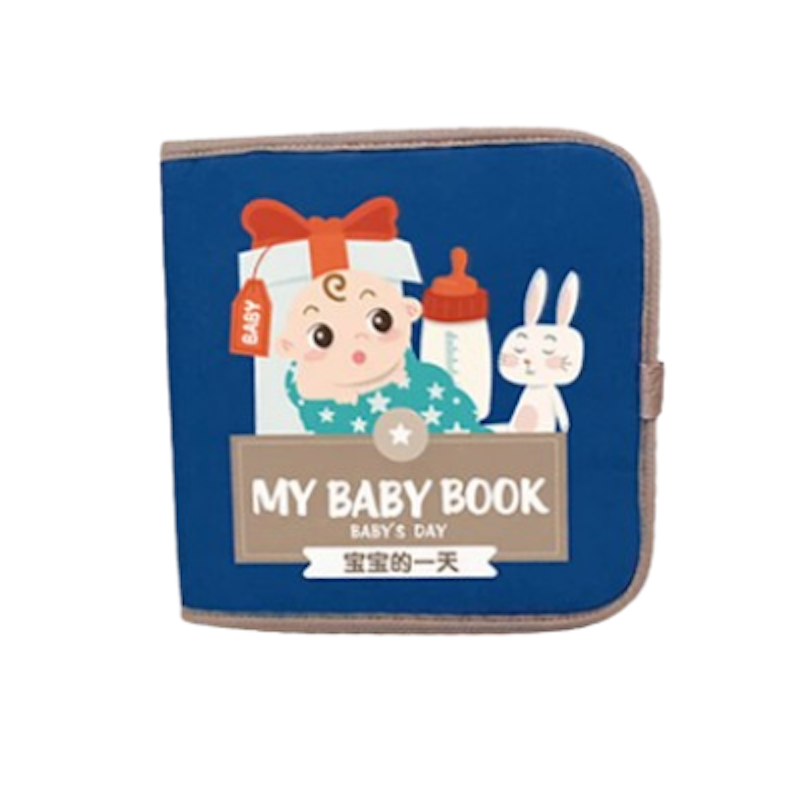
Many find the crinkle sounds endlessly entertaining for babies under 6 months old. People note the chew-safe fabric perfect for teething phase without safety concerns. Several appreciate machine-washable pages maintaining hygiene through drool and spills.
| Recommended Age | 0–1 Year Old |
|---|---|
| Format | Physical |
| Category | Interactive |
| Single or Set | Single |
| Baby-Safe Materials | |
| Dimensions | 8.5 × 5.1 Inches |
| Best For | Teething Phase |
Fisher-Price Pattern Matching Cloth Book + Ball Set
Reviews mention:
People find babies love transferring the ball between book loops during playtime. Several note the matching activities naturally build color recognition and problem-solving. Many appreciate the stroller attachment keeping babies occupied during outings.
| Recommended Age | 3–6 Months |
|---|---|
| Format | Physical |
| Category | Development |
| Single or Set | Set |
| Baby-Safe Materials | |
| Dimensions | 8 x 8 Inches |
| Best For | Fine Motor Skills |
Reviews mention:
Several find toddlers quickly mimic "Salamat po" after repeated readings, building everyday manners naturally. People note the sturdy board pages and rounded corners hold up well to rough handling by little hands. Many appreciate the simple Filipino stories sparking family discussions on courtesy.
| Recommended Age | 0+ Months |
|---|---|
| Format | Physical |
| Category | Development |
| Single or Set | Single |
| Baby-Safe Materials | |
| Dimensions | 5.1 × 5.1 Inches |
| Best For | Cultural Learning |
Reviews mention:
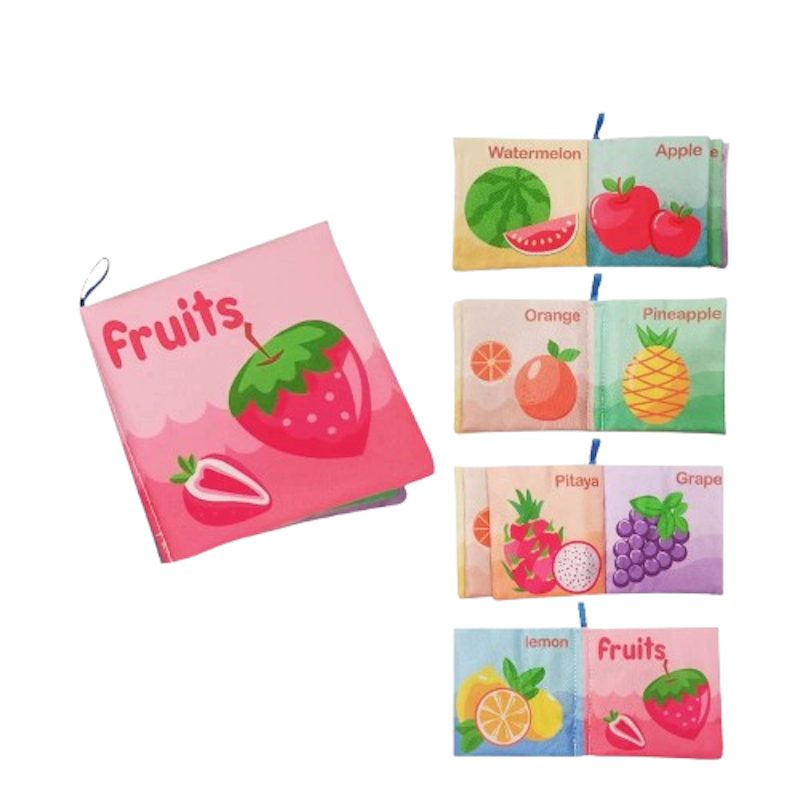
Many find the built-in crinkles instantly soothe fussy babies in cribs. People note lightweight fabric perfect for tiny hands to grasp independently. Several appreciate crib-safe design eliminating strangulation risks during unsupervised play.
| Recommended Age | 3–6 Months |
|---|---|
| Format | Physical |
| Category | Interactive |
| Single or Set | Single |
| Baby-Safe Materials | |
| Dimensions | 7 x 7 Inches |
| Best For | Crib Play |
Reviews mention:
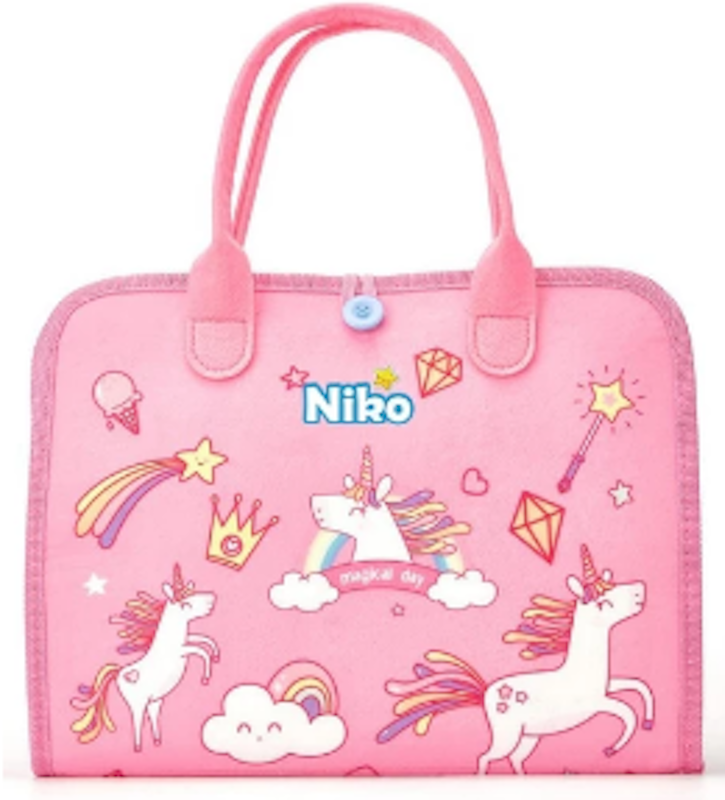
People find real buckles and zippers teach practical dressing skills through repetition. Many note quiet fabric construction perfect for restaurants and airplanes. Several appreciate skills transferring from toy to actual clothing fasteners.
| Recommended Age | 1–3 Years Old |
|---|---|
| Format | Physical |
| Category | Development |
| Single or Set | Single |
| Baby-Safe Materials | |
| Dimensions | 12 x 10 Inches |
| Best For | Fine Motor Practice |
Reviews mention:
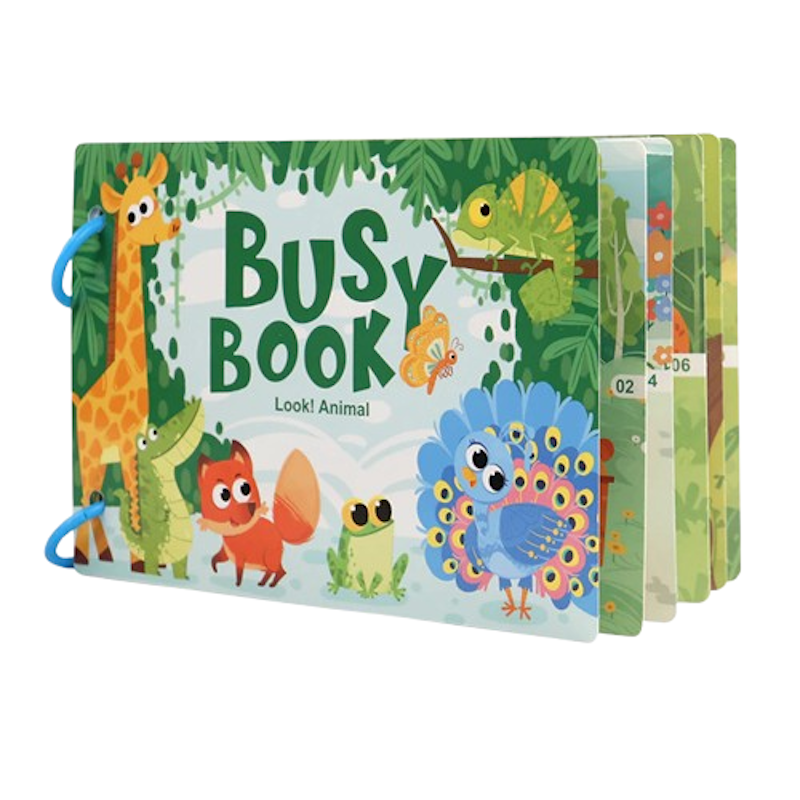
Several find Velcro ripping sounds extend attention spans during matching activities. People note portable size fits diaper bags for doctor visits and travel. Many appreciate quiet learning suitable for public spaces without disturbance.
| Recommended Age | 1–4 Years Old |
|---|---|
| Format | Physical |
| Category | Interactive |
| Single or Set | Single |
| Baby-Safe Materials | |
| Dimensions | 8.3 × 5.5 Inches |
| Best For | Independent Play |
Reviews mention:
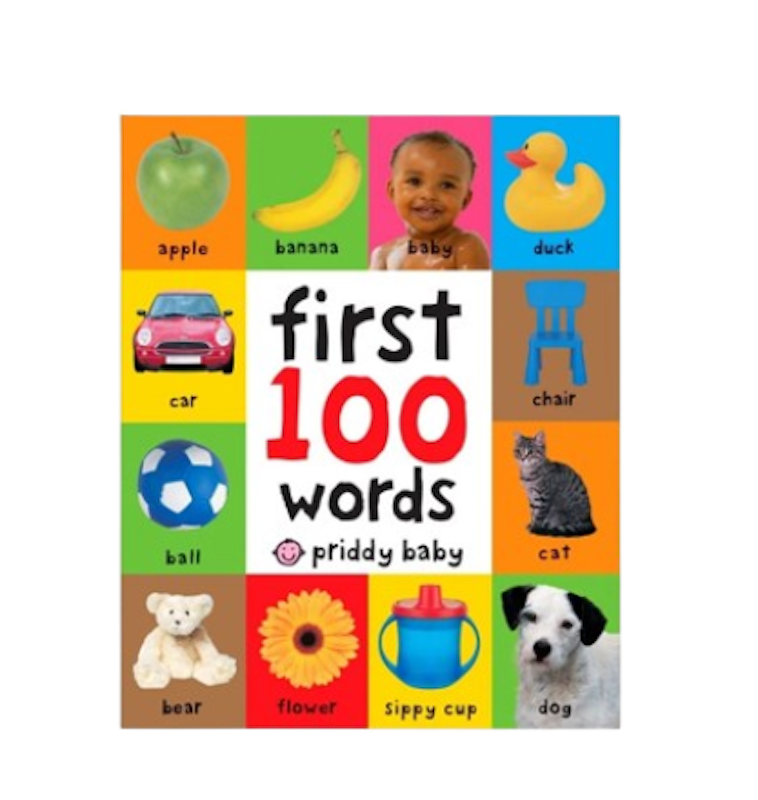
Many find clear photography helps babies connect pictures with spoken words instantly. People note categorized layout supports vocabulary growth by daily themes. Several appreciate thick pages enabling independent handling by curious toddlers.
| Recommended Age | 0–3 Years Old |
|---|---|
| Format | Physical |
| Category | Development |
| Single or Set | Single |
| Baby-Safe Materials | |
| Dimensions | 4.8 × 5.6 Inches |
| Best For | Word Recognition |
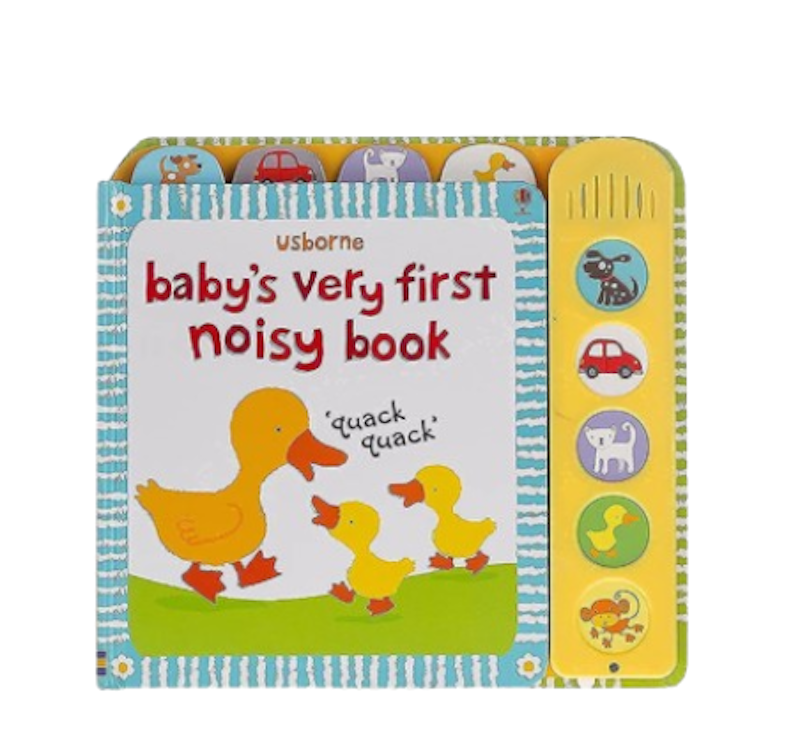
Fully BookedBaby's Very First Noisy Book | By Fiona Watt
Reviews mention:
Many find the sound buttons hold their baby’s attention longer than picture‑only books. People note the thick, chunky pages feel easy to handle even for clumsy toddler hands. Several appreciate that the simple, loud noises make it easy to repeat the sounds during bedtime and travel.
| Recommended Age | 1–3 Years Old |
|---|---|
| Format | Physical |
| Category | Development |
| Single or Set | Single |
| Baby-Safe Materials | |
| Dimensions | 12 x 10 Inches |
| Best For | Fine Motor Practice |
Frequently Asked Questions Answered By Dr. Cristal Laquindanum-Tan
It is never too early to teach your baby good habits when it comes to reading. To know more about what to remember when reading to your little one, see below for Dr. Cristal's answers to some of the most asked questions online!
When Is the Best Time of Day to Read to a Baby?
Your baby's first few months of life will not have an established routine yet, and books can help with that. You can read any time of the day, and you can incorporate reading during their playtime or before bedtime. You can also read to your baby during their quiet alert (eyes open wide, face is bright; body is quiet) or active alert (face and body move actively) state so they can have their full attention during reading time.
During playtime, you can have different toys placed on the mat so they can choose which ones to play with but also make sure to include books in the mix. Consistently exposing them to books at an early age, even with just touching the book or learning to turn the page, can already create new readers in the family.
How Long Should You Read to Your Baby?
There are no standard recommendations on how long you should read to your baby every time, but it's more important to read at least 1 book to your baby every day. You can just read aloud for a few minutes at a time but do it often.
Also, don't worry about finishing entire books. It's normal if babies don't want to finish a book, then they want to move on to the next book right away. Enjoy and concentrate on the pages that they do enjoy. You can even repeat certain parts of the book to stimulate familiarity and memorization.
Is It Better to Read Different Books Than Just One Book?
It's good for your baby to be exposed to as many different types of stories, book themes, and even book material (board books, cloth books, etc.). But it's also normal if they just concentrate on one book at a time. Babies love repetition, so don't be afraid of reading the same books over and over. Repetition can also be their way of learning.
More Tips From Dr. Cristal Laquindanum-Tan
Young children learn many important concepts about reading before going to school. Their early experience with books and reading contributes to their future capacity in learning to read. A wonderful shared activity like reading with your baby can help stimulate their brain development.
It can develop their cognitive skills, language skills, and even socio-emotional skills. But one major advantage is the quality time spent with your baby. Treasure these moments because they'll only stay little for a short while.
Create a Play Area for Your Baby
Aside from baby books, make sure you check out other baby items such as cloth books and sensory toys featured in the articles below. You can store all these inside a designated play area for your baby so it'll be easier to look after him when he's reading books or playing with toys.


Author: Maria Krisette Capati
How We Chose and Ranked Our Product Recommendations
Our buying guide was carefully researched and crafted by the mybest team of writers and editors, in collaboration with the expert featured in this article. We used the buying guide as a basis for choosing and ranking the product recommendations, and we looked at reviews and ratings from different E-commerce sites like Lazada, Shopee, and more.
The descriptions of each product are referenced from content available on manufacturer, brand, and e-commerce sites.