10 Best Training Cups in the Philippines 2026 | Buying Guide Reviewed by Pediatrician
Whether you’re a first-time parent or welcoming another child into the family, helping your baby adjust to new milestones can be both exciting and a little challenging. One of those milestones is moving from breastfeeding or bottle-feeding to using a training cup—a key step in building independence.
When looking for the best option, it is best to consider your child’s developmental stage to decide between the different kinds of training cups. In this article, you’ll find everything you need to know, including our top 10 recommendations and expert tips from pediatrician Dr. Joey Cuayo-Estanislao to help make the transition easier for you and your baby.

Dr. Joanna Pamela Cuayo-Estanislao is a pediatrician and child health specialist based in Metro Manila. Doc Joey is passionate about health education and empowering families to become informed advocates of their children's health and wellness. She uses social media to educate and raise awareness about important issues and topics in the field of pediatrics and child care.

Patricia is a versatile writer with an interest in food, lifestyle, travel, and sports. She also writes articles and does social media work as a volunteer of a media organization that covers collegiate sports leagues in the Philippines. During her free time, she enjoys binge-watching her favorite shows, attending sporting events, and sometimes, traveling.
The expert oversees the Buying Guide only, and does not determine the products and services featured.
Why You Can Trust Us
Every mybest article is crafted with hours of in-depth research and interviews with experts. Each month, we are continually expanding our database of products based on our research. By emphasizing user insight and reliable information, we deliver trustworthy content to readers.
At What Age Should Babies Start Using a Training Cup?

At 6 months, babies often display signs they’re ready for cup training—like holding their head up, sitting steadily, and showing interest in food. These cues mean it’s safe to start!
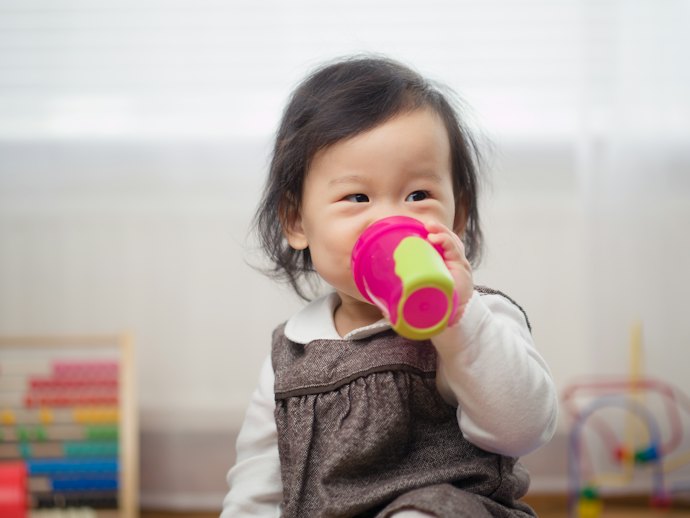
Babies can start using training cups around 6 months old, since at this age, they can usually hold and tilt a cup, begin eating solid foods, and start sipping small amounts of water or milk during meals. Introducing a cup at this stage supports healthy oral development and helps prevent prolonged bottle use, which can lead to tooth decay and delayed weaning.
What Should I Do if My Baby Refuses to Give Up the Bottle?
Weaning strategies vary, so I recommend consulting your pediatrician. Go slow and stay consistent, with the goal to be off the bottle by 18 months—or earlier if possible!
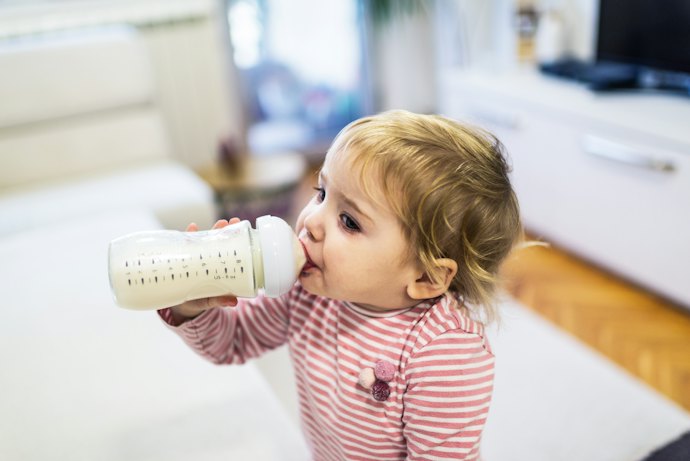
One of the best ways to encourage and spark their interest in using cups is to do modeling. Show them that you’re drinking from a cup before you let them try!
How to Choose a Training Cup - Buying Guide
Select a Type of Training Cup Appropriate for Your Baby’s Age
Start With Open Cups for Babies 6 Months and Up
Babies should start with open cups (with adult assistance), as this supports better oral development and is more beneficial to learn early compared to sippy or straw cups.
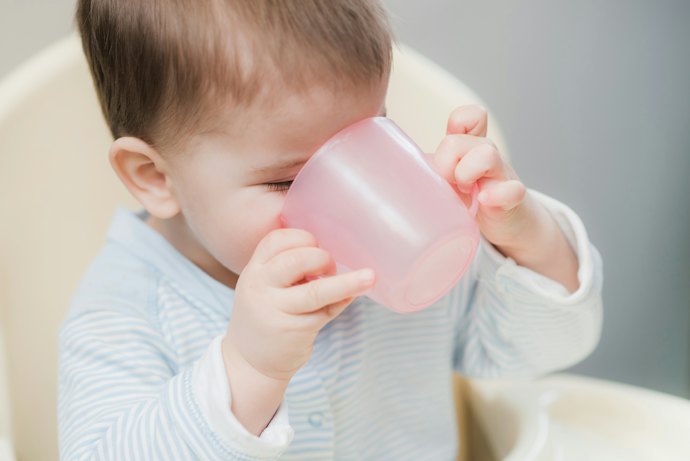
Open cups help babies strengthen their mouth muscles, which is important for drinking, eating, and speaking as they grow. They also improve hand-eye coordination as babies practice holding the cup, lifting it, and sipping.
This type also lowers the risk of tooth decay since open cups avoid the constant sucking seen with bottles or sippy cups. While spills are part of the learning process, starting with an open cup early helps build your baby’s confidence and independence.
It is also recommended to use soft, flexible open cups that babies can gently squeeze to fit their mouths more comfortably.
Use Straw or Spout Cups for Babies With More Developed Motor Skills
Transitioning to sippy, straw, or spout cups helps babies drink on their own, improve mouth control, and reduce spills as they get ready for regular cups.
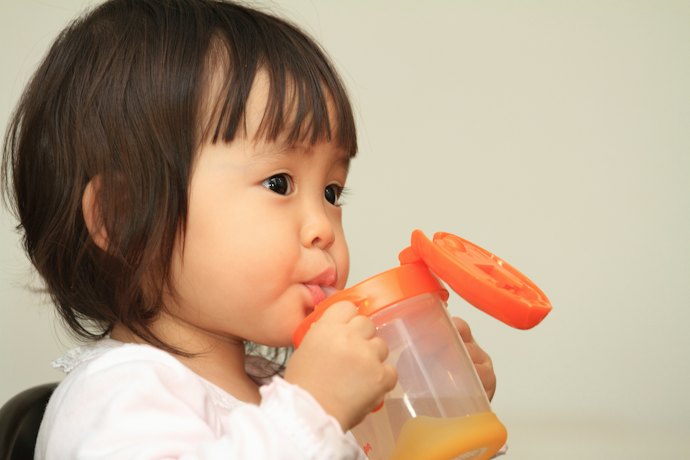
Once your baby has mastered an open cup, the next step is to introduce soft-straw or spout cups to continue supporting oral development. Straw cups help strengthen tongue and lip movements, which are important for speech, while spout cups allow for more controlled sipping. Around this stage, it’s also a good time to start phasing out bottles, to help your baby comfortably use straw or spout cups by 18 months.
Keep in mind that prolonged use of sippy cups may increase the risk of tooth decay, dental problems, speech issues, and potential delays in oral motor skill development.
Choose Durable, BPA-Free Materials Like Silicone or Plastic for Safety
Silicone and stainless steel cups are safer, more reliable choices as they are free from harmful chemicals, durable, and easy to clean, offering peace of mind for parents.
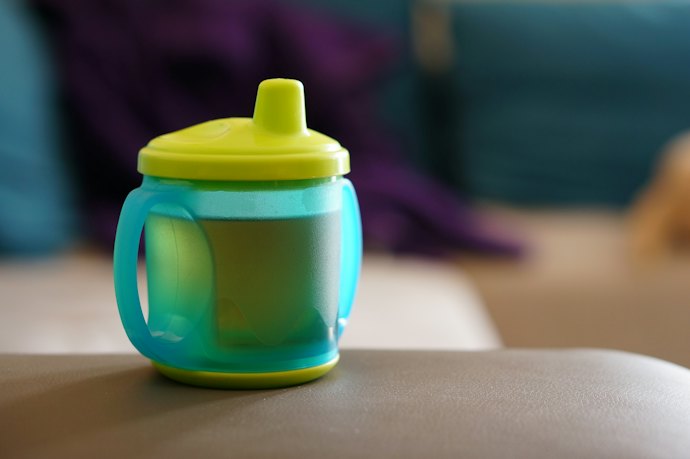
Going for BPA-free materials such as silicone, plastic, stainless steel, or glass for a training cup is the safest option for your baby, as they are more sensitive to toxins. Regardless of the material you choose, make sure it’s durable enough to withstand frequent drops, especially as babies develop their grip strength.
For babies and younger kids, starting with soft, flexible silicone cups is ideal since they’re gentle on sensitive gums and teeth. Just ensure the cups are firm enough that babies with growing teeth can’t easily bite off pieces and choke. As your child’s grip and motor skills improve, you can introduce sturdier options like stainless steel or glass.
Go for Leak-Proof Designs to Prevent Mess and Encourage Independence
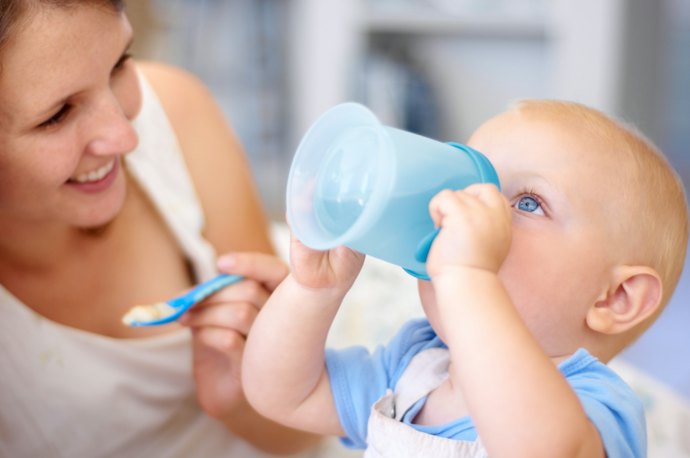
Leak-proof cups are perfect for minimizing mess, making them ideal for both home and travel. Since babies often drop cups due to limited grip strength, these designs prevent spills when that happens. Many leak-proof cups also have handles, which help build fine motor skills and encourage independence by allowing babies to drink on their own.
If your baby's grip strength is still developing, choose cups with easy-to-hold, ergonomic handles. Some models even offer removable handles as your baby gains more confidence in holding the cup independently.
Select Cups With Removable Parts to Make Clean-Up Easier
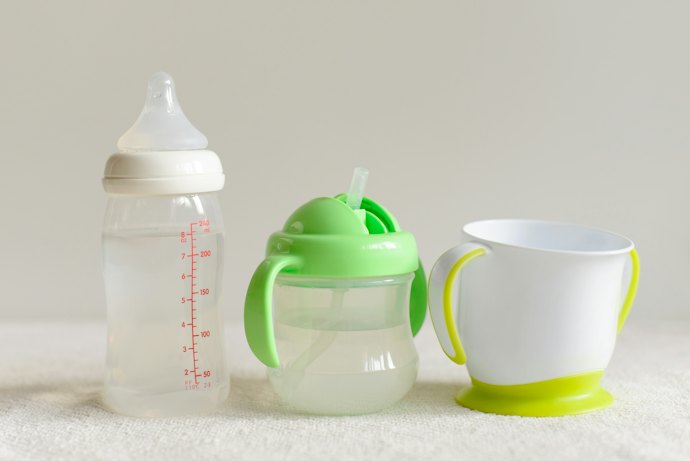
Cups with removable parts make cleaning quicker and more efficient. Open cups are the easiest to clean, while cups with straws or spouts can be trickier due to small parts and hard-to-reach areas. The lids, straws, spouts, and valves should come apart easily for thorough cleaning and to prevent mold buildup. Regardless of the cup type, it’s essential to clean it after every use.
For healthy babies 6 months and older with no other health concerns, sterilizing cups isn’t necessary (unless it’s the first use). Just make sure to clean them thoroughly after each use!
10 Best Training Cups to Buy Online
| Products | Image | Click to purchase | Popularity | Details | ||||
|---|---|---|---|---|---|---|---|---|
Type | BPA-Free | Removable Parts | Leak-Proof | |||||
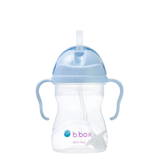
1 | Sippy Straw Cup bbox |  | No.1 | Straw Cup | ||||
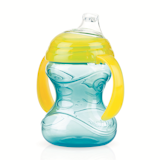
2 | Grip N' Sip Spout Cup Nuby |  | No.2 | Sippy Cup、Soft Spout | ||||
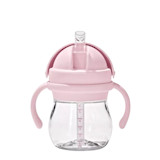
3 | Grow Sippy Straw Cup OXO Tot |  | No.3 | Straw Cup, Convertible | ||||
4 | Miracle 360 Degree Trainer Cup Munchkin Miracle |  | No.4 | Open Cup | ||||
5 | 2 in 1 Sippy Cup|WC35 Dr. Isla |  | No.5 | Straw Cup, Hard Spout | ||||
6 | Training Cup With Spout Child Care |  | No.6 | Sippy Cup | ||||
7 | Training Cup BabyPro |  | No.7 | Hard Spout、Sippy Cup | ||||
8 | Training Cup|WC36 Dr. Isla |  | No.8 | Straw Cup | ||||
9 | Training Cup 9oz Bebeta |  | No.9 | Straw Cup, Soft Spout, Open Cup | ||||
10 | Insulated Straw Cup Dr. Brown's Milestones |  | No.10 | Straw Cup | ||||

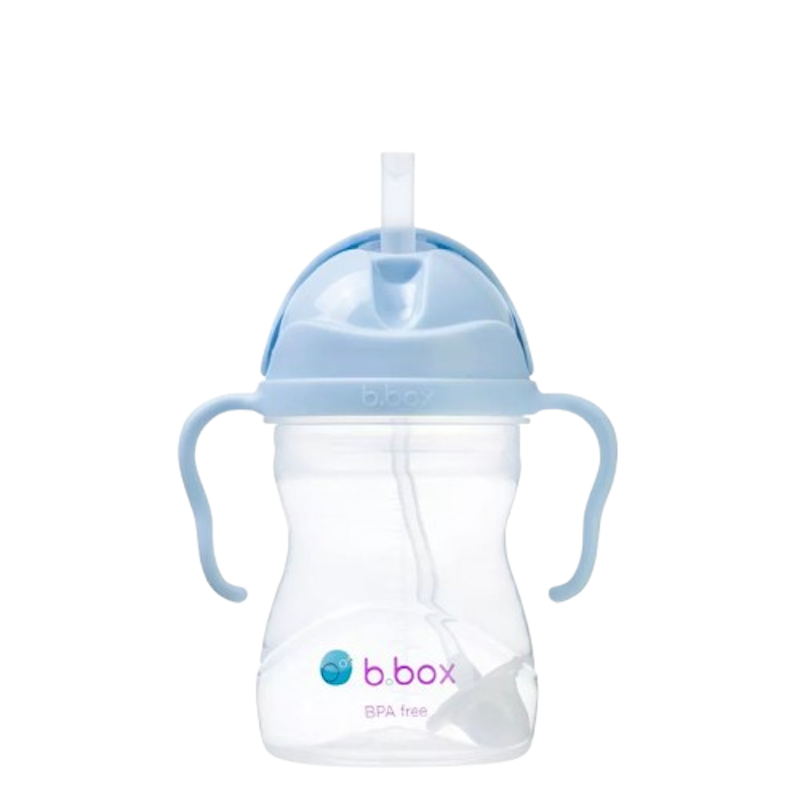
| Type | Straw Cup |
|---|---|
| BPA-Free | |
| Removable Parts | |
| Leak-Proof |
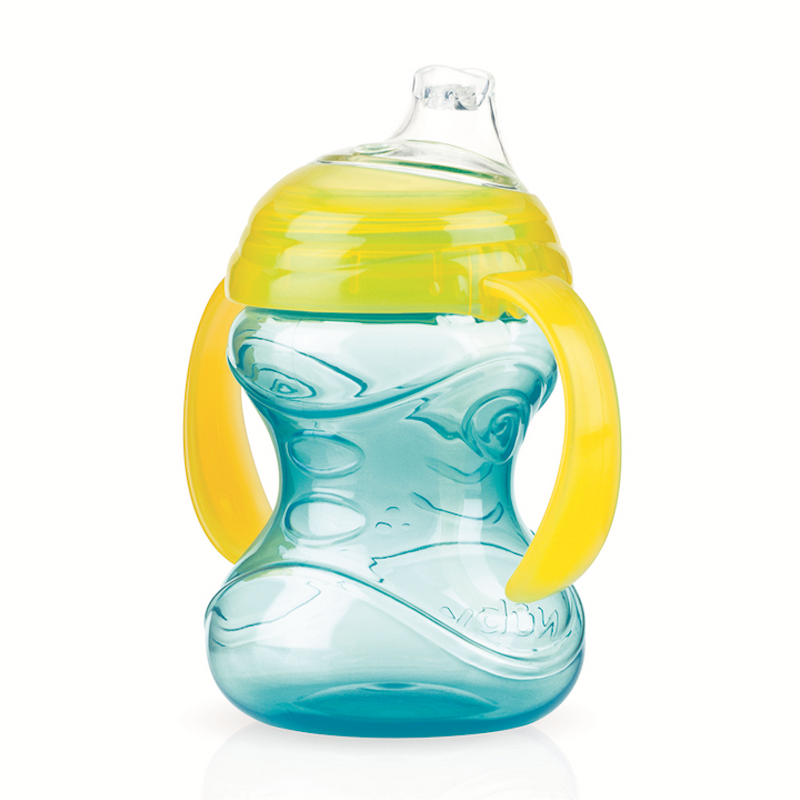
| Type | Sippy Cup、Soft Spout |
|---|---|
| BPA-Free | |
| Removable Parts | |
| Leak-Proof |
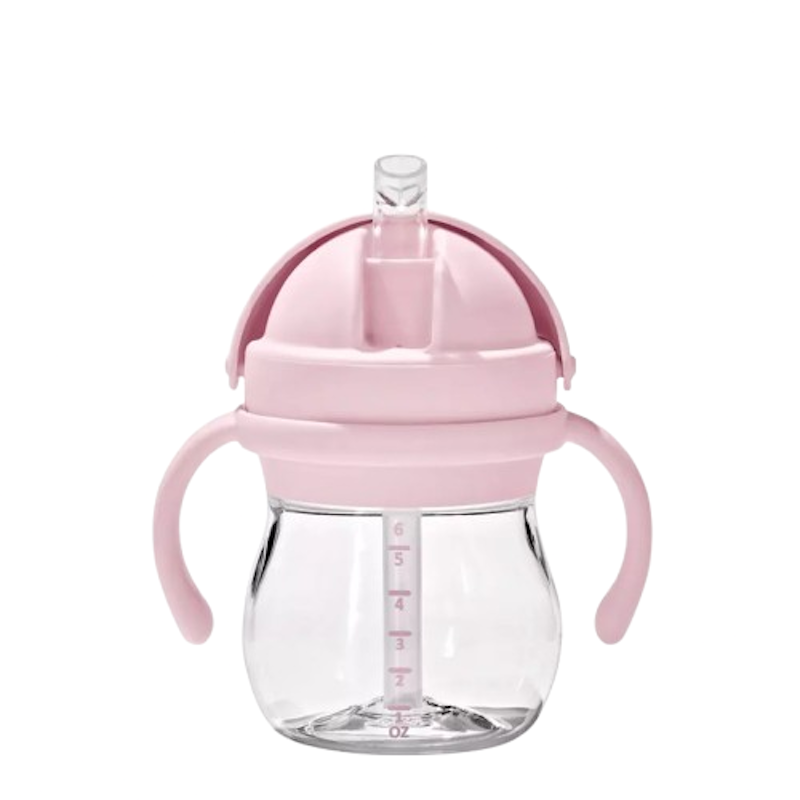
| Type | Straw Cup, Convertible |
|---|---|
| BPA-Free | |
| Removable Parts | |
| Leak-Proof |
Munchkin Miracle Miracle 360 Degree Trainer Cup
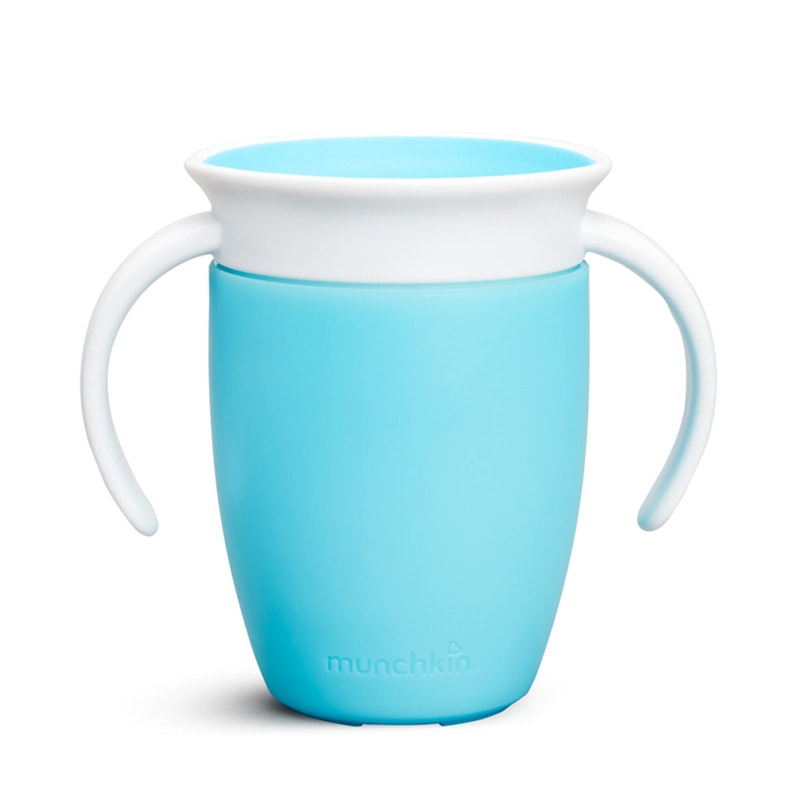
| Type | Open Cup |
|---|---|
| BPA-Free | |
| Removable Parts | |
| Leak-Proof |
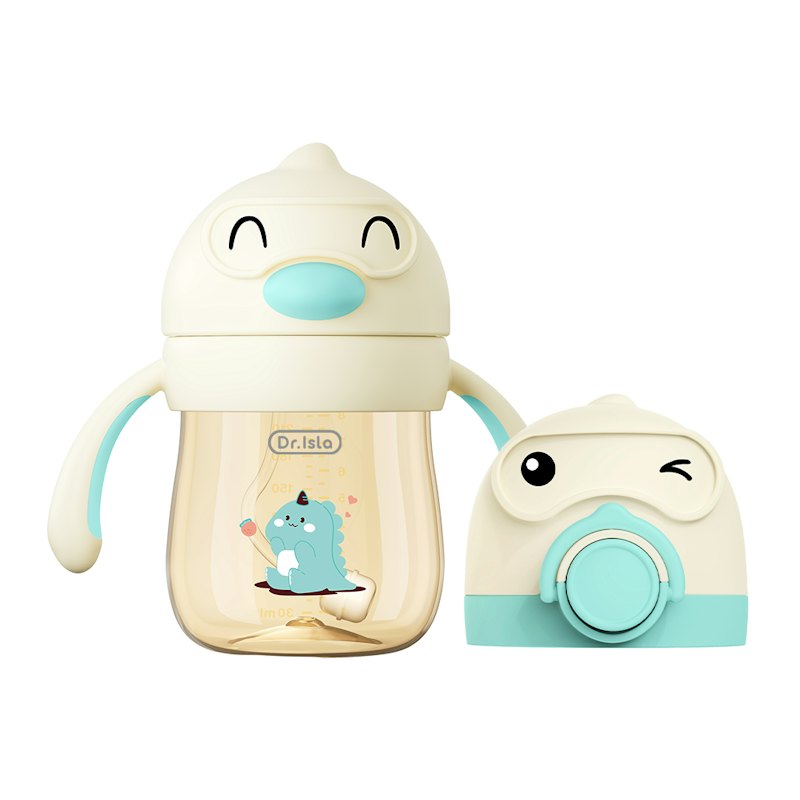
| Type | Straw Cup, Hard Spout |
|---|---|
| BPA-Free | |
| Removable Parts | |
| Leak-Proof |
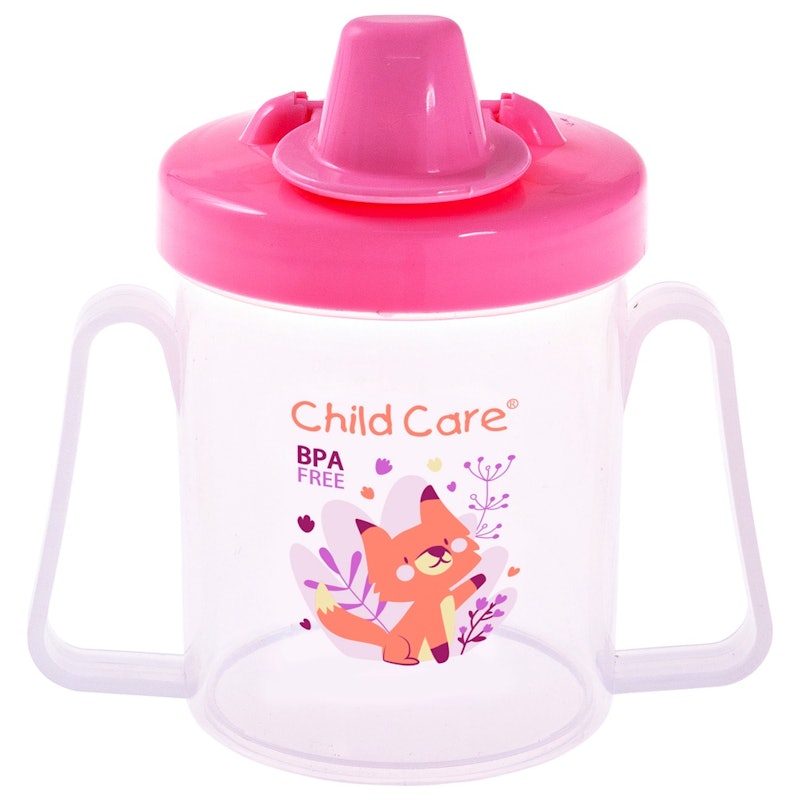
| Type | Sippy Cup |
|---|---|
| BPA-Free | |
| Removable Parts | |
| Leak-Proof |
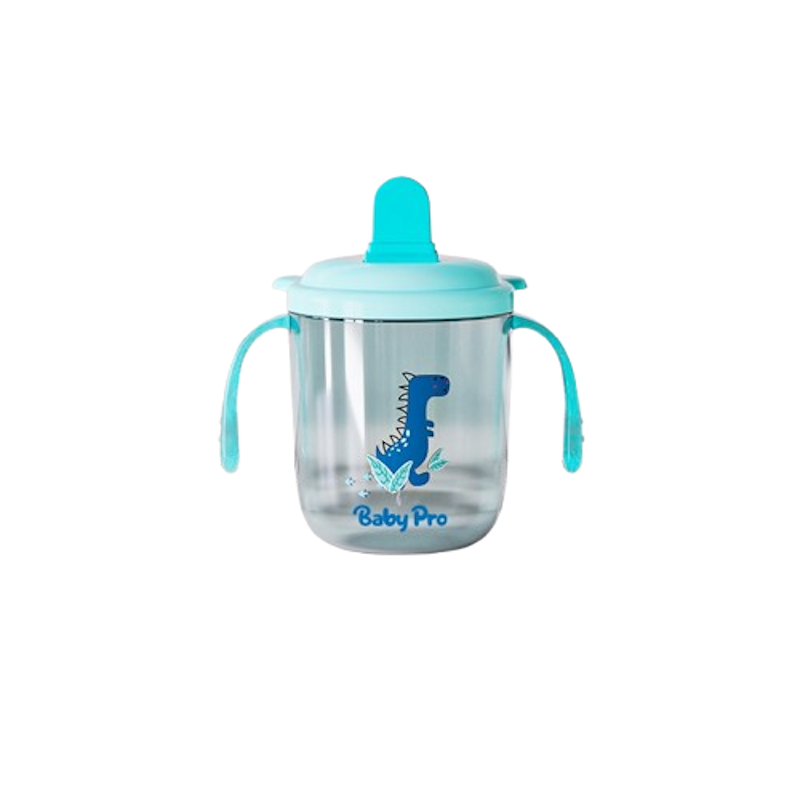
| Type | Hard Spout、Sippy Cup |
|---|---|
| BPA-Free | |
| Removable Parts | |
| Leak-Proof |
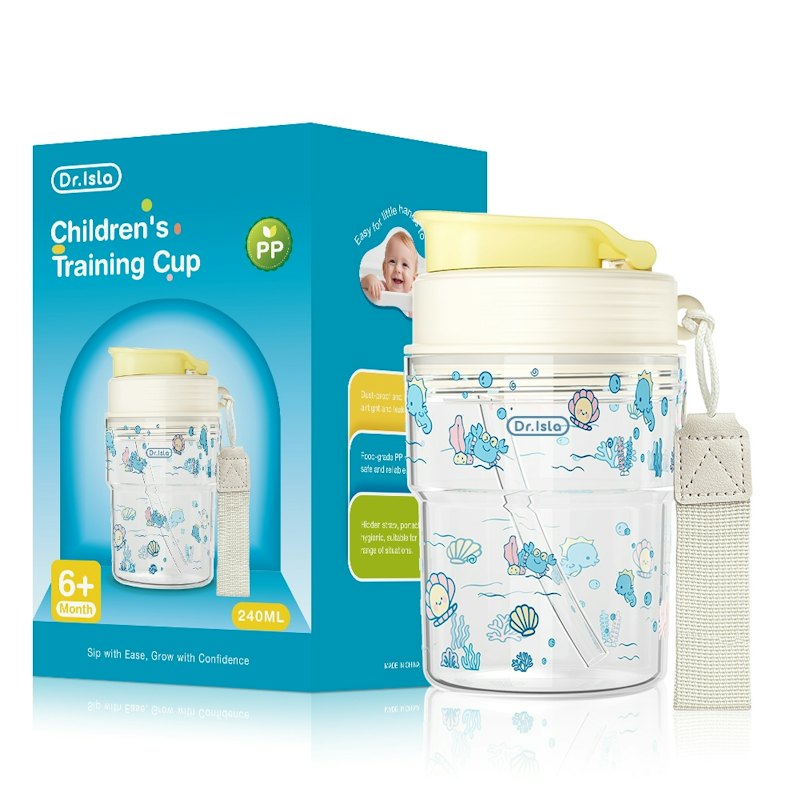
| Type | Straw Cup |
|---|---|
| BPA-Free | |
| Removable Parts | |
| Leak-Proof |
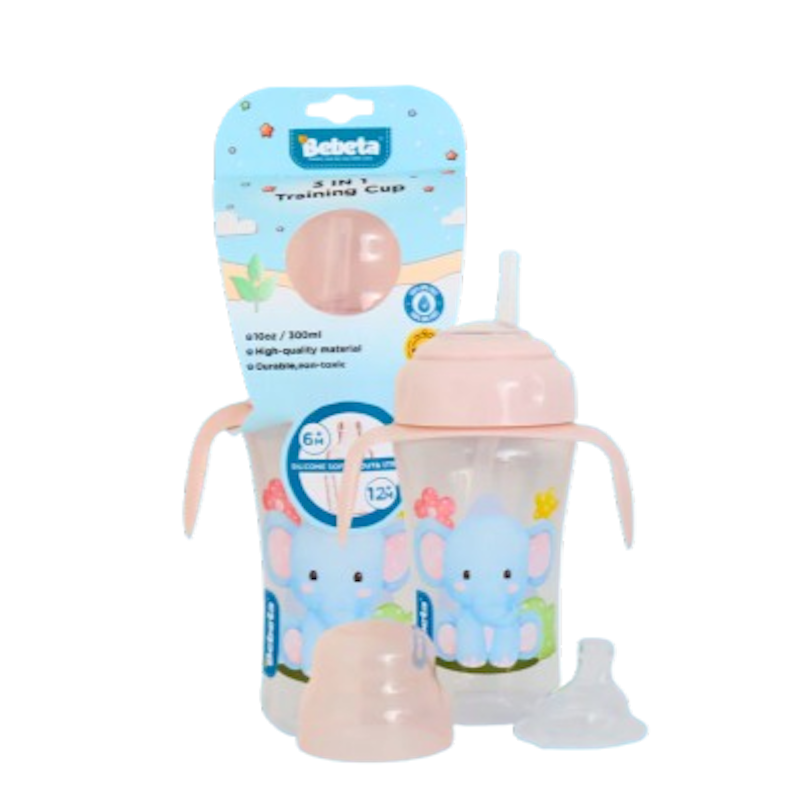
| Type | Straw Cup, Soft Spout, Open Cup |
|---|---|
| BPA-Free | |
| Removable Parts | |
| Leak-Proof |
Dr. Brown's MilestonesInsulated Straw Cup
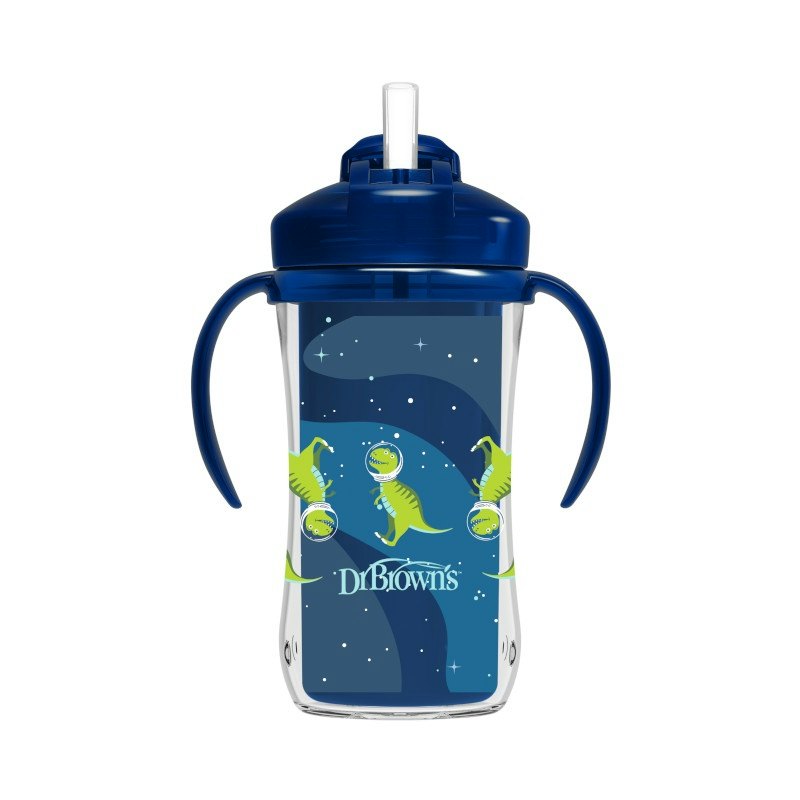
| Type | Straw Cup |
|---|---|
| BPA-Free | |
| Removable Parts | |
| Leak-Proof |
Frequently Asked Questions Answered by Dr. Joanna Cuayo
Know more about training cups as Dr. Joanna Cuayo answers some frequently asked questions.
How Long Should a Child Continue Using a Sippy Cup?
Ideally, babies should be weaned from using sippy cups when they reach 2 years old. Prolonged sippy cup use can increase the risk of tooth decay, dental issues, and speech delays due to limited oral motor development.
What Should I Do if My Baby Gags When Using a Training Cup?
Start by guiding your baby to drink slowly from an open cup, as it's easier to control than a straw. I really don’t recommend going for straws right away when your little one is still learning to drink from a vessel that isn’t a bottle (or your breast). When they’re a little older and better at drinking from a cup, introducing a straw should be easier.
Can Training Cups Be Used for Milk, Water, and Juice?
Yes, training cups can be used for any liquids or drinks.
For babies under a year old, their only beverages should be breast milk or formula, with a limited amount of water. Water intake should be kept to less than 100-120 mL a day, as their still-developing kidneys may not process water that well yet.
For children aged 1 year and older, water or milk is preferable, with limited juice intake. Ideally, no juice should be given before age 2, and only small amounts of fresh fruit juice should be introduced thereafter (whole fruit is still the best option).
Mealtime Essentials for Your Growing Baby
Being fully-equipped with items related to feeding your baby is a must to take away all the hassle. See the best baby bottles, baby high chairs, silicone bibs, and suction plates through the links below. From now on, mealtimes with your babies can be made easier with these products!


How We Chose and Ranked Our Product Recommendations
Our buying guide was carefully researched and crafted by the mybest team of writers and editors. We used the buying guide as a basis for choosing and ranking the product recommendations, and we looked at reviews and ratings from different E-commerce sites like Lazada, Shopee, and more.
The descriptions of each product are referenced from content available on manufacturer, brand, and e-commerce sites.