10 Best Pulse Oximeters in the Philippines 2026 | Buying Guide Reviewed by Pharmacist
A pulse oximeter provides a quick assessment of your cardiovascular health without needing a visit to the clinic. Whether you're tracking a health condition, recovering from an illness, or just seeking peace of mind at home, it makes checking your oxygen levels simple.
In this article, we'll guide you through our top recommendations on Shopee and Lazada, along with a buying guide reviewed by pharmacist Robi Uy, helping you understand what to look for before making a purchase.

Robi began his career in Watsons Philippines as the Senior Pharmacist in SM Mall of Asia Entertainment Mall branch. His experience as a Dispensing Pharmacist enabled him to become an expert in Community Pharmacy practice and the overall Retail Pharmacy operations. Currently, he is the Regulatory Affairs Senior Assistant Manager of Unilever Philippines. His knowledge about Pharmacy and related Regulations enables him to provide and share relevant information about regulated products such as food, drugs, cosmetics, and medical devices to consumers.

Angela is a writer, re-editor, and content planner with years of experience across different industries and formats. She has a passion for research and an eye for detail, and she puts both to work in every buying guide she writes, making sure readers walk away with honest, well-rounded recommendations they can rely on.
The expert oversees the Buying Guide only, and does not determine the products and services featured.
Why You Can Trust Us
Every mybest article is crafted with hours of in-depth research and interviews with experts. Each month, we are continually expanding our database of products based on our research. By emphasizing user insight and reliable information, we deliver trustworthy content to readers.
All About Pulse Oximeters
Monitoring your blood oxygen is now more accessible than ever. With the range of pulse oximeters available online, you can check your levels accurately and conveniently from home, anytime you need to.
What Is a Pulse Oximeter and Who Should Use One?
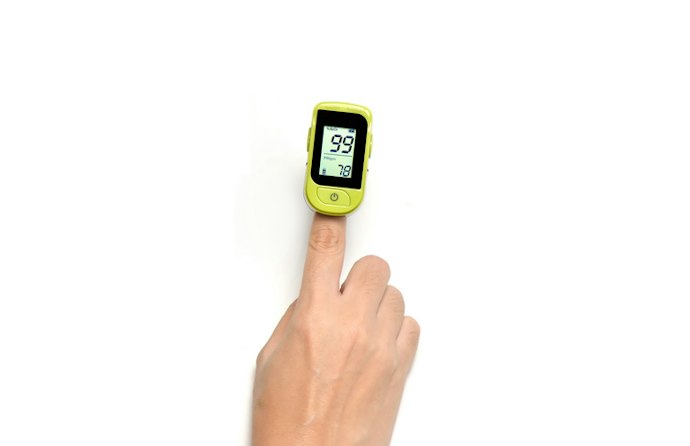
A pulse oximeter is a small, clip-on device that measures your blood oxygen saturation (SpO₂) and heart rate without needles or invasive testing. It works by shining light through your fingertip or earlobe to estimate how much oxygen your blood is carrying, giving you a quick snapshot of your oxygen level and pulse.
Pulse oximeters are commonly used by people with lung or heart conditions, those with sleep apnea, and those recovering from surgery or respiratory illnesses to monitor their oxygen levels. They can be useful for anyone who wants to keep track of their health at home, especially when feeling unwell.
How to Choose a Pulse Oximeter – Buying Guide
Most pulse oximeters do the same basic job, but the right one for you depends on how and where you'll actually use it. Here's what to check before you buy.
Check for FDA Certification to Confirm the Device Is Legitimate
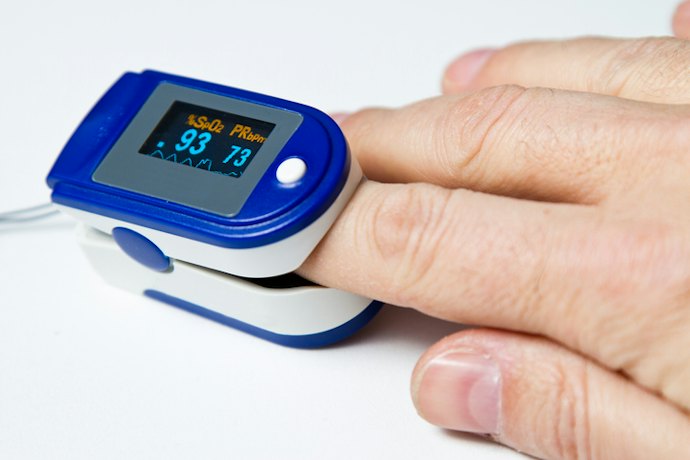
A pulse oximeter is categorized as a class II medical device, indicating it poses a moderate to high risk if it is inaccurate or poorly manufactured. This is why it is essential to ensure that the device is registered with the FDA. Locally, the Philippine FDA and the Department of Health also assess and verify medical devices sold here, so a legitimate model should be traceable through either source. You can also check the U.S. FDA database by searching the manufacturer's name to confirm a model is registered.
Check the Measurement Range and Margin of Error for Accurate Readings
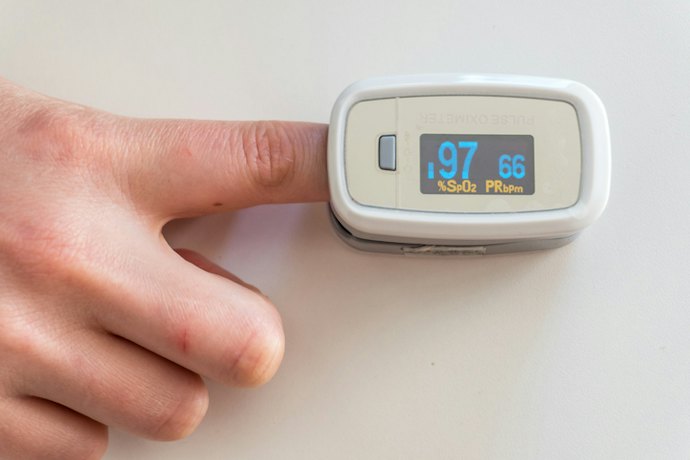
This is one of the most important things to check, since it's what makes your readings trustworthy. Look for a wide measurement range so it can quickly detect deviations from normal levels, giving you more time to act if something's off.
The margin of error should be ±2 to ±3, whether you're checking blood oxygen percentage or pulse rate. Anything outside that range means the reading isn't reliable and shouldn't be used to make decisions about your health.
Choose the Type of Display Based on When You'll Use It
The screen type affects how easily you can read your results, and that depends a lot on where and when you'll be checking them.
For Daytime or Outdoor Checks: Go for LED for a Brighter Display
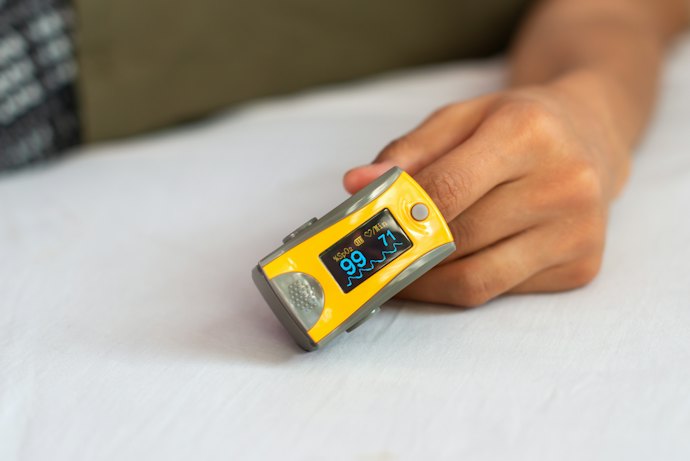
For Nighttime or Low-Light Checks: Go for OLED for Sharper Contrast
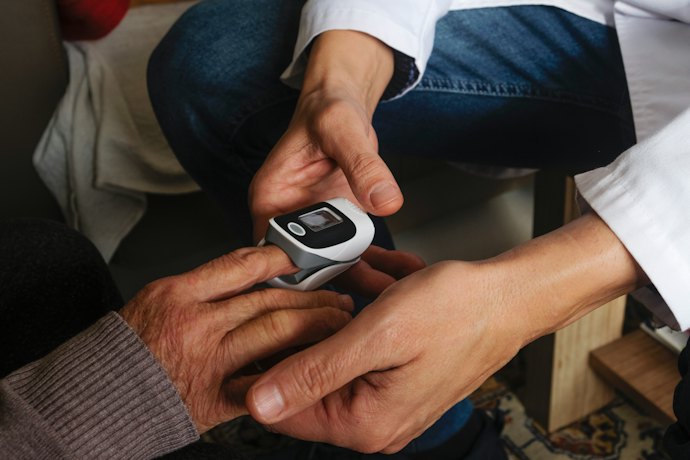
Choose Your Battery Type Based on How Often You'll Use It
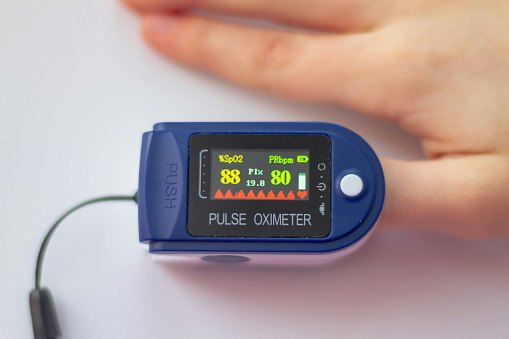
Pulse oximeters typically run on two AAA batteries, and how often you'll use it should guide your choice of pulse oximeter type.
For Frequent Use: If you're checking daily, managing a chronic condition, or monitoring a family member, rechargeable batteries pay off over time and help reduce waste. Some models use a built-in battery with USB-C charging instead.
For Occasional Use: If you'll only reach for it once in a while, disposable AAA batteries are cheaper upfront and skip the need to charge before use.
Check the product description for battery type, quantity, and whether they're included.
Look for Extra Features That Make Monitoring Easier
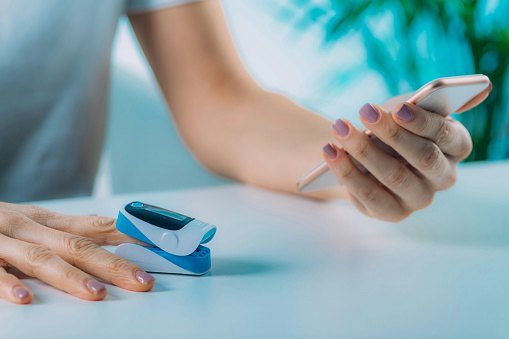
All pulse oximeters cover the basics: SpO2, perfusion index, and heart rate. Beyond that, a few extras can make monitoring faster and more accurate.
One-Touch Scanning: For fast, accurate results, especially useful in urgent situations.
Soft Rubber Pads: To keep your finger in place for a more accurate read.
Adult or Child Fit: Worth checking if you'll be using it on kids, too.
Reduced light interference: so bright surroundings don't throw off the reading.
Nice to have, but not essential:
Rotating Screen: So you don't have to twist the device to read it.
Data Recording: If you want to track your levels over time.
Sound Prompt: A beep to signal that scanning is complete.
None of these are dealbreakers on their own, but the more of them a model has, the easier it'll be to use day-to-day.
Check the Warranty Before You Buy
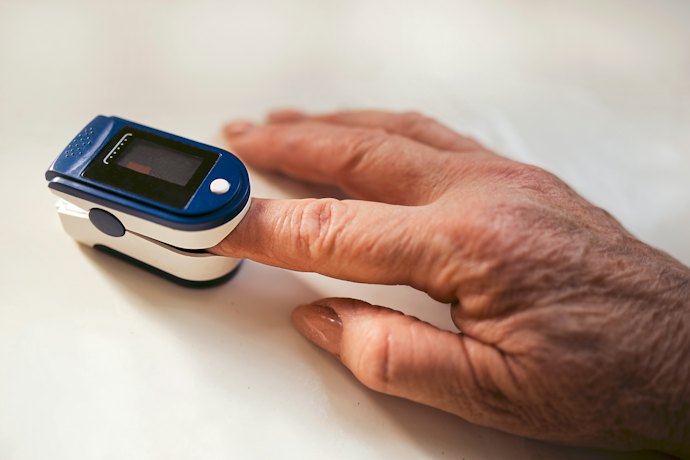
Before purchasing a pulse oximeter, verify if it includes a warranty from the supplier or manufacturer. Coverage varies significantly: some sellers provide it, others do not, and the duration is often unspecified, so it's best to contact the seller directly for confirmation. Additionally, distinguish between an actual manufacturer's warranty and Lazada's or Shopee’s return policy.
On Lazada, some listings indicate a "Lazada Return Warranty" that applies only to the platform's return period and does not cover defects thereafter. Shopee lacks a platform-wide label for this, so warranty coverage depends entirely on what the seller states. If no information is provided, do not assume warranty coverage is included.
10 Best Pulse Oximeters Ranking
| Products | Image | Click to purchase | Popularity | Details | ||||||
|---|---|---|---|---|---|---|---|---|---|---|
FDA Registered | Measurement Range | Margin of Error | Display Type | Battery Type | Additional Features | |||||
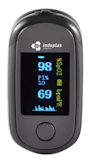
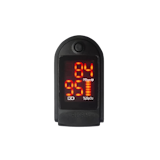
1 | Innovo Premium Rechargeable Pulse Oximeter Indoplas |  | No.1 | 30-250bpm (Pulse Rate), 0-100% (SpO2), 0-20% (PI) | ±2 | LED | Rechargeable | Pulse Waveform Display, Automatic Power Off, Automatic Power On | ||
2 | Standard Pulse Oximeter|Achieve 9570 Indoplas |  | No.2 | 30-250bpm (Pulse Rate), 0-100% (SpO2), 0-20% (PI) | ±2 | LED | AAA Batteries | Pulse Waveform Display, Low Battery Indicator, Automatic Power Off, Pulse Bar Graph Display, Adjustable Brightness | ||
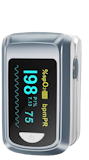
3 | Finger Pulse Oximeter HealthTree |  | No.3 | 70-100% (SpO2) | ±2 | OLED | AAA Batteries | Perfusion Index Value Display, Automatic Power Off | ||
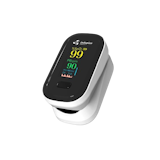
4 | Pulse Oximeter SPO2 Medical 5550 Indoplas |  | No.4 | 70-99% (SpO2), 30-240bpm (Pulse Rate) | unknown | OLED | AAA Batteries | Low Battery Indicator, Automatic Power Off, Dual-Color Display | ||
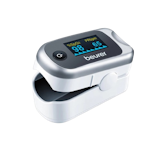
5 | Pulse Oximeter|PO 40 Beurer |  | No.5 | 70-100% (SpO2) | unknown | OLED | AAA Batteries | Perfusion Index Value Display, Low Battery Indicator | ||
6 | Portable Non-Invasive Oximeter Partners |  | No.6 | unknown | unknown | LED | AAA Batteries | Perfusion Index Value Display, 6 Display Modes, Anti-Shake Design, Dual-Color Display | ||
7 | Fingertip Pulse Oximeter |OX001 iCare |  | No.7 | 0-100% (SpO2), 30-250bpm (Pulse Rate) | ±2 | LED | AAA Batteries | Automatic Power Off, Automatic Power On | ||
8 | Adult/Pedia Finger Pulse Oximeter ChoiceMMed |  | No.8 | 0-100% (SpO2) | ±2 | OLED | AAA Batteries | 4 Display Modes, Adjustable Brightness | ||
9 | Fingertip Pulse Oximeter|YK-86 Yongrow |  | No.9 | 30-250bpm (Pulse Rate), 0-100% (SpO2) | ±2 | LED | Rechargeable | Automatic Power Off, Automatic Power On, Low Battery Indicator | ||
10 | Pulse Oximeter VMed ProHealthCare |  | No.10 | 70-100% (SpO2) | ±2 | OLED | AAA Batteries | Pulse Waveform Display, Low Battery Indicator | ||

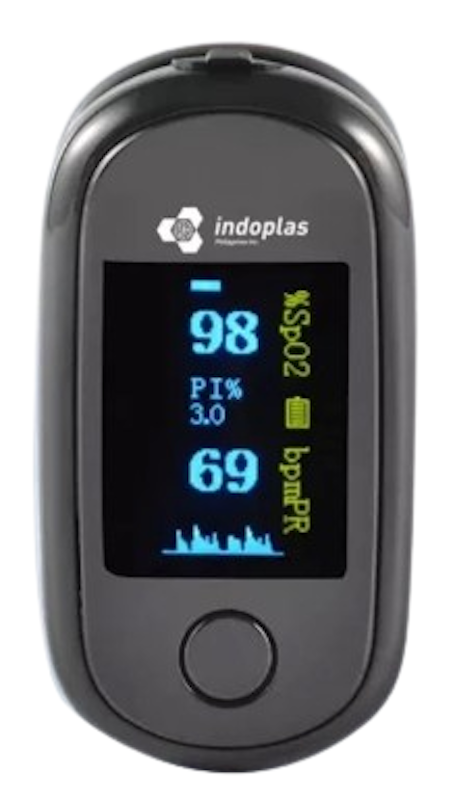
IndoplasInnovo Premium Rechargeable Pulse Oximeter
| FDA Registered | |
|---|---|
| Measurement Range | 30-250bpm (Pulse Rate), 0-100% (SpO2), 0-20% (PI) |
| Margin of Error | ±2 |
| Display Type | LED |
| Battery Type | Rechargeable |
| Additional Features | Pulse Waveform Display, Automatic Power Off, Automatic Power On |
IndoplasStandard Pulse Oximeter | Achieve 9570

| FDA Registered | |
|---|---|
| Measurement Range | 30-250bpm (Pulse Rate), 0-100% (SpO2), 0-20% (PI) |
| Margin of Error | ±2 |
| Display Type | LED |
| Battery Type | AAA Batteries |
| Additional Features | Pulse Waveform Display, Low Battery Indicator, Automatic Power Off, Pulse Bar Graph Display, Adjustable Brightness |
| FDA Registered | |
|---|---|
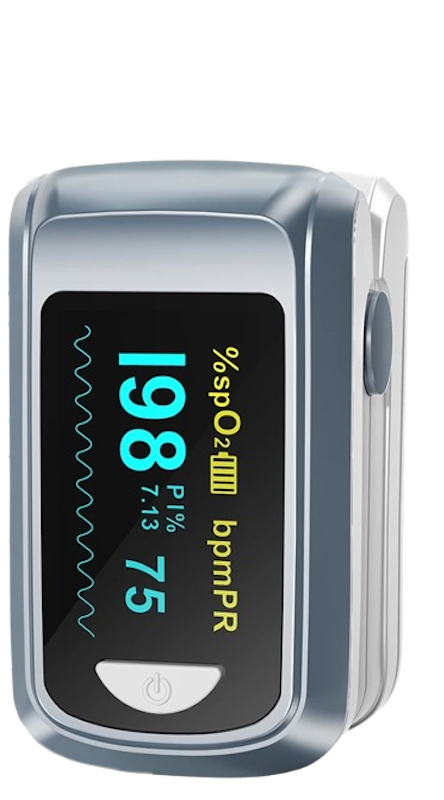
| Measurement Range | 70-100% (SpO2) |
| Margin of Error | ±2 |
| Display Type | OLED |
| Battery Type | AAA Batteries |
| Additional Features | Perfusion Index Value Display, Automatic Power Off |
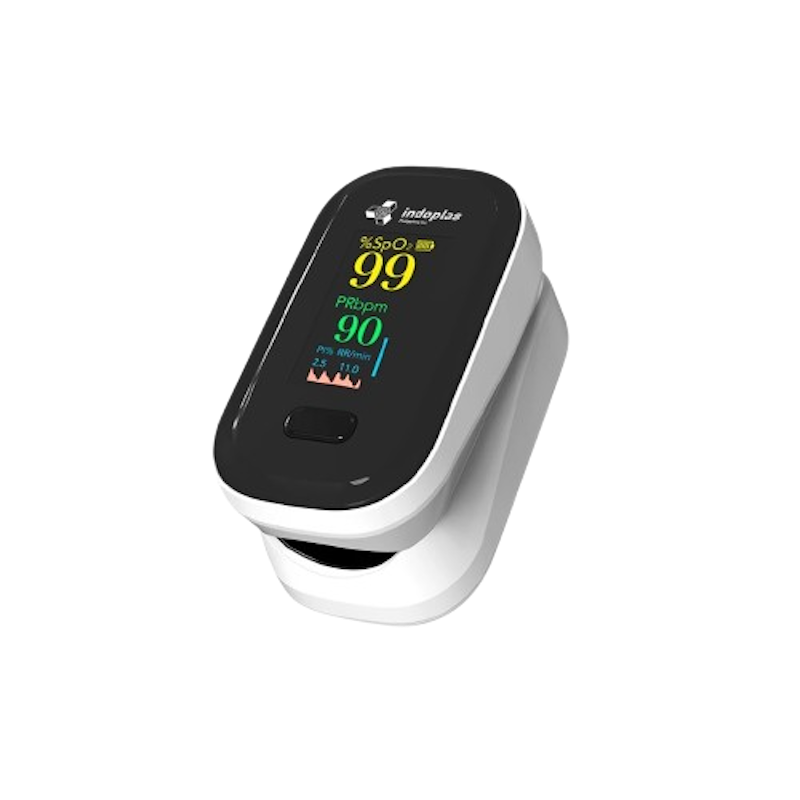
IndoplasPulse Oximeter SPO2 Medical 5550
| FDA Registered | |
|---|---|
| Measurement Range | 70-99% (SpO2), 30-240bpm (Pulse Rate) |
| Margin of Error | unknown |
| Display Type | OLED |
| Battery Type | AAA Batteries |
| Additional Features | Low Battery Indicator, Automatic Power Off, Dual-Color Display |
| FDA Registered | |
|---|---|
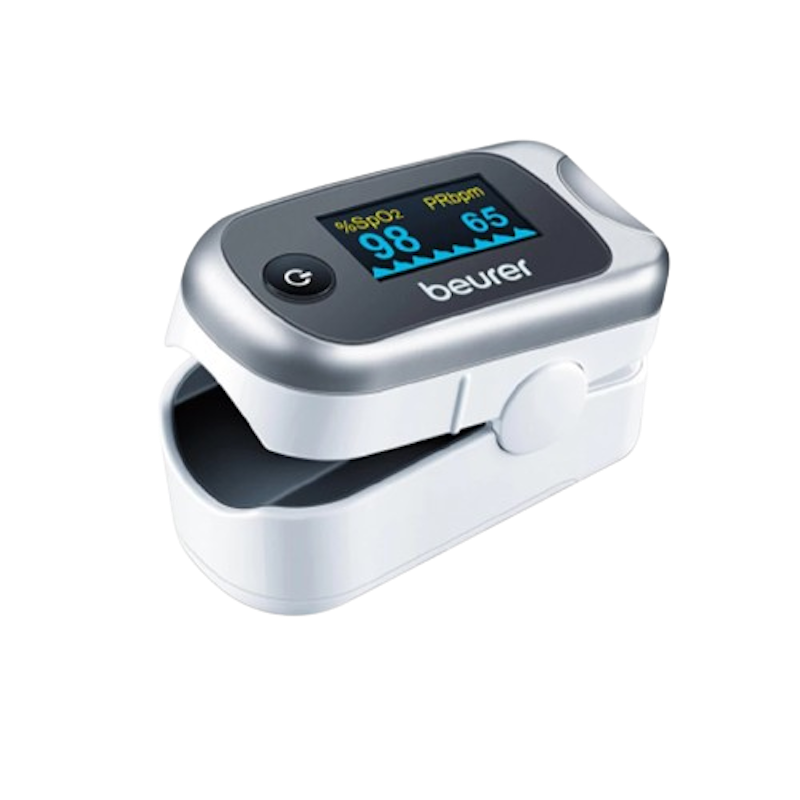
| Measurement Range | 70-100% (SpO2) |
| Margin of Error | unknown |
| Display Type | OLED |
| Battery Type | AAA Batteries |
| Additional Features | Perfusion Index Value Display, Low Battery Indicator |
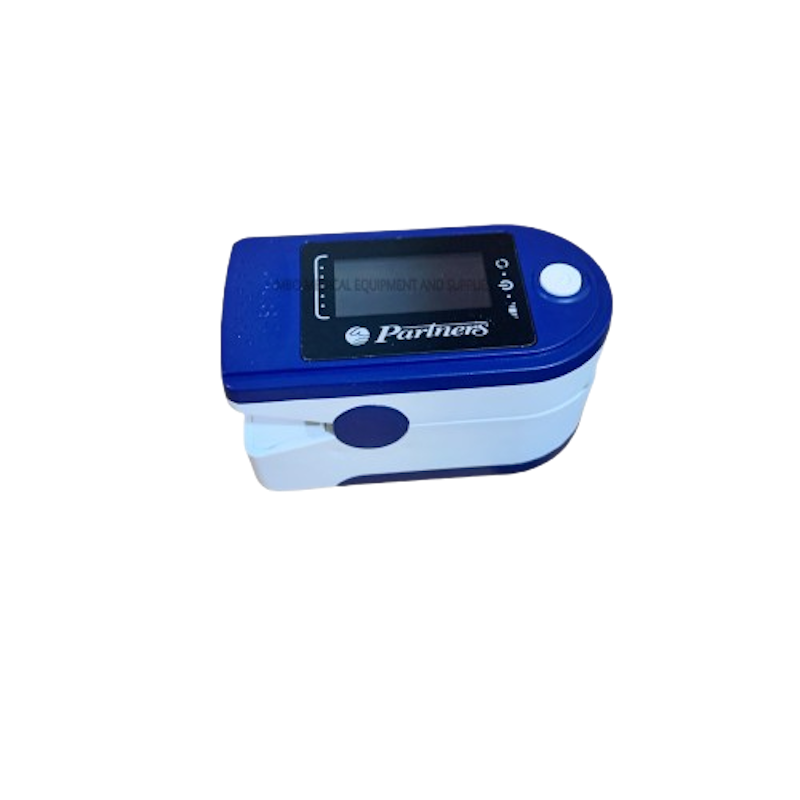
| FDA Registered | |
|---|---|
| Measurement Range | unknown |
| Margin of Error | unknown |
| Display Type | LED |
| Battery Type | AAA Batteries |
| Additional Features | Perfusion Index Value Display, 6 Display Modes, Anti-Shake Design, Dual-Color Display |
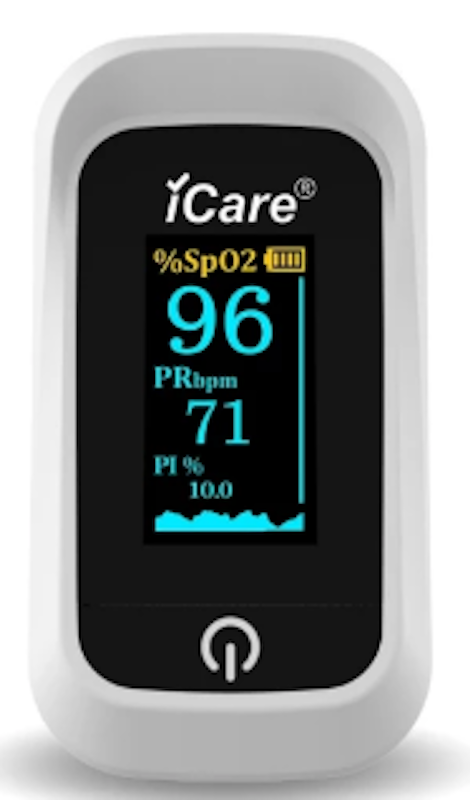
| FDA Registered | |
|---|---|
| Measurement Range | 0-100% (SpO2), 30-250bpm (Pulse Rate) |
| Margin of Error | ±2 |
| Display Type | LED |
| Battery Type | AAA Batteries |
| Additional Features | Automatic Power Off, Automatic Power On |
ChoiceMMed Adult/Pedia Finger Pulse Oximeter
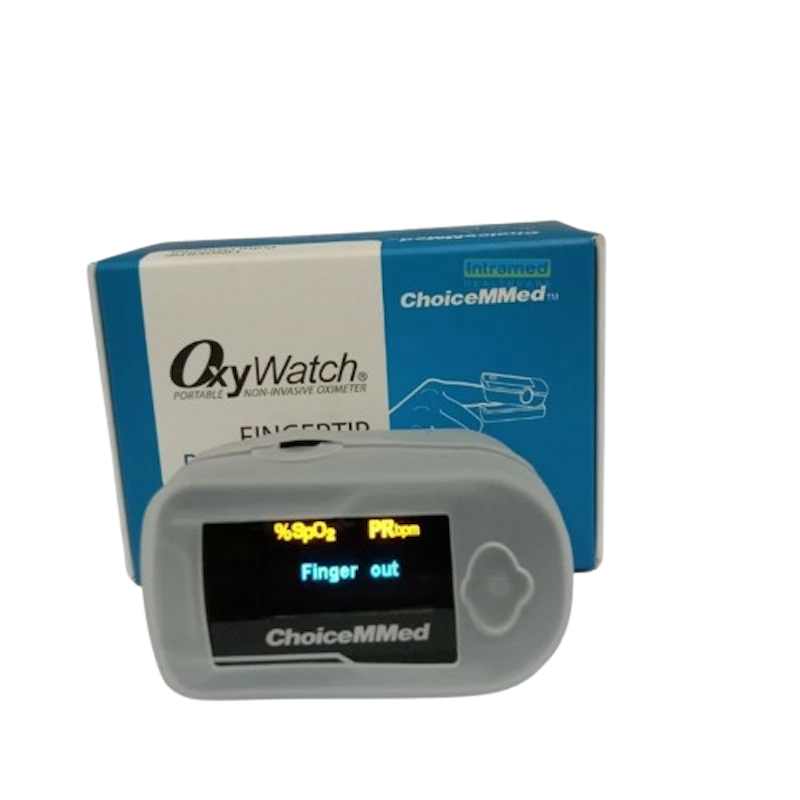
| FDA Registered | |
|---|---|
| Measurement Range | 0-100% (SpO2) |
| Margin of Error | ±2 |
| Display Type | OLED |
| Battery Type | AAA Batteries |
| Additional Features | 4 Display Modes, Adjustable Brightness |
YongrowFingertip Pulse Oximeter | YK-86

| FDA Registered | |
|---|---|
| Measurement Range | 30-250bpm (Pulse Rate), 0-100% (SpO2) |
| Margin of Error | ±2 |
| Display Type | LED |
| Battery Type | Rechargeable |
| Additional Features | Automatic Power Off, Automatic Power On, Low Battery Indicator |
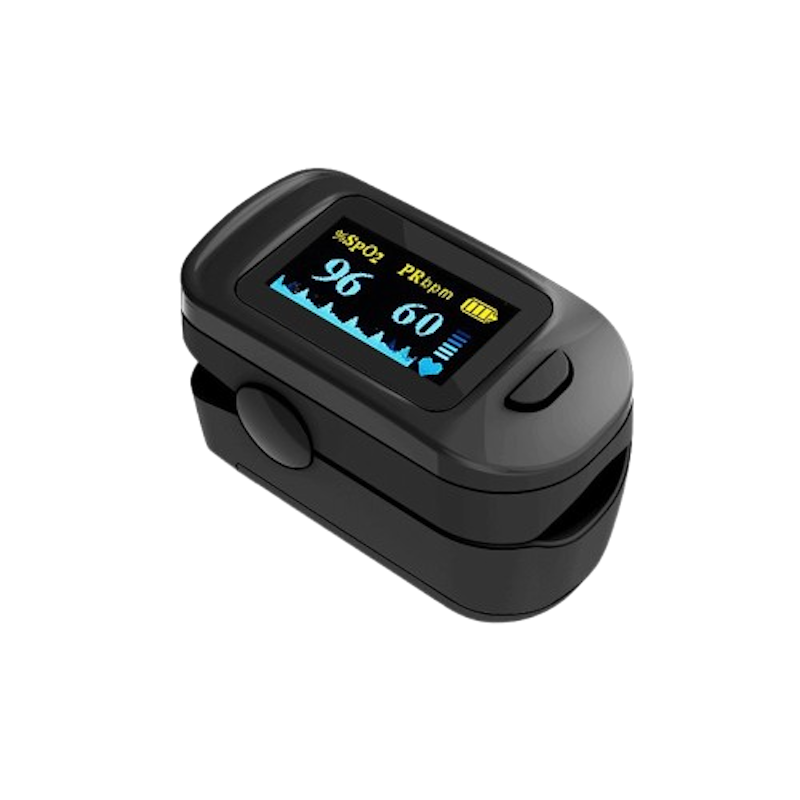
| FDA Registered | |
|---|---|
| Measurement Range | 70-100% (SpO2) |
| Margin of Error | ±2 |
| Display Type | OLED |
| Battery Type | AAA Batteries |
| Additional Features | Pulse Waveform Display, Low Battery Indicator |
Frequently Asked Questions
Below are some of the most asked questions on the web answered by the mybest team.
How to Tell if Your Pulse Oximeter is Accurate?
Beyond the device itself, how you take the reading also affects its accuracy. Here's what to keep in mind:
Rest for at least 5 minutes after any strenuous activity, and stay still and calm while measuring
Keep your hand lower than your heart, and avoid sudden movements, since these can throw off the reading
Wait until the numbers stabilize on the screen before noting them down
Remember that readings are estimates, not exact numbers, and a SpO2 of 90% could mean the actual number is anywhere from 86 to 94
Accuracy is highest between 90% to 100%, moderate between 80% to 90%, and least reliable below 80%
If you get a reading of 80% or below, test again on a different oximeter to check if the numbers hold up or if your device might be malfunctioning
How Often Should You Use a Pulse Oximeter?
Since it's non-invasive, there's little to no risk in using a pulse oximeter multiple times a day. For general health tracking, two to three times a day is enough, checked in different positions like standing, sitting, and lying down for a fuller picture.
It's also useful before, during, and after exercise, or overnight while sleeping, to keep an eye on your levels during activity or rest. Just make sure the fit isn't too tight, since prolonged wear can cut off circulation.
When Using a Pulse Oximeter, Which Finger Should I Put it On?
The index, middle finger, or thumb of your dominant hand all work well, and the reading won't differ much between them. Aside from fingers, you can also clip it onto an earlobe or toe.
Improve Your Blood Oxygen Level With Exercise
In order to improve your blood oxygen level and overall health, a large factor would be engaging in regular cardio exercises. With equipment such as a treadmill, exercise bike, jump rope, and other home workout equipment you can achieve fitness goals and maintain an active lifestyle.


How We Chose and Ranked Our Product Recommendations
Our buying guide was carefully researched and crafted by the mybest team of writers and editors, in collaboration with the expert featured in this article. We used the buying guide as a basis for choosing and ranking the product recommendations, and we looked at reviews and ratings from different E-commerce sites like Lazada, Shopee, and more.
The descriptions of each product are referenced from content available on manufacturer, brand, and e-commerce sites.