

10 Best Wireless Adapters in the Philippines 2026 | TP-Link, Mercusys, and More
Wondering which wireless adapter will work for you? Well, we're here to provide you with an informative buying guide to help you choose the best wifi wireless adapter for your laptop or PC. We've already sorted and picked out the best products that you can find online, so feel free to browse our list of recommendations.

Our recommendation articles are carefully researched and crafted by the mybest Philippines team of writers and editors. To stay true to our company’s mission and vision to help users’ selection process easier, we also collaborate with experts from various fields to ensure that our content stays factual and useful.
Why You Can Trust Us
Every mybest article is crafted with hours of in-depth research and interviews with experts. Each month, we are continually expanding our database of products based on our research. By emphasizing user insight and reliable information, we deliver trustworthy content to readers.
How to Choose a Wireless Adapter – Buying Guide
Here are some key points to consider:
- Choose the type that best suits your needs
- Ensure that the adapter matches your router protocols
- Consider the wireless frequency suitable for your space
- Go for an adapter that meets security standards
For more detailed information, read through our buying guide below.
Choose the Type That Best Suits Your Needs
You have two options for wireless adapters: PCI or USB-type. Read further to know more about the advantages and disadvantages of each type.
USB Adapter for a Plug and Play Option

As one of the most common ports available in almost any device, USB-type adapters are extremely convenient in terms of compatibility and installation. Wireless adapters with USB dongles are plug and play, meaning there's no need to install wires, add a LAN card, or purchase a new access point.
The trade-off is that it sacrifices a bit of performance for convenience. A USB 2.0 adapter can only offer a network speed of up to 60 Mb/s, while a USB 3.0 can reach up to 640 Mb/s. This is an important factor to consider, especially if you'll use your device for tasks that consume a lot of bandwidth.
Get Better Speeds With PCI and PCI-E Adapters
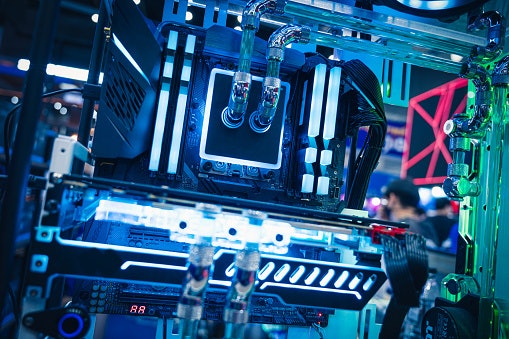
Contrary to USB-type wireless adapters, Peripheral Component Interconnect (PCI) and Peripheral Component Interconnect Express (PIC-E adapters) can perform at better speeds at more or less the same price. This is because they come with multiple antennas and spatial multiplexing for increased range and data delivery.
Perhaps the only disadvantage of these types of adapters is that they require a bit of technical know-how to install. You'll need to pry open your computer and install it on your device's motherboard. This is doable with PCs, but with laptops, you might be better off with a USB-type adapter.
Ensure That the Adapter Matches Your Router Protocols

Another thing to consider when purchasing a wireless adapter is its wireless networking standard. All routers use the 802.11 standard, but whether it uses the 802.11b or 802.11ac will determine the transmission protocol that your router supports. To ensure compatibility, ensure your router's standard is the same as your adapter's.
To date, the 802.11ac standard, also known as WiFi 5, is the fastest and most reliable wireless network standard available. This is usually recommended for users who are looking for high-speed and stable internet connectivity. Though WiFi six is the latest standard, it is still not widely accessible yet, especially at midrange prices.
Consider the Wireless Frequency Suitable for Your Space

Which wireless frequency is best for you will depend on where and how you use your WiFi. Most appliances use 2.4 GHz as they can transmit data farther at lower speeds. Get this if you are far from the router or need a larger coverage area and can do without high-speed internet.
On the other hand, if your activities require a high data rate, such as gaming and videoconferencing, then an adapter with a 5.0 GHz band is for you. It can deliver faster speeds but only within a short range. If you're living in a small space without that many walls, a 5.0 GHz adapter is the better choice.
Consider a Wireless Adapter That Meets Security Standards

Choosing a good wireless adapter might seem difficult in the beginning. Nonetheless, bear in mind that you need to pick an adapter that can meet high-security standards. Otherwise, your network will be at risk from hackers or malware. Unless proper measures are taken, just about anyone can easily access the wireless network.
There are three primary security standards for wireless connections: Wired Equivalent Privacy (WEP), Wi-Fi protected access - Pre-Shared Key (WPA-PSK), and WPA2-PSK. Among the mentioned wireless security standards, the best connection is the AES in WPA-PSK and WPA2-PSK standards.
Get a Wireless Adapter With Fast and Stable Speeds

Aside from looking at the stability, you should also consider getting a wireless adapter that offers better speed. As of writing, WiFi 6 has already arrived on the wireless adapter created by D-Link. This is a revolutionary connection in a compact form factor that could provide speeds up to 1,200 Mbps.
Couple that with the fastest USB standard of USB 3.0, and you got yourself a powerful wireless adapter. However, bear in mind that the adapter can only receive the fastest wireless signals that the router can allow. In other words, if the router can only deliver wireless N, then you can only get wireless N speeds.
Installation Should Be Hassle-Free
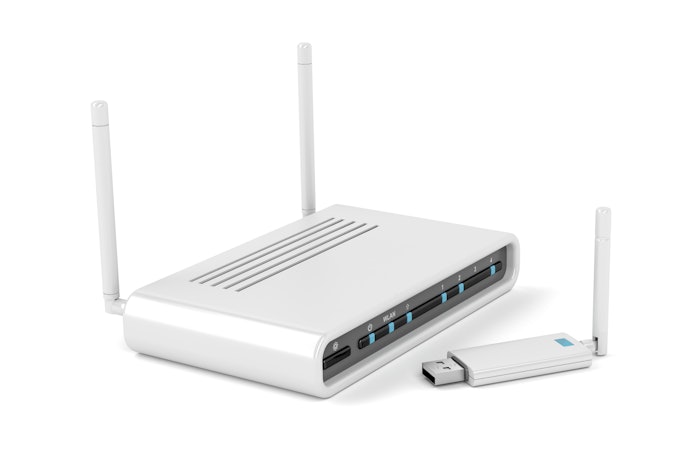
If the wireless adapter supports AOSS (a one-touch connection/installation method), it’s possible to perform a pairing between the master and slave units with one push of a button. Of course, don’t forget to make sure that the wireless network holds a secure connection.
If it doesn’t support AOSS, don’t worry; there are now plenty of wireless LAN adapters that support plug-and-play installations. In other words, all you have to do is stick the device in an appropriate USB port, and it’ll mostly do all the heavy lifting of the installation for you. You might still have to input the correct password to the network before you can access it.
Evaluate the Design of the Wireless Adapter

Ultra-small wireless LAN adapters are useful for tight spaces. Otherwise known as Nano units, these tiny wireless adapters allow you to bring it just about anywhere you want. All you have to do is plug it into the USB port, and you’re good to go. The small size is a recommended choice for bringing in additional wireless power to laptops.
On the other hand, if you want to receive a wireless signal from a faraway source, you might want to get an adapter with a built-in antenna. The additional element allows the device to increase its range when acquiring radio signals from a source. Wireless adapters with antennas are ideal for desktop computers since they are meant to be installed on stationary devices.
10 Best Wireless Adapters to Buy Online
| Products | Image | Click to purchase | Popularity | Details | |||||
|---|---|---|---|---|---|---|---|---|---|
Type | Transmission Rate | Wireless Standard | Frequency | Security | |||||
1 | WiFi6 Bluetooth USB Adapter|AX900 UGREEN |  | No.1 | USB | 900 Mbps | WiFi 6 | 2.4 GHz, 5 GHz | WPA3, WPA2, WEP | |
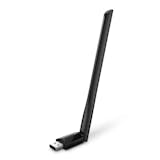
2 | Archer T2U Plus High Gain Wireless Dual Band USB Adapter |AC600 TP-Link |  | No.2 | USB | 600 Mbps | WiFi 5 | 2.4 GHz, 5 GHz | WEP, WPA-PSK, WPA2-PSK | |
3 | WiFi 6 USB Adapter Vention |  | No.3 | USB | 600 Mbps | WiFi 6 | 2.4GHz, 5GHz | WPA3, WPA2-PSK, WEP | |
4 | USB Wireless WiFi Receiver |AC-650M Rocoren |  | No.4 | USB | 650 Mbps | WiFi 5 | 2.4GHz, 5GHz | WPA-PSK, WPA2-PSK | |
5 | MU6H Wi-Fi Dongle for PC|AC650 Mercusys |  | No.5 | USB | 650 Mbps | WiFi 5 | 2.4GHz, 5GHz | WEP, WPA-PSK, WPA2-PSK | |
6 | Nano Wireless Dual Band USB Adapter |MA30N AC1300 Mercusys |  | No.6 | USB | 1300 Mbps | WiFi 5 | 2.4GHz, 5GHz | WPA3, WPA2-PSK, WEP | |
7 | Wi-Fi 6 USB Adapter|DH‑5106U AX900 Prolink |  | No.7 | USB | 900 Mbps | WiFi 6 | 2.4 GHz, 5 GHz | WPA3, WPA2-PSK, WEP | |
8 | Mini Wireless N USB Adapter |TL-WN823N TP-Link |  | No.8 | USB | 300 Mbps | WiFi 4 | 2.4 GHz | WEP, WPA-PSK, WPA2-PSK | |
9 | Wireless USB WiFi Adapter Toocki |  | No.9 | USB | 900 Mbps | WiFi 6 | 2.4GHz, 5GHz | WPA3, WPA2-PSK, WEP | |
10 | 5G Wi-Fi Dongle|CF-812AC Comfast |  | No.10 | USB | 1300 Mbps | WiFi 5 | 2.4GHz, 5GHz | WPA3, WPA2-PSK, WEP | |

UGREEN WiFi6 Bluetooth USB Adapter | AX900

Reviews mention:
Lazada shoppers in the Philippines rave about its 5 GHz performance for gaming and video calls without drops. Shopee users love the Bluetooth reliability for peripherals and note that it outperforms stock laptop antennas. A few mention needing a manual driver install on older systems, but most report plug-and-play success.
| Type | USB |
|---|---|
| Transmission Rate | 900 Mbps |
| Wireless Standard | WiFi 6 |
| Frequency | 2.4 GHz, 5 GHz |
| Security | WPA3, WPA2, WEP |
TP-Link Archer T2U Plus High Gain Wireless Dual Band USB Adapter | AC600
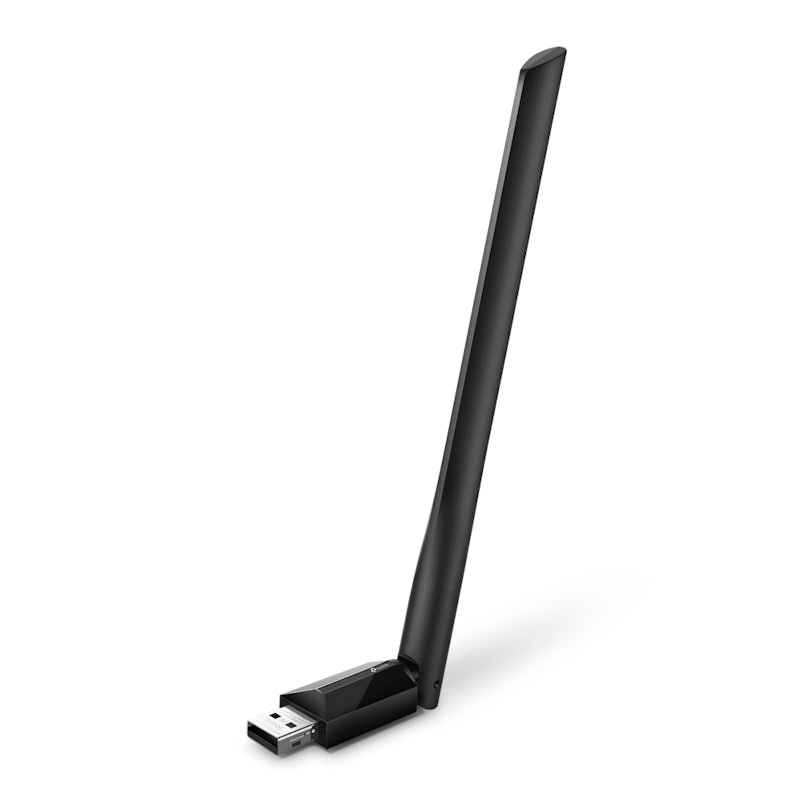
Reviews mention:
Users commonly report straightforward plug-and-play setup on Windows systems, with observed speeds around 200 Mbps. The high-gain 5 dBi antenna is frequently praised for extending range and maintaining stable connections. Some reviewers note occasional brief disconnections, which can occur roughly every 30 seconds, but overall the device is recognized for improving coverage and enhancing older devices’ performance.
| Type | USB |
|---|---|
| Transmission Rate | 600 Mbps |
| Wireless Standard | WiFi 5 |
| Frequency | 2.4 GHz, 5 GHz |
| Security | WEP, WPA-PSK, WPA2-PSK |

Reviews mention:
Pinoy users highlight its impressive value for stable 5 GHz connections in small homes, perfect for online work. Shopee buyers appreciate the easy Bluetooth pairing for headphones and note consistent performance over stock WiFi. There are occasional mentions of driver requirements for older PCs.
| Type | USB |
|---|---|
| Transmission Rate | 600 Mbps |
| Wireless Standard | WiFi 6 |
| Frequency | 2.4GHz, 5GHz |
| Security | WPA3, WPA2-PSK, WEP |
Rocoren USB Wireless WiFi Receiver | AC-650M
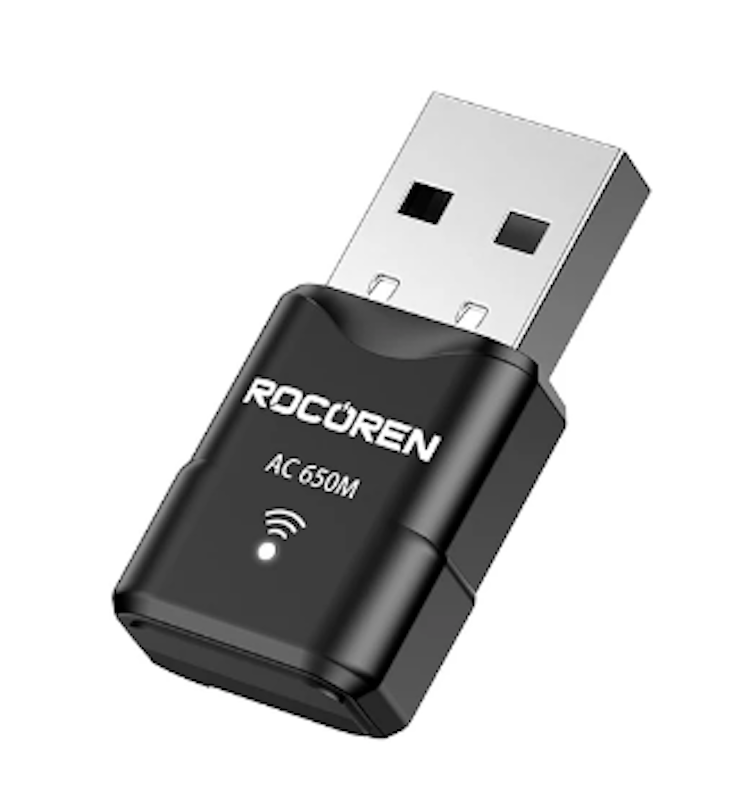
Reviews mention:
Shoppers value its pocket size for travel and note reliable network speeds for work-from-home setups. Shopee users praise the strong signal in apartments over built-in WIFI, with many highlighting the easy storage and installation.
| Type | USB |
|---|---|
| Transmission Rate | 650 Mbps |
| Wireless Standard | WiFi 5 |
| Frequency | 2.4GHz, 5GHz |
| Security | WPA-PSK, WPA2-PSK |
Mercusys MU6H Wi-Fi Dongle for PC | AC650
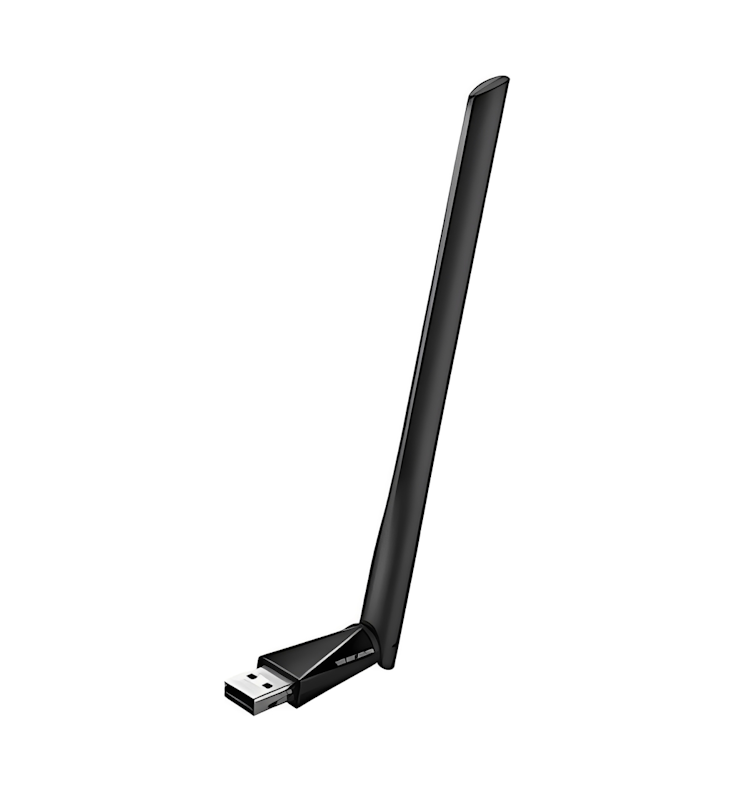
Customers notice faster, more stable connections than older USB adapters, especially for streaming and online work. They like the compact size that stays safely plugged in while traveling. Some note drivers may be needed on certain systems, but most praise its reliability.
| Type | USB |
|---|---|
| Transmission Rate | 650 Mbps |
| Wireless Standard | WiFi 5 |
| Frequency | 2.4GHz, 5GHz |
| Security | WEP, WPA-PSK, WPA2-PSK |
Mercusys Nano Wireless Dual Band USB Adapter | MA30N AC1300

Reviews mention:
Filipino buyers report seamless performance for work laptops, praising the tiny form factor, which stays plugged in permanently. Shopee feedback highlights reliable dual-band speeds, outperforming older adapters in small spaces. The perfect 5.0 rating reflects strong first impressions despite limited reviews.
| Type | USB |
|---|---|
| Transmission Rate | 1300 Mbps |
| Wireless Standard | WiFi 5 |
| Frequency | 2.4GHz, 5GHz |
| Security | WPA3, WPA2-PSK, WEP |
Prolink Wi-Fi 6 USB Adapter | DH‑5106U AX900
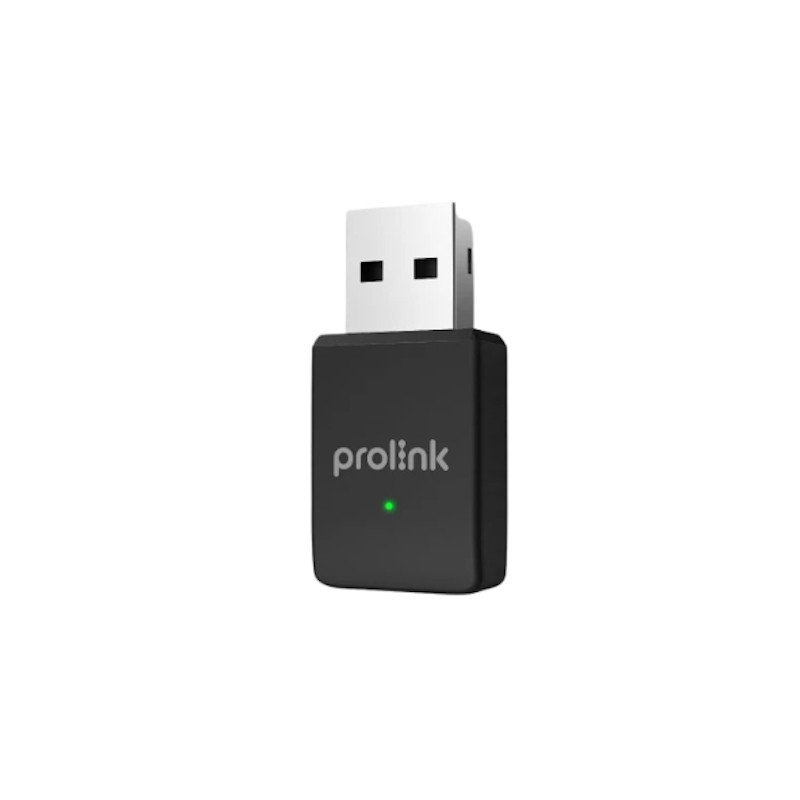
Reviews mention:
Buyers find this small adapter works well as a hotspot for sharing internet with phones and smart devices. Some would like macOS support, as it currently focuses on Windows and Linux. Many note stable 5 GHz speeds with multiple devices, though coverage is best in the same room.
| Type | USB |
|---|---|
| Transmission Rate | 900 Mbps |
| Wireless Standard | WiFi 6 |
| Frequency | 2.4 GHz, 5 GHz |
| Security | WPA3, WPA2-PSK, WEP |
TP-Link Mini Wireless N USB Adapter | TL-WN823N
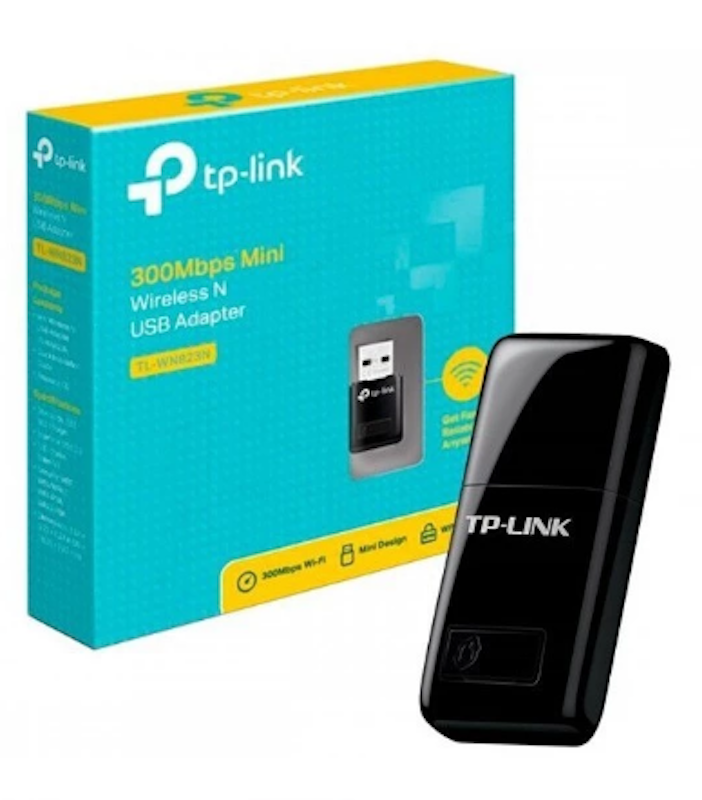
Reviews mention:
Buyers in the Philippines appreciate its tiny size for laptops and reliable signal in small apartments for browsing. Shopee users note easy plug-and-play on older Windows systems and good value for basic needs. Some mention that it is best for light use rather than heavy downloads, maintaining solid 4.92-star ratings.
| Type | USB |
|---|---|
| Transmission Rate | 300 Mbps |
| Wireless Standard | WiFi 4 |
| Frequency | 2.4 GHz |
| Security | WEP, WPA-PSK, WPA2-PSK |
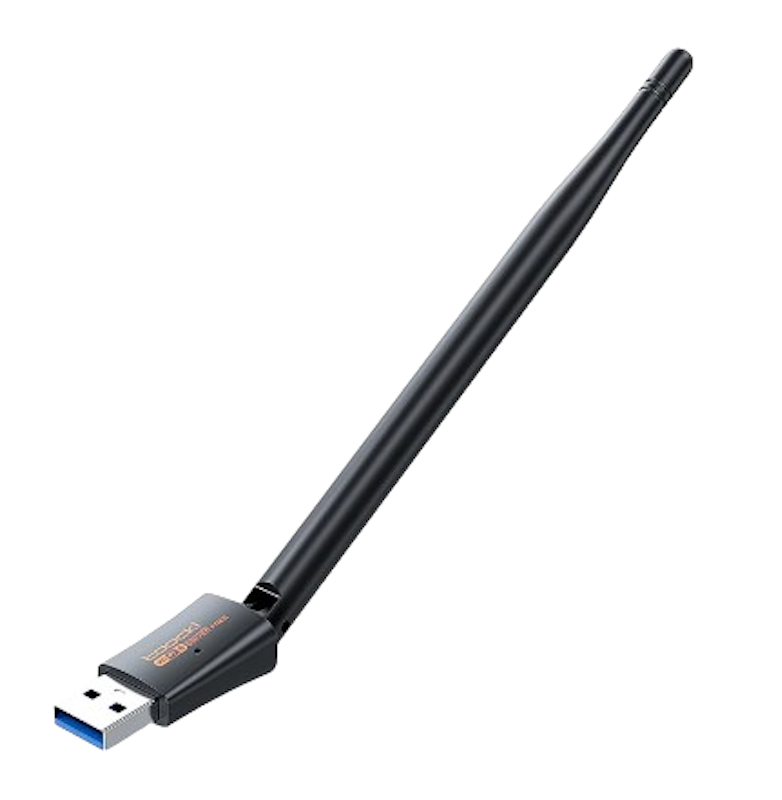
Reviews mention:
Lazada listings show perfect early scores for its low price and stable connections in Philippine homes. Shopee users value the antenna flexibility for better range than mini adapters. Feedback is limited due to newness, but no complaints are noted regarding setup or performance.
| Type | USB |
|---|---|
| Transmission Rate | 900 Mbps |
| Wireless Standard | WiFi 6 |
| Frequency | 2.4GHz, 5GHz |
| Security | WPA3, WPA2-PSK, WEP |
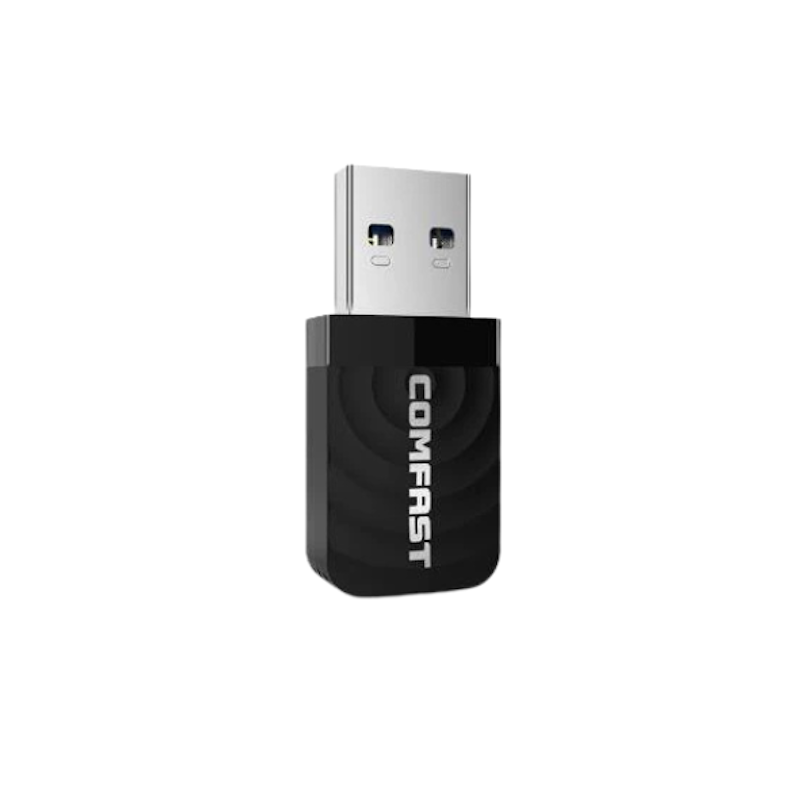
Reviews mention:
Many users say it performs well for its price, especially for work, browsing, and streaming. Buyers note setup is easy on most systems, making it beginner-friendly. Some mention the light plastic build, but overall feedback praises its value.
| Type | USB |
|---|---|
| Transmission Rate | 1300 Mbps |
| Wireless Standard | WiFi 5 |
| Frequency | 2.4GHz, 5GHz |
| Security | WPA3, WPA2-PSK, WEP |
Frequently Asked Questions
Below are some of the most asked questions on the web answered by the mybest team.
How to Connect to Wireless Adapter?
Connect your wireless adapter by simply plugging it into your laptop or PC's USB port. Some adapters require you to install the adapter directly into the motherboard, in which case you'll have to refer to the product's manual or visit the brand's website for detailed instructions on how to install it.
What Is a Wireless Adapter Used for?
Wireless adapters allow you to connect your computer to the Internet without the need to plug in any cables connected to your router. Though most devices nowadays can detect wireless networks instantly, wireless adapters enable faster and more stable connections even with multiple actions done simultaneously.
How Do I Install a Wireless Adapter?
To install a wireless adapter on your computer, you need to install certain drivers first unless the adapter is literally plug-and-play. If you're using Windows, it should automatically detect the wireless network and ask your permission to install it. For MAC users, you just need to go to settings and set up your Wi-Fi network before confirming your connection status.
Keep Up With the Latest in Networking Technology
Want to discover more products to improve your home or work wireless technology? Check out the latest items that could help you enhance your working environment. Here are some of the articles to read about.


How We Chose and Ranked Our Product Recommendations
Our buying guide was carefully researched and crafted by the mybest team of writers and editors, in collaboration with the expert featured in this article. We used the buying guide as a basis for choosing and ranking the product recommendations, and we looked at reviews and ratings from different E-commerce sites like Lazada, Shopee, and more.
The descriptions of each product are referenced from content available on manufacturer, brand, and e-commerce sites.