10 Best Wi-Fi Extenders in the Philippines 2026 | WAVLINK, TP-Link, Xiaomi, and More
Weak WiFi signals and dead zones are common in Filipino homes, especially in rooms far from the router or areas blocked by thick concrete walls. A WiFi extender helps solve this problem by receiving your router’s existing signal and rebroadcasting it to extend coverage, giving you a more reliable connection for browsing, streaming, online classes, work-from-home tasks, and gaming.
Below, we'll walk you through exactly what to check before buying a wireless extender so you don't end up with a device that underdelivers. We've also rounded up 10 of the best Wi-Fi extenders you can shop from Lazada and Shopee for your convenience.

Our recommendation articles are carefully researched and crafted by the mybest Philippines team of writers and editors. To stay true to our company’s mission and vision to help users’ selection process easier, we also collaborate with experts from various fields to ensure that our content stays factual and useful.
Why You Can Trust Us
Every mybest article is crafted with hours of in-depth research and interviews with experts. Each month, we are continually expanding our database of products based on our research. By emphasizing user insight and reliable information, we deliver trustworthy content to readers.
Wi-Fi Extender vs Wi-Fi Repeater
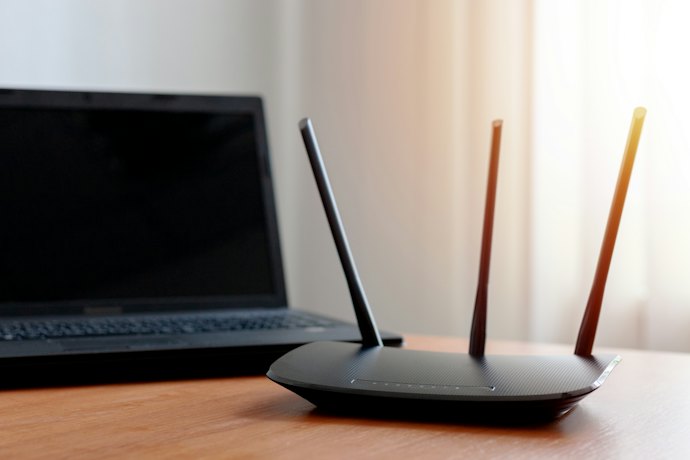
A WiFi extender is designed to expand your router’s coverage by creating a stronger connection to reach areas with weak signals. Some models use an Ethernet cable or dedicated connection to communicate with the router, helping maintain better speed and stability even in rooms farther away.
Meanwhile, a WiFi repeater simply receives your existing WiFi signal and rebroadcasts it to nearby areas. Since it uses the same wireless connection to receive and send data, it may reduce internet speed. For most homes, a WiFi extender is the better choice if you need more reliable coverage.
How to Choose a Wi-Fi Extender - Buying Guide
Choosing the right WiFi extender does not have to be complicated, even if you are not tech-savvy. By checking a few key features, you can find a model that matches your router, home layout, and internet needs. This buying guide covers important factors to consider, including compatibility, extender type, WiFi bands, coverage, security, and useful extra features.
Check Wi-Fi Extender’s Compatibility with Your Router
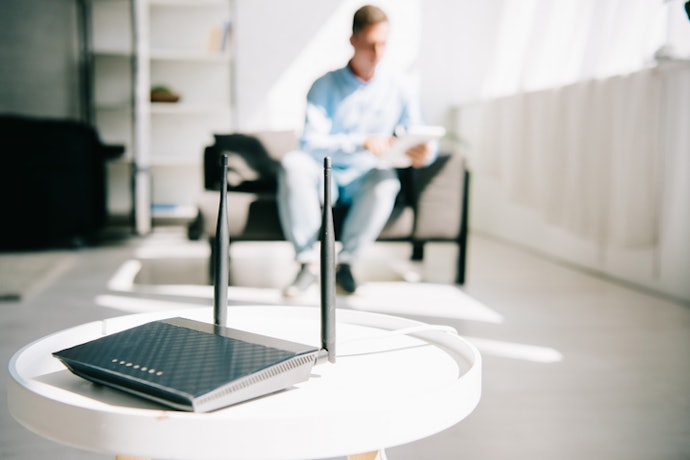
Before buying, check your router’s WiFi standard to ensure that the extender will work properly. Look for terms like WiFi 5 (802.11ac) or WiFi 6 (802.11ax), then choose an extender that supports the same standard or newer. You can usually find this information on your router’s label, admin page, app, or by searching your router model online.
If you are not sure, a dual-band WiFi extender with a newer standard, such as WiFi 6, is a good future-proof option. However, make sure it matches your actual internet speed and device needs, since a more advanced extender will not automatically make an older router faster.
Choose Between a Plug-In and a Desktop Extender
WiFi extenders usually come in two designs: plug-in and desktop models. The best choice depends on your home setup, available space, and whether you need wired connections.
Choose a Desktop Extender If You Need LAN/Ethernet Ports
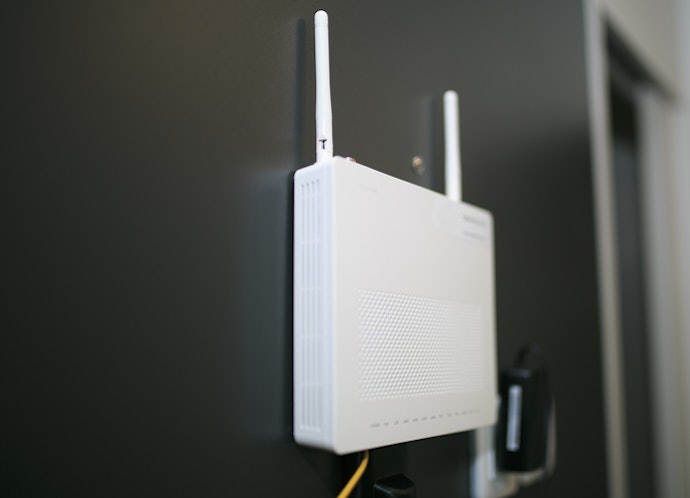
A desktop extender is a better choice if you want to connect devices like smart TVs, gaming consoles, or PCs through an Ethernet cable for a more stable connection.
These models are usually larger and offer more flexible placement, making them suitable for bigger homes or users who need both wired and wireless connectivity.
Pick A Plug-In Extender For Simple WiFi Expansion
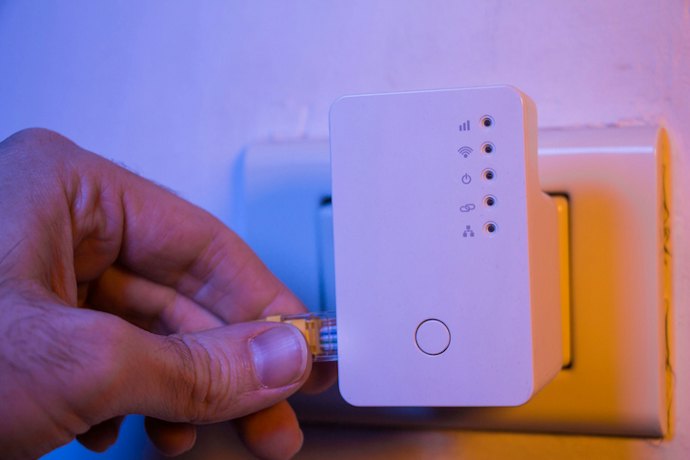
This type of extender is your best bet if you only need to improve WiFi coverage in bedrooms, home offices, or other areas with weak signals. It connects directly to a wall outlet, takes up less space, and is usually easier to install through WPS pairing or a companion app.
Prioritize Dual-Band (2.4 GHz/5 GHz) Support for Reliable Connection

A dual-band WiFi extender supports both 2.4 GHz and 5 GHz connections, giving you a better balance between range and speed. The 2.4 GHz band provides wider coverage and better wall penetration, making it suitable for devices farther from the router. Meanwhile, the 5 GHz band offers faster speeds with less interference, which is ideal for HD streaming, gaming, and video calls.
Single-band extenders can work for basic browsing, but they may struggle with multiple connected devices or higher-speed activities. For most homes, a dual-band extender is the better choice because it provides more flexibility and a more reliable connection.
Check Coverage Range And Placement Flexibility
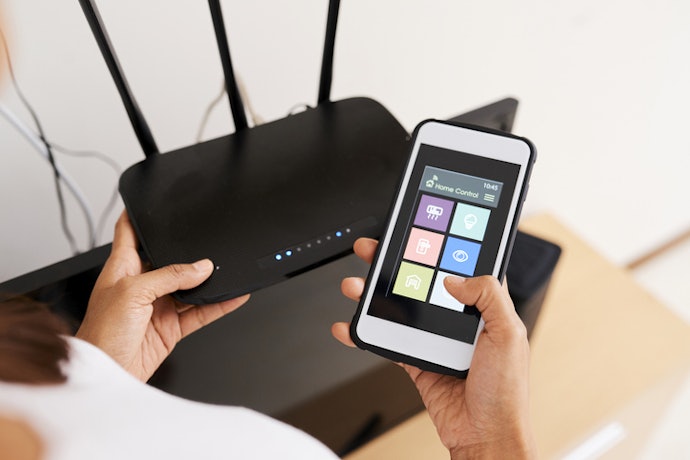
WiFi extenders come with different coverage ratings, so choose one that matches the size and layout of your home. A higher coverage range is useful for larger homes, multiple floors, or areas with thick concrete walls that can weaken signals. However, actual performance will still depend on obstacles and interference inside your home.
For easier setup, consider models with signal indicators or companion apps that help you find the best placement location. These features make it easier to position the unit where it can receive a strong signal from your router and provide better coverage.
Opt for an Extender with WPA2/WPA3 Security Support

Since a Wi-Fi extender is another access point into your home network, it's also another potential entry point for hackers. Choose an extender that supports at least WPA2-PSK (AES), or WPA3 if you want the newest and strongest encryption available.
This is especially important if you're extending a business or work-from-home network, where a compromised connection could expose sensitive files or accounts. Avoid extenders that only offer outdated WEP security, as these are much easier to breach.
Consider External Antennas And Extra Features

External antennas can help improve signal direction and stability, especially in larger homes or areas with multiple rooms. However, the number of antennas alone does not determine performance, so also consider the extender’s WiFi standard, speed rating, and coverage range.
Beyond antennas, look out for extra features like mesh support, which lets multiple extenders work under one seamless network name, companion apps for easier setup and monitoring, and outdoor-rated builds if you need coverage in a garden or yard. These small extras can make a real difference depending on your specific setup.
10 Best Wi-Fi Extenders to Buy Online
| Products | Image | Click to purchase | Popularity | Details | |||||||
|---|---|---|---|---|---|---|---|---|---|---|---|
Type | Wireless Standards | Dual Banded | Installation Process | Antennas | Wireless Security | Dimensions | |||||
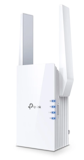
1 | Mesh Wi-Fi 6.0 Extender |RE705X AX3000 TP-Link |  | No.1 | Plug Extender | IEEE 802.11a/b/g/n/ac/ax (Wi-Fi 6) | Mobile Application, WPS Button | 2 Antenna/s | WEP, WPA, WPA2, WPA3 | 9.7 × 15.8 × 4.6 cm | ||
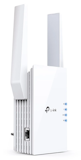
2 | Mesh Wi-Fi 6.0 Extender |RE605X AX1800 TP-Link |  | No.2 | Plug Extender | IEEE 802.11a/b/g/n/ac/ax (Wi-Fi 6) | Mobile Application, WPS Button | 1 Antenna/s | 64/128-Bit WEP, WPA, WPA2, WPA3 | 7.4 × 12.5 × 4.6 cm | ||
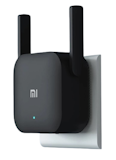
3 | Mi Wi-Fi Range Extender |AC1200 Xiaomi |  | No.3 | Plug Extender | IEEE 802.11a/n/ac (5 GHz), IEEE 802.11b/g/n (2.4 GHz) | Mobile Application, WPS Button | 2 Antenna/s | WPA PSK, WPA2 PSK | 8.4 × 10.0 × 8.2 cm | ||
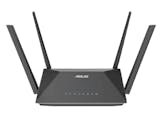
4 | WiFi 6 Extendable Router |RT-AX52 AX1800 Asus |  | No.4 | Desktop Extender | IEEE 802.11a/b/g/n/ac/ax (Wi-Fi 6) | Mobile Application, WPS Button | 4 Antenna/s | WPA2 PSK, WPA3 PSK | 19.2 × 4.8 × 12.6 cm | ||
5 | WiFi 6 Extender |AX3000/AX1800/AC1200/AC600/N300 Wavlink |  | No.5 | Outdoor Access Point / Mesh Router | IEEE 802.11a/b/g/n/ac/ax (Wi-Fi 6) | Mobile Application, WPS Button | 2–4 Antenna/s | WPA2 PSK, WPA3 PSK | ~20 × 8 × 12 cm | ||
6 | 13500 Mbps WiFi 6.0 Extender |V380 PRO 1200 |  | No.6 | Plug Extender | IEEE 802.11ac/n/g/b, Wi-Fi 5, 1200 Mbps Total Bandwidth, 300 Mbps on 2.4 GHz – 867 Mbps on 5 GHz | Mobile Application, WPS Button | 6 Antenna/s | WPA PSK, WPA2 PSK | ~12 × 6 × 5 cm | ||
7 | Wi-Fi Extender |MW301R Mercusys |  | No.7 | External Desktop Router / Range Extender (Features External Antennas Desktop / Tabletop Placement) | IEEE 802.11b/g/n | Web Browser Interface, WPS Button | 2 Antenna/s | WPA PSK, WPA2 PSK | 11.4 × 2.6 × 9.4 cm | ||
8 | Wi-Fi 5.0 Extender |A18 Pro AC120 Tenda |  | No.8 | Plug Extender | IEEE 802.11b/g/n/ac (Wi-Fi 5) | Mobile Application, WPS Button | 2 Antenna/s | WPA PSK, WPA2 PSK | 7.2 × 16.1 × 3.2 cm | ||
9 | 300 Mbps WiFi Extender |V380 PRO X Avidus/Kimi Moto |  | No.9 | Plug Extender | IEEE 802.11b/g/n | Mobile Application, WPS Button | 6 Antenna/s | WPA PSK, WPA2 PSK | ~12 × 6 × 5 cm | ||
10 | WiFi Extender |N300 Xiaomi |  | No.10 | Plug Extender | IEEE 802.11b/g/n | Mi Home App, Reset Button / Web Interface | 2 Antenna/s | WPA PSK, WPA2 PSK | 8.0 × 7.0 × 5.4 cm | ||

TP-Link Mesh Wi-Fi 6.0 Extender | RE705X AX3000
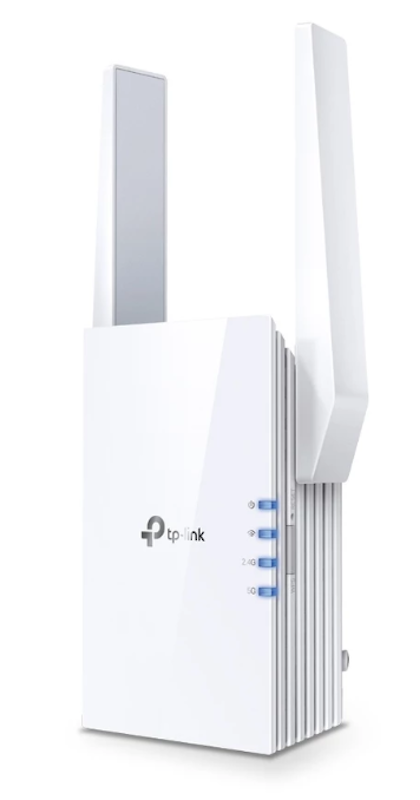
| Type | Plug Extender |
|---|---|
| Wireless Standards | IEEE 802.11a/b/g/n/ac/ax (Wi-Fi 6) |
| Dual Banded | |
| Installation Process | Mobile Application, WPS Button |
| Antennas | 2 Antenna/s |
| Wireless Security | WEP, WPA, WPA2, WPA3 |
| Dimensions | 9.7 × 15.8 × 4.6 cm |
TP-Link Mesh Wi-Fi 6.0 Extender | RE605X AX1800
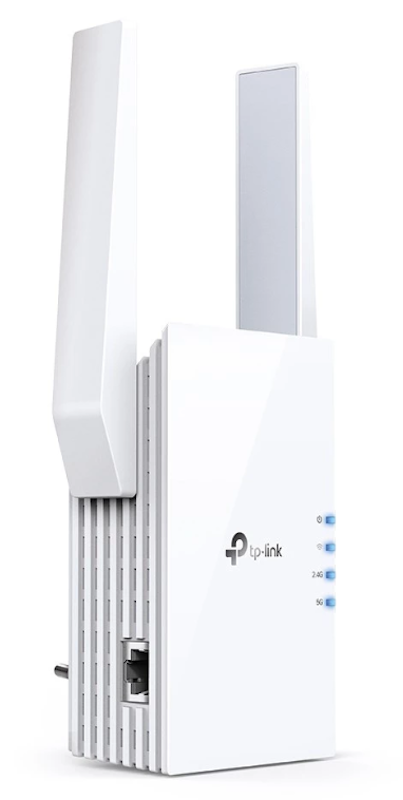
| Type | Plug Extender |
|---|---|
| Wireless Standards | IEEE 802.11a/b/g/n/ac/ax (Wi-Fi 6) |
| Dual Banded | |
| Installation Process | Mobile Application, WPS Button |
| Antennas | 1 Antenna/s |
| Wireless Security | 64/128-Bit WEP, WPA, WPA2, WPA3 |
| Dimensions | 7.4 × 12.5 × 4.6 cm |
Xiaomi Mi Wi-Fi Range Extender | AC1200
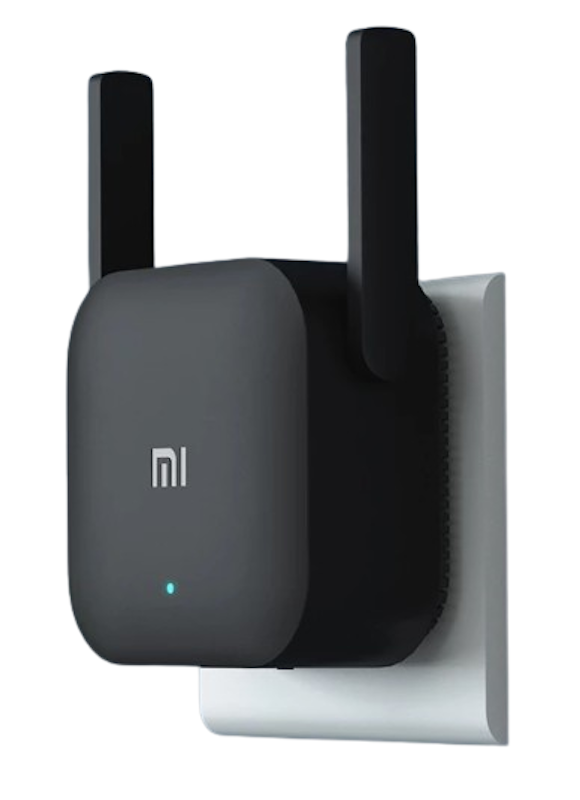
| Type | Plug Extender |
|---|---|
| Wireless Standards | IEEE 802.11a/n/ac (5 GHz), IEEE 802.11b/g/n (2.4 GHz) |
| Dual Banded | |
| Installation Process | Mobile Application, WPS Button |
| Antennas | 2 Antenna/s |
| Wireless Security | WPA PSK, WPA2 PSK |
| Dimensions | 8.4 × 10.0 × 8.2 cm |
Asus WiFi 6 Extendable Router | RT-AX52 AX1800
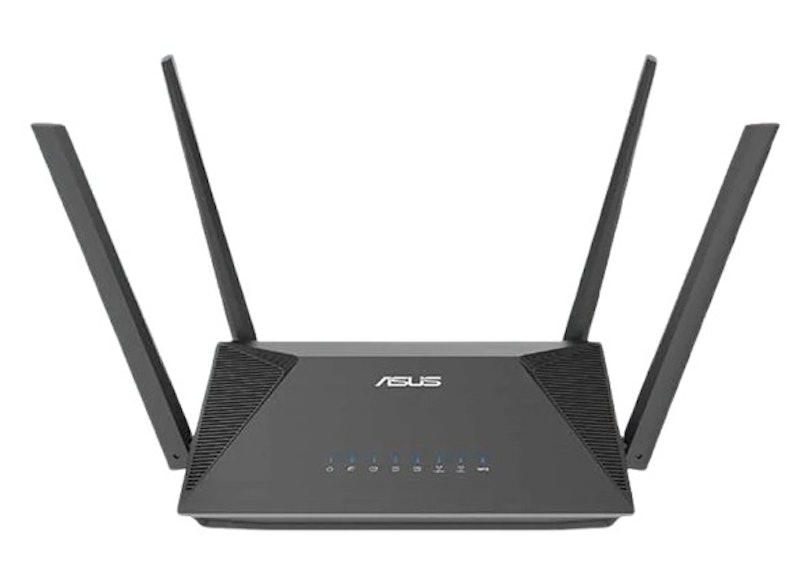
| Type | Desktop Extender |
|---|---|
| Wireless Standards | IEEE 802.11a/b/g/n/ac/ax (Wi-Fi 6) |
| Dual Banded | |
| Installation Process | Mobile Application, WPS Button |
| Antennas | 4 Antenna/s |
| Wireless Security | WPA2 PSK, WPA3 PSK |
| Dimensions | 19.2 × 4.8 × 12.6 cm |
WavlinkWiFi 6 Extender | AX3000/AX1800/AC1200/AC600/N300
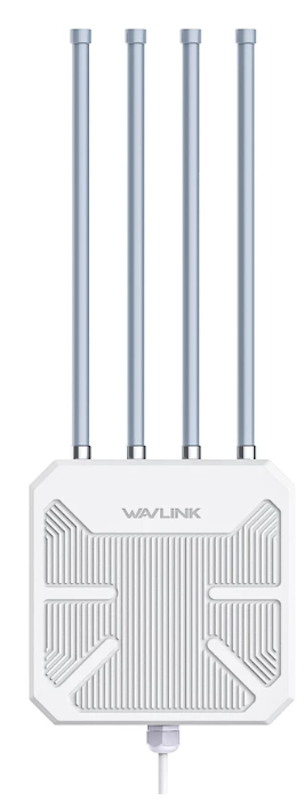
| Type | Outdoor Access Point / Mesh Router |
|---|---|
| Wireless Standards | IEEE 802.11a/b/g/n/ac/ax (Wi-Fi 6) |
| Dual Banded | |
| Installation Process | Mobile Application, WPS Button |
| Antennas | 2–4 Antenna/s |
| Wireless Security | WPA2 PSK, WPA3 PSK |
| Dimensions | ~20 × 8 × 12 cm |
13500 Mbps WiFi 6.0 Extender | V380 PRO 1200
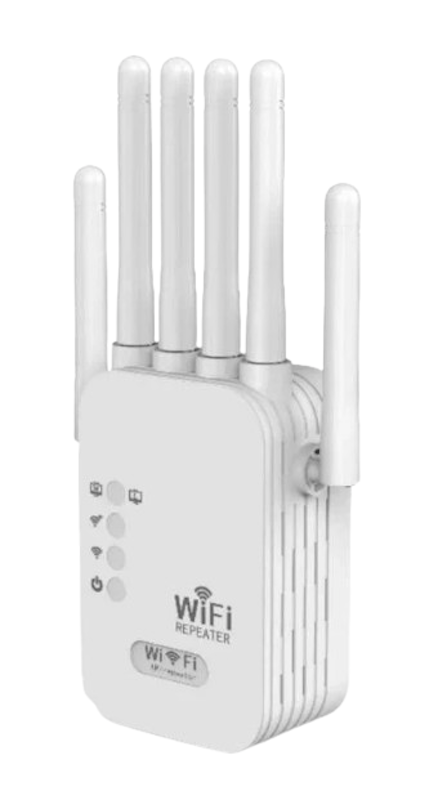
| Type | Plug Extender |
|---|---|
| Wireless Standards | IEEE 802.11ac/n/g/b, Wi-Fi 5, 1200 Mbps Total Bandwidth, 300 Mbps on 2.4 GHz – 867 Mbps on 5 GHz |
| Dual Banded | |
| Installation Process | Mobile Application, WPS Button |
| Antennas | 6 Antenna/s |
| Wireless Security | WPA PSK, WPA2 PSK |
| Dimensions | ~12 × 6 × 5 cm |
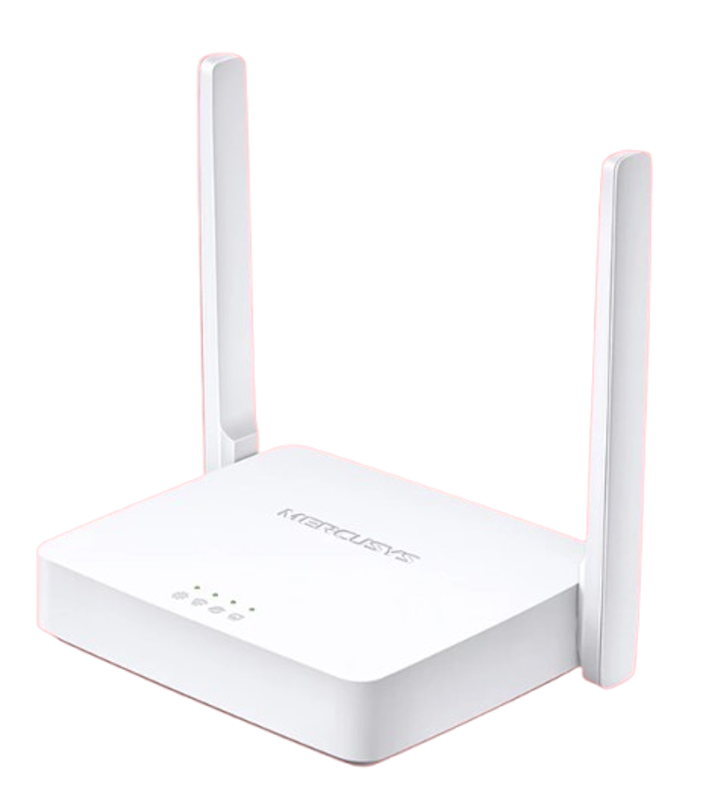
| Type | External Desktop Router / Range Extender (Features External Antennas Desktop / Tabletop Placement) |
|---|---|
| Wireless Standards | IEEE 802.11b/g/n |
| Dual Banded | |
| Installation Process | Web Browser Interface, WPS Button |
| Antennas | 2 Antenna/s |
| Wireless Security | WPA PSK, WPA2 PSK |
| Dimensions | 11.4 × 2.6 × 9.4 cm |
Tenda Wi-Fi 5.0 Extender | A18 Pro AC120
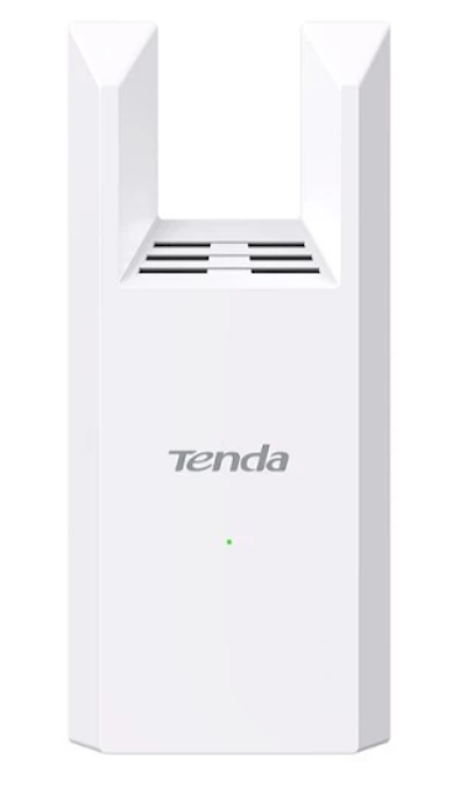
| Type | Plug Extender |
|---|---|
| Wireless Standards | IEEE 802.11b/g/n/ac (Wi-Fi 5) |
| Dual Banded | |
| Installation Process | Mobile Application, WPS Button |
| Antennas | 2 Antenna/s |
| Wireless Security | WPA PSK, WPA2 PSK |
| Dimensions | 7.2 × 16.1 × 3.2 cm |
Avidus/Kimi Moto 300 Mbps WiFi Extender | V380 PRO X
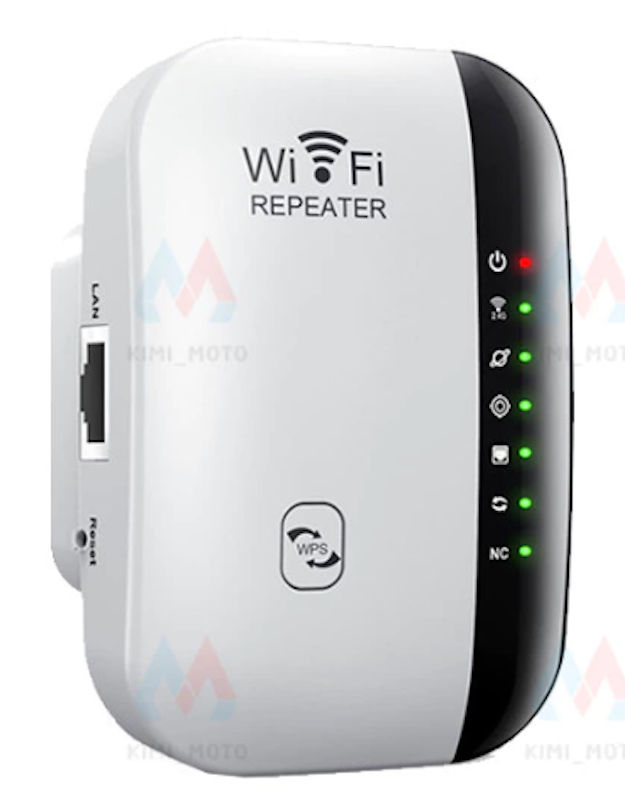
| Type | Plug Extender |
|---|---|
| Wireless Standards | IEEE 802.11b/g/n |
| Dual Banded | |
| Installation Process | Mobile Application, WPS Button |
| Antennas | 6 Antenna/s |
| Wireless Security | WPA PSK, WPA2 PSK |
| Dimensions | ~12 × 6 × 5 cm |
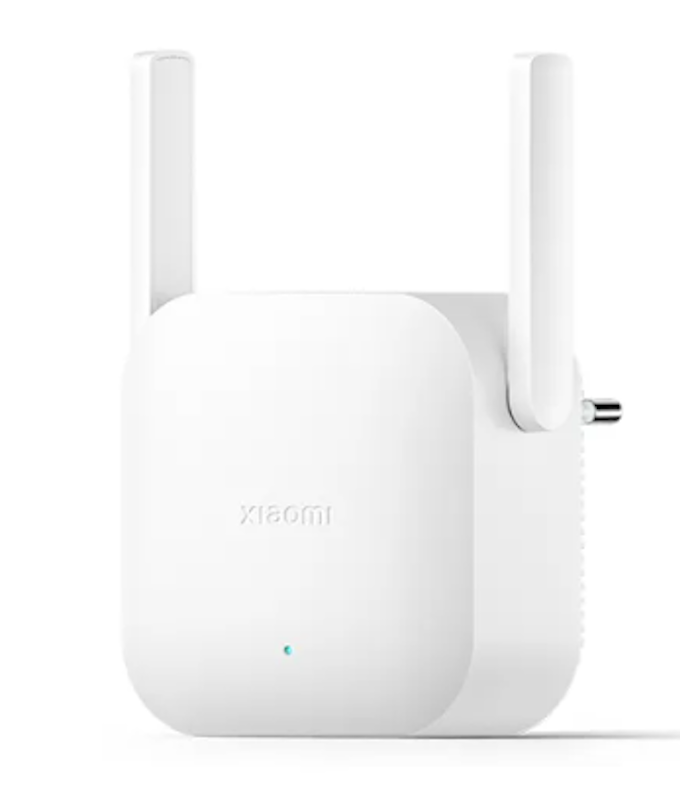
| Type | Plug Extender |
|---|---|
| Wireless Standards | IEEE 802.11b/g/n |
| Dual Banded | |
| Installation Process | Mi Home App, Reset Button / Web Interface |
| Antennas | 2 Antenna/s |
| Wireless Security | WPA PSK, WPA2 PSK |
| Dimensions | 8.0 × 7.0 × 5.4 cm |
Frequently Asked Questions
Below are some of the most asked questions on the web answered by the mybest team.
How Many Wi-Fi Extenders Can I Use?
Wi-Fi extenders make our lives easier by giving us access to the internet even if we're far from the router. If you live in a spacious home with many dead zones, Wi-Fi extenders can be highly beneficial. The good news is, you can use as many as you need!
However, keep in mind that you should connect each extender to the main router and not to another extender. Also, both extenders should not broadcast the same SSID as the primary router. When this happens, the extenders will try to connect to each other and not to the router, so you'll end up with no internet connection.
Why Does My Wi-Fi Extender Keep on Disconnecting?
Your Wi-Fi extender might be disconnecting from your device for several reasons. The first is improper placement of your range extender. You might also be connected to a different Wi-Fi network other than your primary router. The last reason is that your Wi-Fi extender's firmware could be outdated.
To deal with this problem, make sure that your extender is placed strategically. Make sure it's not too far from the main router as well as your device. Also, check if the extender is connected to the main router and not another extender. Finally, keep your Wi-Fi extender's firmware up-to-date and check if it's plugged into a stable power source.
How Often Should I Reset My Wi-Fi Extender?
A router reboot can do wonders for your internet connection. By rebooting it, you are basically clearing its short-term memory or cache so it can keep running smoothly. Also, rebooting is a good security practice for protecting your internet from malware attacks.
If you have a relatively new unit, it is good enough to reboot it once a month or even less frequently. On the other hand, if you have an old and outdated unit, then it might be best to reboot it weekly or even daily if you run into connectivity issues all the time.
More Options for Your WiFi Needs
Looking to upgrade your Wi-Fi router? Interested in purchasing a Wi-Fi USB adapter for your laptop? Here are some of our articles on those topics featuring a list of the top 10 products and a buying guide to help you decide!


Author:I. Honda
How We Chose and Ranked Our Product Recommendations
Our buying guide was carefully researched and crafted by the mybest team of writers and editors. We used the buying guide as a basis for choosing and ranking the product recommendations, and we looked at reviews and ratings from different E-commerce sites like Lazada, Shopee, and more.
The descriptions of each product are referenced from content available on manufacturer, brand, and e-commerce sites.