10 Best Wi-Fi Routers in the Philippines 2026 | TP-Link, Mercusys, and More
As internet access has become a daily necessity, the basic modem provided by most internet service providers often falls short in handling multiple smart devices. Upgrading to one of the best Wi-Fi routers helps you maximize your subscribed speed, improve coverage, and enjoy more stable connections with fewer interruptions.
Whether for gaming, streaming, video calls, or large file downloads, a reliable router ensures smoother performance across all your devices. In this article, we’ve rounded up the best Wi-Fi routers available on Lazada and Shopee in the Philippines, along with a buying guide to help you choose the right model for your needs and budget.

Our recommendation articles are carefully researched and crafted by the mybest Philippines team of writers and editors. To stay true to our company’s mission and vision to help users’ selection process easier, we also collaborate with experts from various fields to ensure that our content stays factual and useful.
Why You Can Trust Us
Every mybest article is crafted with hours of in-depth research and interviews with experts. Each month, we are continually expanding our database of products based on our research. By emphasizing user insight and reliable information, we deliver trustworthy content to readers.
How to Choose a Wi-Fi Router - Buying Guide
Choosing the right Wi-Fi router can make a huge difference in your internet speed, coverage, and overall experience. This guide will help you find the best one based on your needs and budget.
Go for One with Wi-Fi 6 Protocol or Newer for Better Speed and Efficiency

While checking a router’s specifications, you may come across technical labels like 802.11ax or 802.11be. These refer to the Wi-Fi generation or protocol, which indicates how fast your router can transmit data and how well it handles multiple connected devices in a busy household or office.
Wi-Fi 6 routers are the most practical choice for most users today, as they can efficiently support multiple smartphones, laptops, and smart TVs simultaneously while minimizing lag and stuttering. However, if you want more advanced and future-ready performance, you can opt for Wi-Fi 6E or Wi-Fi 7 routers, which offer even higher speeds and improved efficiency, though they tend to be more expensive.
Consider a Router with Dual-Band Support to Secure Multiple Connectivity Options

When picking a modern router, make sure it supports the 2.4 GHz and 5 GHz bands. Dual-band support in a router allows you to connect your devices strategically based on your location and specific internet speeds.
2.4 GHz: This band acts as a far-range channel. It may offer slightly lower speeds, but its signal can cut through walls, making it perfect for tasks that do not require high-performance speeds. They include scrolling through social media, streaming on your TV, or checking the status of your smart appliances.
5 GHz: Acting as a short-range channel, 5 GHz requires you to be closer to your router so it can give you maximum internet speeds with zero interference. This is ideal for heavy, high-performance activities such as competitive gaming, smooth video calling, or downloading large files.
Opting for a dual-band router, at the minimum, gives your home or office the ultimate balance of reliable range and raw internet speed.
Consider External Antennas to Help Improve Wi-Fi Coverage
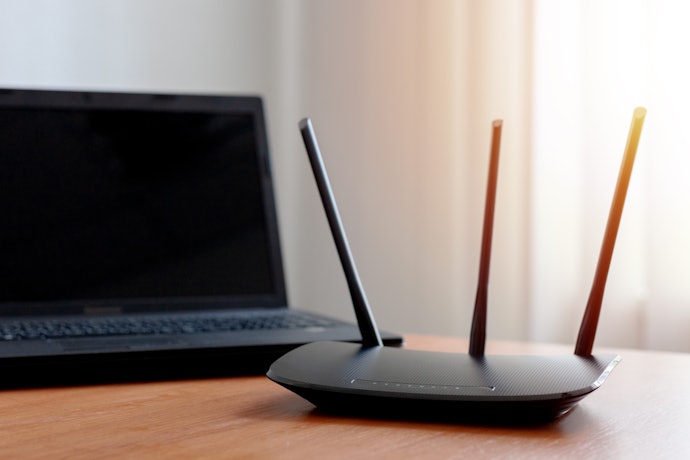
Investing in a modern router can already guarantee improved Wi-Fi coverage, even with its internal antennas alone. But having additional external antennas can significantly boost the reach of your network.
For the best results, look for a router that features two or more external antennas. These antennas are movable and tiltable, giving you the flexibility to adjust and direct the wireless signal toward weaker zones in your home or office. This also gives you a much more stable baseline network coverage, minimizing dead spots before they ruin your connection.
Get a Wi-Fi Router That Is Compatible With Your Internet Modem
When getting a router, you must make sure it will work with your existing modem from your ISP. This way, you can enjoy the full speed of your internet plan without any hiccups along the way.
Gigabit Ports Ensure Access to Full Modem Speeds
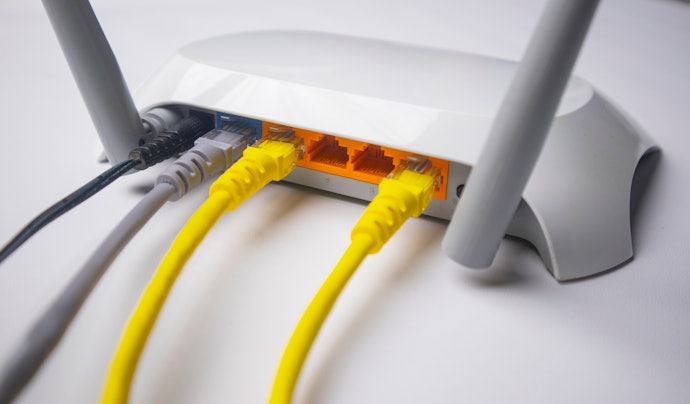
Some routers are limited to 100 Mbps Ethernet ports, which can become a bottleneck if you have a faster internet plan. If you're subscribed to a fiber plan of 300 Mbps or higher, choose a router with Gigabit (1000 Mbps) ports to fully support your internet speed.
Gigabit ports let your router deliver your subscription speeds more efficiently to multiple connected devices, helping prevent slowdowns caused by hardware limitations.
Access Point Mode for Better Wi-Fi Control

If your ISP's stock modem has weak Wi-Fi coverage or struggles to keep up with multiple devices, connect a dedicated Wi-Fi router and set it to Access Point (AP) Mode or Bridge Mode. This allows the new router to handle your wireless network, often providing stronger coverage and more reliable performance than the modem's built-in Wi-Fi.
With this setup, your devices connect to the new router instead of the modem's weaker Wi-Fi, resulting in faster, more stable connections for smartphones, laptops, smart TVs, and other connected devices.
Look for Multiple Ports to Support Direct Wired Connections
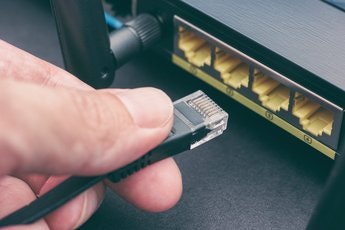
Choose a router with enough LAN ports if you plan to connect devices such as gaming PCs, consoles, desktop computers, or smart TVs via Ethernet. A wired connection delivers faster, more stable speeds and lower latency than Wi-Fi, making it ideal for gaming, 4K streaming, video calls, and other bandwidth-intensive tasks.
Gamers and professionals often prefer wired connections because they provide consistent performance with minimal lag. They also serve as a reliable backup if your Wi-Fi becomes unstable. Just keep in mind that Ethernet cables need to be routed neatly, as they can quickly create clutter if left exposed.
Invest in One with Security Features to Protect Your Network
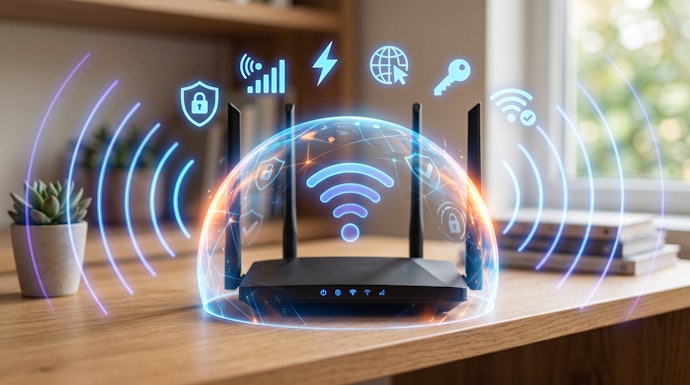
Prioritize routers with built-in security features to help protect your personal information from hackers, malware, and unauthorized access. Modern routers often include several layers of protection, but the following features are the most important to look for:
WPA3 Security Protocol: Choose a router that supports WPA3, the latest Wi-Fi encryption standard. It offers stronger protection than older protocols, making it much harder for attackers to guess your Wi-Fi password or intercept your data.
Built-in Firewall: A firewall monitors network traffic and blocks suspicious or unauthorized connections before they reach your devices, adding an extra layer of protection for everyone on your network.
MAC Address Filtering: This feature lets you create a list of approved devices that can connect to your Wi-Fi. Even if someone knows your password, unapproved devices can be prevented from joining your network.
Guest Network: A guest network creates a separate Wi-Fi connection for visitors, keeping your personal devices and files isolated from guest traffic. This is especially useful if you frequently have friends, family, or customers connecting to your Wi-Fi.
These features work together to make your home network more secure. While no router is completely immune to cyber threats, choosing one with these protections and keeping its firmware up to date can significantly reduce security risks.
10 Best Wi-Fi Routers to Buy Online
| Products | Image | Click to purchase | Popularity | Details | |||||||
|---|---|---|---|---|---|---|---|---|---|---|---|
Best For | Wi-Fi Standard | Frequency Bands | Speeds | Multi-Core Processor | Ports | No. of Antennas | |||||
1 | WiFi Router |Archer BE550 BE9300 TP-Link |  | No.1 | Home Use, Office Use | Wi-Fi 7 | Tri-Band | 9300 Mbps (6 GHz: 5760, 5 GHz: 2880, 2.4 GHz: 688) | 1× 2.5G WAN, 4× 2.5G LAN, 1× USB 3.0 | 6 Internal | ||
2 | WiFi 6 Extendable Router |RT-AX52 AX1800 Asus |  | No.2 | Home Use, Office Use | Wi-Fi 6 | Dual-Band | 1800 Mbps (5 GHz: 1201, 2.4 GHz: 574) | 1× Gigabit WAN, 4× Gigabit LAN | 4 External | ||
3 | Wi-Fi Router|F3 Tenda |  | No.3 | Home Use | Wi-Fi 4 (802.11n) | Single-Band (2.4 GHz) | 300 Mbps | 1× 10/100 WAN, 3× 10/100 LAN | 3 External (5 dBi) | ||
4 | WiFi Router|DL-7211 Prolink |  | No.4 | Home Use, Office Use, Travel | Wi-Fi 6 | Dual-Band | 1200 Mbps (5 GHz: 600, 2.4 GHz: 600) | 1× USB Type-C (Power/Data), SIM Tray | Internal (2×2 MU-MIMO Wi-Fi, 4×4 MIMO LTE/5G) | ||
5 | WiFi Router |AC1200 Wavlink |  | No.5 | Home Use, Office Use | Wi-Fi 5 (802.11ac) | Dual-Band | 1200 (5 GHz: 867, 2.4 GHz: 300) | 1× Gigabit WAN, 2× Gigabit LAN | 4 External (5 dBi) | ||
6 | WiFi Router |Chateau Proax MikroTik |  | No.6 | Home Use, Office Use, SOHO | Wi-Fi 6 | Dual-Band | 3600 (5 GHz: 2400, 2.4 GHz: 1148) | 5× Gigabit Ethernet (1× PoE-Out), 1× USB 3.0 | Internal (4×4 MIMO, 5 dBi–6 dBi Gain) | ||
7 | Wi-Fi Router |DWR-M955X AX1500 D-Link |  | No.7 | Home Use, Office Use, Mobile | Wi-Fi 6 | Dual-Band | 1500 (5 GHz: 1200, 2.4 GHz: 300) | 1× Gigabit WAN/LAN, 3× Gigabit LAN, SIM Slot | 4 External (2× 5 dBi Wi-Fi, 2× 5 dBi LTE) | ||
8 | WiFi Router Expose |  | No.8 | Home Use, Office Use, Travel | Wi-Fi 4 | Dual-Band (2.4 GHz) | 300 Mbps | 1× 10/100 WAN/LAN, 1× 10/100 LAN, SIM Slot | 2–3 External (Internal WiFi Antenna) | ||
9 | Wi-Fi Router |TL-MR6400 TP-Link |  | No.9 | Home Use, Office Use, Mobile | Wi-Fi 4 (802.11n) | Single-Band (2.4 GHz) | 300 Mbps | 1× 10/100 WAN/LAN, 3× 10/100 LAN, SIM Slot | 2 Detachable External LTE, 2 Internal WiFi | ||
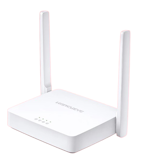
10 | Wi-Fi Extender |MW301R Mercusys |  | No.10 | Home Use | Wi-Fi 4 (802.11n) | Single-Band (2.4 GHz) | 300 Mbps | 1× 10/100 WAN, 2× 10/100 LAN | 2 External (5 dBi) | ||

TP-Link WiFi Router | Archer BE550 BE9300
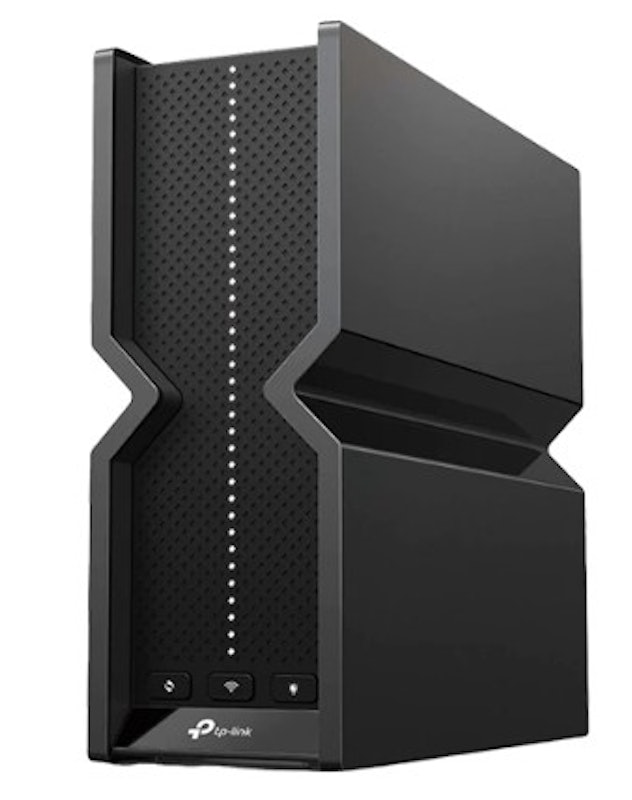
| Best For | Home Use, Office Use |
|---|---|
| Wi-Fi Standard | Wi-Fi 7 |
| Frequency Bands | Tri-Band |
| Speeds | 9300 Mbps (6 GHz: 5760, 5 GHz: 2880, 2.4 GHz: 688) |
| Multi-Core Processor | |
| Ports | 1× 2.5G WAN, 4× 2.5G LAN, 1× USB 3.0 |
| No. of Antennas | 6 Internal |
Asus WiFi 6 Extendable Router | RT-AX52 AX1800
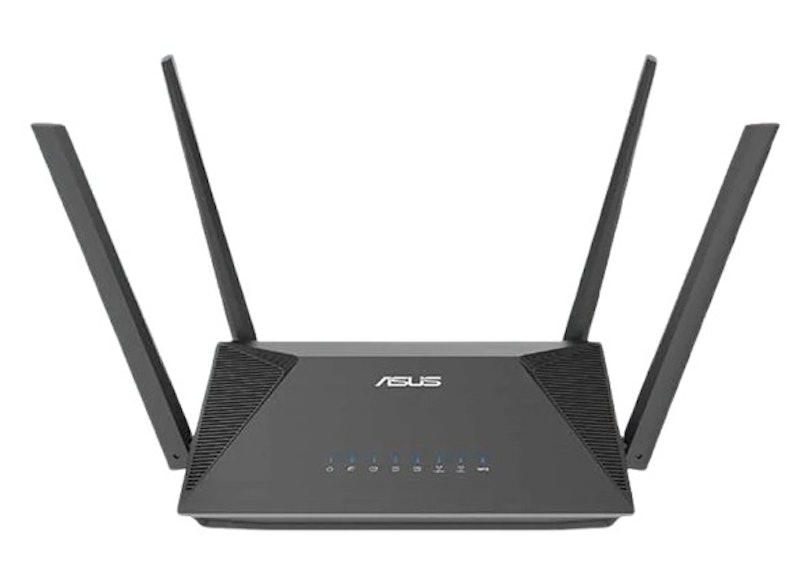
| Best For | Home Use, Office Use |
|---|---|
| Wi-Fi Standard | Wi-Fi 6 |
| Frequency Bands | Dual-Band |
| Speeds | 1800 Mbps (5 GHz: 1201, 2.4 GHz: 574) |
| Multi-Core Processor | |
| Ports | 1× Gigabit WAN, 4× Gigabit LAN |
| No. of Antennas | 4 External |
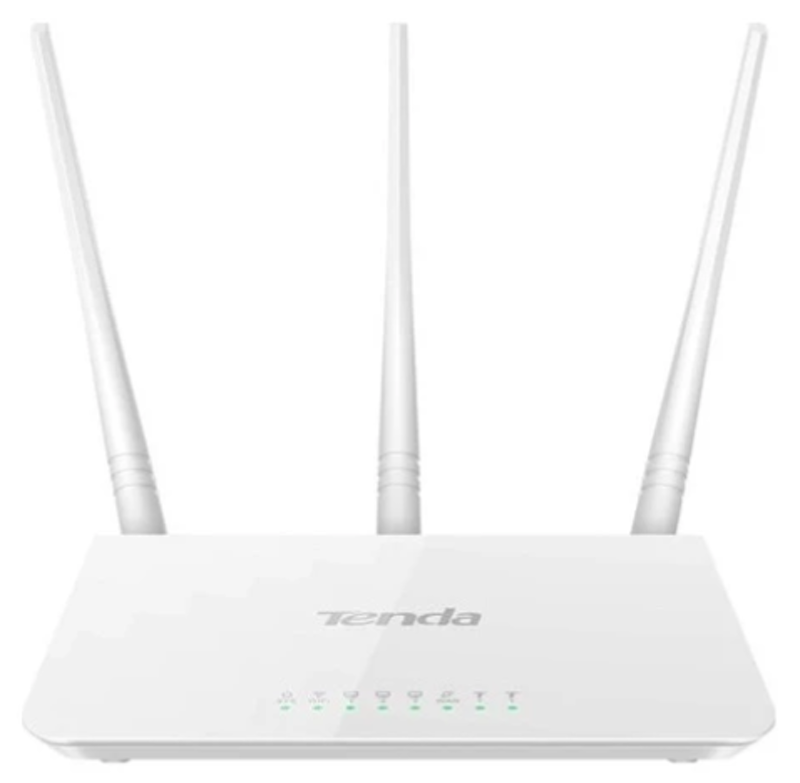
| Best For | Home Use |
|---|---|
| Wi-Fi Standard | Wi-Fi 4 (802.11n) |
| Frequency Bands | Single-Band (2.4 GHz) |
| Speeds | 300 Mbps |
| Multi-Core Processor | |
| Ports | 1× 10/100 WAN, 3× 10/100 LAN |
| No. of Antennas | 3 External (5 dBi) |

| Best For | Home Use, Office Use, Travel |
|---|---|
| Wi-Fi Standard | Wi-Fi 6 |
| Frequency Bands | Dual-Band |
| Speeds | 1200 Mbps (5 GHz: 600, 2.4 GHz: 600) |
| Multi-Core Processor | |
| Ports | 1× USB Type-C (Power/Data), SIM Tray |
| No. of Antennas | Internal (2×2 MU-MIMO Wi-Fi, 4×4 MIMO LTE/5G) |
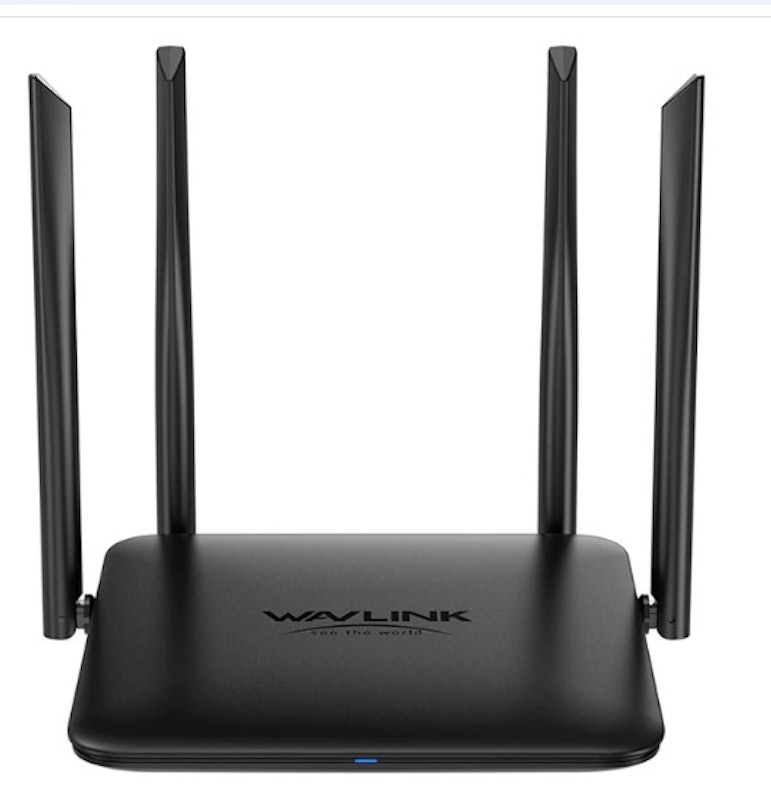
| Best For | Home Use, Office Use |
|---|---|
| Wi-Fi Standard | Wi-Fi 5 (802.11ac) |
| Frequency Bands | Dual-Band |
| Speeds | 1200 (5 GHz: 867, 2.4 GHz: 300) |
| Multi-Core Processor | |
| Ports | 1× Gigabit WAN, 2× Gigabit LAN |
| No. of Antennas | 4 External (5 dBi) |
MikroTik WiFi Router | Chateau Proax
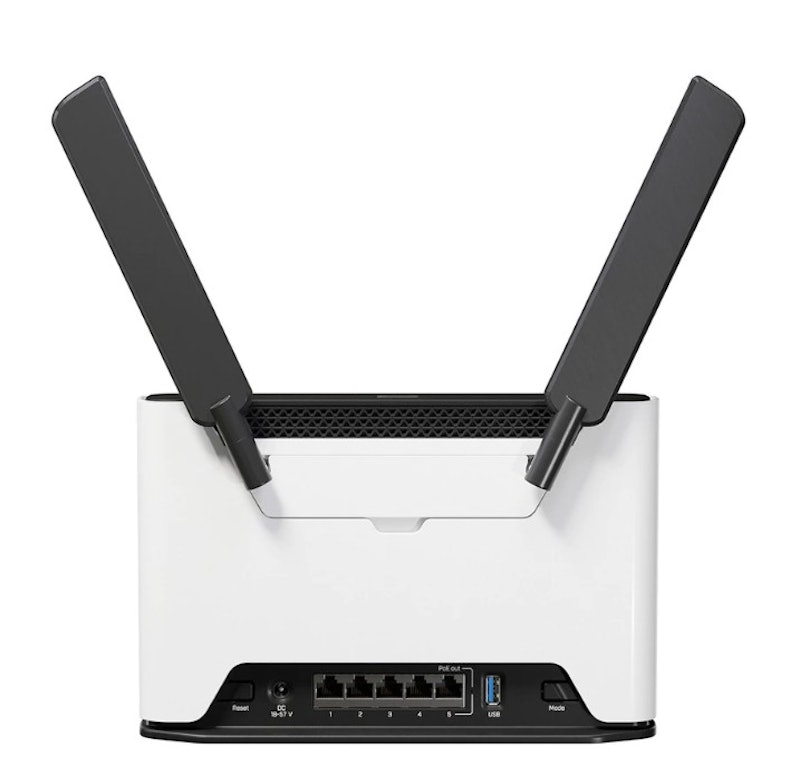
| Best For | Home Use, Office Use, SOHO |
|---|---|
| Wi-Fi Standard | Wi-Fi 6 |
| Frequency Bands | Dual-Band |
| Speeds | 3600 (5 GHz: 2400, 2.4 GHz: 1148) |
| Multi-Core Processor | |
| Ports | 5× Gigabit Ethernet (1× PoE-Out), 1× USB 3.0 |
| No. of Antennas | Internal (4×4 MIMO, 5 dBi–6 dBi Gain) |
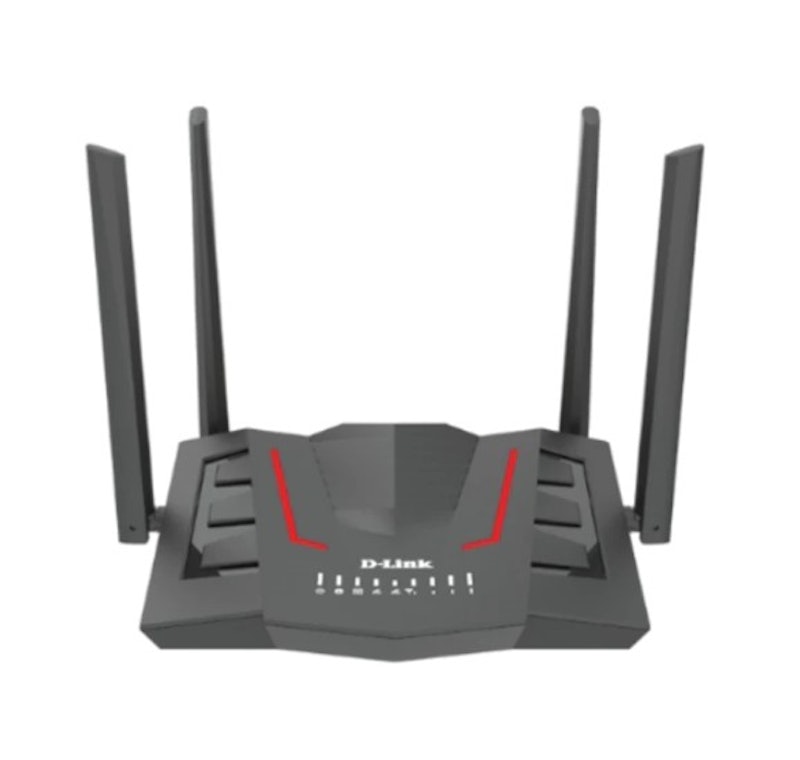
| Best For | Home Use, Office Use, Mobile |
|---|---|
| Wi-Fi Standard | Wi-Fi 6 |
| Frequency Bands | Dual-Band |
| Speeds | 1500 (5 GHz: 1200, 2.4 GHz: 300) |
| Multi-Core Processor | |
| Ports | 1× Gigabit WAN/LAN, 3× Gigabit LAN, SIM Slot |
| No. of Antennas | 4 External (2× 5 dBi Wi-Fi, 2× 5 dBi LTE) |
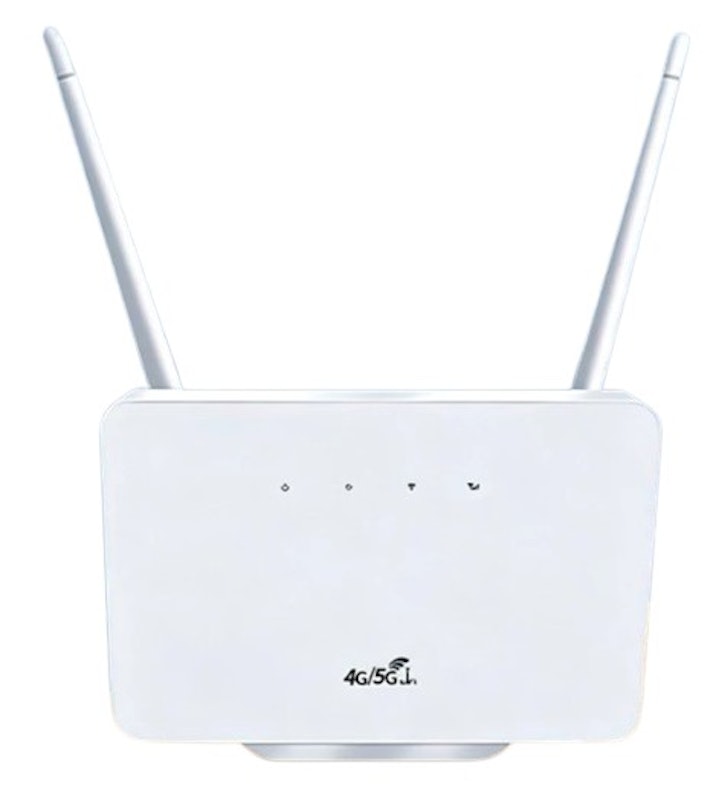
| Best For | Home Use, Office Use, Travel |
|---|---|
| Wi-Fi Standard | Wi-Fi 4 |
| Frequency Bands | Dual-Band (2.4 GHz) |
| Speeds | 300 Mbps |
| Multi-Core Processor | |
| Ports | 1× 10/100 WAN/LAN, 1× 10/100 LAN, SIM Slot |
| No. of Antennas | 2–3 External (Internal WiFi Antenna) |
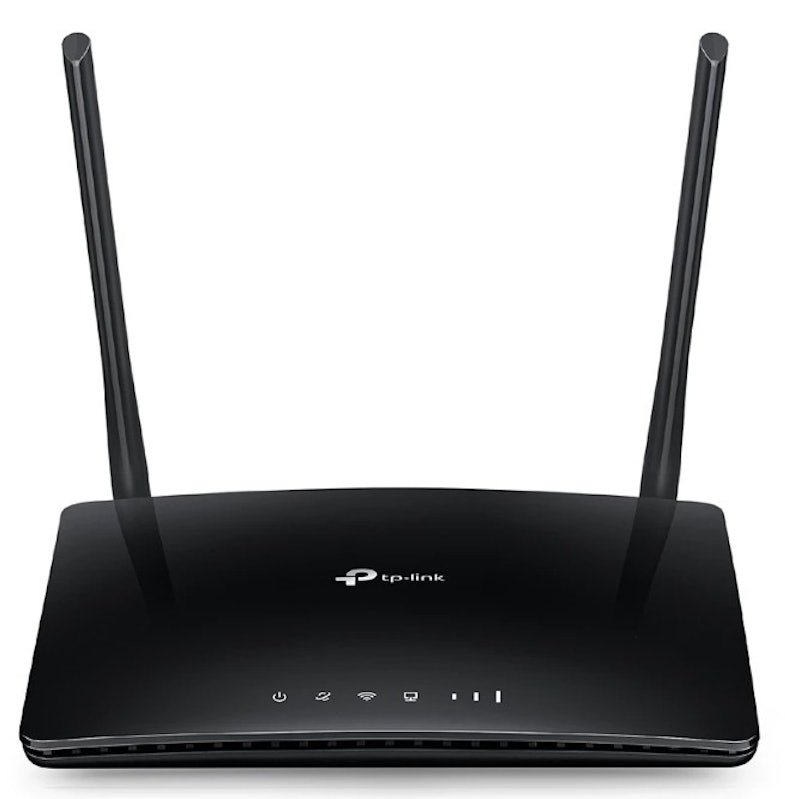
| Best For | Home Use, Office Use, Mobile |
|---|---|
| Wi-Fi Standard | Wi-Fi 4 (802.11n) |
| Frequency Bands | Single-Band (2.4 GHz) |
| Speeds | 300 Mbps |
| Multi-Core Processor | |
| Ports | 1× 10/100 WAN/LAN, 3× 10/100 LAN, SIM Slot |
| No. of Antennas | 2 Detachable External LTE, 2 Internal WiFi |
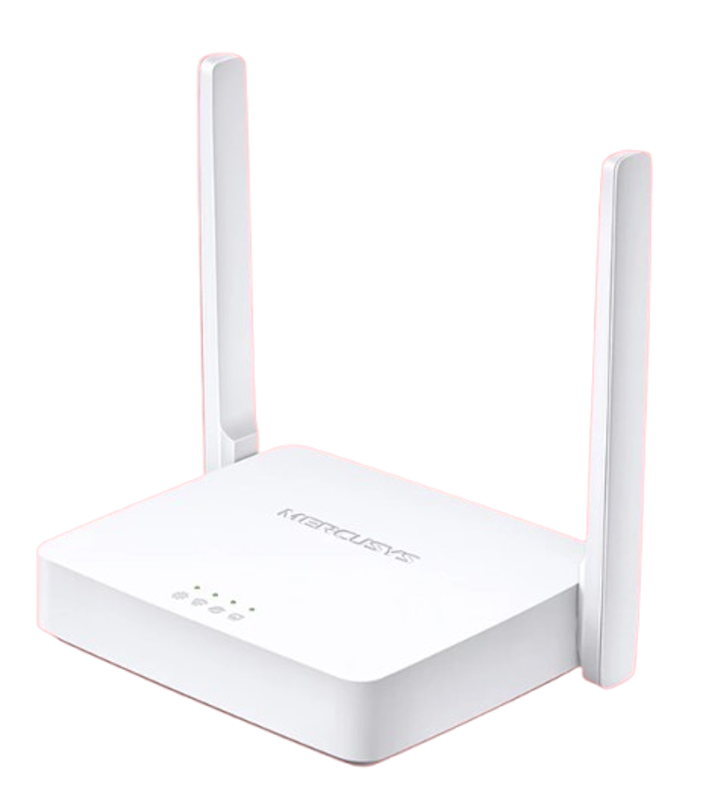
| Best For | Home Use |
|---|---|
| Wi-Fi Standard | Wi-Fi 4 (802.11n) |
| Frequency Bands | Single-Band (2.4 GHz) |
| Speeds | 300 Mbps |
| Multi-Core Processor | |
| Ports | 1× 10/100 WAN, 2× 10/100 LAN |
| No. of Antennas | 2 External (5 dBi) |
Frequently Asked Questions
Below are some of the most asked questions on the web answered by the mybest team.
How Often Should Wi-Fi Password be Changed?
You should find that the safest way to keep your Wi-Fi password safe is by changing it regularly. The recommended safe interval in changing your Wi-Fi password is once every three months, ensuring that it's kept safe and protected.
Will a New Wi-Fi Router Increase Speed?
Yes, a new Wi-Fi router can definitely increase the speed that you're getting from your Wi-Fi. Don't mistake this for increasing the speed of your internet plan, though. A new router is supposed to help you get the most out of the internet plan you're currently availing yourself.
Should Wi-Fi Router be Connected 24/7?
You shouldn't be worried about leaving your Wi-Fi router on 24/7, especially if you don't want to go through the hassle of disconnecting it every time you don't use it, only to reconnect it when you need it. Make sure that your password is strong to avoid getting hacked while you're asleep or away.
Maximize Your Internet Connection
Looking for better ways to get the internet connection that you've been longing for? Some gadgets could make your life easier by providing ways to have you connected most of the time, and here are some articles that may help you. You can check them out below!


How We Chose and Ranked Our Product Recommendations
Our buying guide was carefully researched and crafted by the mybest team of writers and editors. We used the buying guide as a basis for choosing and ranking the product recommendations, and we looked at reviews and ratings from different E-commerce sites like Lazada, Shopee, and more.
The descriptions of each product are referenced from content available on manufacturer, brand, and e-commerce sites.