10 Best Baby Carriers in the Philippines 2026 | Buying Guide Reviewed by Pediatrician
Baby carriers offer a convenient way to keep your little one close while going about your day, with options that can accommodate different stages from the newborn phase to toddlerhood. Babywearing can also encourage bonding and give babies opportunities to observe and interact with their caregivers and surroundings.
To help you find the right fit for your family, we’ve put together a buying guide reviewed by a pediatrician. We've also rounded up 10 of the top baby carriers available on Lazada and Shopee for a quick recommendation.

Dr. Joanna Pamela Cuayo-Estanislao is a pediatrician and child health specialist based in Metro Manila. Doc Joey is passionate about health education and empowering families to become informed advocates of their children's health and wellness. She uses social media to educate and raise awareness about important issues and topics in the field of pediatrics and child care.

Our recommendation articles are carefully researched and crafted by the mybest Philippines team of writers and editors. To stay true to our company’s mission and vision to help users’ selection process easier, we also collaborate with experts from various fields to ensure that our content stays factual and useful.
The expert oversees the Buying Guide only, and does not determine the products and services featured.
Why You Can Trust Us
Every mybest article is crafted with hours of in-depth research and interviews with experts. Each month, we are continually expanding our database of products based on our research. By emphasizing user insight and reliable information, we deliver trustworthy content to readers.
How to Choose a Baby Carrier – Buying Guide
A good baby carrier keeps your little one secure and comfortable while leaving your hands free for chores, work, or simply getting through the day. When choosing one, consider the carrier type, your baby’s age and size, proper body support, essential safety features, adjustability, and materials to find an option that works well for both of you.
Choose Type of Baby Carrier That Matches Your Carrying Needs

There are different types of baby carriers, each suited to a different way of carrying your baby. Before comparing features, figure out which one actually fits how you'll use it day-to-day:
Wraps and slings: Lightweight and compact, making them convenient for newborns and short carries, but wraps require practice to tie properly.
Soft structured carriers (SSCs): Have buckles, adjustable straps, and a supportive panel, making them easy to use for longer carries as your baby grows.
Hip seat carriers: Have a padded seat that supports your baby on your hip, making them convenient for quick, on-and-off carrying.
For longer carries, SSCs offer practical support, while wraps and slings are ideal if you prioritize portability. For quick, on-and-off carrying, a hip seat may be the more convenient choice.

Check the Recommended Age, Weight, and Seat Size

Every carrier lists a recommended age range and weight capacity. Do stick to these as much as possible, since a carrier that's too big or too small won't support your baby properly. Most carriers on the market today cover newborns up to toddlers around 36 months, with weight capacities typically ranging from 3 kg to 20 kg.
If you want a carrier that lasts longer, choose one with an adjustable seat width that can accommodate your baby as they grow. Also, check the manufacturer’s sizing guide to ensure the seat provides enough room without being too wide or restrictive.
Prioritize Proper Head, Neck, and Hip Support
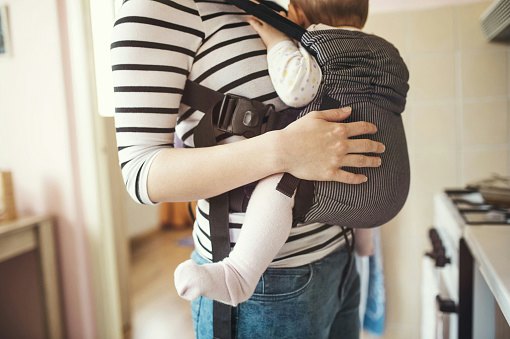
Look for a carrier that keeps your baby’s legs in an “M-position,” with the knees bent and positioned higher than the bottom. This helps support healthy hip positioning and reduces the risk of hip problems.
For newborns and younger babies who cannot yet hold their heads up, choose a carrier with adequate head and neck support, such as an adjustable headrest or a supportive back panel. Avoid carriers that allow the baby’s head to slump forward or leave the legs dangling straight down.
Studies have found that carrying babies in the “M” shape is associated with low rates of hip dysplasia, while positioning your babies with their legs tightly swaddled together or in a cradleboard, has higher rates of hip dysplasia.
Look Into Other Safety Features
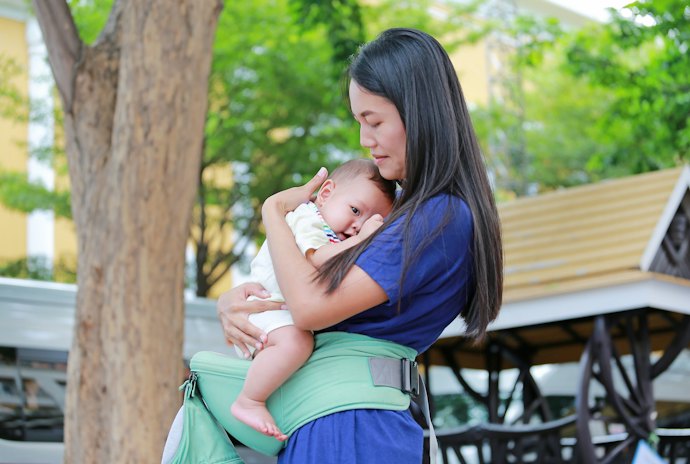
When shopping online, check the product photos, specifications, and reviews for signs of a secure, well-made carrier. Look for sturdy buckles, reinforced stitching, and secure straps, and check reviews for complaints about fraying, loose stitching, or buckles coming undone.
Once your carrier arrives, inspect the buckles, straps, seams, and closures before using it. Make sure everything is secure and free from cracks, loose threads, or other signs of damage, and continue checking the carrier regularly as your baby grows.
Choose an Adjustable Carrier for a Comfortable Fit
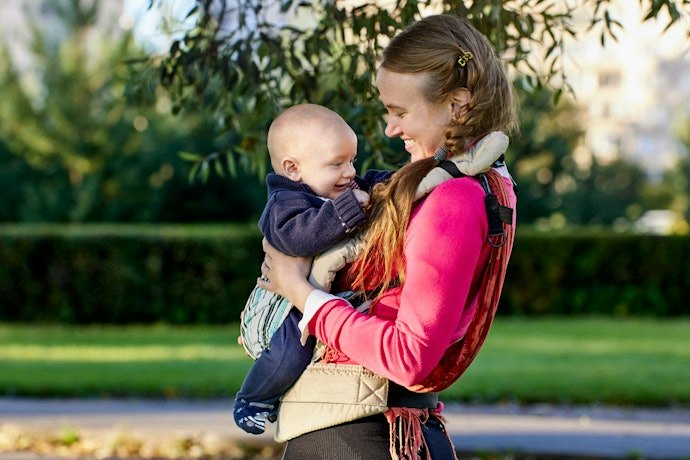
Look for adjustable shoulder straps and waistbands so the carrier can fit different caregivers comfortably. Padded straps and a supportive waistband can also help distribute your baby’s weight more evenly, reducing strain on your shoulders and back during longer carries.
Quick-release buckles and easy-to-adjust straps are useful for making fit adjustments or switching between caregivers without too much hassle.
Pick Breathable and Baby-Friendly Materials

A baby carrier made of 100% cotton or a cotton-mesh blend can keep both you and your baby cool and prevent overheating, especially in the hottest parts of the day. Polyester and mesh are also common and tend to hold up well outdoors, though they're less breathable than cotton against the skin.
Check the care label before buying as well. Machine-washable carriers are more practical for daily use, since spit-ups and drool are inevitable. Hand-wash-only fabrics like some wraps and slings need more upkeep to stay in good condition.
No matter the type of carrier you use, make it a habit to regularly check the material for wear and tear. A good fraction of baby carrier-related accidents is from babies falling out of carriers. If your carrier has seams and fasteners, do check the integrity of all attachments and components before placing your baby in the carrier.
10 Best Baby Carriers to Buy Online
| Products | Image | Click to purchase | Popularity | Details | ||||||
|---|---|---|---|---|---|---|---|---|---|---|
Recommended Age Range | Weight Capacity | M-Shape Position | Materials | Adjustability | Storage Options | |||||
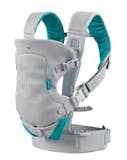
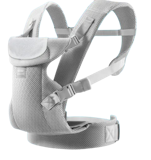
1 | Flip 4-in-1 Light & Airy Convertible Ergonomic Carrier Infantino |  | No.1 | 0–24 Months | 15 kg | Cotton, Polyester Mesh, Polyester | Adjustable Shoulder Straps, Adjustable Waist Strap, Buckles | Side Pockets, Front Zipper Pouch | ||
2 | Baby Carrier BH03 Dr.Isla |  | No.2 | 0–36 Months | 20 kg | Polyester, Breathable Mesh, EPP Foam, Cotton | Adjustable Shoulder Straps, Adjustable Waist Strap, Buckles | |||
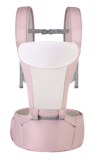
3 | Baby Carrier with Hip Seat Baby Pro |  | No.3 | 0–36 Months | 18 kg | Polyester | Adjustable Shoulder Straps, Adjustable Waist Strap, Buckles | Side Pockets | ||
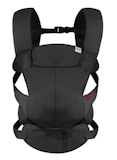
4 | Snug Support Baby Carrier Chicco |  | No.4 | 0–36 Months | 14 kg | Polyester | Adjustable Shoulder Straps, Adjustable Waist Strap, Buckles | Front Zipper Pouch | ||
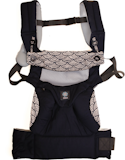
5 | Mesh Ergonomic Adjustable Baby Carrier Zima |  | No.5 | 0–36 Months | 20 kg | Cotton Canvas, Nylon Mesh | Adjustable Shoulder Straps, Adjustable Waist Strap, Buckles | Front Zipper Pouch | ||
6 | Mesh Plus Hip Seat Carrier|Ash Gray Bebear |  | No.6 | 4–36 Months | 20 kg | Polyester Mesh, Polyester | Adjustable Shoulder Straps, Adjustable Waist Strap, Buckles | Side Pockets | ||
7 | AF10 3-in-1 Baby Carrier Dr.Isla |  | No.7 | 0–36 Months | 20 kg | Polyester, 3D Mesh, EPP Foam | Adjustable Shoulder Straps, Adjustable Waist Strap, Buckles | Front Pocket | ||
8 | Baby Wrap Carrier Einmilk |  | No.8 | 0–36 Months | 20 kg | Cotton, Polyester | Adjustable Shoulder Straps | |||
9 | Baby Carrier With Hip Seat Beige |  | No.9 | 0–36 Months | 20 kg | Polyester Mesh, Polyester | Adjustable Shoulder Straps, Adjustable Waist Strap | |||
10 | Lightweight Baby Sling Carrier Phanqy |  | No.10 | 0–36 Months | 15 kg | Breathable Mesh, Polyester | Adjustable Shoulder Straps | |||

Infantino Flip 4-in-1 Light & Airy Convertible Ergonomic Carrier

| Recommended Age Range | 0–24 Months |
|---|---|
| Weight Capacity | 15 kg |
| M-Shape Position | |
| Materials | Cotton, Polyester Mesh, Polyester |
| Adjustability | Adjustable Shoulder Straps, Adjustable Waist Strap, Buckles |
| Storage Options | Side Pockets, Front Zipper Pouch |
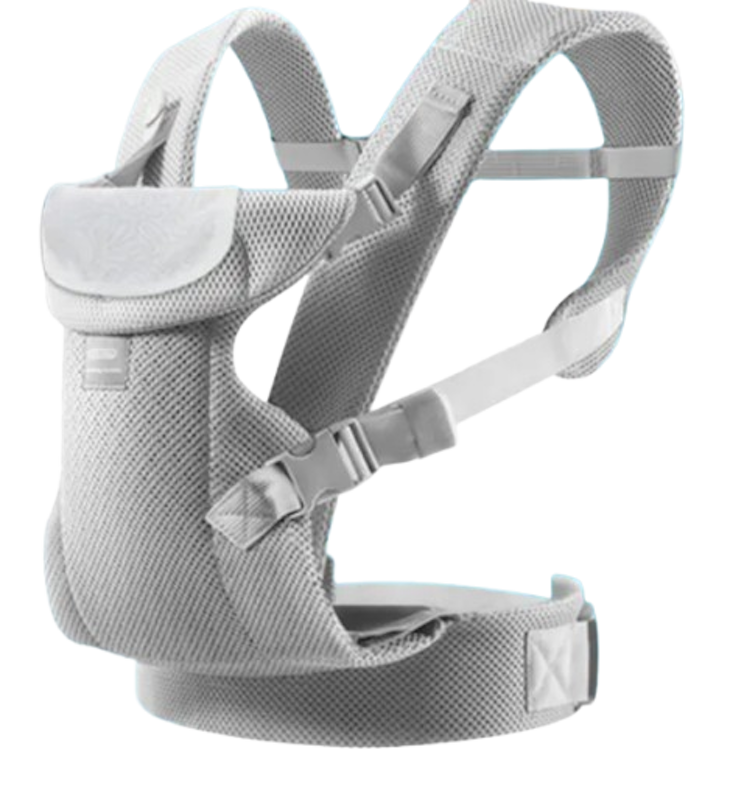
| Recommended Age Range | 0–36 Months |
|---|---|
| Weight Capacity | 20 kg |
| M-Shape Position | |
| Materials | Polyester, Breathable Mesh, EPP Foam, Cotton |
| Adjustability | Adjustable Shoulder Straps, Adjustable Waist Strap, Buckles |
| Storage Options |
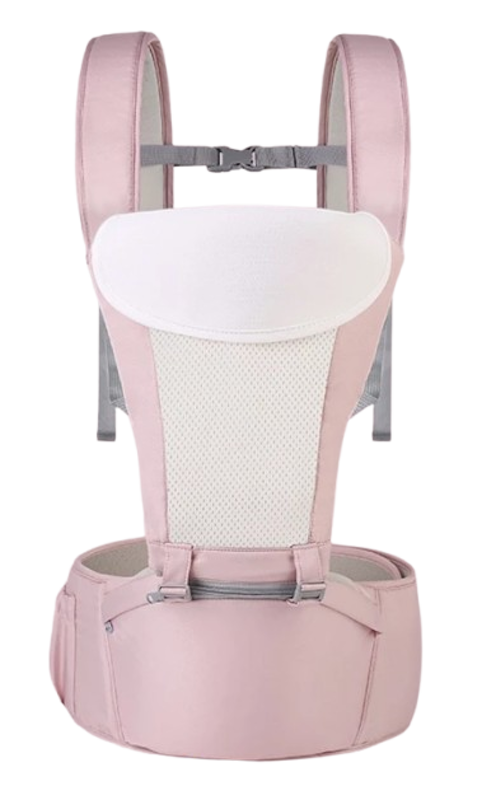
| Recommended Age Range | 0–36 Months |
|---|---|
| Weight Capacity | 18 kg |
| M-Shape Position | |
| Materials | Polyester |
| Adjustability | Adjustable Shoulder Straps, Adjustable Waist Strap, Buckles |
| Storage Options | Side Pockets |
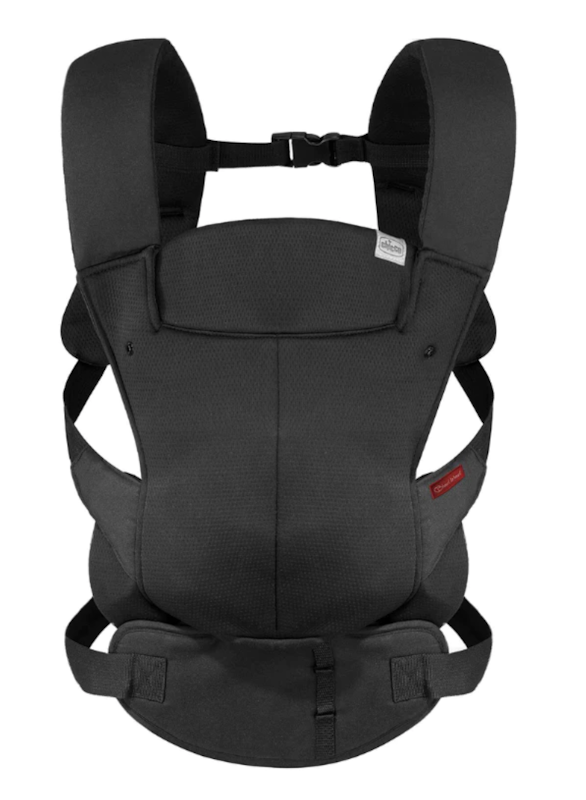
| Recommended Age Range | 0–36 Months |
|---|---|
| Weight Capacity | 14 kg |
| M-Shape Position | |
| Materials | Polyester |
| Adjustability | Adjustable Shoulder Straps, Adjustable Waist Strap, Buckles |
| Storage Options | Front Zipper Pouch |
ZimaMesh Ergonomic Adjustable Baby Carrier
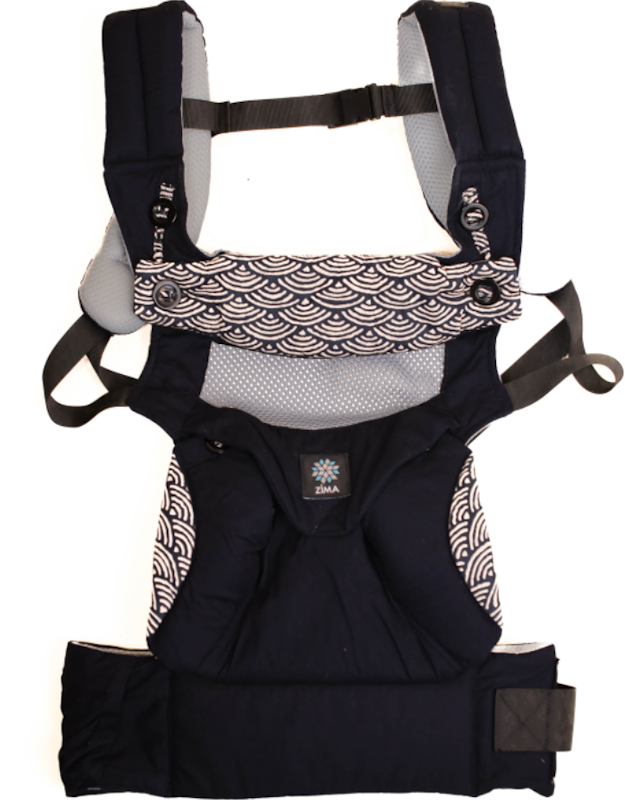
| Recommended Age Range | 0–36 Months |
|---|---|
| Weight Capacity | 20 kg |
| M-Shape Position | |
| Materials | Cotton Canvas, Nylon Mesh |
| Adjustability | Adjustable Shoulder Straps, Adjustable Waist Strap, Buckles |
| Storage Options | Front Zipper Pouch |
BebearMesh Plus Hip Seat Carrier | Ash Gray
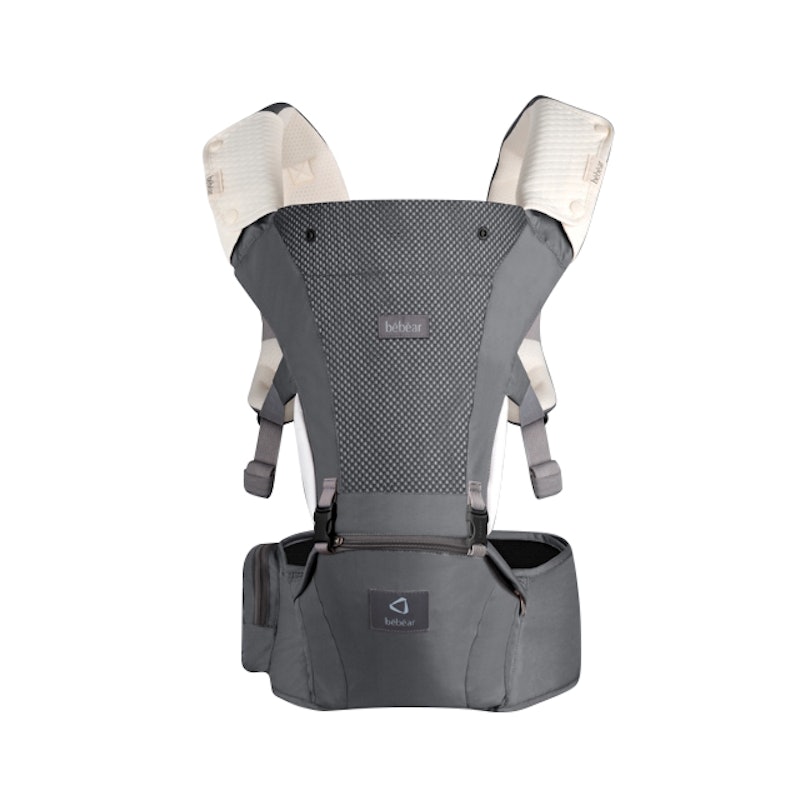
| Recommended Age Range | 4–36 Months |
|---|---|
| Weight Capacity | 20 kg |
| M-Shape Position | |
| Materials | Polyester Mesh, Polyester |
| Adjustability | Adjustable Shoulder Straps, Adjustable Waist Strap, Buckles |
| Storage Options | Side Pockets |
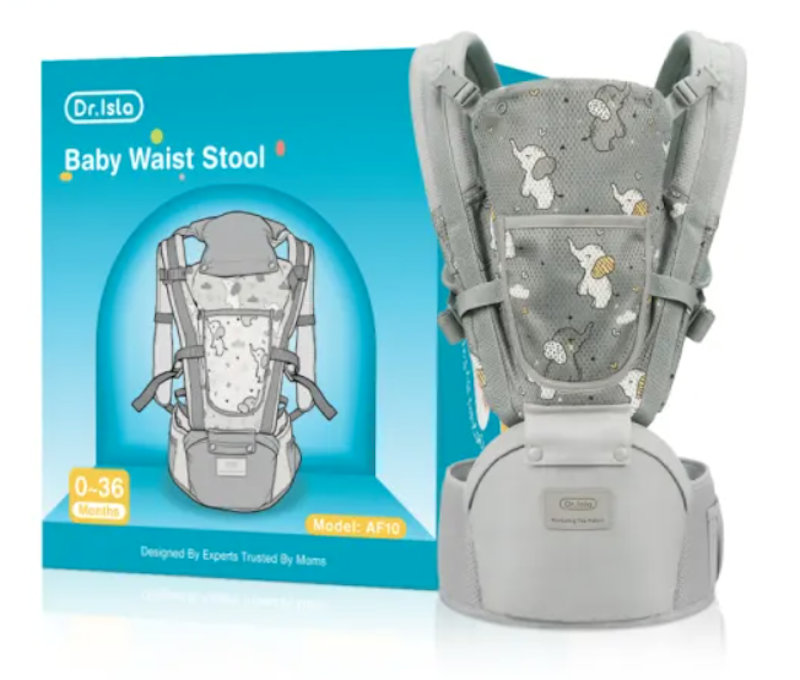
| Recommended Age Range | 0–36 Months |
|---|---|
| Weight Capacity | 20 kg |
| M-Shape Position | |
| Materials | Polyester, 3D Mesh, EPP Foam |
| Adjustability | Adjustable Shoulder Straps, Adjustable Waist Strap, Buckles |
| Storage Options | Front Pocket |
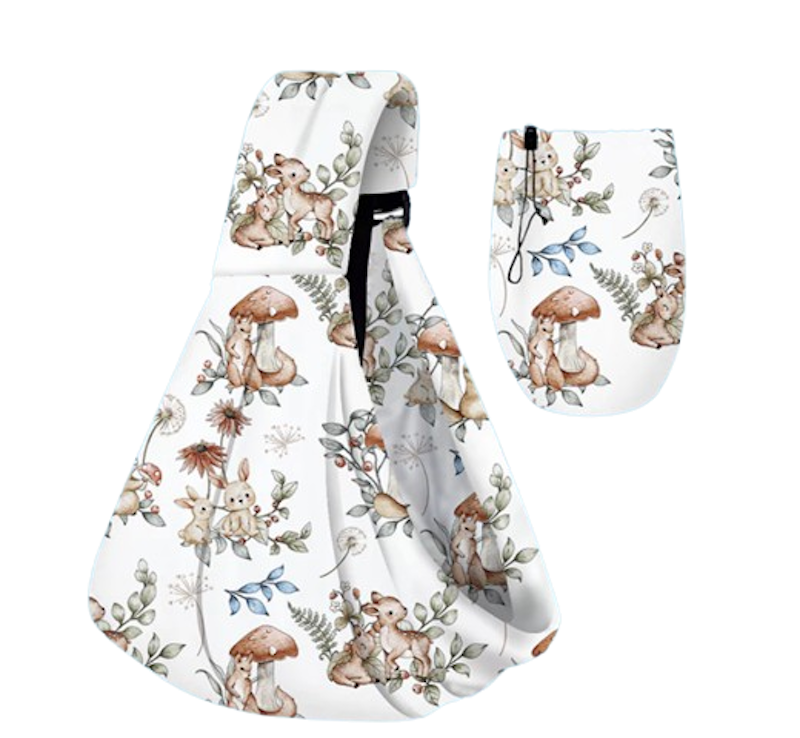
| Recommended Age Range | 0–36 Months |
|---|---|
| Weight Capacity | 20 kg |
| M-Shape Position | |
| Materials | Cotton, Polyester |
| Adjustability | Adjustable Shoulder Straps |
| Storage Options |

| Recommended Age Range | 0–36 Months |
|---|---|
| Weight Capacity | 20 kg |
| M-Shape Position | |
| Materials | Polyester Mesh, Polyester |
| Adjustability | Adjustable Shoulder Straps, Adjustable Waist Strap |
| Storage Options |
PhanqyLightweight Baby Sling Carrier
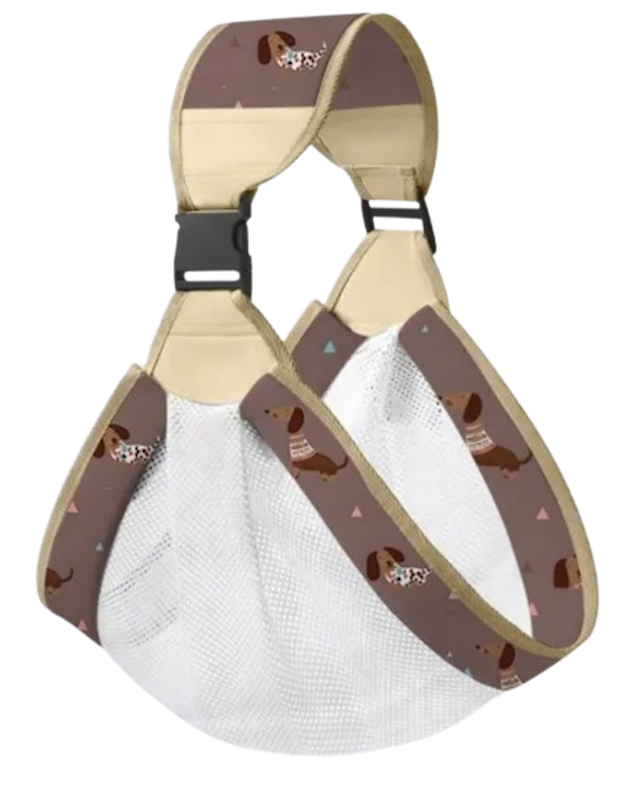
| Recommended Age Range | 0–36 Months |
|---|---|
| Weight Capacity | 15 kg |
| M-Shape Position | |
| Materials | Breathable Mesh, Polyester |
| Adjustability | Adjustable Shoulder Straps |
| Storage Options |
Why Use a Baby Carrier?
Aside from promoting a wonderful bond between parents and their little ones, baby carriers can assist new moms in adjusting to the “fourth trimester” – or the next few months after giving birth. Babywearing is also beneficial to the baby’s development and well-being.
Baby Carriers Give Moms a Little Boost

A baby carrier allows you to do other activities while holding the baby. Your hands and arms are free, so chores are easily accomplished. Since babywearing produces oxytocin, there is a lesser risk of postpartum depression and anxiety. Every chance of keeping the baby close to you is like getting an extra dose of your happy pill. Also, it gives new moms a boost of confidence and it decreases the feeling of social isolation.
The benefits of the cuddle hormones are not limited to moms. Through baby carriers, dads and other close family members, such as the grandparents, can also enjoy the skin-to-skin connection with the baby. Plus, navigating with a baby carrier is easier compared to using a stroller.
Babywearing is a practice where a carrier, wrap, or sling is used to carry your baby close to your body, often for many hours every day. Although there has been a recent resurgence of its practice, it is actually a very old and common practice in many cultures. It's a great way to keep your baby close while also being able to go about your daily activities.
Babywearing Results in Happy and Healthy Babies
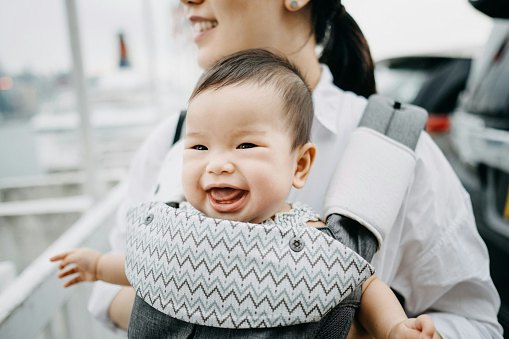
Using baby carriers is an effective method of soothing a baby. Moreover, they cry less, they’re not fuzzy at night, and they are mostly calmer.
Baby carriers give older babies the “best seat in the house.” When their head and neck control is strong enough, the face forward position gives them a nice view of the surroundings. Their carrier seat also puts them at a conversational height where they can observe how people talk, thus promoting their early language skills.
Babywearing decreases the risk of Sudden Infant Death Syndrome or SIDS and flat-head syndrome while also promoting digestionーless likelihood of colic and refluxes. Babies who are carried also learn how to balance themselves.
Babywearing is not only a great way to soothe fussy babies but is also an effective method of preventing crying episodes and promoting parent-infant attachment. It can also be helpful in babies’ language development, due to their proximity to their caregivers and more constant exposure to language.
Frequently Asked Questions Answered by Dr. Joey Cuayo
Whether you're a new parent or an experienced one, there will always be new things to learn. Below, Doc Joey answers some of the most asked questions online.
Are Carriers Safe for Newborns?
Carriers can be used for your newborns, but some precautions need to be noted. Newborns and young infants should always be placed facing inward toward you. Carrying your baby on your chest with their face toward you allows you to monitor them and make sure they're in the correct position at all times. They should be positioned on the front of your body, close enough for you to be able to kiss the top of their head.
Your baby's legs should be positioned in a frog shape, with their hips and knees bent and their hips wide apart. Your baby's stomach and chest should be nestled against your chest. It is also important to make sure that their head is well supported, especially if your baby still can't hold their head up. Their chin should not be tucked against their chest. Their head and face should be visible at all times and should not be covered with the carrier or any other fabric.
How Long Can You Carry a Baby in a Baby Carrier?
There is no hard and fast rule for the maximum time a baby may be kept in a carrier, and in fact, it will likely change as your baby grows and develops. As a general rule, a baby should not spend more than two hours in a carrier, but it will really depend more on the carrier used, your baby's age, your baby's weight, their developmental status, and your ability to sustain carrying your baby for long periods of time.
Remember to set your baby down if you are tired. Many accidents involving baby carriers are due to the caregiver falling with the baby on them. Be sure to also listen to your body when carrying the baby. When picking up objects from the ground, bend at the knees, not at the hips. Otherwise, your baby may tip or fall out of the carrier, and/or you may hurt your back.
When Should You Stop Carrying Your Baby in a Baby Carrier?
Stop using carriers when your baby already feels too heavy for you, or it's already uncomfortable for the two of you to use carriers safely. Always check the manufacturer's instructions for the maximum weight your carrier can handle.
More Tips From Dr. Joey
More Items for a Healthy and Happy Baby
Most first-time parents get so excited shopping for their little one that sometimes they end up regretting some impulsive purchases. Click the article links below to see our recommended baby products that will make the most out of your budget.


Author: Ayeza E. Mangulabnan
How We Chose and Ranked Our Product Recommendations
Our buying guide was carefully researched and crafted by the mybest team of writers and editors, in collaboration with the expert featured in this article. We used the buying guide as a basis for choosing and ranking the product recommendations, and we looked at reviews and ratings from different E-commerce sites like Lazada, Shopee, and more.
The descriptions of each product are referenced from content available on manufacturer, brand, and e-commerce sites.