10 Best Medicines for Stomach Pain in the Philippines 2026 | Buying Guide Reviewed by Doctor
Stomach pain can range from mild discomfort to symptoms that interfere with daily life. Many people turn to over-the-counter (OTC) remedies for relief, and with platforms like Lazada and Shopee, getting medicine is more convenient than ever. Still, it's important to choose the right product based on your symptoms, age, and health condition.
In this expert-backed guide, we cover the different types of stomach pain medicine available in the Philippines and share advice from Dr. Eron Tan, a Board-Certified Family Medicine Specialist, to help you use them safely and effectively.

Dr. Tan is a Family and Occupational Medicine doctor and college faculty member with expertise in clinical care, preventive medicine, and evidence-based practice. With a strong background in primary and secondary care, research, and community-oriented primary care, he simplifies complex health topics for readers. His experience in occupational health provides insights into workplace well-being and safety, ensuring health-related decisions are grounded in research and reliable medical knowledge.

David is a law graduate (LL.B) who has a sharp eye for details and a strong passion for helping others make smarter decisions. Since he joined mybest in 2020, he’s been working on buying guides that make it easier to find the best products—whether they’re everyday essentials or unique finds. Apart from his work at mybest, David has also written for Grotto Network, a digital platform from the University of Notre Dame, and has experience as a special educational needs assistant. These roles have helped him hone his ability to connect with people and make complex topics more relatable and easy to understand. His love for nature and moments of reflection keep him grounded, and this thoughtful perspective shines through in every article he writes for mybest.
The expert oversees the Buying Guide only, and does not determine the products and services featured.
Why You Can Trust Us
Every mybest article is crafted with hours of in-depth research and interviews with experts. Each month, we are continually expanding our database of products based on our research. By emphasizing user insight and reliable information, we deliver trustworthy content to readers.
What Signs or Symptoms Suggest That I Should See a Doctor Instead of Self-Medicating for Stomach Pain?


If you experience any of the following signs or symptoms, it’s important to see a doctor instead of self-medicating for stomach pain:
Age ≥60 with new dyspepsia
GI bleeding (hematemesis, melena, occult blood)
Iron deficiency anemia
Unexplained weight loss or anorexia
Dysphagia (difficulty swallowing) or odynophagia (painful swallowing)
Persistent vomiting
A family history of GI cancer in a first-degree relative
These are considered alarm features that require professional medical evaluation.
How to Choose Medicines for Stomach Pain - Buying Guide
Opt for Trusted Brands and FDA-Registered Products
FDA registration ensures a medicine’s safety, quality, and authenticity for safer self-medication.

To ensure safety and effectiveness, always choose FDA-registered products. Unregistered medicines may contain incorrect dosages, harmful contaminants, or lack the proper active ingredients altogether. To check if a product is registered, visit the official FDA Philippines website.
Sticking to trusted brands also reduces the risk of unexpected side effects and drug interactions, especially when self-medicating.
Choose the Right Type of Medicine for Your Symptoms
For Acidity, Heartburn, or Acid Reflux: Look for Antacids or Acid Reducers
PPIs work best for reflux, while antacids and H2 blockers treat mild or short-term acidity.

If you feel heartburn after meals or when lying down, try antacids for quick relief or H2 blockers like famotidine. H2 blockers, or histamine-2 receptor antagonists, reduce the amount of acid your stomach produces.
For frequent or stronger symptoms, proton pump inhibitors (PPIs) like omeprazole offer longer-lasting control by blocking acid production more effectively. PPIs block acid production at the proton pump level, offering long-term acid suppression. Note, however, that long-term PPI use should be supervised due to potential risks such as B12 deficiency, bone fractures, or infection.
For Gas, Bloating, and Indigestion: Opt for Simethicone-Based or Enzyme Products
Simethicone relieves trapped gas, while enzymes help with food-related indigestion or intolerance.

Simethicone, an anti-foaming agent, is best for relieving gas trapped in the stomach or intestines. It helps coalesce gas bubbles, making them easier to eliminate.
If your bloating happens after meals or with certain foods, digestive enzymes may help by breaking down fats, carbs, or proteins. Check the label to use them properly and avoid combining too many ingredients at once, which may cause side effects or reduce effectiveness.
For Cramping, Diarrhea, or Constipation: Go for Antispasmodics, Anti-Diarrheals, or Laxatives
Antispasmodics ease cramps or spasms, anti-diarrheals reduce bowel movement, and laxatives treat constipation.

Antispasmodics like mebeverine help relieve stomach cramps caused by IBS (irritable bowel syndrome) or GI (gastrointestinal) disorders. For diarrhea, loperamide slows gut movement, while laxatives stimulate or soften stools for constipation.
These medicines target different symptoms, so choose based on what you're experiencing. Always follow dosage instructions carefully, and avoid combining multiple remedies unless advised by a healthcare professional, as this may lead to unwanted effects.
For Mild or General Stomach Discomfort: Pick Probiotics and Herbal or Natural Remedies
Probiotics are useful for IBS or mild bloating, not for sudden or severe stomach pain.
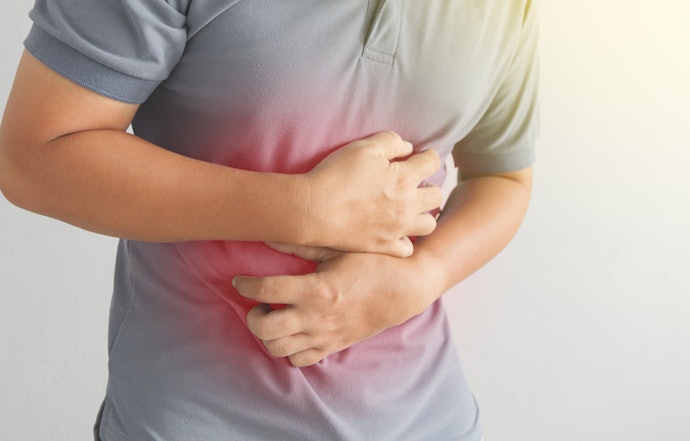
Probiotics can support gut health after antibiotic use or help manage mild cases of IBS, but they’re not suitable for infections or sudden, severe pain. They are also not a replacement for antibiotics or other definitive treatments in acute infectious gastroenteritis.
Some herbal remedies may also offer relief, but it's important to avoid unregistered products—especially when treating children. To ensure safety and proper dosing, only use herbal medicines recommended by your doctor or pediatrician.
Consider Dosage Guidelines Based on Age
Age affects safety and dosing—children and the elderly need age-appropriate, lower-dose, or easy-to-swallow forms.
For Children: Follow Weight- or Age-Based Dosing
Children are vulnerable to side effects, so careful selection is key.

For children, always use pediatric formulations with age- or weight-based dosing. Avoid giving adult-strength products. Specifically, steer clear of bismuth subsalicylate, strong laxatives, and antacids with high aluminum or magnesium content in children under 2.
Dosage guidelines for children:
Omeprazole (PPI)
5–10 kg: 5 mg once daily
10–20 kg: 10 mg once daily
20 kg: 20 mg once daily
Famotidine (H2 blocker)
1 mg/kg/day, divided into two doses (max: 40 mg/day total in divided doses)
Mebeverine (antispasmodic)
4–8 years: 50 mg three times daily
8–10 years: 100 mg three times daily
For Adults: Follow Recommended Guidelines and Adjust Based on Specific Health Conditions
Adults generally follow standard dosages, but special care is needed for elderly individuals, especially with certain medications.

Dosage guidelines for adults:
Omeprazole: 20–40 mg once daily for 4–8 weeks
Famotidine (Adults with GERD): 20 mg twice daily for 6 weeks. If you have renal impairment (creatinine clearance <50 mL/min), the dose should be reduced.
Mebeverine: 135 mg three times daily before meals, or 100 mg four times daily. Should be taken 20 minutes before meals; do not chew tablets.
Aluminum + Magnesium Hydroxide: 10–20 mL up to four times a day (max: 80 mL/day). Avoid in severe renal impairment.
For the elderly, start with lower doses to prevent side effects like dehydration and constipation, and monitor for interactions with other medications.
Check the Form: Tablets, Capsules, Liquids, or Chewables
Liquids and chewables act faster, while capsules and coated tablets are more stable. The right form also depends on swallowing ability.
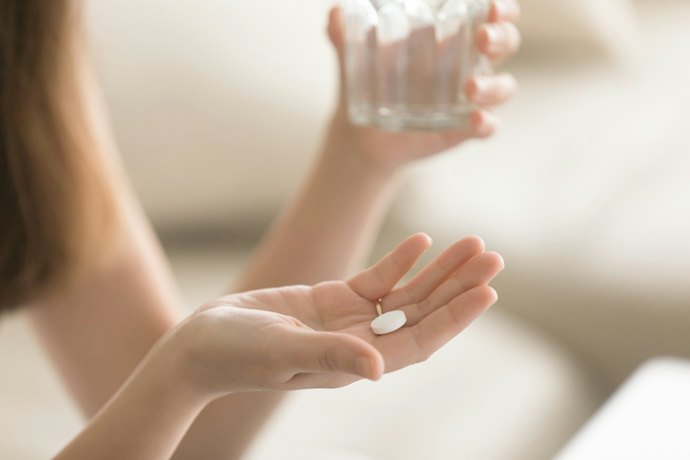
The form of the medicine can affect both how quickly it works and how easy it is to take. Liquids and chewables are typically absorbed faster, making them ideal for quick relief. In contrast, enteric-coated tablets or capsules are designed to dissolve more slowly, which can provide longer-lasting effects. These delayed-release formulations also help reduce stomach irritation, though they may not act as quickly as liquids or chewables.
For children, the elderly, or those with swallowing difficulties, suspensions or dissolvable tablets are the safest and most convenient options. Always choose the form that best suits the patient’s age, ability, and need for speed of relief.
10 Best Medicines for Stomach Pain Online
| Products | Image | Click to purchase | Popularity | Details | ||||||||
|---|---|---|---|---|---|---|---|---|---|---|---|---|
Antacid Ingredients | Form | Best For | FDA Registered | Medicine Type | Sensitive-Use Claims | Suitable For | Recommended Intake | |||||
1 | Double Action Oral Suspension 10 mL Gaviscon |  | No.1 | Sodium Alginate, Sodium Bicarbonate, Calcium Carbonate | Liquid Formulation (Oral Suspension) | Heartburn, Acid Reflux, Indigestion, Pregnant and Breastfeeding Women | Antacid, Antireflux Agent | Suitable for Pregnancy Use | Adults, Children Above 12 years | One to Two Sachets | ||
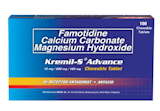
2 | Chewable Tablet 10 mg/800 mg/165 mg Kremil-S Advance |  | No.2 | Calcium Carbonate, Famotidine, Magnesium Hydroxide | Chewable Tablet | Heartburn, Acid Reflux, Hyperacidity, Indigestion | H2 Receptor Antagonist, Antacid | May Be Taken With or Without Food (Taken 1 Hour Before or 2 Hours After Meals) | Adults, Children Above 12 Years | One Tablet | ||
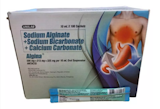
3 | Oral Supension 500 mg/213 mg/325 mg 10 mL Algina |  | No.3 | Sodium Alginate, Sodium Bicarbonate, Calcium Carbonate | Liquid Formulation (Oral Suspension) | Heartburn, Acid Reflux, GERD, Indigestion | Antacid, Antireflux Agent | Suitable for Pregnancy Use | Adults, Children 12 Years and Above | One to Two Sachets | ||
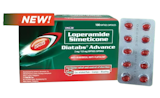
4 | Anti-Diarrhea/Anti-Flatulent Softgel Capsule 2 mg/125 mg Diatabs Advance |  | No.4 | Loperamide Hydrochloride, Simeticone | Softgel | Diarrhea, Flatulence, Stomach Pain Relief | Antimotility, Antiflatulent | May Be Taken With or Without Food (Taken 1 Hour Before or 2 Hours After Meals) | Adults, Children Above 12 Years | Two Capsules Initially, Followed by One Capsule After Each Loose Stool | ||
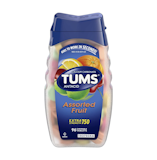
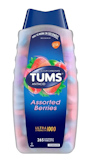
5 | Ultra Strength Antacid 1000 Chewable Tablets Tums |  | No.5 | Calcium Carbonate | Chewable Tablet | Heartburn, Acid Reflux, Indigestion, Hyperacidity | Antacid | May Be Taken With or Without Food | Adults, Children Above 12 Years | Two to Three Tablets | ||
6 | Paracetamol Tablet 10 mg/500 mg Buscopan Venus |  | No.6 | Hyoscine N-butylbromide, Paracetamol | Tablet (Film-Coated) | Mild to Moderate Pain, Dysmenorrhea, Abdominal Cramps | Antispasmodic, Analgesic | Film-Coated, May Be Taken With or Without Food | Adults, Children Above 10 Years | One to Two Tablets | ||
7 | Extra Strength Antacid 650 mg Supracid |  | No.7 | Sodium Bicarbonate | Tablet | Heartburn, Hyperacidity, Indigestion, Acid Reflux | Antacid | May Be Taken With or Without Food | Adults, Children Above 12 Years | One to Two Tablets | ||
8 | Paracetamol Abdominal Pain and Cramps Tablet 10 mg/500 mg Buscopan Plus |  | No.8 | Hyoscine N-butylbromide, Paracetamol | Tablet (Film-Coated) | Mild to Moderate Pain, Abdominal Cramps, Spasms | Antispasmodic, Analgesic | Film-Coated, May Be Taken With or Without Food | Adults, Children Above 10 Years | One to Two Tablets | ||
9 | Aluminum Magnesium Chewable Tablet 200 mg Zilgam |  | No.9 | Aluminum Hydroxide, Magnesium Hydroxide | Chewable Tablet | Heartburn, Indigestion, Hyperacidity, Flatulence, Dyspepsia | Antacid, Antiflatulent | May Be Taken With or Without Food | Adults, Children Above 12 Years | One to Two Tablets | ||
10 | Constipation Relief Tablet 5 mg Dulcolax |  | No.10 | Bisacodyl | Tablet (Enteric-Coated) | Occasional Constipation, Chronic Constipation | Stimulant Laxative | Enteric-Coated, Do Not Take With Milk or Antacids | Adults, Children Above 12 Years | One Tablet | ||

Gaviscon Double Action Oral Suspension 10 mL
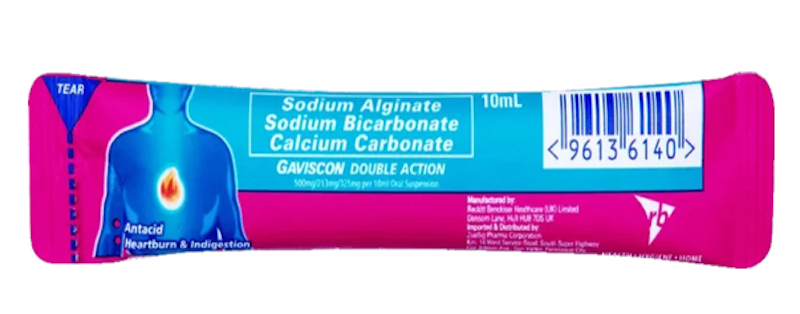
| Antacid Ingredients | Sodium Alginate, Sodium Bicarbonate, Calcium Carbonate |
|---|---|
| Form | Liquid Formulation (Oral Suspension) |
| Best For | Heartburn, Acid Reflux, Indigestion, Pregnant and Breastfeeding Women |
| FDA Registered | |
| Medicine Type | Antacid, Antireflux Agent |
| Sensitive-Use Claims | Suitable for Pregnancy Use |
| Suitable For | Adults, Children Above 12 years |
| Recommended Intake | One to Two Sachets |
Kremil-S Advance Chewable Tablet 10 mg/800 mg/165 mg
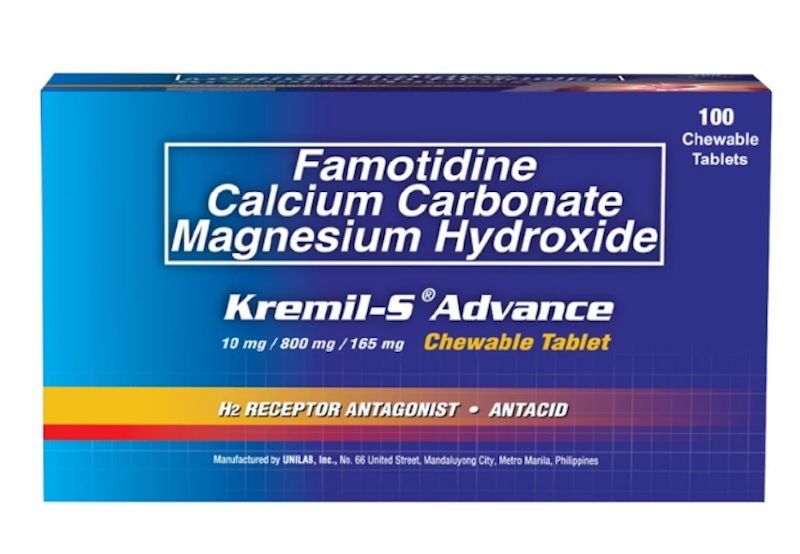
| Antacid Ingredients | Calcium Carbonate, Famotidine, Magnesium Hydroxide |
|---|---|
| Form | Chewable Tablet |
| Best For | Heartburn, Acid Reflux, Hyperacidity, Indigestion |
| FDA Registered | |
| Medicine Type | H2 Receptor Antagonist, Antacid |
| Sensitive-Use Claims | May Be Taken With or Without Food (Taken 1 Hour Before or 2 Hours After Meals) |
| Suitable For | Adults, Children Above 12 Years |
| Recommended Intake | One Tablet |
AlginaOral Supension 500 mg/213 mg/325 mg 10 mL
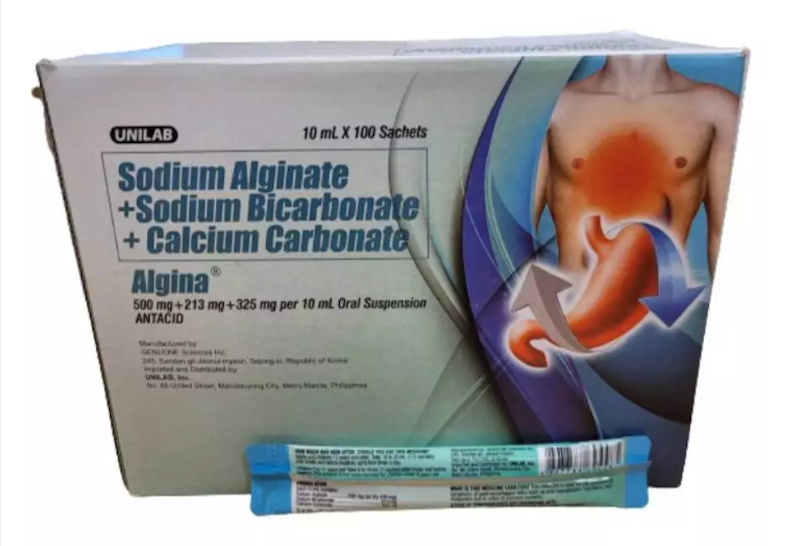
| Antacid Ingredients | Sodium Alginate, Sodium Bicarbonate, Calcium Carbonate |
|---|---|
| Form | Liquid Formulation (Oral Suspension) |
| Best For | Heartburn, Acid Reflux, GERD, Indigestion |
| FDA Registered | |
| Medicine Type | Antacid, Antireflux Agent |
| Sensitive-Use Claims | Suitable for Pregnancy Use |
| Suitable For | Adults, Children 12 Years and Above |
| Recommended Intake | One to Two Sachets |
Diatabs Advance Anti-Diarrhea/Anti-Flatulent Softgel Capsule 2 mg/125 mg
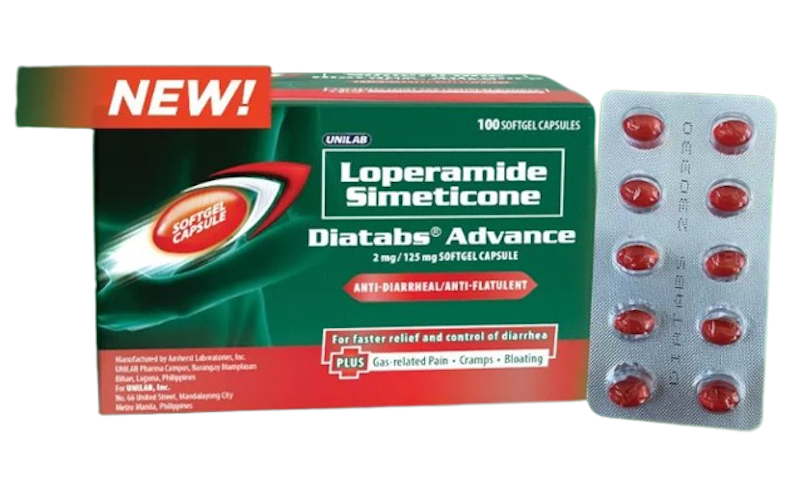
| Antacid Ingredients | Loperamide Hydrochloride, Simeticone |
|---|---|
| Form | Softgel |
| Best For | Diarrhea, Flatulence, Stomach Pain Relief |
| FDA Registered | |
| Medicine Type | Antimotility, Antiflatulent |
| Sensitive-Use Claims | May Be Taken With or Without Food (Taken 1 Hour Before or 2 Hours After Meals) |
| Suitable For | Adults, Children Above 12 Years |
| Recommended Intake | Two Capsules Initially, Followed by One Capsule After Each Loose Stool |
Tums Ultra Strength Antacid 1000 Chewable Tablets
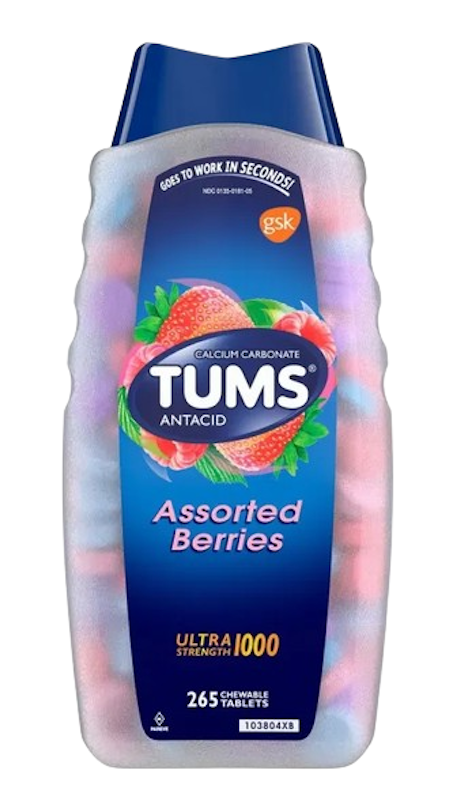
| Antacid Ingredients | Calcium Carbonate |
|---|---|
| Form | Chewable Tablet |
| Best For | Heartburn, Acid Reflux, Indigestion, Hyperacidity |
| FDA Registered | |
| Medicine Type | Antacid |
| Sensitive-Use Claims | May Be Taken With or Without Food |
| Suitable For | Adults, Children Above 12 Years |
| Recommended Intake | Two to Three Tablets |
Buscopan Venus Paracetamol Tablet 10 mg/500 mg
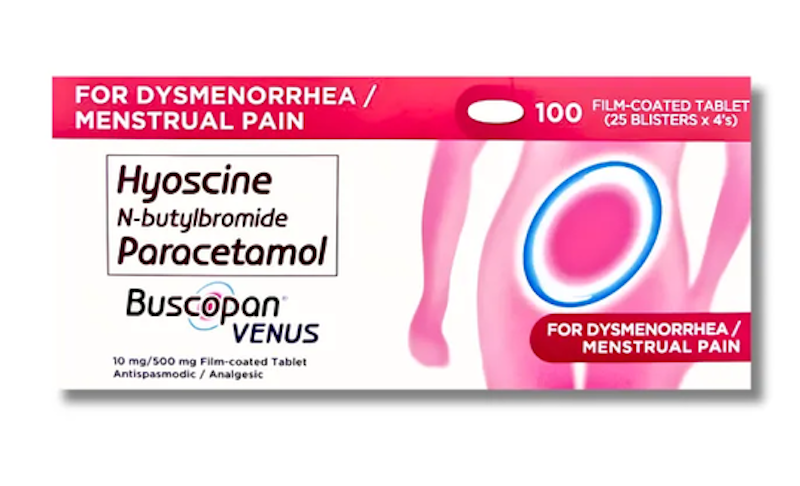
| Antacid Ingredients | Hyoscine N-butylbromide, Paracetamol |
|---|---|
| Form | Tablet (Film-Coated) |
| Best For | Mild to Moderate Pain, Dysmenorrhea, Abdominal Cramps |
| FDA Registered | |
| Medicine Type | Antispasmodic, Analgesic |
| Sensitive-Use Claims | Film-Coated, May Be Taken With or Without Food |
| Suitable For | Adults, Children Above 10 Years |
| Recommended Intake | One to Two Tablets |
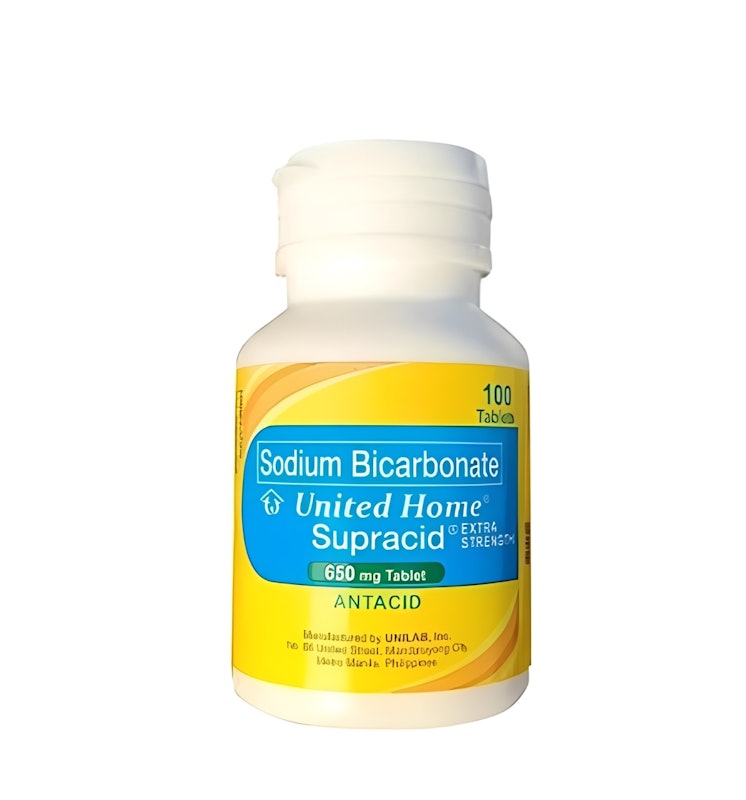
| Antacid Ingredients | Sodium Bicarbonate |
|---|---|
| Form | Tablet |
| Best For | Heartburn, Hyperacidity, Indigestion, Acid Reflux |
| FDA Registered | |
| Medicine Type | Antacid |
| Sensitive-Use Claims | May Be Taken With or Without Food |
| Suitable For | Adults, Children Above 12 Years |
| Recommended Intake | One to Two Tablets |
Buscopan Plus Paracetamol Abdominal Pain and Cramps Tablet 10 mg/500 mg
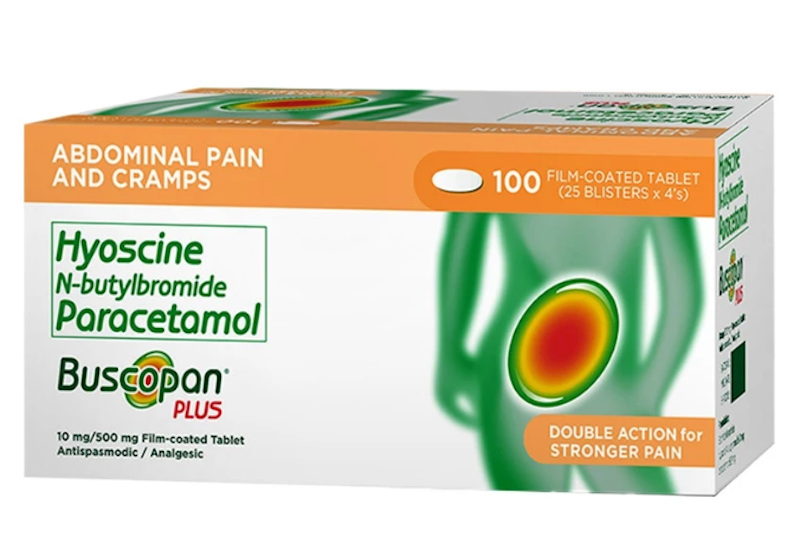
| Antacid Ingredients | Hyoscine N-butylbromide, Paracetamol |
|---|---|
| Form | Tablet (Film-Coated) |
| Best For | Mild to Moderate Pain, Abdominal Cramps, Spasms |
| FDA Registered | |
| Medicine Type | Antispasmodic, Analgesic |
| Sensitive-Use Claims | Film-Coated, May Be Taken With or Without Food |
| Suitable For | Adults, Children Above 10 Years |
| Recommended Intake | One to Two Tablets |
ZilgamAluminum Magnesium Chewable Tablet 200 mg
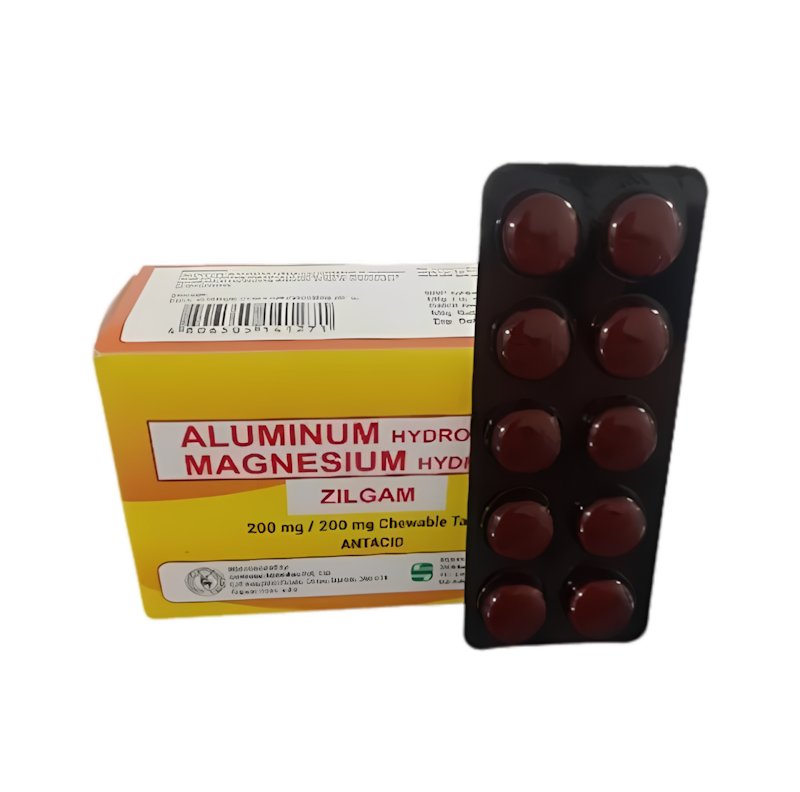
| Antacid Ingredients | Aluminum Hydroxide, Magnesium Hydroxide |
|---|---|
| Form | Chewable Tablet |
| Best For | Heartburn, Indigestion, Hyperacidity, Flatulence, Dyspepsia |
| FDA Registered | |
| Medicine Type | Antacid, Antiflatulent |
| Sensitive-Use Claims | May Be Taken With or Without Food |
| Suitable For | Adults, Children Above 12 Years |
| Recommended Intake | One to Two Tablets |
Dulcolax Constipation Relief Tablet 5 mg
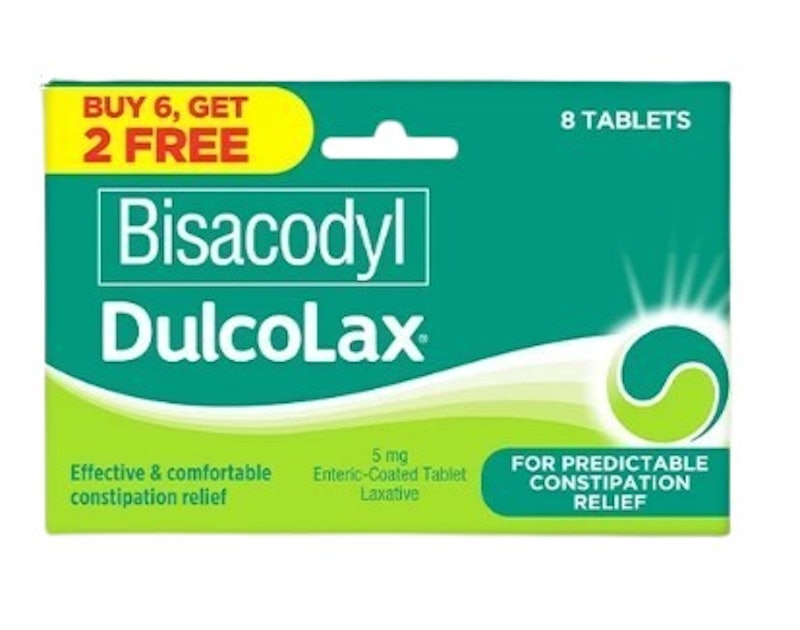
| Antacid Ingredients | Bisacodyl |
|---|---|
| Form | Tablet (Enteric-Coated) |
| Best For | Occasional Constipation, Chronic Constipation |
| FDA Registered | |
| Medicine Type | Stimulant Laxative |
| Sensitive-Use Claims | Enteric-Coated, Do Not Take With Milk or Antacids |
| Suitable For | Adults, Children Above 12 Years |
| Recommended Intake | One Tablet |
Frequently Asked Questions
What Causes Recurring Stomach Pain, and How Should It Be Addressed?
Recurring stomach pain can be caused by conditions such as GERD (gastroesophageal reflux disease), functional dyspepsia, H. pylori (Helicobacter pylori) infection, IBS (irritable bowel syndrome), or other structural or functional gastrointestinal disorders.
To address recurring pain, it’s essential to undergo an evaluation to identify the underlying cause. This will help guide appropriate treatment and ensure the most effective management of the condition.
What Common Medication Interactions Should People Be Aware of When Taking Over-the-Counter Stomach Remedies?
Antacids and H2 blockers can interfere with the absorption of certain medications, including iron supplements, ciprofloxacin, and azole antifungals. If you're taking maintenance medications, it's important to check for possible interactions before using over-the-counter stomach remedies to avoid reducing their effectiveness or causing unintended side effects.
Related Articles You Might Find Helpful
Want to dive deeper into digestive health? Browse our articles on probiotic supplements, diarrhea medicines, and constipation medicines for more insights into managing your stomach health.


The descriptions of each product are referenced from content available on manufacturer, brand, and e-commerce sites.