10 Best Emergency Lights in the Philippines 2026 | Firefly, Omni, Akari and More
Power outages are common in the Philippines, whether due to typhoons, earthquakes, or unexpected brownouts. That’s why having a reliable emergency light at home or in the workplace is essential for safety and preparedness. From portable lanterns for households to wall-mounted units for offices and commercial spaces, different types are designed for specific needs.
In this guide, we’ll help you understand what to look for when choosing one and share the best emergency lights you can buy today from trusted brands like Omni, Firefly, and Akari. We’ve also included options available on Shopee and Lazada for convenient online shopping.

Jason is a content planner and writer with four years of experience across lifestyle, publishing, tech, real estate, marketing, and entertainment. Focused on consumer needs and SEO, they craft clear, engaging content that helps people make informed decisions. Jason is passionate about words that connect, empower, and resonate.
Why You Can Trust Us
Every mybest article is crafted with hours of in-depth research and interviews with experts. Each month, we are continually expanding our database of products based on our research. By emphasizing user insight and reliable information, we deliver trustworthy content to readers.
What Are Emergency Lights and How Do They Work?
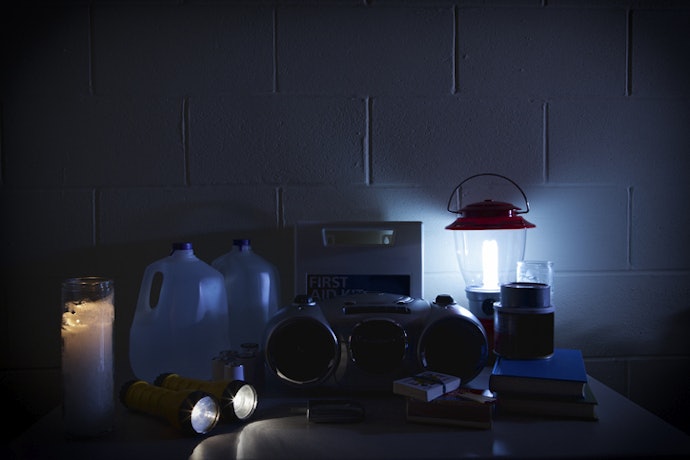
Emergency lights are battery-powered devices that turn on during power outages, keeping rooms and walkways illuminated. Most charge automatically when plugged in and switch on by themselves when the power goes out, though some portable models need to be turned on manually. They’re commonly used in homes, offices, and commercial spaces to ensure safety and visibility during blackouts.
In the Philippines, where brownouts and typhoons are common, having a reliable rechargeable emergency light is a smart backup. It also helps to know a few simple terms: lumens tell you how bright the light is, battery backup shows how long it lasts, and IP rating indicates how well it can handle dust or water exposure.
How to Choose an Emergency Light - Buying Guide
When choosing an emergency light, consider LED type, brightness, unit type, charging method, battery life, safety protections, extra functions, and warranty. Read our full buying guide below for details on each factor.
Choose LED for Long-Lasting, Low-Maintenance Lighting
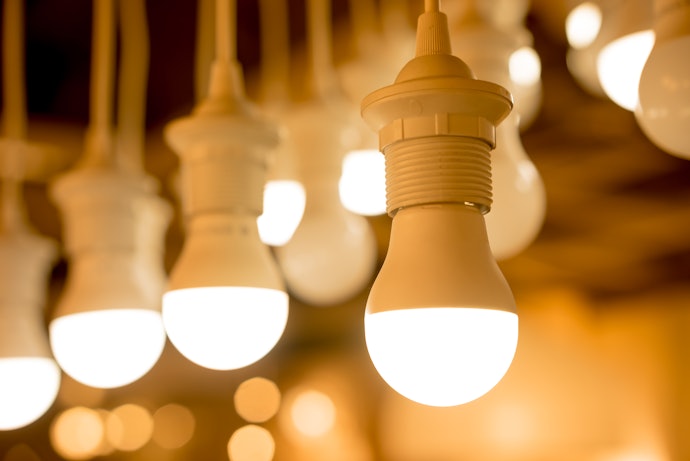
LED lights are more energy-efficient than fluorescent options, requiring smaller batteries and less power to operate. They generate brighter light while using less electricity, making them ideal for both short-term outages and prolonged emergencies.
LEDs also last much longer, up to 50,000 hours, so you save on replacements and maintenance. Their durability and low upkeep make them a reliable choice for homes, offices, and larger spaces where consistent emergency lighting is essential.
Determine the Right Type of Emergency Light for Your Space
Identify where you’ll install the emergency light. Small rooms need portable units, while larger or high-traffic areas require fixed lighting.
Best for Home Use: Pick Portable Lanterns for Small Rooms
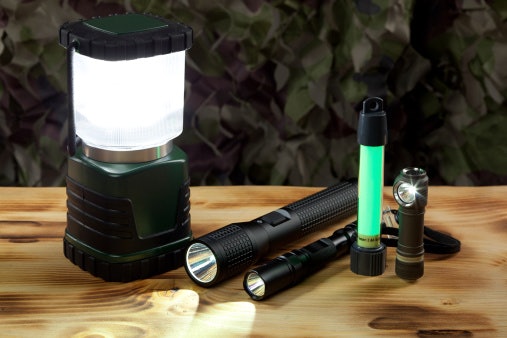
Portable lanterns are ideal for bedrooms, living rooms, and other small household spaces. They are easy to move around, making them practical during sudden brownouts.
These units are commonly rechargeable and designed for flexible indoor use, providing convenient lighting wherever it’s needed inside the home.
Best for Large Spaces: Install Twin-Head or Panel Lights for Wide Areas
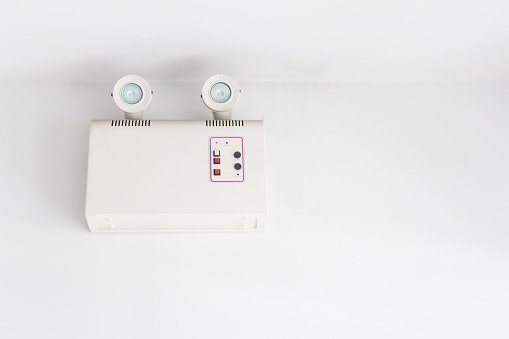
Twin-head or panel lights are better suited for warehouses, offices, garages, and condominium hallways. They are typically mounted on walls or ceilings to cover wider spaces.
Their design allows for broader light distribution, helping maintain visibility and safety in larger or high-traffic areas during outages.
Best for Evacuation Paths: Use Exit or Escape Route Lights for Clear Walkways
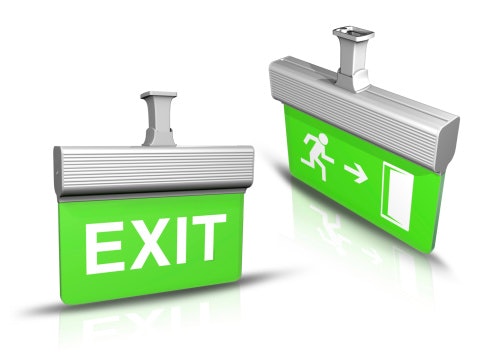
Exit or escape route lighting is installed to clearly mark evacuation paths during emergencies. These are commonly placed in corridors, stairwells, and building exits.
They guide occupants safely out of a building during power failures, fires, or other urgent situations where clear directional lighting is critical.
Pick the Appropriate Brightness for Your Space
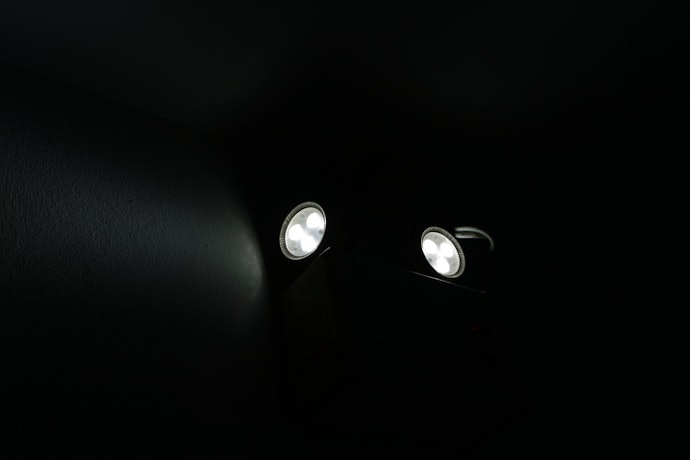
When choosing an emergency light, consider brightness, measured in lumens, to match the right light level to your space.
Small rooms: 1,000–2,000 lumens provide sufficient light for personal spaces without overusing battery power.
Living rooms: 3,000–4,000 lumens light up common areas comfortably.
Large commercial areas: 4,000+ lumens ensure wide coverage for offices, warehouses, or high-traffic spaces.
Higher lumens mean brighter light, but they can use more battery. If you want to calculate precisely, multiply your room's square footage by 10.76 to convert foot-candles to lumens. Choose a level that balances visibility and efficiency for your area.
Compare Battery Capacity and Charging Options Together
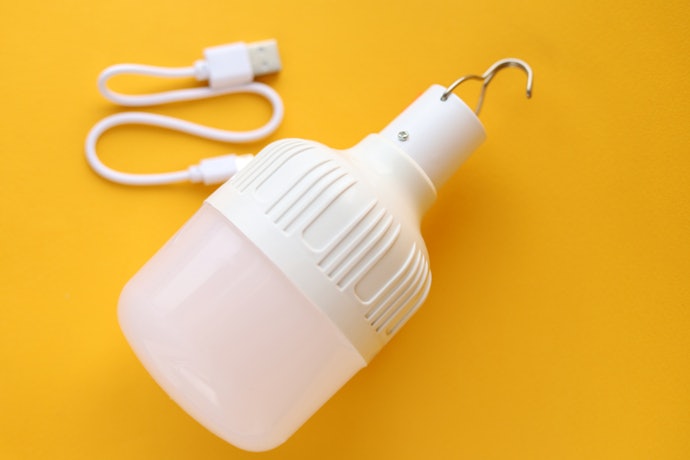
Battery backup determines how long the light runs during a blackout, while charging time affects how quickly it's ready for the next outage. For the longest-lasting performance during extended brownouts, look for a model with 10–15 hours of backup. Most standard units offer only 4–8 hours, which may not be enough during a major typhoon
Electric charging (AC, DC, USB-C) is convenient and dependable, while solar charging is useful but weather-dependent. Keep in mind that a longer backup often means a longer charging time, and lithium-ion batteries are lighter but usually more expensive.
Prioritize Essential Safety and Protection Features
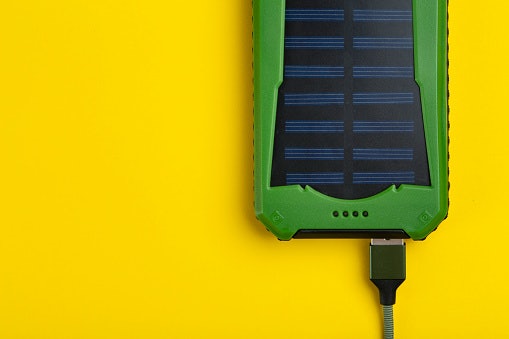
Reliable operation during a power outage depends on durability and automatic activation. Choose units with dust and water resistance suited to where you'll place them; the IP rating tells you exactly how protected the unit is:
IP20–IP44: Sufficient for standard indoor home use, such as bedrooms and living rooms
IP54 and above: Recommended for semi-exposed areas like garages, covered patios, or outdoor corridors
IP65 and above: Necessary for fully outdoor placement or flood-prone areas where direct water exposure is likely
Also, look for automatic switch-on so the light activates instantly without manual intervention during a sudden brownout. Battery safeguards, such as low-battery indicators and overcharge protection, help extend lifespan and maintain consistent backup performance. These core safety features should be non-negotiable before considering any extras.
Consider Optional Add-Ons for Convenience
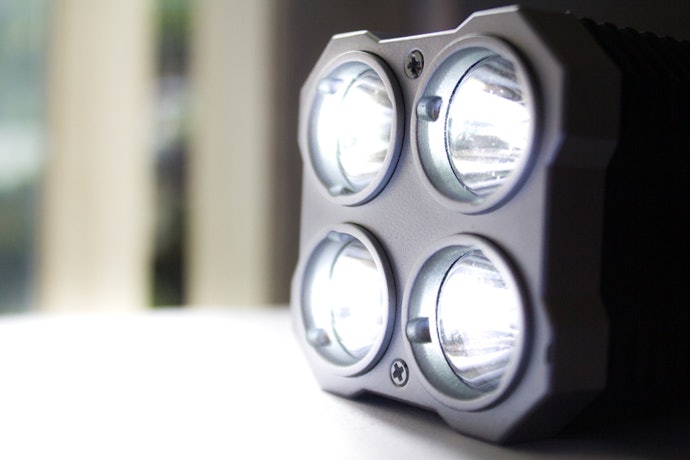
Once the essentials are covered, you may look at extra features that improve usability:
Adjustable brightness – Helps conserve battery by lowering output when full brightness isn’t needed.
Built-in fan or AM/FM radio – Useful during prolonged outages.
USB charging ports – Allow you to charge small devices like smartphones.
Hooks or handles – Portable design with handles for simple movement and quick installation.
These are helpful additions, but should not replace core safety functions.
10 Best Emergency Lights to Buy Online
| Products | Image | Click to purchase | Popularity | Details | |||||||||||
|---|---|---|---|---|---|---|---|---|---|---|---|---|---|---|---|
Light Source | Wattage and Lumens | Type | Charging Method and Input Voltage | Charging Time | Battery Capacity | Usage Duration | IP Rating | Adjustable Brightness | Features | Warranty | |||||
1 | Rechargeable Twinhead Emergency Lamp|FEL201L Firefly |  | No.1 | LED, 6500 K | 24 x 0.06 W | Twin Head | AC 220 V | 20-24 Hours | 6 V 4500 mAh | 17-32 Hours | unknown | Auto Activation, Overcharge/Over-Discharge Protection, Battery Test Switch, External Fuse | |||
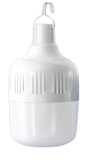
2 | L1 / L2 Rechargeable LED Light Bulb|D-L1 / D-L2 BAVIN |  | No.2 | LED, 6000 K | Light Bulb | Micro USB, DC 5 V - 2 A | Up to 50 Hours on Low (Varies by Mode) | Hanging Hook, Overcharge Protection, Portable Design | |||||||
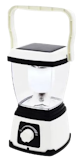
3 | Portable Emergency Light|NS-7730S NSS |  | No.3 | LED, 6500 K | High Brightness | Lantern | Solar/AC | 550 mAh | Portable Handle, Solar/AC Charging Capability | ||||||
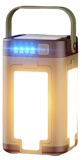
4 | LED Solar Outdoor Camping Light|OL13 Orashare |  | No.4 | LED, 6000 K | Lantern | Solar/USB | 2000 mAh | Extended | unknown | Bug Repellent | |||||
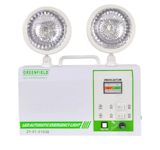
5 | Emergency Light |21-01-1038 Greenfield |  | No.5 | LED, 6500 K | 2 x 2 W, 100-130 Lm | Twin Head | AC 95-265 V | 48 Hours | 6 V 5000 mAh | 16-32 Hours | IP30 | Auto-Switch | 6 Months | ||
6 | Lantern Flashlight|SFL3402/56 Philips |  | No.6 | LED, 6500 K | 10 W, 1000 Lm | Handheld | USB-C | 5 Hours | 4000 mAh | 5-20 Hours | RGB Lighting, Indicators, Durable ABS, High/Low Flashlight, COB Lantern Modes, Flashing/SOS | ||||
7 | LED Emergency Light|CR-7002 DUMA |  | No.7 | SMD LED, 6500 K | 4 W | Wall-Mount | AC Input 100-240 V | 24 Hours | 10-20 Hours | Twin Heads, Super Bright SMD LEDs | |||||
8 | Solar Emergency Light with Powerbank KINGSOLAR |  | No.8 | LED, 6000 K | 336 LEDs | Floodlight | Solar/USB Type-C | USB: 5-6 Hours, Solar: Full Sun Needed (Initial 48 Hours Charging Recommended) | 12000 mAh | 6-8 Hours | IP66 | Magnetic Base, Hook, Power Bank, Battery Indicators | |||
9 | LED Emergency Light |AELG-L420 Akari |  | No.9 | SMD LED, 6500 K | 2 x 15 W, 2600 Lm | Twin Head | AC | 12-24 Hours | 6 V 4500 mAh | 3-14 Hours | Overcharge Protection, Status Indicator | ||||
10 | Emergency Light |LEMER-02-2X1.5W DL Landlite |  | No.10 | LED, Daylight | 2 x 1.5 W | Twin Head | AC 85-265 V | 15 Hours | 3.2 V LiFePO4 | 5 Hours | Wide Voltage Input, Durable LiFePO4 | 1 year | |||

Firefly Rechargeable Twinhead Emergency Lamp | FEL201L
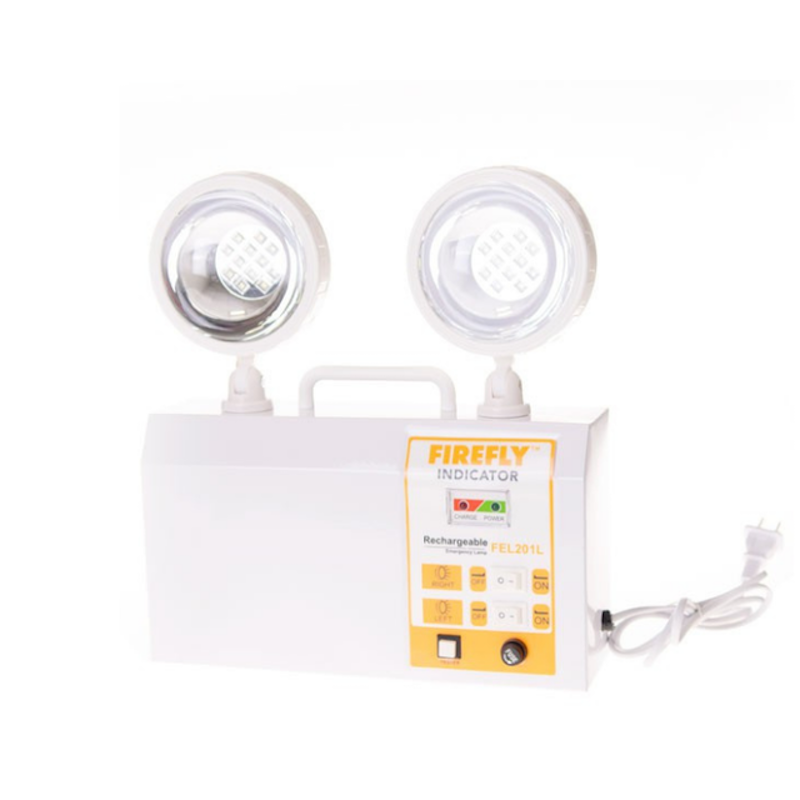
Reviews mention:
Owners praise its vivid glow that illuminates pathways quickly when lights fail. Households value the simple battery replacements and robust frame for daily readiness. However, some shoppers recommend verifying authenticity due to the presence of counterfeit units.
| Light Source | LED, 6500 K |
|---|---|
| Wattage and Lumens | 24 x 0.06 W |
| Type | Twin Head |
| Charging Method and Input Voltage | AC 220 V |
| Charging Time | 20-24 Hours |
| Battery Capacity | 6 V 4500 mAh |
| Usage Duration | 17-32 Hours |
| IP Rating | unknown |
| Adjustable Brightness | |
| Features | Auto Activation, Overcharge/Over-Discharge Protection, Battery Test Switch, External Fuse |
| Warranty |
BAVIN L1 / L2 Rechargeable LED Light Bulb | D-L1 / D-L2
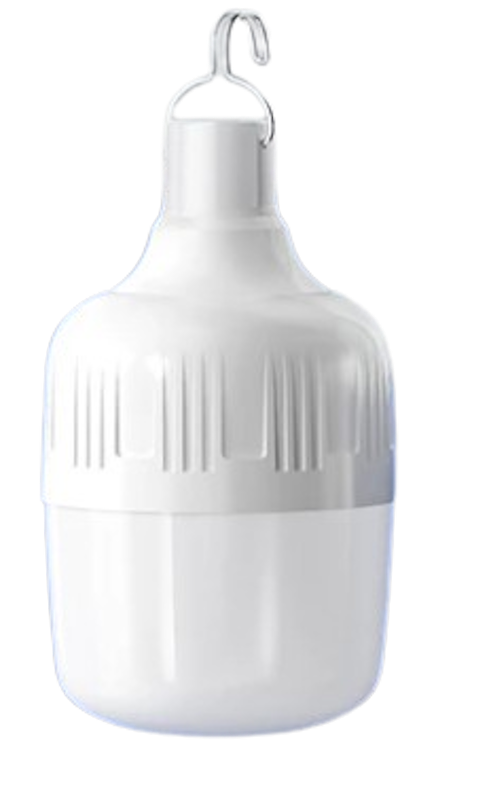
Campers delight in its adjustable glow for nighttime setups and quick USB top-ups via power banks. Folks during blackouts appreciate the hassle-free hook and steady runtime without outlets. Some wish for longer battery life on max setting.
| Light Source | LED, 6000 K |
|---|---|
| Wattage and Lumens | |
| Type | Light Bulb |
| Charging Method and Input Voltage | Micro USB, DC 5 V - 2 A |
| Charging Time | |
| Battery Capacity | |
| Usage Duration | Up to 50 Hours on Low (Varies by Mode) |
| IP Rating | |
| Adjustable Brightness | |
| Features | Hanging Hook, Overcharge Protection, Portable Design |
| Warranty |
NSS Portable Emergency Light | NS-7730S
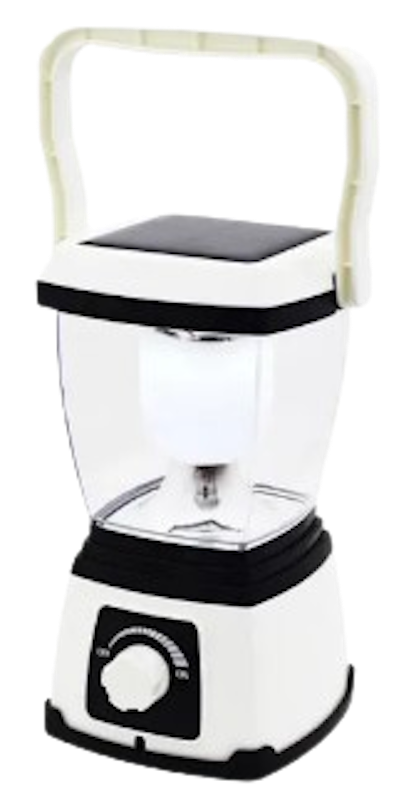
Adventurers love its vivid output during camps and swift solar top-ups off-grid. Families during typhoons hail the rotary dimmer and tough build for indoor havens. Others recommend pairing with extra cables for faster indoor charges.
| Light Source | LED, 6500 K |
|---|---|
| Wattage and Lumens | High Brightness |
| Type | Lantern |
| Charging Method and Input Voltage | Solar/AC |
| Charging Time | |
| Battery Capacity | 550 mAh |
| Usage Duration | |
| IP Rating | |
| Adjustable Brightness | |
| Features | Portable Handle, Solar/AC Charging Capability |
| Warranty |
Orashare LED Solar Outdoor Camping Light | OL13
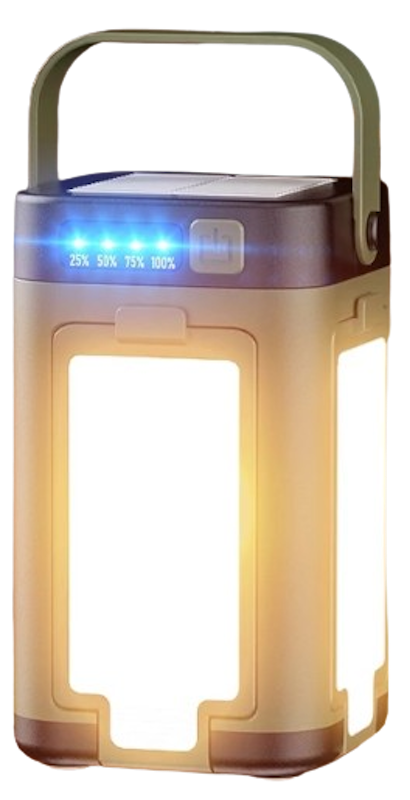
Outdoor enthusiasts praise its versatile beams for tents and trails, plus bug-repelling glow at night. Trekkers highlight quick solar refresh and sturdy fold for hikes or blackouts. A handful note slower full charges in shade.
| Light Source | LED, 6000 K |
|---|---|
| Wattage and Lumens | |
| Type | Lantern |
| Charging Method and Input Voltage | Solar/USB |
| Charging Time | |
| Battery Capacity | 2000 mAh |
| Usage Duration | Extended |
| IP Rating | unknown |
| Adjustable Brightness | |
| Features | Bug Repellent |
| Warranty |
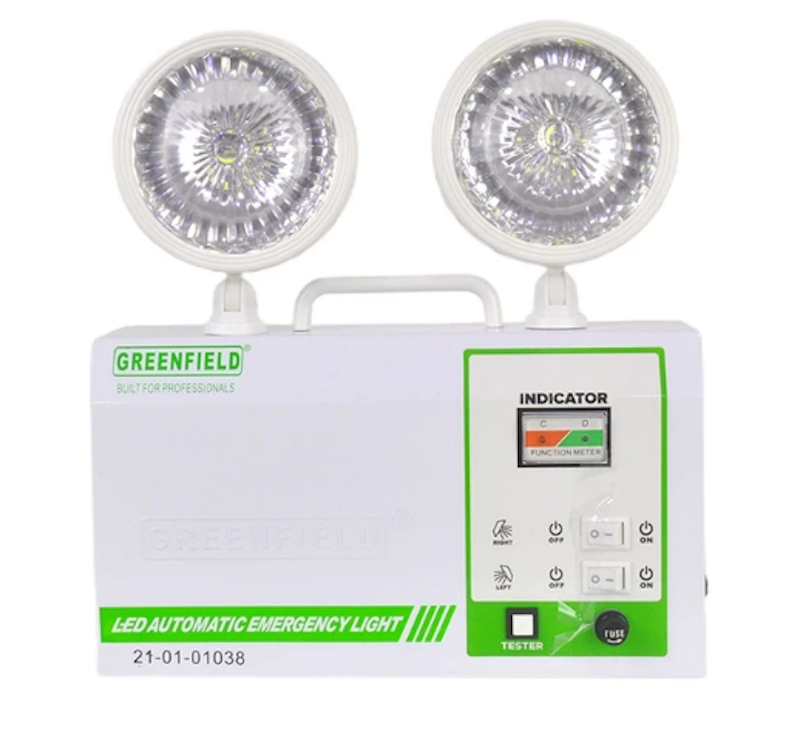
Reviews mention:
Households appreciate its long-lasting glow during storms, effectively banishing darkness for nights at a time. Users praise the large-capacity battery and simple plug-in design for reliable readiness. Some report concerns about lengthy 48-hour recharge times.
| Light Source | LED, 6500 K |
|---|---|
| Wattage and Lumens | 2 x 2 W, 100-130 Lm |
| Type | Twin Head |
| Charging Method and Input Voltage | AC 95-265 V |
| Charging Time | 48 Hours |
| Battery Capacity | 6 V 5000 mAh |
| Usage Duration | 16-32 Hours |
| IP Rating | IP30 |
| Adjustable Brightness | |
| Features | Auto-Switch |
| Warranty | 6 Months |
Philips Lantern Flashlight | SFL3402/56
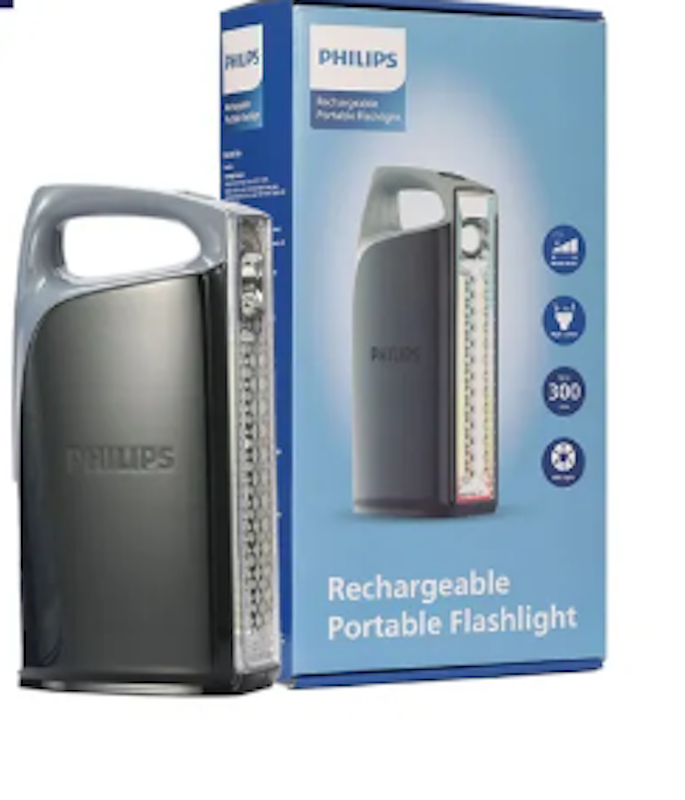
Campers appreciate its piercing spotlight that cuts through fog, along with its festive RGB hues for evening ambiance. Travelers value the lantern’s wide spread and rapid recharging from power banks during treks. Some users would prefer stronger water resistance for rainy outings.
| Light Source | LED, 6500 K |
|---|---|
| Wattage and Lumens | 10 W, 1000 Lm |
| Type | Handheld |
| Charging Method and Input Voltage | USB-C |
| Charging Time | 5 Hours |
| Battery Capacity | 4000 mAh |
| Usage Duration | 5-20 Hours |
| IP Rating | |
| Adjustable Brightness | |
| Features | RGB Lighting, Indicators, Durable ABS, High/Low Flashlight, COB Lantern Modes, Flashing/SOS |
| Warranty |
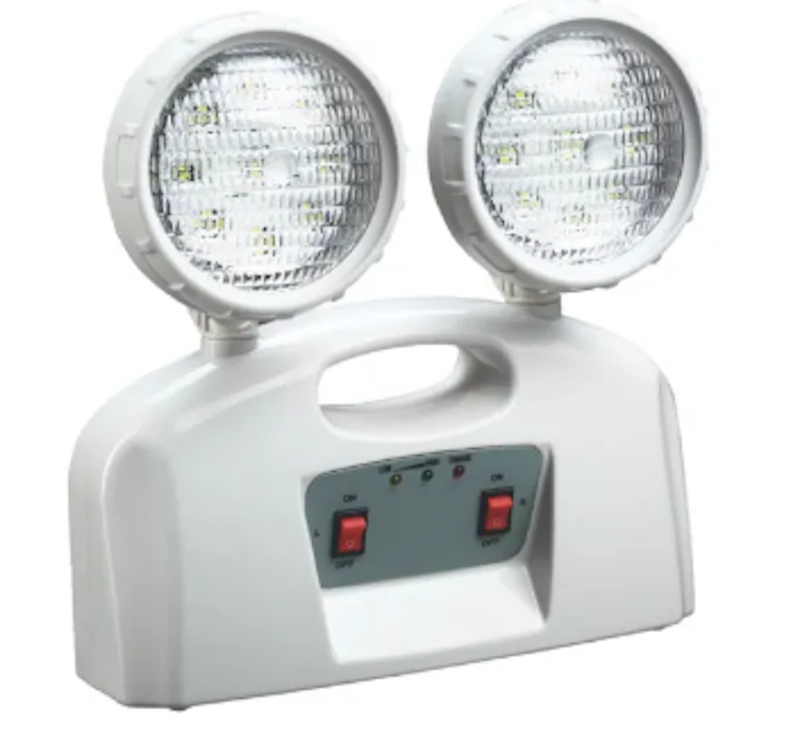
Facility managers appreciate its steady illumination that fills corridors during drills or storms. Caregivers in clinics value the easy installation and long-lasting runtime for night shifts. Some users report occasional flickering after prolonged storage.
| Light Source | SMD LED, 6500 K |
|---|---|
| Wattage and Lumens | 4 W |
| Type | Wall-Mount |
| Charging Method and Input Voltage | AC Input 100-240 V |
| Charging Time | 24 Hours |
| Battery Capacity | |
| Usage Duration | 10-20 Hours |
| IP Rating | |
| Adjustable Brightness | |
| Features | Twin Heads, Super Bright SMD LEDs |
| Warranty |
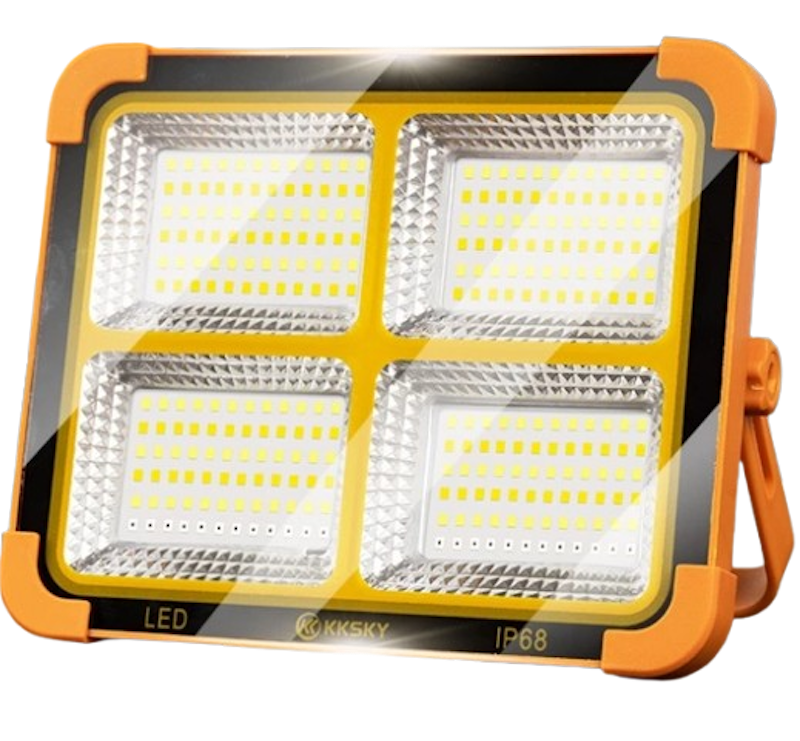
KINGSOLARSolar Emergency Light with Powerbank
Reviews mention:
Workers on job sites value its wide flood beam for covering large areas and appreciate the phone-charging capability during night shifts. Campers favor the magnetic mount and SOS flash for secure setups away from the grid. Several users advise ensuring full sun exposure to maximize solar charging performance.
| Light Source | LED, 6000 K |
|---|---|
| Wattage and Lumens | 336 LEDs |
| Type | Floodlight |
| Charging Method and Input Voltage | Solar/USB Type-C |
| Charging Time | USB: 5-6 Hours, Solar: Full Sun Needed (Initial 48 Hours Charging Recommended) |
| Battery Capacity | 12000 mAh |
| Usage Duration | 6-8 Hours |
| IP Rating | IP66 |
| Adjustable Brightness | |
| Features | Magnetic Base, Hook, Power Bank, Battery Indicators |
| Warranty |
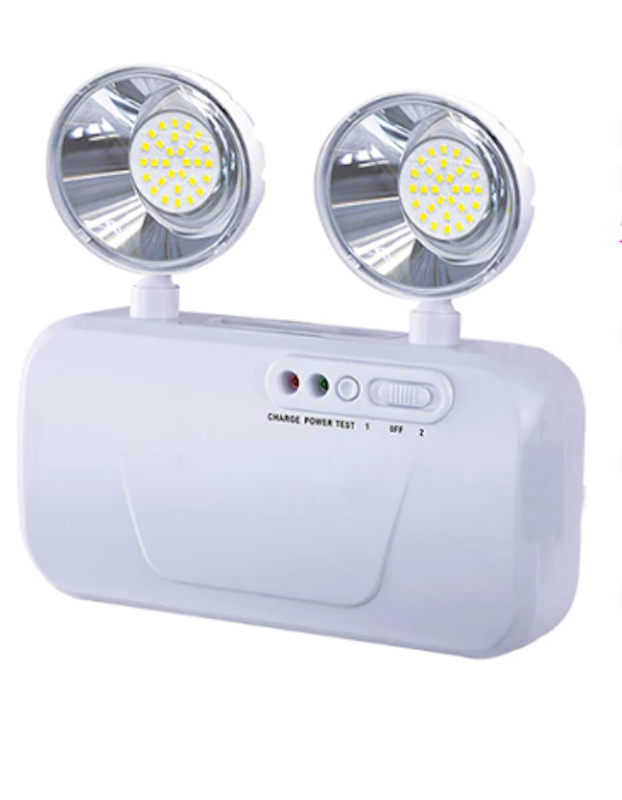
AkariLED Emergency Light | AELG-L420
Reviews mention:
Residents appreciate its bright floodlight that eliminates shadows during typhoons, along with its strong battery performance. Offices rely on the alert light and durable build for consistent, shift-long security. A few users note the need for regular weekly charging to avoid weakened backups.
| Light Source | SMD LED, 6500 K |
|---|---|
| Wattage and Lumens | 2 x 15 W, 2600 Lm |
| Type | Twin Head |
| Charging Method and Input Voltage | AC |
| Charging Time | 12-24 Hours |
| Battery Capacity | 6 V 4500 mAh |
| Usage Duration | 3-14 Hours |
| IP Rating | |
| Adjustable Brightness | |
| Features | Overcharge Protection, Status Indicator |
| Warranty |
LandliteEmergency Light | LEMER-02-2X1.5W DL
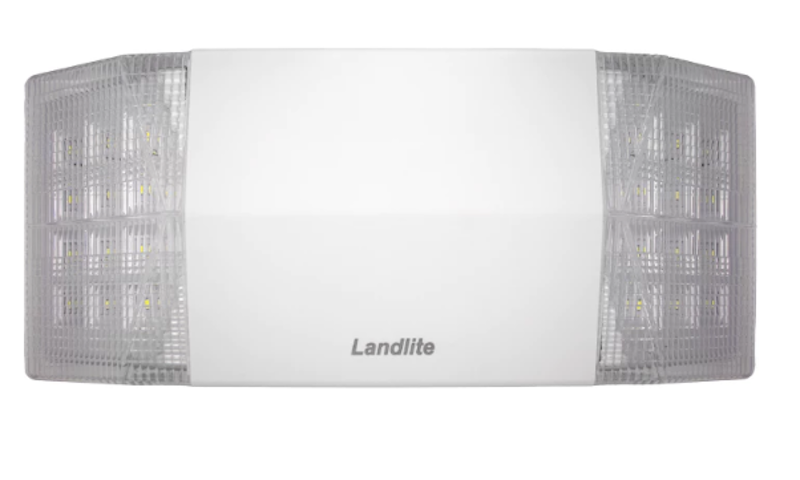
Homeowners appreciate its even light spread, which banishes gloom during outages, along with durable cells that withstand flooding. Businesses value the broad voltage range and steady lamp heads for uninterrupted operation. Some note the importance of monthly testing to maintain peak performance.
| Light Source | LED, Daylight |
|---|---|
| Wattage and Lumens | 2 x 1.5 W |
| Type | Twin Head |
| Charging Method and Input Voltage | AC 85-265 V |
| Charging Time | 15 Hours |
| Battery Capacity | 3.2 V LiFePO4 |
| Usage Duration | 5 Hours |
| IP Rating | |
| Adjustable Brightness | |
| Features | Wide Voltage Input, Durable LiFePO4 |
| Warranty | 1 year |
Secure Your Investment With Warranty and Brand Support
Check whether the brand provides a warranty and readily available battery replacements. This ensures that any issues can be addressed without extra cost or hassle, giving you peace of mind.
A reliable warranty protects your investment and ensures consistent performance. Accessible support and replacement options keep your emergency light dependable during frequent power interruptions.
Frequently Asked Questions
Below are some of the most asked questions on the web answered by the mybest team.
Which Brands Are Reliable for Emergency Lights?
Omni, Firefly, and Akari are reliable brands in the Philippines, offering durable lights with decent battery life. Choose based on your needs for brightness, runtime, and budget.
How Much Do Emergency Lights Cost in the Philippines?
Emergency light prices in the Philippines typically range from around ₱150 to ₱5,000 depending on type, brand, and features. Basic faucet-style or portable lantern units from BAVIN and other budget brands cost ₱150–₱500. Mid-range rechargeable twin-head lights from Firefly, Greenfield, and DUMA range from ₱500–₱2,000, while premium high-lumen models like Akari’s twin-head units or solar-capable floodlights with powerbank features are priced at ₱2,000–₱5,000.
Where Should Emergency Lights Be Installed?
Place lights in dry, accessible areas. Exit and corridor lights should guide safe evacuation routes. Proper placement ensures reliable lighting during outages.
Can Emergency Lights Stay Plugged in All the Time?
Yes, most models are designed for continuous charging. Ensure the unit has overcharge protection to prevent battery damage.
How Often Should Emergency Lights Be Tested?
Test monthly with a short 30-second check and conduct a full-duration annual test. This ensures the battery and automatic switch function correctly during actual outages.
How Long Do Emergency Light Batteries Last?
Most batteries last 4–5 years under regular use. Replace them promptly to maintain backup power and avoid unexpected failures.
More Tools You Can Use in Case of an Emergency
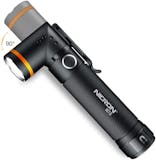
It's better to be safe than sorry, therefore preparedness is the best key. Because an emergency situation is unpredictable, it is preferable to have a handy tool when the time arises. Take note of these tools below and have them ready in your home.


Author: Jennylyn D. Salao
Re-Editor: R. Victoriano
How We Chose and Ranked Our Product Recommendations
Our buying guide was carefully researched and crafted by the mybest team of writers and editors, in collaboration with the expert featured in this article. We used the buying guide as a basis for choosing and ranking the product recommendations, and we looked at reviews and ratings from different E-commerce sites like Lazada, Shopee, and more.
The descriptions of each product are referenced from content available on manufacturer, brand, and e-commerce sites.