10 Best Medicines for Clogged Nose in the Philippines 2026 | Buying Guide Reviewed by Doctor
Struggling with a clogged nose? Whether it’s from a cold, allergies, or sinusitis, nasal congestion can make breathing difficult and disrupt your daily routine. With so many medicines and remedies available—from decongestants to antihistamines to natural options—it’s important to know which one best suits your symptoms and health condition.
To help you make the right choice, we consulted Board-Certified Family Medicine Specialist Dr. Eron Tan. In this article, we’ll break down the common causes of nasal congestion, explain how different medications work, and guide you through safe options for children, pregnant or breastfeeding women, and those with underlying conditions.

Dr. Tan is a Family and Occupational Medicine doctor and college faculty member with expertise in clinical care, preventive medicine, and evidence-based practice. With a strong background in primary and secondary care, research, and community-oriented primary care, he simplifies complex health topics for readers. His experience in occupational health provides insights into workplace well-being and safety, ensuring health-related decisions are grounded in research and reliable medical knowledge.

David is a law graduate (LL.B) who has a sharp eye for details and a strong passion for helping others make smarter decisions. Since he joined mybest in 2020, he’s been working on buying guides that make it easier to find the best products—whether they’re everyday essentials or unique finds. Apart from his work at mybest, David has also written for Grotto Network, a digital platform from the University of Notre Dame, and has experience as a special educational needs assistant. These roles have helped him hone his ability to connect with people and make complex topics more relatable and easy to understand. His love for nature and moments of reflection keep him grounded, and this thoughtful perspective shines through in every article he writes for mybest.
The expert oversees the Buying Guide only, and does not determine the products and services featured.
Why You Can Trust Us
Every mybest article is crafted with hours of in-depth research and interviews with experts. Each month, we are continually expanding our database of products based on our research. By emphasizing user insight and reliable information, we deliver trustworthy content to readers.
What Are the Common Causes of Nasal Congestion or a Clogged Nose?


Nasal congestion can stem from several causes, and identifying the right one is key to choosing the proper treatment.
Common causes of nasal congestion include:
Viral infections – such as the common cold or flu
Allergic rhinitis – triggered by pollen, dust, pet dander, and other allergens
Non-infectious conditions – like sinusitis
Environmental irritants – including cigarette smoke, air pollution, and strong odors
Take Extra Precautions If You Have Underlying Conditions

If you have underlying health conditions, particularly heart disease, hypertension, or diabetes, nasal decongestants might not be the best option. Decongestants like phenylephrine or pseudoephedrine can raise blood pressure, making them unsuitable for those with these conditions. Always consult your doctor to find a safe option.
Topical decongestants, like oxymetazoline, can be an alternative but should still be used with caution. Saline sprays are a safer option and can be effective for mild to moderate congestion
How to Choose Medicines for Clogged Nose - Buying Guide
Finding the right medicine for a clogged nose depends on the cause, whether it's a cold, allergies, or sinus issues.
Choose the Right Type of Medicine Based on Your Symptoms
The type of medicine you choose should match your specific symptoms. For example, decongestants are ideal for blocked noses, while antihistamines work better for sneezing or itchy eyes.
For Blocked Nose From a Cold or Sinusitis: Choose a Decongestant Like Pseudoephedrine

If your nasal congestion is due to a cold or sinusitis, oral decongestants like phenylephrine or pseudoephedrine can help. These medications work by shrinking the blood vessels in your nasal passages, which reduces swelling and helps clear your nose.
For adults, the typical dosage for phenylephrine is 10 mg every four hours as needed. However, it should not be used for more than seven days to prevent potential side effects, such as insomnia or increased blood pressure. Additionally, the maximum dosage should not exceed 60 mg in 24 hours.
If You Also Have Sneezing or a Runny Nose: Look for Combo Meds With Antihistamines

If you're experiencing both nasal congestion and symptoms such as sneezing or a runny nose, consider using a combination medication that contains both a decongestant and an antihistamine. Antihistamines are effective in relieving sneezing and itchy eyes, which are often associated with allergies, while decongestants help clear a blocked nose.
However, avoid taking combination products if you only have one symptom. For example, if you’re just dealing with a clogged nose and no sneezing, there’s no need to take an antihistamine. Doing so may expose you to unwanted side effects like drowsiness or dry mouth.
If You Have Allergies: Reach for Antihistamines Instead

If your nasal congestion is due to allergies, antihistamines can help ease symptoms such as sneezing, watery eyes, and a runny nose. These medicines work by blocking histamines, which are chemicals the body releases in response to allergens like pollen, dust, and pet dander.
Antihistamines come in two types. First-generation antihistamines, such as diphenhydramine and chlorpheniramine, are effective but may cause drowsiness. Second-generation options like loratadine or cetirizine are less likely to make you sleepy. Depending on when you need relief, you can choose the one that fits your routine.
Try Nasal Sprays for Fast, Localized Relief

Overuse can lead to rebound congestion, a condition where the nasal passages become more congested once the medication wears off.
Choose a Non-Drowsy Formula for Daytime Use

Some cold and allergy medications, especially first-generation antihistamines like diphenhydramine can cause drowsiness, making them less ideal for use during the day. If you need to stay alert for work, school, or errands, it’s best to go for non-drowsy options.
Second-generation antihistamines like loratadine or cetirizine are less likely to make you sleepy. For congestion, oral decongestants without added sedatives can also provide relief without affecting your focus or energy levels.
For Infants and Toddlers, Use Pediatric Saline Sprays

Instead, use saline nasal sprays or drops to help clear the nasal passages. A bulb syringe can also help suction out mucus. Always consult with a pediatrician before using any new treatments.
For Breastfeeding or Pregnant Women, Stick to Doctor-Approved or Saline-Based Options

Pregnant women should avoid oral decongestants like phenylephrine, especially in the first trimester, as it may reduce blood flow to the placenta and potentially affect fetal development. Breastfeeding mothers are also advised to steer clear of pseudoephedrine, which can decrease milk supply. To stay safe, always consult a healthcare provider before using any nasal medication during pregnancy or lactation.
While topical decongestants may be used short-term with medical guidance, saline-based options remain the safest choice. Isotonic saline sprays gently moisturize nasal passages, making them ideal for regular use, while hypertonic saline may provide extra relief by reducing swelling—but can sometimes cause irritation.
10 Best Medicine for Clogged Nose Ranking
| Products | Image | Click to purchase | Popularity | Details | ||||
|---|---|---|---|---|---|---|---|---|
Medicine Type | Key Ingredient | Non-Drowsy | Form | |||||
1 | Nasal Hygiene 100 mL Sterimar |  | No.1 | Nasal Spray | Sodium Chloride / Sterile Seawater | Liquid | ||
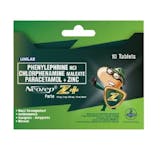
2 | Z+ Forte Tablets 2 mg/12 mg/250 mg Neozep |  | No.2 | Decongestant and Antihistamine Combination | Phenylephrine HCl 10 mg + Chlorphenamine Maleate 2 mg + Paracetamol 325 mg + Zinc 10 mg per Tablet | Tablet | ||
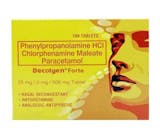
3 | Nasal Decongestant, Antihistamine, Analgesic-Antipyretic Tablets 25 mg/2 mg/500 mg Decolgen Forte |  | No.3 | Decongestant and Antihistamine Combination | Phenylpropanolamine HCl 25 mg + Chlorphenamine Maleate 2 mg + Paracetamol 500 mg per Tablet | Tablet | ||
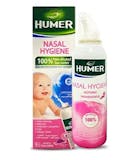
4 | Isotonic Nasal Hygiene Humer |  | No.4 | Nasal Spray | 100% Isotonic Seawater / Sodium Chloride | Liquid | ||
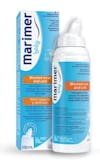
5 | Blocked Nose Nasal Spray 100 mL Marimer Baby |  | No.5 | Nasal Spray | Sterile Seawater / Sodium Chloride | Liquid | ||
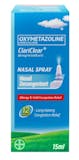
6 | Nasal Decongestant Spray 15 mL ClariClear |  | No.6 | Nasal Spray / Decongestant | Oxymetazoline Hydrochloride | Liquid | ||
7 | Saline Solution for Nasal Spray 30 mL Muconase |  | No.7 | Nasal Spray | Sodium Chloride / Saline Solution | Liquid | ||
8 | Nasal Relief Spray 15 mL Family Care |  | No.8 | Nasal Spray | Oxymetazoline Hydrochloride (0.05%) | Liquid | ||
9 | Mark II Inhaler Combo Pack Poy-Sian |  | No.9 | Nasal Inhaler / Aromatic Inhalant | Menthol 42% + Camphor 16.4% + Eucalyptus Oil 8.5% + Borneol 6.1% | Liquid/Oil Inhalant | ||
10 | Hygiene Active Prevention Nasal Spray 135 mL Physiomer |  | No.10 | Nasal Spray | 100% Isotonic Seawater, Equivalent to 9 g/L Sodium Chloride | Liquid | ||


| Medicine Type | Nasal Spray |
|---|---|
| Key Ingredient | Sodium Chloride / Sterile Seawater |
| Non-Drowsy | |
| Form | Liquid |
Neozep Z+ Forte Tablets 2 mg/12 mg/250 mg
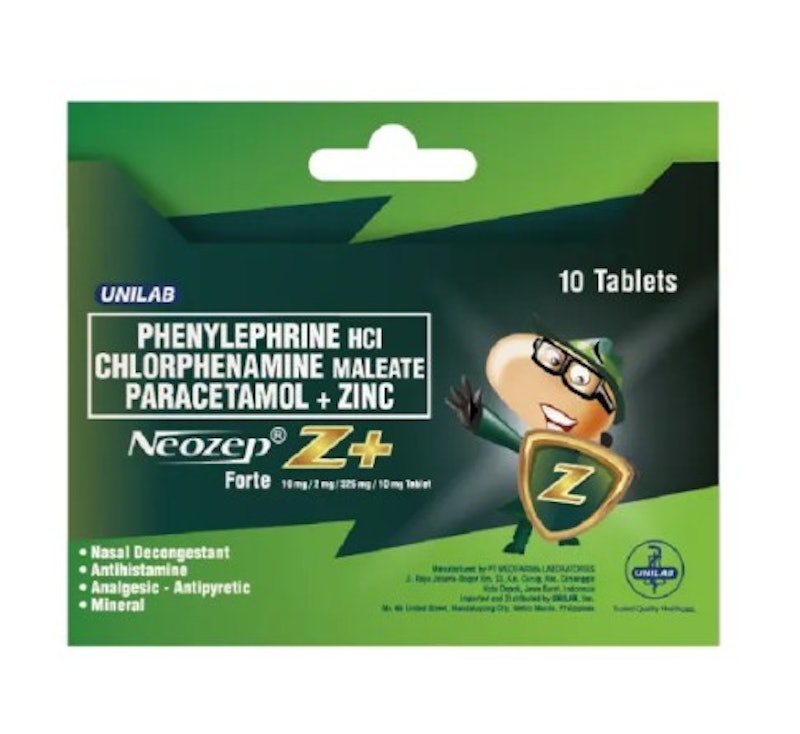
| Medicine Type | Decongestant and Antihistamine Combination |
|---|---|
| Key Ingredient | Phenylephrine HCl 10 mg + Chlorphenamine Maleate 2 mg + Paracetamol 325 mg + Zinc 10 mg per Tablet |
| Non-Drowsy | |
| Form | Tablet |
Decolgen ForteNasal Decongestant, Antihistamine, Analgesic-Antipyretic Tablets 25 mg/2 mg/500 mg
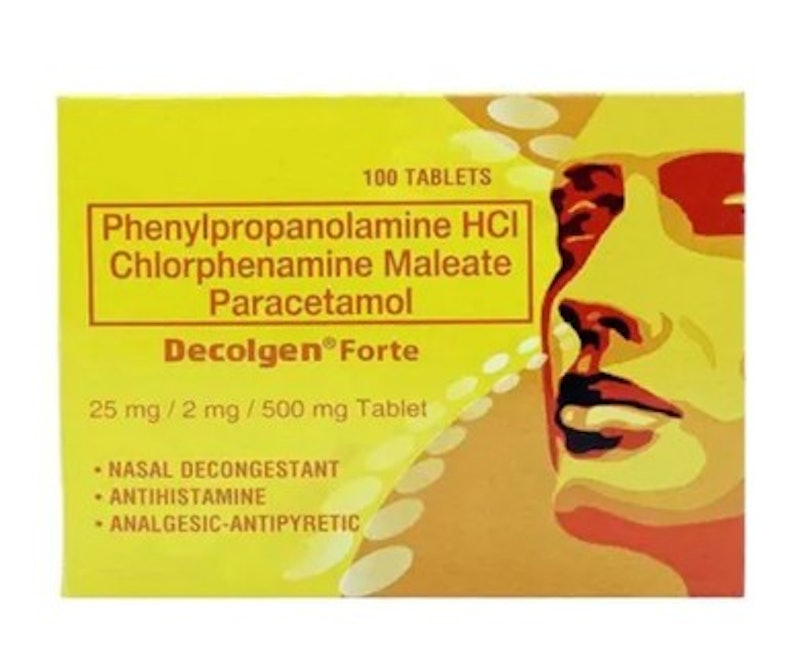
| Medicine Type | Decongestant and Antihistamine Combination |
|---|---|
| Key Ingredient | Phenylpropanolamine HCl 25 mg + Chlorphenamine Maleate 2 mg + Paracetamol 500 mg per Tablet |
| Non-Drowsy | |
| Form | Tablet |
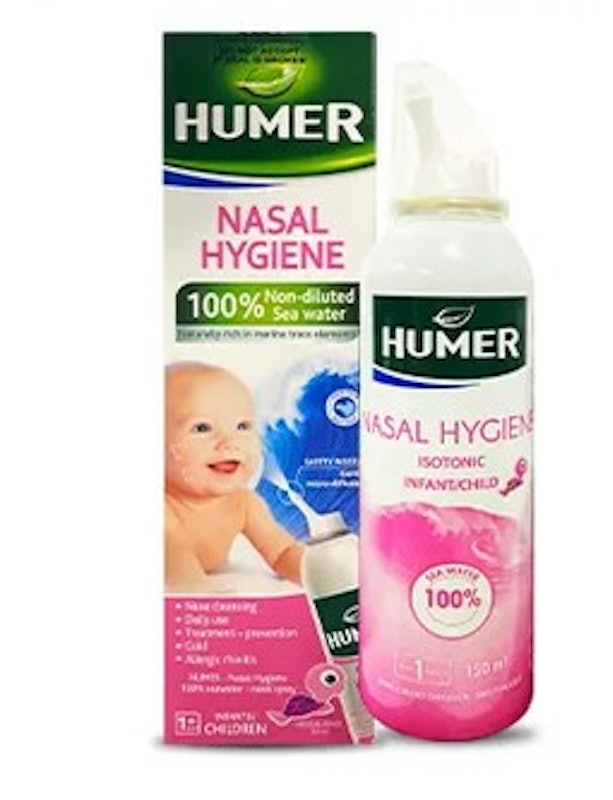
| Medicine Type | Nasal Spray |
|---|---|
| Key Ingredient | 100% Isotonic Seawater / Sodium Chloride |
| Non-Drowsy | |
| Form | Liquid |
Marimer Baby Blocked Nose Nasal Spray 100 mL
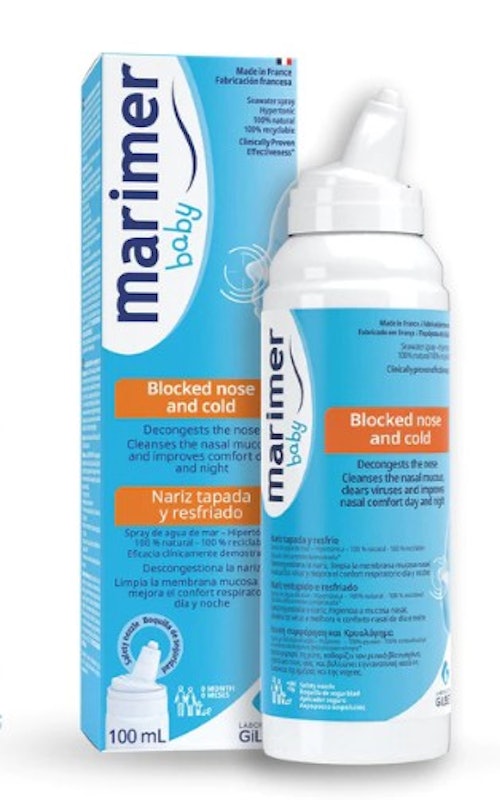
| Medicine Type | Nasal Spray |
|---|---|
| Key Ingredient | Sterile Seawater / Sodium Chloride |
| Non-Drowsy | |
| Form | Liquid |
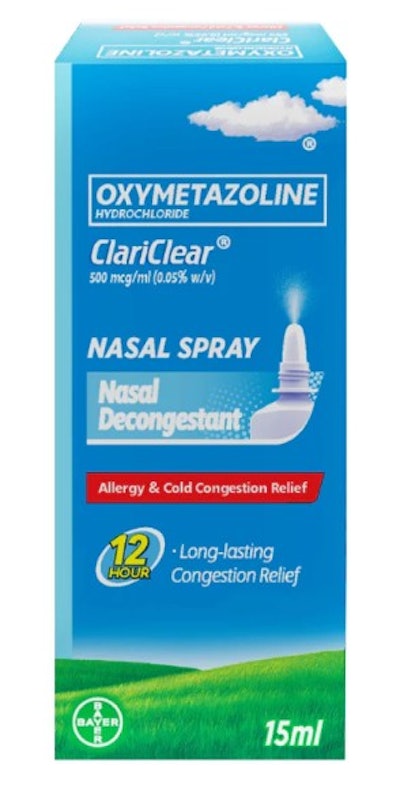
| Medicine Type | Nasal Spray / Decongestant |
|---|---|
| Key Ingredient | Oxymetazoline Hydrochloride |
| Non-Drowsy | |
| Form | Liquid |
Muconase Saline Solution for Nasal Spray 30 mL
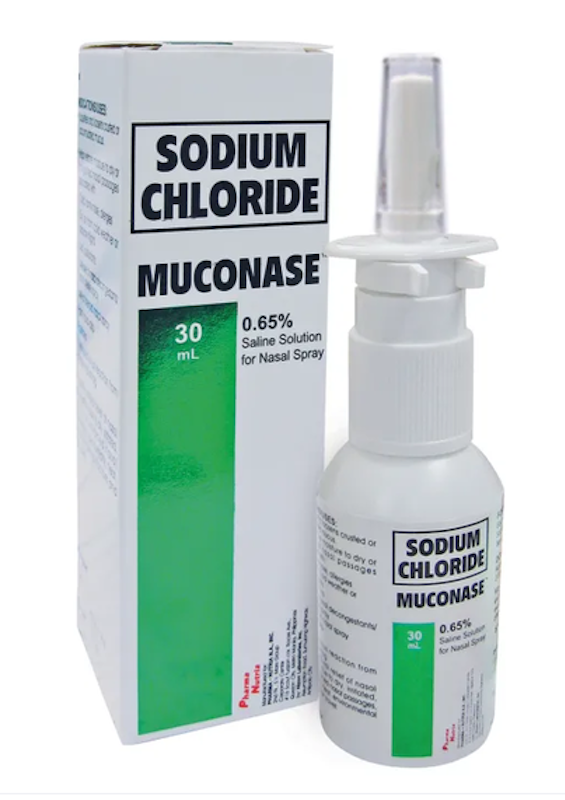
| Medicine Type | Nasal Spray |
|---|---|
| Key Ingredient | Sodium Chloride / Saline Solution |
| Non-Drowsy | |
| Form | Liquid |
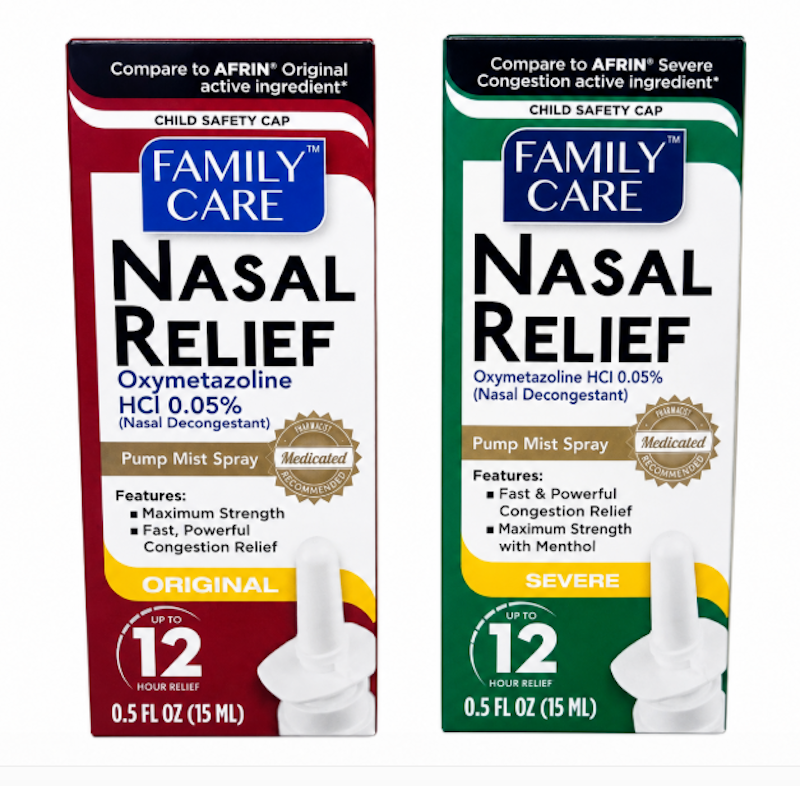
| Medicine Type | Nasal Spray |
|---|---|
| Key Ingredient | Oxymetazoline Hydrochloride (0.05%) |
| Non-Drowsy | |
| Form | Liquid |
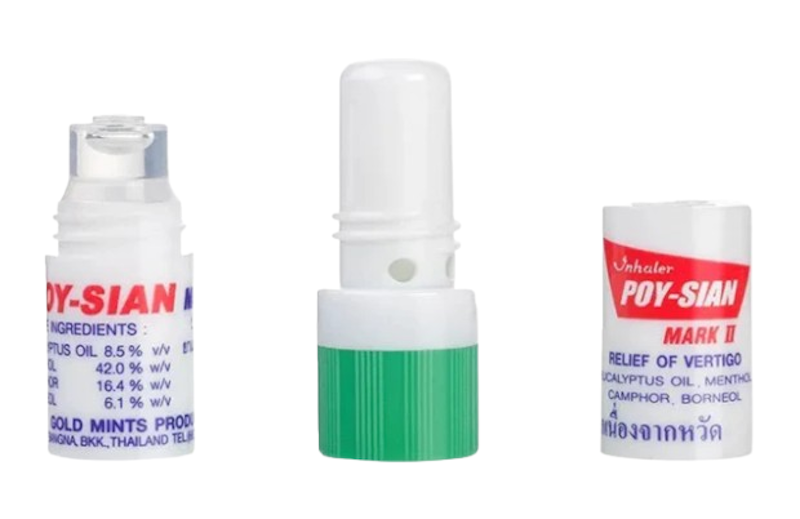
| Medicine Type | Nasal Inhaler / Aromatic Inhalant |
|---|---|
| Key Ingredient | Menthol 42% + Camphor 16.4% + Eucalyptus Oil 8.5% + Borneol 6.1% |
| Non-Drowsy | |
| Form | Liquid/Oil Inhalant |
Physiomer Hygiene Active Prevention Nasal Spray 135 mL
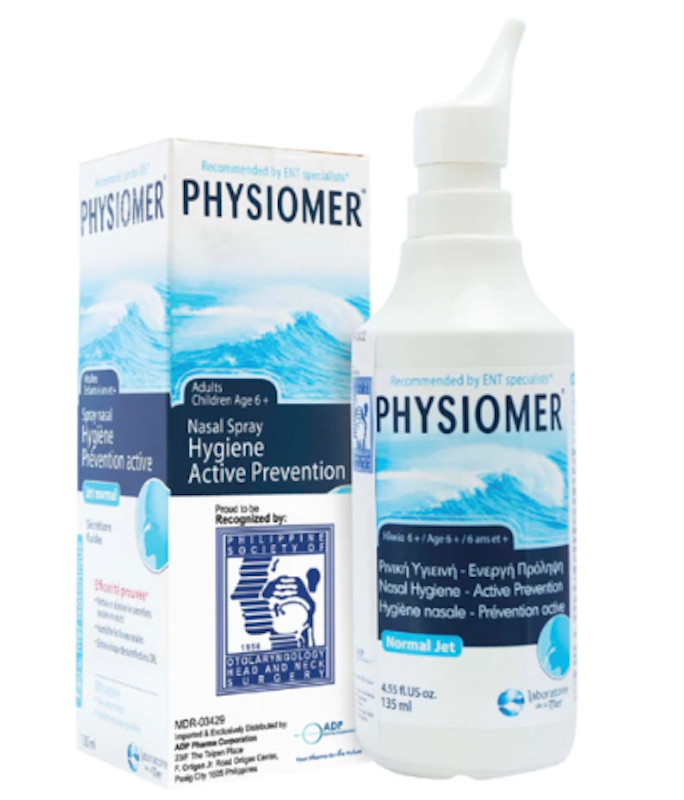
| Medicine Type | Nasal Spray |
|---|---|
| Key Ingredient | 100% Isotonic Seawater, Equivalent to 9 g/L Sodium Chloride |
| Non-Drowsy | |
| Form | Liquid |
Frequently Asked Questions
What Medicine Should I Take For A Stuffy Nose And Sore Throat?
For a stuffy nose and sore throat, an oral decongestant (like phenylephrine) combined with a pain reliever or throat lozenge can help. If the symptoms are due to allergies, an antihistamine may also be beneficial.
What Medicine Should I Take For A Stuffy Nose And Headache?
Is There Any Natural Remedy For A Clogged Nose?
Explore More Cold and Allergy Relief Options
Looking for relief beyond nasal congestion? Check out our other guides to help you manage your symptoms more effectively.


How We Chose and Ranked Our Product Recommendations
Our buying guide was carefully researched and crafted by the mybest team of writers and editors, in collaboration with the expert featured in this article. We used the buying guide as a basis for choosing and ranking the product recommendations, and we looked at reviews and ratings from different E-commerce sites like Lazada, Shopee, and more.
The descriptions of each product are referenced from content available on manufacturer, brand, and e-commerce sites.