
10 Best Sweet Red Wines in the Philippines 2026 | Buying Guide Reviewed by Sommelier
Sweet red wines are often used as a gateway to red wines or as transition wines for beginners. They come in a range of delightful flavors and often present ripe, jammy fruit characteristics such as cherry, raspberry, blackberry, and sometimes even plum, dried fruit, and compote.
However, not all sweet red wines are the same. Don’t worry! In this article, we’ll help in picking the type of sweet red wine that’s right for you as well as our top 10 list with insights from wine professional Raymund S. Manzanillo!

Raymund is currently the chief sommelier who sources and evaluates wines for the portfolio of La Peregrina Filipina, a Philippine-based wine import company. He is a proponent of wine as culture, art, a lifestyle, and an all-important element in the world of gastronomy.

Justine joined mybest in 2020. She gravitates toward writing all things food-related and how they connect people. Aside from writing, she’s made it a point to hunt for the perfect croissant and chocolate chip cookie.
The expert oversees the Buying Guide only, and does not determine the products and services featured.
Why You Can Trust Us
Every mybest article is crafted with hours of in-depth research and interviews with experts. Each month, we are continually expanding our database of products based on our research. By emphasizing user insight and reliable information, we deliver trustworthy content to readers.
Comparing Sweet Red Wines vs Ordinary Red Wines

Do sweet red wines and ordinary red wines have noticeable differences? Let's explore how sweet red wines and ordinary red wines vary in different aspects like sweetness level, flavor profile, palate sensation, and ideal food pairing.
- Sweetness Level- Sweet red wines have a noticeable level of residual sugar, which brings a pronounced sweetness to the wine. Ordinary red wines are typically dry, meaning they have minimal residual sugar, allowing other flavors to take the forefront.
- Flavor Profile- Sweet red wines often display prominent fruitiness, with flavors of ripe berries, cherries, and sometimes even hints of dried fruits. Ordinary red wines showcase a wider range of flavors, including various fruit notes (like red and dark fruits), spices, herbs, and sometimes earthy or mineral undertones.
- Palate Sensation- Sweet red wines coat the palate with a lush, velvety sensation due to the sugar content. Ordinary red wines tend to have more structure from tannins and acidity, creating a different textural experience.
- Food Pairing- Sweet red wines are excellent with desserts and can pair well with certain cheeses or rich, savory dishes that balance the sweetness. Ordinary red wines are often paired with a wider range of foods, from meats to pasta to cheeses, depending on the wine's style.
How to Choose a Sweet Red Wine - Buying Guide
Choosing a sweet red wine can be confusing, especially if you don’t know what to look for. How do you dissect the label? How can you tell just by its appearance? Learn more about these in our buying guide below.
For Wine Beginners, Try Lighter Styles Like Lambrusco or Pinot Noir First Before Venturing to Other Varieties
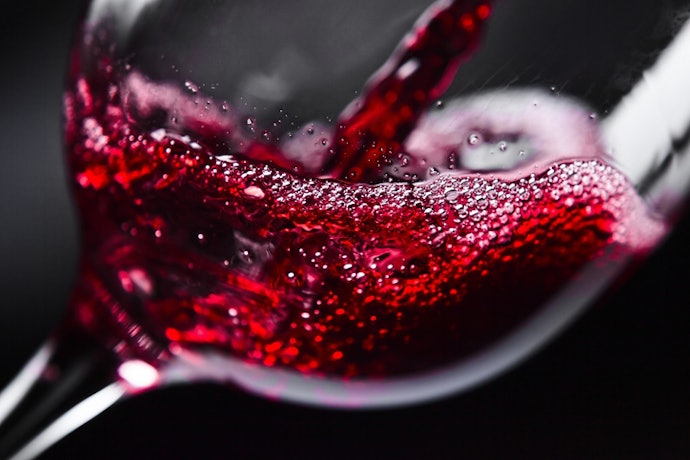
Sommelier Raymund Manzanillo recommends beginners to try lighter sweet red wines that have a moderate level of sweetness and lower alcohol content first. Look for wines labeled as "semi-sweet" or "off-dry."
Lighter reds like Lambrusco, Beaujolais, or some Pinot Noirs usually fall within this range and can be great introductory options as these wines tend to be fruit-forward and approachable.

Explore Different Red Wine Types or Varieties to Expand Your Palate
Explore Sweet and Playful Flavors Like Brachetto d’ Acqui, Lambrusco Dolce, and Black Muscat
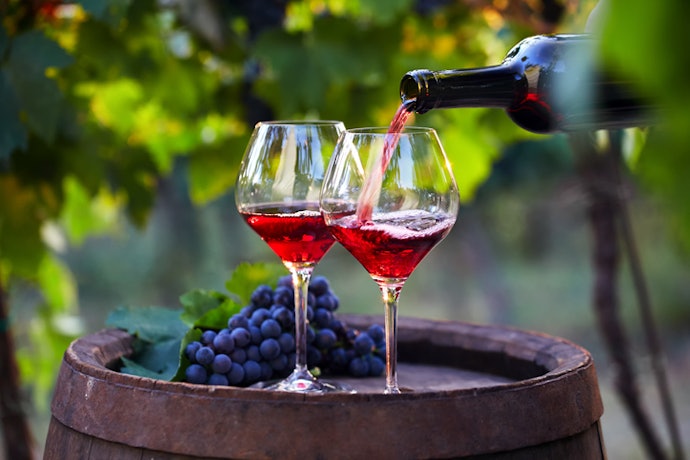
Lambrusco Dolce: A lightly sparkling Italian wine with sweet red fruit flavors and a touch of fizziness. It's a more playful and versatile option.
Black Muscat: This variety is known for its floral aromatics and rich berry flavors. It's often made into sweet wines ranging from light to intensely sweet.
Different Wine Styles Provide Taste and Complexity
Port-style Wines: Port is a fortified sweet red wine, often featuring deep fruit flavors, richness, and a touch of spice. Varieties like Ruby, Tawny, and Vintage Port offer different levels of complexity and aging potential.
Dessert Wines: These encompass a broad category of sweet wines, including varieties like Recioto della Valpolicella, Banyuls, and Maury. They're crafted to be enjoyed as a dessert or paired with rich, savory dishes.
Red Ice Wines: Similar to ice wines, these are made from grapes that have frozen on the vine. The freezing concentrates sugars and flavors, resulting in intensely sweet wines.
Read the Label: Look for Indicators of Sweetness
Spotting a sweet red wine can be easy if you can remember the tell-tale signs. Heres what you need to know to help you identify if a wine is indeed sweet.
Look for Labels Like Sweet or Semi-Sweet to Determine Its Sugar Level

One of the key indicators is the wine's label – look for terms like "sweet," "off-dry," or "semi-sweet." These are clear signals that the wine will have a noticeable sweetness.
The sweetness in wine is typically measured in grams of residual sugar per liter. You'll find wines ranging from semi-sweet with around 12-45 g/L of residual sugar to dessert wines that can have over 200 g/L, creating rich and lusciously sweet profiles.
Check the ABV: Beginners May Start With a Moderate 9%-12%
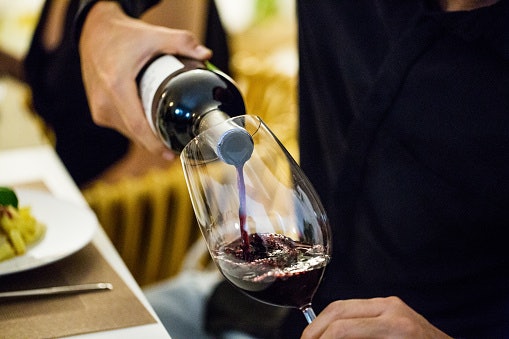
Sweet red wines can vary in alcohol by volume (ABV), but they generally fall within the range of 7% to 15% ABV. The sweetness level doesn't necessarily dictate the ABV, as it depends on factors like grape variety, winemaking techniques, and whether the wine is fortified.
For beginners in drinking wine, it's often recommended to start with wines that have a moderate ABV, around 9% to 12%. This range allows for a balanced experience without overwhelming the palate or causing too much of an alcohol impact.
Examine Its Color, Aroma, and Mouthfeel to Confirm Its Sweetness
Besides reading the label, you can use your senses to determine whether a wine is sweet.
Pay Attention to the Color: the Darker, the Sweeter
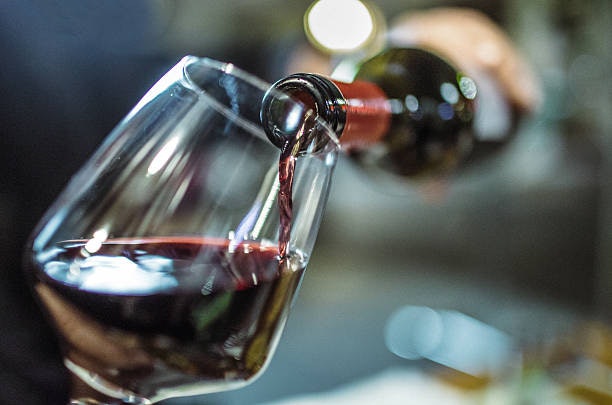
Sweeter red wines tend to be darker and more opaque due to their higher sugar content. When you swirl the wine in your glass, observe its "legs" or "tears" – thicker, slower-running tears might suggest more residual sugar.
Observe Its Aroma and Mouthfeel: It Should Have Ripe Fruit Scents and a Velvety Mouthfeel

On the palate, sweet red wines often exhibit fruity and jammy flavors with a soft, velvety mouthfeel. You'll also notice a lack of pronounced tannins, as the sweetness can mask their astringency.
The aroma can also provide clues. If you sense intense ripe fruit, caramel, honey, or even floral notes on the nose, it’s likely you're dealing with a sweet red wine.
Attend wine tastings if possible. This allows you to try different styles and find what appeals to your palate without committing to a full bottle. Additionally, you can also ask for recommendations at a wine shop or from friends who are familiar with wine. They can suggest options based on your preferences.
10 Best Sweet Red Wines to Buy Online
| Products | Image | Click to purchase | Popularity | Details | ||||
|---|---|---|---|---|---|---|---|---|
ABV | Type | Country of Origin | Volume | |||||
1 | Sweet Red Carlo Rossi |  | No.1 | 11.5% | Sweet Red Wine | USA | 750 mL | |
2 | Sparkling Red Novellino |  | No.2 | 7% | Sparkling Sweet Red Wine | Philippines | 750 mL | |
3 | Natural Sweet Red Saint Celine |  | No.3 | 12% | Sweet Red Wine | Spain | 1500 mL | |
4 | Red Wine Medium Sweet Vino Fontana |  | No.4 | 11% | Medium Sweet Red Wine | Spain | 750 mL | |
5 | Semi Sweet Red Wine Viña Lanzar |  | No.5 | 11% | Semi-Sweet Red Wine | Spain | 750 mL | |
6 | Red Wine Adega De Pegoes |  | No.6 | 13% | Red Wine | Portugal | 750 mL | |
7 | Sweet Red Wine Woomera |  | No.7 | 13.50% | Sweet Red Wine | Australia | 750 mL | |
8 | Red Moscato Carlo Rossi |  | No.8 | 9% | Red Moscato Wine | USA | 750 mL | |
9 | Red Wine Medium Sweet Castillo Cielo |  | No.9 | 11% | Medium Sweet Red Wine | Spain | 750 mL | |
10 | Semi-Sweet Altozano Tempranillo |  | No.10 | 13% | Semi-Sweet Wine | Spain | 750 mL | |

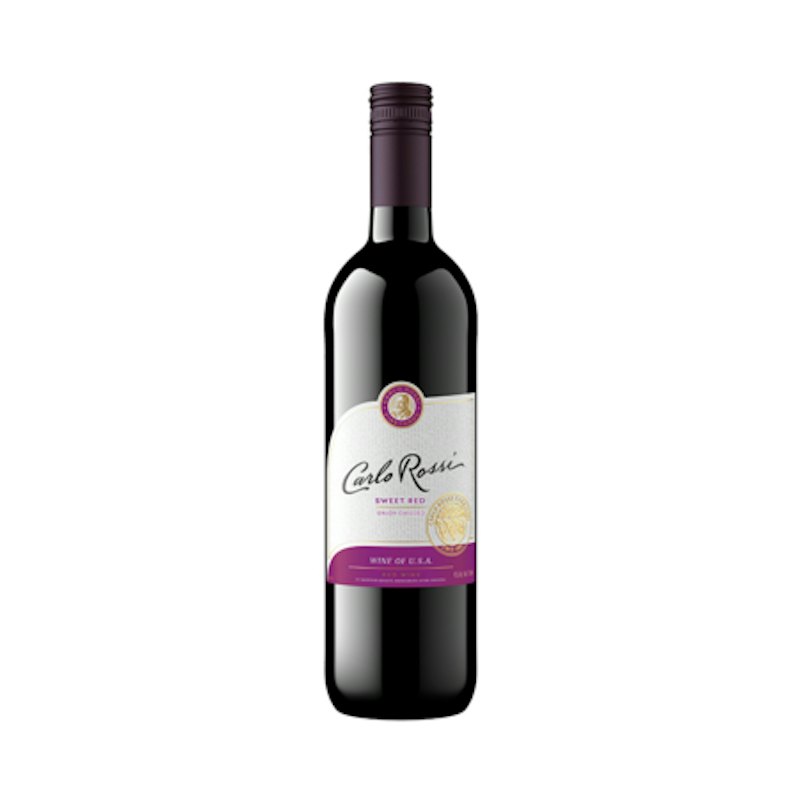
| ABV | 11.5% |
|---|---|
| Type | Sweet Red Wine |
| Country of Origin | USA |
| Volume | 750 mL |
| ABV | 7% |
|---|---|
| Type | Sparkling Sweet Red Wine |
| Country of Origin | Philippines |
| Volume | 750 mL |

| ABV | 12% |
|---|---|
| Type | Sweet Red Wine |
| Country of Origin | Spain |
| Volume | 1500 mL |
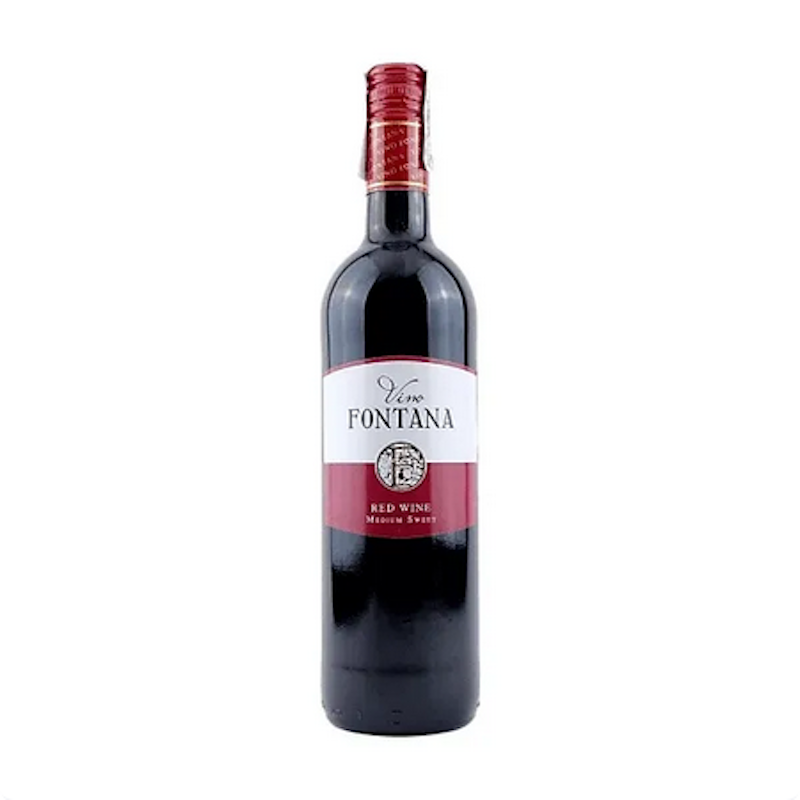
| ABV | 11% |
|---|---|
| Type | Medium Sweet Red Wine |
| Country of Origin | Spain |
| Volume | 750 mL |

| ABV | 11% |
|---|---|
| Type | Semi-Sweet Red Wine |
| Country of Origin | Spain |
| Volume | 750 mL |
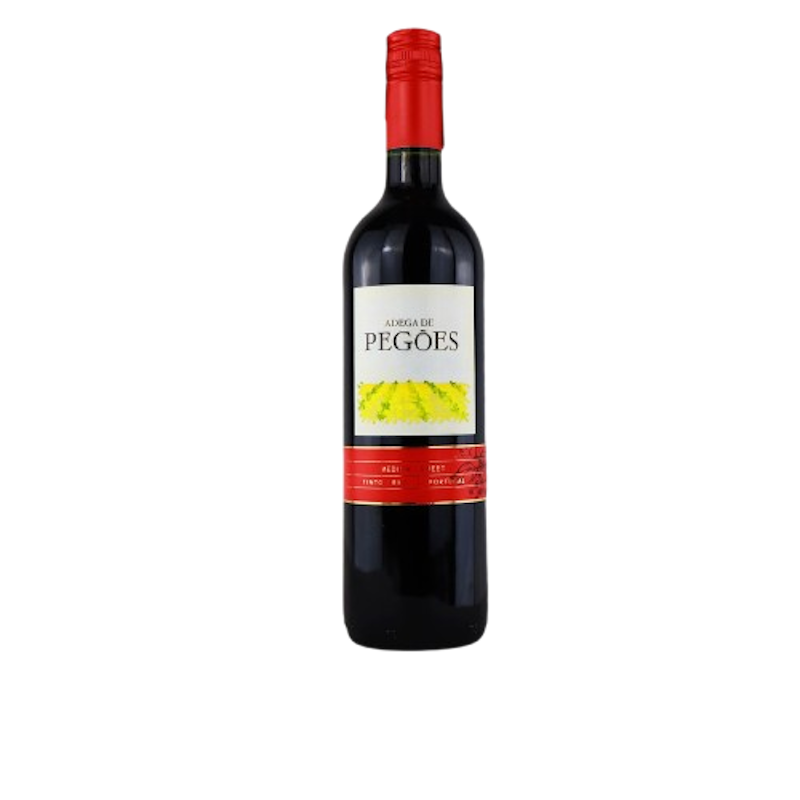
| ABV | 13% |
|---|---|
| Type | Red Wine |
| Country of Origin | Portugal |
| Volume | 750 mL |

| ABV | 13.50% |
|---|---|
| Type | Sweet Red Wine |
| Country of Origin | Australia |
| Volume | 750 mL |

| ABV | 9% |
|---|---|
| Type | Red Moscato Wine |
| Country of Origin | USA |
| Volume | 750 mL |
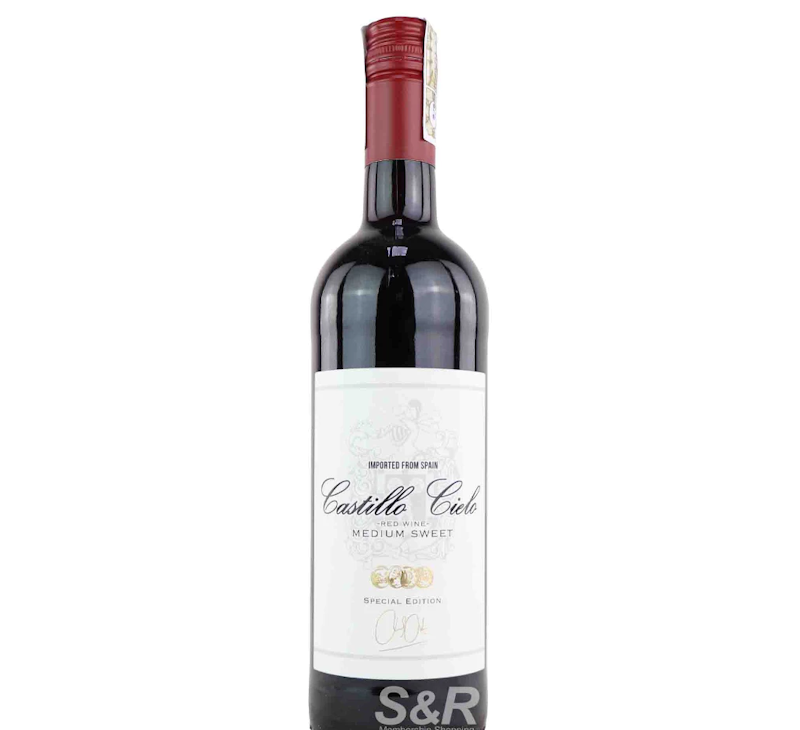
| ABV | 11% |
|---|---|
| Type | Medium Sweet Red Wine |
| Country of Origin | Spain |
| Volume | 750 mL |
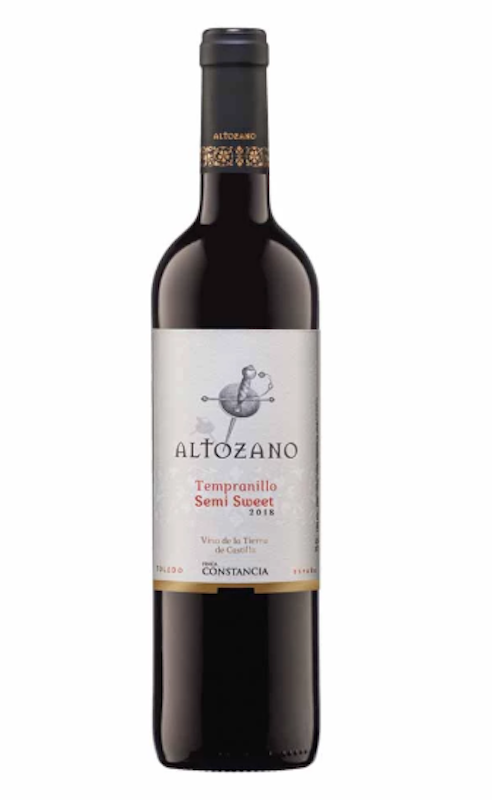
| ABV | 13% |
|---|---|
| Type | Semi-Sweet Wine |
| Country of Origin | Spain |
| Volume | 750 mL |
The Best Food to Pair With Sweet Red Wines
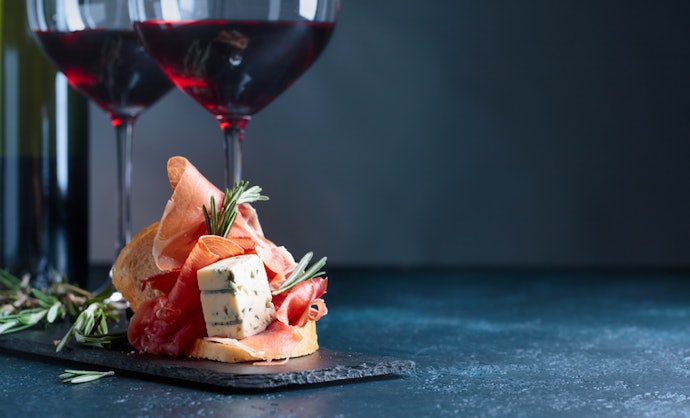
Sweet red wines can create fantastic pairings with a range of dishes. Their rich sweetness can complement both savory and dessert courses.
Pairing with savory food options:
- Strong cheeses like blue cheese or aged gouda can balance the sweetness.
- Grilled meats with fruity glazes, such as barbecue ribs or teriyaki chicken.
Pairing with sweet food options:
- Chocolate-based desserts, like flourless chocolate cake or chocolate mousse, harmonize with the wine's sweetness.
- Fruit-forward desserts, such as berry tarts or fruit crumbles, are congruent with the wine's fruity notes.
Frequently Asked Questions Answered by Raymund S. Manzanillo
Below are some of the most asked questions on the web answered by wine professional Raymund S. Manzanillo.
What’s a Good Price Point for Beginner Wine Drinkers?
For beginners looking to explore sweet red wines, a good price point would be in the range of 400-1000 pesos per bottle. In this range, you’ll likely find a variety of options that offer decent quality without breaking the bank.
Many popular wine brands offer sweet red wines within this price bracket, allowing you to sample different styles and discover what you enjoy.
Can You Pair Dessert With Sweet Red Wines?
Yes, absolutely. Pairing sweet desserts with sweet red wines can create a delightful and harmonious culinary experience. The sweetness in both the wine and the dessert can complement each other, enhancing the overall enjoyment. The key here is to ensure that the wine is sweeter than the dessert to avoid making the wine taste less sweet by comparison.
It’s important to be aware of the intensity of both the wine and the dessert and aim for a balanced pairing where neither element overwhelms the other.
Browse More Wine Options
If you aren’t a fan of sweet red wines, never fear! You could always go for more traditional red wines, if you wish. Perhaps you’re more into white wines? Whatever your beverage of choice, there is surely something for you!


How We Chose and Ranked Our Product Recommendations
Our buying guide was carefully researched and crafted by the mybest team of writers and editors. We used the buying guide as a basis for choosing and ranking the product recommendations, and we looked at reviews and ratings from different E-commerce sites like Lazada, Shopee, and more.
The descriptions of each product are referenced from content available on manufacturer, brand, and e-commerce sites.