10 Best Juicers in the Philippines 2026 | Imarflex, Hanabishi, and More
Drinking fresh, healthy drinks is made easy with a juicer. This household appliance separates fresh fruits and vegetables into pure, pulp-free juice, allowing you to enjoy a healthy drink within minutes, often without the need to chop your produce into small pieces! It’s a smart buy if you want to cut down on less nutritious beverages, especially if your goal is to incorporate more fresh juice into your diet for health or weight loss.
Compared to blenders, juicers still aren't as common in Filipino kitchens. But plenty of options are available in the market! To help you choose, we’ve put together a buying guide below, along with a list of 10 of the best juicers you can shop for straight from Lazada and Shopee for your convenience.

Our recommendation articles are carefully researched and crafted by the mybest Philippines team of writers and editors. To stay true to our company’s mission and vision to help users’ selection process easier, we also collaborate with experts from various fields to ensure that our content stays factual and useful.
Why You Can Trust Us
Every mybest article is crafted with hours of in-depth research and interviews with experts. Each month, we are continually expanding our database of products based on our research. By emphasizing user insight and reliable information, we deliver trustworthy content to readers.
Juicer vs Blender: What’s the Difference?
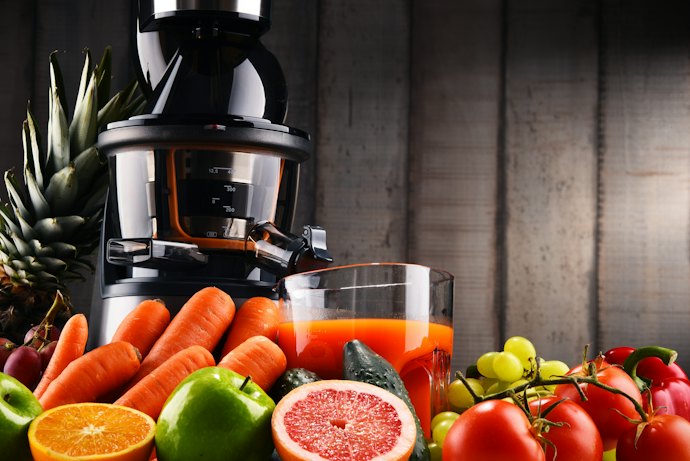
Juicers and blenders both turn produce into a drinkable form, but they have different outputs. If your goal is a thin, light drink you can consume quickly, go with a juicer. It is ideal if you're after the likes of fresh calamansi, dalandan, or mango juice without the texture of the fruit itself.
On the other hand, you should go for a blender for something thicker and chunkier, perhaps a smoothie or a shake. Since they serve different purposes in the kitchen, some households opt to keep both.
How to Choose a Juicer – Buying Guide
Whether you're buying your first juicer or upgrading to a better one, make sure to check the following: juicer type, hopper size, motor power, capacity, and daily-use features. Doing so will help you narrow down your options until you find the most ideal juicer for your goals.
Choose the Right Juicer Type for Your Juicing Needs
When looking for a juicer, you’ll come across three main types: centrifugal, masticating, and citrus press. Ultimately, your pick comes down to the type of produce you will mostly juice and your budget. Here's how these options compare:
Centrifugal Juicer: Best for Fast, Budget-Friendly Juicing
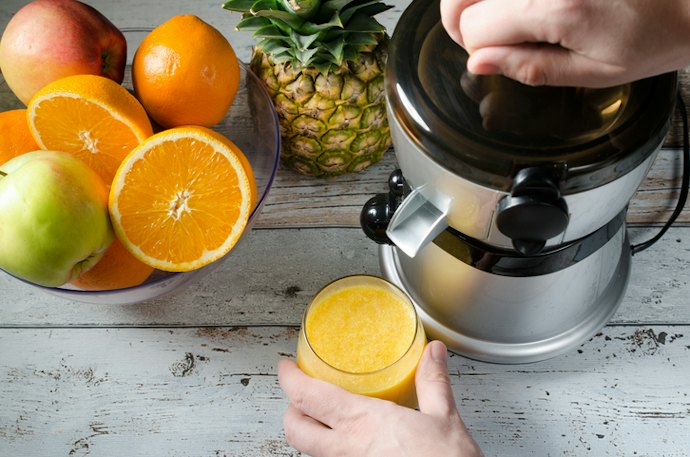
A centrifugal juicer shreds produce at high speed and spins out the juice using centrifugal force, making it best for fleshy fruits and root crops like apples, carrots, and beetroot. This is your best option if you want quick results without spending too much. However, it’s generally less effective for leafy greens and tends to be the noisiest type of juicer.
Masticating Juicer: Best for Higher Juice Yield and Quieter Operation
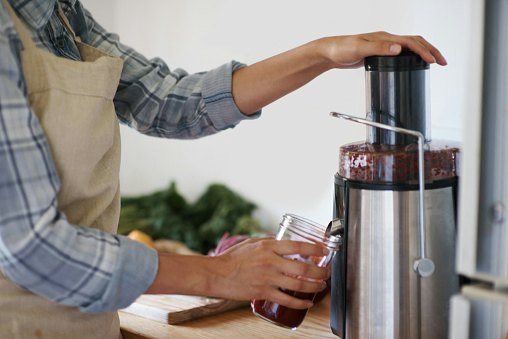
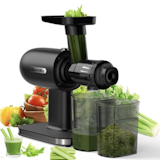
This type of juicer crushes and presses produce instead of shredding it. This results in higher juice yield, drier pulp, and quieter operation. This is ideal if you regularly juice leafy greens, wheatgrass, celery, ginger, or other fibrous and harder produce. It handles these ingredients better than centrifugal models, though it usually comes at a higher price.
Citrus Press: Best for Fresh Citrus Juices
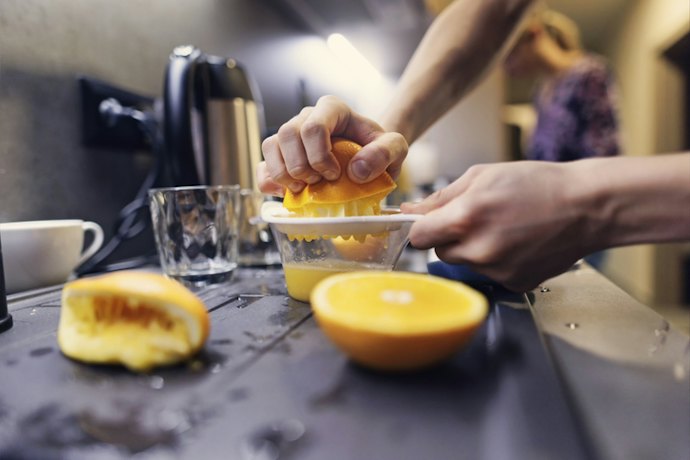
Citrus presses are specifically designed for fruits like calamansi, dalandan, lemon, and oranges. Unlike centrifugal and masticating juicers, they don't require you to peel and separate the fruit before juicing. Most citrus presses are manual and don't require electricity. However, if you juice citrus frequently or in large quantities, an electric citrus press can save time and reduce hand and wrist fatigue.

Select a Large Hopper Size for Continuous Juicing
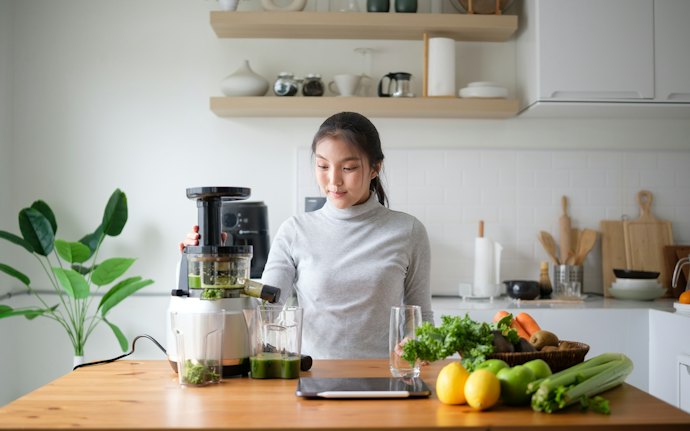
A wider feeding chute lets you add whole or minimally cut fruits and vegetables, reducing preparation time. If you mostly juice small produce like calamansi or berries, a standard 3–5 cm chute may be enough. However, if you regularly juice whole fruits, cucumbers, or prepare juice in batches for the family, look for a 7 cm-plus feeding chute.
But keep in mind that juicers with larger hoppers can also be bulkier. Check the product dimensions and actual buyer photos to make sure your preferred model will fit comfortably on your kitchen counter.
Match the Motor Power to Your Common Ingredients
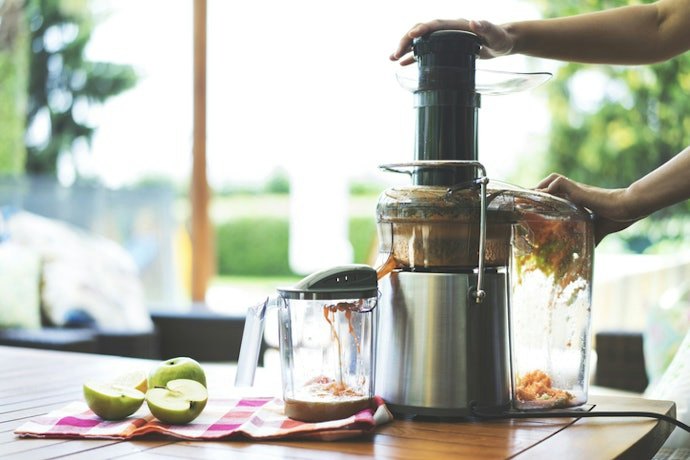
Motor power affects how well a juicer handles different fruits and vegetables, but the ideal wattage depends on the juicer type. For centrifugal juicers, around 150 W+ is suitable for soft fruits, while 300 W or more is better for regularly processing mixed fruits and vegetables. For masticating juicers, 150–200 W is generally enough for everyday juicing.
Instead of choosing the highest wattage available, match the motor power to the ingredients you plan to juice most often. Higher wattage can also mean higher energy consumption, so there's little benefit in paying extra for more power than you actually need.
Check Juice And Pulp Capacity

Juice capacity refers to how much juice the included jug holds, while pulp capacity refers to the size of the container that collects leftover fiber. Choose both based on how much you typically juice per use to avoid frequent stops to empty the containers.
A 300–450 mL juice jug is enough for solo use, while families or batch juicers may prefer a 1 L-plus pulp bin. Also check that the containers are removable and easy to pour from. Some models use a free-flow spout, allowing juice to drain directly into your own glass or container.
Look for Features That Make Juicing Easier
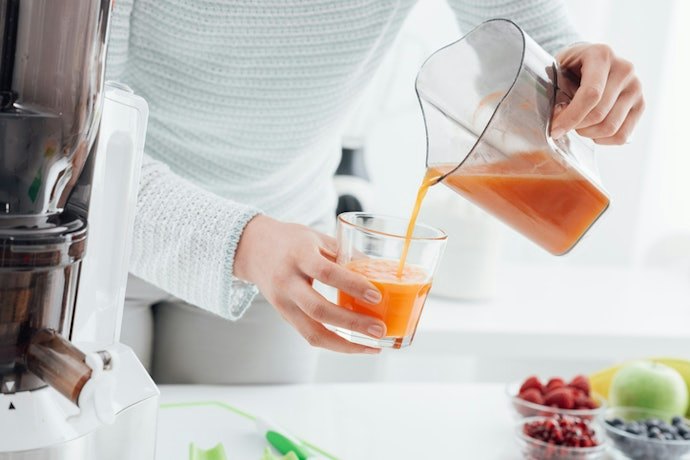
Beyond the technical specs of a juicer, there are a few features to consider as well. While not required, these can improve your juicer’s daily usability:
Easy-to-clean, Detachable Parts: Removable components and fewer parts make hand-washing faster and less tedious.
Low-noise Operation: Useful if you juice early in the morning or late at night. Slow juicers are generally quieter than centrifugal models.
Automatic Pulp Separation: Separates pulp from the juice without manual straining for a smoother pour.
Juice Jug or Cup Included: Lets you collect and serve the juice right away. A cleaning brush is also a useful bonus.
If you can only prioritize one, make it the easy-to-clean feature. A juicer that’s a hassle to clean after use is one of the single biggest reasons juicers end up abandoned after the first few uses.
10 Best Juicers Ranking
| Products | Image | Click to purchase | Popularity | Details | ||||||
|---|---|---|---|---|---|---|---|---|---|---|
Juicer Type | Dishwasher-Safe | Low-Noise Operation | Detachable Parts | Material | Capacity | |||||
1 | Cold Press Juicer BioloMix |  | No.1 | Masticating Juicer | Tritan, Stainless Steel | 800 mL | ||||
2 | Cold Press Juicer Simplus |  | No.2 | Masticating Juicer | Food-Grade Plastic | 1200 mL | ||||
3 | Household Juicer HRZZJ01SS HAN RIVER |  | No.3 | Centrifugal Juicer | Glass, Plastic | 1500 mL | ||||
4 | NTM-JC1000 Power Juicer Tough Mama |  | No.4 | Centrifugal Juicer | Stainless Steel, Plastic | 1000 mL | ||||
5 | 1.5L Electric Juice Extractor with Safety Switch JE-821 Dowell |  | No.5 | Centrifugal Juicer | Stainless Steel, Plastic | 450 mL | ||||
6 | Juice Extractor IJE-5000 Imarflex |  | No.6 | Centrifugal Juicer | Stainless Steel, Plastic | 450 mL | ||||
7 | Viva Collection Fruit Juicer HR1832/00 Philips |  | No.7 | Centrifugal Juicer | Plastic, Stainless Steel | 500 mL | ||||
8 | Juice Extractor HPJ500SS Hanabishi |  | No.8 | Centrifugal Juicer | Stainless Steel, Plastic | 500 mL | ||||
9 | Frutelia Plus Juicer ZE370865 Tefal |  | No.9 | Centrifugal Juicer | Plastic, Stainless Steel | 950 mL | ||||
10 | Juice Extractor IJE-3000 Imarflex |  | No.10 | Centrifugal Juicer | Stainless Steel, Plastic | 450 mL | ||||


| Juicer Type | Masticating Juicer |
|---|---|
| Dishwasher-Safe | |
| Low-Noise Operation | |
| Detachable Parts | |
| Material | Tritan, Stainless Steel |
| Capacity | 800 mL |
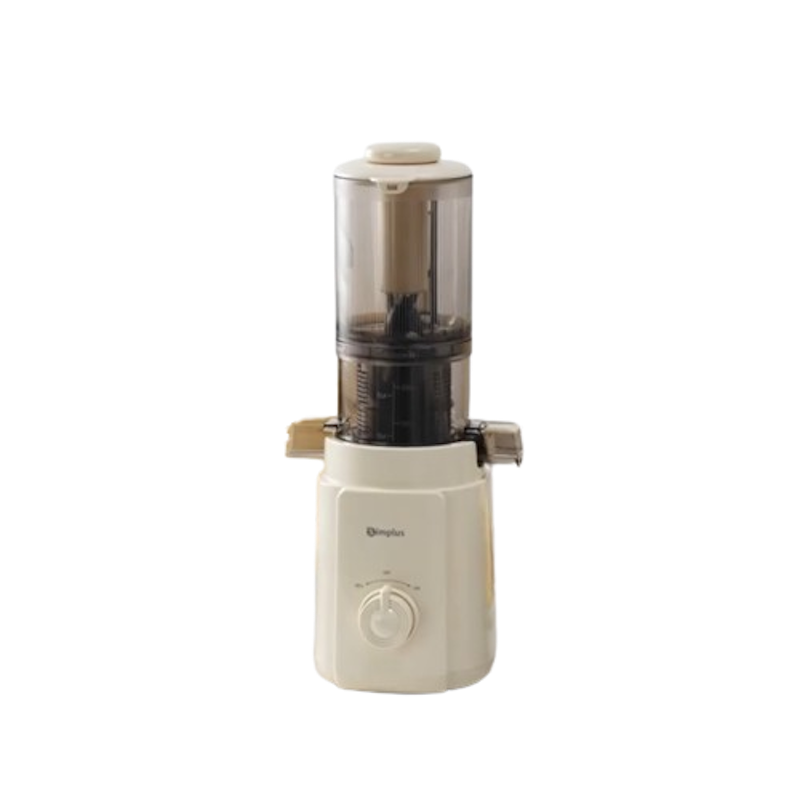
| Juicer Type | Masticating Juicer |
|---|---|
| Dishwasher-Safe | |
| Low-Noise Operation | |
| Detachable Parts | |
| Material | Food-Grade Plastic |
| Capacity | 1200 mL |

| Juicer Type | Centrifugal Juicer |
|---|---|
| Dishwasher-Safe | |
| Low-Noise Operation | |
| Detachable Parts | |
| Material | Glass, Plastic |
| Capacity | 1500 mL |
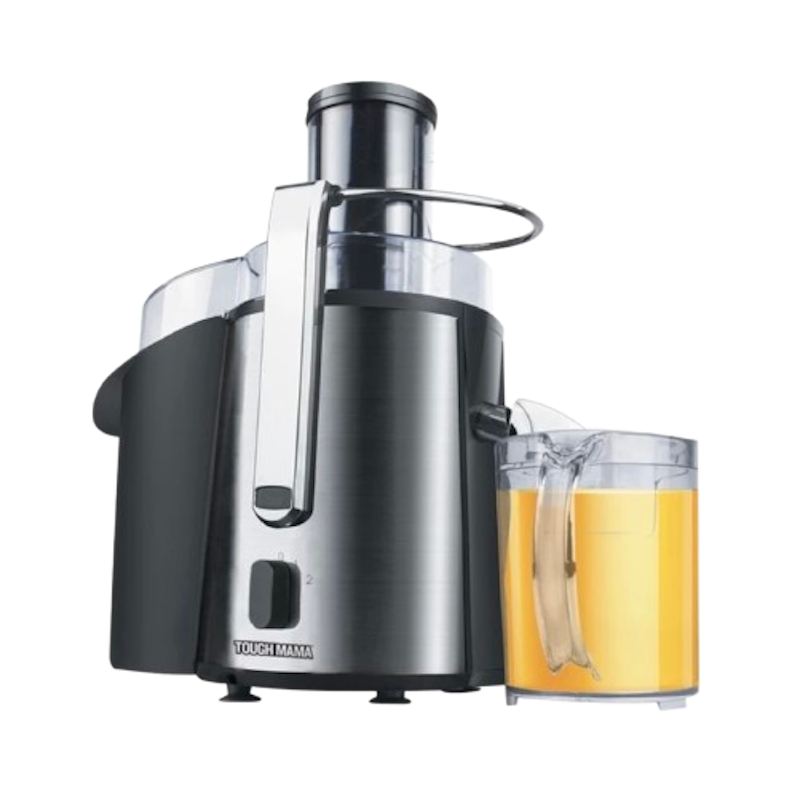
| Juicer Type | Centrifugal Juicer |
|---|---|
| Dishwasher-Safe | |
| Low-Noise Operation | |
| Detachable Parts | |
| Material | Stainless Steel, Plastic |
| Capacity | 1000 mL |
Dowell 1.5L Electric Juice Extractor with Safety Switch JE-821
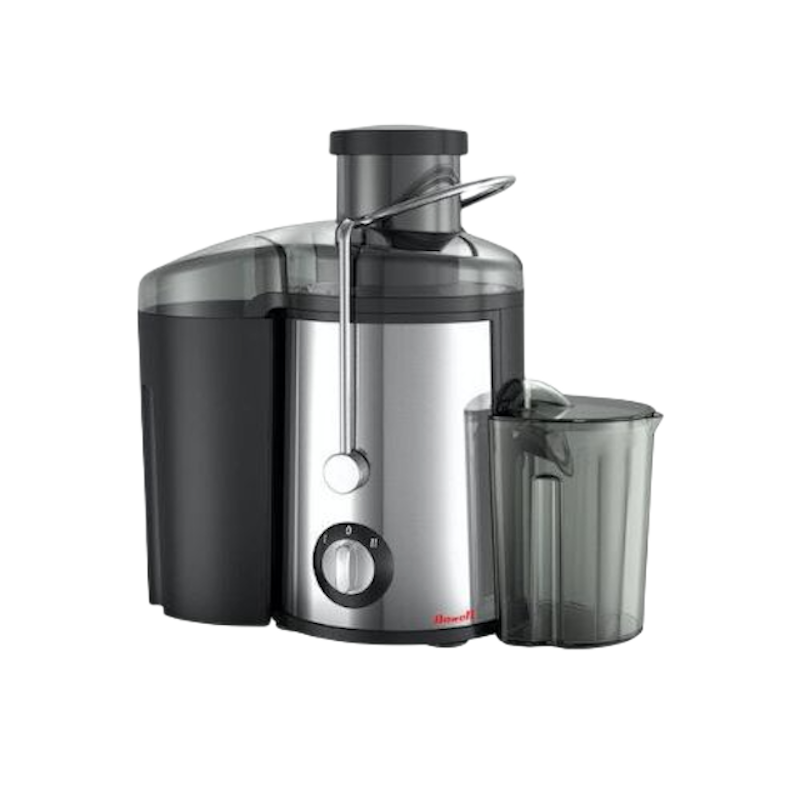
| Juicer Type | Centrifugal Juicer |
|---|---|
| Dishwasher-Safe | |
| Low-Noise Operation | |
| Detachable Parts | |
| Material | Stainless Steel, Plastic |
| Capacity | 450 mL |
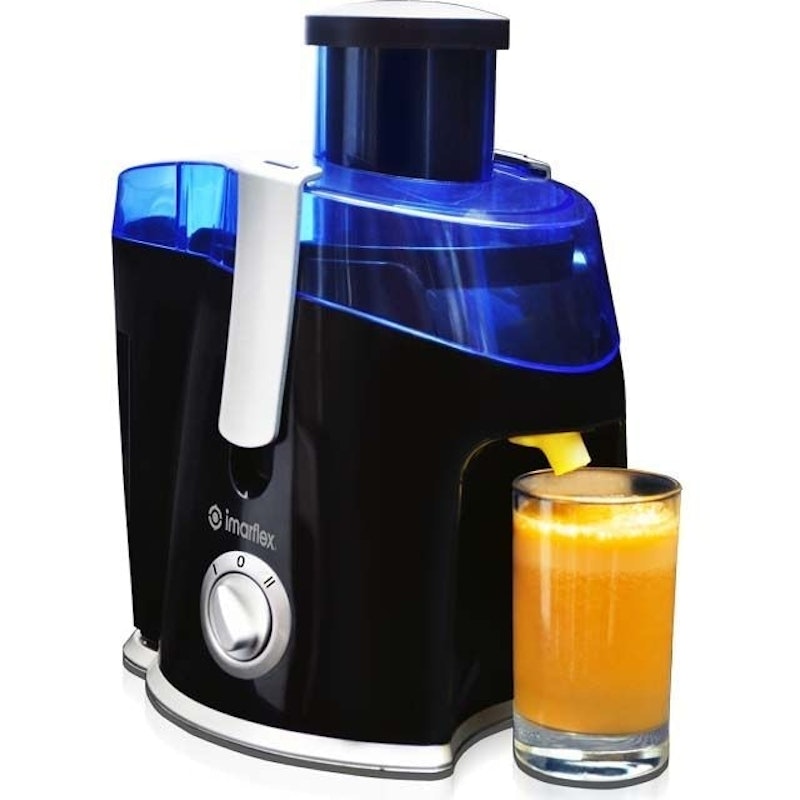
| Juicer Type | Centrifugal Juicer |
|---|---|
| Dishwasher-Safe | |
| Low-Noise Operation | |
| Detachable Parts | |
| Material | Stainless Steel, Plastic |
| Capacity | 450 mL |
PhilipsViva Collection Fruit Juicer HR1832/00
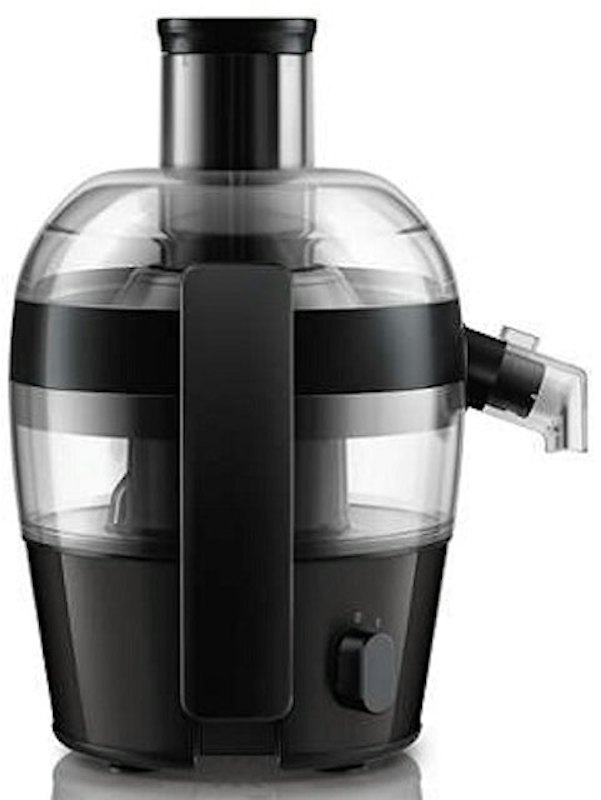
| Juicer Type | Centrifugal Juicer |
|---|---|
| Dishwasher-Safe | |
| Low-Noise Operation | |
| Detachable Parts | |
| Material | Plastic, Stainless Steel |
| Capacity | 500 mL |
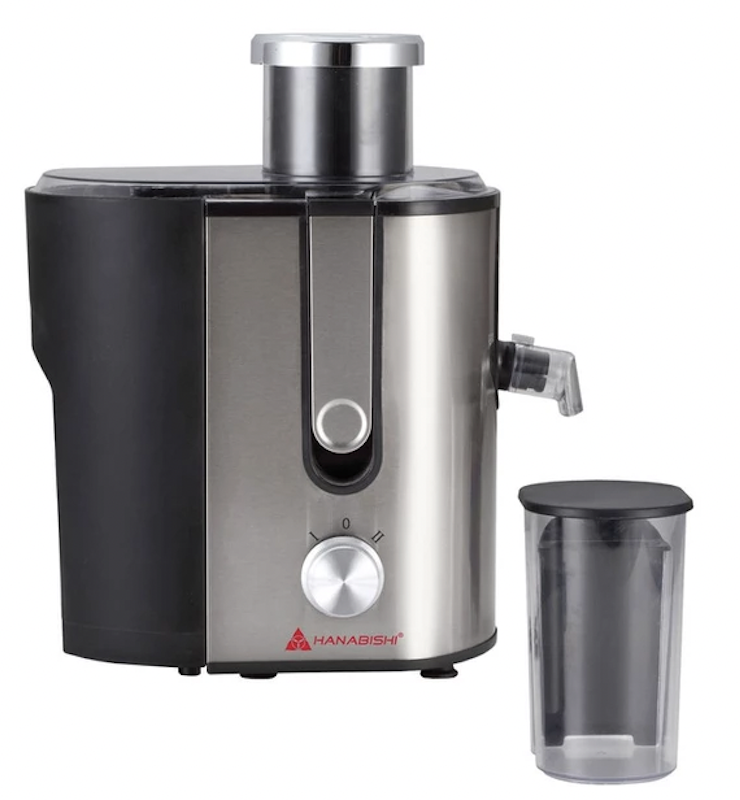
| Juicer Type | Centrifugal Juicer |
|---|---|
| Dishwasher-Safe | |
| Low-Noise Operation | |
| Detachable Parts | |
| Material | Stainless Steel, Plastic |
| Capacity | 500 mL |
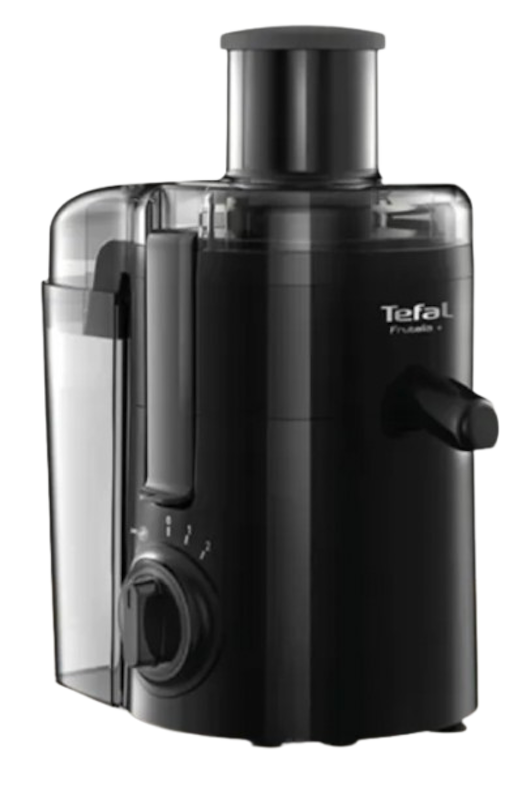
| Juicer Type | Centrifugal Juicer |
|---|---|
| Dishwasher-Safe | |
| Low-Noise Operation | |
| Detachable Parts | |
| Material | Plastic, Stainless Steel |
| Capacity | 950 mL |
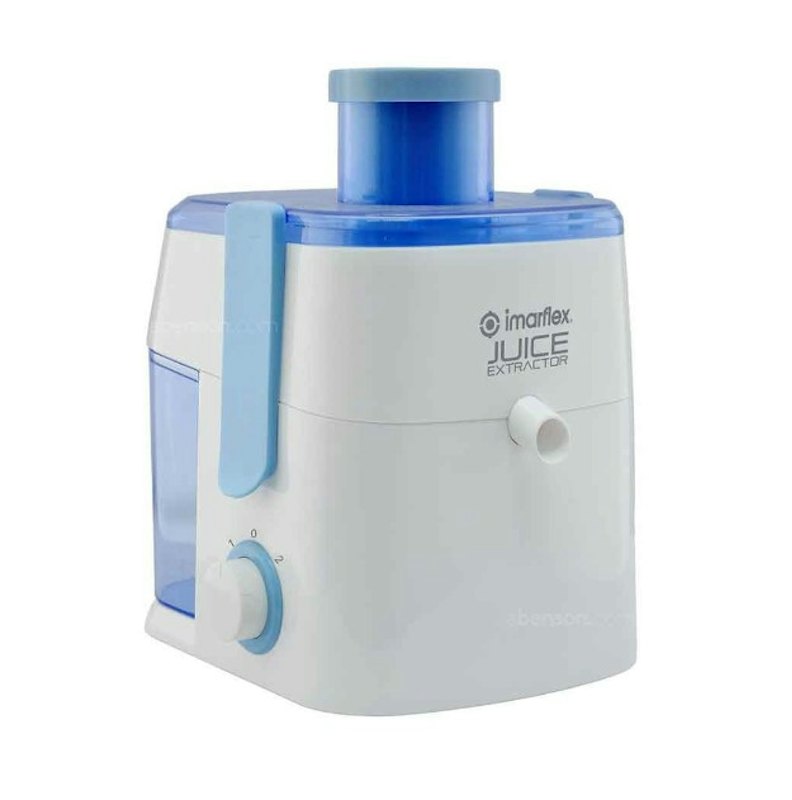
| Juicer Type | Centrifugal Juicer |
|---|---|
| Dishwasher-Safe | |
| Low-Noise Operation | |
| Detachable Parts | |
| Material | Stainless Steel, Plastic |
| Capacity | 450 mL |
Frequently Asked Questions
Below are some of the most asked questions on the web answered by the mybest team.
Can Juicing Replace Meals?
Unfortunately, juices cannot replace a properly balanced diet as they do not contain the full spectrum of nutrition your body needs.
What Can You Do With the Pulp After Juicing?
Pulp is still a nutritious part of the fruit, and the bits left behind by your juicer can be used in a variety of recipes, from baking them into bread to mixing them into yogurt or freezing them into popsicles. Perhaps the easiest way to use leftover pulp, however, is to add it to your compost for your garden or plants.
What Are the Best Juice Drinks for Weight Loss?
There is no single best juice diet for weight loss because juice alone cannot provide a balanced, healthy diet. However, certain juices can complement a weight-loss plan when consumed as part of a nutritious diet.
More Appliances for a Stress-Free Kitchen
Looking for smart kitchen solutions to make your life easier? Check out our articles below for more kitchen appliances that are worth the investment!


How We Chose and Ranked Our Product Recommendations
Our buying guide was carefully researched and crafted by the mybest team of writers and editors. We used the buying guide as a basis for choosing and ranking the product recommendations, and we looked at reviews and ratings from different E-commerce sites like Lazada, Shopee, and more.
The descriptions of each product are referenced from content available on manufacturer, brand, and e-commerce sites.