
10 Best Creams for Psoriasis in the Philippines 2026 | Buying Guide Reviewed by Dermatologist
Popular online stores like Lazada and Shopee offer a wide range of options, from moisturizing lotions to medicated ointments. Choosing the right product can help control symptoms, improve skin comfort, and boost confidence in everyday life. To ensure safe and effective guidance, this buying guide is fact-checked by board-certified dermatologist Dr. Angelie Chua.

Dr. Angelie Chua is a dedicated Thomasian physician specializing in dermatology, with board certification from the Philippine Dermatological Society. She completed her residency at UST Hospital and is currently pursuing a fellowship in Trichology (hair disorders). Passionate about beauty, health, history, music, and travel, she fosters continuous learning and expertise in diverse fields. Dr. Chua is committed to providing exceptional care and staying at the forefront of dermatological advancements for the benefit of her patients.

Hazel is a content planner and writer dedicated to simplifying your online shopping experience. With a passion for research and a keen eye for quality, she digs into the details to bring you trustworthy and insightful buying guides you can rely on.
The expert oversees the Buying Guide only, and does not determine the products and services featured.
Why You Can Trust Us
Every mybest article is crafted with hours of in-depth research and interviews with experts. Each month, we are continually expanding our database of products based on our research. By emphasizing user insight and reliable information, we deliver trustworthy content to readers.
What Is Psoriasis?

Psoriasis is a systemic condition that has an impact on the musculoskeletal and even cardiovascular functions.
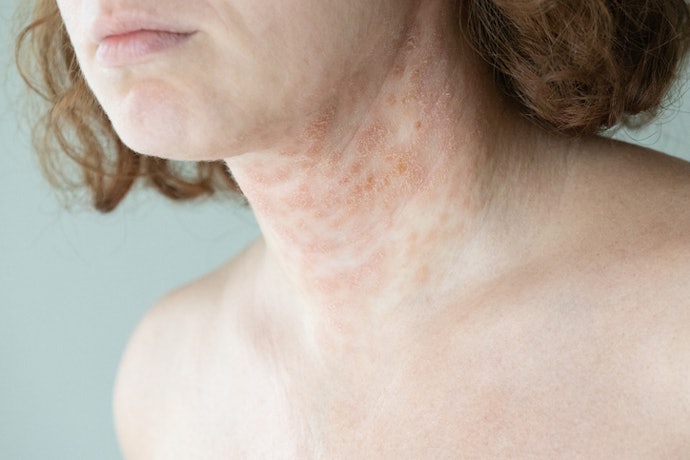
Psoriasis is a chronic skin condition where the immune system causes skin cells to multiply rapidly, leading to thick, red patches covered with silvery scales. These patches, known as plaques, commonly appear on areas like the elbows, knees, scalp, and lower back. Genetics and environmental factors play significant roles in triggering flare-ups, though the exact cause is not fully understood.
In the Philippines, psoriasis affects many, impacting routines and confidence. Though there's no cure, treatments like creams help manage symptoms. Since psoriasis is a long-term condition, consistent management and regular consultation with a dermatologist are essential for keeping flare-ups under control.
Creams and even systemic (injection, oral) medications do not cure psoriasis. Medications only alleviate symptoms.
How to Choose a Cream for Psoriasis - Buying Guide
Now that you understand what psoriasis is, choosing the right cream can make a big difference in managing flare-ups. This guide will help you pick creams that soothe, moisturize, and protect your skin effectively.
Avoid Creams With Steroids Unless Prescribed
It is easy to be tempted by creams that promise fast relief. However, even mild over-the-counter steroid creams like hydrocortisone should only be used sparingly and ideally under a doctor’s advice. Overusing them can thin the skin, increase irritation, and even cause side effects over time.
For safe psoriasis management, stick to over-the-counter creams for mild cases or follow your doctor’s instructions for stronger steroid treatments. Always consult a dermatologist before starting steroid-based products, especially for children, pregnant women, or facial psoriasis. This approach keeps flare-ups under control while protecting your skin in the long run.
Generally, topical corticosteroids, including hydrocortisone, may be safely used for a maximum of 2 weeks consecutively.
Check Key Ingredients That Target Psoriasis Symptoms
Choosing the right cream starts with knowing what it contains. Some ingredients can moisturize, while others soften plaques or soothe irritation, so understanding their purpose helps you pick a product that meets your needs.
To Relieve Dryness and Prevent Scaling: Moisturizing Agents Like Petrolatum, Ceramides, and Glycerin
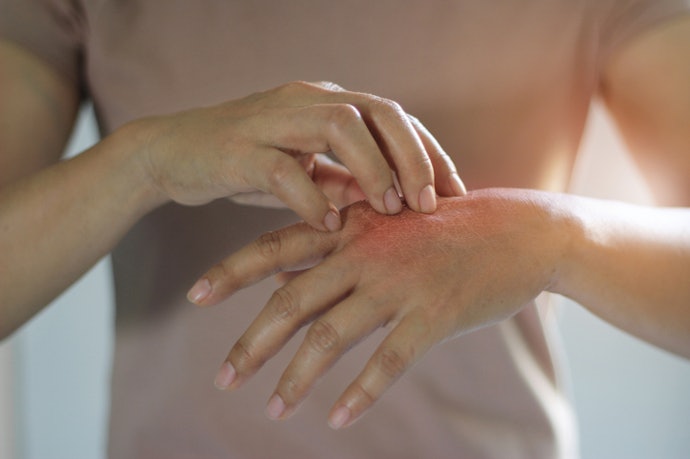
Psoriasis patches are often very dry, which worsens discomfort. Moisturizers like petrolatum, ceramides, and glycerin lock in hydration and restore the skin barrier. Urea and calamine are also dermatologist-recommended ingredients that soothe irritation and reduce scaling.
Consistent use softens flaky skin, prevents cracking, and makes other treatments more effective. Look for products that list these ingredients near the top to get maximum benefit.
Petroleum jelly is safe for daily use to moisturize psoriasis patches and plaques.
To Soften and Reduce Thick Plaques: Active Treatments Such as Salicylic Acid and Coal Tar
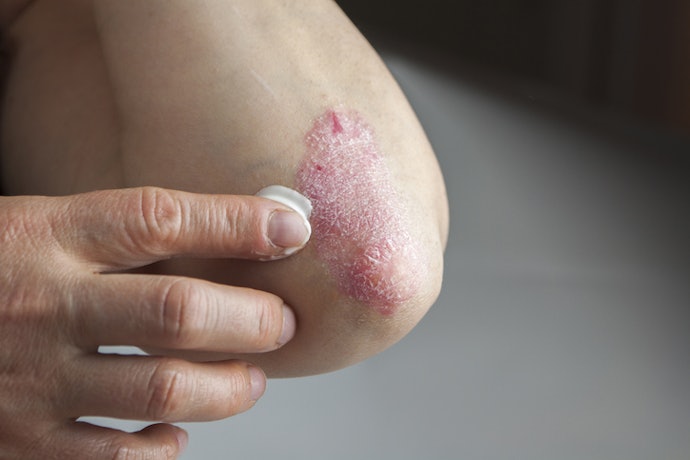
Some plaques need extra help to break down. Salicylic acid helps shed dead skin, while coal tar reduces inflammation and slows cell turnover.
These actives are effective but should be used carefully. Follow product instructions and consult your dermatologist to ensure safe application, especially for sensitive areas. Avoid physical exfoliants or strong scrubs, as these can damage the skin and trigger more flare-ups.
Coal tar can help with psoriasis, but its use is controversial due to risks like irritation and reports of carcinogenicity. Most dermatologists now prefer topical corticosteroids or vitamin D analogues.
Salicylic acid, on the other hand, is generally safe and useful for thinning thick plaques, though high concentrations or frequent use may cause irritation, especially on thin skin.
To Calm Itch, Redness, and Irritation: Soothing Ingredients Like Aloe Vera, Oatmeal, and Niacinamide
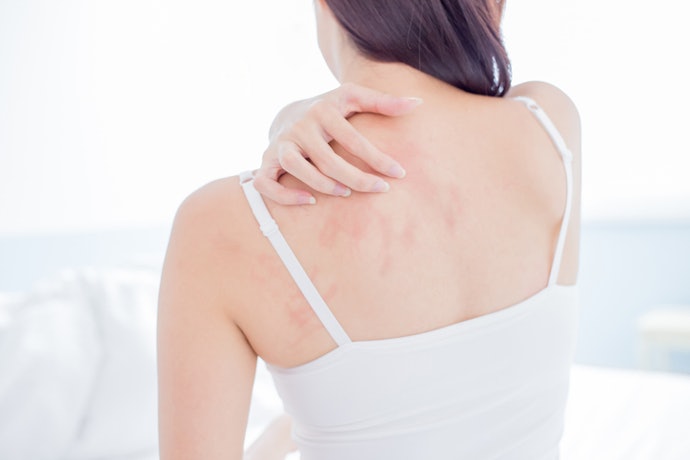
Psoriasis flare-ups can make the skin itchy and red. Soothing agents like aloe vera, oatmeal, and niacinamide calm irritation and repair the skin barrier.
Use creams with these ingredients daily to improve comfort and reduce scratching. They are gentle enough for most body areas and help maintain skin health between flare-ups.
Niacinamide helps strengthen the skin barrier and reduce inflammation, making it useful for soothing itch in psoriasis lesions, though these are more common on the scalp and extremities than the face. Aloe vera and oatmeal-based products are also safe options, even for children with psoriasis.
Match the Cream to the Area Affected by Psoriasis
Different parts of the body need different formulations. The scalp, face, and body each have unique needs, so selecting the right cream for each area can improve results and prevent irritation.
For the Body (Elbows, Knees, Trunk): Go for Rich, Non-Irritating Creams That Cover Larger Areas

Thick plaques on the body require deep hydration. Choose rich, non-irritating creams that can cover larger areas without causing discomfort.
Apply these creams after bathing to lock in moisture. They help soften tough skin and maintain hydration throughout the day, making daily activities more comfortable.
For the Scalp: Look for Residue-Free Creams or Lotion-Like Textures That Won’t Weigh Down Hair
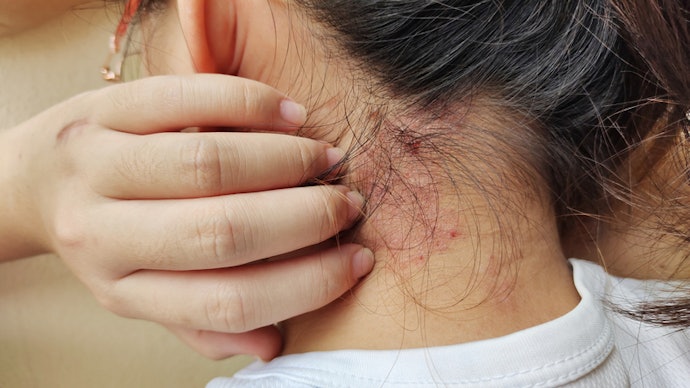
Scalp psoriasis needs lightweight formulations that will not leave a greasy residue. Creams or lotion-like textures are easier to apply and wash out without affecting hair appearance.
These products help control flaking and itching while allowing you to style your hair normally. Consistent application can make scalp psoriasis more manageable.
For the Face and Sensitive Areas: Select Fragrance-Free, Dermatologist-Tested Creams Tested for Delicate Skin

Facial and other sensitive skin requires gentle formulations. Fragrance-free, dermatologist-tested creams minimize the risk of irritation and are safer for daily use.
Patch-test first to ensure compatibility. Using creams designed for delicate skin prevents flare-ups in sensitive areas and keeps your skin calm and comfortable.
Select Formulations Labeled Pediatric-Safe or Pregnancy-Safe for Children and Pregnant Women
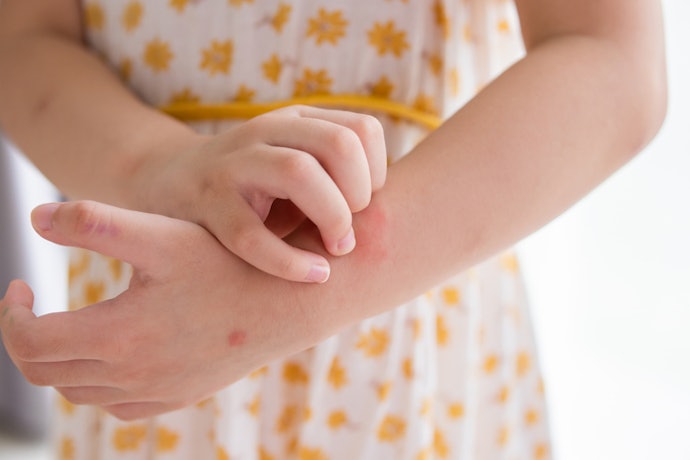
It is important to remember that children and pregnant women have more sensitive skin and different safety requirements. Using creams specifically labeled as pediatric-safe or pregnancy-safe helps reduce the risk of irritation and exposure to harsh chemicals. These formulations are often free from strong fragrances, alcohol, and potent active ingredients, making them gentle enough for delicate skin while still providing moisture and relief from psoriasis symptoms.
Before introducing any new cream, consult with a pediatrician or obstetrician. They can recommend safe options and proper application methods for children or expecting mothers.
Pick the Right Texture for Your Level of Psoriasis Severity
The severity of your psoriasis influences which cream texture is best. Using the correct texture enhances absorption, improves comfort, and makes flare-up management more efficient.
Creams: Best for Daily Relief on Moderate Patches
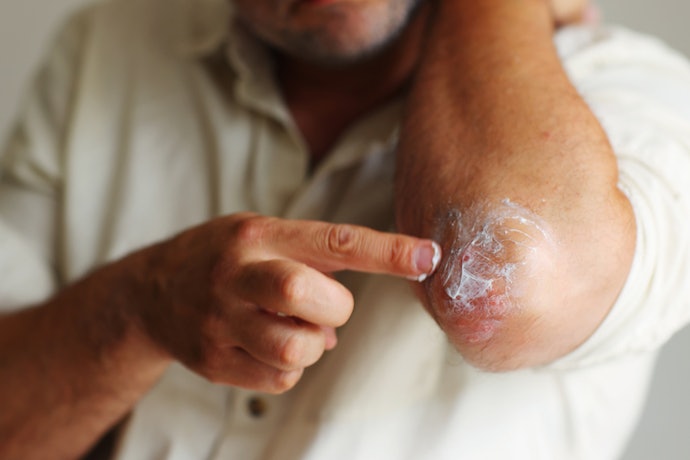
Creams provide balanced hydration and treatment, making them ideal for moderate psoriasis. They are versatile for multiple body areas and help maintain comfort between flare-ups.
Look for creams with both moisturizing and active ingredients. Regular application can prevent dryness, reduce redness, and improve overall skin appearance.
Ointments: Suitable for Severe Dryness and Stubborn Plaques
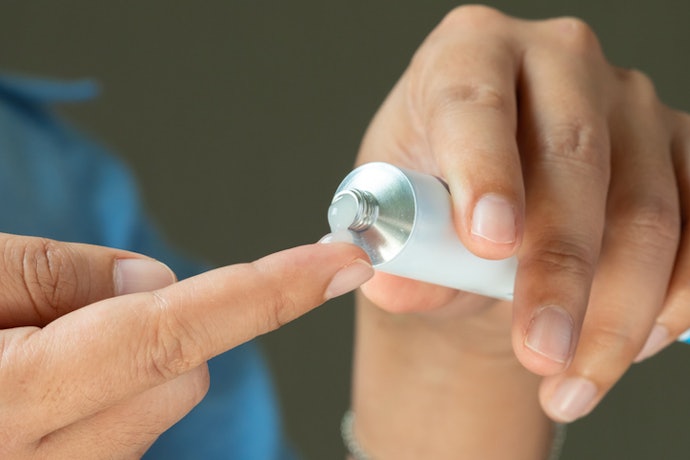
Ointments are best for very thick and dry plaques, especially on areas with tougher skin like the elbows, knees, and back. Their heavier texture provides deep hydration and barrier protection, softening rough patches and making them easier to manage.
Dermatologists also consider factors such as lesion severity, location, other medications, and even patient comfort with the sticky feel of ointments when deciding if this formulation is the right fit. Applying them at night can help maximize absorption and relieve discomfort.
Light Creams or Gels: Better for Mild Psoriasis or for Use in Hot, Humid Weather
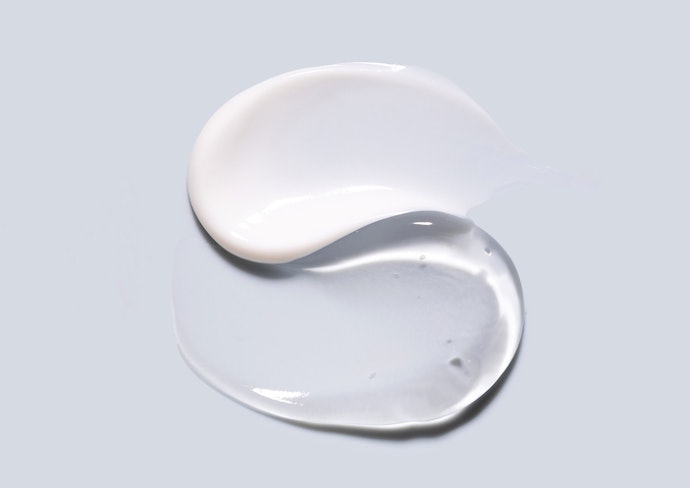
Light creams or gels absorb quickly, making them perfect for mild psoriasis or the humid climate in the Philippines. They hydrate without feeling heavy or sticky.
Non-comedogenic formulas prevent clogged pores while maintaining skin comfort. These textures are convenient for daytime use and help manage flare-ups efficiently.
10 Best Creams for Psoriasis Online
| Products | Image | Click to purchase | Popularity | Details | ||||
|---|---|---|---|---|---|---|---|---|
Suitable for | Formulation | Fragrance-Free | Net Weight | |||||
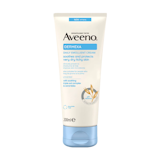
1 | Dermexa Daily Emollient Cream Aveeno |  | No.1 | Face, Body | Cream | 200 mL | ||
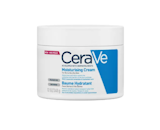
2 | Moisturizing Cream CeraVe |  | No.2 | Face, Body | Cream | 454 g | ||
3 | Moisturizing Cream Cetaphil |  | No.3 | Face, Body | Cream | 453 g | ||
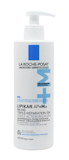
4 | Lipikar Baume AP+M Triple Reparation La Roche-Posay |  | No.4 | Face, Body | Balm Cream | 400 mL | ||
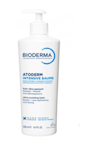
5 | Atoderm Intensive Baume Bioderma |  | No.5 | Face, Body | Lotion | 500 mL | ||
6 | Daily Moisture Therapy Cream PHYSIOGEL |  | No.6 | Face, Body | Cream | 150 mL | ||
7 | Stelatopia+ Lipid-Replenishing Cream Mustela |  | No.7 | Face, Body | Cream | 300 mL | ||
8 | Intensive Care Advanced Repair Fragrance Free Vaseline |  | No.8 | Body | Lotion | 400 mL | ||
9 | Intensive Moisture Care Moisture Facial Cream Curél |  | No.9 | Face | Cream | 40 g | ||
10 | Psoriasis Relief Multi-Symptom Cream Gold Bond |  | No.10 | Body | Cream | 113 g | ||

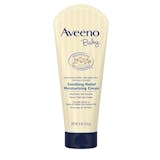
AveenoDermexa Daily Emollient Cream
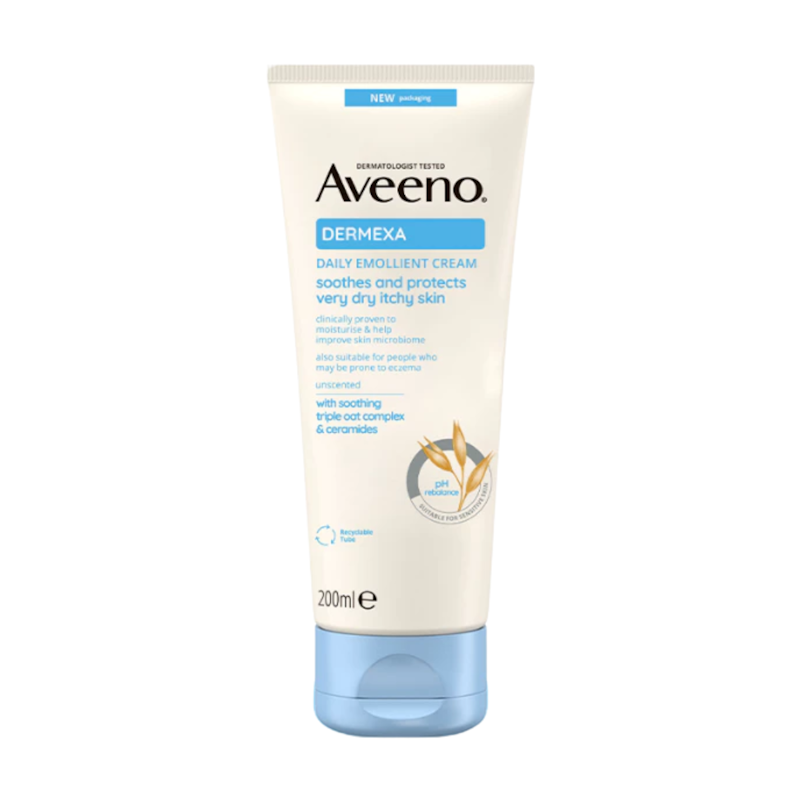
| Suitable for | Face, Body |
|---|---|
| Formulation | Cream |
| Fragrance-Free | |
| Net Weight | 200 mL |
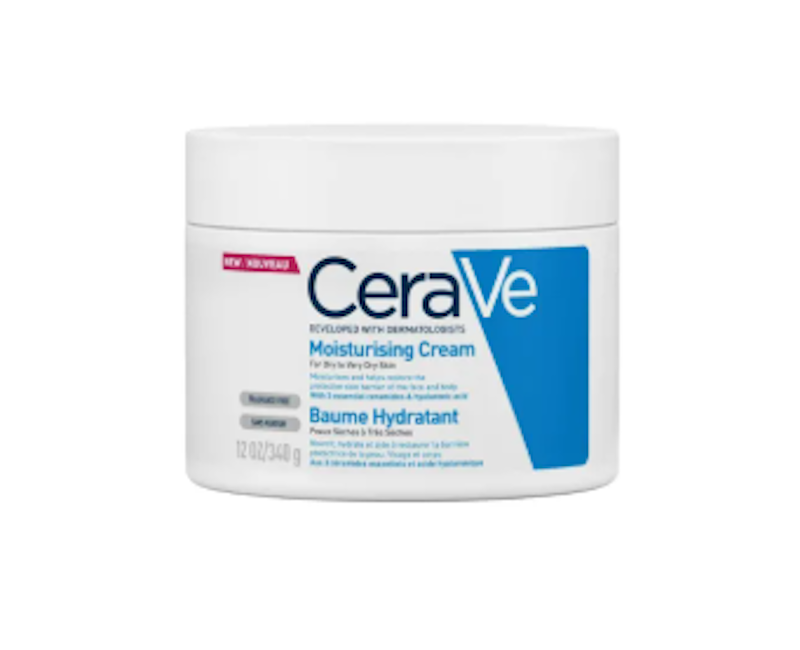
| Suitable for | Face, Body |
|---|---|
| Formulation | Cream |
| Fragrance-Free | |
| Net Weight | 454 g |
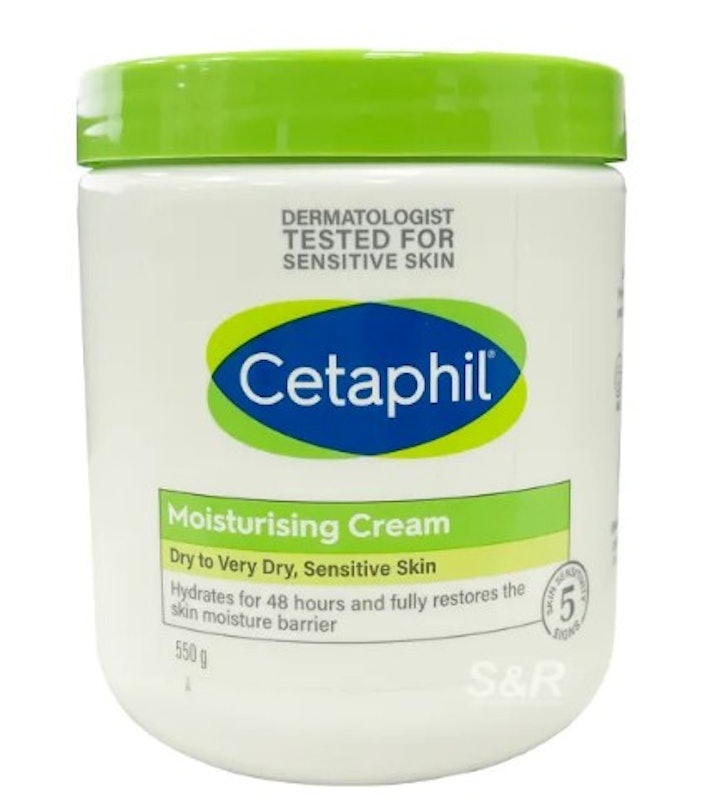
| Suitable for | Face, Body |
|---|---|
| Formulation | Cream |
| Fragrance-Free | |
| Net Weight | 453 g |
La Roche-PosayLipikar Baume AP+M Triple Reparation
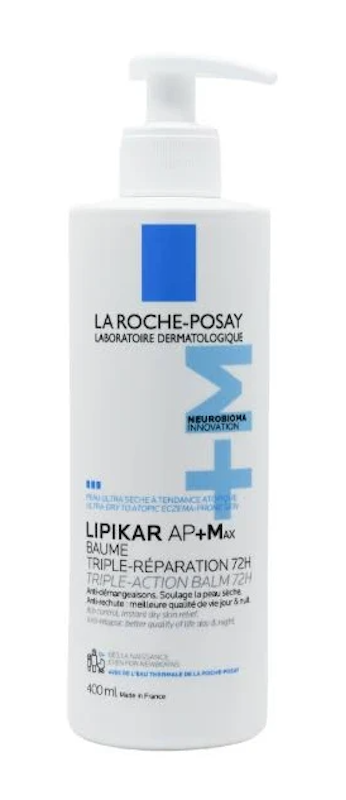
| Suitable for | Face, Body |
|---|---|
| Formulation | Balm Cream |
| Fragrance-Free | |
| Net Weight | 400 mL |
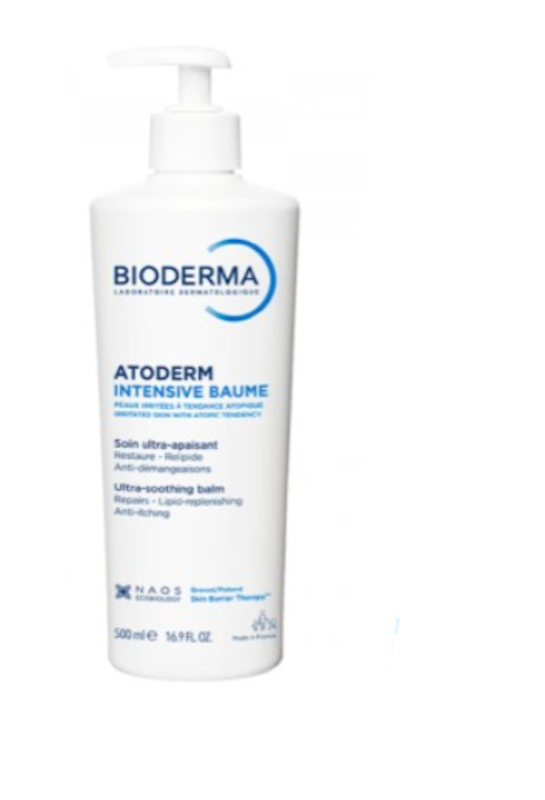
| Suitable for | Face, Body |
|---|---|
| Formulation | Lotion |
| Fragrance-Free | |
| Net Weight | 500 mL |
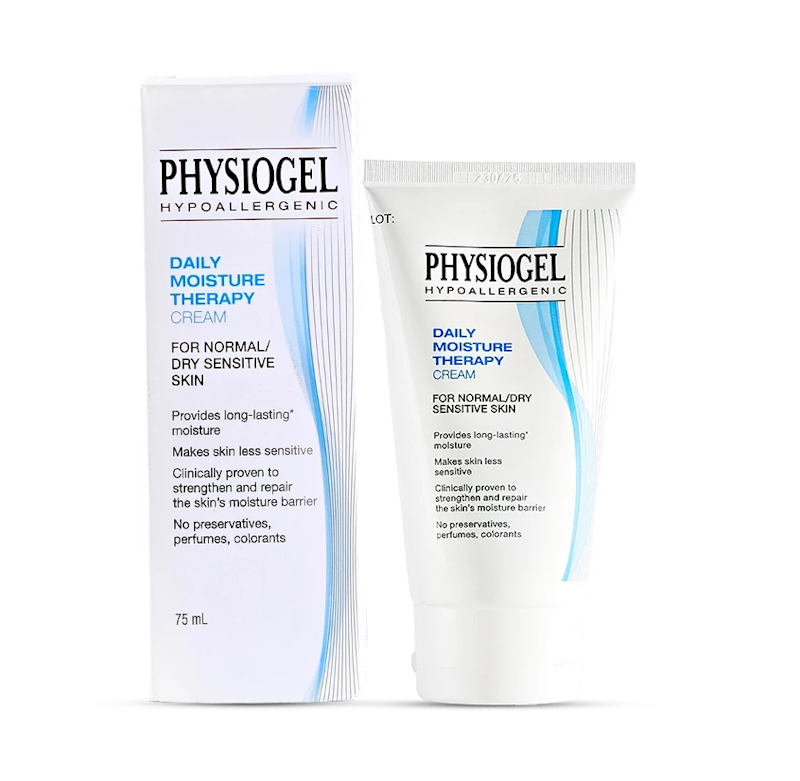
| Suitable for | Face, Body |
|---|---|
| Formulation | Cream |
| Fragrance-Free | |
| Net Weight | 150 mL |
MustelaStelatopia+ Lipid-Replenishing Cream
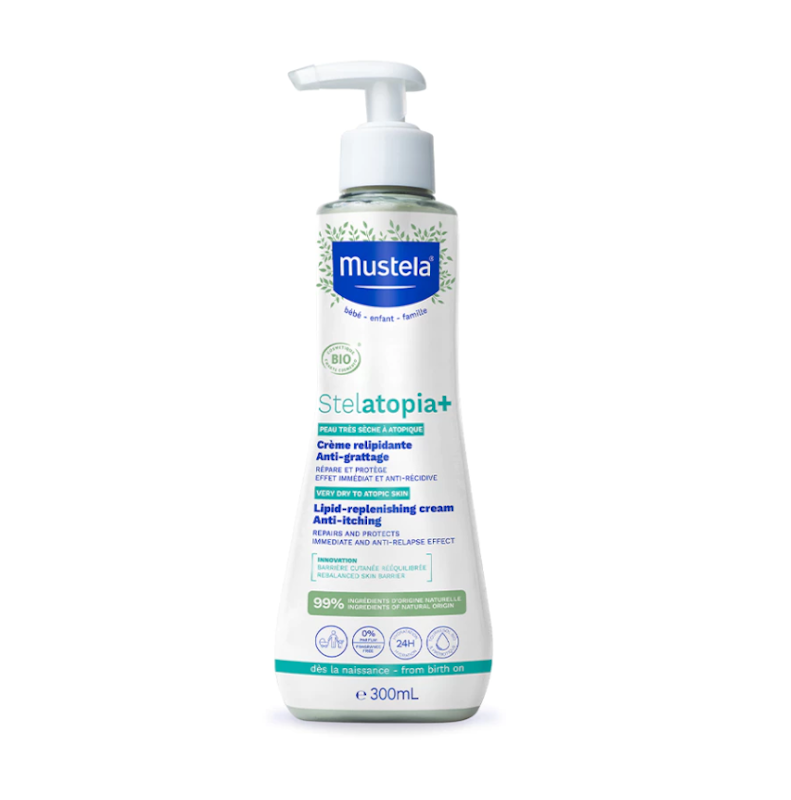
| Suitable for | Face, Body |
|---|---|
| Formulation | Cream |
| Fragrance-Free | |
| Net Weight | 300 mL |
VaselineIntensive Care Advanced Repair Fragrance Free
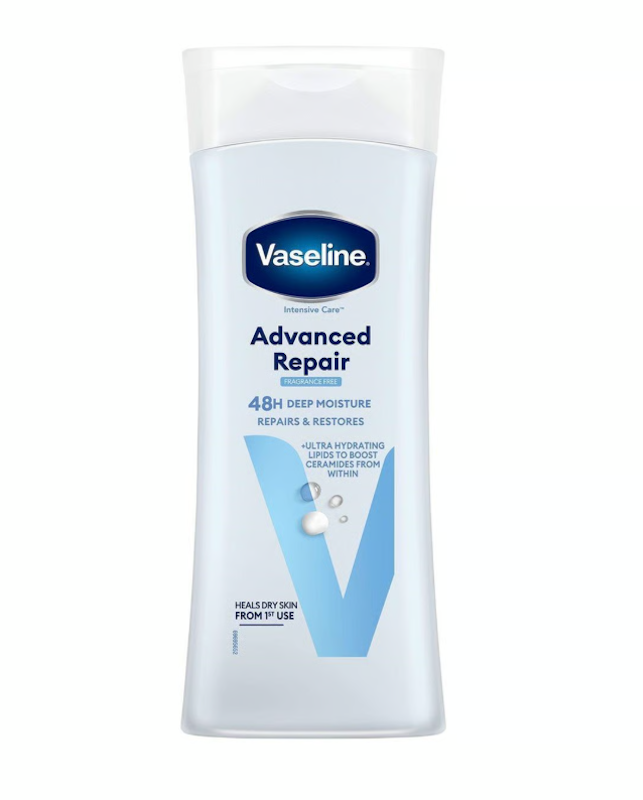
| Suitable for | Body |
|---|---|
| Formulation | Lotion |
| Fragrance-Free | |
| Net Weight | 400 mL |
CurélIntensive Moisture Care Moisture Facial Cream

| Suitable for | Face |
|---|---|
| Formulation | Cream |
| Fragrance-Free | |
| Net Weight | 40 g |
Gold BondPsoriasis Relief Multi-Symptom Cream
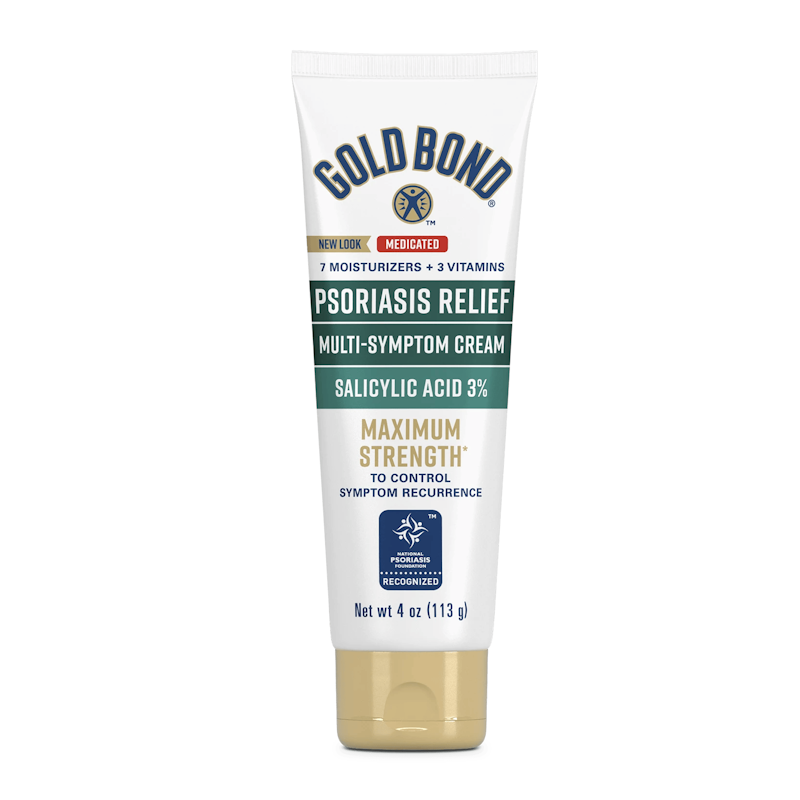
| Suitable for | Body |
|---|---|
| Formulation | Cream |
| Fragrance-Free | |
| Net Weight | 113 g |
Frequently Asked Questions
Below are some of the most asked questions on the web answered by the mybest team.
Is Psoriasis Contagious?
Is It Safe to Use Psoriasis Creams Every Day?
How Many Days Before Psoriasis Symptoms Improve With Creams?
According to Dr. Chua, noticeable improvement might occur after 2 weeks. In some cases, psoriasis lesions may last longer than 6 weeks. However, the timing of improvement depends on the extent of the lesions, the type of psoriasis, and environmental factors.
Can Psoriasis Go Away on Its Own Without Treatment?
More Skincare Picks for Sensitive and Dry Skin
Give your skin the extra care it deserves with these soothing and hydrating finds.


How We Chose and Ranked Our Product Recommendations
Our buying guide was carefully researched and crafted by the mybest team of writers and editors. We used the buying guide as a basis for choosing and ranking the product recommendations, and we looked at reviews and ratings from different E-commerce sites like Lazada, Shopee, and more.
The descriptions of each product are referenced from content available on manufacturer, brand, and e-commerce sites.