10 Best Smoke Detectors in the Philippines 2026 | Daytech, Labot, and More
Smoke detectors are one of the most essential fire safety devices for any Filipino home. With residential fires common across the Philippines, having the right smoke alarm can give your family critical time to evacuate before smoke or flames spread. Whether you're dealing with slow-burning electrical fires or fast-spreading kitchen accidents, choosing the best smoke detector for your home can make all the difference.
In this guide, we rounded up the best smoke detectors available on Shopee and Lazada, covering everything from sensor types and battery options to smart features and coverage range, so you can find the right fit for your home.

Gicel is a content writer passionate about helping readers make confident, well-informed decisions. With a background in communication and over three years of professional writing experience, she brings both clarity and care to every buying guide she creates, ensuring each one is something readers can truly trust.
Why You Can Trust Us
Every mybest article is crafted with hours of in-depth research and interviews with experts. Each month, we are continually expanding our database of products based on our research. By emphasizing user insight and reliable information, we deliver trustworthy content to readers.
Why Are Smoke Detectors Essential for Home Safety?
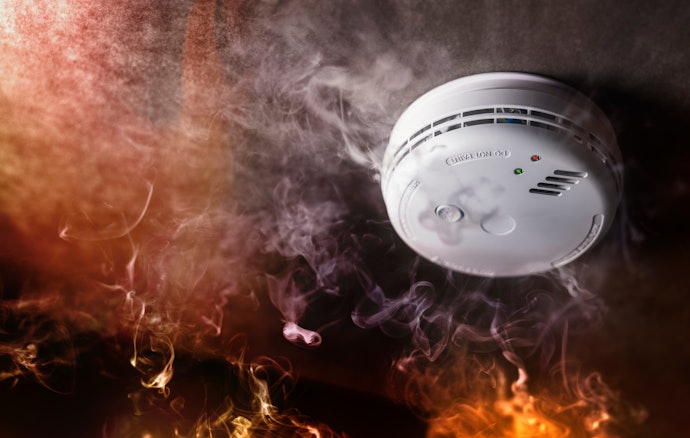
House fires in the Philippines often start from electrical faults, cooking accidents, smoking, or faulty appliances, making early detection essential for family safety. Smoke detectors can alert you to different types of fires, including slow-burning electrical fires that produce heavy smoke and fast spreading kitchen fires with intense heat and flames.
Smoke detectors are especially important in residential areas where most fire incidents occur, as they help families evacuate quickly and reduce the risk of injury and property damage. With a smoke detector in place, you gain an early warning system that can save lives and help protect your home.
How to Choose a Smoke Detector – Buying Guide
With so many options, choosing the right smoke detector can be overwhelming. Consider your home’s layout, common fire risks, and key safety features to find a model that offers round-the-clock protection.
Choose Photoelectric Smoke Detectors for Early Detection of Slow-Burning Fires
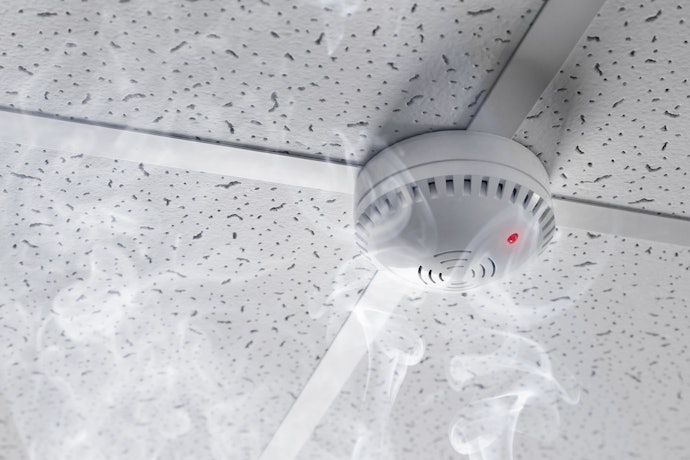
Photoelectric smoke detectors are ideal for kitchens, living rooms, and bedrooms, providing early alerts and giving your family more time to react in the event of a fire. When buying, prioritize photoelectric sensor types over basic or single-function models for more reliable detection of common household fire risks.
Pick Models With a 10-Year Battery Life for Low Maintenance
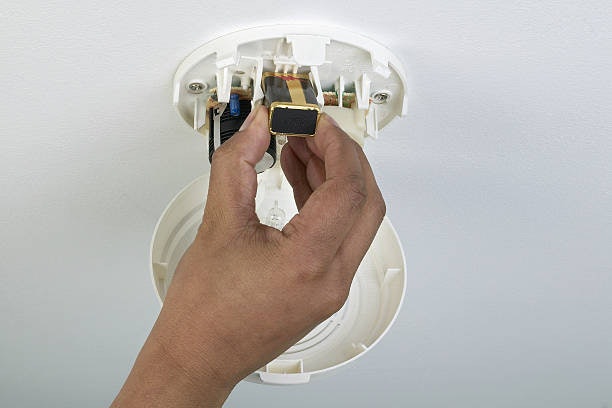
Smoke detectors with a 10-year lifespan are ideal for a low-maintenance setup that reduces the need for frequent checks and replacements. Most of these use sealed lithium batteries designed to last the entire life of the unit, making them a convenient “set-and-forget” option for busy households.
When choosing a model, consider the battery type that best suits your needs. Sealed lithium batteries offer maximum convenience, as they can last the device’s full lifespan without replacement. Replaceable AA or 9V batteries are more affordable and easier to install, but they require regular checks and replacements to ensure continuous protection. For added reliability, especially in larger homes or areas prone to power interruptions, hard-wired smoke detectors with battery backup can maintain protection even during outages.
Opt for Models with at Least a 7.5-Meter Coverage Radius
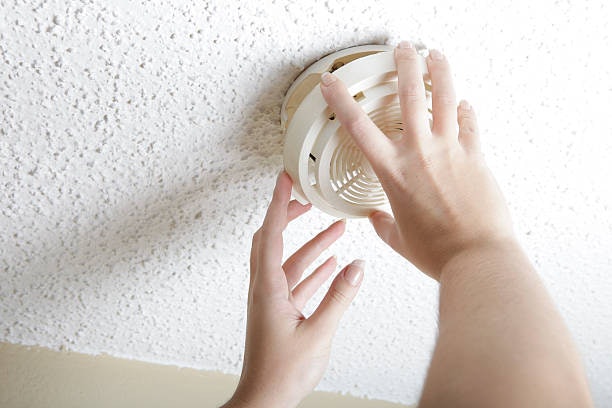
A smoke detector with at least a 7.5-meter coverage radius is enough for most Filipino bedrooms and living areas. For larger homes or open-plan layouts, consider adding more units to avoid blind spots where smoke might go undetected.
Keep your home's layout, ceiling height, and partitions in mind when placing your detectors, as walls or bulky furniture can block smoke from reaching the sensor. Positioning each unit strategically based on your room size helps maximize coverage and ensures no area is left unprotected.
Prioritize Models With an 80 dB Alarm and Flashing Light for Clear Emergency Alerts
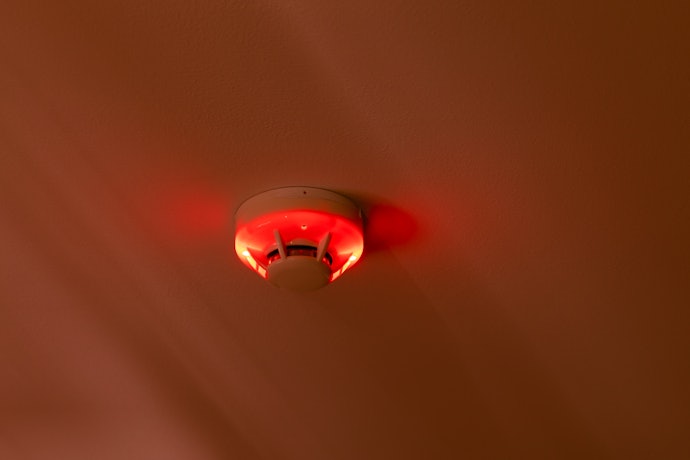
Alarms with at least 80 dB are loud enough to wake sleeping family members and cut through noise from electric fans, TVs, or air conditioners, which are common in Filipino homes. Higher decibel levels offer even better sound coverage across rooms.
Models with flashing lights are also helpful, especially for those with hearing difficulties. In homes with multiple detectors, visual alerts make it easier to identify which unit was triggered, helping you act quickly and evacuate the right area.
Pick Humidity-Resistant or Heat-Compatible Units for Kitchens and Bathrooms
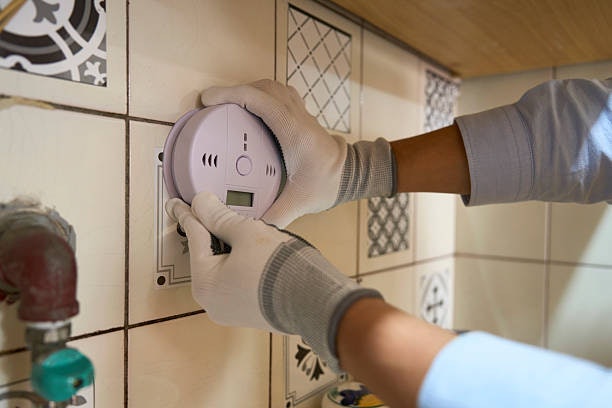
The Philippines’ humid climate and frequent temperature changes can affect detector performance, especially in kitchens and bathrooms. Choose models designed to resist moisture and heat to avoid false alarms or sensor damage.
Heat-compatible detectors can tell the difference between regular cooking heat and real fire, while humidity-resistant units have sealed, corrosion-resistant parts that stay reliable even in steamy areas like CRs or dirty kitchens.
Look for Smart Features Like App Alerts and Interconnected Alarms for Larger Homes
Smart smoke detectors offer added convenience for tech-savvy Filipino homes. Features like app alerts, remote monitoring, and automatic testing make fire safety easier to manage.
Interconnected Units for Whole-House Alerts
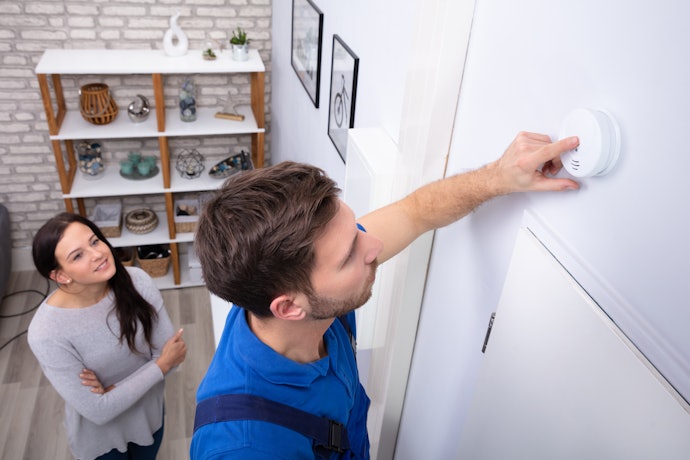
Interconnected smoke detectors ensure that when one unit detects smoke, all alarms in the system sound at the same time. This is especially important for larger or multi-storey homes where a single alarm may not be heard in every room.
It also ensures faster response since everyone is alerted immediately, regardless of where the fire starts. Wireless interconnected models are a practical choice for Filipino homes as they are easier to install without complex wiring.
App Alerts and Automatic Testing for Easy Monitoring

Smart models can send real-time alerts to your phone so you’re notified even when you’re away from home. Some also show which unit was triggered and provide battery status updates for easier monitoring.
Automatic self-testing features are also useful since they regularly check sensors and batteries, reducing the need for manual checks and improving long-term convenience.
10 Best Smoke Detectors to Buy Online
| Products | Image | Click to purchase | Popularity | Details | ||||||||
|---|---|---|---|---|---|---|---|---|---|---|---|---|
Photoelectric Sensor | Coverage Radius | Type | Alarm Volume | Light Alerts | Humidity-Resistant | Heat-Compatible | Other Features | |||||
1 | Smoke Detector |YDS02 TYY |  | No.1 | unknown | Hard-Wired | 80 dB at 3 m | Manual Test Button, Alarm Indicator LED, Insect-Resistant Design | |||||
2 | Smoke Detector |JGN-301 EOPPO/Roto |  | No.2 | unknown | Battery-Operated | unknown | unknown | unknown | unknown | Manual Test Button, Low-Battery Warning, Dust Protection | ||
3 | Smoke Alarm |XS01-M & SBS50 X-Sense |  | No.3 | 20–40 m² | Battery-Operated | ≥85 dB at 3 m; Base Station up to 100 dB | Manual Test Button, Mute Button, Low-Battery Warning, Wi-Fi Connectivity, Smart App Integration, Wireless Interconnection, Replaceable CR123A Lithium Battery, Up to 50 Alarms Per Network, EN 14604 | |||||
4 | Smoke Detector |CSD 311 Asenware |  | No.4 | unknown | Hard-Wired | unknown | Conventional 2-Wire Connection, LED Status Indicator, Anti-RFI, Anti-EMI, CE and RoHS Certified | |||||
5 | Smoke Detector |FSP-951 SD-651 SD-5601P FST-851 Notifier |  | No.5 | 83.6 m² | Hard-Wired | unknown | Manual Test Function, Tamper-Proof Base Option, Remote LED Capability, Addressable Communication, Adjustable Sensitivity, Latching Alarm, Self-Diagnostics, Threshold Compensation | |||||
6 | Smoke Detector |MSD-02 Meiji |  | No.6 | unknown | Battery-Operated | >85 dB at 3 m | Manual Test Button, Low-Battery Warning, Red LED Indicator, Sound and Light Alarm, EN 14604 | |||||
7 | Smoke Detector GoalStar |  | No.7 | unknown | Hard-Wired | unknown | unknown | unknown | Conventional 2-Wire Connection, 24 V DC Operation, Anti-RFI, Anti-EMI, Flashing LED Indicator, CE and RoHS Certified | |||
8 | Photoelectric Smoke Detector |  | No.8 | unknown | Battery-Operated | unknown | unknown | unknown | Battery-Powered Operation, Standalone Installation, Test Button, Low Battery Warning, Flashing LED Indicator | |||
9 | Smoke Detector |SM06TA Daytech |  | No.9 | unknown | Battery-Operated | 80 dB at 3 m | unknown | Manual Test Button, Battery Included, Wireless Installation, Dust and Insect Protection | ||||
10 | Smoke Detector Labot |  | No.10 | unknown | Battery-Operated | 80 dB at 3 m | unknown | Manual Test Button, Low-Battery Warning, Red LED Indicator, Battery-Powered Operation | ||||

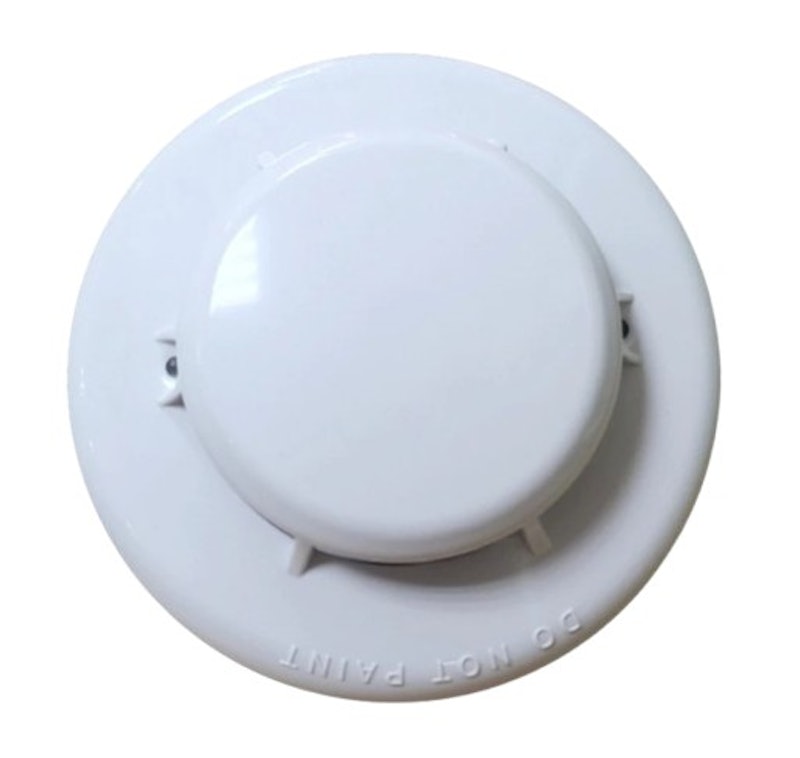
| Photoelectric Sensor | |
|---|---|
| Coverage Radius | unknown |
| Type | Hard-Wired |
| Alarm Volume | 80 dB at 3 m |
| Light Alerts | |
| Humidity-Resistant | |
| Heat-Compatible | |
| Other Features | Manual Test Button, Alarm Indicator LED, Insect-Resistant Design |
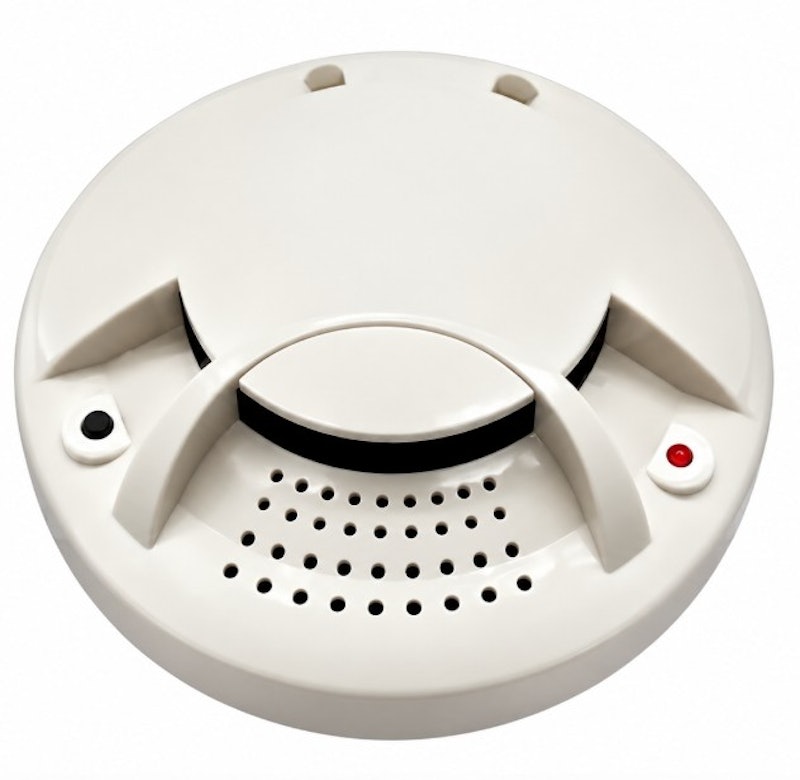
| Photoelectric Sensor | |
|---|---|
| Coverage Radius | unknown |
| Type | Battery-Operated |
| Alarm Volume | unknown |
| Light Alerts | unknown |
| Humidity-Resistant | unknown |
| Heat-Compatible | unknown |
| Other Features | Manual Test Button, Low-Battery Warning, Dust Protection |
X-Sense Smoke Alarm | XS01-M & SBS50
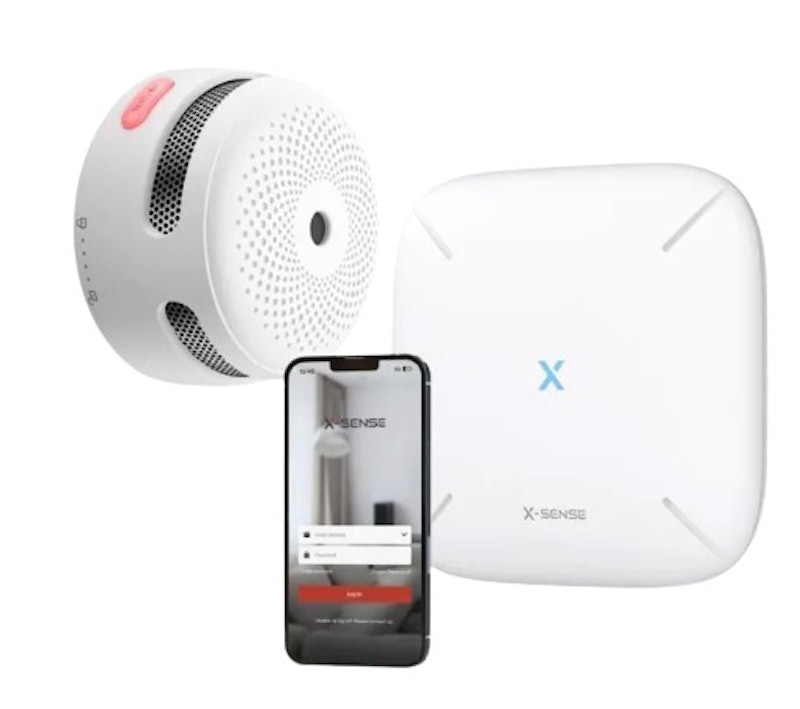
| Photoelectric Sensor | |
|---|---|
| Coverage Radius | 20–40 m² |
| Type | Battery-Operated |
| Alarm Volume | ≥85 dB at 3 m; Base Station up to 100 dB |
| Light Alerts | |
| Humidity-Resistant | |
| Heat-Compatible | |
| Other Features | Manual Test Button, Mute Button, Low-Battery Warning, Wi-Fi Connectivity, Smart App Integration, Wireless Interconnection, Replaceable CR123A Lithium Battery, Up to 50 Alarms Per Network, EN 14604 |
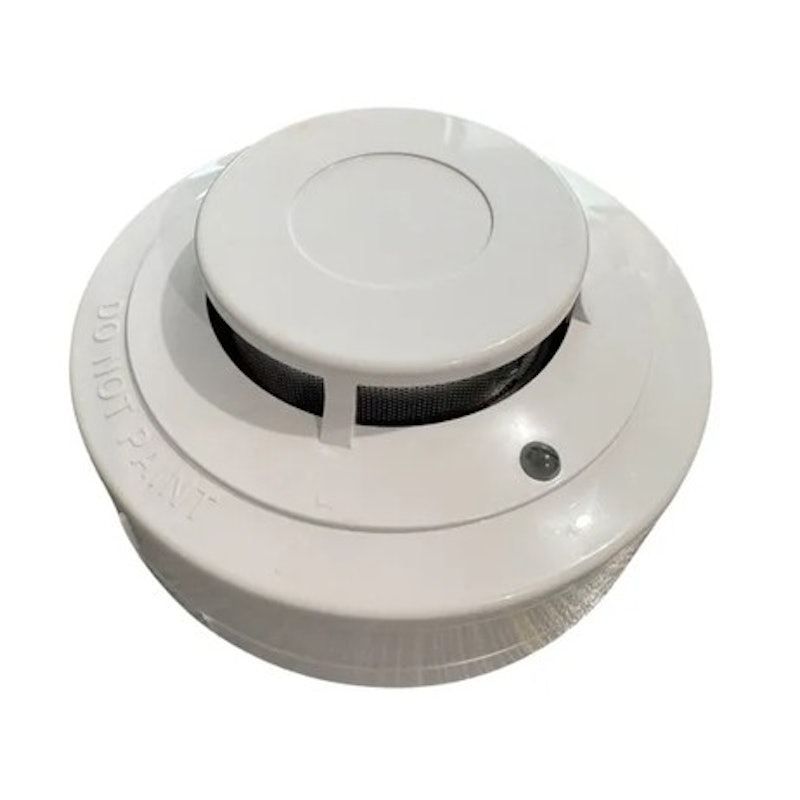
| Photoelectric Sensor | |
|---|---|
| Coverage Radius | unknown |
| Type | Hard-Wired |
| Alarm Volume | unknown |
| Light Alerts | |
| Humidity-Resistant | |
| Heat-Compatible | |
| Other Features | Conventional 2-Wire Connection, LED Status Indicator, Anti-RFI, Anti-EMI, CE and RoHS Certified |
Notifier Smoke Detector | FSP-951 SD-651 SD-5601P FST-851
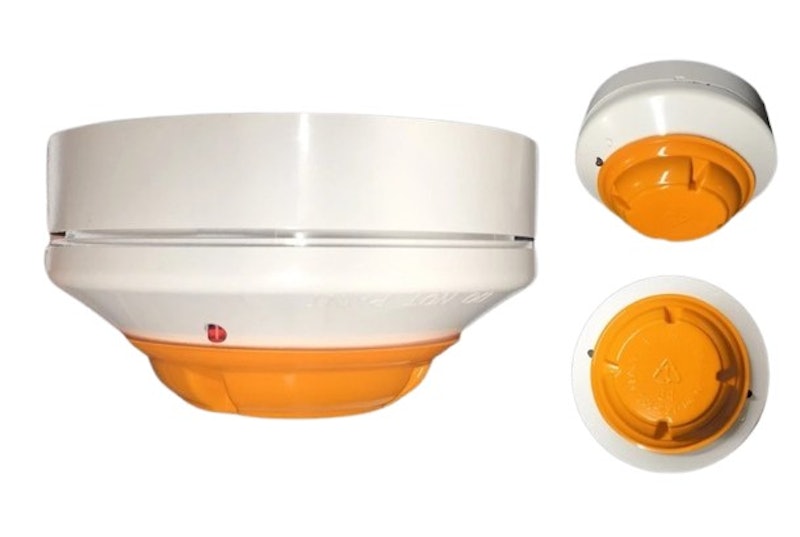
| Photoelectric Sensor | |
|---|---|
| Coverage Radius | 83.6 m² |
| Type | Hard-Wired |
| Alarm Volume | unknown |
| Light Alerts | |
| Humidity-Resistant | |
| Heat-Compatible | |
| Other Features | Manual Test Function, Tamper-Proof Base Option, Remote LED Capability, Addressable Communication, Adjustable Sensitivity, Latching Alarm, Self-Diagnostics, Threshold Compensation |
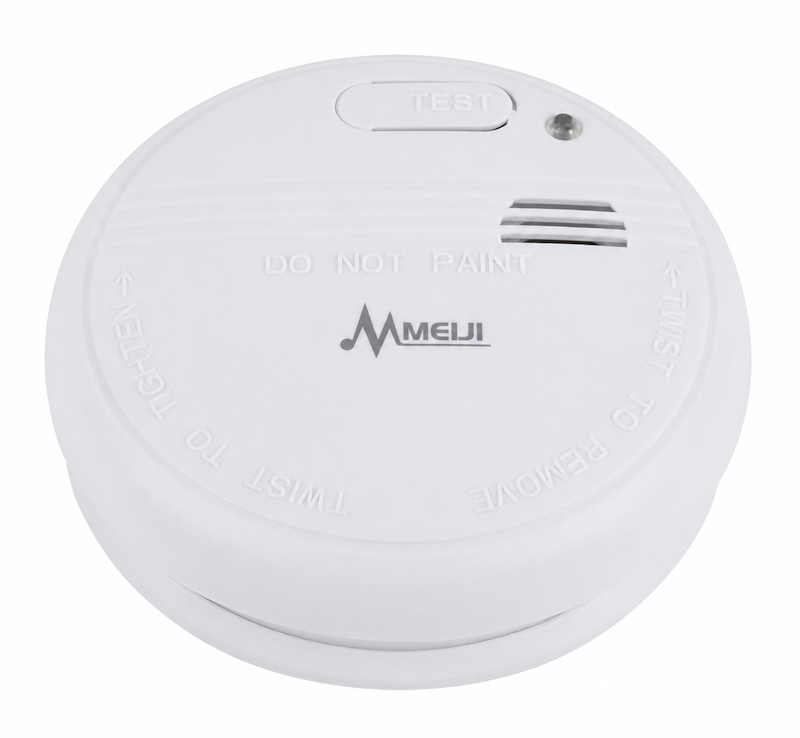
| Photoelectric Sensor | |
|---|---|
| Coverage Radius | unknown |
| Type | Battery-Operated |
| Alarm Volume | >85 dB at 3 m |
| Light Alerts | |
| Humidity-Resistant | |
| Heat-Compatible | |
| Other Features | Manual Test Button, Low-Battery Warning, Red LED Indicator, Sound and Light Alarm, EN 14604 |
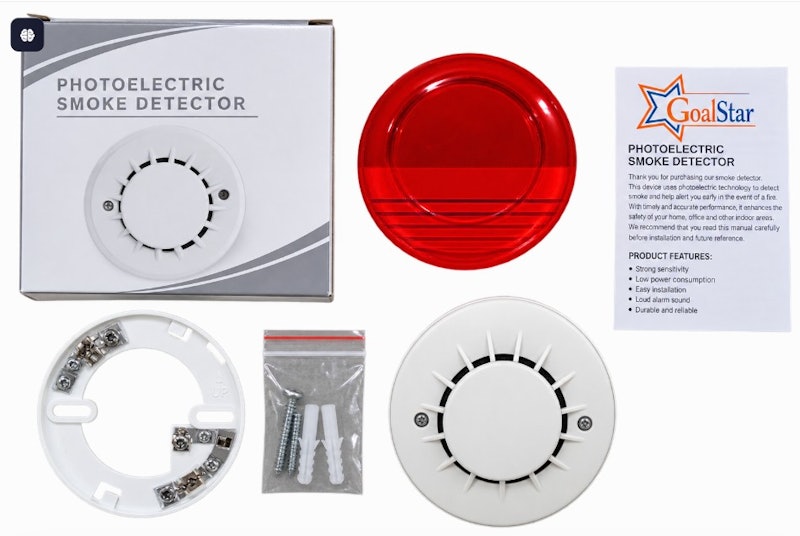
| Photoelectric Sensor | |
|---|---|
| Coverage Radius | unknown |
| Type | Hard-Wired |
| Alarm Volume | unknown |
| Light Alerts | |
| Humidity-Resistant | unknown |
| Heat-Compatible | unknown |
| Other Features | Conventional 2-Wire Connection, 24 V DC Operation, Anti-RFI, Anti-EMI, Flashing LED Indicator, CE and RoHS Certified |
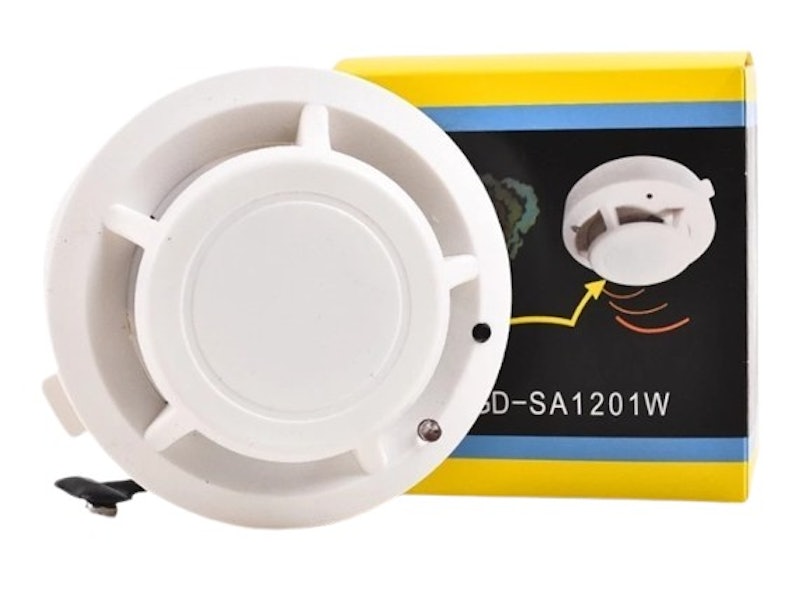
| Photoelectric Sensor | |
|---|---|
| Coverage Radius | unknown |
| Type | Battery-Operated |
| Alarm Volume | unknown |
| Light Alerts | |
| Humidity-Resistant | unknown |
| Heat-Compatible | unknown |
| Other Features | Battery-Powered Operation, Standalone Installation, Test Button, Low Battery Warning, Flashing LED Indicator |
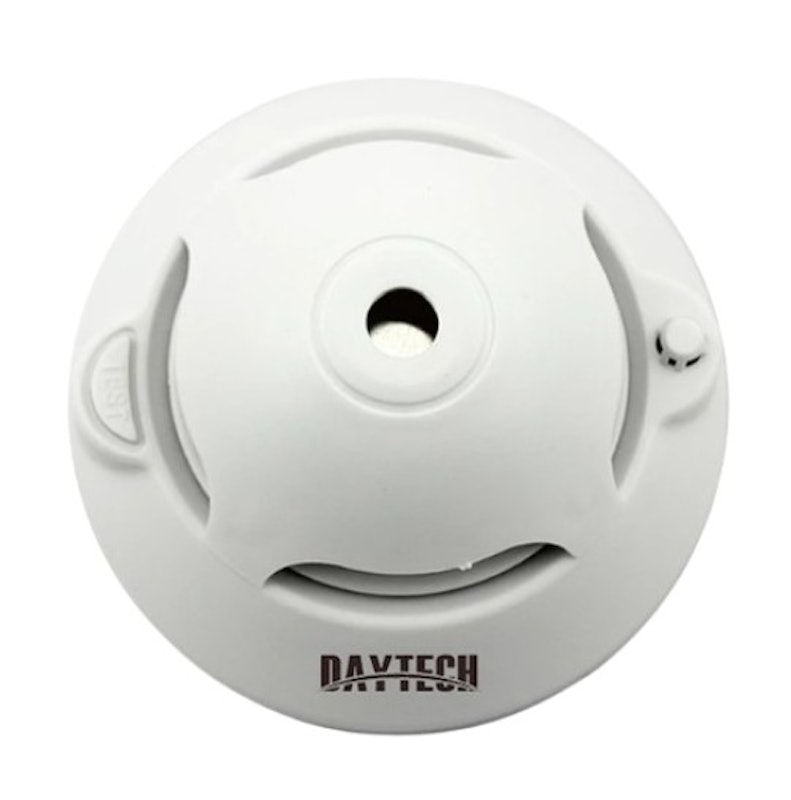
| Photoelectric Sensor | |
|---|---|
| Coverage Radius | unknown |
| Type | Battery-Operated |
| Alarm Volume | 80 dB at 3 m |
| Light Alerts | |
| Humidity-Resistant | |
| Heat-Compatible | unknown |
| Other Features | Manual Test Button, Battery Included, Wireless Installation, Dust and Insect Protection |
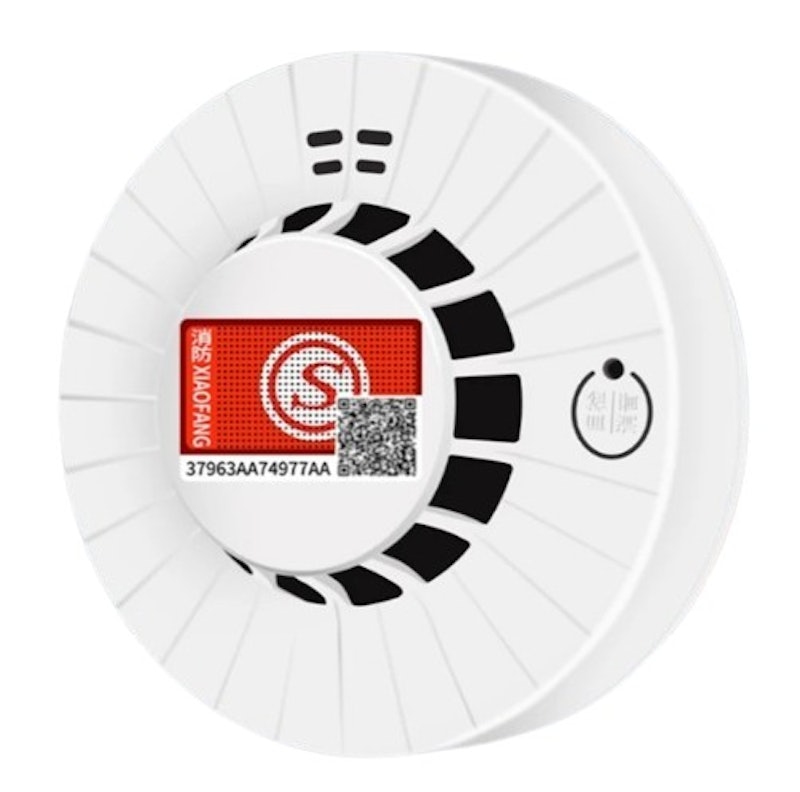
| Photoelectric Sensor | |
|---|---|
| Coverage Radius | unknown |
| Type | Battery-Operated |
| Alarm Volume | 80 dB at 3 m |
| Light Alerts | |
| Humidity-Resistant | |
| Heat-Compatible | unknown |
| Other Features | Manual Test Button, Low-Battery Warning, Red LED Indicator, Battery-Powered Operation |
Frequently Asked Questions
Below are some of the most asked questions on the web answered by the mybest team.
How Do I Test My Smoke Detector to Ensure It's Working?
Press the test button on your smoke detector once a month. The alarm should sound loudly. If it doesn’t, replace the batteries or the entire unit to keep your home safe.
How Often Should I Replace My Smoke Detector Battery?
Replace batteries at least once a year, or whenever the low-battery beep sounds. Some models have sealed batteries that last up to ten years, removing the need for yearly changes.
How Long Does a Smoke Detector Typically Last Before Replacement?
Most smoke detectors should be replaced every ten years. Over time, sensors lose sensitivity, so check the manufacturer’s label for the recommended replacement date and follow it strictly.
Can I Install a Smoke Detector in My Kitchen Without False Alarms?
Yes, choose heat-compatible or humidity-resistant models designed for kitchens. Place them at least three meters away from stoves or ovens to reduce false alarms from cooking smoke or steam.
What Should I Do When My Smoke Detector Keeps Beeping?
A beeping smoke detector usually indicates a low battery or dust buildup. Start by replacing the battery and cleaning the unit. If the beeping persists, the detector may need to be replaced.
Complete Your Home Safety Kit


How We Chose and Ranked Our Product Recommendations
The descriptions of each product are referenced from content available on manufacturer, brand, and e-commerce sites.