
10 Best Hypoallergenic Milk Formulas in the Philippines 2026 | Nurtramigen, Similac, and More
Finding the right formula for your baby can be overwhelming, especially if they have a sensitive tummy or show signs of a milk allergy. Hypoallergenic milk formulas are designed to be gentler on digestion, helping ease fussiness, reduce discomfort, and support healthy growth.
In the Philippines, parents can easily purchase these formulas from trusted online stores like Lazada and Shopee. With a variety of brands, detailed product descriptions, and user reviews, it is easier to compare options and find the formula that best suits your baby’s needs.

David is a law graduate (LL.B) who has a sharp eye for details and a strong passion for helping others make smarter decisions. Since he joined mybest in 2020, he’s been working on buying guides that make it easier to find the best products—whether they’re everyday essentials or unique finds. Apart from his work at mybest, David has also written for Grotto Network, a digital platform from the University of Notre Dame, and has experience as a special educational needs assistant. These roles have helped him hone his ability to connect with people and make complex topics more relatable and easy to understand. His love for nature and moments of reflection keep him grounded, and this thoughtful perspective shines through in every article he writes for mybest.
Why You Can Trust Us
Every mybest article is crafted with hours of in-depth research and interviews with experts. Each month, we are continually expanding our database of products based on our research. By emphasizing user insight and reliable information, we deliver trustworthy content to readers.
How Do I Tell if My Baby Needs Hypoallergenic Formula?

Babies who are unusually fussy, experience persistent diarrhea, develop skin rashes, or seem uncomfortable after feeding may have an allergy or intolerance to cow’s milk protein. If you notice these symptoms, do not switch formulas on your own. It is important to consult your pediatrician first so they can assess your baby’s condition and guide you on whether a hypoallergenic formula is needed.
Only extensively hydrolyzed and amino acid-based formulas are considered truly hypoallergenic. Partially hydrolyzed formulas are easier to digest than standard ones, but they are not recommended for babies with a confirmed cow’s milk protein allergy. Your pediatrician will help you choose the safest and most appropriate formula for your child’s needs.
How to Choose a Hypoallergenic Milk Formula - Buying Guide
Choosing the right formula can make a big difference in your baby’s comfort and overall health. Here are key points to consider when selecting a hypoallergenic milk formula.
Choose the Right Type Based on Allergy Risk or Diagnosis
The type of hypoallergenic formula you choose depends on your baby’s allergy risk and any diagnosed conditions. Not all hypoallergenic formulas are the same, and selecting the appropriate type helps manage symptoms effectively.
For Preventive Use or Mild Sensitivities: Pick a Partially Hydrolyzed Formula
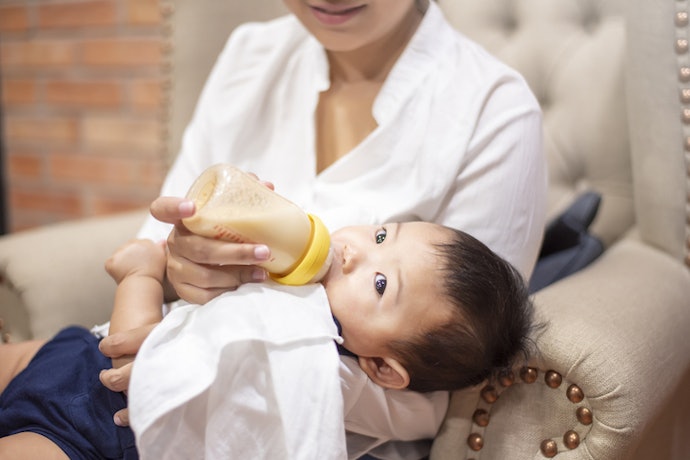
Partially hydrolyzed formulas can be easier on a baby’s digestive system and may help reduce fussiness and gas. They are sometimes used for infants with a family history of allergies as a preventive measure. However, because the proteins are only partially broken down, these formulas are not classified as hypoallergenic and should never be used for babies with confirmed cow’s milk protein allergy.
For Confirmed Cow’s Milk Protein Allergy: Go for an Extensively Hydrolyzed Formula

Extensively hydrolyzed formulas have proteins that are broken down into very small peptides, making them much less likely to trigger allergic reactions. These are considered truly hypoallergenic and are usually the first choice for babies diagnosed with cow’s milk protein allergy. Remember to always consult your pediatrician before switching, as they can guide you on the most suitable brand and formulation.
For Severe Allergy or When Other Formulas Fail: Consider an Amino Acid-Based Formula
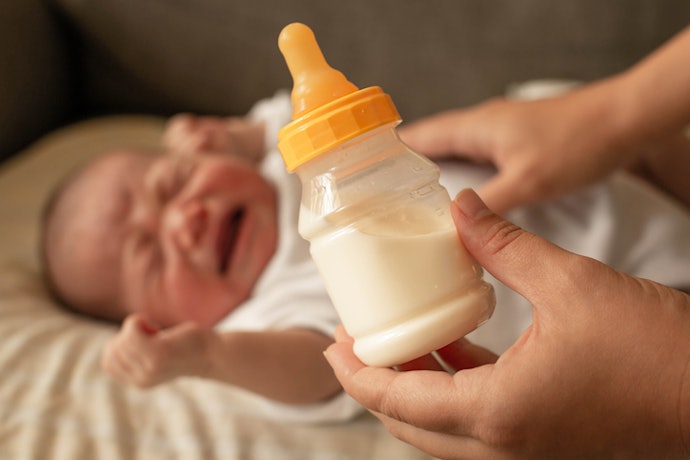
If your baby’s symptoms do not improve on an extensively hydrolyzed formula, an amino acid-based option may be necessary. These formulas contain proteins broken down to their simplest form, making them suitable even for severe allergies. They are often recommended for infants with multiple food allergies or severe cases of cow’s milk protein allergy.
Pick a Formula That Matches Your Baby’s Age
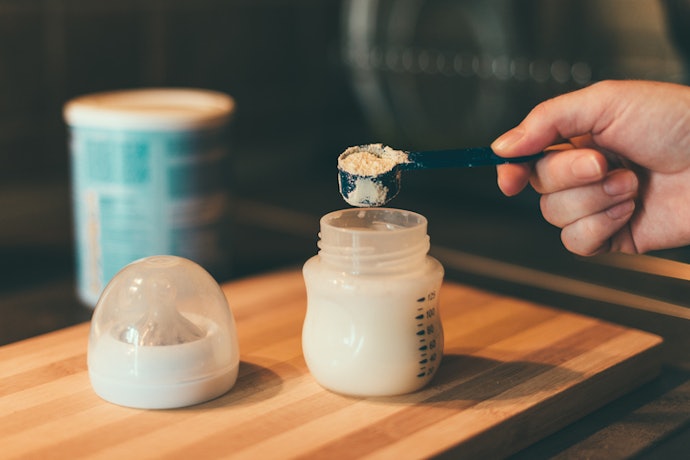
Formulas are designed to meet the nutritional needs of specific age ranges, so it is important to choose one that suits your baby’s stage of growth. Most brands label their products with stages, which can guide you in selecting the right option.
- Stage 1 (0–6 months): For newborns who rely entirely on formula or breast milk for nutrition.
- Stage 2 (6–12 months): For older infants starting solids, with nutrients adjusted for their changing needs.
- Stage 3 (12 months and above): For toddlers as a supplement to their regular diet.
Following these stages ensures your baby gets the right nutrient balance at every growth phase.
Look for Added DHA, Probiotics, or Prebiotics for Gut and Brain Support
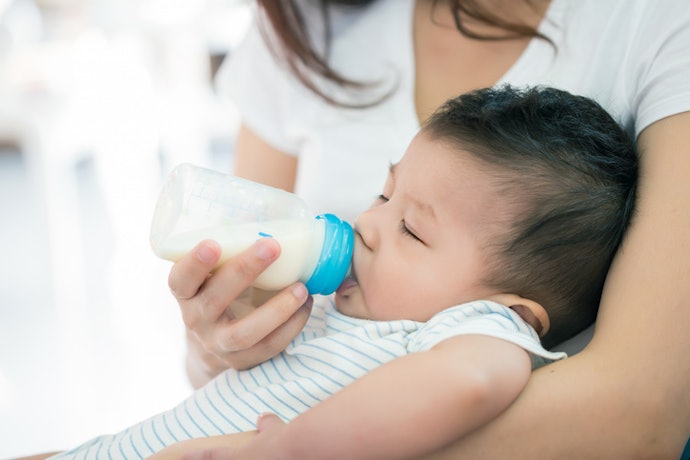
Some hypoallergenic formulas also include nutrients that go beyond managing allergies to support your baby's overall development. DHA, an omega-3 fatty acid, plays a key role in brain and eye development during the crucial early months. Probiotics help maintain healthy gut bacteria, which can aid digestion and may reduce issues like colic or constipation.
Prebiotics, on the other hand, nourish these good bacteria to further strengthen digestive and immune health. While not all babies need these extras, they can be especially beneficial for little ones with sensitive digestion or if you want to give added support to their growth.
10 Best Hypoallergenic Milk Formulas to Buy Online
| Products | Image | Click to purchase | Popularity | Details | ||||
|---|---|---|---|---|---|---|---|---|
Soy Protein Isolate-Free | Safe for G6PD Deficiency | Recommended Age | Net Weight | |||||
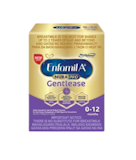
1 | Enfamil A+ Nurapro Gentlease Mead Johnson Nutrition |  | No.1 | 0-12 Months | 1600 g | |||
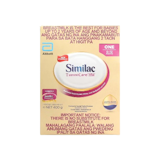
2 | Similac TummiCare HW Abbott |  | No.2 | 0-12 Months | 400 g | |||
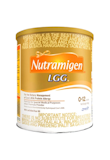
3 | Nutramigen LGG Mead Johnson Nutrition |  | No.3 | unknown | unknown | 0-12 Months | unknown | |
4 | S-26 Gold HA Wyeth Nutrition |  | No.4 | 0-12 Months | 800 g | |||
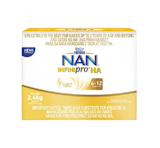
5 | NAN INFINIPRO HA Nestle |  | No.5 | 6-12 Months | 2400 g | |||
6 | Similac TummiCare HW 3+ Abbott |  | No.6 | Above 3 Years | 3200 g | |||
7 | Low Lactose 1-3 Years Old Nestogen |  | No.7 | 1-3 Years | 400 g | |||
8 | Neocate Amino Acid Syneo Nutricia |  | No.8 | 0-12 Months | 400 g | |||
9 | NAN Sensitive HW|0-12 Months Nestlé |  | No.9 | 1-3 Years | 800 g | |||
10 | Fortini Infant|0-18 Months Nutricia |  | No.10 | 0-18 Months | 400 g | |||

Mead Johnson NutritionEnfamil A+ Nurapro Gentlease
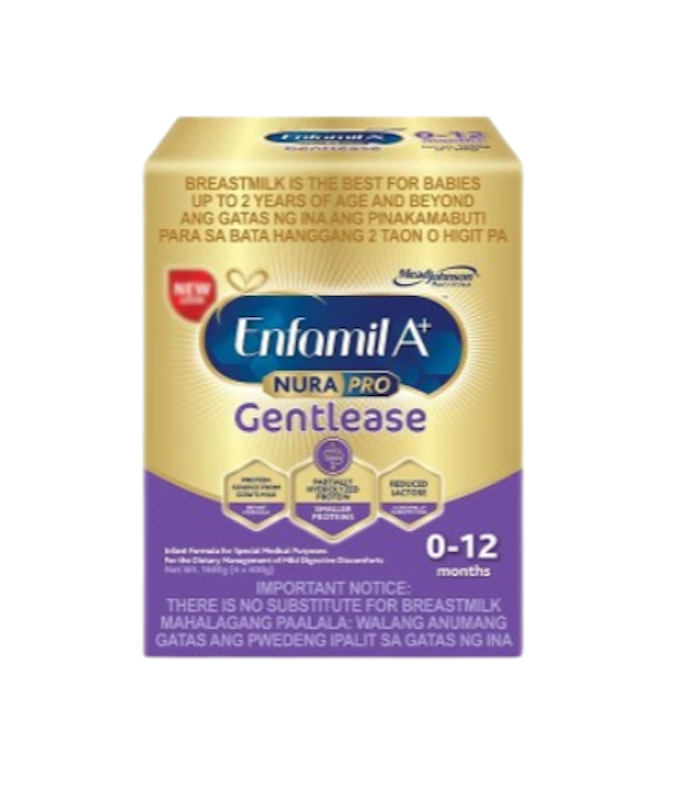
| Soy Protein Isolate-Free | |
|---|---|
| Safe for G6PD Deficiency | |
| Recommended Age | 0-12 Months |
| Net Weight | 1600 g |
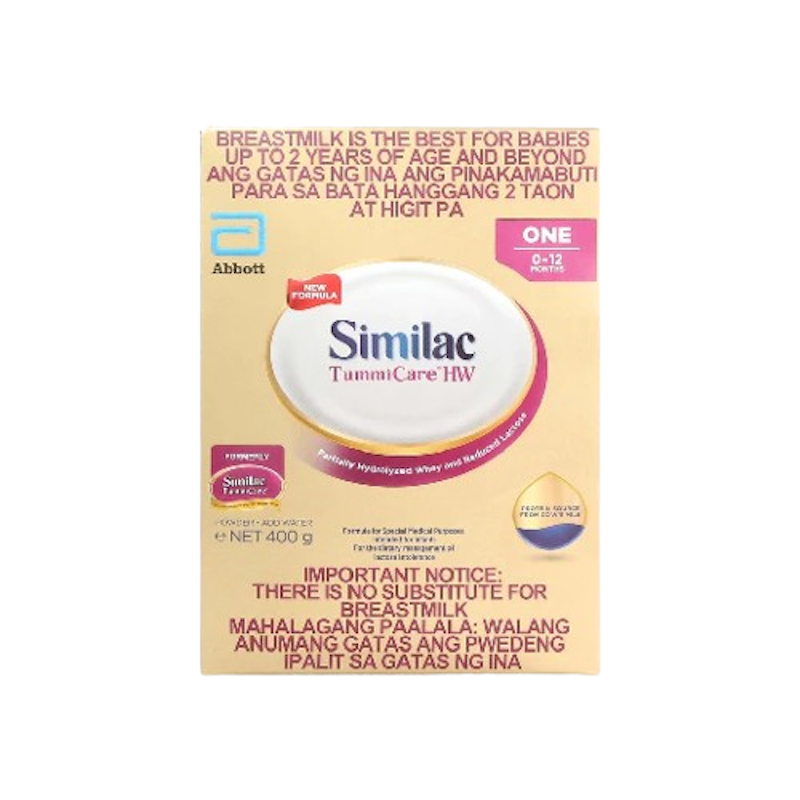
| Soy Protein Isolate-Free | |
|---|---|
| Safe for G6PD Deficiency | |
| Recommended Age | 0-12 Months |
| Net Weight | 400 g |
Mead Johnson NutritionNutramigen LGG
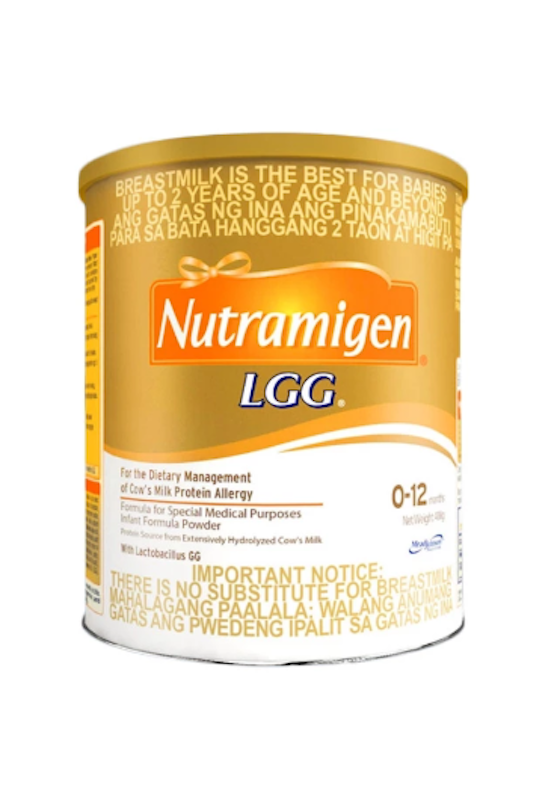
| Soy Protein Isolate-Free | unknown |
|---|---|
| Safe for G6PD Deficiency | unknown |
| Recommended Age | 0-12 Months |
| Net Weight | unknown |
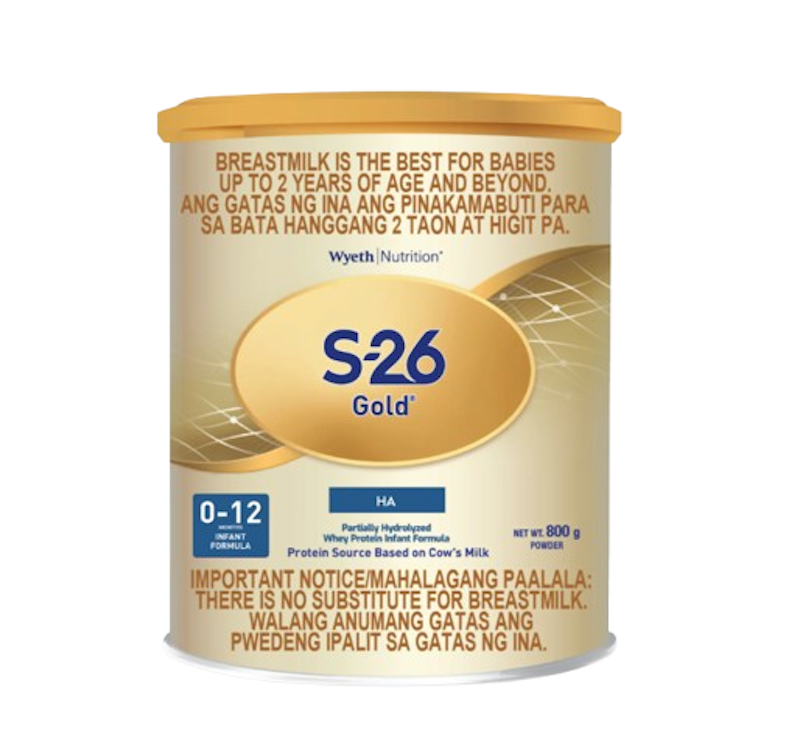
| Soy Protein Isolate-Free | |
|---|---|
| Safe for G6PD Deficiency | |
| Recommended Age | 0-12 Months |
| Net Weight | 800 g |
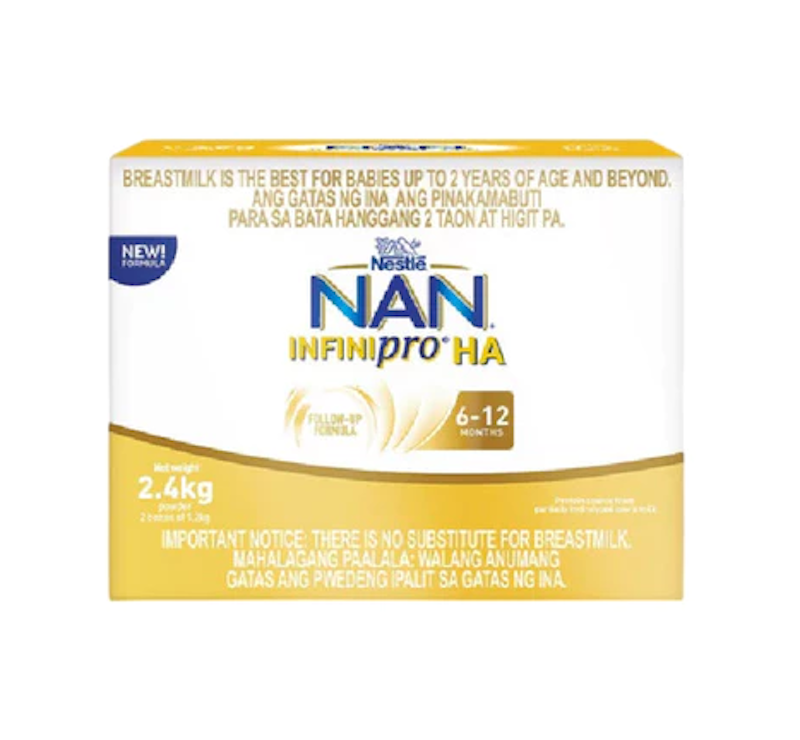
| Soy Protein Isolate-Free | |
|---|---|
| Safe for G6PD Deficiency | |
| Recommended Age | 6-12 Months |
| Net Weight | 2400 g |
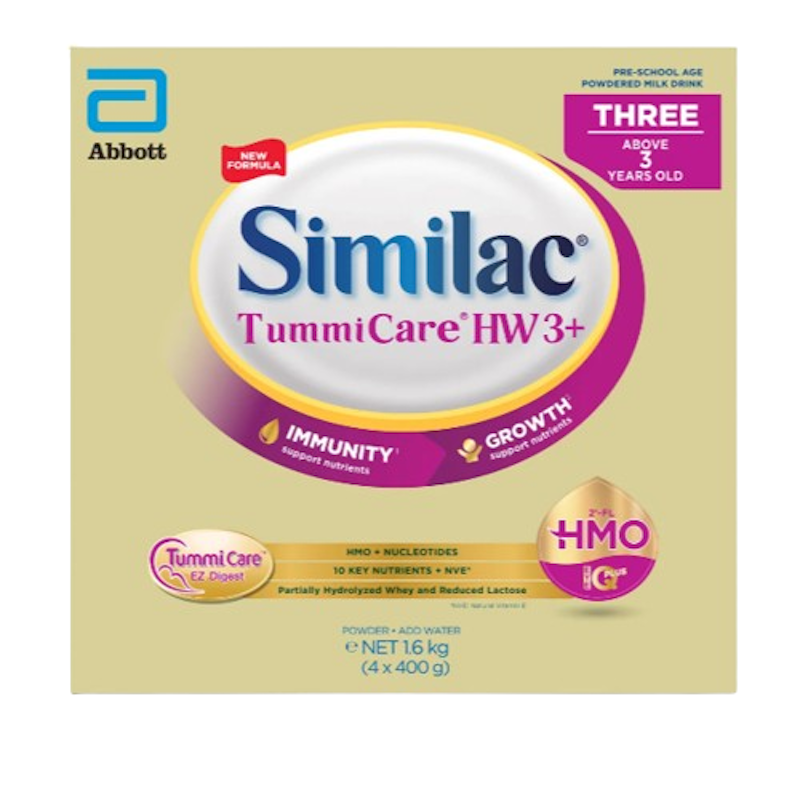
| Soy Protein Isolate-Free | |
|---|---|
| Safe for G6PD Deficiency | |
| Recommended Age | Above 3 Years |
| Net Weight | 3200 g |
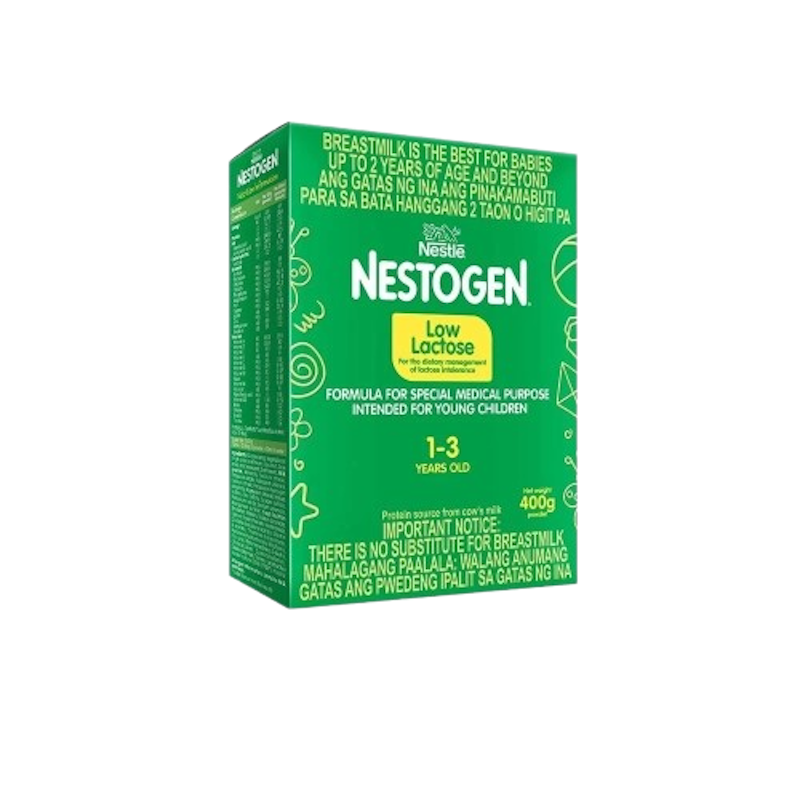
| Soy Protein Isolate-Free | |
|---|---|
| Safe for G6PD Deficiency | |
| Recommended Age | 1-3 Years |
| Net Weight | 400 g |
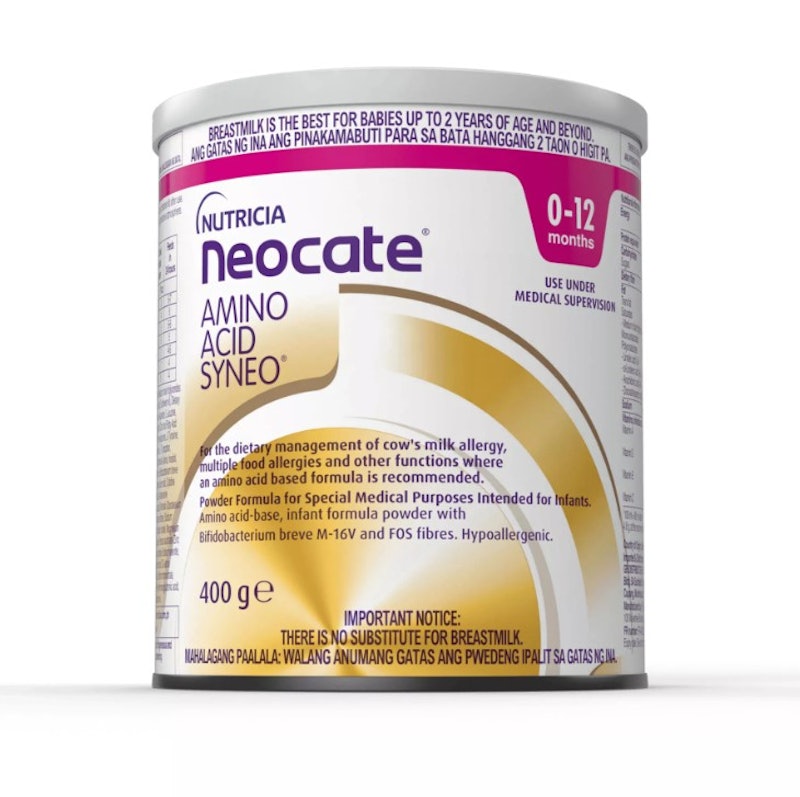
| Soy Protein Isolate-Free | |
|---|---|
| Safe for G6PD Deficiency | |
| Recommended Age | 0-12 Months |
| Net Weight | 400 g |

| Soy Protein Isolate-Free | |
|---|---|
| Safe for G6PD Deficiency | |
| Recommended Age | 1-3 Years |
| Net Weight | 800 g |
NutriciaFortini Infant | 0-18 Months
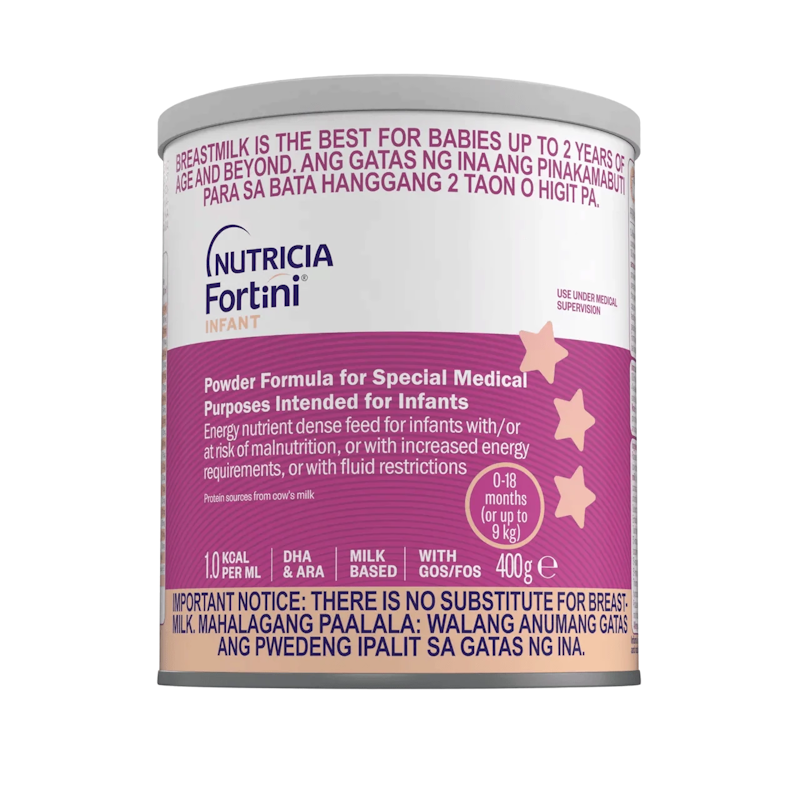
| Soy Protein Isolate-Free | |
|---|---|
| Safe for G6PD Deficiency | |
| Recommended Age | 0-18 Months |
| Net Weight | 400 g |
Frequently Asked Questions
Below are some of the most asked questions on the web answered by the mybest team.
Can I Switch Formulas Without a Doctor’s Advice?
It is not recommended to switch formulas without consulting a pediatrician. Choosing the wrong type of formula may worsen symptoms or delay improvement. A pediatrician can help identify the most suitable formula based on your baby’s age, symptoms, and allergy risk.
How Long Should I Wait to See Improvements in Symptoms?
Improvement usually takes a few days to a few weeks after starting a hypoallergenic formula. Some babies may respond quickly, while others may take longer to adjust. If symptoms do not improve within a reasonable period, or if they worsen, it is important to consult your pediatrician for further guidance.
Find the Right Formula for Every Stage
If you’d like to explore more options beyond hypoallergenic formulas, we’ve prepared other guides that may help you find the right choice for your child’s age and needs. Take a look at these related articles to learn more.


How We Chose and Ranked Our Product Recommendations
Our buying guide was carefully researched and crafted by the mybest team of writers and editors. We used the buying guide as a basis for choosing and ranking the product recommendations, and we looked at reviews and ratings from different E-commerce sites like Lazada, Shopee, and more.
The descriptions of each product are referenced from content available on manufacturer, brand, and e-commerce sites.