10 Best Antifungal Creams in the Philippines 2026 | Buying Guide Reviewed by Dermatologist
Antifungal creams are essential over-the-counter medications that help treat fungal infections on the skin, such as athlete’s foot, ringworm, and yeast infections. This guide will help you choose the most suitable antifungal cream based on your infection type, skin needs, and personal priorities, allowing you to select the right product for faster relief confidently.
To assist you in making informed decisions, we’ve compiled a comprehensive buying guide featuring tips and insights from board-certified dermatologist Dr. Meg Sison, along with our top 10 list of antifungal creams available on Lazada and Shopee.

Dr. Sison is a board-certified dermatologist who practices in the Philippines and sees both medical and cosmetic dermatological cases on skin, hair, and nails.

Jason is a content planner and writer with four years of experience across lifestyle, publishing, tech, real estate, marketing, and entertainment. Focused on consumer needs and SEO, they craft clear, engaging content that helps people make informed decisions. Jason is passionate about words that connect, empower, and resonate.
The expert oversees the Buying Guide only, and does not determine the products and services featured.
Why You Can Trust Us
Every mybest article is crafted with hours of in-depth research and interviews with experts. Each month, we are continually expanding our database of products based on our research. By emphasizing user insight and reliable information, we deliver trustworthy content to readers.
What Causes Fungal Infections?
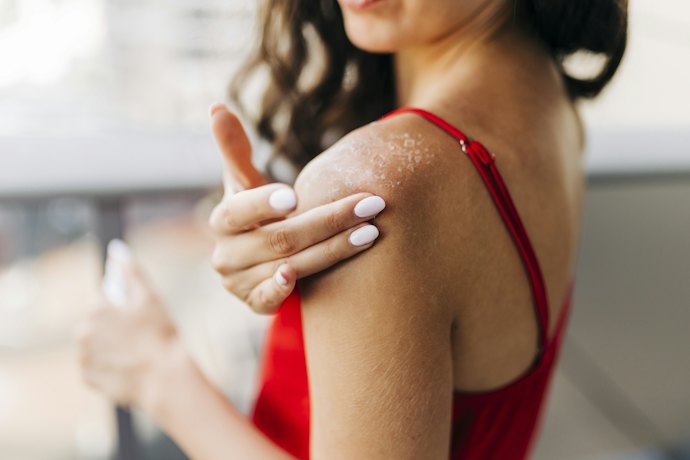
Fungal infections occur when certain types of fungi, such as dermatophytes and yeast, grow uncontrollably on or under the skin. These fungi are commonly found in the environment, on surfaces, in soil, or even in the air, and can easily spread through contact with contaminated areas or objects.
Common types of fungal infections include:
Athlete’s foot (alipunga): affects the feet, especially between toes
Jock itch (hadhad): affects the groin and inner thigh areas
Ringworm (buni): causes circular rashes on the skin
Yeast infections: including vaginal yeast infections and oral thrush
Fungal nail infections: thickened, discolored, or brittle nails
Fungal infections can affect anyone, but certain conditions, like moist or warm skin, tight clothing, or weakened immunity, can make them more likely to develop. Knowing the type and cause of your infection can help you choose the most effective treatment.
How to Choose an Antifungal Cream – Buying Guide
When choosing an antifungal cream, it's best to consider the active ingredients it contains. Knowing what to avoid can help as well to prevent irritation. Learn more about this below:
Match the Cream to Your Type of Fungal Infection

There are various antifungal ingredients designed for different situations. Knowing the options helps you choose a treatment that targets your specific type of infection effectively.

Different antifungal ingredients work in different ways, so choosing the right one depends on the type, severity, and location of the infection.
- Best for athlete's foot, ringworm, or jock itch: Start with azole-based creams like clotrimazole or ketoconazole. These are commonly recommended for mild to moderate infections and work well when applied consistently.
Best for yeast-related rashes and fungal Infections in skin folds: Azole-based antifungal creams are commonly used for cutaneous candidiasis and intertrigo, especially in warm, moist areas like the groin, underarms, or under the breasts. Formulas that include zinc oxide can help protect irritated skin and manage excess moisture.
Best for stubborn or recurring infections: Consider creams with terbinafine, which act more aggressively and may clear infections faster, particularly for persistent athlete’s foot.
Best for diaper rash or moisture-prone irritation: Look for antifungal creams with zinc oxide, which support skin barrier protection, reduce irritation, and help control moisture alongside antifungal treatment.
For example, azoles are effective against yeast infections, while zinc oxide acts as a protective barrier, especially for diaper dermatitis. These ingredients can often be combined with antifungal creams to address the particular needs of the affected area.
Avoid Steroids and Sulfur for Safer Fungal Treatment
Sulfur may irritate the skin. Additionally, steroids can mask symptoms, making it harder to fully treat the infection.
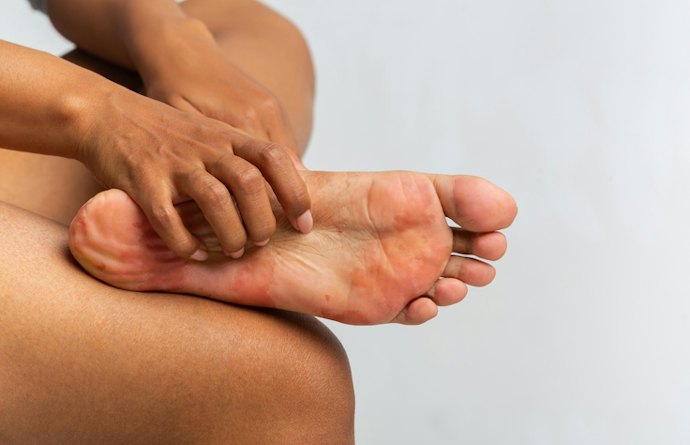
When choosing an antifungal cream, it’s important to steer clear of ingredients that cause irritation or interfere with healing. Steroids, for example, may temporarily reduce redness and itching, but they do not treat the underlying fungal infection and can mask symptoms, allowing the infection to spread if used without medical guidance.
Sulfur, while sometimes used to slow fungal growth, can dry out or irritate the skin, especially in sensitive areas, and does not fully eliminate the infection. Avoiding these ingredients helps ensure safer and more effective treatment.
Choose FDA-Approved Products for Reliable and Safe Treatment
Choosing an FDA-approved antifungal cream ensures it has been tested for safety and effectiveness, giving you confidence that the product works reliably and meets quality standards.
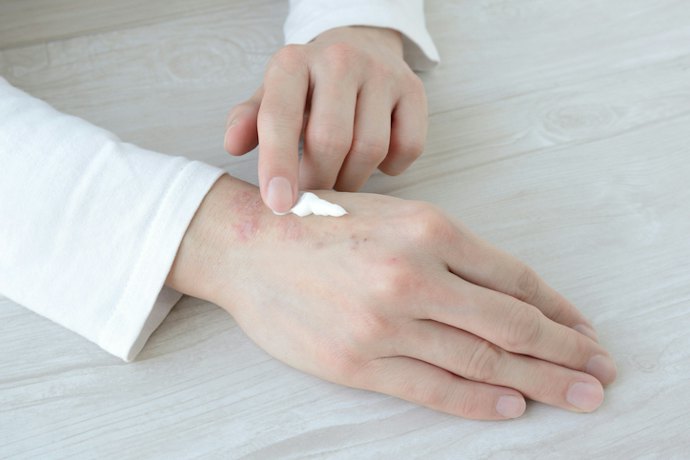
Selecting an FDA-approved antifungal cream ensures the product has undergone proper testing and meets established quality standards. This helps confirm that it’s effective against fungal infections and reduces the risk of side effects.
Prioritizing approved products also gives you peace of mind when choosing, so you can focus on treating your infection confidently without worrying about unreliable or low-quality creams.
10 Best Antifungal Creams to Buy Online
| Products | Image | Click to purchase | Popularity | Details | ||||||
|---|---|---|---|---|---|---|---|---|---|---|
Key Ingredient | Strength | Application | Best for | Net Weight | FDA Approved | |||||
1 | Ketoconazole Nizoral Cream Stada |  | No.1 | Ketoconazole | 2% | Ringworm, Athlete’s Foot, Jock Itch, Tinea Versicolor, Seborrheic Dermatitis | Skin Fungal | 10 g | ||
2 | Canesten Clotrimazole 1 % Antifungal Cream Bayer |  | No.2 | Clotrimazole | 1% | Ringworm, Athlete’s Foot, Jock Itch, Candidiasis | Yeast Infections | 10 g | ||
3 | Clotrimazole Actimed |  | No.3 | Clotrimazole | 1 | Ringworm, Athlete’s Foot, Jock Itch, Tinea | Skin Fungal | 20 g | ||
4 | Terbinafine Hydrochloride Cream Lamisil |  | No.4 | Terbinafine Hydrochloride | 1% | Athlete’s Foot, Ringworm, Jock Itch, Tinea | Athlete’s Foot | 15 g | ||
5 | Tioconazole Antifungal Cream Trosyd |  | No.5 | Tioconazole | 1% | Ringworm, Athlete’s Foot, Jock Itch, Candidiasis | Skin Fungal | 3.5 g | ||
6 | Daktarin Antifungal Cream Janssen |  | No.6 | Miconazole Nitrate | 2% | Skin Fungal, Yeast Infections | Skin Fungal, Yeast Infections | 5 g | ||
7 | Ketoconazole Antifungal Cream K-zol |  | No.7 | Ketoconazole | 2% | Ringworm, Athlete’s Foot, Tinea Versicolor, Seborrheic Dermatitis | Tinea Versicolor | 10 g | ||
8 | Clotrimazole Trimacort 1% Antifungal Cream TGP |  | No.8 | Clotrimazole | 1% | Ringworm, Athlete’s Foot, Jock Itch, Tinea Versicolor, Candidiasis, Yeast Infections | Fungal Infection, Skin Irritation | 20 g | ||
9 | Antibacterial/Antifungal Ointment Katialis |  | No.9 | Sulfur, Zinc Oxide, Resorcinol, Salicylic Acid | 7.33% Sulfur, 7.33% Zinc Oxide, 7.33% Resorcinol, 3.67% Salicylic Acid | Ringworm, Tinea Flava, Fungal Sweat Rash | Bacterial and Fungal Skin Infections | 5, 15, 30 g | ||
10 | Ketoconazole Cream TGP |  | No.10 | Ketoconazole | 2% | Ringworm, Athlete’s Foot, Jock Itch, Tinea Versicolor, Yeast Infections, Candidiasis | Fungal Skin Infections | 5 g | ||


| Key Ingredient | Ketoconazole |
|---|---|
| Strength | 2% |
| Application | Ringworm, Athlete’s Foot, Jock Itch, Tinea Versicolor, Seborrheic Dermatitis |
| Best for | Skin Fungal |
| Net Weight | 10 g |
| FDA Approved |
BayerCanesten Clotrimazole 1 % Antifungal Cream

| Key Ingredient | Clotrimazole |
|---|---|
| Strength | 1% |
| Application | Ringworm, Athlete’s Foot, Jock Itch, Candidiasis |
| Best for | Yeast Infections |
| Net Weight | 10 g |
| FDA Approved |

| Key Ingredient | Clotrimazole |
|---|---|
| Strength | 1 |
| Application | Ringworm, Athlete’s Foot, Jock Itch, Tinea |
| Best for | Skin Fungal |
| Net Weight | 20 g |
| FDA Approved |
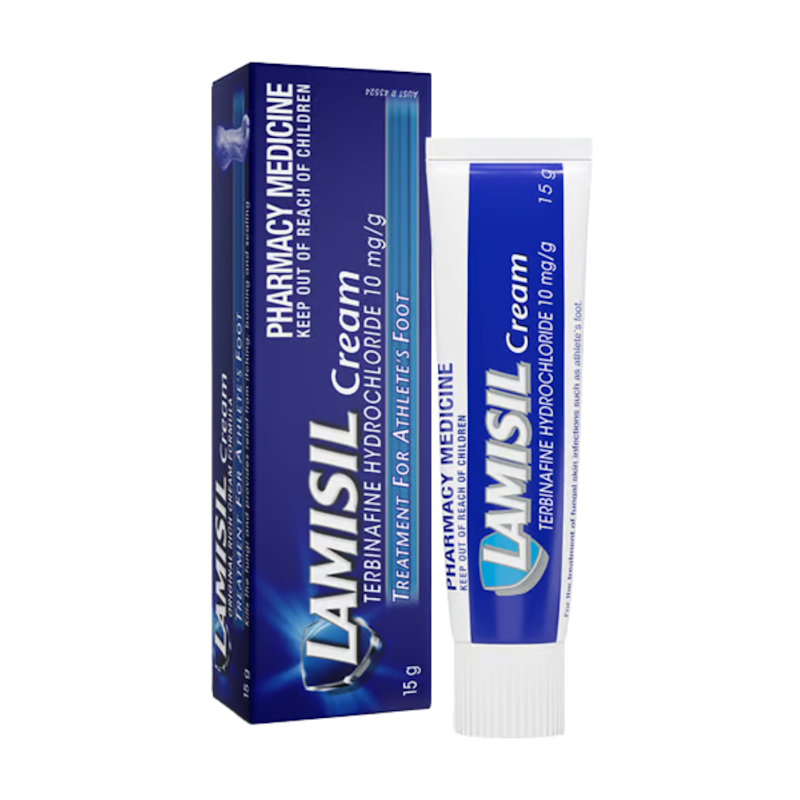
| Key Ingredient | Terbinafine Hydrochloride |
|---|---|
| Strength | 1% |
| Application | Athlete’s Foot, Ringworm, Jock Itch, Tinea |
| Best for | Athlete’s Foot |
| Net Weight | 15 g |
| FDA Approved |
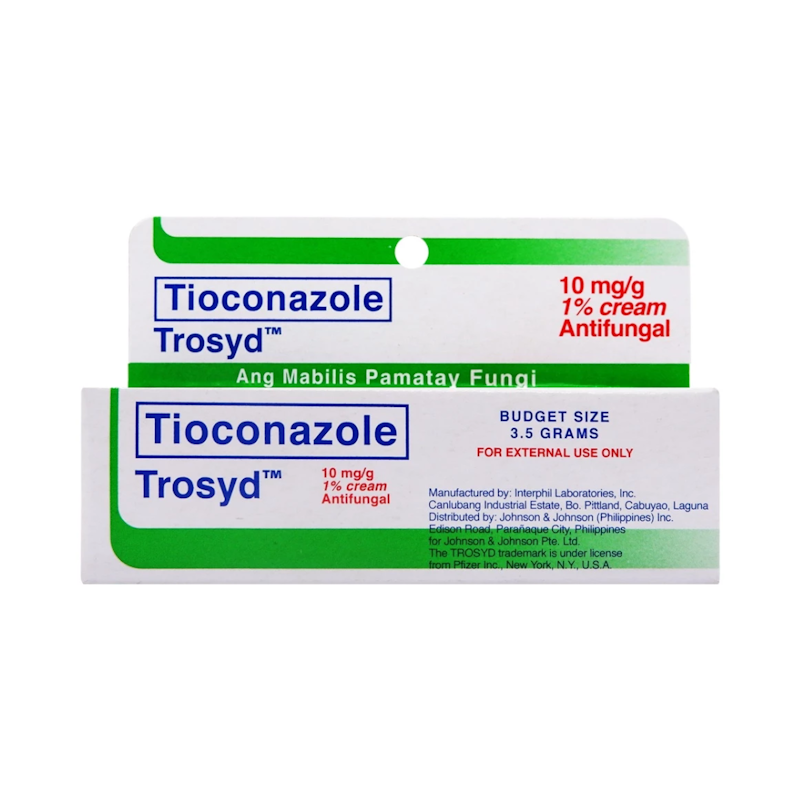
| Key Ingredient | Tioconazole |
|---|---|
| Strength | 1% |
| Application | Ringworm, Athlete’s Foot, Jock Itch, Candidiasis |
| Best for | Skin Fungal |
| Net Weight | 3.5 g |
| FDA Approved |

| Key Ingredient | Miconazole Nitrate |
|---|---|
| Strength | 2% |
| Application | Skin Fungal, Yeast Infections |
| Best for | Skin Fungal, Yeast Infections |
| Net Weight | 5 g |
| FDA Approved |

| Key Ingredient | Ketoconazole |
|---|---|
| Strength | 2% |
| Application | Ringworm, Athlete’s Foot, Tinea Versicolor, Seborrheic Dermatitis |
| Best for | Tinea Versicolor |
| Net Weight | 10 g |
| FDA Approved |
TGPClotrimazole Trimacort 1% Antifungal Cream

| Key Ingredient | Clotrimazole |
|---|---|
| Strength | 1% |
| Application | Ringworm, Athlete’s Foot, Jock Itch, Tinea Versicolor, Candidiasis, Yeast Infections |
| Best for | Fungal Infection, Skin Irritation |
| Net Weight | 20 g |
| FDA Approved |
KatialisAntibacterial/Antifungal Ointment

| Key Ingredient | Sulfur, Zinc Oxide, Resorcinol, Salicylic Acid |
|---|---|
| Strength | 7.33% Sulfur, 7.33% Zinc Oxide, 7.33% Resorcinol, 3.67% Salicylic Acid |
| Application | Ringworm, Tinea Flava, Fungal Sweat Rash |
| Best for | Bacterial and Fungal Skin Infections |
| Net Weight | 5, 15, 30 g |
| FDA Approved |
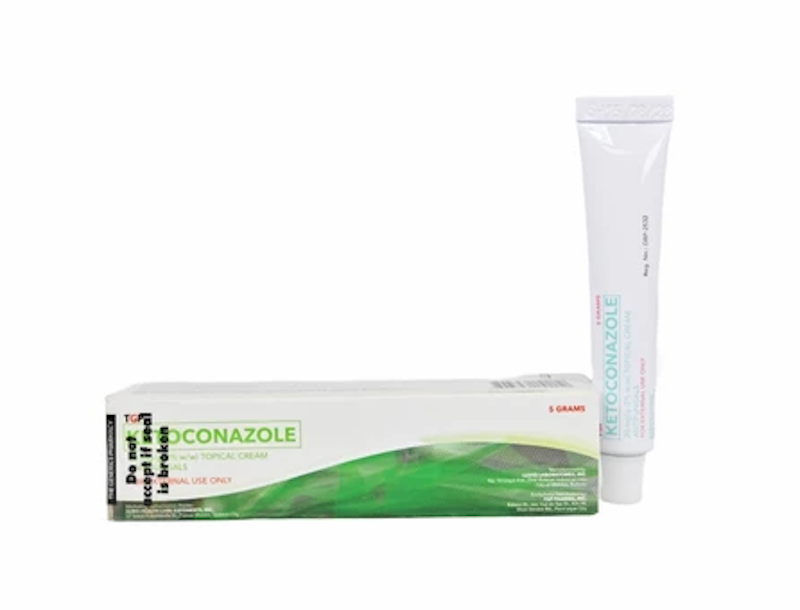
| Key Ingredient | Ketoconazole |
|---|---|
| Strength | 2% |
| Application | Ringworm, Athlete’s Foot, Jock Itch, Tinea Versicolor, Yeast Infections, Candidiasis |
| Best for | Fungal Skin Infections |
| Net Weight | 5 g |
| FDA Approved |
Consult a Board Certified Dermatologist for Proper Care and Treatment
When choosing antifungal creams, it is recommended to consult a board-certified dermatologist for further evaluation to avoid misuse of these medications.
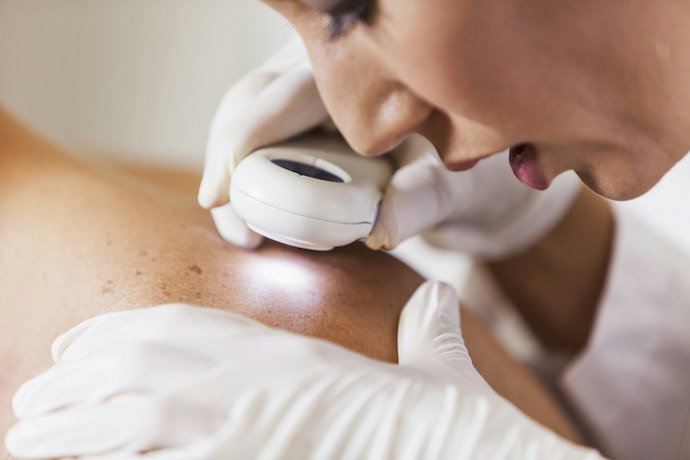
If you’re unsure whether your skin concern is a fungal infection or a simple rash, it’s best to consult a board-certified dermatologist. Getting a proper diagnosis ensures you understand exactly what you’re dealing with and can choose the most effective treatment.
A professional can guide you on the right antifungal cream for your specific condition, helping you avoid ineffective products that may worsen the problem. Seeking advice early also gives you confidence in managing your skin safely and effectively.
Frequently Asked Questions
Below are some of the most asked questions on the web answered by the mybest team.
Are Antifungal Creams Safe for Pregnant or Lactating Mothers?
Topical antifungal creams are generally safe during pregnancy and breastfeeding, but it’s best to consult a board-certified dermatologist or an OBGYN to confirm the right product and dosage for your situation.
Can Antifungal Creams Be Used Preventively?
These creams are intended to treat existing infections and are not recommended as a preventive measure.
How Do I Know if an Antifungal Cream Is Working?
A cream is working when lesions stop spreading, itching reduces, and the skin gradually heals. If symptoms persist, seek medical advice to adjust treatment.
How Often Should I Apply Antifungal Cream?
Follow the product instructions, typically once or twice daily, and continue the full course even if symptoms improve early to ensure complete treatment.
Need More Health Care Products for Your Skin?
Our top 10 list features products intended mainly for fungal infections. However, if you need more options for other skin diseases and conditions, you can check out the links below.


How We Chose and Ranked Our Product Recommendations
Our buying guide was carefully researched and crafted by the mybest team of writers and editors, in collaboration with the expert featured in this article. We used the buying guide as a basis for choosing and ranking the product recommendations, and we looked at reviews and ratings from different E-commerce sites like Lazada, Shopee, and more.
The descriptions of each product are referenced from content available on manufacturer, brand, and e-commerce sites.