

10 Best Underwater Cameras in the Philippines 2026 | DJI, GoPro, and More
Underwater cameras are essential for capturing clear photos and videos during beach trips, snorkeling, and diving adventures in the Philippines. With strong sunlight, saltwater exposure, and varying depths, choosing the right underwater camera can be challenging, especially if you want reliable waterproof performance without compromising image and video quality.
In this guide, we’ll help you find the best underwater cameras in the Philippines, featuring options available on Shopee and Lazada. From action cameras built for deep dives to compact models for casual snorkeling, these underwater cameras are designed to suit different activities and budgets, so you can capture every moment below the surface with confidence.

Sharrys is a writer for lifestyle and trendy articles, helping readers make smart choices. She is all about delivering high-quality content that keeps up with the latest trends. When she’s not researching her next write-up, you’ll find her reading a good book, binge-watching documentaries, or catching up on some much-needed sleep at home.
Why You Can Trust Us
Every mybest article is crafted with hours of in-depth research and interviews with experts. Each month, we are continually expanding our database of products based on our research. By emphasizing user insight and reliable information, we deliver trustworthy content to readers.
How Is an Underwater Camera Different From a Regular Camera?
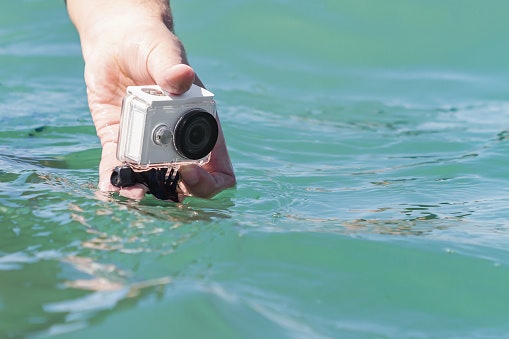
Underwater cameras are specifically engineered with sealed bodies and reinforced gaskets that prevent water from entering even when fully submerged. They are designed to withstand water pressure, ensuring internal components remain protected as depth increases.
Unlike regular cameras, their buttons and controls are larger and tightly sealed, allowing users to operate them easily with wet hands or while wearing gloves. In addition, underwater cameras use corrosion-resistant materials and coatings to protect against saltwater damage, helping maintain long-term performance in marine environments.
How to Choose Underwater Cameras – Buying Guide
Choosing the right underwater camera can feel overwhelming, especially with so many models offering different features. This quick buying guide breaks down the key factors to consider when choosing an underwater camera, helping you find a model that matches your activities, shooting needs, and budget.
Choose the Right Waterproof Depth Rating Based on Your Activity
Selecting the correct waterproof depth rating ensures your camera can safely handle the water pressure of your planned activities. Matching the depth rating to how and where you’ll use the camera helps prevent leaks and long-term damage.
Use IPX8 as a Minimum Requirement, but Always Confirm the Depth Rating
An IPX8 rating indicates that a camera can withstand continuous immersion in water under specific conditions. However, IP ratings do not clearly define the exact depth or duration of underwater use. Some products labeled “water-resistant” may only tolerate brief or shallow water exposure. For this reason, always verify the manufacturer’s stated depth rating in meters rather than relying solely on the IP rating.
Check the Depth Rating (in Meters) Based on How Deep You Plan to Go
Waterproof depth ratings indicate the maximum depth at which a camera can be submerged without failing. Understanding these ratings helps you choose a camera that aligns with your typical water activities, rather than over- or under-specifying.
- 10–15 m: This depth range is suitable for swimming, shallow coastal areas, and surface-level snorkeling. Cameras rated at 10–15 meters can handle splashes, waves, and brief submersion without issue. They are ideal for casual users who want reliable protection without needing advanced diving features.
- 30 m: Supports longer underwater sessions and deeper snorkeling environments. It provides better pressure resistance, allowing the camera to remain sealed during shallow dives. This range suits users who frequently explore reefs slightly below the surface.
- 40–60 m: Designed to withstand significantly higher water pressure. They are suitable for recreational scuba diving without the need for an additional housing unit. This level of protection ensures stable performance during extended underwater dives.
Choosing the appropriate depth rating improves reliability and reduces the risk of water damage. It also helps you avoid unnecessary costs by selecting a camera that fits your actual usage needs.
Prioritize Image Quality for Clear Underwater Photos and Videos
Strong image quality is essential for capturing fine details and natural colors underwater, where light and contrast are reduced. Choosing cameras with capable photo and video specifications ensures your underwater footage remains sharp and visually appealing.
Select Cameras With 4K Video and Stable Frame Rates for Clear Underwater Footage
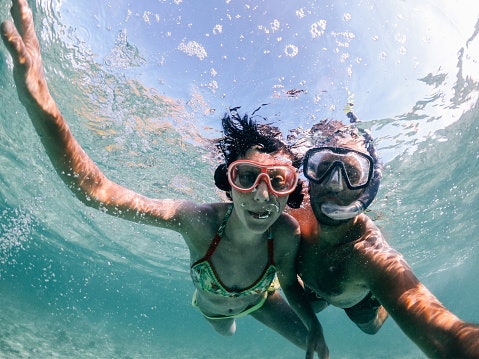
Higher video resolution and consistent frame rates help preserve detail and reduce motion blur caused by water movement. These factors are especially important when filming swimming subjects or drifting currents.
- 4K at 30/60 fps: Captures significantly more detail, making underwater scenes appear sharper and more immersive. Recording at 30 or 60 frames per second ensures smooth motion without excessive file sizes.
- 1080p at 60/120 fps: Full HD at higher frame rates allows for smoother motion and effective slow-motion playback. This is useful for capturing fast-moving marine life or for underwater action shots. It also reduces motion blur when filming in dynamic water conditions.
Choosing the right video resolution and frame rate improves overall footage quality and viewing experience. It also ensures compatibility with common editing and playback platforms.
Go for 12–20 MP or Higher for Clear, Detailed Underwater Photos
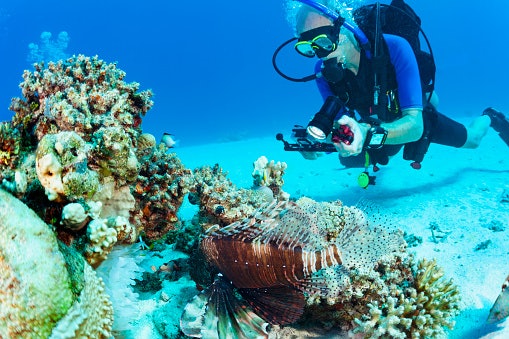
A camera with 12 to 20 megapixels (MP) offers a practical balance between image detail, file size, and low-light performance underwater. Cameras with fewer than 12 MP may produce softer images with less cropping flexibility, especially when photographing subjects like fish or coral from a distance.
On the other hand, extremely high megapixel counts, such as 40 MP or more, can create very large file sizes and may not significantly improve image quality in underwater conditions. For most users, the 12–20 MP range delivers sharp, detailed photos without unnecessary storage demands or performance trade-offs.
Look for Optical or Advanced Digital Stabilization to Reduce Underwater Shake
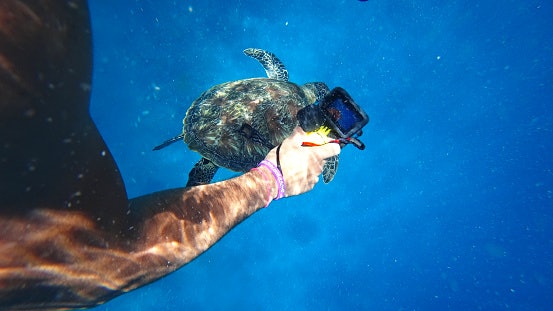
Underwater movement and water resistance can cause noticeable camera shake, even during slow swimming. Optical Image Stabilization (OIS) works by physically moving the lens or sensor inside the camera, mechanically compensating for small hand vibrations to maintain sharper still photos and steadier video.
Advanced Digital or Electronic Stabilization (EIS), on the other hand, uses software algorithms to crop and adjust frames in real time, smoothing out motion during video recording. While OIS is generally more effective for still photography and subtle shake correction, AD or EIS is best for action-focused underwater videos where constant movement is expected.
Choose Durable Cameras for Long-Term Use in Marine Environments
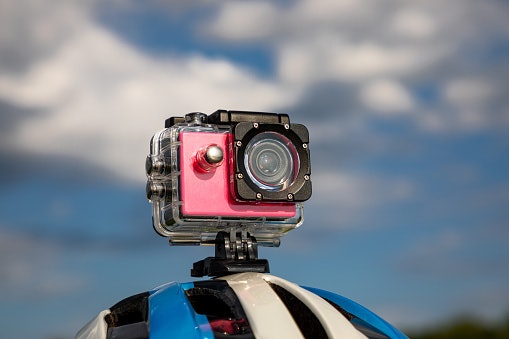
When shooting in the ocean, durability is not just about impact resistance but also about long-term protection against salt, pressure, and moisture. Look for cameras built with high-strength polycarbonate, reinforced resin, or aluminum alloy casings, as these materials provide structural stability while keeping the device lightweight.
Additionally, a textured, non-slip grip improves handling control when your hands are wet, while tightly engineered rubber gaskets and O-ring water seals prevent leaks during repeated submersion. Models with corrosion-resistant coatings and stainless-steel components are better suited for saltwater use, helping preserve performance and extending the camera’s lifespan.
Consider Useful Features and Accessories to Improve Overall Shooting Experience
Modern underwater cameras offer built-in features that improve convenience, control, and overall usability. When comparing models, look for the following:
- Wi-Fi or Bluetooth connectivity for quick file transfers to your phone or laptop.
- Mobile app support for live preview, camera settings adjustment, and easier framing.
- Remote control via smartphone so you can start or stop recording without directly pressing the camera buttons.
Accessories also play a major role in enhancing stability, safety, and image quality underwater.
- Mounts (helmet, board, chest, or snorkel mounts) for hands-free shooting and dynamic angles.
- Float grips to prevent the camera from sinking if dropped in water.
- Underwater lighting to restore brightness and color in deeper or low-light conditions.
Extra protective cases and color-correction filters to improve durability and maintain accurate color in blue- or green-water environments.
10 Best Underwater Cameras to Buy Online
| Products | Image | Click to purchase | Popularity | Details | |||||||
|---|---|---|---|---|---|---|---|---|---|---|---|
Depth Rating | IP Rating | Video Resolution | Sensor Resolution | Stabilization Type | Durability | Connectivity | |||||
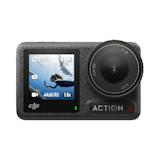
1 | Osmo Action 5 Pro DJI |  | No.1 | 20 m (Bare), 60 m (With Case) | IP68 | 4K at 120fps | 40 MP | RockSteady 3.0, RockSteady 3.0+, HorizonBalancing, HorizonSteady | Shockproof、Freezeproof、Waterproof | Wi-Fi 6, Bluetooth, USB-C | |
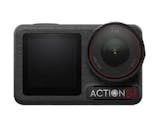
2 | Osmo Action 4|Adventure Combo DJI |  | No.2 | 18 m (Bare), 60 m (With Case) | IP68 | 4K at 120fps | 10 MP | RockSteady 3.0, RockSteady 3.0+, HorizonBalancing, HorizonSteady | Freezeproof、Waterproof、Shock-resistant | Wi-Fi, Bluetooth, USB-C | |
3 | Hero12 Black|Creator Edition GoPro |  | No.3 | 10 m (Bare), 60 m (With Case) | IPX8 | 5.3K at 60fps, 4K at 120fps, 2.7K at 240fps | 27 MP | HyperSmooth 6.0, 360° Horizon Lock³ | Shock-resistant、Scratch-resistant、Rugged、Waterproof | USB-C, HDMI Port | |
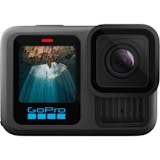
4 | Hero13 Black|Standard GoPro |  | No.4 | 10 m (Bare), 60 m (With Case) | IP68 | 5.3K at 60fps, 4K at 120fps, 2.7K at 120fps | 27 MP | HyperSmooth 6.0 | Rugged、Waterproof | Wi-Fi, Bluetooth, USB-C | |
5 | X5|Standalone Insta360 |  | No.5 | 15 m (Bare), 60 m (With Case) | IPX8 | 8K at 30fps, 5.7K at 60fps, 4k at 120 fps | 72 MP | FlowState, 360° Horizon Lock | Waterproof、Replaceable Lenses、Rugged | Wi-Fi, Bluetooth, USB-C, App Control | |
6 | X4 Air|Starter Bundle Insta360 |  | No.6 | 15 m (Bare), 60 m (With Case) | IPX8 | 8K at 30fps, 6K at 24fps | 29 MP | FlowState, 360° Horizon Lock | Waterproof、Replaceable Lenses、Rugged | Wi-Fi, Bluetooth, USB-C, App Control | |
7 | Tough TG-7 Olympus |  | No.7 | 15 m (Bare) | IPX8 | 4K at 30fps | 12 MP | Sensor-Shift Image Stabilization [In-Body Image Stabilization (IBIS)], Digital Image Stabilization (DIS) | Shockproof、Freezeproof、Crushproof、Dustproof、Waterproof | USB-C, Bluetooth, Wi-Fi, Micro HDMI | |
8 | C300 SJCAM |  | No.8 | 30 m (With Case) | IP68 | 4K at 30fps, 2K at 60/30fps | 24 MP | 6-Axis Gyro Image Stabilization | Dustproof、Drop-proof、Shockproof (Applies Only With Case) | Wi-Fi, USB-C | |
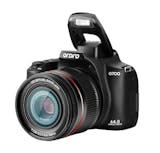
9 | Brave 7 LE Akaso |  | No.9 | 1 m (Bare), 40 m (With Case) | IPX7 | 4K at 60fps, 2.7K at 60fps | 20 MP | 6-Axis Stabilization (EIS 2.0) | Fully Weatherproof | App Support, Wi-Fi, Micro-USB, Micro HDMI | |
10 | PENTAX WG-8 Ricoh |  | No.10 | 20 m (Bare) | IP68、JIS Class 8、JIS Class 6 | 4K at 30fps | 20 MP | Electronic/Digital Image Stabilization (EIS) | Shockproof、Freezeproof、Waterproof、Dustproof、Crushproof | USB Type-C, Micro HDMI, USB Video Class 1.1 | |

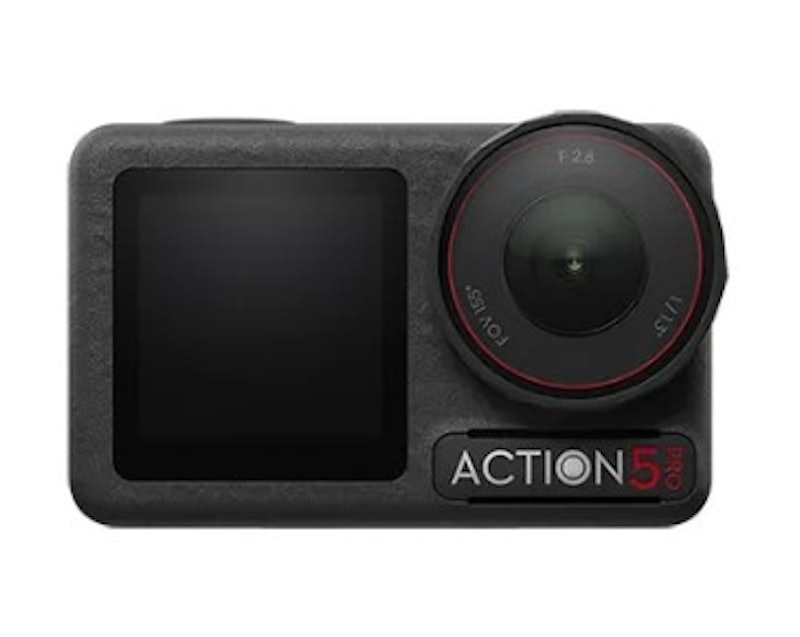
| Depth Rating | 20 m (Bare), 60 m (With Case) |
|---|---|
| IP Rating | IP68 |
| Video Resolution | 4K at 120fps |
| Sensor Resolution | 40 MP |
| Stabilization Type | RockSteady 3.0, RockSteady 3.0+, HorizonBalancing, HorizonSteady |
| Durability | Shockproof、Freezeproof、Waterproof |
| Connectivity | Wi-Fi 6, Bluetooth, USB-C |
DJIOsmo Action 4 | Adventure Combo

Reviews mention:
Users praise its professional video quality, especially underwater, with good low-light performance up to ISO 3200. Some note that grain appears at ISO 6400 and above. Many also mention it stays cool, with a battery that lasts long and recharges quickly, making it reliable for travels.
| Depth Rating | 18 m (Bare), 60 m (With Case) |
|---|---|
| IP Rating | IP68 |
| Video Resolution | 4K at 120fps |
| Sensor Resolution | 10 MP |
| Stabilization Type | RockSteady 3.0, RockSteady 3.0+, HorizonBalancing, HorizonSteady |
| Durability | Freezeproof、Waterproof、Shock-resistant |
| Connectivity | Wi-Fi, Bluetooth, USB-C |
GoProHero12 Black | Creator Edition
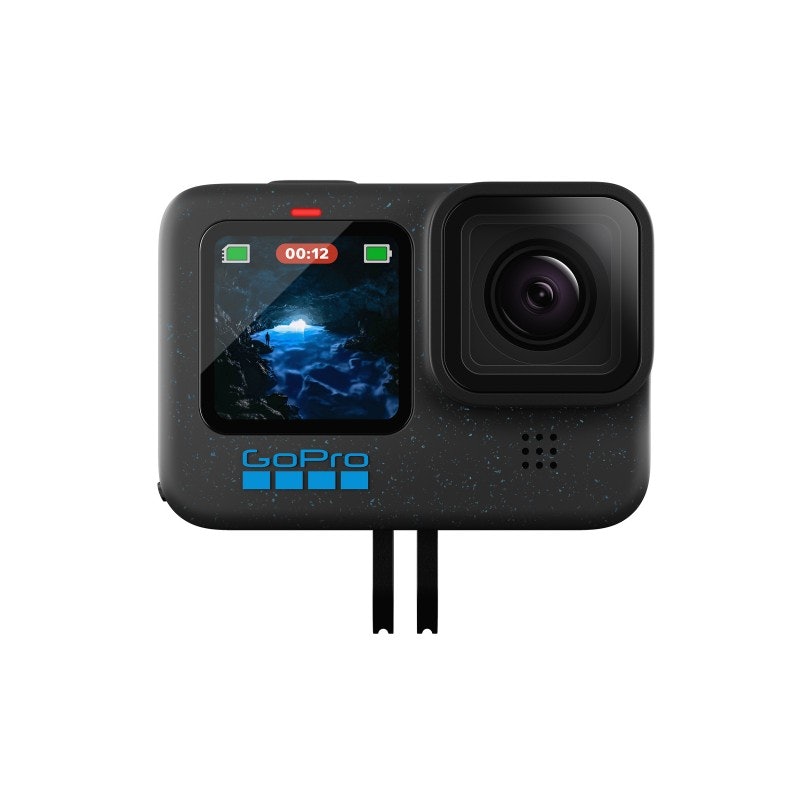
Reviews mention:
Buyers highlight its impressive video quality and smooth stabilization, making it ideal for action-packed footage. They appreciate the twin displays for intuitive control and the compact, rugged design for outdoor adventures. Users also rely on the long-lasting battery and waterproof build on long shoots.
| Depth Rating | 10 m (Bare), 60 m (With Case) |
|---|---|
| IP Rating | IPX8 |
| Video Resolution | 5.3K at 60fps, 4K at 120fps, 2.7K at 240fps |
| Sensor Resolution | 27 MP |
| Stabilization Type | HyperSmooth 6.0, 360° Horizon Lock³ |
| Durability | Shock-resistant、Scratch-resistant、Rugged、Waterproof |
| Connectivity | USB-C, HDMI Port |
GoProHero13 Black | Standard

Reviews mention:
Customers share that quick lens swaps let them capture stunning underwater macros. They also find GPS overlays add excitement to speed recaps, making adventures easier to document. With all this performance, they can rely on a battery that keeps up all day.
| Depth Rating | 10 m (Bare), 60 m (With Case) |
|---|---|
| IP Rating | IP68 |
| Video Resolution | 5.3K at 60fps, 4K at 120fps, 2.7K at 120fps |
| Sensor Resolution | 27 MP |
| Stabilization Type | HyperSmooth 6.0 |
| Durability | Rugged、Waterproof |
| Connectivity | Wi-Fi, Bluetooth, USB-C |

Reviews mention:
Creators highlight the freedom to reframe shots for perfect angles after filming. Most notice how well it handles low light without grainy noise. Few also mention that the wind resistance holds up great for aerial-style flights.
| Depth Rating | 15 m (Bare), 60 m (With Case) |
|---|---|
| IP Rating | IPX8 |
| Video Resolution | 8K at 30fps, 5.7K at 60fps, 4k at 120 fps |
| Sensor Resolution | 72 MP |
| Stabilization Type | FlowState, 360° Horizon Lock |
| Durability | Waterproof、Replaceable Lenses、Rugged |
| Connectivity | Wi-Fi, Bluetooth, USB-C, App Control |
Insta360X4 Air | Starter Bundle

Reviews mention:
Shoppers consider the feather-light build a game-changer for long hikes. They also praise the quiet wind noise in vlogs. Many even mention that swapping lenses is simple, giving more creative options on the go.
| Depth Rating | 15 m (Bare), 60 m (With Case) |
|---|---|
| IP Rating | IPX8 |
| Video Resolution | 8K at 30fps, 6K at 24fps |
| Sensor Resolution | 29 MP |
| Stabilization Type | FlowState, 360° Horizon Lock |
| Durability | Waterproof、Replaceable Lenses、Rugged |
| Connectivity | Wi-Fi, Bluetooth, USB-C, App Control |
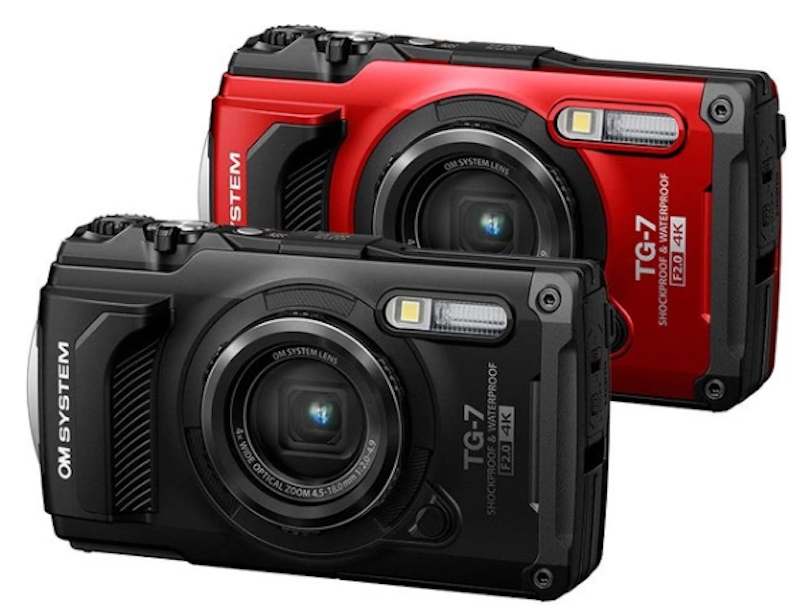
| Depth Rating | 15 m (Bare) |
|---|---|
| IP Rating | IPX8 |
| Video Resolution | 4K at 30fps |
| Sensor Resolution | 12 MP |
| Stabilization Type | Sensor-Shift Image Stabilization [In-Body Image Stabilization (IBIS)], Digital Image Stabilization (DIS) |
| Durability | Shockproof、Freezeproof、Crushproof、Dustproof、Waterproof |
| Connectivity | USB-C, Bluetooth, Wi-Fi, Micro HDMI |
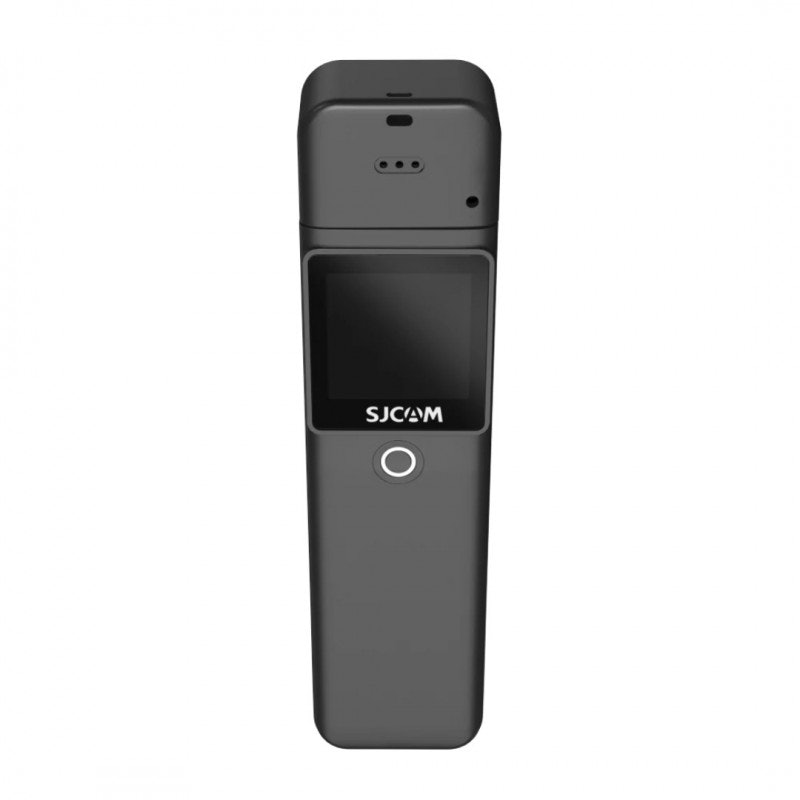
Reviews mention:
Customers note seamless WiFi pairing for live previews. Many like secure helmet fit on bumpy roads for rugged action clips . Overall, several highlight its reliability for documenting daily rides.
| Depth Rating | 30 m (With Case) |
|---|---|
| IP Rating | IP68 |
| Video Resolution | 4K at 30fps, 2K at 60/30fps |
| Sensor Resolution | 24 MP |
| Stabilization Type | 6-Axis Gyro Image Stabilization |
| Durability | Dustproof、Drop-proof、Shockproof (Applies Only With Case) |
| Connectivity | Wi-Fi, USB-C |

Features and benefits:
Reviews mention:
Many appreciate the front screen for perfect selfie angles. Plus, they find the case makes deep dives hassle-free. Many also point out stabilization even in high-speed footage.
| Depth Rating | 1 m (Bare), 40 m (With Case) |
|---|---|
| IP Rating | IPX7 |
| Video Resolution | 4K at 60fps, 2.7K at 60fps |
| Sensor Resolution | 20 MP |
| Stabilization Type | 6-Axis Stabilization (EIS 2.0) |
| Durability | Fully Weatherproof |
| Connectivity | App Support, Wi-Fi, Micro-USB, Micro HDMI |

Reviews mention:
Users love that its rugged build ensures clear shots in murky water while snorkeling or hiking. They also like the built-in ring light for close-up shots of marine life. A few users note that cold temperatures can decrease the overall runtime, so spare batteries come in handy.
| Depth Rating | 20 m (Bare) |
|---|---|
| IP Rating | IP68、JIS Class 8、JIS Class 6 |
| Video Resolution | 4K at 30fps |
| Sensor Resolution | 20 MP |
| Stabilization Type | Electronic/Digital Image Stabilization (EIS) |
| Durability | Shockproof、Freezeproof、Waterproof、Dustproof、Crushproof |
| Connectivity | USB Type-C, Micro HDMI, USB Video Class 1.1 |
Frequently Asked Questions
Below are some of the most asked questions on the web answered by the mybest team.
Can Underwater Cameras Be Used Outside of Water?
Yes, underwater cameras are designed to function normally on land, just like standard cameras. Their sealed bodies protect internal components from dust, rain, and moisture, making them suitable for outdoor and travel use. Because of this rugged construction, they are often used for hiking, action sports, and everyday photography.
Do Underwater Cameras Need Special Memory Cards?
Underwater cameras typically use microSD cards, but speed and rating matter for performance. A Class 10 or UHS-I/U3 card is recommended to handle high-bitrate photos and 4K video recording without lag or file errors. Using slower cards may result in dropped frames, recording interruptions, or corrupted files.
How Deep Can I Really Use an Underwater Camera Without Housing?
The usable depth depends strictly on the camera’s manufacturer-specified depth rating, measured in meters. Many action cameras and waterproof compacts can safely operate between 10 to 30 meters without an external housing, provided all seals are intact. Exceeding this limit can raise water pressure beyond the camera’s tolerance, leading to leaks or permanent damage, so specifications should always be checked before diving.
Discover More Camera Essentials for Every Adventure
If you’re looking to explore more camera options beyond underwater photography, browse our curated buying guides featuring a wide range of cameras and accessories available in the Philippines. These articles cover a range of shooting needs and environments, helping you choose reliable gear for travel, everyday use, and special adventures.


How We Chose and Ranked Our Product Recommendations
Our buying guide was carefully researched and crafted by the mybest team of writers and editors. We used the buying guide as a basis for choosing and ranking the product recommendations, and we looked at reviews and ratings from different E-commerce sites like Lazada, Shopee, and more.
The descriptions of each product are referenced from content available on manufacturer, brand, and e-commerce sites.