10 Best Nose Cleaners in the Philippines 2026 | Buying Guide Reviewed by Pediatrician
Clearing a baby’s stuffy nose can be a challenge, especially since they can’t blow their nose on their own. Whether it’s due to a cold or dried mucus, nasal congestion can make it hard for babies to breathe, feed, or sleep comfortably. This is where nose cleaners or nasal aspirators come in, helping remove mucus safely and gently while giving your little one some much-needed relief.
In this article, we’ll guide you through how to choose the best nose cleaner for your baby, with options ranging from simple bulb syringes to electric aspirators. The buying guide was reviewed by Dr. Joey Cuayo-Estanislao, Pediatrician and Child Health Specialist, to ensure the information is medically sound and helpful for parents.

Dr. Joanna Pamela Cuayo-Estanislao is a pediatrician and child health specialist based in Metro Manila. Doc Joey is passionate about health education and empowering families to become informed advocates of their children's health and wellness. She uses social media to educate and raise awareness about important issues and topics in the field of pediatrics and child care.

David is a law graduate (LL.B) who has a sharp eye for details and a strong passion for helping others make smarter decisions. Since he joined mybest in 2020, he’s been working on buying guides that make it easier to find the best products—whether they’re everyday essentials or unique finds. Apart from his work at mybest, David has also written for Grotto Network, a digital platform from the University of Notre Dame, and has experience as a special educational needs assistant. These roles have helped him hone his ability to connect with people and make complex topics more relatable and easy to understand. His love for nature and moments of reflection keep him grounded, and this thoughtful perspective shines through in every article he writes for mybest.
The expert oversees the Buying Guide only, and does not determine the products and services featured.
Why You Can Trust Us
Every mybest article is crafted with hours of in-depth research and interviews with experts. Each month, we are continually expanding our database of products based on our research. By emphasizing user insight and reliable information, we deliver trustworthy content to readers.
When Should I Use a Nose Cleaner for My Baby?

Babies cannot clear their noses on their own, so you may need to help when mucus affects their sleep, feeding, or breathing.
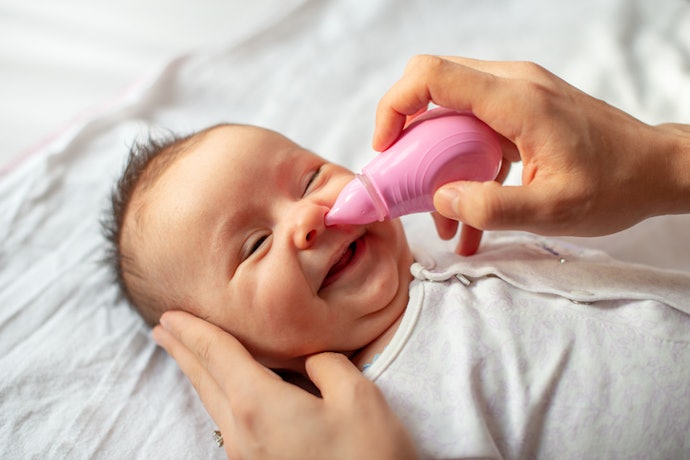
Unlike adults, babies do not know how to blow their noses. This means they may need help removing mucus, especially when it becomes too thick or sticky. If your baby is sniffling, breathing noisily, or having trouble sleeping or feeding due to nasal congestion, it may be time to use a nose cleaner.
You can also use one when you notice dried boogers blocking the nasal passage. In some cases, applying a few drops of saline solution can be enough to soften the mucus before using a nose cleaner.
Babies are obligate nasal breathers during their first 3 to 6 months, meaning they mostly breathe through their nose. This makes it important to keep their nasal passages clear, especially when they have a cold or congestion.
How to Choose a Nose Cleaner - Buying Guide
Choosing the right nose cleaner can make nasal congestion easier to manage for both you and your baby. In this section, we'll guide you through the key features to look for to ensure safety, comfort, and convenience.
Choose a Type Based on Baby’s Age and Your Usage Preference
Your choice depends on your baby's age and how much control or convenience you prefer when cleaning.
For Newborns and Basic Needs: Use Manual Nose Cleaners Like Bulb Syringes
Manual types are ideal for younger babies, though they vary in ease of use and hygiene depending on the design.
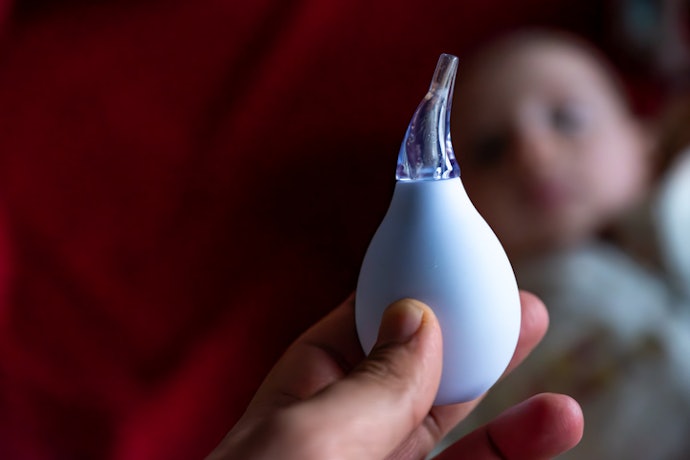
Bulb syringes are simple and low-cost options that work well for babies under 6 months. However, some parents may find them hard to handle or clean, especially since they are usually opaque and do not show the suctioned mucus.
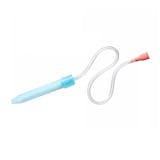
Tube-style manual cleaners, where the parent controls suction by mouth, offer better visibility and more control, but they require thorough cleaning and regular filter changes. These are suitable for babies of any age but must be used with good hygiene practices.
For Convenience and Consistency: Go for Electric Nose Cleaners
Electric aspirators have their own suction and are easy to use, though keep in mind that they’re not necessarily more effective than manual ones.
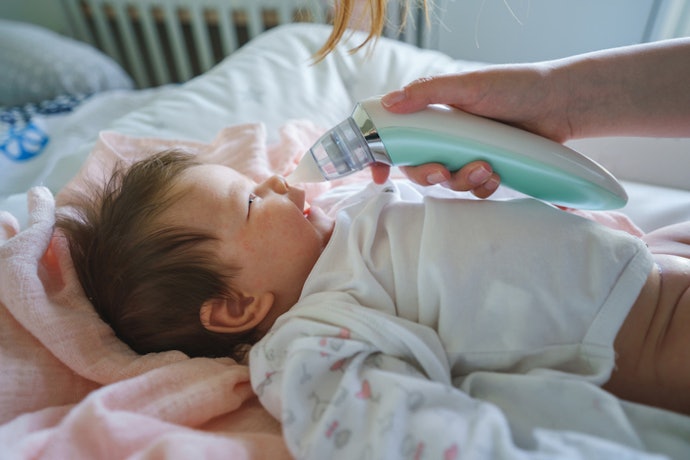
Electric nose cleaners use motorized suction and typically allow you to adjust the strength based on your baby’s needs. Many also come with different tip sizes for better fit.
They are convenient for parents who prefer a more hands-off approach or need to clear mucus quickly. While they offer consistent suction and are often easy to operate, always follow the manufacturer’s instructions to ensure safe and proper use.
Check for Features That Ensure Safety, Comfort, and Hygiene
Since babies have delicate nasal passages, it’s important to choose nose cleaners made with materials that are both gentle and safe.
Choose Soft Silicone Tips to Avoid Irritating Sensitive Noses
Hard tips can damage a baby’s sensitive nose, so it’s best to use soft silicone and suction only at the opening.
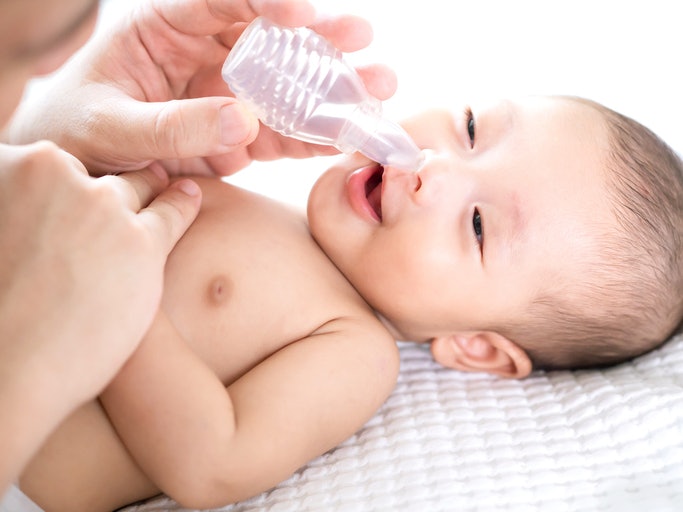
Soft silicone tips are gentler on a baby’s skin and reduce the risk of abrasions. This is particularly important for newborns, whose nasal passages are still very delicate.
Avoid inserting the tip too far into the nostril. If your baby is fussy, it can help to wait until they are calm or have someone assist in holding them gently to prevent sudden movements during suctioning.
Look for BPA-Free and Non-Toxic Materials to Ensure Safety
Avoid materials like BPA, phthalates, or parabens. Although most baby products today are already made without them, it still pays to check the labels.
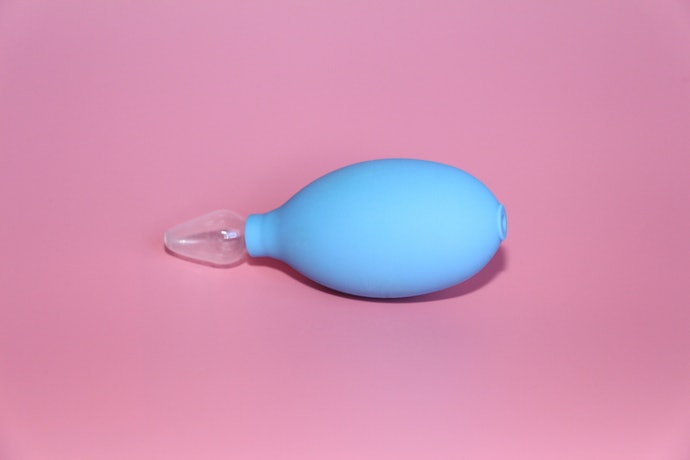
When buying a nose cleaner, check the label to make sure it is made from safe materials. Stay away from substances like BPA, formaldehyde, and parabens, which have been linked to health concerns. Many modern baby care items already meet these safety standards, but confirming this helps you avoid unnecessary risks.
Use Replaceable Filters to Maintain Hygiene During Suction
Filters help block bacteria from passing between baby and caregiver, so replace them as directed.
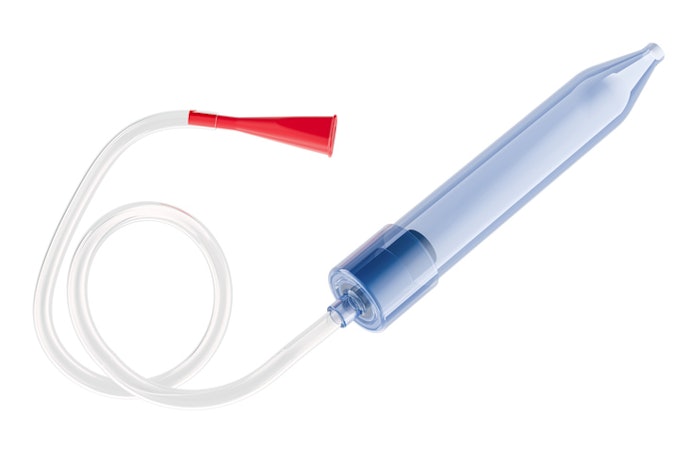
Replaceable filters are especially useful in oral suction devices, acting as a barrier to stop germs from being transferred during use. They also keep the device clean and functional.
Change the filters after each use or according to the manufacturer's guidelines. Some devices include a backup safety filter, which adds another layer of protection for both baby and caregiver.
Go for Nose Cleaners With Transparent, Detachable Parts to Make Cleaning Easier
Choose a cleaner that is easy to take apart and inspect, especially in our humid climate where buildup is more likely.
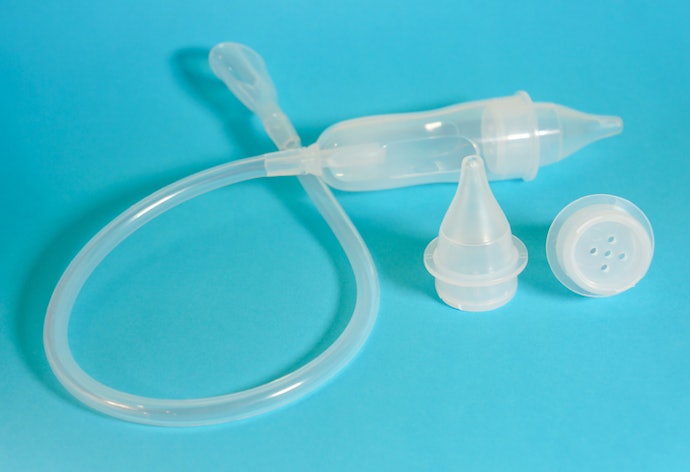
To prevent the buildup of bacteria, nose cleaners should be thoroughly cleaned after each use. Models with detachable parts make this process easier, allowing for more effective washing and drying.
Transparent or clear components are also helpful, as they let you easily check for any remaining mucus or residue. This is especially important in the Philippines, where high humidity can lead to mold or bacterial growth if the device is not properly maintained.
10 Best Nose Cleaners to Buy Online
| Products | Image | Click to purchase | Popularity | Details | ||||
|---|---|---|---|---|---|---|---|---|
Cleaner Type | Material | Replaceable Filters | Detachable Washable Parts | |||||
1 | Baby Nasal Aspirator Tiny Remedies |  | No.1 | Manual | Silicone | |||
2 | NoseFrida The SnotSucker Frida Baby |  | No.2 | Manual | Plastic | |||
3 | Nose Cleaner (Tube Type) Pigeon |  | No.3 | Manual | Silicone | |||
4 | Breathe-Eez Nasal Aspirator Nuby |  | No.4 | Manual | Plastic, Silicone | |||
5 | Baby Nasal Aspirator MomCozy |  | No.5 | Electric | Plastic, Silicone | |||
6 | Nasal Aspirator Crosspoint |  | No.6 | Manual | Silicone | |||
7 | Baby Manual Nasal Aspirator Hoshi |  | No.7 | Manual | Plastic, Silicone | |||
8 | Nasal Aspirator Safety 1st |  | No.8 | Manual | Silicone | |||
9 | Baby Nasal Aspirator JameMirs |  | No.9 | Electric | Silicone | |||
10 | Nasal Aspirator 1st Choice |  | No.10 | Manual | Silicone | |||

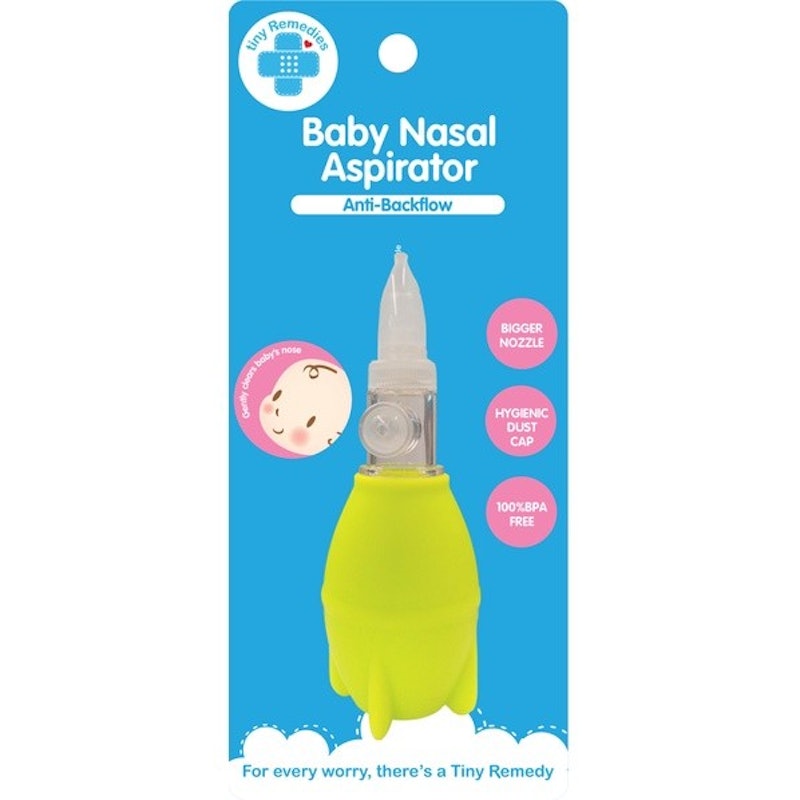
| Cleaner Type | Manual |
|---|---|
| Material | Silicone |
| Replaceable Filters | |
| Detachable Washable Parts |
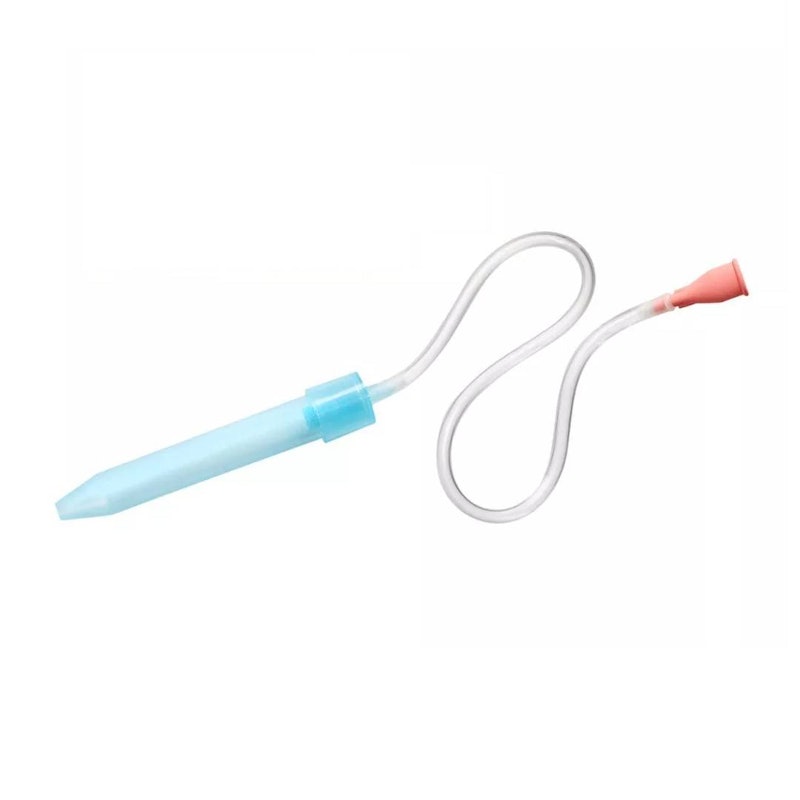
| Cleaner Type | Manual |
|---|---|
| Material | Plastic |
| Replaceable Filters | |
| Detachable Washable Parts |
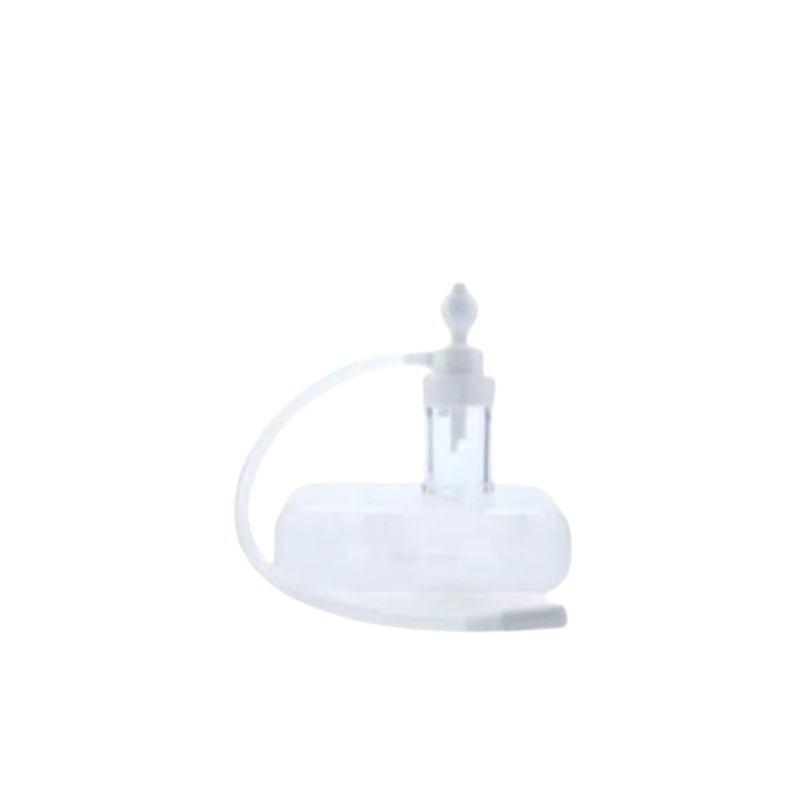
| Cleaner Type | Manual |
|---|---|
| Material | Silicone |
| Replaceable Filters | |
| Detachable Washable Parts |
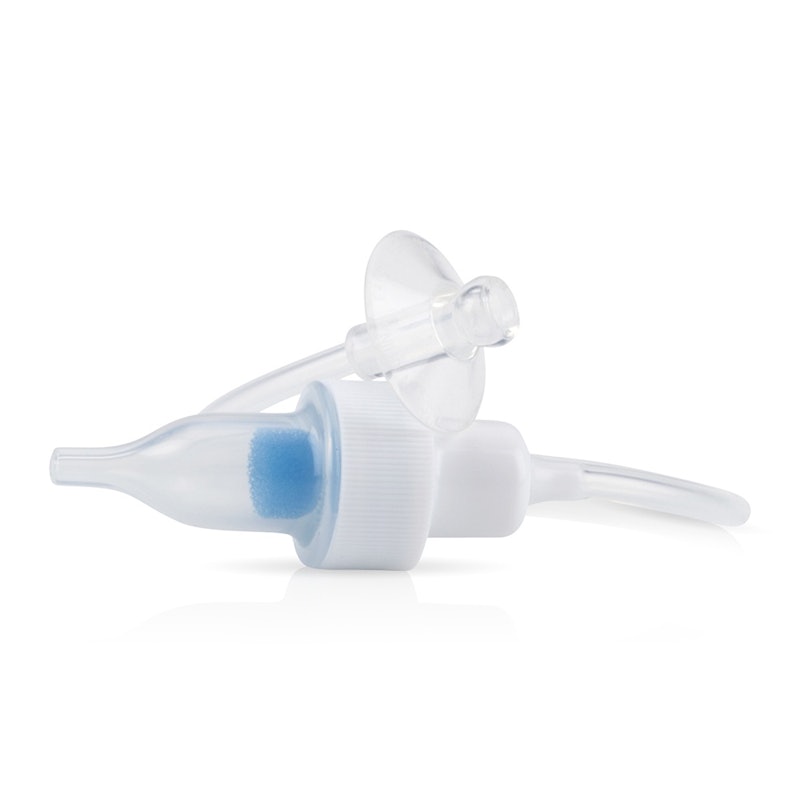
| Cleaner Type | Manual |
|---|---|
| Material | Plastic, Silicone |
| Replaceable Filters | |
| Detachable Washable Parts |
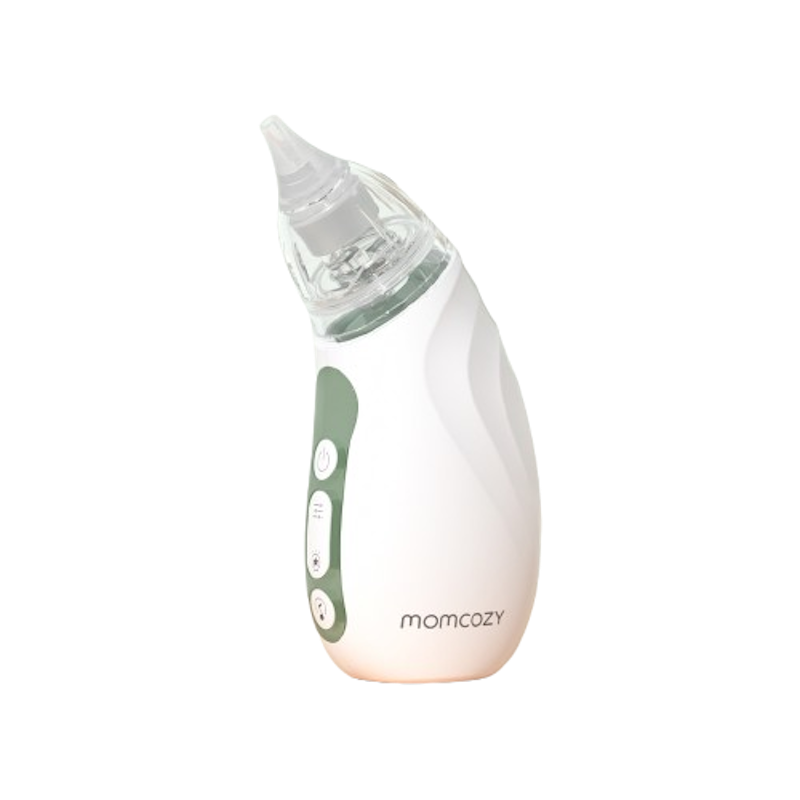
| Cleaner Type | Electric |
|---|---|
| Material | Plastic, Silicone |
| Replaceable Filters | |
| Detachable Washable Parts |
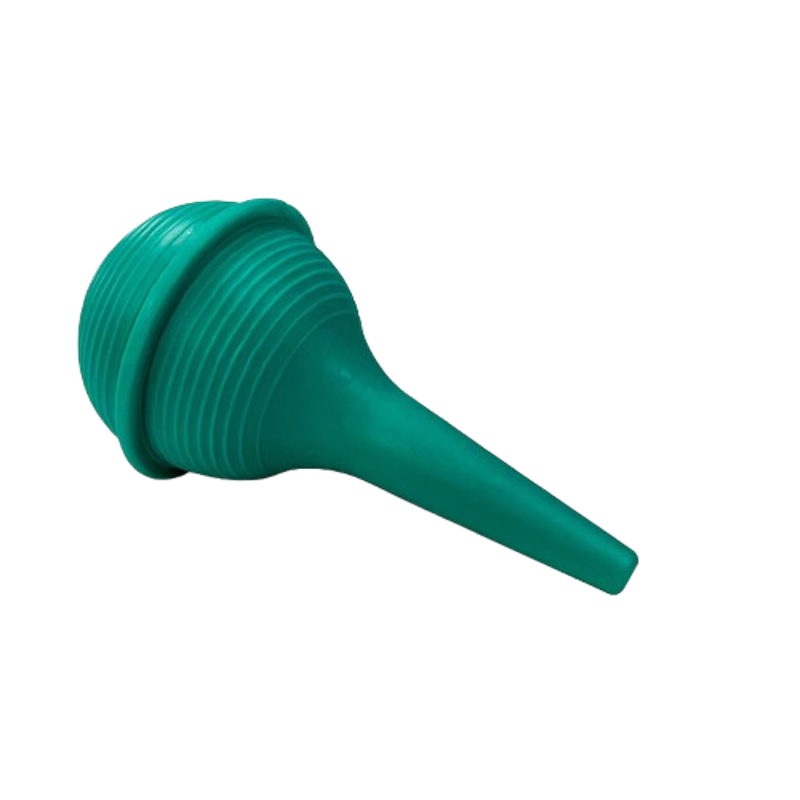
| Cleaner Type | Manual |
|---|---|
| Material | Silicone |
| Replaceable Filters | |
| Detachable Washable Parts |
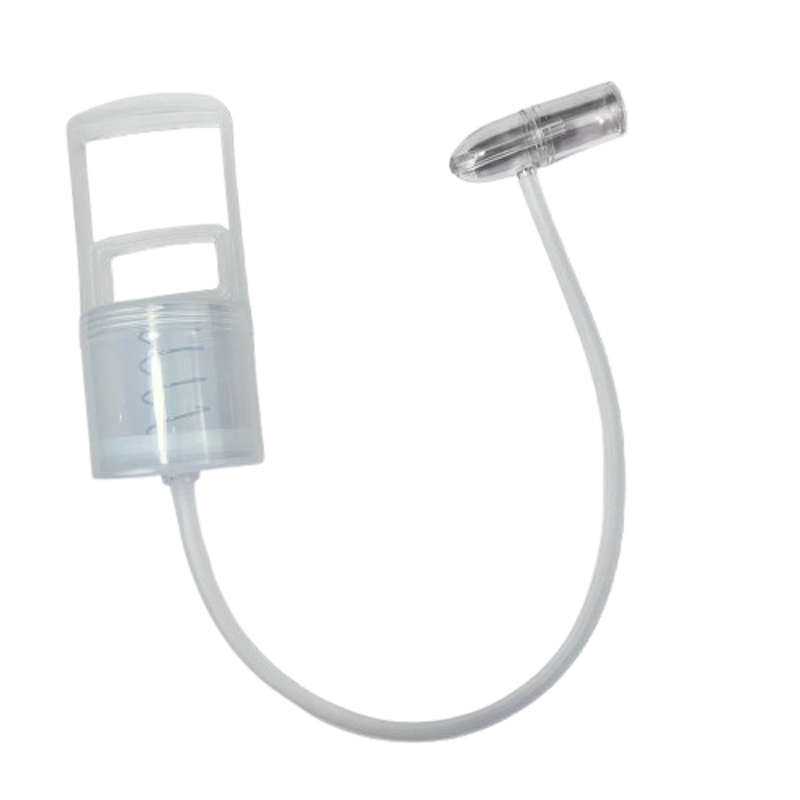
| Cleaner Type | Manual |
|---|---|
| Material | Plastic, Silicone |
| Replaceable Filters | |
| Detachable Washable Parts |
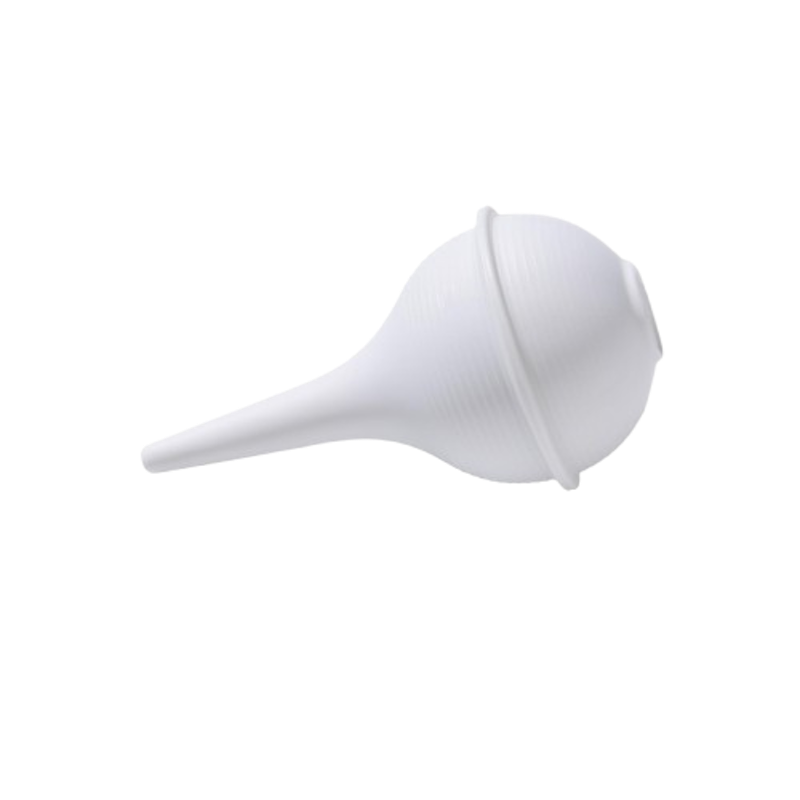
| Cleaner Type | Manual |
|---|---|
| Material | Silicone |
| Replaceable Filters | |
| Detachable Washable Parts |
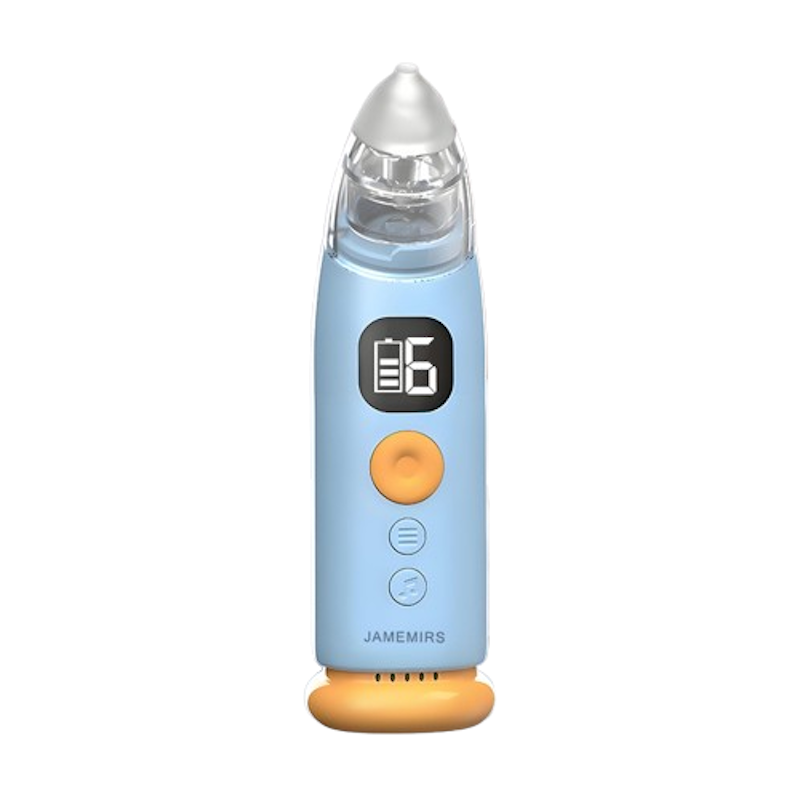
| Cleaner Type | Electric |
|---|---|
| Material | Silicone |
| Replaceable Filters | |
| Detachable Washable Parts |
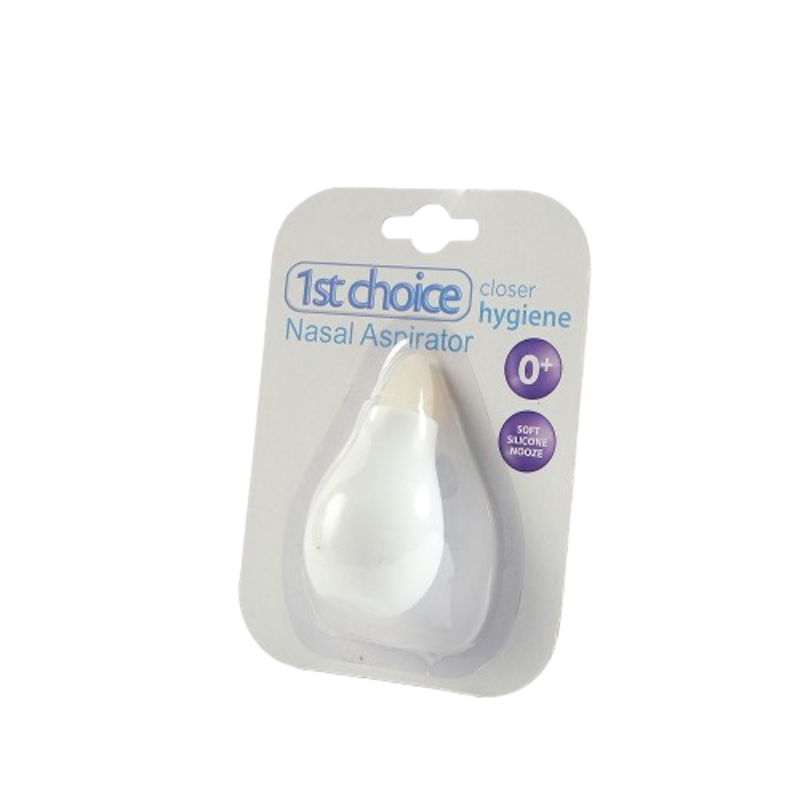
| Cleaner Type | Manual |
|---|---|
| Material | Silicone |
| Replaceable Filters | |
| Detachable Washable Parts |
Frequently Asked Questions
Below are some of the most asked questions on the web answered by Dr. Joey Cuayo-Estanislao.
Can I Use the Same Nose Cleaner for Multiple Children?
Ideally, each child should have their own nasal cleaner. If sharing, clean it thoroughly and replace filters after each use.
How Often Is It Safe to Use a Nose Cleaner?
Nose cleaners can be used as often as needed if done gently. Try saline drops first, as they’re often enough to clear the mucus.
Is Oral Suction Safe for the Caregiver?
Oral suction is not generally recommended unless advised by a doctor. Use only devices with proper filters and follow hygiene instructions.
What Symptoms Should Prompt a Visit to the Pediatrician?
If your child is having episodes of labored or fast breathing, persistently high grade fever, a bothersome cough, or is unusually fussy, sleepy, or refusing to feed, it’s best to see your pediatrician right away so your child can be better evaluated and managed.
Clear the Way: More Tips for Nasal Relief


The descriptions of each product are referenced from content available on manufacturer, brand, and e-commerce sites.