10 Best Emergency Radios in the Philippines 2026 | Retekess, Promac, and More
Looking for a reliable emergency radio in the Philippines? Whether you’re preparing for typhoons, power outages, or other unexpected emergencies, having a dependable radio ensures you stay informed when it matters most. Luckily, popular online stores like Lazada and Shopee offer a wide range of emergency radios with features designed to fit different needs and budgets.
In this guide, we’ll explain what sets an emergency radio apart from a regular one and help you choose the best model for your situation. From power options and durability to useful extra features, we’ll cover everything you need to stay prepared and safe.

David is a law graduate (LL.B) who has a sharp eye for details and a strong passion for helping others make smarter decisions. Since he joined mybest in 2020, he’s been working on buying guides that make it easier to find the best products—whether they’re everyday essentials or unique finds. Apart from his work at mybest, David has also written for Grotto Network, a digital platform from the University of Notre Dame, and has experience as a special educational needs assistant. These roles have helped him hone his ability to connect with people and make complex topics more relatable and easy to understand. His love for nature and moments of reflection keep him grounded, and this thoughtful perspective shines through in every article he writes for mybest.
Why You Can Trust Us
Every mybest article is crafted with hours of in-depth research and interviews with experts. Each month, we are continually expanding our database of products based on our research. By emphasizing user insight and reliable information, we deliver trustworthy content to readers.
What Is the Difference Between Emergency Radio and Regular Radio?
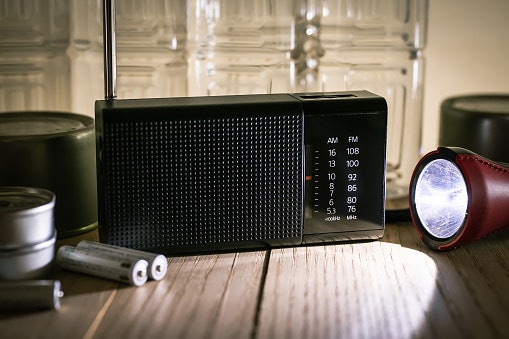
At first glance, emergency radios might look like your regular AM/FM radio, but they’re built with features designed specifically for crisis situations. Unlike standard radios, emergency radios usually have multiple power sources—such as batteries, solar panels, or hand cranks—so you can keep them running even during power outages.
They also often include extras like flashlights, phone chargers, and weather alert channels, making them versatile tools that help you stay informed and safe when it really counts.
How to Choose an Emergency Radio - Buying Guide
Choosing the right emergency radio means thinking about how you’ll use it during different types of emergencies. Here’s a guide to help you pick the one that fits your needs best:
Choose the Right Power Source Based on Your Emergency Needs
The power source determines how long and reliably your radio will work during an emergency. Different power options fit different situations, so think about your typical scenarios before deciding.
For Quick Use During Brownouts: Go for Battery-Operated Models
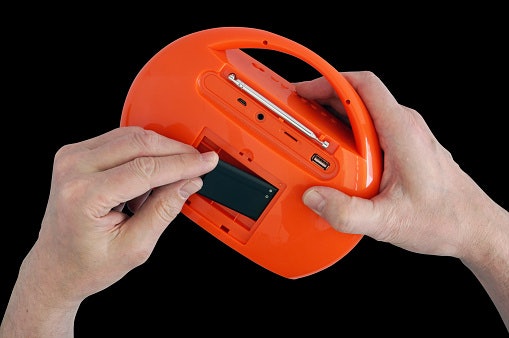
If your area often experiences short power interruptions or brownouts, battery-operated radios are a practical choice. They run on replaceable batteries, which you can easily stock up on.
The convenience is that you can keep using them as long as you have fresh batteries—there is no need to recharge or wait for sunlight. Just make sure to check the battery type and keep spares handy so your radio never runs out of juice when you need it most.
For Urban Households: Consider Rechargeable Models with USB
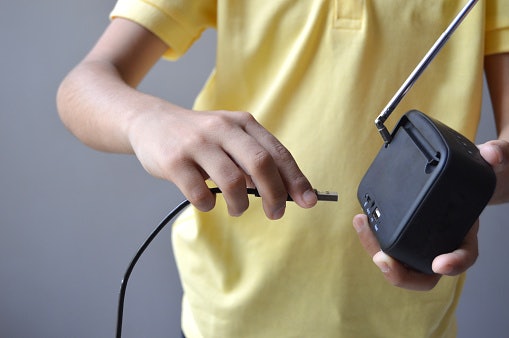
If you live in an urban setting with regular access to electricity, rechargeable radios with USB ports are a great option, as these can be charged during the day and used at night or during brownouts.
Many models let you recharge your phone using the radio’s battery, which is useful in emergencies when communication is essential. USB charging also allows you to use power banks or laptops, offering added flexibility.
For Long-Term Emergencies and Remote Areas: Pick Solar-Powered or Hand-Crank Models
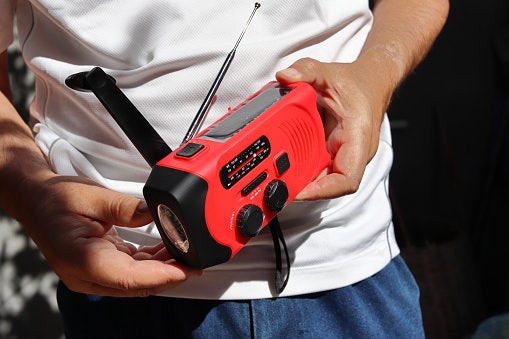
For those who face long-lasting outages or often travel to remote areas without electricity, solar-powered or hand-crank radios are lifesavers. Solar panels recharge the radio using sunlight, and a hand crank lets you generate power manually when the sun isn’t available.
This means you won’t run out of power no matter how long the emergency lasts. These radios are perfect if you want a truly self-sufficient option that doesn’t rely on batteries or electrical outlets.
Ensure It Can Receive AM/FM and Local Weather Channels

When choosing an emergency radio, make sure it can receive both AM (540–1700 kHz) and FM (88–108 MHz) bands. These frequency ranges are standard in the Philippines for news, government announcements, and emergency broadcasts, so having access to both ensures you won’t miss critical updates.
Some emergency radios also include shortwave (SW) bands, which can be especially helpful during major disasters when local stations might be off the air. Shortwave lets you pick up international broadcasts, providing additional sources of information when local signals fail.
Look for Multi-Function Radios to Maximize Your Emergency Kit
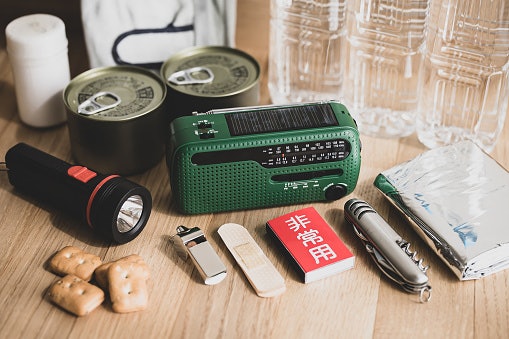
Today's emergency radios often do more than just play broadcasts. Many come equipped with built-in flashlights that can replace separate torches, USB ports for charging phones or other devices, and SOS alarms that can signal for help if you’re in danger.
Having multiple functions in one device helps reduce the number of gadgets you need to carry during emergencies. It also means you’re better prepared for different situations—whether it’s needing light during a blackout or charging your phone to call for help.
For Outdoor and Disaster-Prone Areas, Choose Weather-Resistant and Durable Units
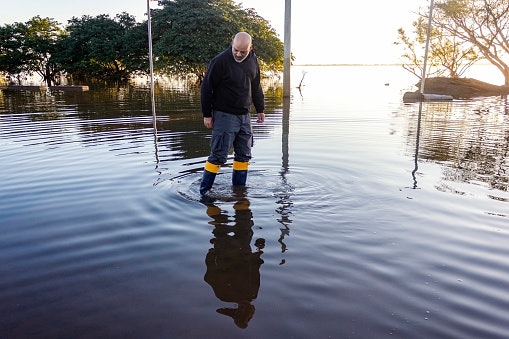
If you live in disaster-prone areas or enjoy outdoor activities like hiking or camping, it’s important to choose a radio that can withstand harsh conditions. Look for models with at least IPX3 water resistance, which protects against light rain and splashes. Radios with rubberized casings offer better shock absorption, helping prevent damage if dropped or bumped.
Durability ensures your radio stays functional during harsh weather or rough handling, giving you peace of mind that it will work when you need it most.
Select a Compact and Lightweight Radio for Easy Storage or Travel
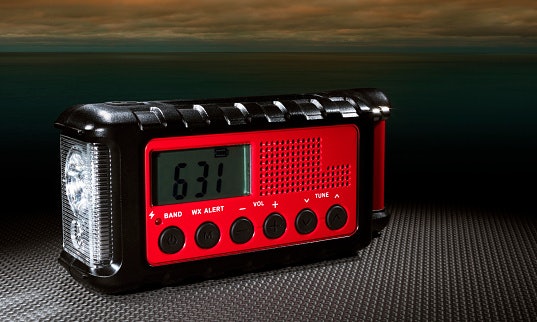
Size and weight matter because you want your emergency radio to be easy to store and carry. A bulky, heavy radio might be hard to grab quickly or pack for an evacuation or trip.
A compact, lightweight model should fit easily into your emergency kit, backpack, or even your car’s glove compartment. That way, you can bring it anywhere, whether you’re evacuating your home or heading out on a weekend camping trip—and always have reliable access to information.
10 Best Emergency Radio to Buy Online
| Products | Image | Click to purchase | Popularity | Details | ||||
|---|---|---|---|---|---|---|---|---|
Power Source | Bands | Compact & Lightweight | Functions | |||||
1 | Solar Radio|809BT NSS |  | No.1 | Battery-Operated, Rechargeable, Solar-Powered | AM, FM, SW | Charger, USB Drive, Solar Panel, LED Light, Flashlight, Rechargeable Batteries, TF Card | ||
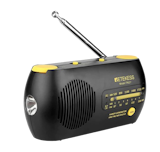
2 | Emergency Radio |HR12W Retekess |  | No.2 | Battery-Operated, Solar-Powered | AM, FM, WB | Solar Panel, LED Light/Flashlight, SOS Alarm, Reading Light | ||
3 | Portable Emergency Radio|TR627 Retekess |  | No.3 | Battery-Operated, Solar-Powered, Rechargeable, Hand-Cranked | AM, FM, NOAA | Solar Panel, LED Light/Flashlight, Hand Crank, Rechargeable Batteries | ||
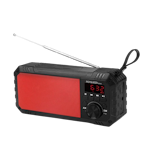
4 | Portable Solar-Powered Bluetooth Radio|HANDY-522BS Promac |  | No.4 | Solar-Powered, Rechargeable | AM, FM, SW | Bluetooth, TF Card, USB Drive, Solar Panel | ||
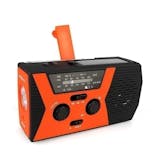
5 | 10000mAh Solar Radio With Flashlight And Charging |  | No.5 | Solar-Powered, Rechargeable, Hand-Cranked | AM, FM, NOAA | Charger, Retractable Antenna, Solar Panel, LED Light/Flashlight, Rechargeable Batteries, Hand Crank, Reading Light, SOS Alarm | ||
6 | AM-034S Portable 3 Band Solar Radio KUKU |  | No.6 | Solar-Powered, Rechargeable | AM, FM, SW | Bluetooth, Solar Panel, LED Light/Flashlight, TF Card, USB Drive | ||
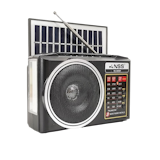
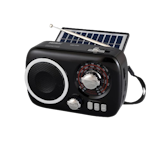
7 | SUNPLAY AM/FM Radio with Solar Lamp Astron |  | No.7 | Solar-Powered | AM, FM | Solar Panel, Retractable Antenna, Earphone Jack | ||
8 | 3-Band Radio|HANDY-300 Promac |  | No.8 | Battery-Operated | AM, FM, SW | ED Light/Flashlight, Rechargeable Batteries, TF Card, USB Drive | ||
9 | 3 Band Rechargeable Radio|PX-249 KUKU |  | No.9 | Rechargeable, Battery-Operated | AM, FM, SW | LED Light/Flashlight, TF Card, USB Drive, Rechargeable Batteries | ||
10 | Digital Radio Receiver|GR-88P Tecsun |  | No.10 | Rechargeable, Hand-Cranked | AM, FM, SW | LED Light/Flashlight, Hand Crank, Earphone Jack, Rechargeable Batteries | ||

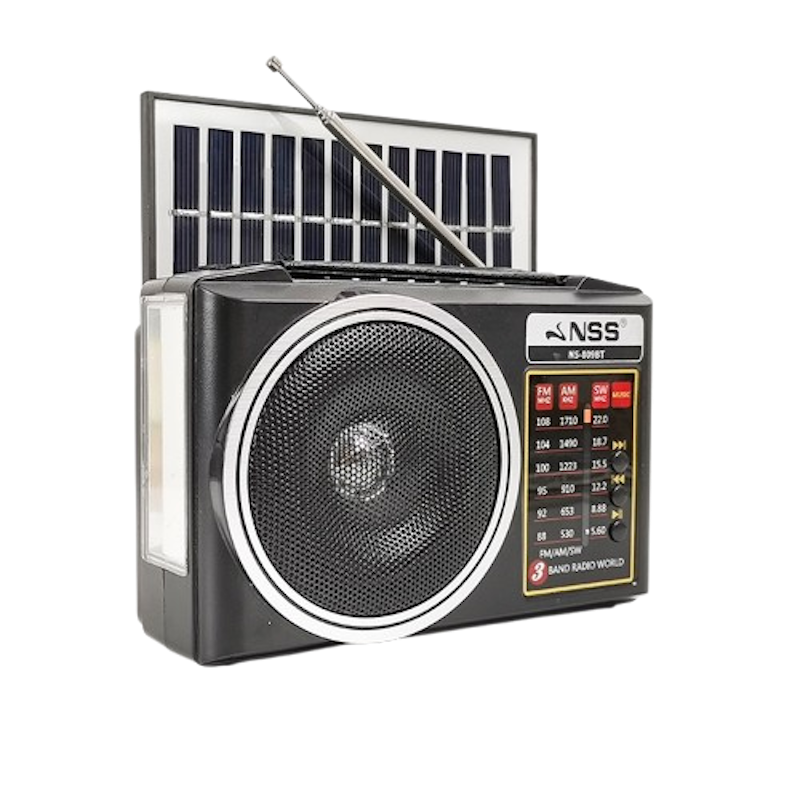
| Power Source | Battery-Operated, Rechargeable, Solar-Powered |
|---|---|
| Bands | AM, FM, SW |
| Compact & Lightweight | |
| Functions | Charger, USB Drive, Solar Panel, LED Light, Flashlight, Rechargeable Batteries, TF Card |
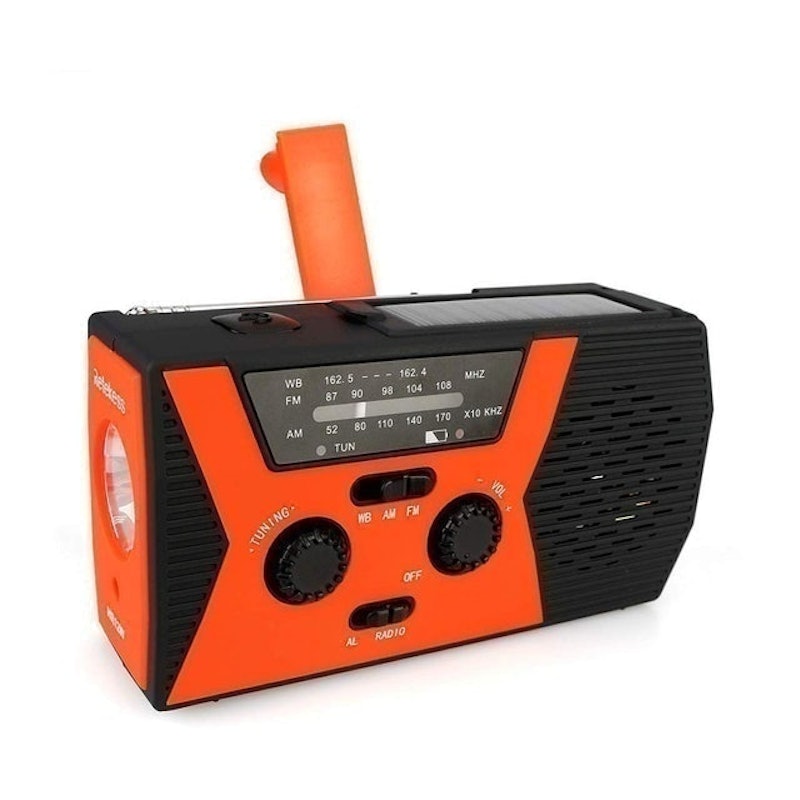
| Power Source | Battery-Operated, Solar-Powered |
|---|---|
| Bands | AM, FM, WB |
| Compact & Lightweight | |
| Functions | Solar Panel, LED Light/Flashlight, SOS Alarm, Reading Light |
RetekessPortable Emergency Radio | TR627
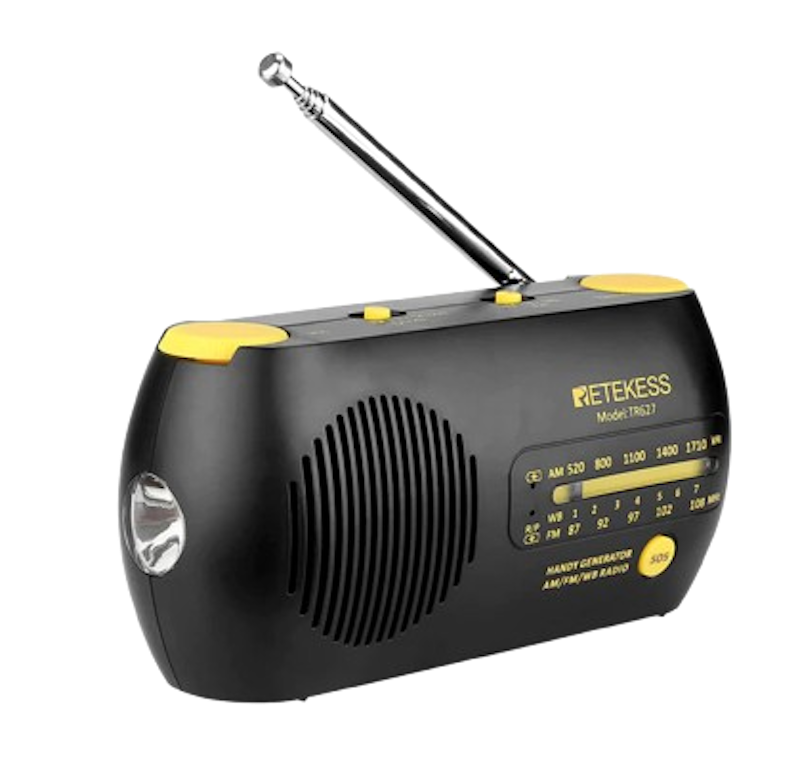
| Power Source | Battery-Operated, Solar-Powered, Rechargeable, Hand-Cranked |
|---|---|
| Bands | AM, FM, NOAA |
| Compact & Lightweight | |
| Functions | Solar Panel, LED Light/Flashlight, Hand Crank, Rechargeable Batteries |
PromacPortable Solar-Powered Bluetooth Radio | HANDY-522BS
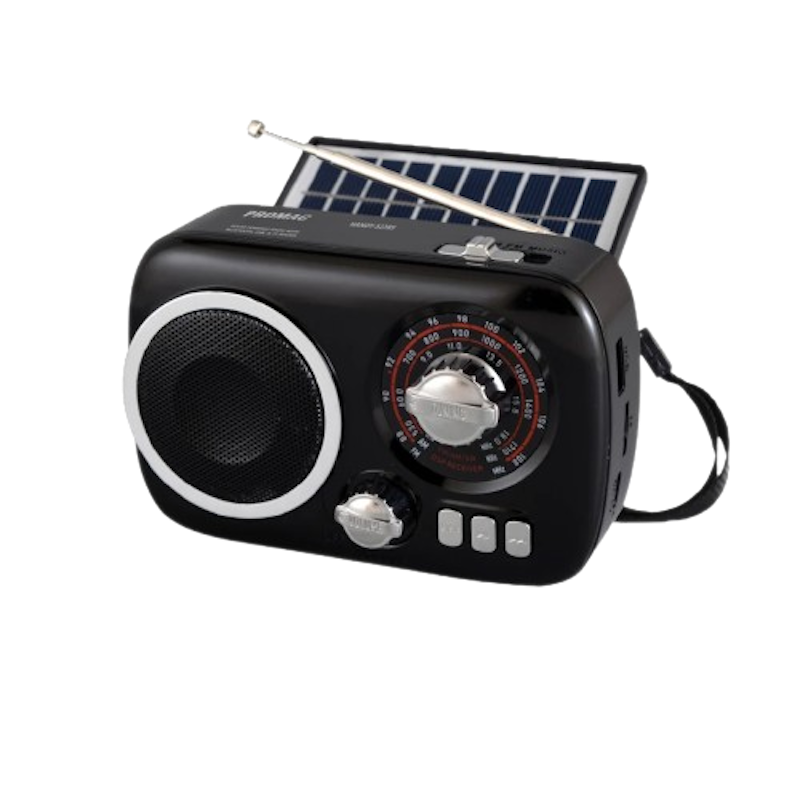
| Power Source | Solar-Powered, Rechargeable |
|---|---|
| Bands | AM, FM, SW |
| Compact & Lightweight | |
| Functions | Bluetooth, TF Card, USB Drive, Solar Panel |
10000mAh Solar Radio With Flashlight And Charging
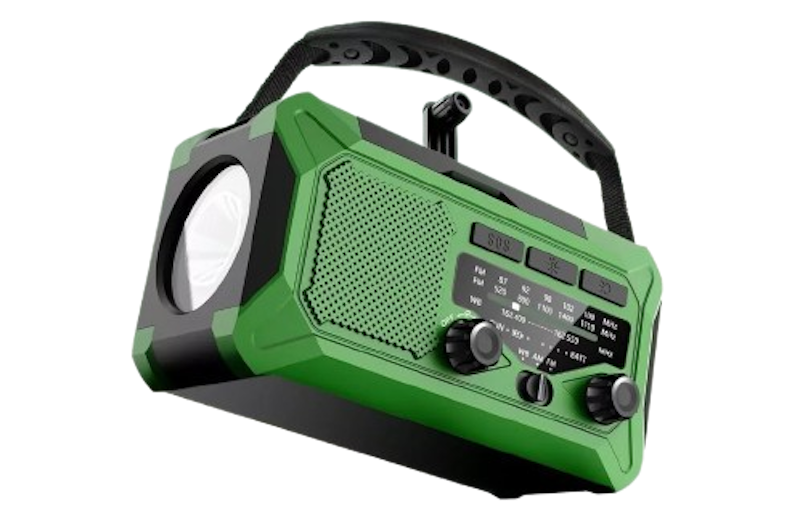
| Power Source | Solar-Powered, Rechargeable, Hand-Cranked |
|---|---|
| Bands | AM, FM, NOAA |
| Compact & Lightweight | |
| Functions | Charger, Retractable Antenna, Solar Panel, LED Light/Flashlight, Rechargeable Batteries, Hand Crank, Reading Light, SOS Alarm |
KUKUAM-034S Portable 3 Band Solar Radio
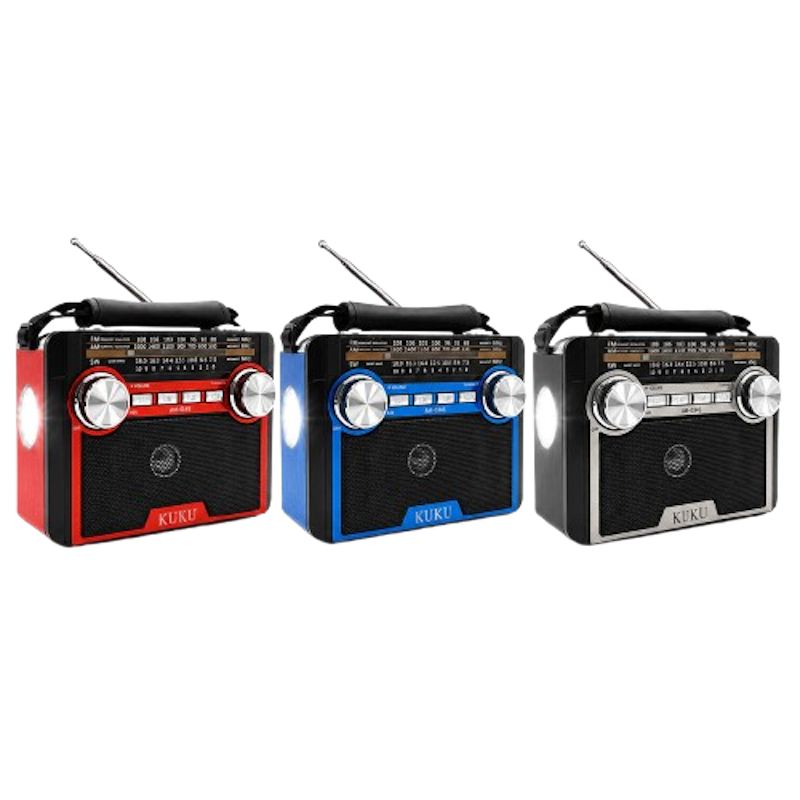
| Power Source | Solar-Powered, Rechargeable |
|---|---|
| Bands | AM, FM, SW |
| Compact & Lightweight | |
| Functions | Bluetooth, Solar Panel, LED Light/Flashlight, TF Card, USB Drive |
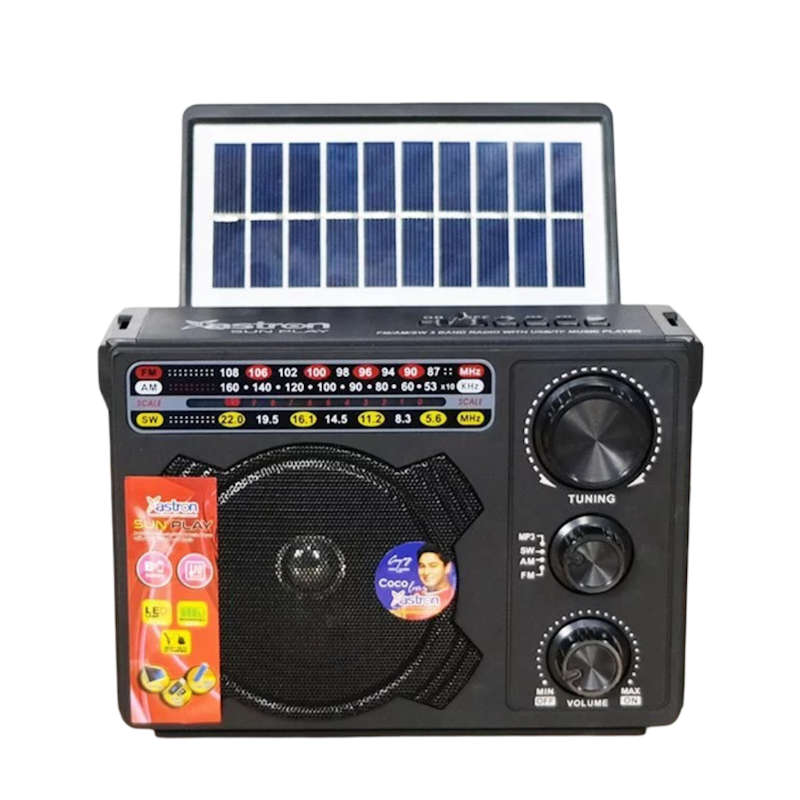
| Power Source | Solar-Powered |
|---|---|
| Bands | AM, FM |
| Compact & Lightweight | |
| Functions | Solar Panel, Retractable Antenna, Earphone Jack |
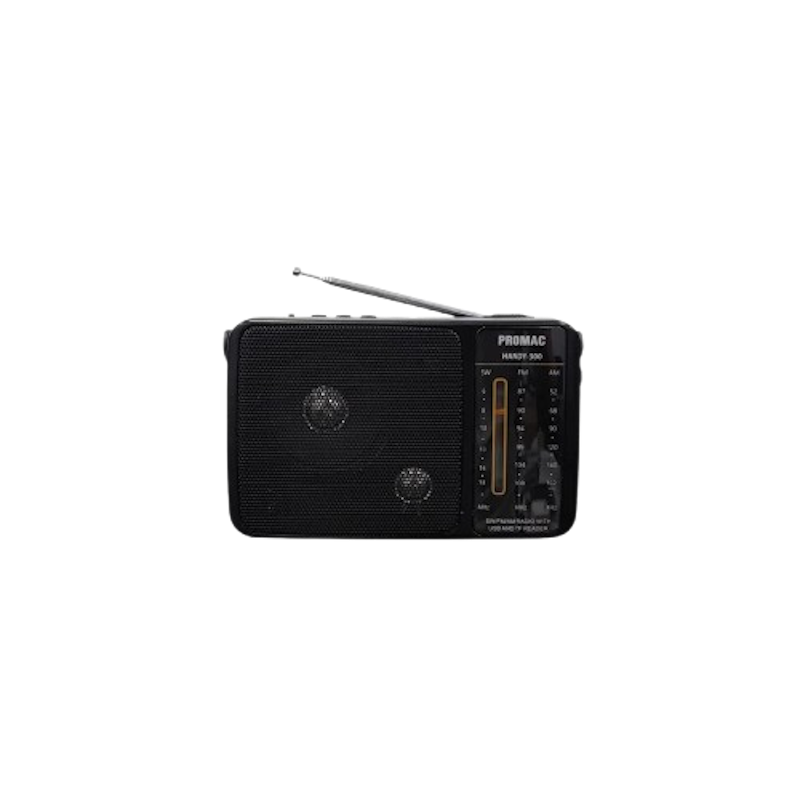
| Power Source | Battery-Operated |
|---|---|
| Bands | AM, FM, SW |
| Compact & Lightweight | |
| Functions | ED Light/Flashlight, Rechargeable Batteries, TF Card, USB Drive |
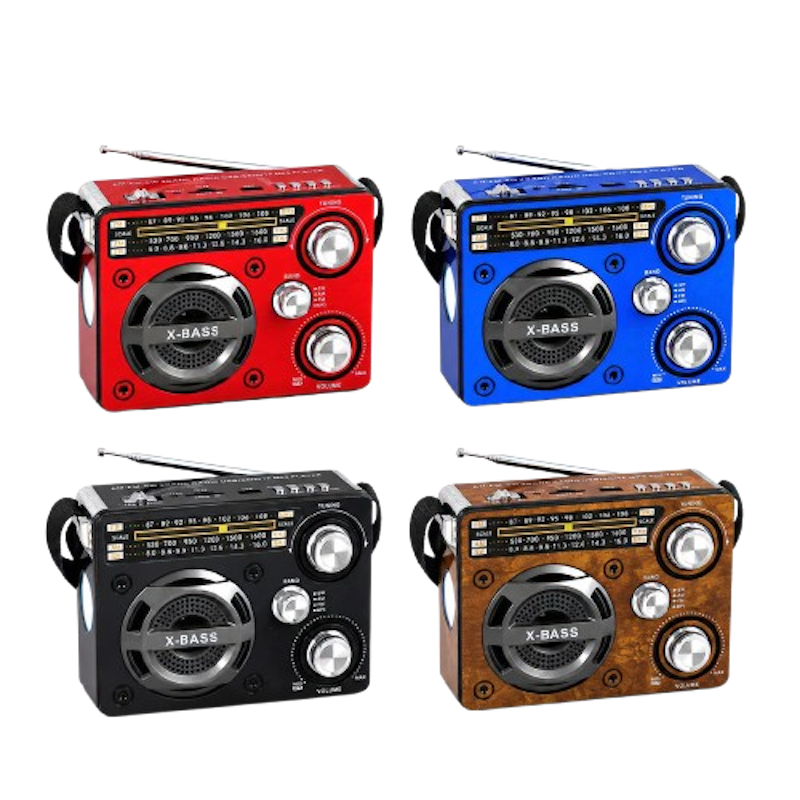
| Power Source | Rechargeable, Battery-Operated |
|---|---|
| Bands | AM, FM, SW |
| Compact & Lightweight | |
| Functions | LED Light/Flashlight, TF Card, USB Drive, Rechargeable Batteries |
TecsunDigital Radio Receiver | GR-88P
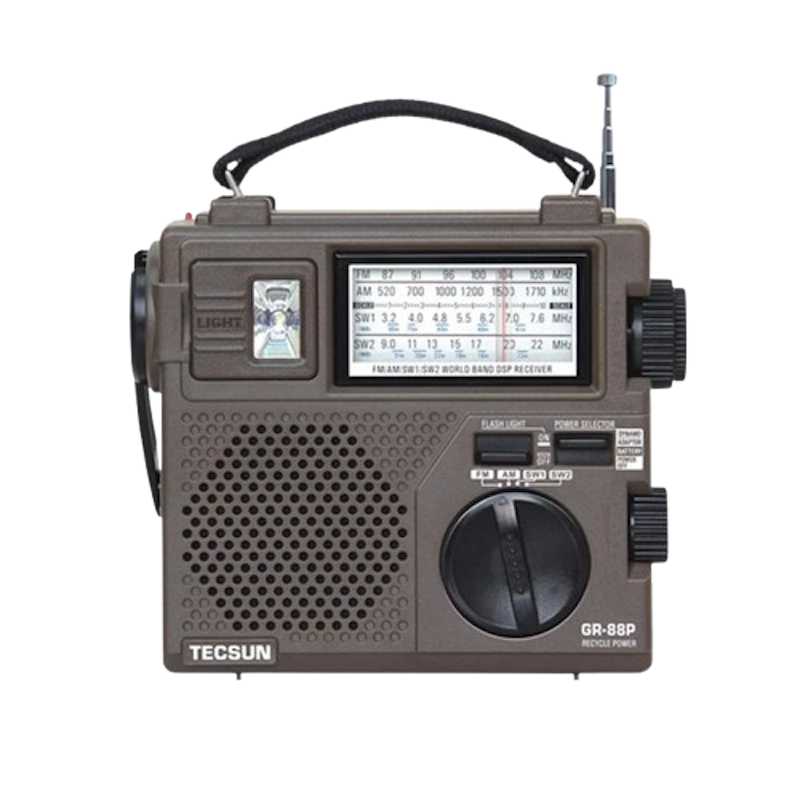
| Power Source | Rechargeable, Hand-Cranked |
|---|---|
| Bands | AM, FM, SW |
| Compact & Lightweight | |
| Functions | LED Light/Flashlight, Hand Crank, Earphone Jack, Rechargeable Batteries |
Frequently Asked Questions
Below are some of the most asked questions on the web answered by the mybest team.
Can I Use an Emergency Radio Even Without Internet or Signal?
Yes. Emergency radios work by receiving radio signals (AM/FM), so they don’t need internet or mobile networks.
How Long Do Emergency Radios Last on a Full Charge or Fresh Batteries?
It varies—battery-powered radios can last 20–100 hours, while solar or hand-crank models run as long as you keep charging them.
Where Should You Store Your Emergency Radio?
Keep it in an easy-to-reach place like near your emergency kit or main exit, so you can grab it quickly during blackouts or evacuations.
Related Articles You Might Find Helpful
Looking to complete your emergency kit or explore more options? Check out these articles on portable radios, rechargeable batteries, and AA batteries to help you stay fully prepared.


The descriptions of each product are referenced from content available on manufacturer, brand, and e-commerce sites.