10 Best Cat Flea Treatments in the Philippines 2026 | Buying Guide Reviewed by a Veterinarian
Whether you're shopping on Lazada or Shopee, this guide covers how to choose by treatment type, active ingredient, and your cat's age and weight. This article was made in collaboration with Dr. Patricia Wilwayco, DVM, to ensure the recommendations are safe and vet-approved.

Dr. Patricia Wilwayco is a licensed veterinarian specializing in canine and feline medicine. She graduated from the University of the Philippines Los Baños College of Veterinary Medicine. Driven by her passion for animals, she aims to provide the utmost care for her furry patients in her medical practice.

Hazel is a content planner and writer dedicated to simplifying your online shopping experience. With a passion for research and a keen eye for quality, she digs into the details to bring you trustworthy and insightful buying guides you can rely on.
The expert oversees the Buying Guide only, and does not determine the products and services featured.
Why You Can Trust Us
Every mybest article is crafted with hours of in-depth research and interviews with experts. Each month, we are continually expanding our database of products based on our research. By emphasizing user insight and reliable information, we deliver trustworthy content to readers.
What You Need to Know Before Using Cat Flea Treatment

Early and consistent flea treatment helps prevent severe infestations, protects your cat’s health, and keeps fleas from spreading at home.
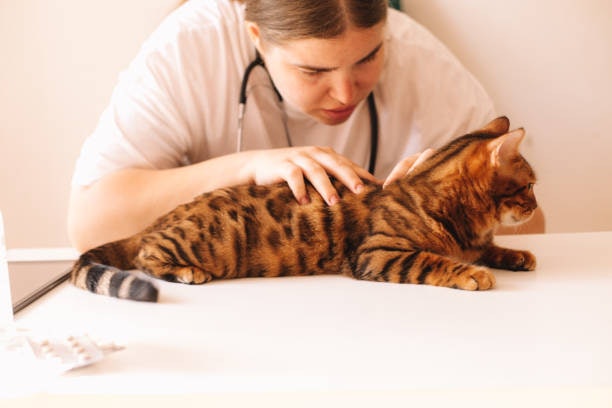
Fleas are more than a nuisance. Left untreated, they cause skin infections, flea allergy dermatitis, anemia, and tapeworm infestations in cats. Before applying any product, note that dog flea treatments containing permethrin are fatally toxic to cats and must never be used on them.
It is important to treat your home alongside your cat, since roughly 95% of a flea infestation lives in carpets, furniture, and bedding rather than on the pet itself. Spot-on cat flea treatments and oral tablets address the pet, but your environment needs attention too.
How to Choose a Cat Flea Treatment - Buying Guide
Here’s a quick guide to help you choose the best flea treatment for your cat. Keep these key points in mind to ensure safety and effectiveness.
Choose a Cat Flea Treatment Type That Fits How Fast You Need Results
If your cat is dealing with an active infestation, you need something that works fast. If you're focused on prevention, a longer-lasting format may suit your routine better. Knowing the difference helps you pick a cat flea treatment that actually fits your needs, not just your budget.
Oral Tablets: For Active Infestations That Need Immediate Relief
Oral flea tablets work quickly. Some start killing fleas within 30 minutes, making them ideal for sudden infestations or severe flea problems.
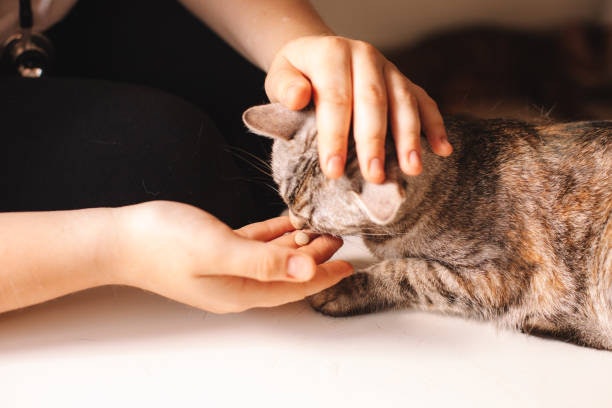
If your cat is already scratching constantly and you need results today, oral tablets are your best option. Unlike spot-on flea treatments that need time to spread through the skin, oral cat flea treatments enter the bloodstream directly and begin killing adult fleas within 30 minutes to a few hours.
They are also a good choice for cats that resist topical application or live in households with small children who might accidentally touch a freshly treated coat. Note that most oral tablets target adult fleas only, so pairing them with an environmental treatment is still recommended for full infestation control.
Spot-on Topical: For Monthly Prevention With Minimal Effort
Spot-on treatments deliver medication directly through the skin, offering month-long protection with minimal effort and stress for your cat.
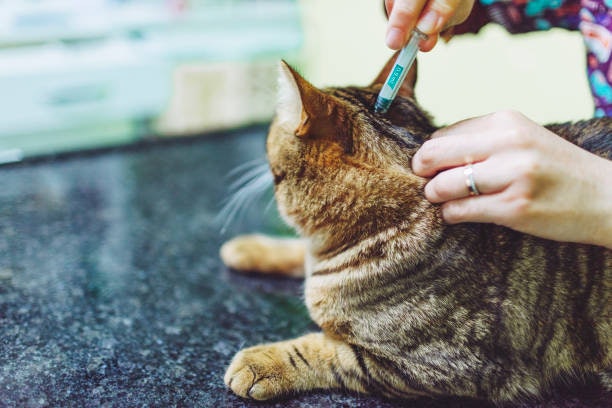
For cat owners who want reliable protection without a complicated routine, spot-on topical treatments are the most widely used cat flea treatment format for good reason. You apply a small amount of liquid directly to the skin at the back of your cat's neck once a month, and the active ingredient spreads across the coat through natural skin oils.
Most formulas protect against adult fleas and eggs for up to 30 days. Just keep your cat dry for 24 to 48 hours after application and avoid letting other pets groom the treated area until it fully absorbs.
Flea Collar: For Outdoor Cats That Need Long-Duration Coverage
Flea collars release active ingredients gradually, providing continuous, low-maintenance protection for outdoor cats exposed to flea-prone environments.
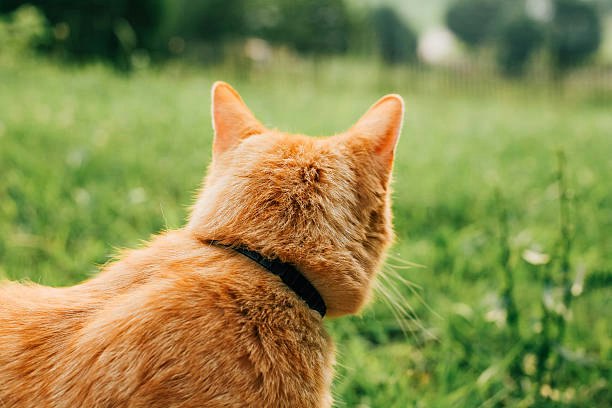
If your cat spends a lot of time outdoors or roams areas with constant flea exposure, a flea collar offers a practical, low-maintenance solution. Quality flea collars for cats release active ingredients steadily over several months, meaning you get long-duration coverage without monthly reapplication.
This makes them especially useful for cats that are difficult to handle or owners with busy schedules. When shopping on Lazada or Shopee, look for collars with a breakaway safety mechanism and check that the formula is specifically made for cats, as dog flea collars can be harmful to them.
Spray or Shampoo: For Supplemental Relief, Not Standalone Use
Sprays, shampoos, and powders offer targeted flea control for quick relief in specific areas but need frequent reapplication for lasting effect.
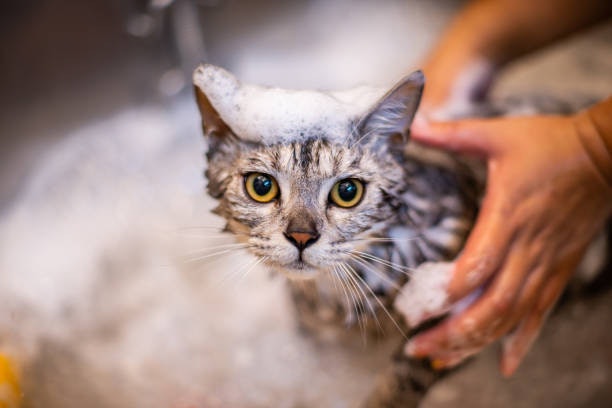
Cat flea sprays and shampoos are worth having on hand, but it helps to understand what they can and cannot do before relying on them. They kill fleas on contact and provide quick relief during baths or spot treatments, making them useful during the early stages of an infestation or as a supplement to your main cat flea treatment.
However, their effects wear off quickly, and they offer no lasting residual protection on their own. Use them alongside a spot-on, oral tablet, or collar rather than as a replacement, and always check that the formula is labeled safe for cats.
Check the Cat Flea Treatment's Active Ingredient Based on Your Pet's Parasite Risk
Fast-acting flea treatments quickly break the flea life cycle, minimizing discomfort and reducing the risk of severe infestations in cats.
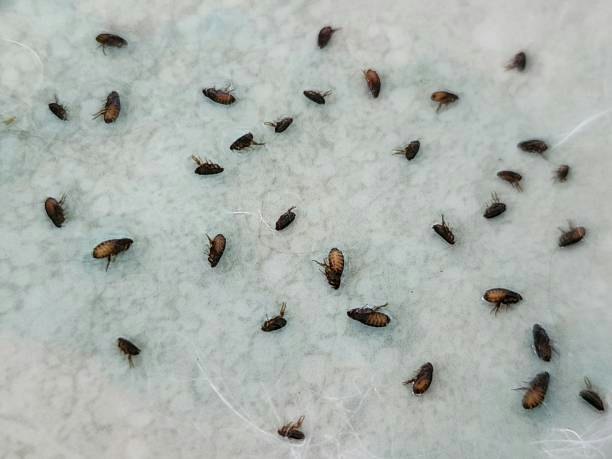
Not all cat flea treatments work the same way, and the active ingredient is what makes the real difference. Fipronil and imidacloprid are the most common options for flea and tick control, widely available in over-the-counter spot-on products.
If your cat is at higher risk due to outdoor exposure or contact with other animals, selamectin-based treatments offer broader coverage, including heartworm, ear mites, and intestinal parasites. Checking the active ingredient before buying ensures you are targeting the right parasites for your cat's lifestyle, rather than settling for a formula that only partially addresses the problem.
Match the Cat Flea Treatment Dosage to Your Pet's Age and Weight
Dosage is not something to estimate with cat flea treatments. Using the wrong amount for your cat's age or weight can reduce effectiveness or, in some cases, cause a reaction. Always check the product label for the recommended dosage range before buying, and when in doubt, consult your vet.
Kittens 8 Weeks and Older: Look for Kitten-Safe Formulas Under 1.5 kg
Kittens are extra sensitive, so it's crucial to use treatments made specifically for their age and size to avoid harmful side effects.
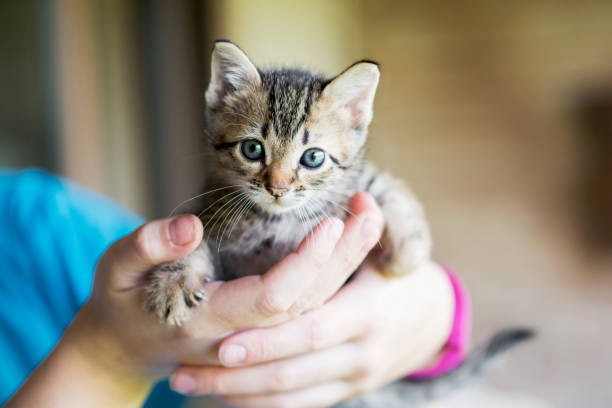
Treating a kitten for fleas requires more care than treating an adult cat, since their smaller bodies process chemicals differently and are more vulnerable to adverse reactions. Most cat flea treatments are only safe for kittens aged 8 weeks and older, and products formulated for adult cats can be too concentrated for kittens weighing under 1.5 kg.
When shopping for a kitten-safe flea treatment, look for labels that specify the minimum age and weight clearly. Avoid using adult formulas even at reduced amounts, as this does not make them safe and can still cause toxicity in young cats.
Adult Cats: Check Weight Brackets per Product Label Before Buying
Senior cats have weaker immune systems and slower metabolisms, so low-toxicity flea treatments help protect their health while keeping them comfortable and stress-free.
Even among adult cats, flea treatment dosage is not one-size-fits-all. Most cat flea treatments are sold in weight-based variants, typically covering ranges like under 4 kg, 4 to 8 kg, and above 8 kg, so it is important to know your cat's current weight before buying. Using a dose meant for a larger cat on a smaller one increases the risk of side effects, while underdosing reduces effectiveness.
For senior cats, especially, choosing a low-toxicity formula is worth the extra consideration since older cats tend to metabolize chemicals more slowly and may be more sensitive to stronger active ingredients.
If You Prefer Natural Cat Flea Treatments, Ensure That They're Safe for Your Pet
Natural flea treatments must be proven safe for cats, as some essential oils and herbs can be toxic or cause allergic reactions in felines.

The appeal of natural cat flea treatments is understandable, especially for owners who are cautious about chemical exposure in their home. However, natural does not automatically mean safe for cats. Cats are particularly sensitive to essential oils, and common ingredients like tea tree oil, eucalyptus, and peppermint are toxic to them even in small amounts.
If you prefer a more natural approach, look for products that are specifically formulated and tested for feline use rather than DIY remedies or human-grade essential oil blends. When in doubt, ask your vet before introducing any natural cat flea treatment into your routine.
Consider Cat Flea Treatments That Also Protect Against Ticks, Lice, or Mites
Multi-parasitic treatments help simplify your routine by targeting fleas, ticks, lice, or mites in one dose, making it great for outdoor or high-risk cats.
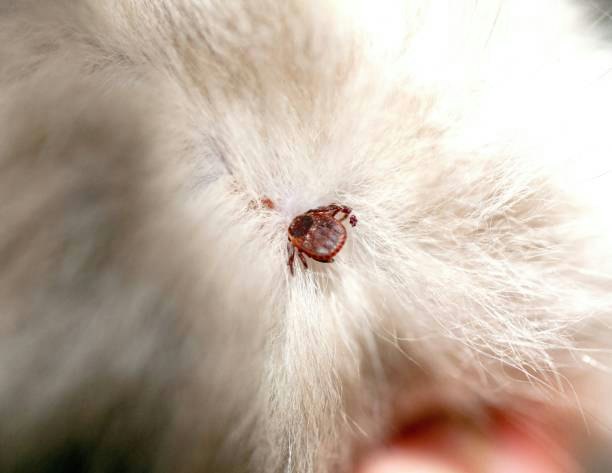
If your cat spends time outdoors or lives alongside other pets, fleas are rarely the only parasite concern. Many cat flea treatments available on Lazada and Shopee now offer multi-parasite coverage, targeting ticks, lice, and mites in a single application alongside fleas.
This is particularly useful for outdoor cats in the Philippines, where year-round heat and humidity create conditions favorable to a range of parasites. Choosing a broader-spectrum product does not mean compromising on flea protection. It simply means your cat gets more comprehensive coverage without adding extra products or steps to your routine.
10 Best Cat Flea Treatments to Buy Online
| Products | Image | Click to purchase | Popularity | Details | ||||||
|---|---|---|---|---|---|---|---|---|---|---|
Parasites Targeted | Dosage | Net Content | Intended Use | Form | Active Ingredients | |||||
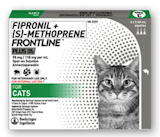
1 | Frontline Plus For Cats Frontline |  | No.1 | Fleas, Flea Eggs, Ticks, Lice | Cats up to 8 kg | 0.5 mL | Flea and Tick Control | Spot-On | Fipronil, S-Methoprene | |
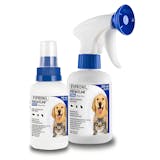
2 | Spray Frontline |  | No.2 | Fleas, Ticks, Lice | 3–6 mL/kg | 100 mL | Flea and Tick Control | Spray | Fipronil | |
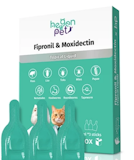
3 | Fipronil & Moxidectin Topical Liquid Hegen Pet |  | No.3 | Roundworms, Hookworms, Heartworms, Fleas, Ticks | 1kg-5kg (small cats),0.5 mL 5kg-10kg (medium-sized cats),1mL | 0.4 mL / 0.8 mL / 1.6 mL | Flea, Tick, and Parasite Control | Spot-On | Fipronil, Moxidectin | |
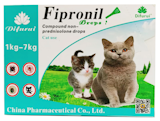
4 | Drops Fipronil |  | No.4 | Fleas, Ticks | Less than 3 kg (small cats), 0.6 mL 2.6–6 kg (medium to large cats), 1 mL | 0.5 mL | Flea and Tick Control | Spot-On | Fipronil | |
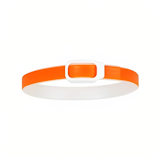
5 | Pest Control Collar Puainta |  | No.5 | Fleas, Ticks | unknown | 1 Collar | Flea and Tick Prevention | Collar | Catnip Oil, Geranium Oil, Lavender True Oil, Clary Sage Oil, Cedrus Atlantica Oil, Niaouli Oil, Patchouli Oil | |
6 | Flea & Tick Collar Bioline |  | No.6 | Fleas, Ticks | unknown | 1 Collar | Flea and Tick Prevention | Collar | Eucalyptus Oil | |
7 | Dualmectin Wormer Cassiel |  | No.7 | Roundworms, Hookworms, Heartworms, Fleas, Ticks | 1kg-5kg (small cats),0.5 mL 5kg-10kg (medium-sized cats),1 mL | 0.4 mL / 0.8 mL / 1.6 mL | Parasite Management | Spot-On | Moxidectin | |
8 | Flea & Tick Spray Vet Remedy |  | No.8 | Fleas, Ticks | unknown | 100 mL | Flea and Tick Repellent | Spray | Lavender Oil, Citronella Oil, Lemongrass Oil, Rosemary Oil, Geranium Oil | |
9 | Flea & Tick Repellent Safe House |  | No.9 | Fleas, Ticks | unknown | 100 mL | Flea, Tick, and Mosquito Repellent | Spray | Citronella, Neem, Aloe Vera and Lavender Extracts | |
10 | Pet Shampoo Natura Botanic |  | No.10 | Fleas, Ticks | unknown | 500 mL | Coat Cleansing and Flea & Tick Management | Shampoo | Madre de Cacao Leaf Extract | |

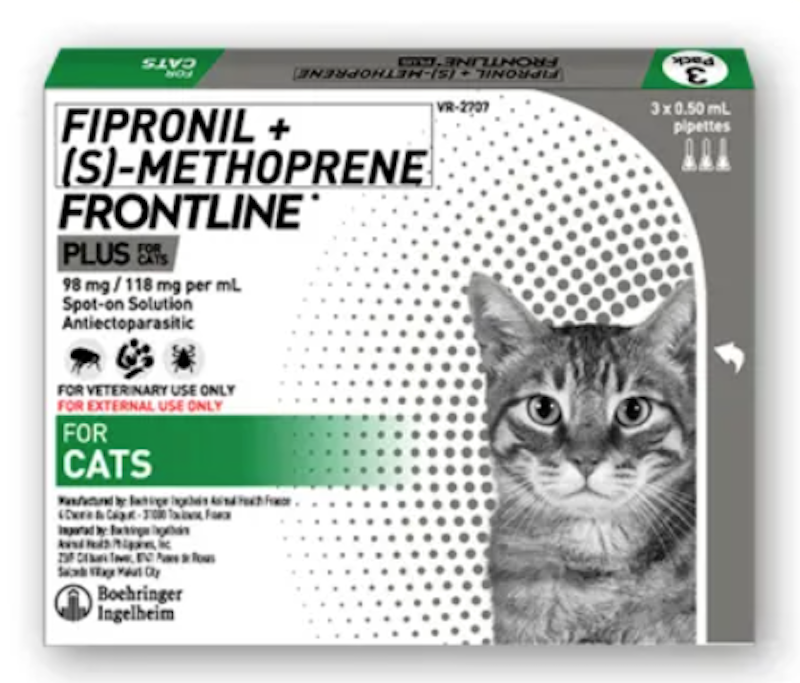
| Parasites Targeted | Fleas, Flea Eggs, Ticks, Lice |
|---|---|
| Dosage | Cats up to 8 kg |
| Net Content | 0.5 mL |
| Intended Use | Flea and Tick Control |
| Form | Spot-On |
| Active Ingredients | Fipronil, S-Methoprene |
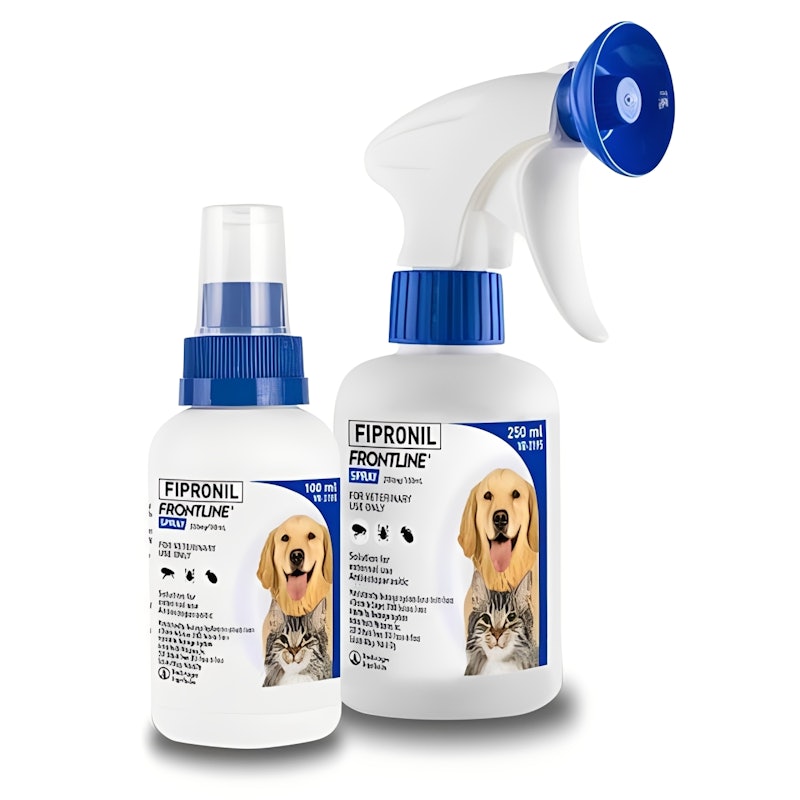
| Parasites Targeted | Fleas, Ticks, Lice |
|---|---|
| Dosage | 3–6 mL/kg |
| Net Content | 100 mL |
| Intended Use | Flea and Tick Control |
| Form | Spray |
| Active Ingredients | Fipronil |
Hegen PetFipronil & Moxidectin Topical Liquid
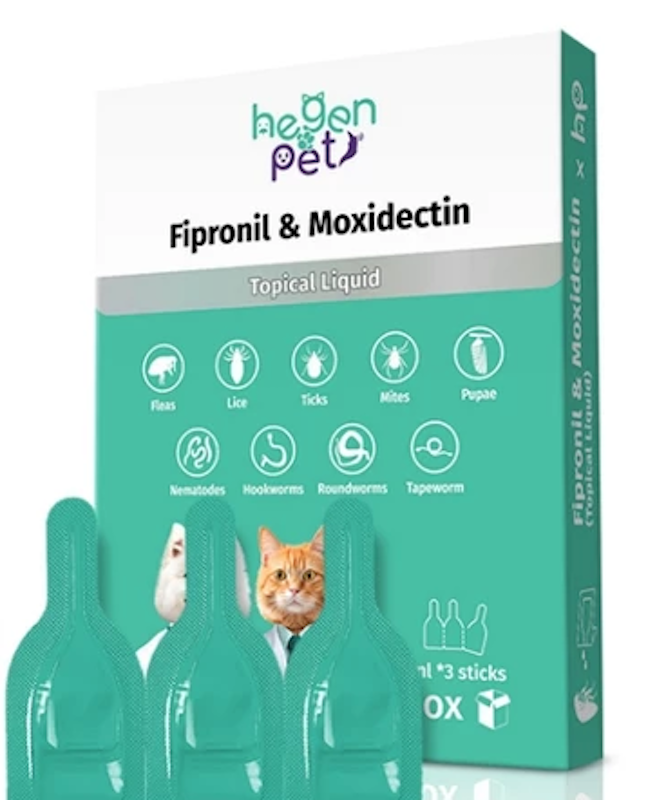
| Parasites Targeted | Roundworms, Hookworms, Heartworms, Fleas, Ticks |
|---|---|
| Dosage | 1kg-5kg (small cats),0.5 mL 5kg-10kg (medium-sized cats),1mL |
| Net Content | 0.4 mL / 0.8 mL / 1.6 mL |
| Intended Use | Flea, Tick, and Parasite Control |
| Form | Spot-On |
| Active Ingredients | Fipronil, Moxidectin |
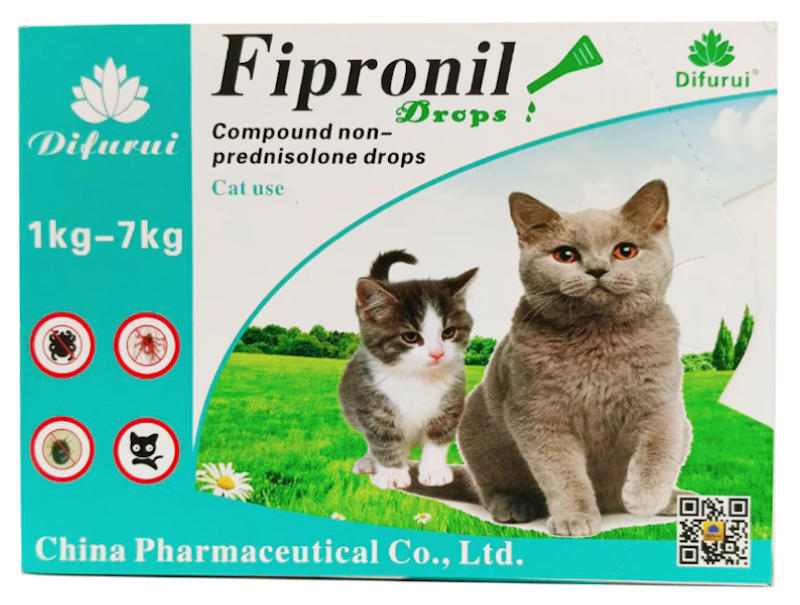
| Parasites Targeted | Fleas, Ticks |
|---|---|
| Dosage | Less than 3 kg (small cats), 0.6 mL 2.6–6 kg (medium to large cats), 1 mL |
| Net Content | 0.5 mL |
| Intended Use | Flea and Tick Control |
| Form | Spot-On |
| Active Ingredients | Fipronil |
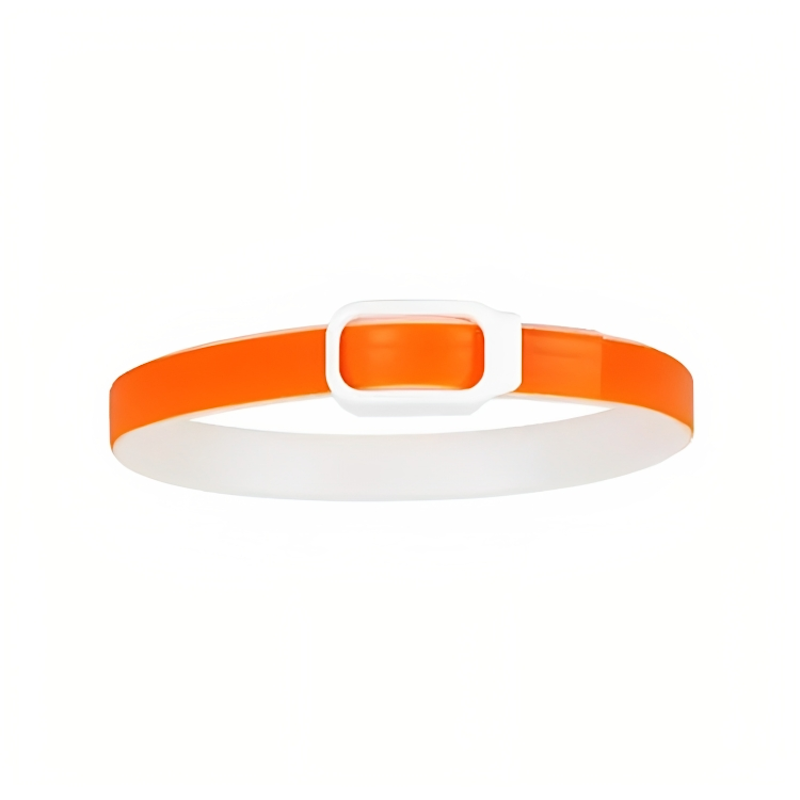
| Parasites Targeted | Fleas, Ticks |
|---|---|
| Dosage | unknown |
| Net Content | 1 Collar |
| Intended Use | Flea and Tick Prevention |
| Form | Collar |
| Active Ingredients | Catnip Oil, Geranium Oil, Lavender True Oil, Clary Sage Oil, Cedrus Atlantica Oil, Niaouli Oil, Patchouli Oil |

| Parasites Targeted | Fleas, Ticks |
|---|---|
| Dosage | unknown |
| Net Content | 1 Collar |
| Intended Use | Flea and Tick Prevention |
| Form | Collar |
| Active Ingredients | Eucalyptus Oil |
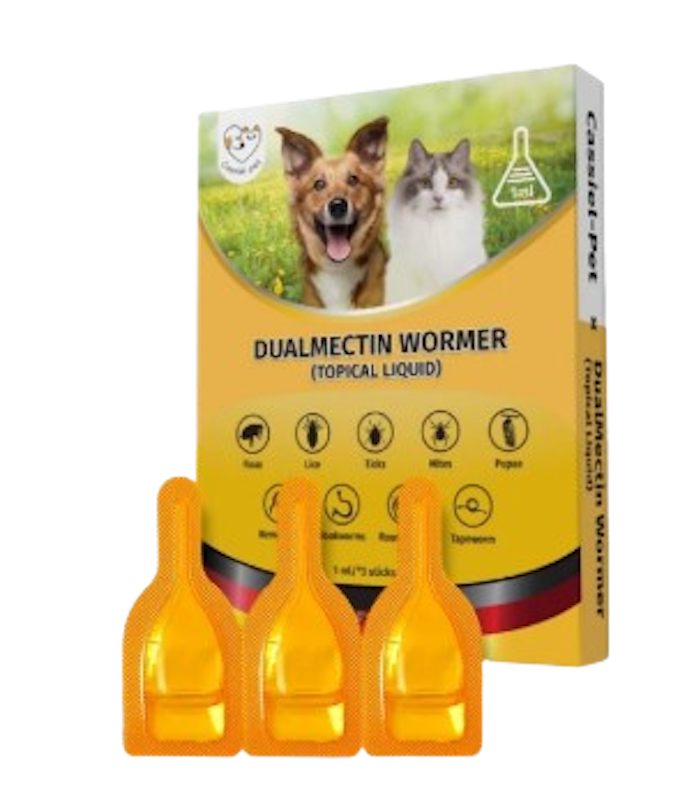
| Parasites Targeted | Roundworms, Hookworms, Heartworms, Fleas, Ticks |
|---|---|
| Dosage | 1kg-5kg (small cats),0.5 mL 5kg-10kg (medium-sized cats),1 mL |
| Net Content | 0.4 mL / 0.8 mL / 1.6 mL |
| Intended Use | Parasite Management |
| Form | Spot-On |
| Active Ingredients | Moxidectin |
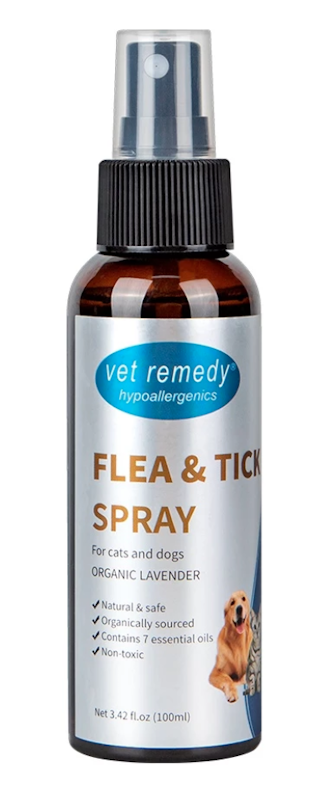
| Parasites Targeted | Fleas, Ticks |
|---|---|
| Dosage | unknown |
| Net Content | 100 mL |
| Intended Use | Flea and Tick Repellent |
| Form | Spray |
| Active Ingredients | Lavender Oil, Citronella Oil, Lemongrass Oil, Rosemary Oil, Geranium Oil |
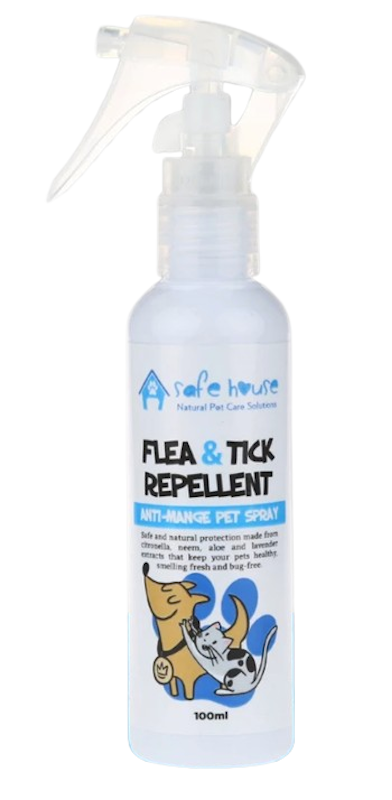
| Parasites Targeted | Fleas, Ticks |
|---|---|
| Dosage | unknown |
| Net Content | 100 mL |
| Intended Use | Flea, Tick, and Mosquito Repellent |
| Form | Spray |
| Active Ingredients | Citronella, Neem, Aloe Vera and Lavender Extracts |
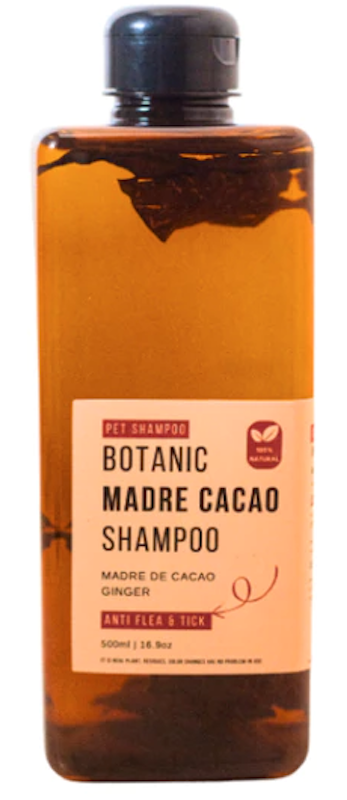
| Parasites Targeted | Fleas, Ticks |
|---|---|
| Dosage | unknown |
| Net Content | 500 mL |
| Intended Use | Coat Cleansing and Flea & Tick Management |
| Form | Shampoo |
| Active Ingredients | Madre de Cacao Leaf Extract |
Frequently Asked Questions Answered by Dr. Patricia Wilwayco, DVM
Even if you know some of the main points to consider before purchasing a cat flea treatment, you might still have some unanswered questions on your mind. To answer those, read Dr. Wilwayco's thoughts on some of the internet's most asked questions regarding cat flea treatments.
How Can I Tell If The Cat Flea Treatment Is Working?
To tell if a cat flea treatment is working, monitor your cat for fewer signs of itching, scratching, or biting within 24 to 48 hours after application. Use a flea comb to check for live fleas or flea dirt (tiny black specks) on your cat’s fur, especially near the tail, neck, and belly. A noticeable reduction indicates that the treatment is taking effect. Ensure the cat flea treatment is used exactly as directed in terms of dose, method, and frequency.
Can Cat Flea Treatments Cause Side Effects in Cats?
Yes, cat flea treatments can cause side effects, though most are mild and temporary. Skin irritation, such as redness, bumps, or hair loss, may occur at the application site, especially with spot-on cat flea treatments. If a cat licks the treated area, it may experience drooling, vomiting, or diarrhea. While rare, some cats may experience neurological symptoms, such as tremors or seizures, after isoxazoline-based cat flea treatments. Always consult your vet before use and choose cat flea treatments specifically formulated for cats to minimize risk.
How Can I Prevent Fleas From Returning After Cat Flea Treatment?
To prevent fleas from returning after cat flea treatment, it is important to address both your cat and its environment. Regularly vacuum your home, especially carpets, furniture, and areas where your cat rests, to remove flea eggs and larvae. Wash your cat’s bedding and toys in hot water weekly. For outdoor cats, limit contact with flea-prone areas, such as tall grass or stray animals, to reduce the risk of reinfestation.
Are Cat Flea Treatments Safe for Multi-Pet Households?
Cat flea treatments can be safe for multi-pet households, but it is important to choose products specifically formulated for each animal. Never use flea treatments for dogs on cats, as some ingredients, such as permethrin, are highly toxic to cats. When treating multiple pets, ensure each receives the appropriate flea medication. Keep pets separated after applying spot-on flea treatments to avoid accidental ingestion during grooming.
Purr-fect Picks for Happy, Healthy Cats
Treat your cat to more than just flea protection with our curated list of must-haves. These handpicked products will keep your kitty feeling great from head to tail.


How We Chose and Ranked Our Product Recommendations
Our buying guide was carefully researched and crafted by the mybest team of writers and editors, in collaboration with the expert featured in this article. We used the buying guide as a basis for choosing and ranking the product recommendations, and we looked at reviews and ratings from different E-commerce sites like Lazada, Shopee, and more.
The descriptions of each product are referenced from content available on manufacturer, brand, and e-commerce sites.