10 Best Puppy Foods in the Philippines 2026 | Buying Guide Reviewed by Veterinarian
Choosing the right puppy food for your growing fur baby is crucial, as puppies have unique nutritional needs that differ from adult dogs. Feeding adult dog food too early can hinder proper bone, muscle, and brain development.
In this article, we’ll guide you through everything you need to know to select the best puppy food for each stage of growth, with expert advice from veterinarian Dr. Athena Gaffud. Plus, we’ll share ten top-rated puppy foods available on Lazada and Shopee to help you make the right choice.

Dr. Athena Gaffud earned her Doctor of Veterinary Medicine degree from The University of the Philippines Los Baños (UPLB) in 2011. She finished as Top 10 in the class and received the award for the Best Undergraduate Thesis in Large Animals. She became board certified in the same year. She is currently running her own veterinary business and is a part of veterinarians.org as a fact-checker and a remote staff of an Oregon-based animal rehab practice.

Jason is a content planner and writer with four years of experience across lifestyle, publishing, tech, real estate, marketing, and entertainment. Focused on consumer needs and SEO, they craft clear, engaging content that helps people make informed decisions. Jason is passionate about words that connect, empower, and resonate.
The expert oversees the Buying Guide only, and does not determine the products and services featured.
Why You Can Trust Us
Every mybest article is crafted with hours of in-depth research and interviews with experts. Each month, we are continually expanding our database of products based on our research. By emphasizing user insight and reliable information, we deliver trustworthy content to readers.
How Should You Feed Your Puppy at Each Growth Stage?

It's important for pet owners to understand the stages of growth, as specific nutrients are particularly crucial for optimal development at each stage.
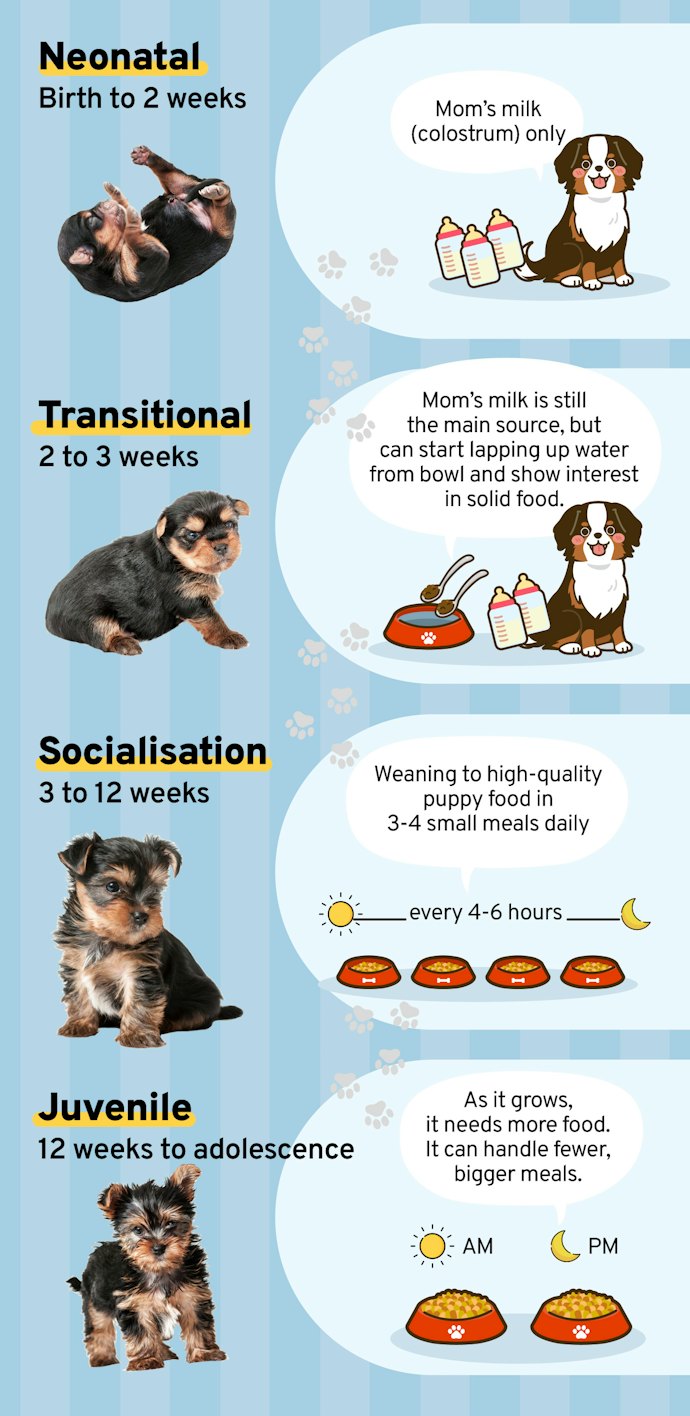
Puppies go through rapid growth and development, and their nutritional needs change at each stage. Understanding these stages will help you provide the right type and amount of food for healthy growth.
Neonatal period (birth to 2 weeks) – Puppies rely entirely on mother’s milk, receiving colostrum for immunity; no solid food yet
Transitional period (2–3 weeks) – Puppies may start drinking water or sampling soft gruel, but milk remains the primary nutrition
Socialization period (3–12 weeks) – Weaning begins at 6–8 weeks; feed small, frequent meals of puppy food, adjusting portion size as teeth develop
Juvenile period (12 weeks to adolescence) – Growth slows; feeding shifts to fewer meals with age-appropriate puppy food to support continued development
By following these stages, you can gradually transition your puppy from milk to solid food, ensuring proper growth and digestion.
Puppies should remain on their puppy food until they reach approximately 12 months (for small breeds) to 24 months (for large breeds).
How to Choose Puppy Food – Buying Guide
Choosing the right puppy food is crucial for healthy growth and development, but with so many options available, selecting the best one can be overwhelming. This guide will help you make an informed choice.
Decide Between Wet and Dry Puppy Food
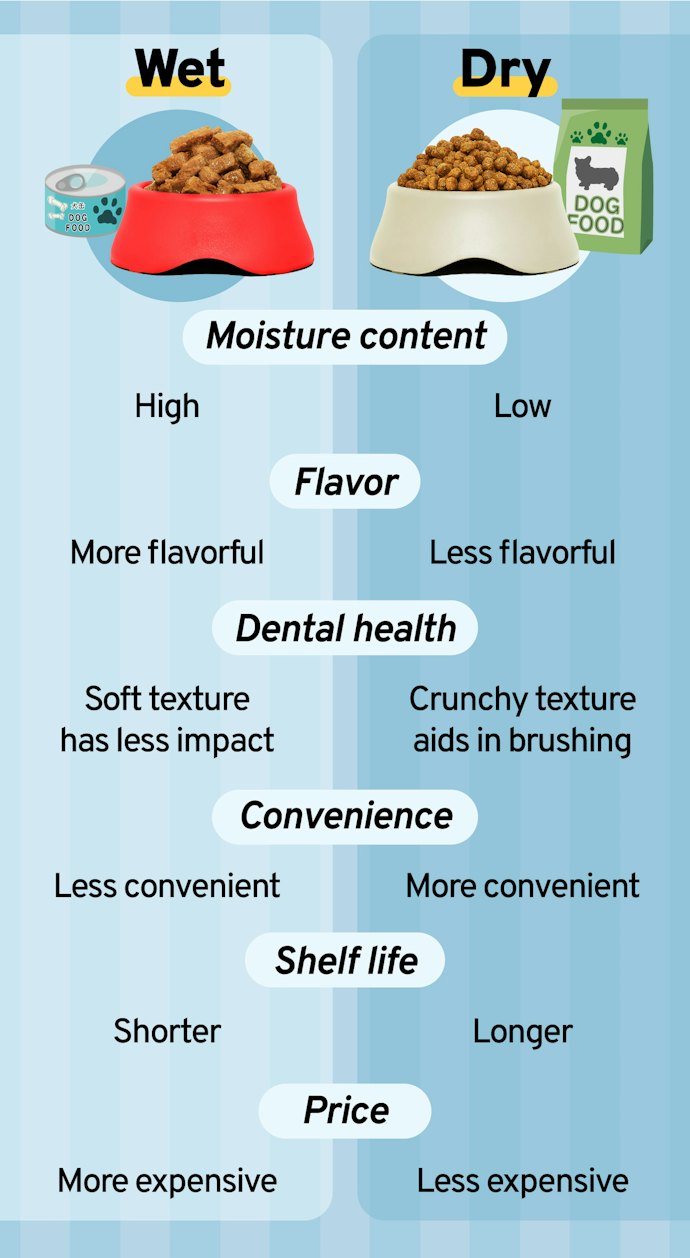
Choosing between wet and dry puppy food depends on your puppy’s age, chewing ability, and hydration needs. Wet foods are soft, flavorful, and perfect for puppies transitioning from milk or gruel, making mealtime easier and more appealing for picky eaters.
Dry kibble supports dental health by encouraging chewing and is practical for portioning and storing meals. Many owners combine both types to balance texture, nutrition, and hydration, giving puppies the benefits of each format while supporting healthy growth.
Wet food supports hydration due to its high moisture content and is ideal for puppies that need additional water intake. It is also highly palatable, especially when warmed or mixed with dry kibble to enhance flavor and aroma.
Dry food promotes dental health by encouraging chewing, which helps reduce plaque buildup. It is also convenient due to its longer shelf life and ease of storage.
Look for Quality Ingredients That Support Development
A minimum of 22% protein and around 8% fat, along with calcium, zinc, and other essential nutrients, are crucial for healthy puppy growth. Deficiencies in these nutrients can affect muscle development, bone strength, energy levels, and overall health.
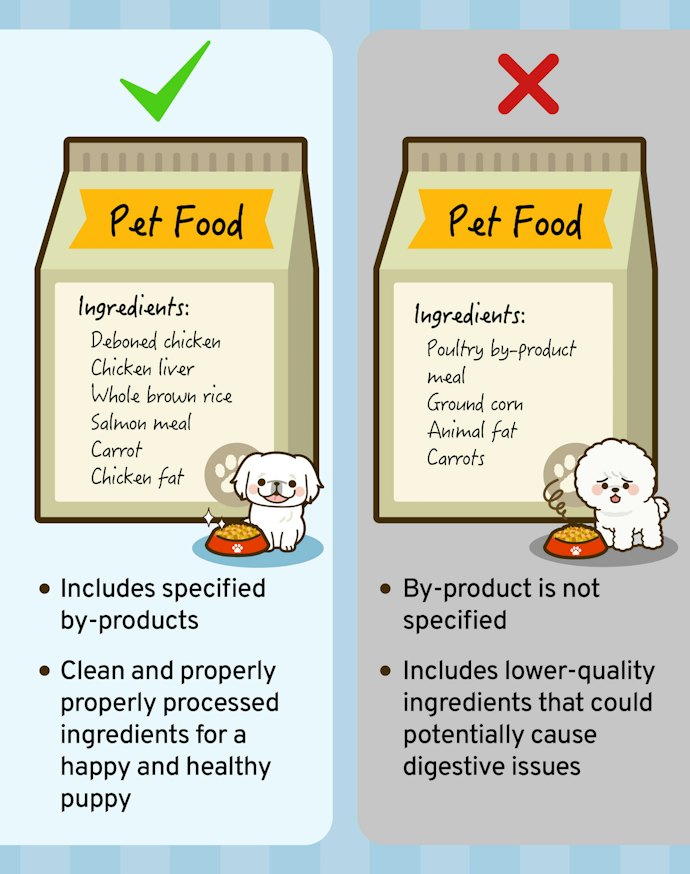
The right ingredients ensure your puppy grows strong, healthy, and active. Focus on nutrients that support muscles, bones, brain development, and overall health. Key components include:
Animal-based protein – Provides essential amino acids for strong muscles, bones, and organs. Sources like chicken, lamb, or fish are highly digestible and fuel puppy growth and activity
Named protein sources (e.g., chicken liver, beef heart) – Supply vitamins and minerals that generic “meat by-products” may lack, supporting overall vitality and organ development
Fats & essential fatty acids (omega-3 & omega-6) – Aid brain development, coat health, and immune function while providing energy and helping absorb fat-soluble vitamins
Carbohydrates & fiber – Offer energy for daily activities and support healthy digestion, keeping stools regular and blood sugar stable
Vitamins & minerals – Promote strong bones, a healthy immune system, and proper organ function, supporting overall growth and development
Choosing foods with these ingredients ensures balanced growth during early life stages.
Animal by-products are not inherently harmful, especially when clearly specified (e.g., chicken liver). Choosing reputable brands ensures these ingredients are clean, properly processed, and safe for growing puppies.
Match Your Puppy’s Caloric Needs Based on Size and Growth Stage
Small-breed puppies have high metabolic rates and require calorie-dense meals three to four times daily to prevent hypoglycemia. To estimate daily needs, multiply body weight by about 40 calories per pound, then divide by the food’s calories per cup to determine portion size.
Puppies’ energy requirements vary depending on breed size and growth stage. Small breeds need calorie-dense meals, while larger breeds require controlled calories to prevent rapid growth and skeletal problems.
For small-breed puppies: Small-breed puppies, like Chihuahuas and Shih Tzus, burn energy quickly and need nutrient-rich, calorie-dense puppy food. Feed them in small, frequent portions to support growth, activity, and healthy weight gain
For large-breed puppies: Large-breed puppies, such as Labradors and Golden Retrievers, grow quickly and require carefully measured portions of puppy food to control weight. Balanced calories help prevent joint issues and support proper skeletal and muscle development
Monitoring your puppy’s calorie intake and adjusting portions as they grow ensures healthy development and prevents overfeeding or nutrient deficiencies.
Because large-breed puppies grow more rapidly, their food should contain controlled calories and balanced calcium levels. This helps regulate growth rate and reduces the risk of bone and joint developmental issues caused by excessive weight gain.
For Larger Breeds Prioritize Joint- and Digestive-Supporting Ingredients Like Prebiotics, Glucosamine, and Chondroitin
For large-breed puppies, probiotics and prebiotics support digestive health, while glucosamine and chondroitin help promote proper bone and cartilage development, potentially reducing the risk of joint problems and osteoarthritis later in life.

Large-breed puppies grow rapidly, and unchecked growth can place excessive strain on developing bones, joints, and even the digestive system. Puppy foods formulated with prebiotics and probiotics help maintain gut balance, support nutrient absorption, and promote digestive stability.
Glucosamine and chondroitin are key nutrients that support cartilage formation and bone development, helping reduce the risk of hip dysplasia and other orthopedic issues. Choosing large-breed puppy food with controlled calories and joint-supporting ingredients promotes steady growth and long-term skeletal health.
For Puppies With Sensitive Stomachs, Watch Out for Grains & Gluten
Although it's not true for all cases, grains and glutens can cause a digestive upset and also trigger food allergies.
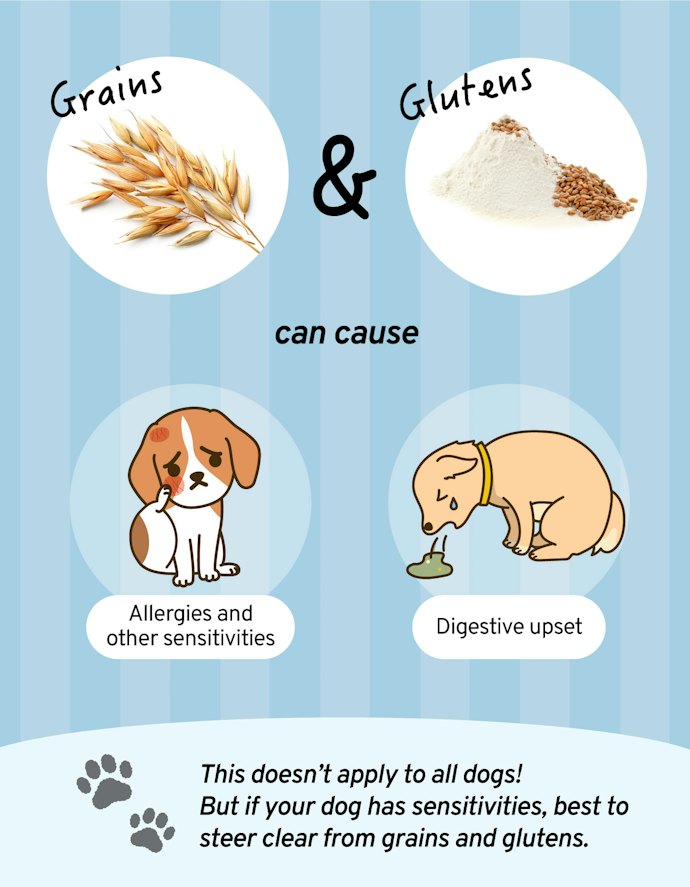
Puppies with immature digestive systems may react poorly to wheat, barley, or rye, leading to diarrhea, gas, vomiting, or loose stools. Choosing grain-conscious or easily digestible puppy food formulas can help reduce digestive stress and improve nutrient absorption during this critical growth stage.
Monitor your puppy’s response when introducing new foods, and transition diets gradually to avoid upsetting their stomach. If symptoms persist, consult your veterinarian to rule out food intolerances or allergies. Prioritizing gentle, well-balanced ingredients supports healthy digestion, steady growth, and overall comfort.
Avoid Artificial Preservatives, Sweeteners, and Fillers
Artificial preservatives and fillers can potentially cause health issues, especially if they're in large amounts.
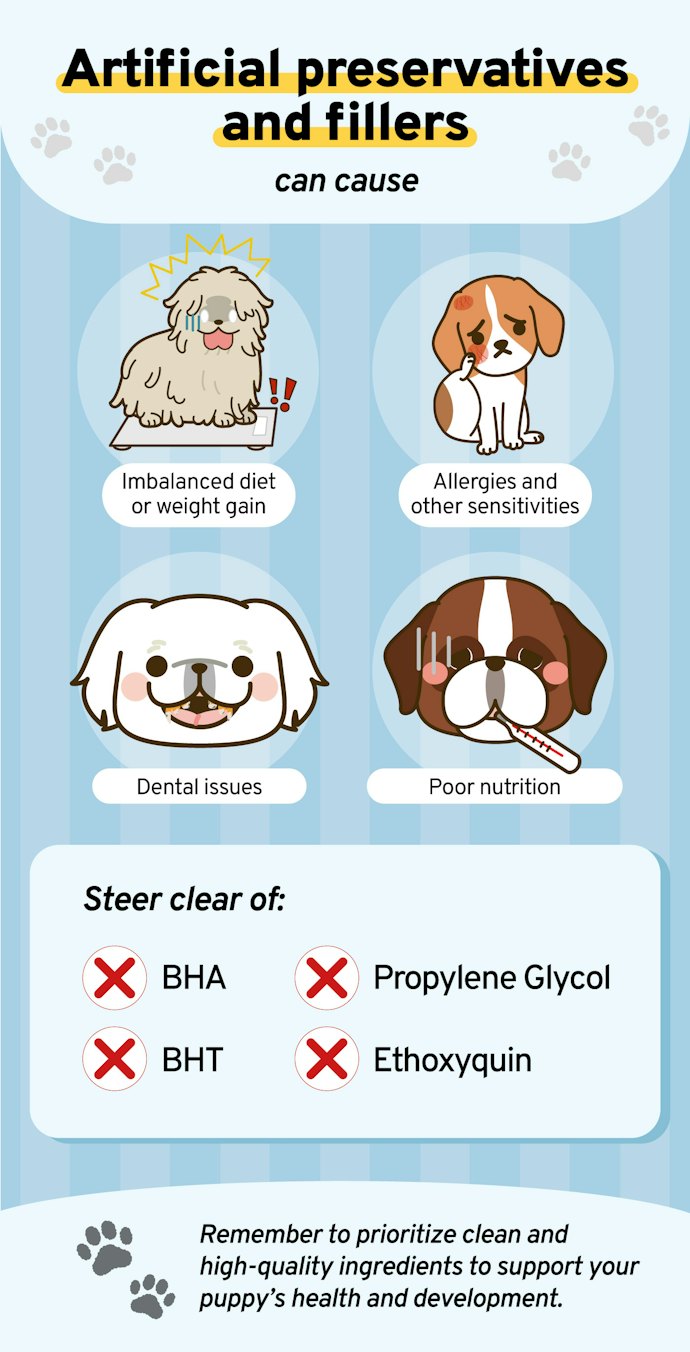
Artificial additives like BHA, BHT, artificial sweeteners, and low-quality fillers provide little nutritional benefit and may contribute to digestive upset or potential long-term health concerns. These ingredients often add empty calories without supporting your puppy’s growth and development.
Feeding your puppy minimally processed, additive-free foods ensures better nutrient absorption, balanced growth, and overall well-being. Consistently choosing high-quality foods sets the foundation for a healthy, active life.
Select the Proper Kibble Size to Support Healthy Eating
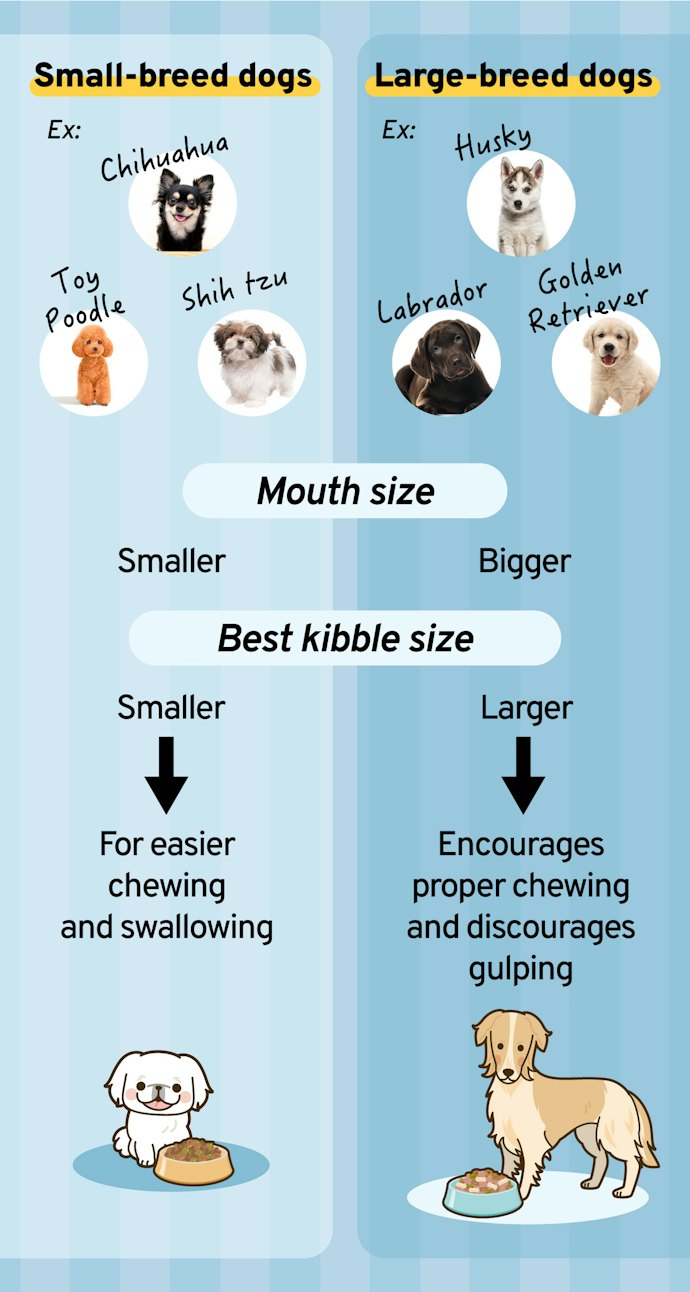
Kibble should match your puppy’s mouth size and chewing ability. Small breeds need tiny kibble for easier chewing and digestion, while large breeds require bigger pieces to promote proper chewing and reduce gulping.
Choosing the right size encourages healthy digestion, prevents choking, and supports dental development. Look for breed-specific formulas to ensure feeding is safe, efficient, and developmentally appropriate.
Start With Small Packs to Test Tolerance and Prevent Digestive Upset
By choosing small packs or trial sizes, you can find a food they love that fits your budget and avoid the potential health risks of frequent switching.

Starting with small packs allows you to test how well your puppy tolerates and enjoys a new food before committing to a large bag. Because puppies have sensitive, developing digestive systems, sudden diet changes can cause diarrhea, gas, or vomiting.
Introducing new puppy food gradually in smaller quantities helps prevent digestive upset and reduces waste if the formula doesn’t suit your pup. A stable, well-tolerated diet supports consistent nutrient absorption and healthy growth during early development.
10 Best Puppy Food to Buy Online
| Products | Image | Click to purchase | Popularity | Details | ||||||
|---|---|---|---|---|---|---|---|---|---|---|
Crude Protein | Free From Artificial Preservatives and Fillers | Carbohydrate and Fiber Ingredients | Grain-Free | Gluten-Free | Net Weight | |||||
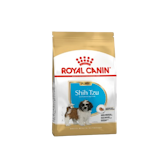
1 | Shih Tzu Puppy Dry Dog Food Royal Canin |  | No.1 | 28% | Rice, Maize, Beet Pulp, Fructooligosaccharides | 500 g | ||||
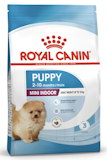
2 | Mini Indoor Puppy Dry Dog Food Royal Canin |  | No.2 | 27% | Rice, Maize, Beet Pulp, Maize Gluten, Fructooligosaccharides | 1.5 kg | ||||
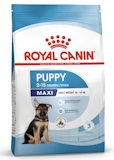
3 | Maxi Puppy Dry Dog Food Royal Canin |  | No.3 | 30% | Rice, Maize, Wheat Flour, Beet Pulp, Maize Gluten, Vegetable Fibres, Psyllium | 15 kg | ||||
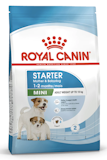
4 | Mini Starter Mother & Babydog Dry Dog Food Royal Canin |  | No.4 | 30% | Rice, Maize, Beet Pulp, Fructooligosaccharides | 1 kg | ||||
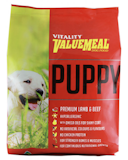
5 | Puppy Dry Dog Food Vitality ValueMeal |  | No.5 | 20% | Lamb, Beef, Grains and Cereal Ingredients | 10 kg | ||||
6 | Wet Dog Food Pouch for Puppy Pedigree |  | No.6 | 7% | Wheat Gluten, Fiber, Gelling Agents | 130 g | ||||
7 | Starter Mousse Mother & Babydog Royal Canin |  | No.7 | 10% (Min.) | Cereals, Vegetable Derivatives, Milk Derivatives | 585 g | ||||
8 | Puppy Meal Dry Pet Food TopBreed |  | No.8 | 28% | Wheat Grains, Wheat By-products, Rice Middling/Bran, Soya Meal | 2 kg | ||||
9 | Organic Natural Beef and Lamb Adult & Puppy Dogfood Carty |  | No.9 | 48% | unknown | unknown | 1 kg | |||
10 | Puppy/Active Pregnant Lactating Dry Dog Food Lamb Meat & Rice Holistic Recipe |  | No.10 | 25% | Lamb Meal, Brown Rice, Barley, Ground Corn, Corn Gluten Meal, Chicken Fat, Beet Pulp, Brewers Yeast, Flax Seed | 1.5 kg | ||||

Royal CaninShih Tzu Puppy Dry Dog Food
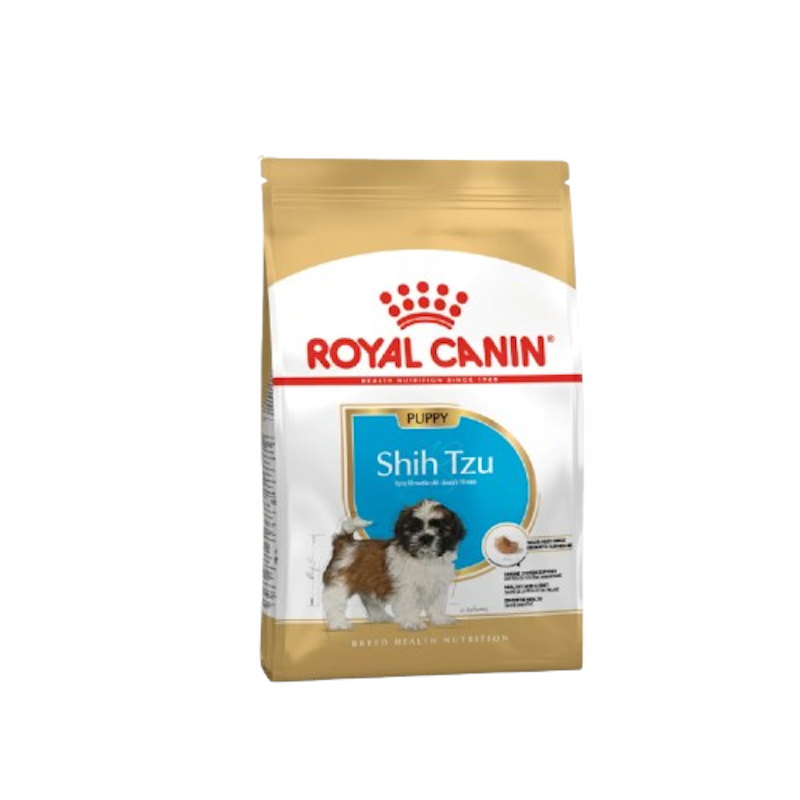
| Crude Protein | 28% |
|---|---|
| Free From Artificial Preservatives and Fillers | |
| Carbohydrate and Fiber Ingredients | Rice, Maize, Beet Pulp, Fructooligosaccharides |
| Grain-Free | |
| Gluten-Free | |
| Net Weight | 500 g |
Royal CaninMini Indoor Puppy Dry Dog Food
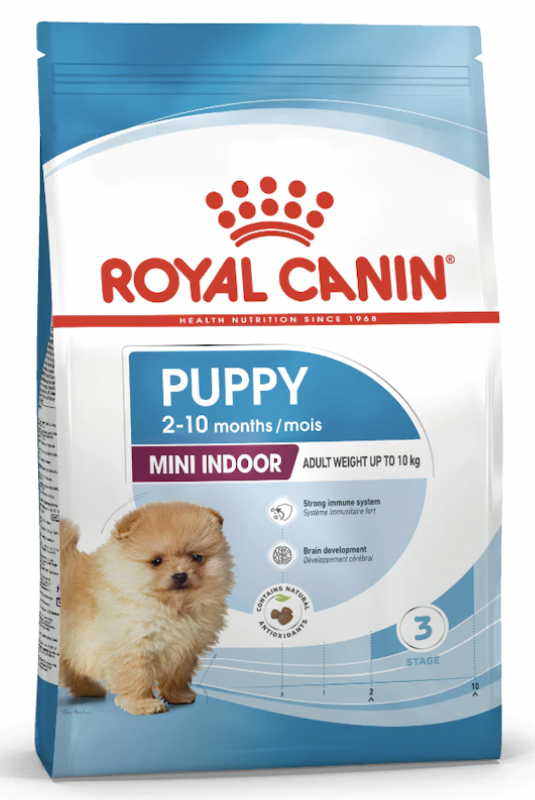
| Crude Protein | 27% |
|---|---|
| Free From Artificial Preservatives and Fillers | |
| Carbohydrate and Fiber Ingredients | Rice, Maize, Beet Pulp, Maize Gluten, Fructooligosaccharides |
| Grain-Free | |
| Gluten-Free | |
| Net Weight | 1.5 kg |
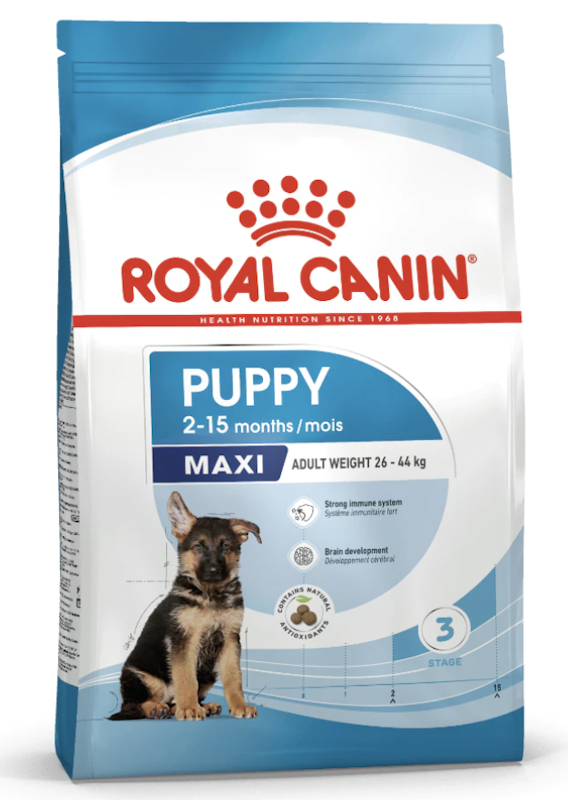
| Crude Protein | 30% |
|---|---|
| Free From Artificial Preservatives and Fillers | |
| Carbohydrate and Fiber Ingredients | Rice, Maize, Wheat Flour, Beet Pulp, Maize Gluten, Vegetable Fibres, Psyllium |
| Grain-Free | |
| Gluten-Free | |
| Net Weight | 15 kg |
Royal CaninMini Starter Mother & Babydog Dry Dog Food
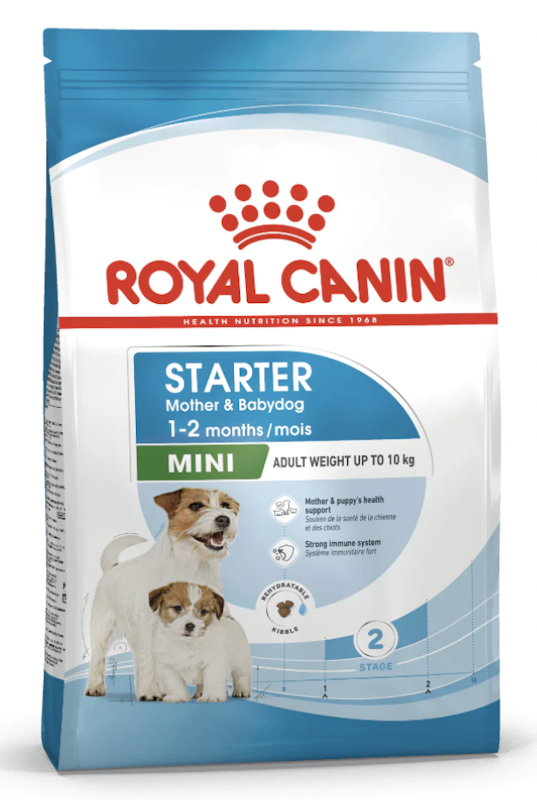
| Crude Protein | 30% |
|---|---|
| Free From Artificial Preservatives and Fillers | |
| Carbohydrate and Fiber Ingredients | Rice, Maize, Beet Pulp, Fructooligosaccharides |
| Grain-Free | |
| Gluten-Free | |
| Net Weight | 1 kg |
Vitality ValueMealPuppy Dry Dog Food
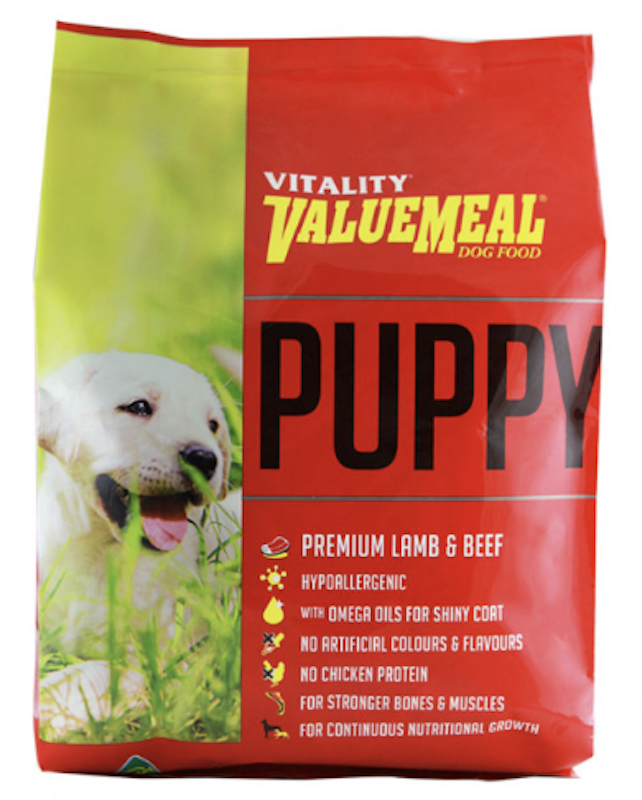
| Crude Protein | 20% |
|---|---|
| Free From Artificial Preservatives and Fillers | |
| Carbohydrate and Fiber Ingredients | Lamb, Beef, Grains and Cereal Ingredients |
| Grain-Free | |
| Gluten-Free | |
| Net Weight | 10 kg |

| Crude Protein | 7% |
|---|---|
| Free From Artificial Preservatives and Fillers | |
| Carbohydrate and Fiber Ingredients | Wheat Gluten, Fiber, Gelling Agents |
| Grain-Free | |
| Gluten-Free | |
| Net Weight | 130 g |
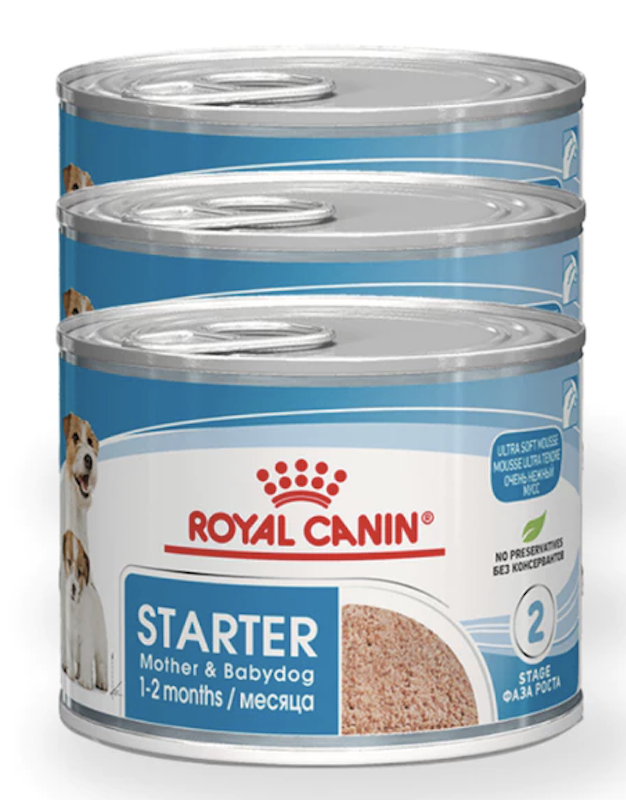
| Crude Protein | 10% (Min.) |
|---|---|
| Free From Artificial Preservatives and Fillers | |
| Carbohydrate and Fiber Ingredients | Cereals, Vegetable Derivatives, Milk Derivatives |
| Grain-Free | |
| Gluten-Free | |
| Net Weight | 585 g |
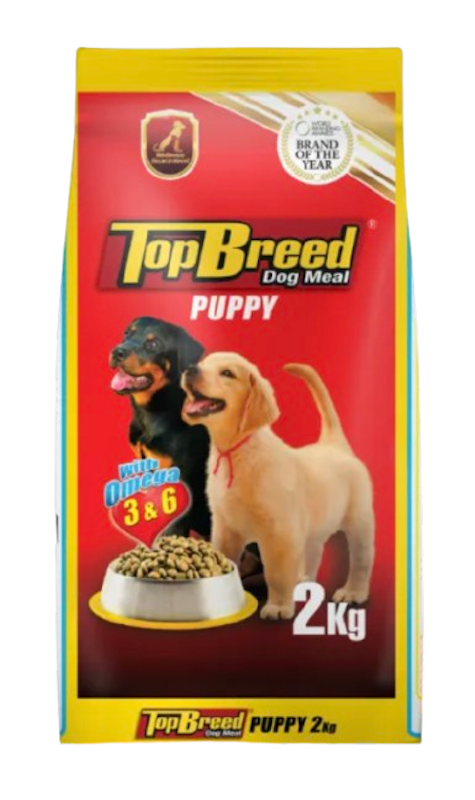
| Crude Protein | 28% |
|---|---|
| Free From Artificial Preservatives and Fillers | |
| Carbohydrate and Fiber Ingredients | Wheat Grains, Wheat By-products, Rice Middling/Bran, Soya Meal |
| Grain-Free | |
| Gluten-Free | |
| Net Weight | 2 kg |
CartyOrganic Natural Beef and Lamb Adult & Puppy Dogfood
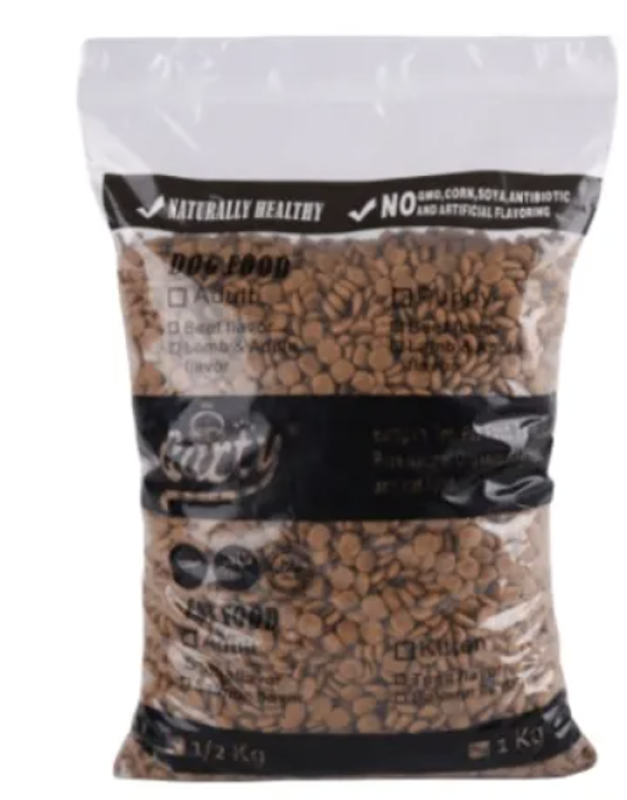
| Crude Protein | 48% |
|---|---|
| Free From Artificial Preservatives and Fillers | unknown |
| Carbohydrate and Fiber Ingredients | unknown |
| Grain-Free | |
| Gluten-Free | |
| Net Weight | 1 kg |
Holistic RecipePuppy/Active Pregnant Lactating Dry Dog Food Lamb Meat & Rice
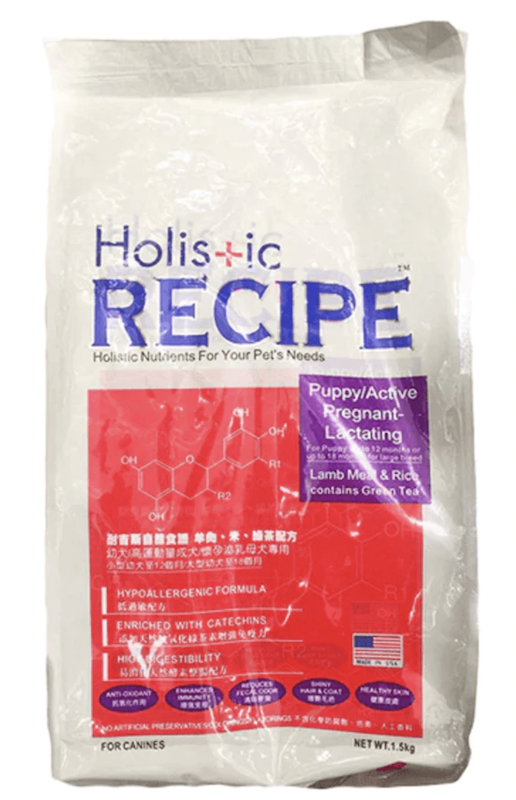
| Crude Protein | 25% |
|---|---|
| Free From Artificial Preservatives and Fillers | |
| Carbohydrate and Fiber Ingredients | Lamb Meal, Brown Rice, Barley, Ground Corn, Corn Gluten Meal, Chicken Fat, Beet Pulp, Brewers Yeast, Flax Seed |
| Grain-Free | |
| Gluten-Free | |
| Net Weight | 1.5 kg |
Consult Your Vet for Puppies With Special Needs

Some puppies may have unique health conditions or food sensitivities that require special attention. Allergies, intolerances, or underlying medical issues can affect how well they tolerate certain ingredients or formulas.
Before making changes to your puppy’s diet, consult your veterinarian to determine the most suitable food. This ensures your fur baby gets the nutrition they need while avoiding ingredients that could trigger digestive upset or other health concerns.
Frequently Asked Questions
Below are some of the most asked questions on the web answered by the mybest team.
When Can I Start Feeding Puppies Puppy Food?
Puppies can begin eating puppy food when their teeth start to erupt, around 3–4 weeks of age.
How Much and How Often Should I Feed My Puppy?
Follow the manufacturer’s recommended amount and adjust based on your puppy’s activity, size, and growth. Feed small-breed puppies in frequent, calorie-dense portions and large breeds in measured amounts to control growth.
Can I Give Table Food to Puppies?
Most human food is unsafe for puppies due to high fat, salt, or toxic ingredients. Boiled, unseasoned meats and certain vegetables like pumpkin are safe in small amounts.
When Should I Switch to Adult Food?
Introduce adult dog food gradually at 9–11 months for small breeds and 18–24 months for large breeds.
Pamper Your Fur Baby With These Products
Pets give joy to our sometimes mundane days, so we also have to make sure that they're happy. Check out these products that will help you pamper your fur baby!


How We Chose and Ranked Our Product Recommendations
Our buying guide was carefully researched and crafted by the mybest team of writers and editors, in collaboration with the expert featured in this article. We used the buying guide as a basis for choosing and ranking the product recommendations, and we looked at reviews and ratings from different E-commerce sites like Lazada, Shopee, and more.
The descriptions of each product are referenced from content available on manufacturer, brand, and e-commerce sites.