

10 Best Cameras for Beginners in the Philippines 2026 | Buying Guide Reviewed by Photographer and Graphic Artist
Photography allows you to appreciate the beauty that the world has to offer, which is why it's a popular hobby. If you're just starting out, we will be showing you the best cameras for beginners, so you won't have a hard time capturing delicious food, scenic landscapes, and memorable events that you and your loved ones will enjoy looking back on.
With many cameras having confusing buttons and settings, we will help you navigate the market to find one that is easy to use. From mirrorless cameras to DSLR cameras to vlogging cameras for beginners, we will show you our top 10 picks for the best ones that you can get. With our buying guide reviewed by freelance photographer and graphic artist Kenneth Aballa, we will also show you what to look out for before purchasing a camera.

An art director and a freelance photographer who shoots portraits, food, events, and products. Loves taking photos be it digital or film.

Our recommendation articles are carefully researched and crafted by the mybest Philippines team of writers and editors. To stay true to our company’s mission and vision to help users’ selection process easier, we also collaborate with experts from various fields to ensure that our content stays factual and useful.
The expert oversees the Buying Guide only, and does not determine the products and services featured.
Why You Can Trust Us
Every mybest article is crafted with hours of in-depth research and interviews with experts. Each month, we are continually expanding our database of products based on our research. By emphasizing user insight and reliable information, we deliver trustworthy content to readers.
How to Choose a Camera for Beginners - Buying Guide
Whether you're venturing into vlogging or capturing stills, consider a camera that combines ease of use, essential features, and budget-friendly options. For more detailed information, read through our buying guide below.
Choose a Type of Camera That Suits Your Needs
Cameras serve as windows to moments, allowing us to freeze time and capture the beauty around us. If you’re just starting to navigate the world of cameras, fear not! This guide will be your trusted companion.
Point-and-Shoot Cameras for Ease of Use

The easiest camera to use is a point-and-shoot camera because it's similar to a smartphone camera. If you're not ready to splurge on expensive gear that you will inevitably buy in your photography journey, this is a great and compact choice. It's considered a basic camera, so these usually come at an affordable price.
It has automatic settings and usually has preset modes that give different effects, so you won't need to configure anything before taking pictures. However, something to keep in mind is that it has a fixed lens that cannot be interchanged with other types of lenses.

Point-and-shoot cameras are no-fuss cameras as you literally just have to point the camera at your subject and shoot. These cameras have fixed lenses, making them straightforward and super easy to use. Point-and-shoot cameras are perfect for beginners because of their portability, ease of use, and affordability.
Mirrorless Cameras Are Light for Their Size and Have Easy Manual Controls

You can't go wrong with buying a mirrorless camera as your first. When it comes to weight, it's light and easy to carry. This makes it an excellent option for on-the-go travelers. Whether you place it in a camera bag or neck strap, it won't be too heavy for comfort.
Mirrorless cameras also have easy manual controls, perfect for those just starting out. They're a good way to start familiarizing yourself with holding and operating higher-end cameras because they're reminiscent of a DSLR. The difference between the two is that mirrorless cameras have an electronic viewfinder, while DSLRs have an optical one.
Mirrorless cameras are smaller than DSLR cameras because of the absence of a mirror system. This means you just look at the screen to see the digital image of your subject compared to looking at the lens.
Like point-and-shoot cameras, mirrorless cameras are portable, too. If you see yourself buying new lenses to upgrade in the future, a mirrorless camera is the perfect choice for you compared to a point-and-shoot camera with a fixed lens.
DSLRs Give You Full Control Over Your Photos

DSLRs are extremely popular cameras for both beginners and professional photographers. An exclusive feature to them is the optical viewfinder, which shows you more authentic previews of photos in different conditions—whether it be a low-light or fast-paced environment.
It works well in broad daylight, too, because you can preview your photos without the glare of LCD monitors. Aside from that, it also has additional features that you will surely enjoy, such as interchangeable lenses, LCD screens, and many more.
DSLRs could be a bit intimidating for beginners because of their size and the number of buttons and controls. Compared to mirrorless cameras, there is an optical viewfinder where you can check to view your subject in real-time.
DSLR cameras offer great image quality, versatile settings for different shooting conditions, and the ability to adjust to change lenses for future upgrades. If you see yourself progressing in photography, a DSLR would be your best bet.
Action Cameras Are Best for Fast-Paced Photography and Videos
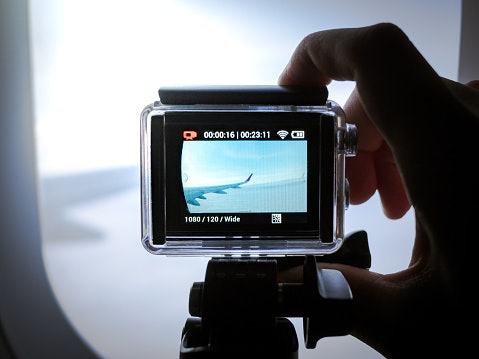
For those who love adventure, action cameras are the right one for you. They're small and portable, yet durable, so you can take them with you anywhere. To maximize them, look for a waterproof one so that you can take it with you to the beach.
However, instead of photos, the priority in action cameras is the video resolution. Some cameras take resolutions up to as high as 5K! These are great options if you want clear footage of the action-packed moments that you want to relive.
Definitely get an action camera if you love to travel and try adventures that require special cameras. Action cameras are not just great for photos but take excellent videos as well. They also come with different cases and accessories that will suit the kind of adventure you're gearing up for.
Go for a Camera With Interchangeable Lenses for More Creative Freedom

Most cameras are bundled with a kit lens. This lens is suitable for photography beginners because it's usually a zoom type that can be used in varying focal lengths. Simply put, it's versatile and will work just fine in almost any situation. However, do take note that photos taken with a kit lens are not the sharpest.
While the kit lens is indeed fine for general use, it might not suffice for other types of photography. For example, wildlife photography warrants a lens with focal lengths of 150 mm and up. Street photography works well with a 35 mm prime lens. You get the memo—each photography type calls for a different type of lens to achieve the best shot.
If you want to switch up your photography style, going for a camera that supports interchangeable lenses is the way to go. Point-and-shoot cameras usually do not have this feature. Instead, their lenses have fixed focal lengths and zoom capabilities. This, however, isn't an issue for mirrorless cameras and DSLRs.
If you see yourself progressing in the hobby of photography, getting a camera with interchangeable lenses is highly recommended. Such cameras are versatile, which means that it is excellent to use in different scenarios. You can get a prime lens for portrait sessions, a wide lens for nature, landscape, and events, or even a fisheye lens for party and adventure photos.
As mentioned, a kit lens is usually included when you buy a camera. These are fairly okay, and most are usually zoom lenses. The problem with kit lenses would be their build quality, focus, sharpness, focal range, and even distortion.
Opt for a Larger Sensor Size for Better Image Quality
The sensor size is one of the most important factors that determine the quality of your photos. The larger the sensor, the better. The two major sensors that are suitable for beginners are the APS-C sensor and the Micro Four Thirds sensor.
Choose Micro Four Thirds Lenses for Portability

The pioneers of the Micro Four Thirds sensor are Olympus and Panasonic. Their main advantage is that these types of cameras and their lenses are typically more portable in terms of size and weight than cameras with APS-C sensors. If you love roaming around with your camera, then you should get a Micro Four Thirds camera.
This type of sensor has a 4:3 aspect ratio and usually measures 17.3 mm wide by 13mm high. This allows your camera to still capture good quality pictures that are comparable to the ones that larger cameras produce. However, full-frame cameras are still superior when it comes to low-light settings.
Micro four thirds cameras are smaller than DSLRs, but you can still use different lenses for them. If you do not want to carry around a bulky camera, you can opt for this.
Select APS-C Sensors for Better Low-Light Performance

When you let an APS-C camera and Micro Four Thirds camera battle it out in low-light environments, the APS-C will easily beat its competitor. Why? It's primarily because of its larger sensor. The larger sensor allows more light to pass through, so you can capture the finer details in dim environments.
Of course, this comes with a drawback in terms of its portability compared to a camera with a Micro Four Thirds lens. Still, APS-C cameras are considered light, especially when compared to full-frame DSLRs and mirrorless cameras. They're still suitable cameras for travel.
The larger the sensor, the more it lets light in. Full frame cameras have the biggest sensors, followed by APS-C, and lastly, micro four thirds. If you will be shooting at mostly dark places, you can go for a full-frame or an APS-C sensor. APS-C cameras are cheaper than full-frame cameras, which makes them ideal for beginners.
Full-Frame Sensors Give You the Widest Field of View

Full-frame cameras usually have a measurement of 24 mm by 36 mm. It captures a great deal of light and detail, letting you get a dynamic range of colors in your photos. This results in sharper images with higher contrasts, which is perfect for shooting in low-light conditions.
Out of all the sensors mentioned, full-frame types will also give you the widest field of view, so you can capture beautiful subjects without worrying about any cropping. This is ideal for capturing scenic landscapes or architecture and real estate.
Full-frame cameras have larger sensors, which make them capture more detail and perform better even in low-light environments. These are recommended if you want to get high-quality photos, but this comes at a higher price.
Choose a Camera With at Least 12 MP for Sharp Images

A common marketing trick used by camera manufacturers is to advertise the number of pixels. While it’s important, it’s not the be-all and end-all of camera quality. For instance, the size of the image sensor must also be considered. At least a 12-megapixel count will be sufficient for most users.
As mentioned, a 12-megapixel count is sufficient for beginners, especially if you are mostly going to post the photos online. Social media channels will usually crush the quality of uploaded photos for easier loading and viewing, which will make the high pixel count somehow irrelevant.
However, if you are in the industry of prints (billboards, magazines), photojournalism, or any industry where you need very high-quality images, you will benefit more from a higher megapixel count camera.
Get a Camera With at Least 1080p for Decent Video Quality

Cameras aren’t just about taking photos. You never know when the time comes when you want to start your own vlog. When checking a camera’s video capabilities, it’s vital that you look at the resolutions it supports.
As you may have deduced, the higher the resolution, the clearer the video quality. The highest in most beginner cameras is 4K, sometimes even 5K. Most cameras still support videos in 1440p and 1080p resolution, which are still great options since they will still give you decent video quality.
If you are only planning on shooting videos for documentation and fun, a camera with at least 1080p or 1440p would suffice. Uploading videos online (YouTube or Facebook) with either of those resolutions will give the viewer a high-quality stream. However, if you need high-quality details or you will be displaying the video on a large screen, you will benefit from 4K.
Also, note that the higher the resolution, the higher the video file sizeーthese can also affect how you store and edit the raw clips.
Check the Weight for Maximum Portability

When buying cameras, it’s an absolute must to know its dimensions, especially if you like keeping it safe in a camera bag. That also depends on the equipment you plan on bringing with you—lens, chargers, and other accessories.
Also, don’t forget to check its weight! You don’t want to lug a camera around for a long time if it might be too heavy. Smaller cameras are also more travel-friendly and will let you enjoy sightseeing and going on adventures since they won't weigh you down or become a hassle.
This will really depend on your preference, if you don't mind the extra weight and bulkiness, you can get a full-frame or an APS-C camera. If you like to travel light, the ideal camera would be a mirrorless, an action camera, or a point-and-shoot camera.
Opt for a Camera With Wi-Fi and Bluetooth Connectivity for Easy Uploading and Editing

Sharing your photos on social media has never been easier. All you need is a camera that’s capable of connecting to Wi-Fi or Bluetooth. You usually need to download an app, which varies depending on the camera’s brand. Connect your phone to the camera’s network, share via the app, and voilà! Your photos are now ready for editing and uploading on your phone.
For me, a camera with Wi-Fi and/or Bluetooth is an essential feature nowadaysーyou don't want to travel around and bring a laptop just so you can transfer your photos to your phone! Having these features will help you post or send the photos quickly, whether for personal use or for work.

10 Best Cameras for Beginners to Buy Online
Products | Image | Click to purchase | Popularity | Details | |||||||
|---|---|---|---|---|---|---|---|---|---|---|---|
Type of Camera | Interchangeable Lenses | Sensor | Image Resolution | Video Resolution | Weight | Connectivity | |||||
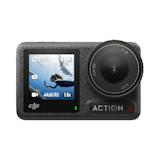
1 | Digital Vlogging Camera |Osmo Pocket 3 Ordro |  | No.1 | Action Camera | 1.0-Inch CMOS Sensor | 9.4 MP | 4K at 120p | 179 g | Wi-Fi, Bluetooth, App | ||
2 | Mirrorless Digital Camera |Alpha A6400 Sony |  | No.2 | Mirrorless Camera | APS-C CMOS Sensor | 24.2 MP | 4K at 24p/30p | 403 g | Wi-Fi, Bluetooth, App | ||
3 | Mirrorless Camera |EOS R50 Canon |  | No.3 | Mirrorless Camera | APS-C CMOS Sensor | 24.2 MP | 4K at 30p | 505 g | Wi-Fi, Bluetooth, App | ||
4 | ZV-E10|16-50mm Lens Sony |  | No.4 | Mirrorless Camera | APS-C CMOS Sensor | 24.2 MP | 4K 3840 x 2160p | 364 g | Wi-Fi | ||
5 | Osmo Action 5 Pro DJI |  | No.5 | Action Camera | 1/1.3-Inch CMOS Sensor | 40 MP | 4K at 120p | 146 g | Wi-Fi, Bluetooth, App | ||
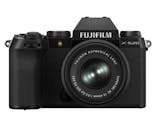
6 | Z30 Mirrorless Camera Nikon |  | No.6 | Mirrorless Camera | DX-Format CMOS Sensor | 20.9 MP | 4K at 24p/25p/30p | 350 g | Wi-Fi, Bluetooth, App | ||
7 | GO 3S Insta360 |  | No.7 | Action Camera | 1/2.3-Inch BSI CMOS Sensor | 9 MP | 4K at 30p | 39 g | Wi-Fi, Bluetooth, App | ||
8 | Hero13 Black|Standard GoPro |  | No.8 | Action Camera | 1/1.9-Inch CMOS Sensor | 27 MP | 5.3K in 30p | 159 g | Wi-Fi, Bluetooth, App | ||
9 | Action Camera |Osmo Action 6 DJI |  | No.9 | Action Camera | 1/1.1-Inch CMOS Sensor | 38.5 MP | 8K at 30p | 149 g | Wi-Fi, Bluetooth, App | ||
10 | Ace Pro Insta360 |  | No.10 | Action Camera | 1/1.3-Inch CMOS Sensor | 48 MP | 8K at 24p | 179 g | Wi-Fi, Bluetooth, App | ||

Ordro Digital Vlogging Camera | Osmo Pocket 3
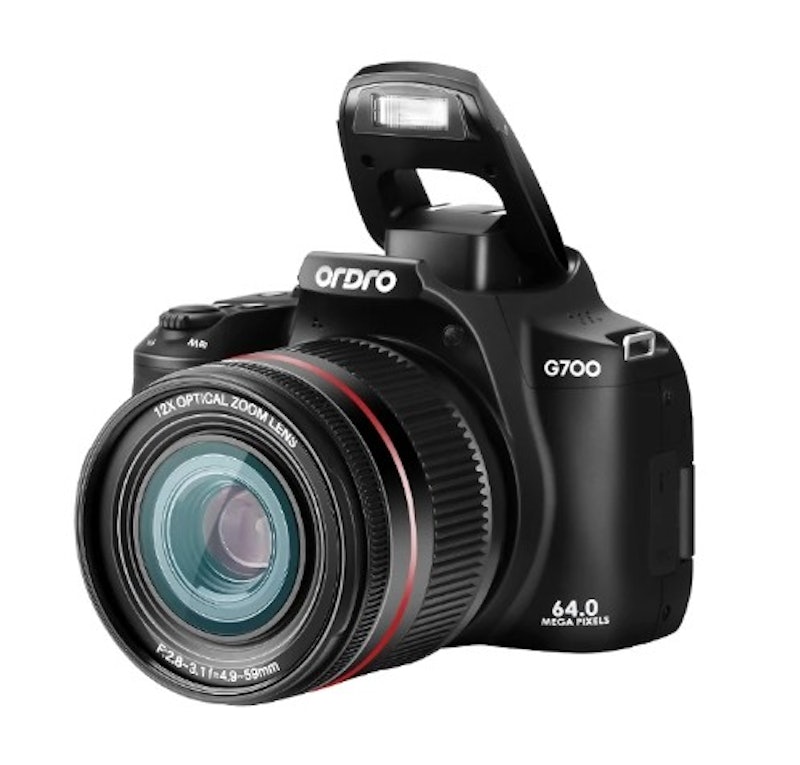
| Type of Camera | Action Camera |
|---|---|
| Interchangeable Lenses | |
| Sensor | 1.0-Inch CMOS Sensor |
| Image Resolution | 9.4 MP |
| Video Resolution | 4K at 120p |
| Weight | 179 g |
| Connectivity | Wi-Fi, Bluetooth, App |
SonyMirrorless Digital Camera | Alpha A6400
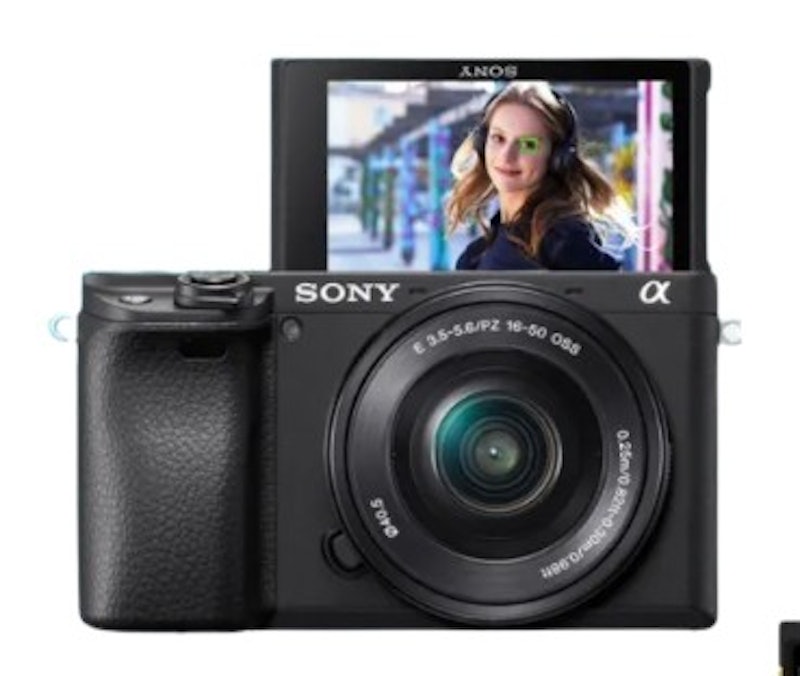
| Type of Camera | Mirrorless Camera |
|---|---|
| Interchangeable Lenses | |
| Sensor | APS-C CMOS Sensor |
| Image Resolution | 24.2 MP |
| Video Resolution | 4K at 24p/30p |
| Weight | 403 g |
| Connectivity | Wi-Fi, Bluetooth, App |
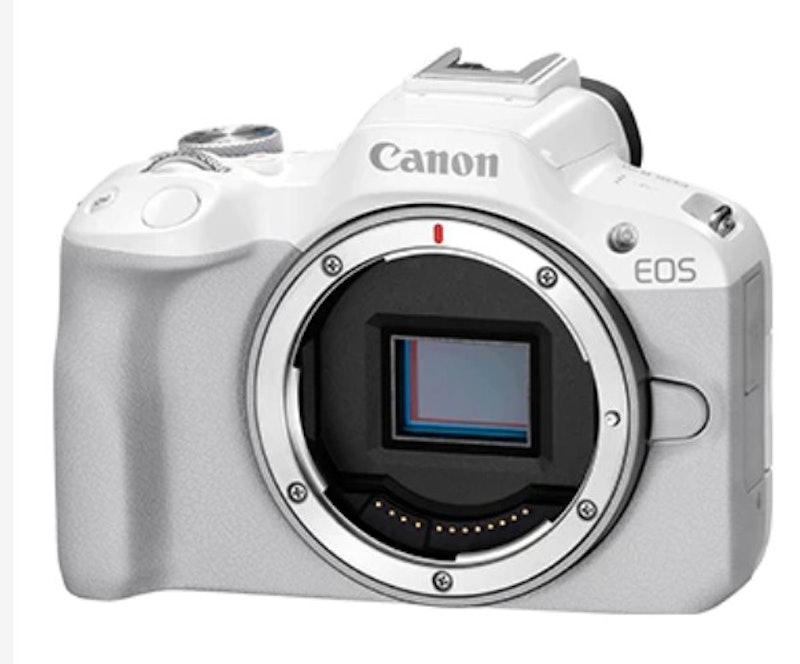
| Type of Camera | Mirrorless Camera |
|---|---|
| Interchangeable Lenses | |
| Sensor | APS-C CMOS Sensor |
| Image Resolution | 24.2 MP |
| Video Resolution | 4K at 30p |
| Weight | 505 g |
| Connectivity | Wi-Fi, Bluetooth, App |

Reviews mention:
Reviewers highlight the camera’s ease of setup and use, making it ideal for vlogging and everyday snapshots. A few note the battery could last longer or the standard kit could include more lenses, but many still appreciate its light, portable design for travel.
| Type of Camera | Mirrorless Camera |
|---|---|
| Interchangeable Lenses | |
| Sensor | APS-C CMOS Sensor |
| Image Resolution | 24.2 MP |
| Video Resolution | 4K 3840 x 2160p |
| Weight | 364 g |
| Connectivity | Wi-Fi |

Reviews mention:
Many find that it handles night scenes better than older action cameras, especially when shooting city lights or sunset clips. People appreciate the steadier footage during movement, along with the bright rear and front screens for framing. Several note that it feels more reliable for everyday travel and outdoor use in changing light.
| Type of Camera | Action Camera |
|---|---|
| Interchangeable Lenses | |
| Sensor | 1/1.3-Inch CMOS Sensor |
| Image Resolution | 40 MP |
| Video Resolution | 4K at 120p |
| Weight | 146 g |
| Connectivity | Wi-Fi, Bluetooth, App |

Reviews mention:
Many owners appreciate the lightweight body and comfortable handling, especially for on-the-go vlogging and extended shooting sessions. Quick smartphone connectivity is also often highlighted as convenient for posting vertical videos on platforms like TikTok. Some point out that the lack of a viewfinder can be limiting in bright outdoor conditions, though the tall orientation is well-suited for social media content. Battery life is generally seen as reliable for longer shoots.
| Type of Camera | Mirrorless Camera |
|---|---|
| Interchangeable Lenses | |
| Sensor | DX-Format CMOS Sensor |
| Image Resolution | 20.9 MP |
| Video Resolution | 4K at 24p/25p/30p |
| Weight | 350 g |
| Connectivity | Wi-Fi, Bluetooth, App |
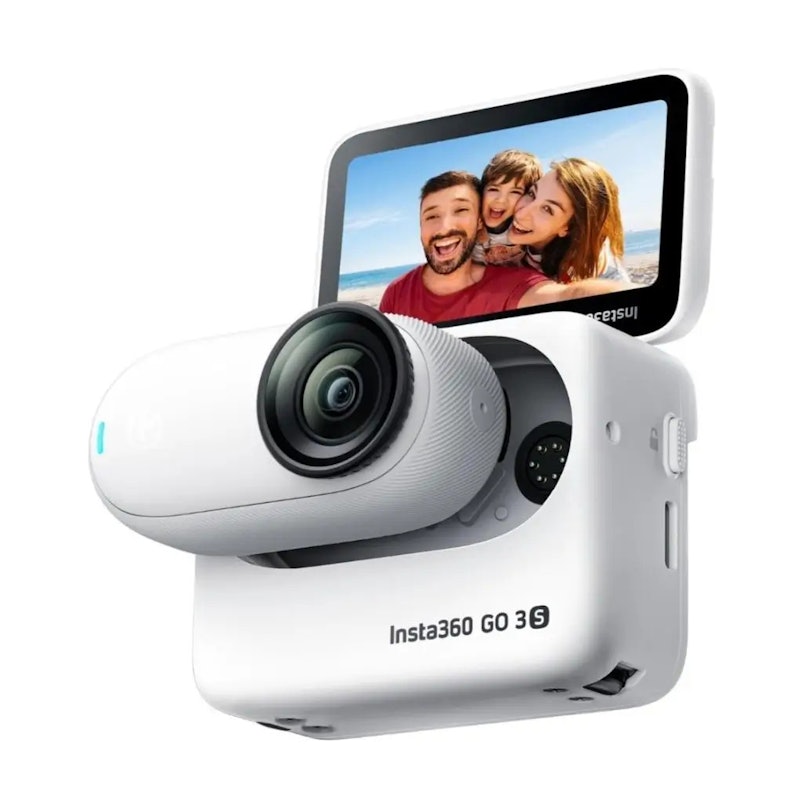
Many find the GO 3S effortless to use hands‑free, especially when clipped to shirt collars, bikes, or helmets for stable POV footage. People appreciate its compact, lightweight build, noting that it hardly adds bulk even for long outdoor sessions or travel. Several highlight the 4K footage and strong stabilization in action scenarios, mentioning that it reliably captures clear video without needing constant handheld adjustment.
| Type of Camera | Action Camera |
|---|---|
| Interchangeable Lenses | |
| Sensor | 1/2.3-Inch BSI CMOS Sensor |
| Image Resolution | 9 MP |
| Video Resolution | 4K at 30p |
| Weight | 39 g |
| Connectivity | Wi-Fi, Bluetooth, App |
GoProHero13 Black | Standard

Reviews mention:
Customers share that quick lens swaps let them capture stunning underwater macros. They also find GPS overlays add excitement to speed recaps, making adventures easier to document. With all this performance, they can rely on a battery that keeps up all day.
| Type of Camera | Action Camera |
|---|---|
| Interchangeable Lenses | |
| Sensor | 1/1.9-Inch CMOS Sensor |
| Image Resolution | 27 MP |
| Video Resolution | 5.3K in 30p |
| Weight | 159 g |
| Connectivity | Wi-Fi, Bluetooth, App |
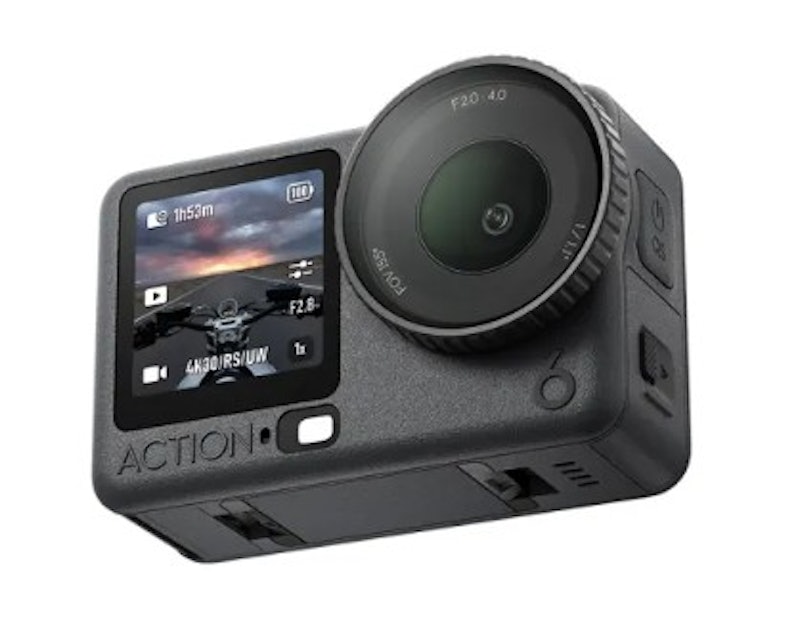
| Type of Camera | Action Camera |
|---|---|
| Interchangeable Lenses | |
| Sensor | 1/1.1-Inch CMOS Sensor |
| Image Resolution | 38.5 MP |
| Video Resolution | 8K at 30p |
| Weight | 149 g |
| Connectivity | Wi-Fi, Bluetooth, App |
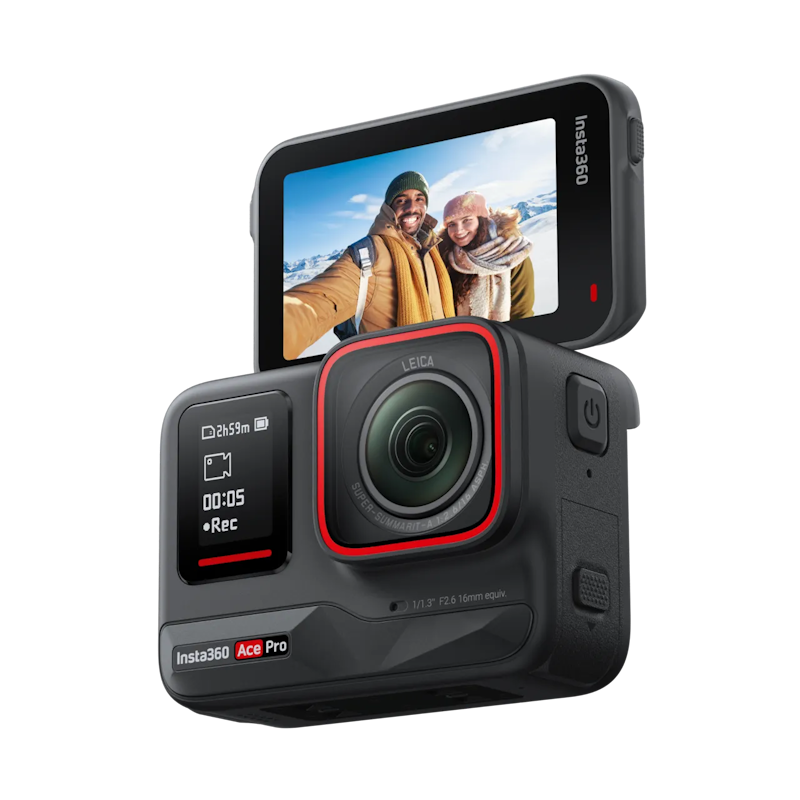
Reviews mention:
Many find that its strongest advantage is how clean the footage looks in low light compared with typical action cameras. People appreciate the fast charging and the steady video output for travel and everyday clips. Several mention that it feels like a practical option for users who shoot often in mixed lighting.
| Type of Camera | Action Camera |
|---|---|
| Interchangeable Lenses | |
| Sensor | 1/1.3-Inch CMOS Sensor |
| Image Resolution | 48 MP |
| Video Resolution | 8K at 24p |
| Weight | 179 g |
| Connectivity | Wi-Fi, Bluetooth, App |
Frequently Asked Questions Answered by Kenneth Aballa
Below are some of the most asked questions on the web answered by Kenneth Aballa.
How Do I Start Learning Photography?
Start by learning the exposure triangle (shutter speed, ISO, and aperture). If you could master the three, you'll be able to shoot under different scenarios. After that, the best way to learn is to do some actual shooting. Shoot portraits, events, nature, parties, and more. You can also learn tips and tricks online.
What Are the Basic Tools and Equipment I Need for Beginner Photography?
To start, you just really need a camera. Different lenses and other accessories like camera lights and a tripod can come in later. When you figure out what you want to shoot, you'll be able to select the appropriate lenses and accessories later on.
Are High-End Cameras Recommendable for Beginners?
High-end cameras are more complex than beginner cameras. They have more features and more adjustable settings that require a certain level of knowledge and experience.
I'm not against having a high-end camera for beginners, especially if they see it as a long-term investment. Before investing in a more expensive camera, it would be best to know if you want to progress in the field or if you just want to do it as a hobby.
More Tips from Kenneth Aballa
- Know that getting a camera is an investment
- Make sure that the camera that you will buy will fit what you want to shoot or your needs
- Read the fundamentals and start shooting. The best way to learn is to do it yourself
- Learn how to maximize your current equipment. Some people can shoot excellent photos even with just a phone camera
- Store your gear properly
More Choices for Photography Enthusiasts
There are simply so many cameras to choose from in the market. If you're looking for a specific type of camera, then you might want to check out some links below for the best DSLRs, mirrorless cameras, and compact digital cameras.

10 Best Mirrorless Cameras in the Philippines 2026 | Buying Guide Reviewed by Photographer and Graphic Artist

10 Best DSLR Cameras in the Philippines 2026 | Buying Guide Reviewed by Photographer and Graphic Artist

10 Best Compact Digital Cameras in the Philippines 2026 | Buying Guide Reviewed by Photographer and Graphic Artist
Author: Andrei Merino
How We Chose and Ranked Our Product Recommendations
Our buying guide was carefully researched and crafted by the mybest team of writers and editors, in collaboration with the expert featured in this article. We used the buying guide as a basis for choosing and ranking the product recommendations, and we looked at reviews and ratings from different E-commerce sites like Lazada, Shopee, and more.
The descriptions of each product are referenced from content available on manufacturer, brand, and e-commerce sites.